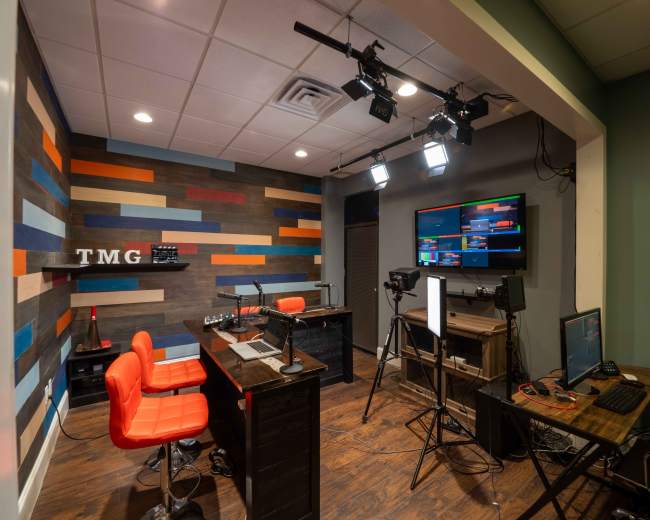
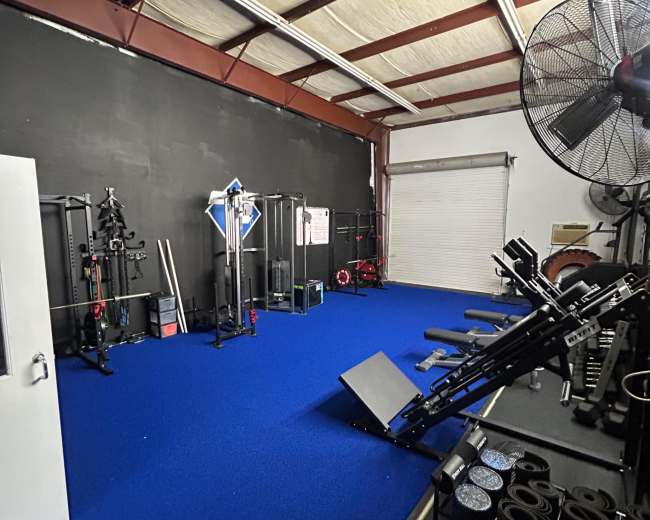
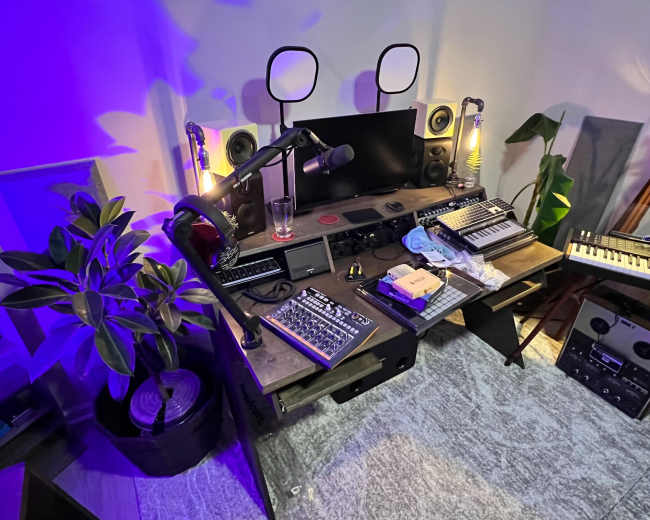
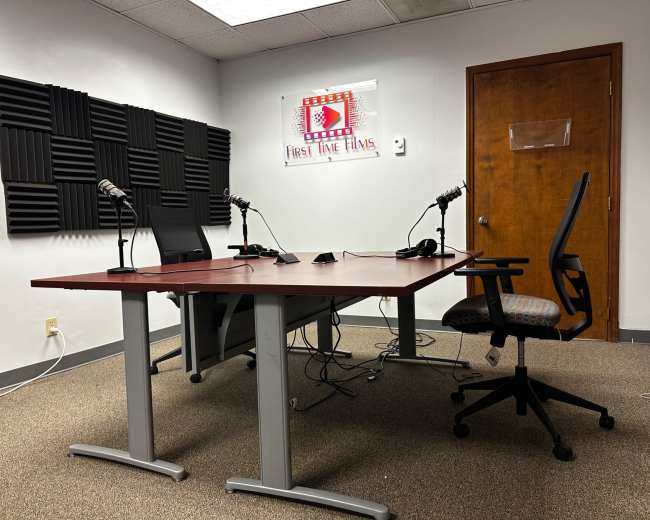
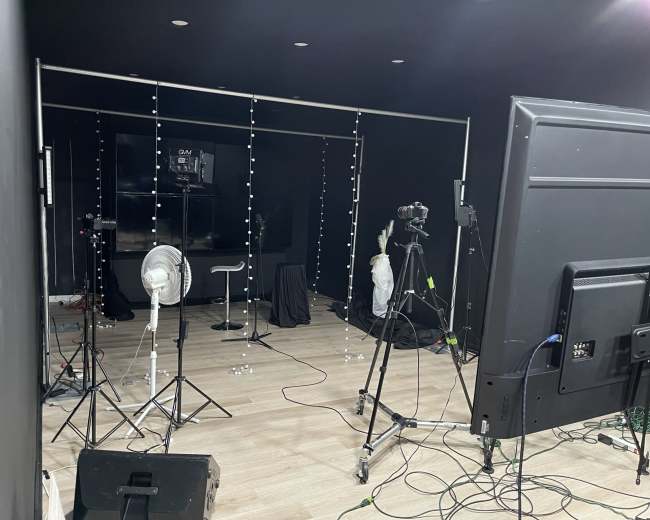
Rent a podcast studio in Raleigh, NC

Discover thousands of unique podcast studios for rent for your next recording.

Enter your activity
Raleigh, NC

How podcast rooms work on Peerspace

Peerspace is the easiest way to book unique for all kinds of productions including photo shoots, film shoots and music videos. We also have spaces for meetings and events.

The most locations

Every day we uncover new, inspirational spaces, including podcast rooms, perfect for your activity.

Professional hosts

Our network of helpful hosts respond quickly, and are well-versed in accommodating all types of productions, including film and photo shoots.

Hire by the hour

Only pay for what you need. Pay by the hour for your podcast room location without worrying about hidden fees or overtime.

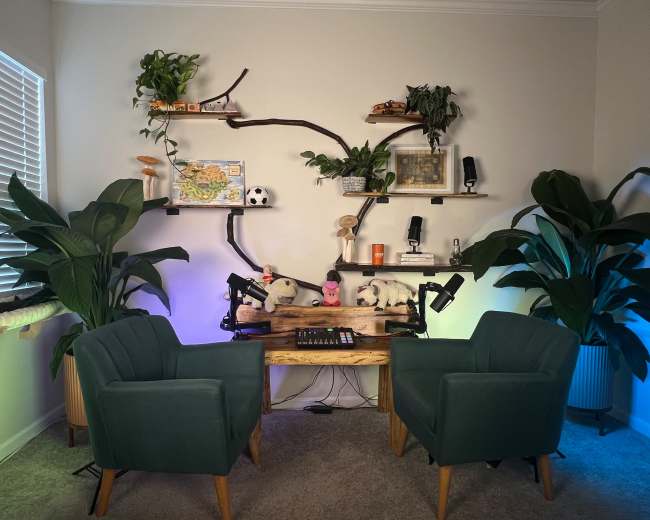
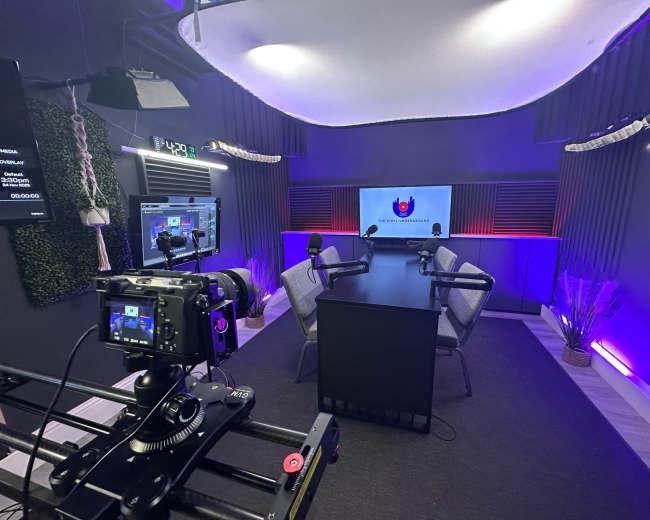
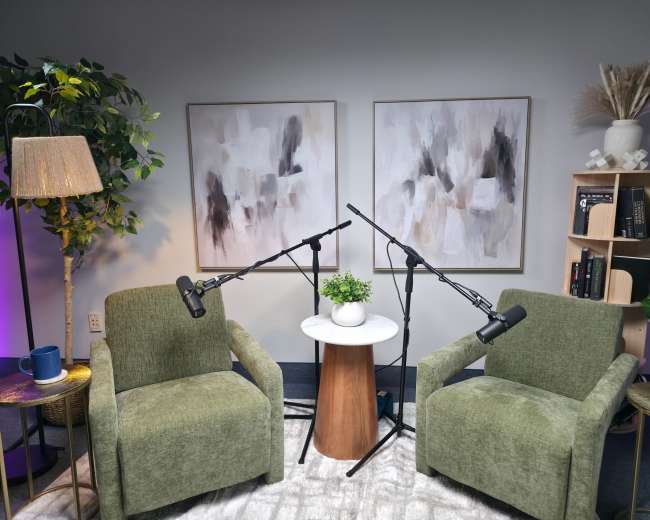
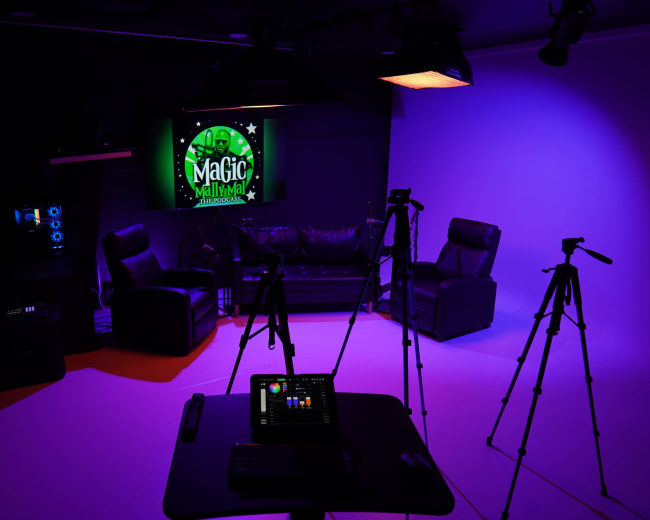
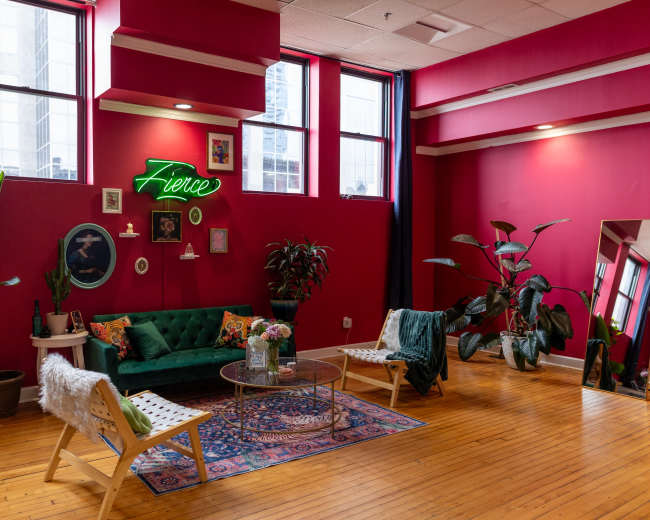
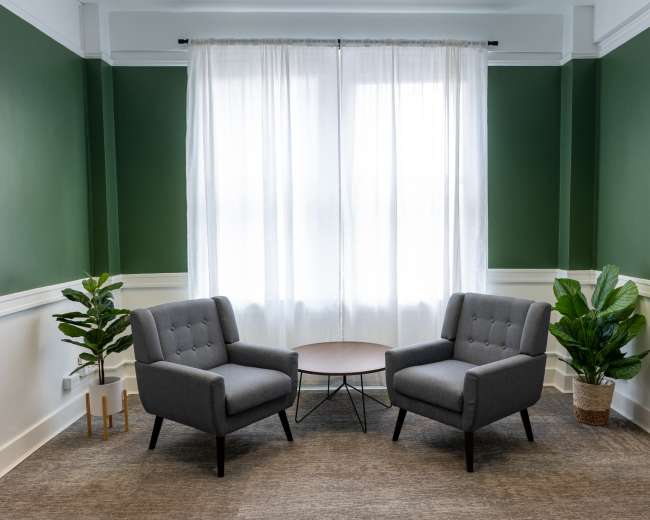
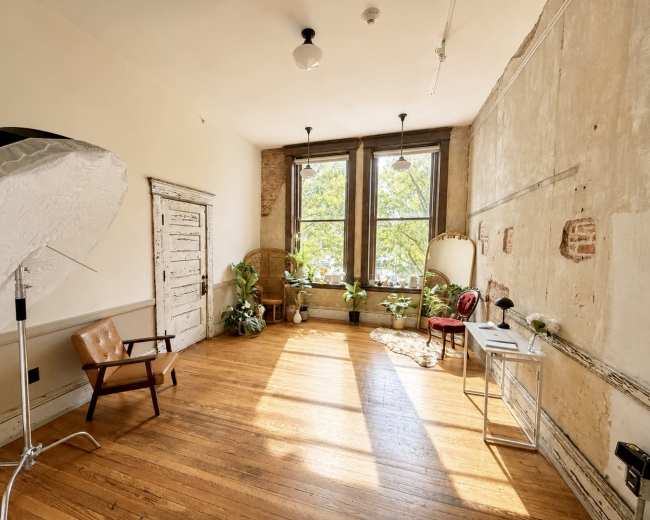
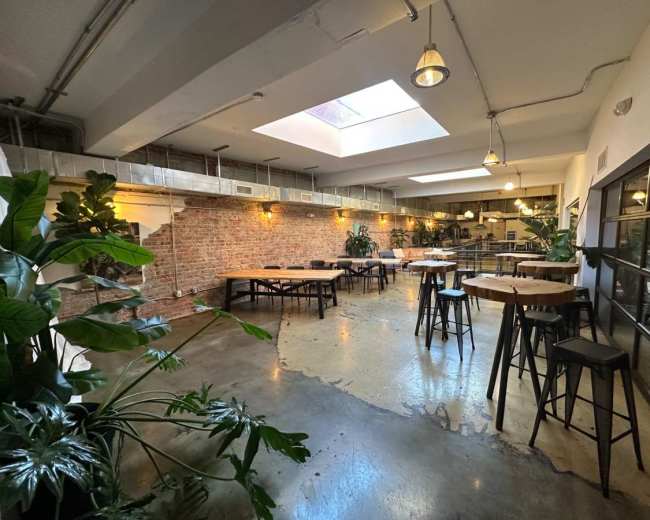
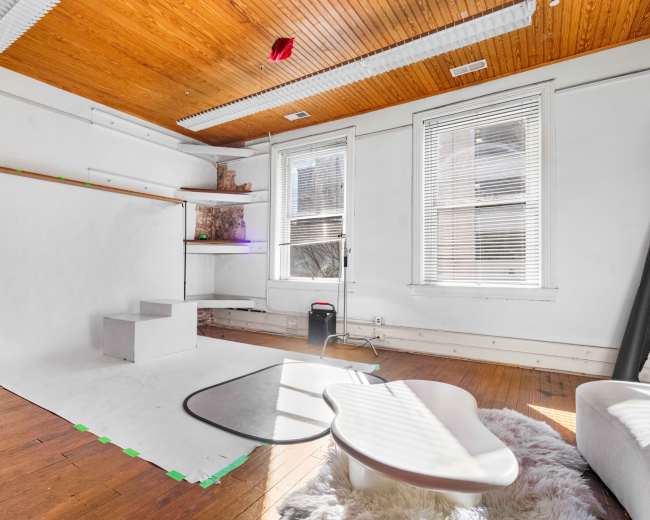
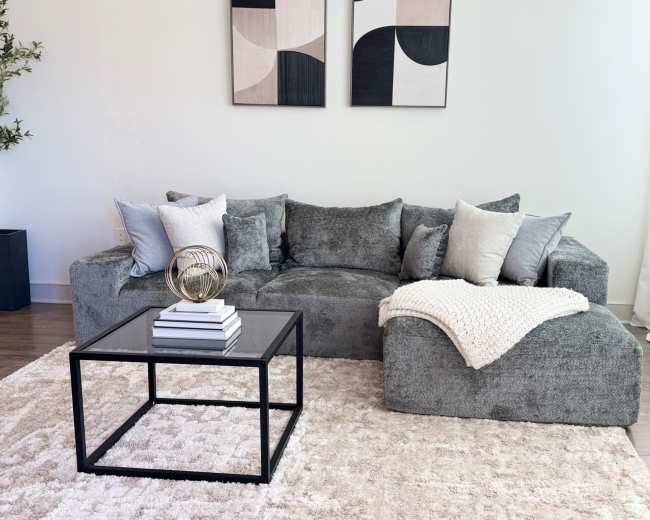
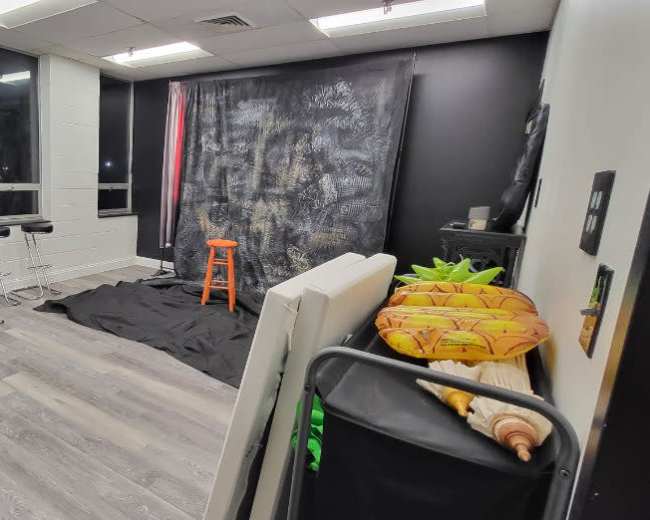
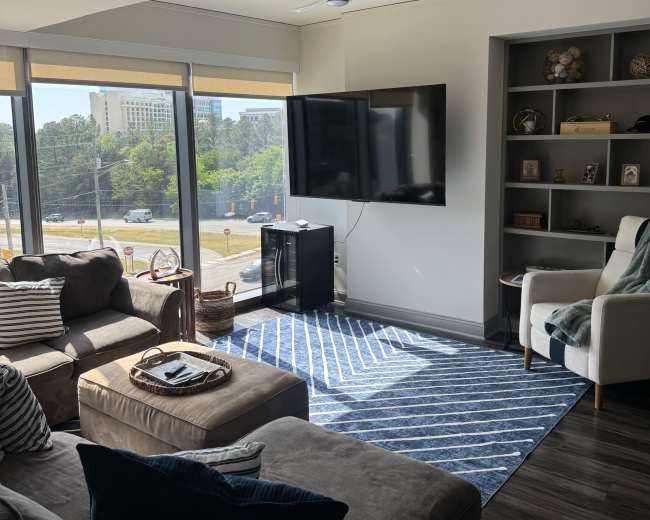
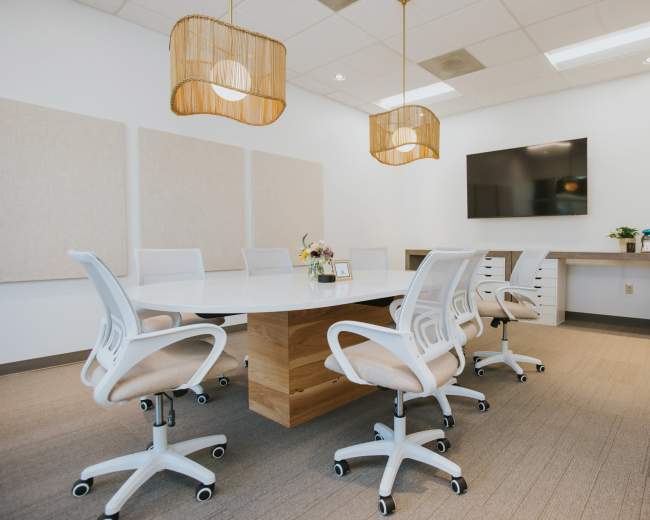
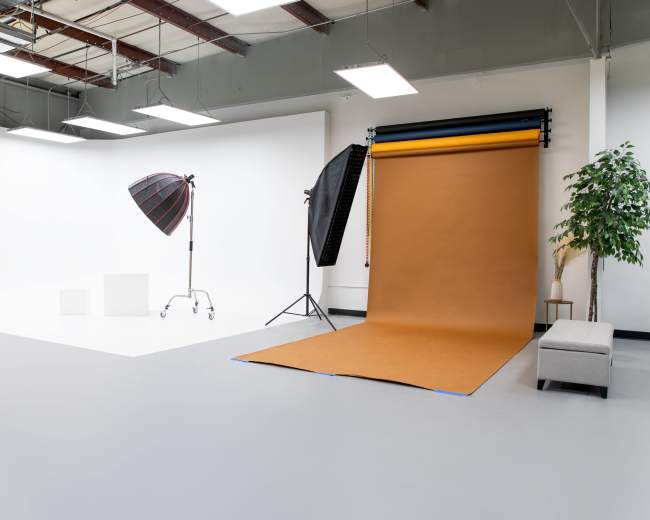
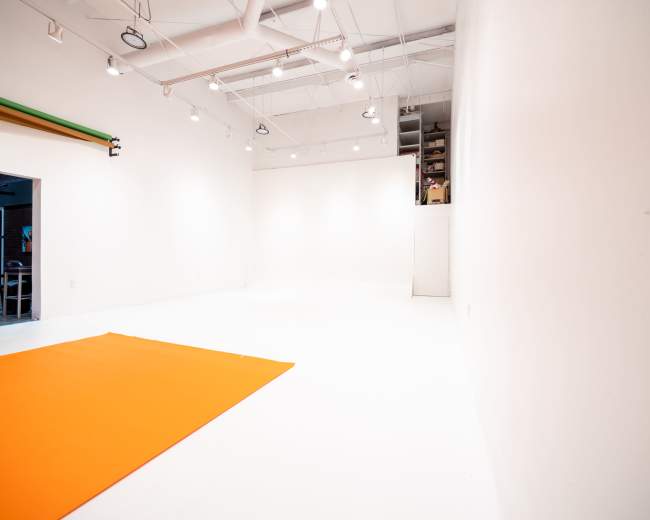
Popular podcast studios

How can I tell if a podcast studio is truly video-ready?

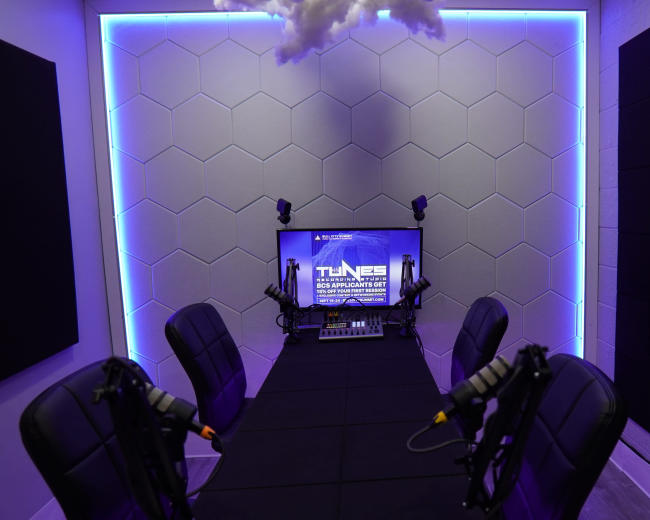
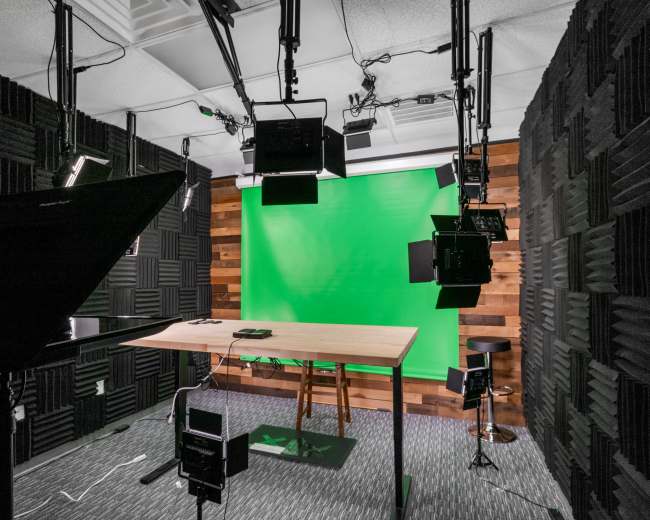
A podcast studio is truly video-ready when it helps you create strong-looking content without forcing you to solve basic production problems on arrival. Many rooms look polished in photos, but break down once cameras turn on. A real video-ready podcast studio is built for recorded conversation, not just decorated for it. Look for proof in five areas:
  • Camera setup: Ask whether the podcast studio supports one-camera, two-camera, or multi-angle recording. For interviews and roundtables, you want clean eyelines, enough distance between chairs, and camera positions that don't feel cramped.
  • Lighting control: Beautiful windows can become a problem when sunlight shifts halfway through an episode. Ask whether the room has controllable lighting, blackout options, or a fixed setup that stays consistent from take to take.
  • Audio treatment: A good-looking set is not enough if the room echoes, the HVAC system hums, or street noise leaks into every answer. Ask whether the room is treated for voice recording and request an unedited sample if possible.
  • Set design: If you plan to publish clips on YouTube, TikTok, Instagram, or LinkedIn, the background matters. Look for intentional seating, depth behind the speakers, clean sightlines, and a visual style that fits your brand.
  • Workflow support: A video-ready podcast studio should also be practical. Ask what's included, who sets everything up, how files are delivered, and whether vertical clips or social cutdowns can be captured in the same session.
Before you book a podcast studio in Raleigh, ask these questions:
  • What's included: Cameras, microphones, lighting, memory cards, switcher access, operator time, and file delivery
  • What the room sounds like: Echo, HVAC noise, traffic bleed, and noise from nearby tenants
  • Whether you can see a raw clip: Not just edited promo footage
  • Whether the set fits your format: Solo episodes, interviews, panels, branded series, or remote guest recording
  • Whether you can capture extra content: Reels, thumbnails, headshots, or talking-head videos during the same booking
Red flags matter too:
  • Only still photos: No sample clips, no behind-the-scenes footage, and no real proof of performance
  • Natural light as the whole pitch: Great for photos, risky for long recordings
  • No mention of sound treatment: Especially if the room is also marketed as a general event or photo space
  • Vague gear language: If a listing says professional equipment, but can't tell you what's actually there, expect surprises
The best podcast studio isn't the prettiest one. It's the one that gives you repeatable results every time you record. When you're ready to compare options side by side, browse podcast studios to see what's available and filter by the features that matter most to your format.

Do I need an engineer for my first podcast studio recording?

Not always, but many first-time podcasters are happier when they have one. If your biggest fear is saying the wrong thing on mic, you probably don't need an engineer. If your biggest fear is the gear, file settings, camera sync, or whether anything is actually recording, an engineer is often a smart first investment. You're more likely to need an engineer if any of these are true:
  • You're brand new: You've never recorded with multiple microphones, headphones, or cameras
  • You're recording video too: Audio-only is simpler. Once video enters the picture, setup and troubleshooting multiply quickly.
  • You have a guest: Especially a guest whose time is limited or whose presence raises the stakes
  • You want remote participation: Call-ins, Zoom guests, and live switching create more technical risk
  • You're batching multiple episodes: One small mistake can affect an entire day of content
  • You need to look polished immediately: Especially for a business launch, brand podcast, or sponsor-facing show
You can usually skip the engineer for a first session if your setup is simple:
  • One or two speakers: Fewer moving parts and easier monitoring
  • Audio-only: No camera sync, framing, or lighting complications
  • A plug-and-play podcast studio: The room and workflow are already set up for quick recording
  • Buffer time for a test run: Enough time to check levels and fix obvious problems
  • Comfort with basic recording software: You can start, stop, monitor, and save files confidently
A strong middle ground is to hire help for the first one or two sessions, then decide whether you want to keep that support. That approach reduces technical stress without locking you into full-service production every time. A simple test works well: if something fails during the session, will you notice it in time to fix it? If the honest answer is no, bring in an engineer. That's especially true in a Raleigh podcast studio if you also want short-form clips, brand assets, and polished talking-head content from the same booking. If video is a major part of your plan, it helps to find video studios in Raleigh for podcast recording that already include the camera and lighting infrastructure you need.

Is it better to book a podcast studio room or hire full production help?

It depends on what you're actually buying. When you book only a podcast studio room, you're usually buying flexibility. When you hire full production help, you're usually buying certainty. A room-only booking is often the better fit when:
  • You know your format: You already have a repeatable show structure and don't need strategic hand-holding
  • Your team can run the session: Someone can handle audio checks, file capture, and basic troubleshooting
  • You want tighter budget control: The Raleigh market includes lower-cost hourly rentals as well as premium studios, so room-only booking can be efficient when you mainly need a polished setting
  • You want creative freedom: You may want to bring your own producer, editor, or visual style
  • You're batching content: A few hours in the right room can produce a podcast episode, social clips, and stills for promotion
Full production help is often the better fit when:
  • You feel overwhelmed by the process: You don't want to think about setup, monitoring, or file management
  • You're launching a brand-facing show: The stakes are higher, and inconsistency is expensive
  • You need more than recording: Editing, intros, sound cleanup, thumbnails, clip extraction, publishing workflow, and distribution support
  • You're short on time: You want to show up, perform, and leave
  • You need strategic guidance: Help with format, episode structure, guest flow, and visual consistency
For many creators, the smartest choice is a hybrid model. Book a strong podcast studio and add technical support only where you need it. That often gives you the best balance of polish, cost, and control. A simple rule helps:
  • Book a room: When you already know how to make the content
  • Hire production help: When you still need help building the system behind the content
Pro tip: If you're comparing podcast studio options on Peerspace, message hosts before you commit and ask the same short list of questions about included gear, sound control, file delivery, and on-site help. Save your finalists to a shared Board so a cohost, editor, or client can weigh in, and avoid sending multiple live booking requests at once.

Which Raleigh areas are best for a podcast studio recording?

The best area depends less on city prestige and more on your recording goals. In Raleigh, the smartest way to choose a podcast studio location is to ask what matters most: guest convenience, parking, visual style, or easy access for a Triangle-wide team. Here's a practical way to think about it:
  • Downtown Raleigh: Best if you want a creator-friendly atmosphere, easy post-recording plans, and a stronger visual identity for video content. If that sounds like your vibe, you can search Downtown Raleigh video studios to see what's available in the area.
  • Central Raleigh near established studio corridors: Best if you want a more traditional production feel and straightforward access to dedicated recording setups
  • Areas closer to major roads and the Beltline: Best if guests are driving in, you're bringing gear, or you're batch recording and want easier parking and load-in
  • Cary: Best if your team or guest list is spread across the Triangle
  • Durham-adjacent options: Best if you're open to a slightly wider search radius for a stronger audio-plus-video setup
The main takeaway is simple: podcast studio shopping in Raleigh often behaves like a Triangle decision, not just a city-limits decision. If your cohost is in Cary, your guest is in Durham, and you're in Raleigh, the most convenient option may not be inside Raleigh proper. When choosing an area, weigh these practical issues first:
  • Guest travel: Will guests actually say yes to the location
  • Parking: Free and easy parking can matter more than a trendy address
  • Noise risk: Busy streets and mixed-use buildings can affect audio quality
  • Food and coffee nearby: Helpful if you're hosting guests or recording multiple episodes
  • Brand fit: Downtown energy feels different from a quieter, more corporate part of town
  • Time efficiency: In a two-hour booking, every minute of arrival friction matters
If you're recording solo or with one familiar cohost, almost any quiet, well-equipped podcast studio area can work. If you're inviting clients, experts, or multiple guests, choose the area that reduces friction first. Convenience helps people relax, and relaxed people usually sound better on mic. For interview-heavy formats downtown, it's also worth looking into filmed interview locations where the room is already set up for on-camera conversation.

Should I rent a podcast studio or record at home or in a park?

If you want the short answer, start at home to test your idea, rent a podcast studio when you want consistency, and use a park only when outdoor sound is part of the concept. Each option solves a different problem. A podcast studio is best when you want:
  • Reliable sound: Consistent, treated audio that's hard to recreate at home or outdoors
  • Better video: Controlled lighting, cleaner backgrounds, and a more polished overall look
  • A stronger first impression: Especially when you're inviting guests, clients, or sponsors
  • A repeatable workflow: The same setup each session instead of rebuilding your environment every time
  • Enough polish to support your brand: Especially if you want reels, shorts, or talking-head clips from the same session
Home recording is best when you want:
  • Low cost: Minimal overhead while you test your show
  • Maximum frequency: The easiest path to recording often and building consistency
  • A low-pressure way to practice: Helpful for solo episodes and early reps
  • Complete schedule control: You can record whenever it works for you
A park is best when you want:
  • An intentional outdoor atmosphere: The environment is part of the story
  • Field-style storytelling: You're capturing place, movement, and ambient sound
  • A documentary feel: Less polished and more natural by design
  • A casual social media moment: Better for quick content than for a flagship episode
For most podcast formats, though, a park is the hardest option. Wind, traffic, people passing by, maintenance noise, aircraft, and changing light can hurt both audio and video. Basic logistics become harder too, including power, seating, monitoring, restrooms, and permits. A simple decision guide can help:
  • Choose home: When you're validating your idea
  • Choose a studio: When you're building a serious content system
  • Choose a park: When outdoor sound is the point, not the obstacle
If you're stuck between home and a podcast studio, ask yourself whether you want to make a podcast or keep rebuilding the conditions required to make one. If you're tired of troubleshooting, a podcast studio is usually the upgrade that helps you publish consistently. Creators who plan to batch multiple episodes or capture social content alongside their podcast may also want to consider content houses in Raleigh, which can offer more flexible space for longer sessions.
Can a podcast studio room work for a Raleigh creator meetup?

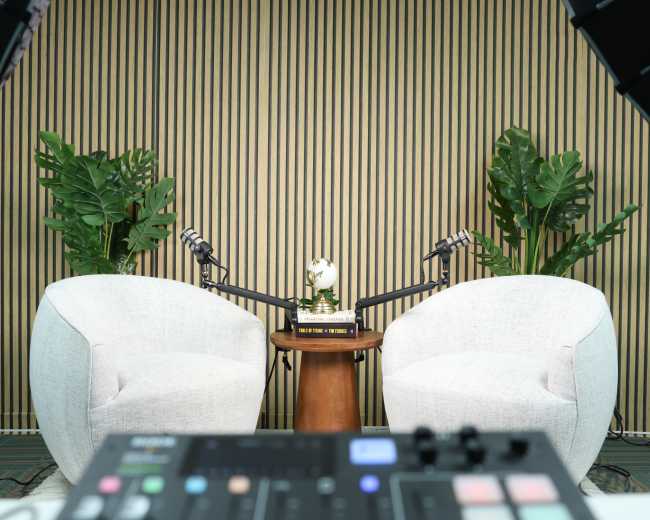
Yes, if you treat it as an intimate creator gathering rather than a large event. A podcast studio can work extremely well for a Raleigh creator meetup when the goal is conversation, collaboration, and content. It's a weaker fit when the goal is crowd volume. The real question isn't whether it can work. It's what kind of meetup you want to create. A podcast studio works especially well for:
  • Creator mixers: Small groups where people actually talk instead of just circulating
  • Live tapings: A host interview, panel, or audience Q&A with limited seating
  • Workshops: Podcast coaching, content feedback sessions, or gear demos
  • Roundtables: Local founders, marketers, creators, or community leaders in conversation
  • Launch gatherings: A new show celebration with teaser recording and social clips from attendees
Where people run into trouble is scale. A dedicated podcast studio is not the same thing as a 50-person event space. Once you need sponsor tables, open mingling zones, catering stations, or heavy foot traffic, you've probably outgrown the room. If your gathering leans more toward networking and mingling than recording, you can browse meetup venues in Downtown Raleigh to find spaces designed for that kind of flow. Before you book, check these meetup essentials:
  • True standing and seated capacity: Not just the maximum number on the listing
  • Flow: Where people enter, mingle, sit, and store bags or gear
  • Noise containment: Important if you want to record during the meetup
  • Food and drink rules: Especially around equipment
  • Parking and access: A meetup falls apart quickly if attendees struggle to arrive
  • Restrooms and common areas: Small infrastructure details matter more than people expect
  • Address-sharing rules: Important if you plan to promote the event publicly
If you keep the meetup intentional and small, a podcast studio can feel more thoughtful, collaborative, and content-friendly than a generic venue.
Updated July 16, 2026Our data is refreshed in real time using booking trends, verified guest reviews, and direct partner updates — with additional quality checks from our team.