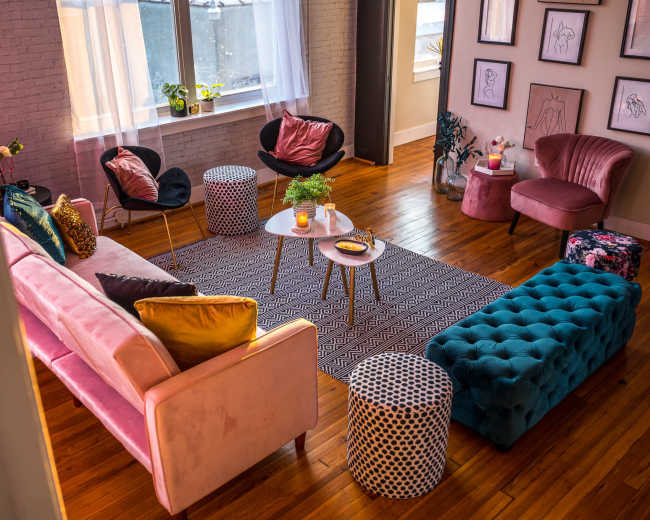
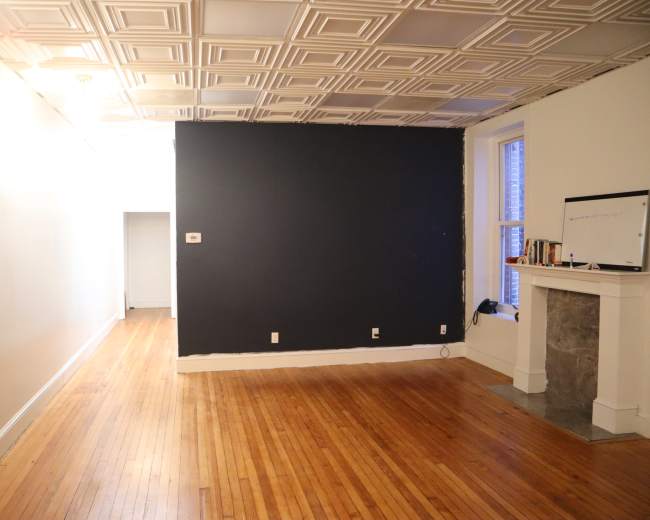
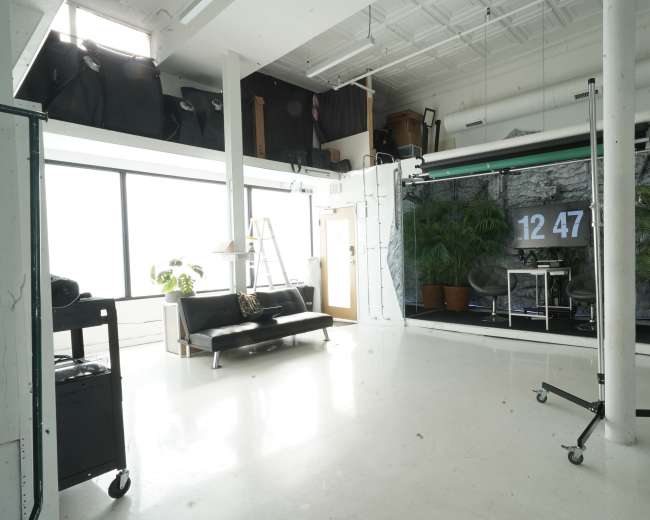
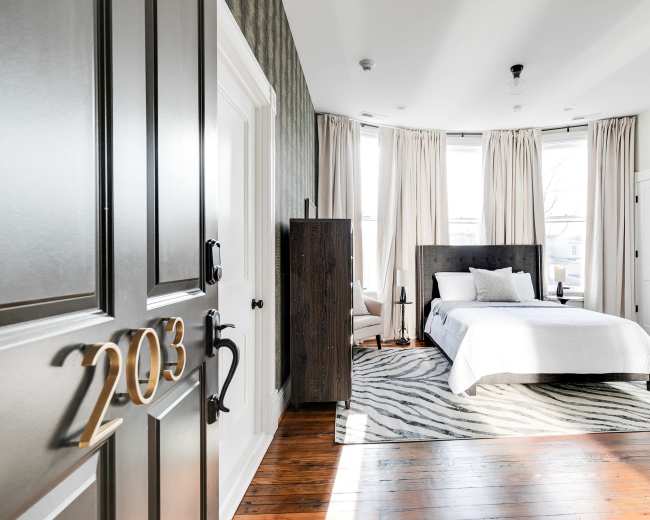
Rent a podcast studio in Richmond, VA

Discover thousands of unique podcast studios for rent for your next recording.

Enter your activity
Richmond, VA

How podcast rooms work on Peerspace

Peerspace is the easiest way to book unique for all kinds of productions including photo shoots, film shoots and music videos. We also have spaces for meetings and events.

The most locations

Every day we uncover new, inspirational spaces, including podcast rooms, perfect for your activity.

Professional hosts

Our network of helpful hosts respond quickly, and are well-versed in accommodating all types of productions, including film and photo shoots.

Hire by the hour

Only pay for what you need. Pay by the hour for your podcast room location without worrying about hidden fees or overtime.

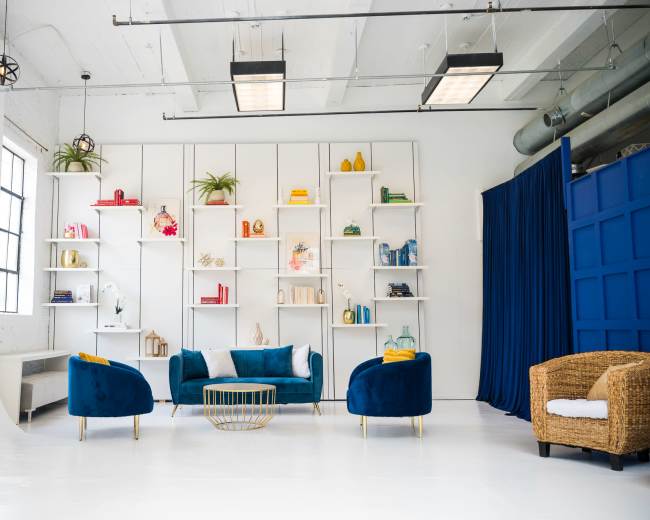
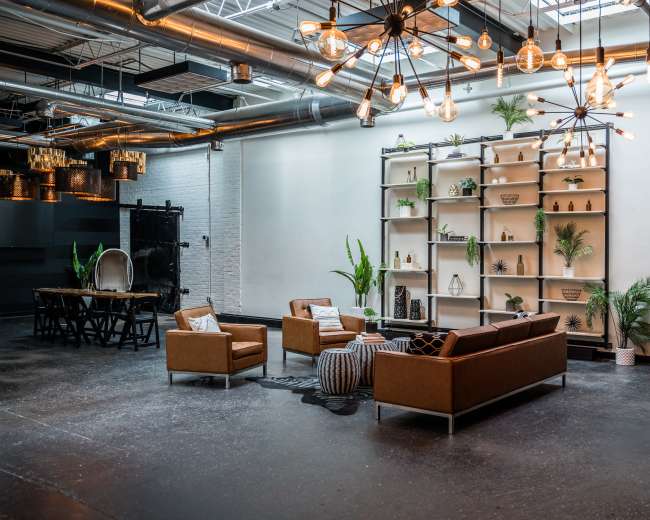
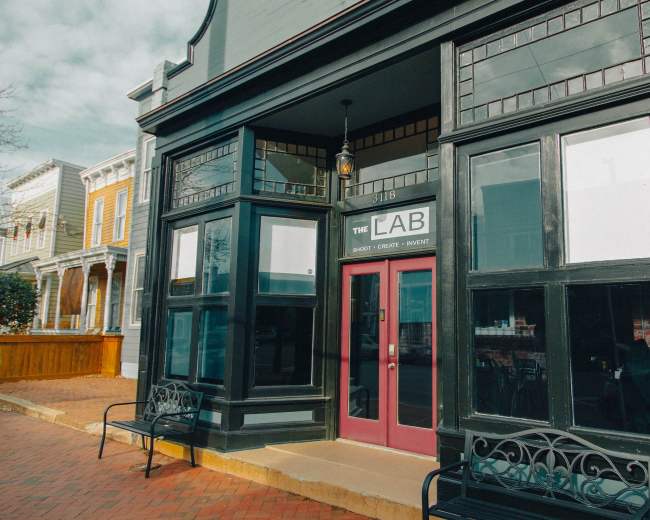
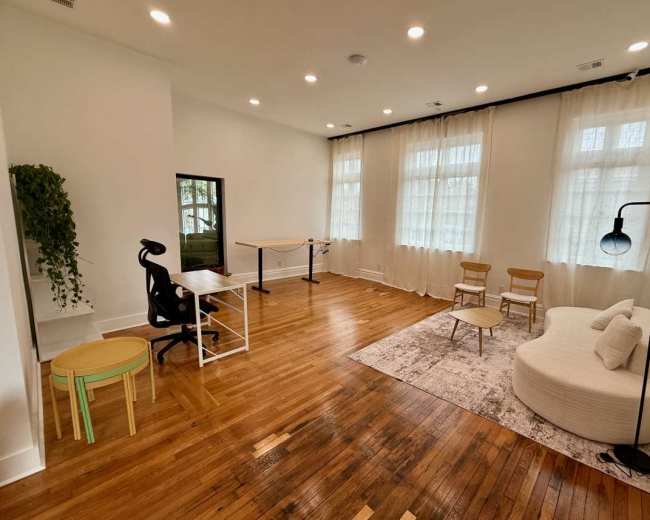
Popular podcast studios

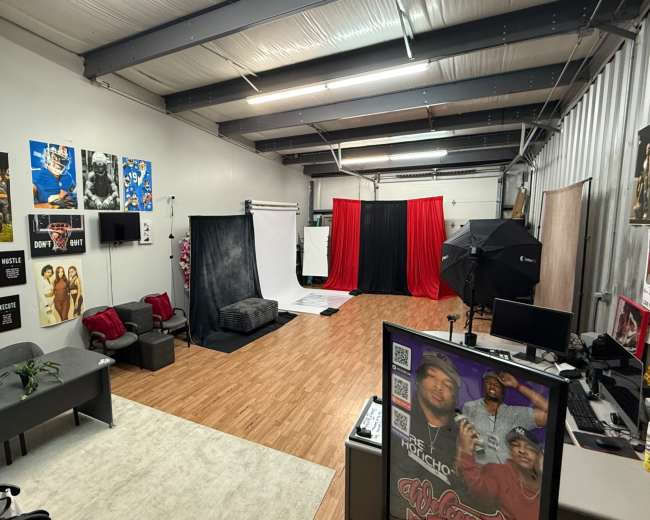
Will I get mics, lighting, and setup help at a Richmond podcast studio?

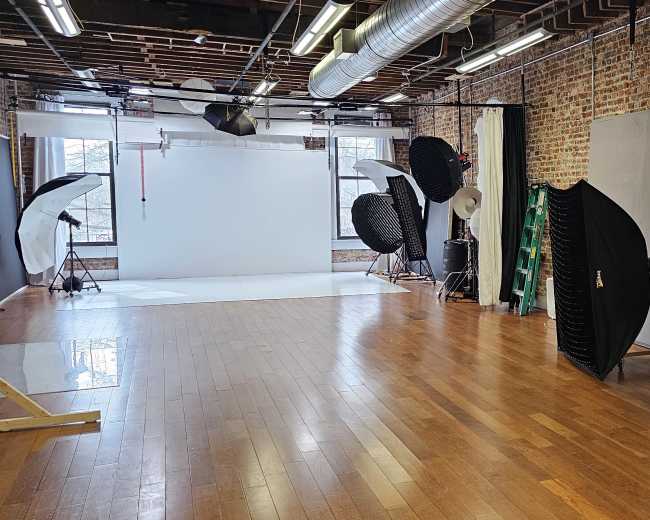
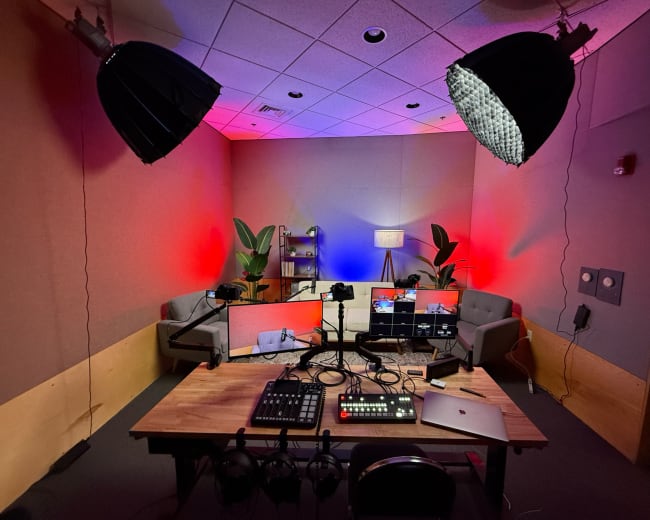
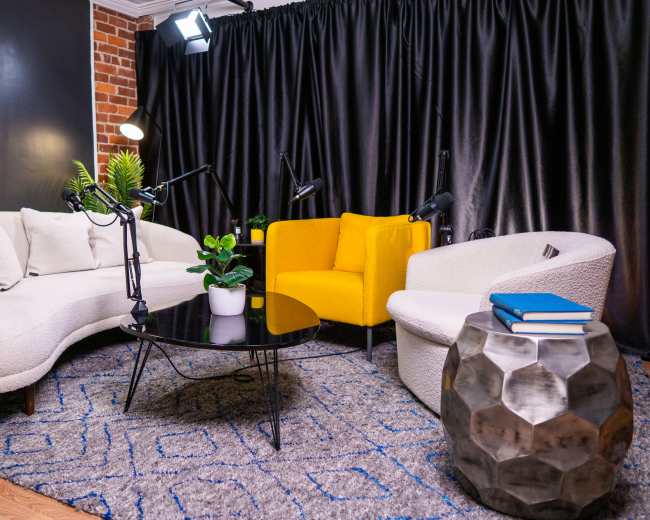
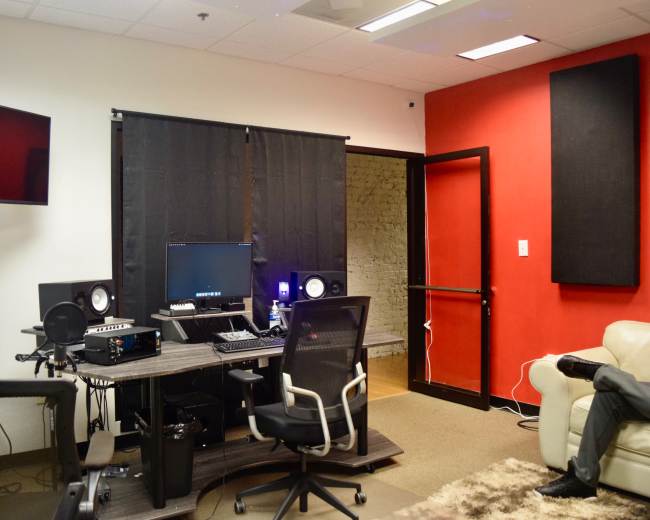
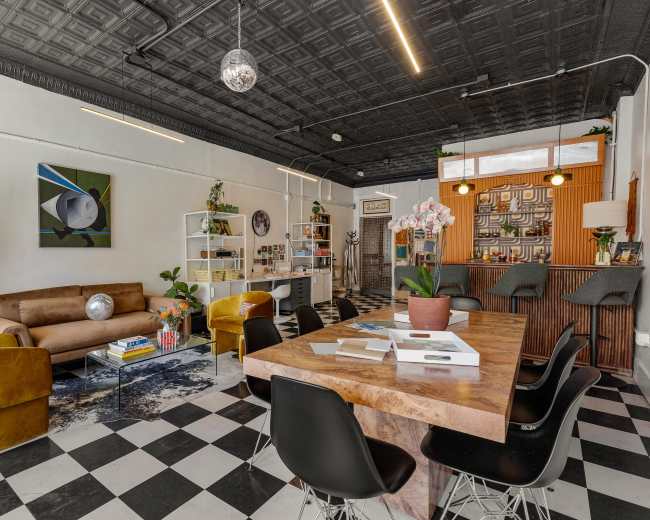
Sometimes, but never assume it. Some podcast studio rentals in Richmond are true plug-and-play spaces with microphones, lighting, and on-site help. Others are content rooms or creative studios that look great on camera, but expect you to manage the recording workflow yourself. That difference matters most for new podcasters. If you're worried about audio levels, lighting, camera framing, or guest sound quality, look for a Richmond podcast studio that removes technical friction instead of adding it. A good starting point is to browse studios and compare what each space actually includes. University of Virginia Learning Design & Technology notes that a professional podcast setup includes more than a microphone on a table. A strong benchmark includes an audio interface and sound dampening, which is useful when you're comparing Richmond listings that use vague phrases like "professional setup" or "creator-ready." Before you book, ask direct questions like these:
  • Included gear: Are microphones, headphones, and the audio interface included in the hourly rate?
  • Video setup: If I'm filming, are lights and cameras included or billed separately?
  • On-site help: Will someone help with setup, sound checks, and troubleshooting?
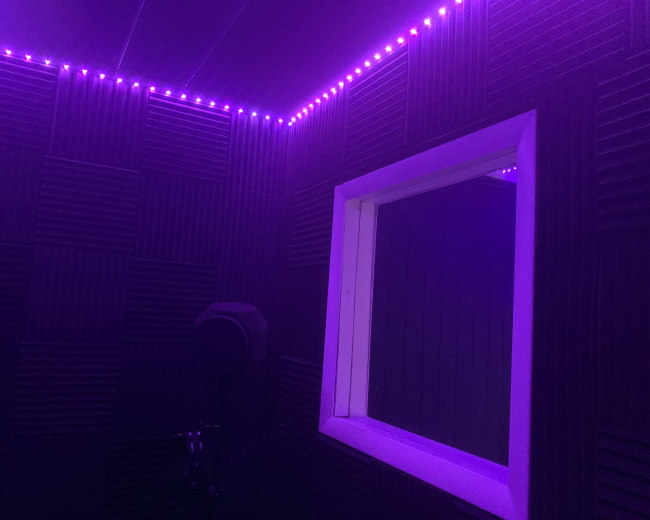
  • Room treatment: Is the room acoustically treated for echo and background noise?
  • File delivery: Do I get raw files, edited files, or both?
  • Booking window: Does my time include setup and teardown, or only record time?
Watch for a few common red flags:
  • The listing says "podcast-ready," but never names the gear.
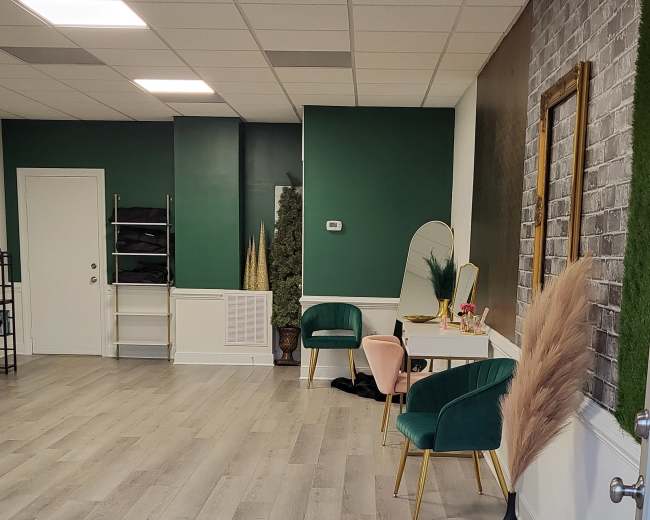
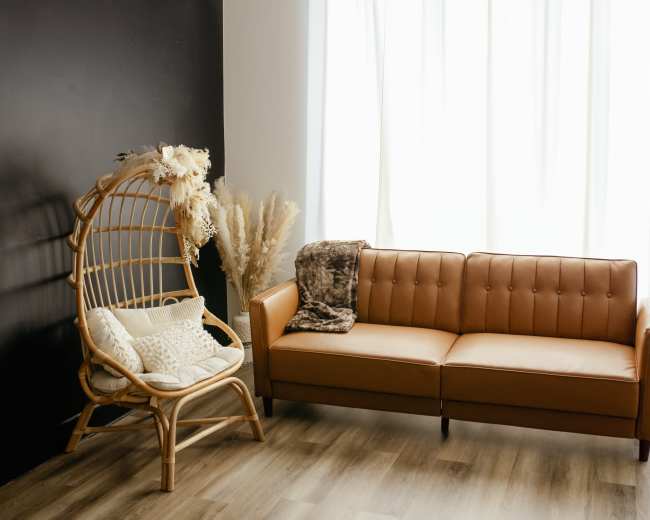
  • The photos show decor, but not the actual recording setup.
  • There's no mention of acoustic treatment, soundproofing, or monitoring.
  • The host can't clearly explain what help is available on site.
If your goal is storytelling instead of troubleshooting, prioritize support over aesthetics. A beautiful room that sounds bad creates more work later. A simpler podcast studio with strong microphones, clean lighting, and hands-on help usually delivers a much better first recording experience.

What affects podcast studio pricing in Richmond?

Studio pricing usually comes down to one question: are you paying for a room, or are you paying for a production experience? In Richmond, podcast studio rentals can range from about $30 to $225 per hour, but the hourly rate alone doesn't tell the full story. Lower-priced options are often more DIY. Higher-priced options usually include better acoustics, video capability, equipment, or on-site support. The main factors that raise the cost of a podcast studio in Richmond are:
  • Recording format: Audio-only sessions usually cost less than video podcast production.
  • Session size: More hosts, guests, or camera angles usually increase the rate.
  • Included equipment: Microphones, lighting, headphones, mixers, and cameras can raise the price if they're included.
  • Sound quality: Acoustic treatment and soundproofing often justify higher pricing.
  • Support level: An on-site engineer, producer, or studio assistant adds value and cost.
  • Post-production: Editing, clips, and file handling are often priced separately.
  • Location: Central Richmond locations with easier guest access may cost more.
  • Minimums and overtime: Booking minimums, setup time, teardown time, and overtime policies can change the real total.
  • Visual design: A camera-ready set for YouTube or social clips usually costs more than a basic audio room.
The easiest mistake is comparing only the headline hourly rate. A cheaper podcast studio can become more expensive if you need to bring your own lights, rent extra microphones, book extra time for setup, or pay more for file delivery later. To compare studios fairly, ask for the full cost of your actual session. For example, ask what it would cost to record a two-person video podcast with enough time for setup, recording, and pack-out. That number is far more useful than the base rate. If you need a space with full audio capability, you can also find recording studios to compare options side by side. If you're early in your podcast journey, paying for ease is usually worth it. If you already know your format and can run your own session, a simpler Richmond podcast studio rental may be the better value.

Should I build a home setup or rent a studio first?

For most new podcasters, renting a podcast studio first is the smarter move. It may feel cheaper to buy gear right away, but renting first often saves money over time. A studio helps you test your format before you invest in microphones, room treatment, furniture, lighting, and software you may not actually need. This is the real build-versus-buy question: most people don't regret recording their first few episodes in a professional space. They regret buying equipment before they understand their workflow. Randolph-Macon College describes its Jacobs Radio and Podcast Studio in the Greater Richmond area as industry-quality. That is a helpful reminder that professional sound comes from the full environment, not just the microphone. You're also paying for acoustic control, monitoring, signal flow, and a setup that keeps you focused on the conversation. Rent a Richmond podcast studio first if any of these sound like you:
  • You're still testing your show concept.
  • You want guest interviews to sound polished right away.
  • You plan to publish video clips as well as audio.
  • You're not comfortable managing live tech issues.
  • You want to hear what your show can sound like at its best before you buy anything.
A home setup starts making more sense when:
  • Your format is consistent.
  • You record often enough that rental costs are adding up.
  • You have a quiet room you can control.
  • You're comfortable learning gear and troubleshooting.
  • You mainly record audio rather than a full video show.
A practical middle path looks like this:
  • Record your first three to five episodes in a podcast studio.
  • Notice what you actually use.
  • Pay attention to mic technique, seating, lighting, and pacing.
  • Build a home setup around the format that proves itself.
That approach helps you avoid solving a long-term problem too early. It also gives you a clear reference point. Once you've heard yourself in a properly treated room, you can make much better decisions about what's worth buying for home.

Which Richmond areas are best for recording a podcast?

The best Richmond area for a podcast studio depends on four things: sound quality, visual style, guest convenience, and budget. When you compare podcast studio locations in Richmond, think less about the neighborhood name alone and more about the type of session you are running. Here's a practical way to evaluate the city:
  • Downtown, Shockoe Bottom, and Jackson Ward: These central areas are strong for guest access, a polished professional feel, and spaces connected to Richmond's growing creator economy. The 6495 Foundation highlights a dedicated podcast studio in downtown Richmond tied to content creation and brand development, which supports the idea that central Richmond works well for creators who want both space and support. If you're planning a video-forward show in this part of the city, you can explore video studios to see what's available.
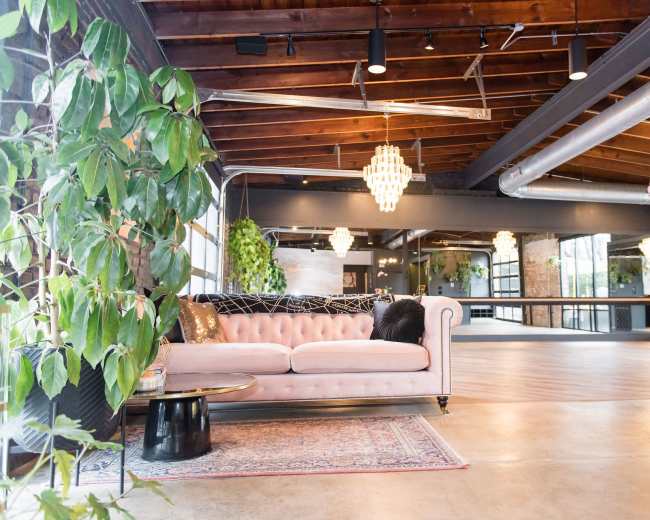
  • Manchester and Old Town Manchester: These areas are often appealing for video podcasts and interview-style content because you're more likely to find visually distinctive lofts, industrial textures, and flexible creative spaces. If you're filming sit-down conversations with guests, you may also want to book a filmed interview space for a more polished setup.
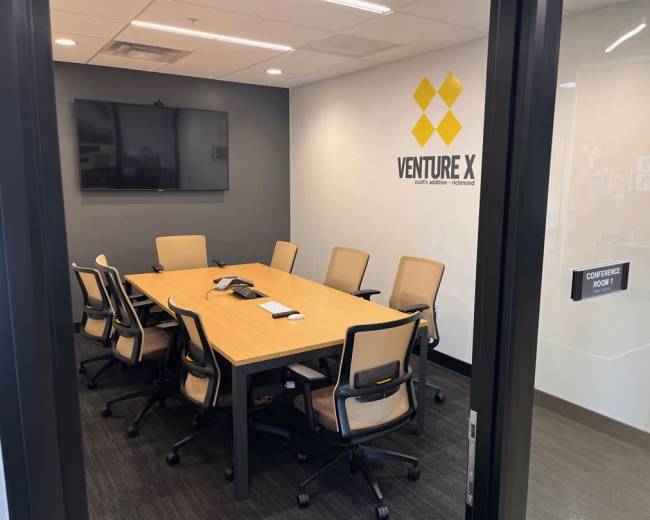
  • Scott's Addition: This area is a strong choice for convenience. If you're bringing a cohost, guest, or small team, it can be easier to build a workday around the location. You can find creative workspaces here that offer flexible layouts suited to content creation.
  • Church Hill and The Fan: These neighborhoods can offer character and intimacy, but older or more residential spaces require closer vetting. Ask about stairs, street noise, parking, and load-in before you book.
Richmond is also increasingly video-forward, not just audio-first. The Richmonder reports that Richmond High School for the Arts includes both a podcast studio and video production rooms. That reflects what many renters now want from a Richmond podcast studio: clean sound and a strong visual environment. A few simple rules can help you match the right area to the right session:
  • If guest convenience matters most, stay central.
  • If your brand depends on visuals, prioritize the set and background.
  • If sound quality matters most, choose acoustic treatment over neighborhood hype.
  • If you're recording with an audience, think like you're booking a small event venue, not just a two-chair podcast room.
That last point matters. Once you add a live audience, your needs start looking more like a small event production than a standard podcast recording. Capacity, restrooms, waiting space, and check-in flow suddenly matter a lot.

Should I rent a venue or use home or park space instead?

If your show needs clean sound, guest comfort, and a polished look, renting a venue is usually the best option. Home can work well. A park usually works only when the outdoor setting is part of the concept. The short answer is simple:
  • Rent a venue: Best for reliable audio, a camera-ready background, privacy, power, seating, and fewer surprises
  • Use home: Best for a simple format, a quiet room, and creators who are comfortable handling the tech
  • Use a park: Best only when you intentionally want field-recording energy and are willing to accept wind, traffic, voices, weather, and inconsistent sound
This is where people often underestimate logistics. A park can look inexpensive at first, but it usually gives you the least control. You may need to think about power, weather backup, audience audibility, permits, restrooms, and how guests will arrive and leave. A home setup works best when you can keep the environment consistent. A rented podcast studio or venue works best when you need confidence and polish. A park works best when the sound of the location is part of the story. Renting a venue makes the most sense if you are:
  • Interviewing guests who need a comfortable, professional experience
  • Filming for YouTube, TikTok, or social clips
  • Recording branded content or sponsored episodes
  • Hosting more than two people at once
  • Trying to impress a first-time guest, client, or collaborator
Home is a smart option if you:
  • Record solo or with one repeat cohost
  • Have a room you can keep consistent
  • Want full scheduling flexibility
  • Are optimizing for long-term cost rather than first-session ease
A park should usually be your third option, not your default. In Richmond, it can make sense for man-on-the-street clips, short location segments, or documentary-style audio. It's rarely the best main recording environment for a standard interview podcast. If you're looking for a dedicated space that bridges podcast recording and content creation, you can also consider content houses that offer flexible setups for multiple formats.
Can I book a podcast room in Richmond for a trial run?

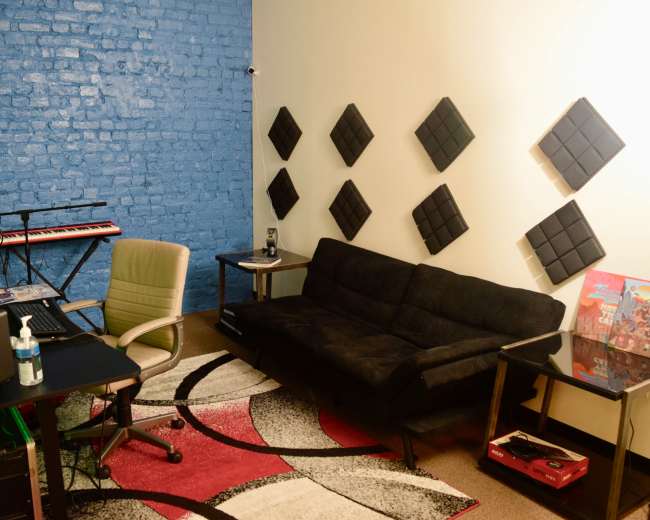
Yes, and booking a trial run is one of the smartest ways to choose the right podcast studio in Richmond. A test session reduces risk before you commit to a recurring studio, a package, or a home build. It lets you evaluate the room with your real format instead of guessing from listing photos. A short Richmond podcast studio trial run can help you check:
  • Voice quality: How your voice actually sounds in the room
  • Comfort: Whether the chairs, table height, and mic placement feel natural
  • Lighting: Whether the setup flatters your skin tone and matches your brand look
  • Noise control: Whether there is traffic noise, HVAC hum, or echo
  • Guest experience: How easy it is to load in, park, and welcome a guest
  • Real support: Whether the host or studio team is helpful during the session
  • File delivery: How recordings are delivered after you finish
If possible, book enough time to do more than a sound check. Record a real segment. Do your intro, ask a few questions, and capture one short video clip you could actually post. If the studio allows it, listen back before you leave. A trial run is especially useful if you're deciding between:
  • A full-service podcast studio and a more DIY room
  • Audio-only and video-first formats
  • Building at home or staying with rentals
  • A central Richmond location and a cheaper option farther out
Pro tip: If you're booking on Peerspace, use the platform like a comparison tool, not just a checkout page. Message each host with the same five questions so you can compare podcast studio options fairly, save your finalists to a Board if you're deciding with a cohost or producer, and avoid sending multiple active booking requests at once because any one of them can be accepted. If you book and then immediately realize it's not the right fit, Peerspace also has a grace period for cancellations made within 24 hours of confirmation when the booking start time is more than 48 hours away. If you do only one thing before choosing a podcast studio in Richmond, make it this: book the smallest real-world test that lets you hear yourself in the space. One session can save you from overspending, overbuying, or locking yourself into the wrong workflow.
Updated July 16, 2026Our data is refreshed in real time using booking trends, verified guest reviews, and direct partner updates — with additional quality checks from our team.