Rent a podcast studio in Salt Lake City, UT

Discover thousands of unique podcast studios for rent for your next recording.

Enter your activity
Salt Lake City, UT

How podcast rooms work on Peerspace

Peerspace is the easiest way to book unique for all kinds of productions including photo shoots, film shoots and music videos. We also have spaces for meetings and events.

The most locations

Every day we uncover new, inspirational spaces, including podcast rooms, perfect for your activity.

Professional hosts

Our network of helpful hosts respond quickly, and are well-versed in accommodating all types of productions, including film and photo shoots.

Hire by the hour

Only pay for what you need. Pay by the hour for your podcast room location without worrying about hidden fees or overtime.

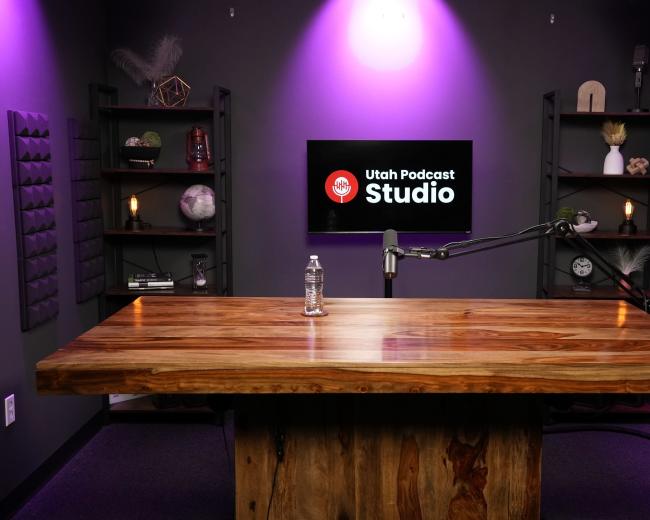
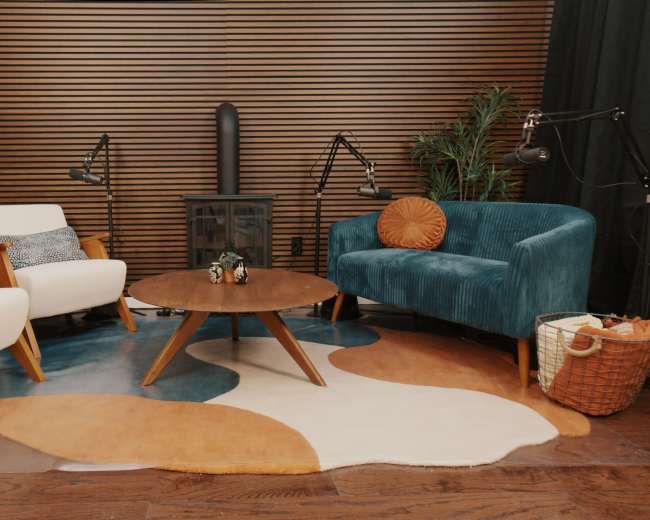
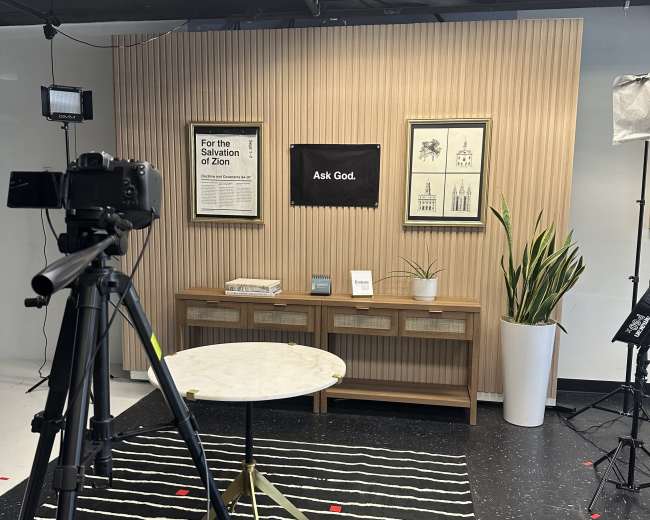
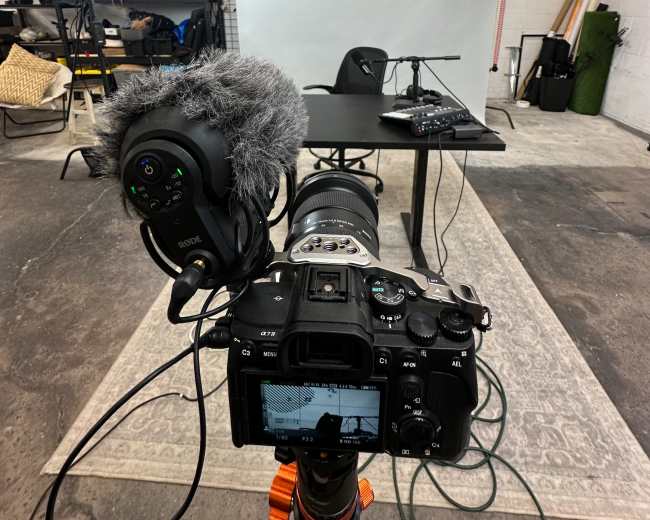
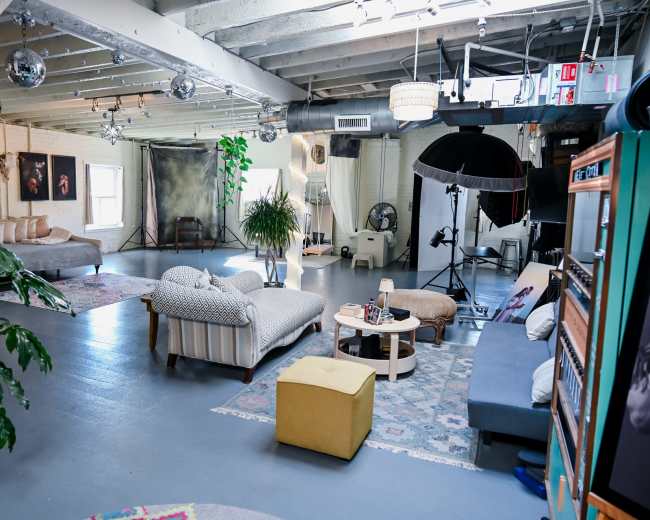
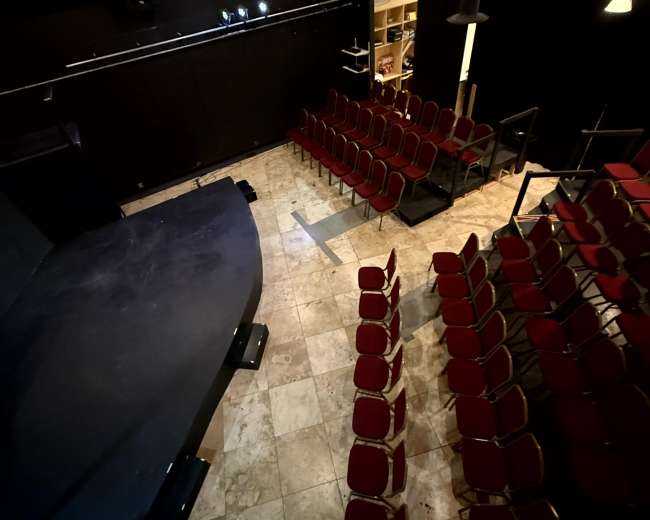
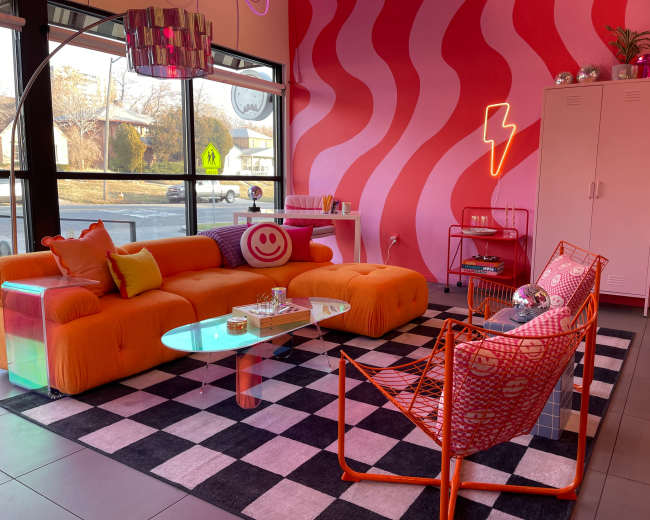
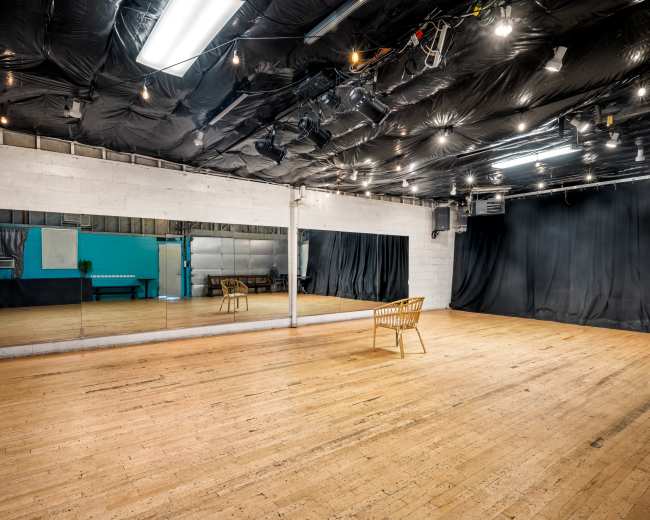
Popular podcast studios

What does plug-and-play include for first-timers?

For a first-time host, plug-and-play should mean a podcast studio is ready when you arrive. You should be able to walk in with your guest, your outline, and your energy, then start recording without managing cables, testing gear, or guessing what button to press. At minimum, a beginner-friendly podcast studio should include:
  • Ready-to-record gear: Microphones, headphones, stands, and an audio interface or mixer that are already set up and tested
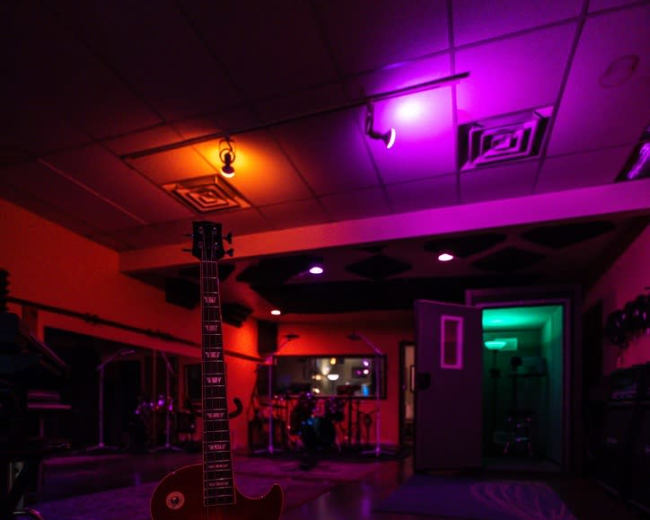
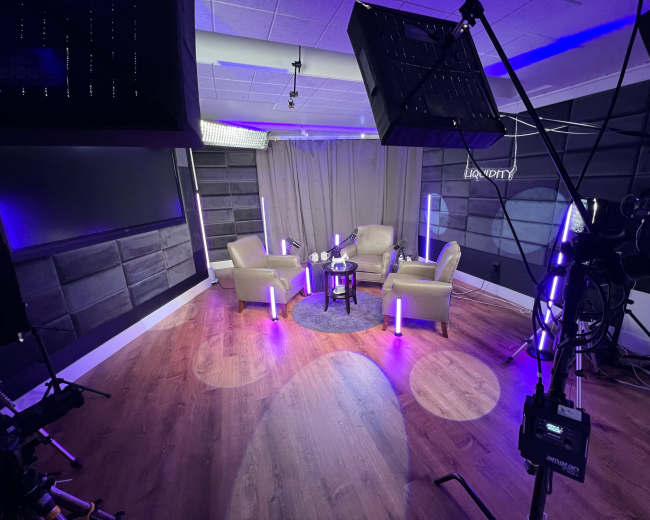
  • A room built for voices: Acoustic treatment that helps your episode sound clear instead of hollow, echoey, or noisy
  • Simple video setup: Cameras, framing, and lighting that are already dialed in if you are filming your podcast
  • Basic technical support: A host, producer, or clear walkthrough so you know how to start, stop, and save your session
  • File capture and backup: A clear process for what gets recorded, where it's saved, and how you receive the files
  • A comfortable environment: Chairs, table space, water, Wi-Fi, and enough room to focus on the conversation instead of the logistics
Spotify notes that a solid setup includes more than microphones alone. Acoustic treatment, video lighting, and a workable editing workflow all matter. For anyone booking a podcast studio in Salt Lake City, that's a useful gut check: if a listing says plug-and-play, but skips over acoustics, lighting, or file delivery, it may be more DIY than it sounds. Browse studios to compare what different spaces actually include before committing. Before you book, ask these questions:
  • What's included in the rate: Mics, headphones, cameras, lights, engineer time, and file delivery
  • What do I need to bring: Usually just your guest, talking points, and maybe a laptop for notes
  • Is setup time included: Some podcast studio rentals start the clock the moment you walk in
  • Will someone help if I am new: This matters most for nervous first-time hosts
  • How do I get my files: Ask whether you receive same-day delivery, a download link, raw files, or edited files
Watch for these red flags:
  • Vague equipment details: The listing says equipment is available, but never says exactly what
  • No acoustic information: There's no mention of sound treatment, noise control, or room design
  • Unclear file delivery: You don't know what you'll receive after the session
  • Essential add-ons: Basics like microphones or lighting cost extra instead of being standard
  • Style over process: The space looks great in photos, but there's no explanation of how recording actually works
The best plug-and-play podcast studio removes the intimidation factor. You should leave thinking about your content, not wondering whether you recorded into the wrong input.

How do I compare studio value, not just hourly price?

The best-value podcast studio isn't always the one with the lowest hourly rate. In Salt Lake City, real value comes from how much friction the studio removes and how much usable content you leave with. A better comparison is total session cost and total session stress. A cheaper room can become expensive fast if you also need to bring gear, troubleshoot audio, set up lights, pay for parking, or book extra time because nothing is ready. A slightly pricier podcast studio can be the smarter choice if it helps you record faster and publish sooner. Use this checklist when comparing studio value:
  • Included support: Does the rate cover real production help or just access to the room
  • Booking minimums: A lower hourly rate with a long minimum can cost more than a higher rate with a shorter booking
  • Setup efficiency: Can you start recording quickly, or are you paying for setup time
  • Audio risk: A bad-sounding episode takes time to repair and may still sound amateur afterward
  • Guest experience: Parking, stairs, access, and a confusing entrance can create stress before the interview starts
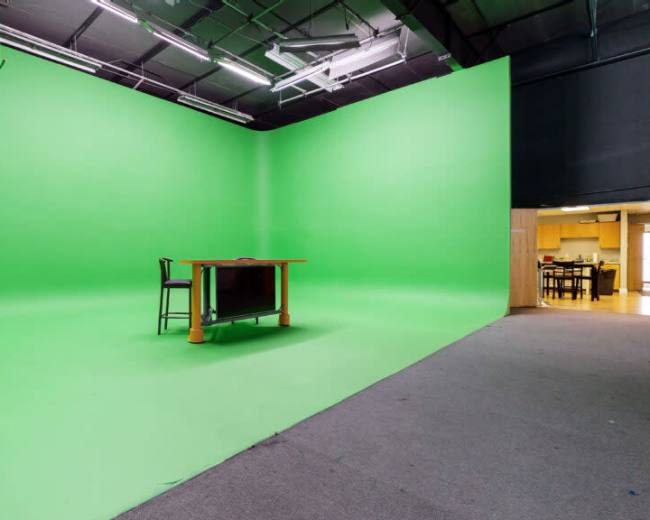
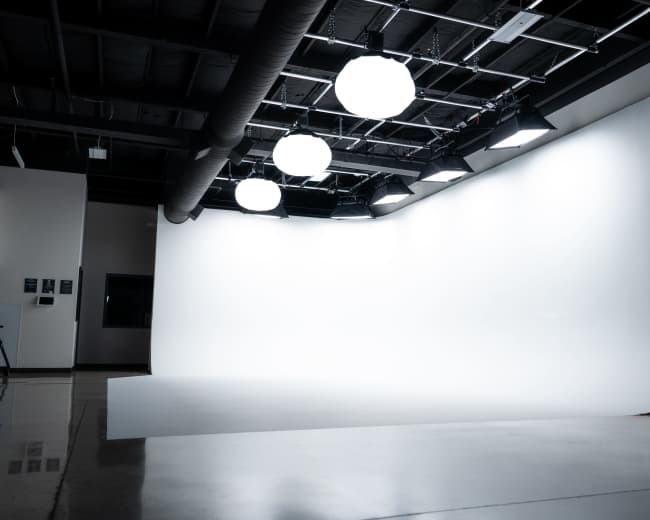
  • Visual fit: If you record video, the set matters almost as much as the microphone
  • File handoff: Clean delivery saves time in editing and reduces confusion later
  • Review quality: Look for comments about professionalism, ease, sound quality, and whether the listing matched reality
A practical example: a 90-minute interview often turns into a three-hour booking once you include arrival, sound check, resets between takes, and file wrap. That's why the better question isn't just, "What is the hourly price?" but, "What will it cost to get one polished episode done well?" If your session is more than a two-person chat, evaluate the space like a compact event venue, too. A panel, roundtable, or small audience recording may require capacity planning, nearby restrooms, a waiting area, and space for gear staging. For sessions that involve on-camera interviews, it may help to find interview filming locations that are purpose-built for that kind of production. The right podcast studio value comes from speed, ease, and publish-ready results, not just the cheapest line item.

How can I tell if a room will sound good on mic?

You usually can't confirm great audio from listing photos alone, but you can spot strong signs of a good podcast studio, ask smarter questions, and run a quick test when you arrive. Start with the two terms people often mix up:
  • Soundproofing: Keeps outside noise from leaking into the room
  • Sound treatment: Improves how voices sound inside the room
You want both. A room can be treated, but still let in traffic noise. It can also be quiet, but still sound echoey. What to look for in photos:
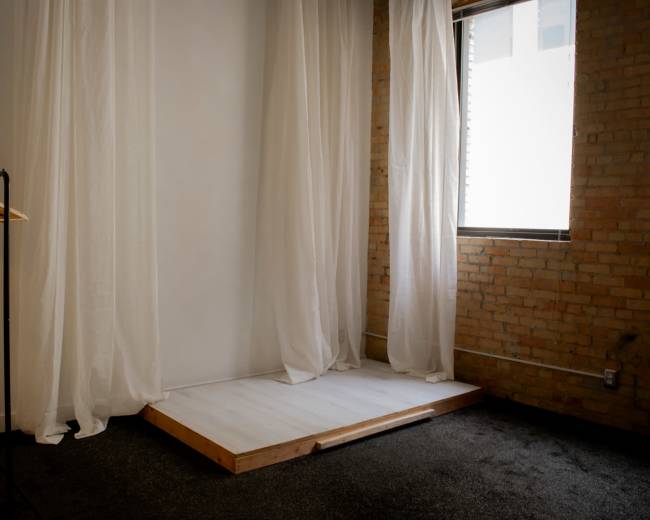
  • Soft surfaces: Rugs, curtains, upholstered seating, and other materials that reduce reflections
  • Visible treatment: Acoustic panels, baffles, or other signs the room was designed for spoken audio
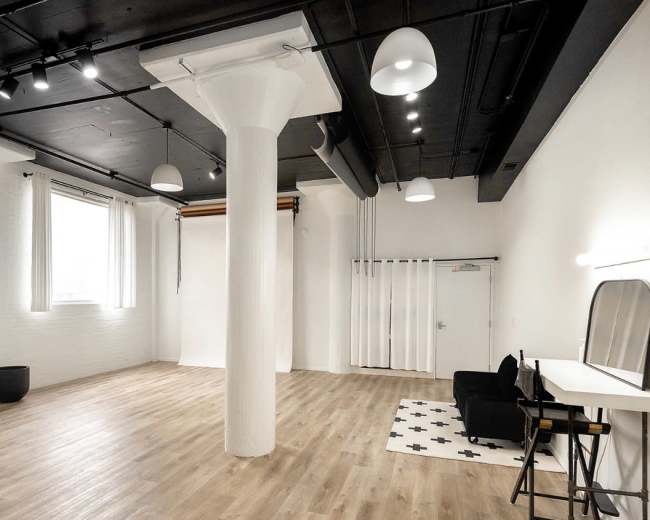
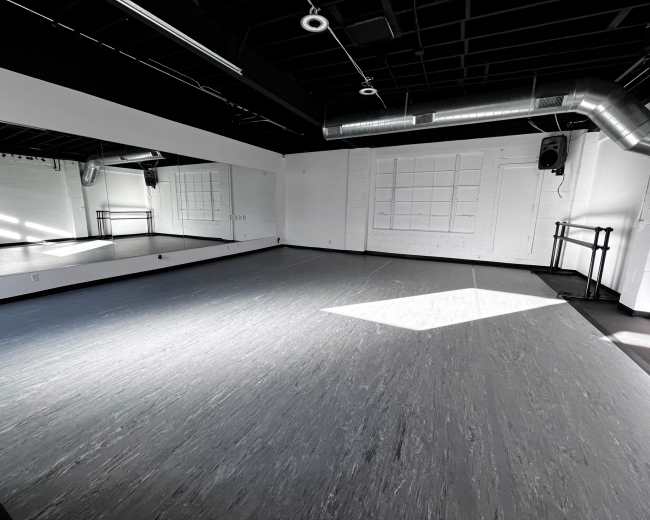
  • Limited hard reflections: Large glass walls, polished concrete, empty walls, and bare floors usually work against voice recording
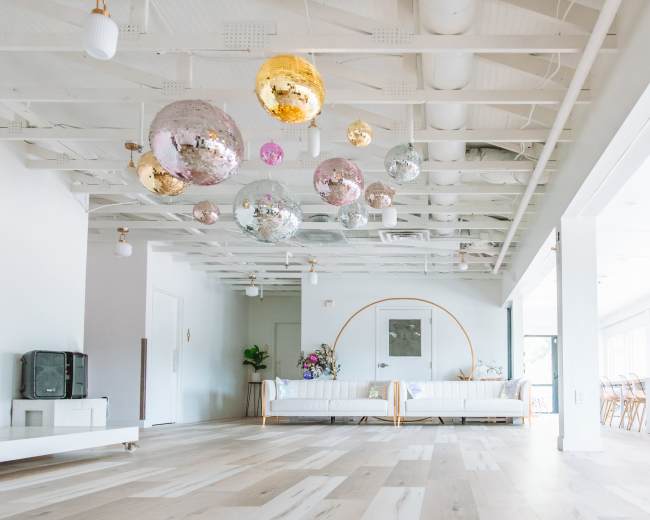
  • Tighter room design: Big open lofts can look great on camera, but often sound worse on mic unless they are treated well
What to ask before booking:
  • Raw sample availability: Ask for a sample recorded in that exact room
  • Noise sources: Ask whether traffic, HVAC, elevators, or neighboring tenants show up on recordings
  • Room purpose: Find out whether it's a dedicated podcast studio or a flexible production space
  • Mic prep: Ask whether microphones are positioned and tested before you arrive
  • Video lighting noise: If you're filming too, ask how the room is lit without adding fan noise
What to test on site:
  • Clap test: Clap once and listen for a ring or a long tail
  • Voice playback: Count to 10 in your normal speaking voice and listen back in headphones
  • Silence check: Pause for five seconds and listen for HVAC rumble, hallway chatter, computer fans, refrigerators, or street noise
Red flags that matter:
  • No sample provided: The host says the room is quiet, but can't share a raw example
  • Photo-first positioning: The space is marketed mainly for photo shoots, with little mention of voice recording
  • Reflective surfaces everywhere: The room has giant windows and polished finishes, but no visible treatment
  • Vague professional claims: The listing says professional without explaining the acoustic setup
For podcasting, boring is beautiful. The best room sounds controlled, dry, and easy to edit. If your voice already sounds clear before post-production, you're probably in the right podcast studio. If acoustics are your top priority, you may want to find sound stages that are engineered specifically for controlled audio environments.

Which Salt Lake City areas are easiest for guests and gear?

The easiest location depends on what matters most for your session: guest convenience, easy load-in, brand vibe, or total travel time. When you're choosing a podcast studio, the best location is rarely just the closest pin on the map. In practice, many creators compare downtown Salt Lake City with nearby metro areas such as West Jordan and other south valley locations. That makes sense. A central address can help guests, while a less central spot can be easier for parking, unloading gear, and keeping the day low-stress. Here's the simplest way to think about it:
  • Downtown Salt Lake City: Best for out-of-town guests, rideshare arrivals, walkable coffee meetings, and a polished city feel. If you prefer a central location, you can explore recording studios here to see what's available.
  • Central City and Ballpark: Often a good middle ground if you want central access without as much downtown friction
  • Sugar House and Yalecrest: Useful when visual vibe matters and you want the neighborhood to support the brand feel
  • West Jordan and south valley areas: Often easier for parking, driving, and loading in with gear or crew
  • Nearby metro locations: Worth considering if they offer lower stress, better access, or stronger value than the city core
Before you lock in a podcast studio location, ask:
  • Parking distance: How close parking is to the entrance
  • Building access: Whether you need stairs or an elevator
  • Load-in options: Whether there is a side door, freight entry, or easy path for cases and stands
  • Wayfinding: How easy it is for first-time guests to find the building
  • Nearby amenities: Whether food, coffee, or waiting spots are close by
  • Airport route: How simple the trip is for anyone flying in
If your taping includes a crew, co-hosts, makeup, or a small audience, think of the booking as more than a recording room. You may need a green room, a hallway holding area, nearby restrooms, and enough circulation space so people aren't stepping over cables. A simple rule of thumb works well:
  • Driving-heavy sessions: Prioritize easier parking and load-in
  • Guest-heavy business sessions: Prioritize central access and simple arrivals
  • Video-first shows: Prioritize the right visual setting without creating access problems
The best Salt Lake City podcast studio location is the one that makes arrival feel easy. When people start calm, they usually record better.

Should I rent a studio or record at home or in a park?

It depends on what you're optimizing for: quality, comfort, cost, speed, or consistency. If you want the shortest answer, a podcast studio is usually best for professional results, home is best for frequency and budget, and a park is best only when the outdoor setting is part of the idea. Choose based on your real priority:
  • Rent a podcast studio: Best for professional sound, guest interviews, video podcasts, and brand-building
  • Record at home: Best for frequent episodes on a tight budget if you can control the room sound well
  • Record in a park: Best for casual content or a very specific outdoor concept, but not for dependable podcast audio
A podcast studio is the strongest choice if you want:
  • Reliable sound: Fewer room problems and less repair work later
  • Better visuals: A more polished setup for video podcasting
  • Less technical stress: Fewer things for you to troubleshoot during the session
  • Stronger guest experience: A setting that feels organized and professional
  • Clear work mode: Separation between home life and recording time
Home recording makes sense if you want:
  • Lower recurring cost: No rental fee every time you record
  • Flexible schedule: Easier recording whenever you have time
  • Long-term control: A setup you can improve over time
A park works only when the location itself adds something essential. Outdoor recording can be appealing, but wind, traffic, dogs, planes, voices, and unpredictable interruptions make it one of the hardest ways to capture clean audio. There's also a middle path for budget-conscious creators in the Salt Lake metro. Daybreak Utah highlights a Salt Lake County Library branch with a Create AV Lab designed for podcasts, video, and music recording. That can be a useful option if you want more support than home, but something less formal than a premium podcast studio rental. A simple decision filter can help:
  • High-stakes episode: Choose a podcast studio
  • High-volume schedule: Choose home
  • Location-driven concept: Choose a park only if the setting is the story
Many creators end up with a hybrid model. They record routine solo episodes at home, then book a podcast studio for guest interviews, trailers, launch days, sponsored content, or any episode that needs to look and sound especially polished. Some creators also explore content houses in Salt Lake City when they want a unique visual backdrop that doubles as a comfortable recording environment.

Can I get editing help after I rent a studio near me?

Yes, sometimes, but you should never assume a podcast studio rental includes editing. In Salt Lake City, post-production support usually falls into a few clear levels, and the price difference between them can be significant. Most podcast studio editing help fits into these categories:
  • File handoff only: You receive raw audio or video files and handle the rest yourself
  • Cleanup edit: Basic leveling, noise reduction, and trimming
  • Full episode edit: Polished audio, synced video, cuts, titles, and export
  • Content package: A full edit plus social clips, thumbnails, captions, or platform-ready deliverables
When a listing says editing is available, ask for specifics:
  • Delivered files: What files you receive after the session
  • Editing level: Whether the files are raw, cleaned, or fully edited
  • Video support: Whether video is synced, cut, and export-ready
  • Social deliverables: Whether short clips are included
  • Turnaround time: How quickly the finished files are delivered
  • Revision policy: How many rounds of changes are included
  • Pricing model: Whether editing is billed per hour, per episode, or as a package
  • Sample work: Whether you can review one finished example
This matters because editing help isn't just about convenience. It's about workflow. A clean handoff with organized files and a clear post-production path helps your show move faster. A messy handoff can erase the benefits of renting a professional podcast studio in the first place. Good signs to look for include:
  • Clear process: The studio can explain post-production in plain language
  • Transparent pricing: Deliverables and costs are easy to understand
  • Sample results: They can show a before-and-after example
  • Platform awareness: They ask where the episode will live before quoting the work
  • Defined timeline: You know when to expect files
Red flags include:
  • Vague promises: Statements like "we can probably edit that"
  • No portfolio: No sample work to review
  • No turnaround: No clear delivery window
  • No revision terms: No explanation of what happens if you need changes
Pro tip: If you're comparing podcast studio listings on Peerspace, send a quick non-binding message before you book and ask for the exact post-production deliverables you need, such as raw multitrack audio, a cleaned episode, vertical clips, thumbnails, or a full video edit. If your session involves video, you can also browse video studios to find spaces that already include camera-ready setups and streamlined file delivery. Saving a few listings and comparing them side by side is one of the easiest ways to judge real value, not just room rate. The best studio-editing relationship feels seamless. You record once, hand off cleanly, and move straight into publishing.
Updated July 6, 2026Our data is refreshed in real time using booking trends, verified guest reviews, and direct partner updates — with additional quality checks from our team.