


Sun
Mon
Tue
Wed
Thu
Fri
Sat
$100/hr$75/hr$50/hr$25/hr
Peerspace is the easiest way to book unique spaces for meetings. We also have spaces for productions and events.
Discover SpacesEvery day we uncover new, creative spaces perfect for your corporate meeting — from neighborhood gardens, expansive rooftops, trendy office spaces, and beyond.
Our spaces are priced to fit your budget. Hire by the hour for your meeting without worrying about hidden fees.
No more messy contracts. We build the tools to make booking a space for your corporate meeting as easy as the click of a button.
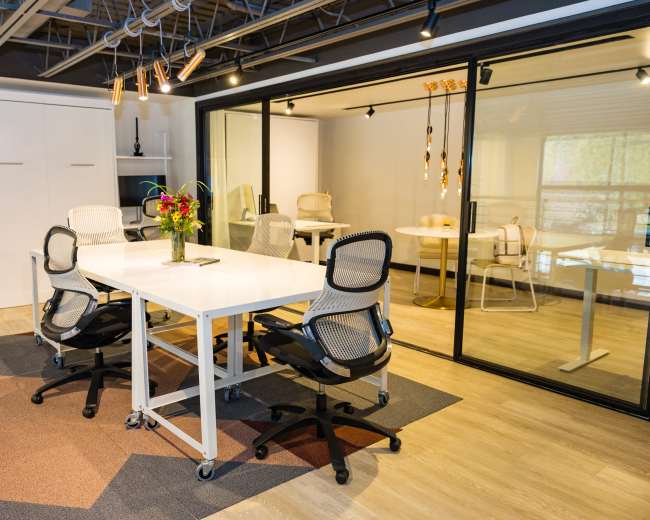
Intimate Design Studio near Pullman Yards
Edgewood, Atlanta, GA5.0 (39)
49 guests
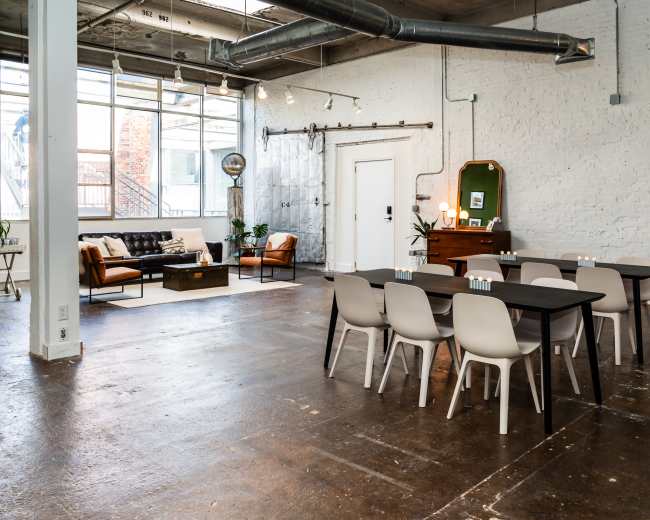
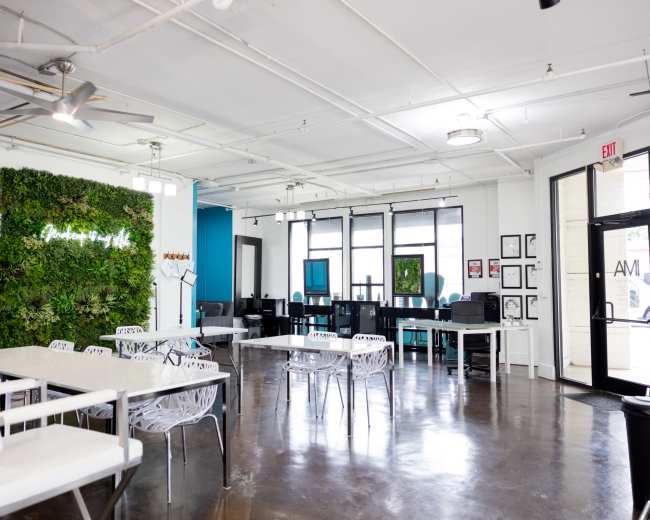
Modern Industrial Content Studio and Event Space located on the Beltline
Old Fourth Ward, Atlanta, GA5.0 (39)
75 guests
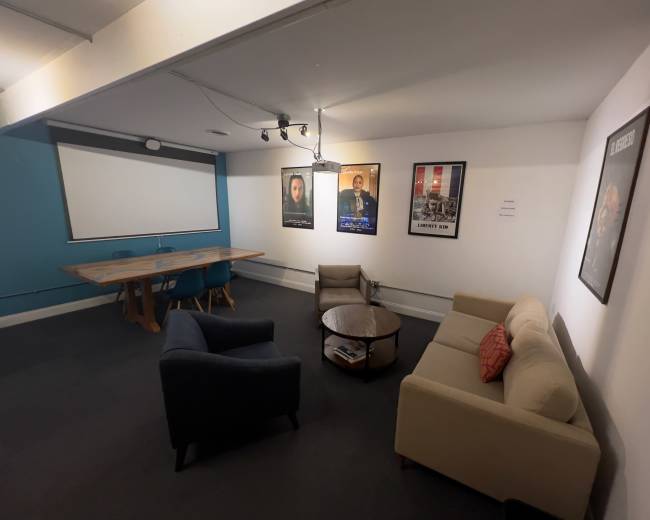
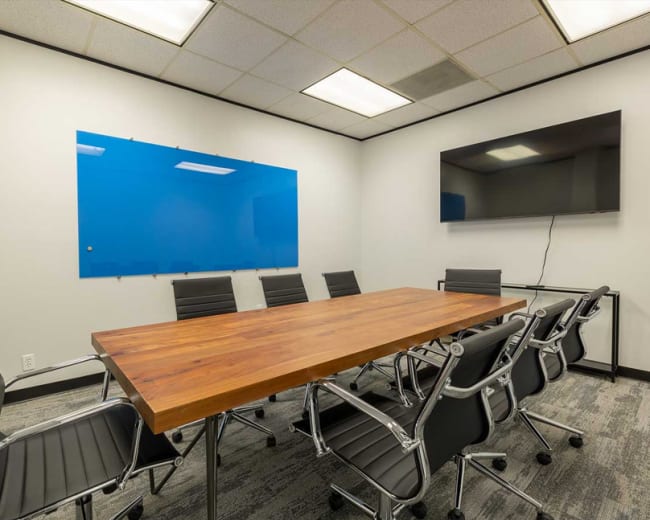
Meeting / Screening Room w/ 75" Touch Screen Monitor, Projector, Whiteboard, comfy Seating + More
South Atlanta, GA4.8 (28)
12 guests
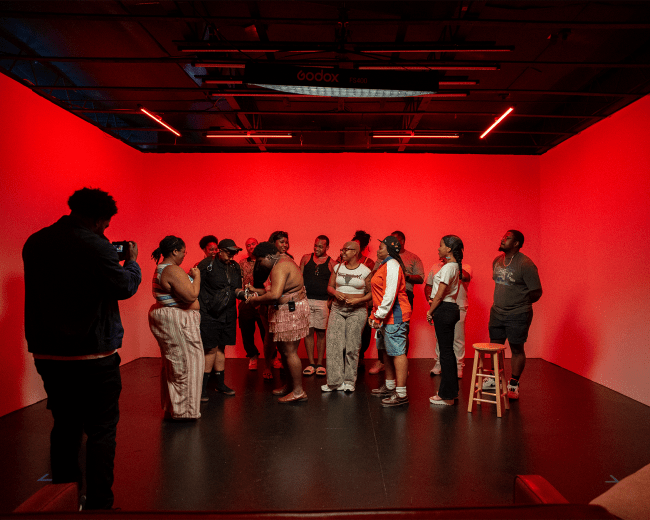
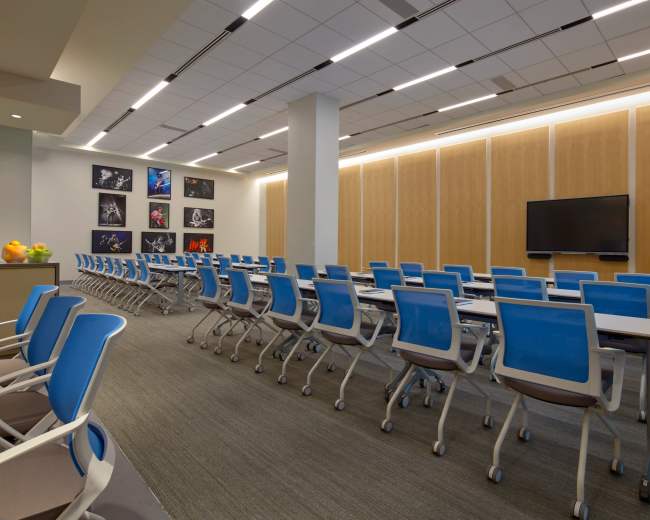
Blackout Meeting Space — Presentations, Workshops & Offsites (28 Seats)
Decatur, GA5.0 (2)
28 guests
Strategy Meeting Room
Downtown Atlanta, GA5.0 (2)
10 guests
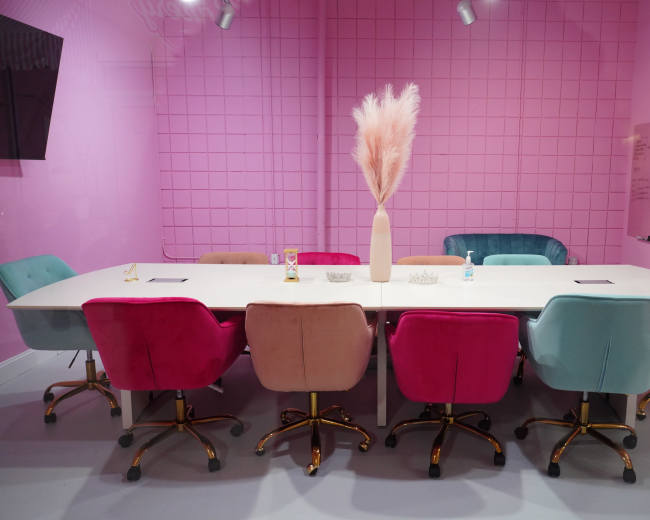
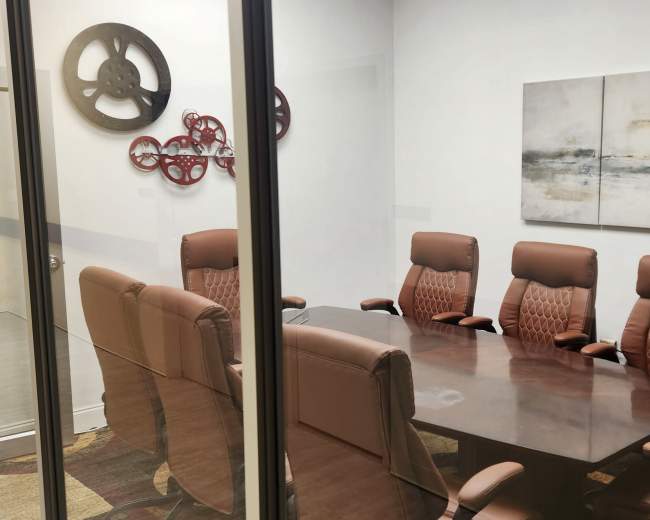
Elegantly Decorated Conference Room
Hills Park, Atlanta, GA5.0 (32)
12 guests
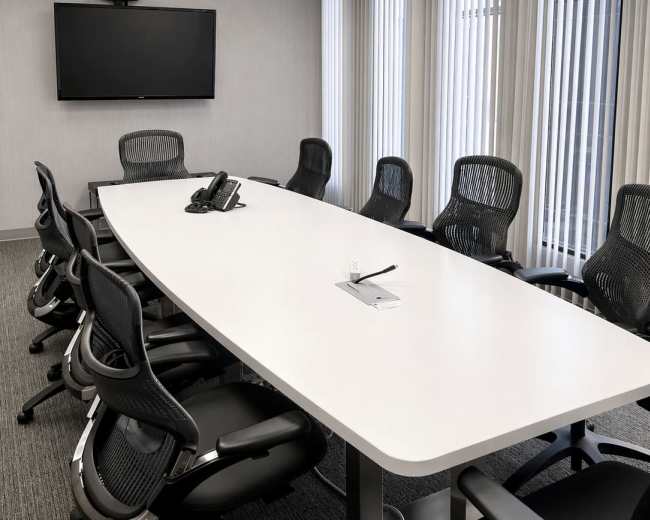
Industrial Midtown Conference Room
Midtown, Atlanta, GA5.0 (1)
10 guests
The Glass House on Piedmont - Meeting Room
Buckhead, Atlanta, GA4.9 (42)
10 guests
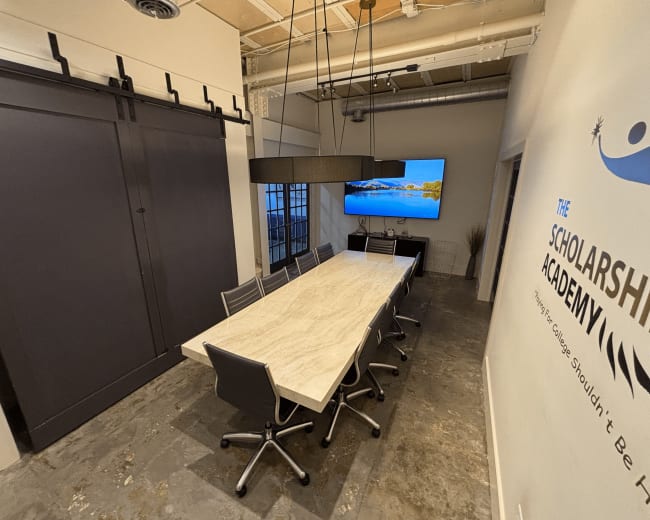
Downtown Atlanta Meeting Room | Off-Sites, Brainstorms & Client Meetings
Downtown, Atlanta, GA5.0 (25)
8 guests
Luxury Conference Room
Brookhaven, GA60 guests
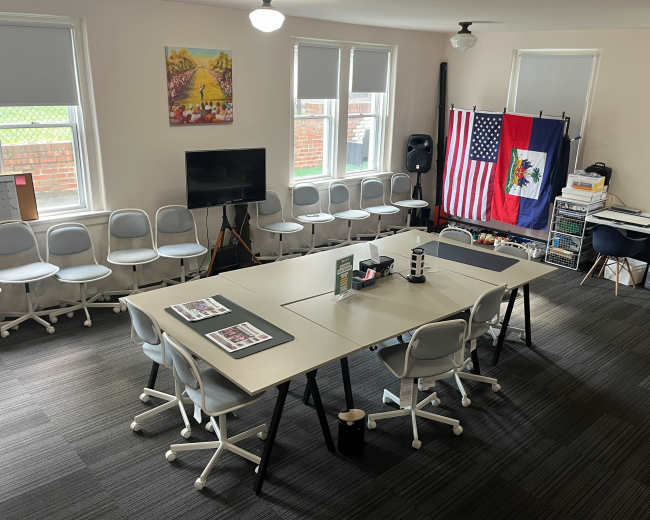
Downtown Decatur Multipurpose Space
Downtown Decatur, GA5.0 (1)
25 guests
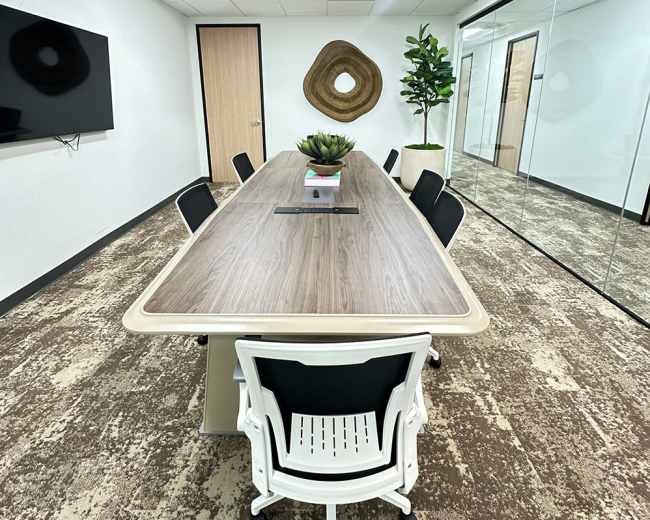
Modern Conference Room for Rent in West Atlanta
South Fulton, Atlanta, GA5.0 (1)
8 guests
Upscale Training Room Near Atlanta Airport
Hapeville, Atlanta, GA5.0 (1)
10 guests
Private Meeting & Offsite Space with On-Site Catering
Sweet Auburn, Atlanta, GA5.0 (10)
20 guests
Conference Room
Chamblee, Atlanta, GA8 guests
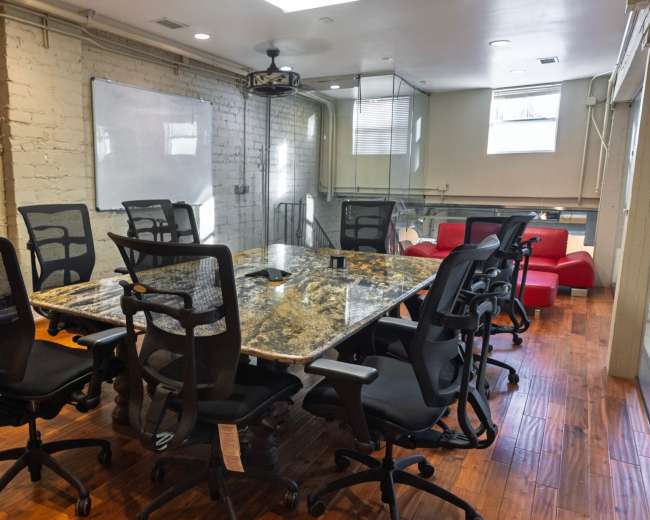
Urban Loft In The Heart Of The City
Downtown Atlanta, GA5.0 (113)
60 guests
Beautiful, private meeting/event space located in Grant Park close to downtown!
Grant Park, Atlanta, GA20 guests
Midtown Glam Classroom Space
Marietta Street Artery, Atlanta, GA5.0 (24)
20 guests
Westside Beltline Stylish Home for Corporate Meetings
Oakland City, Atlanta, GA5.0 (3)
15 guests
Highly Maintained Modern Creative Meeting Space
Howell Station, Atlanta, GA4.9 (33)
40 guests
Downtown Office + Events w/ Historic Charm + Modern Amenities
Downtown Atlanta, GA5.0 (6)
30 guests
Hidden Gem Workspace in Riverside
Riverside, Atlanta, GA5.0 (4)
20 guests
Historic Meeting & Event Space in Downtown Atlanta | Ideal for Panels, Workshops & Talks
Downtown Atlanta, GA4.9 (24)
50 guests
Flexible Creative Studio | Workshops, Castings, Podcasts & Meetings
Greater Valley Brook, Scottdale, GA30 guests
Your Dream Event Starts Here: Stylish, Spacious Venue
Atlanta, GA49 guests
Beltline Loft Studio with Natural Light
Old Fourth Ward, Atlanta, GA4.9 (1925)
50 guests
Historic Library Meeting Space in Downtown Atlanta | Ideal for Workshops, Off-Sites & Talks
Downtown, Atlanta, GA5.0 (20)
25 guests
Professional Buckhead Event Space with Parking
Tuxedo Park, Atlanta, GA5.0 (2)
50 guests
Midtown Event Hall
Midtown, Atlanta, GA5.0 (1)
100 guests
Downtown Studio perfect for your next Meeting
Marietta Street Artery, Atlanta, GA4.0 (2)
6 guests
Pricing and popularity information in this section is based on proprietary Peerspace booking data, reflecting recent booking activity and the latest data available through October 2026.
Meeting rooms in Atlanta average $57 per hour to rent, but it’s easy to spend less or more depending on what you’re looking for.
Most meeting rooms are scheduled for 4 hours, with 10 people in attendance. You’ll find the most Meetings starting between 11:00 AM and 12:00 PM.
Our local hosts have welcomed 3511 people into their meeting rooms with reviews averaging 4.9 stars. Most even said they would book again -- about 98%.
Saturdays are the most popular day for booking meeting rooms in Atlanta. For those seeking a deal, consider booking Monday and Wednesday as these days are 6% cheaper on average.


