Sun
Mon
Tue
Wed
Thu
Fri
Sat
$100/hr$75/hr$50/hr$25/hr
Peerspace is the easiest way to book unique spaces for meetings. We also have spaces for productions and events.
Discover SpacesEvery day we uncover new, creative spaces perfect for your corporate meeting — from neighborhood gardens, expansive rooftops, trendy office spaces, and beyond.
Our spaces are priced to fit your budget. Hire by the hour for your meeting without worrying about hidden fees.
No more messy contracts. We build the tools to make booking a space for your corporate meeting as easy as the click of a button.
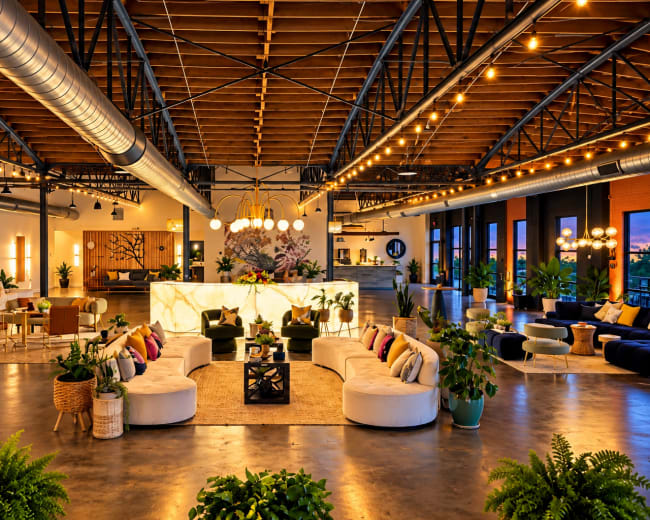
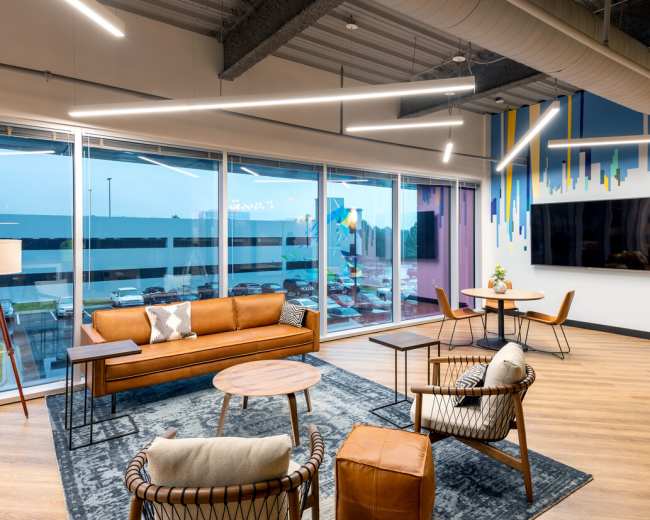
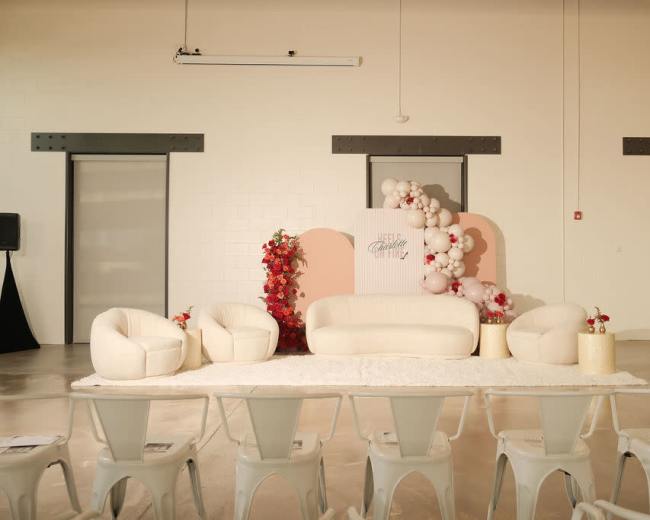
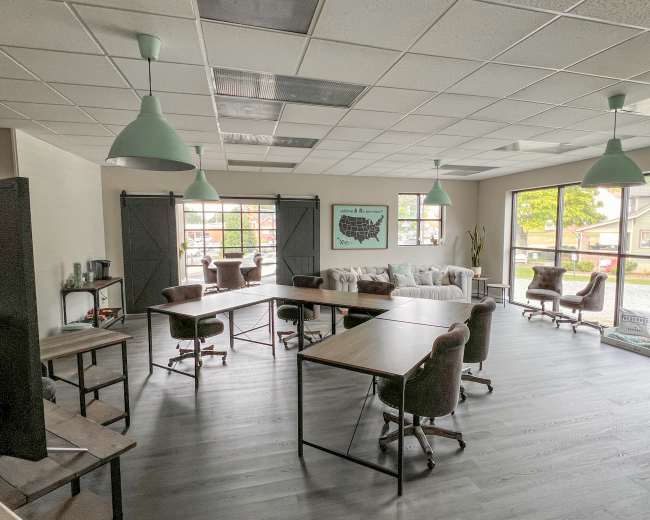
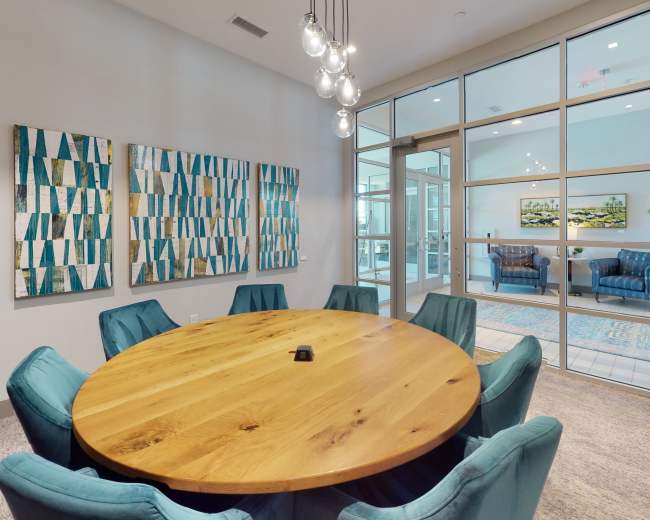
NoDa Meeting Lounge with Breakout Rooms
Lockwood, Charlotte, NC350 guests
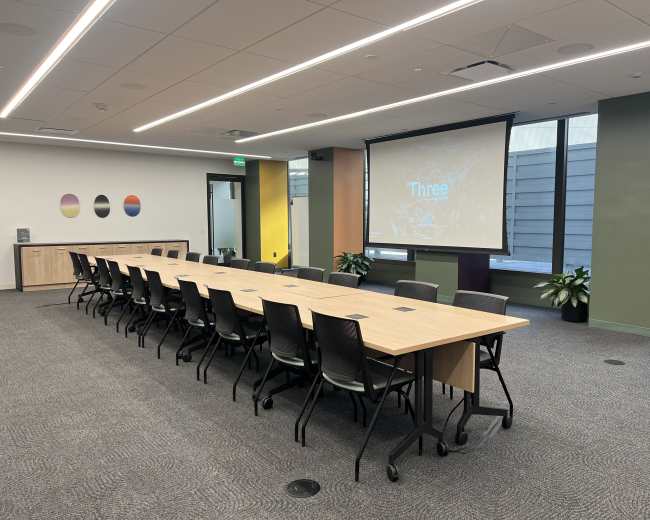
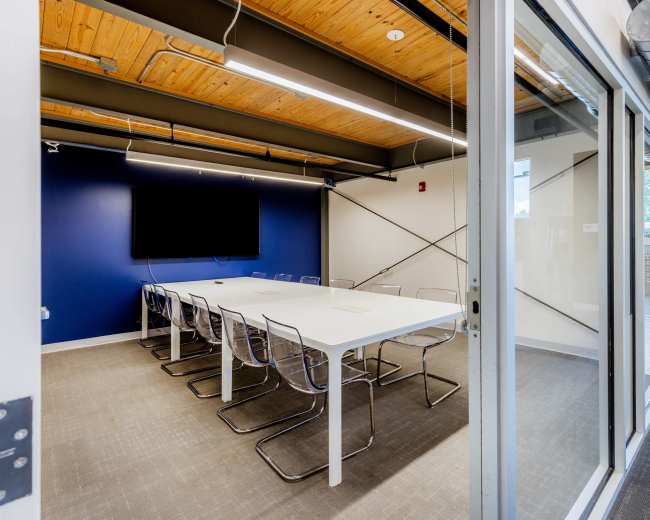
Flexible Meeting Room with Breakout Space in Uptown
Charlotte center city, NC72 guests
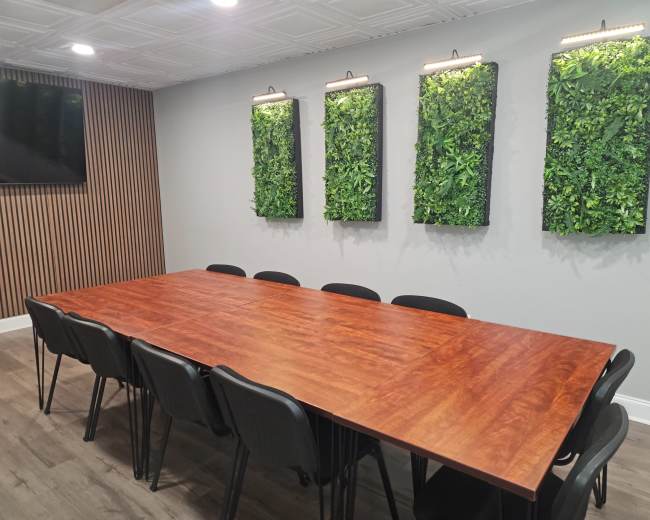
Cozy, Roomy and Versatile Meeting Room Space minutes from downtown Charlotte, NC
Grier Heights, Charlotte, NC5.0 (14)
20 guests
Conference Room with Ample Natural Light in Plaza Midwood/Chantilly
Chantilly, Charlotte, NC5.0 (2)
10 guests
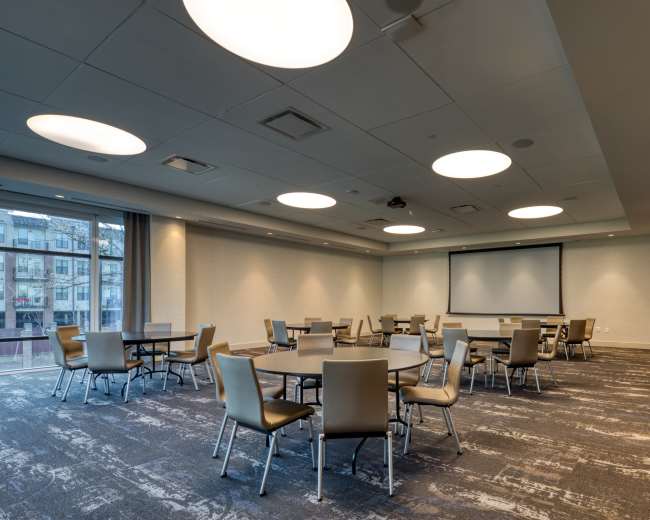
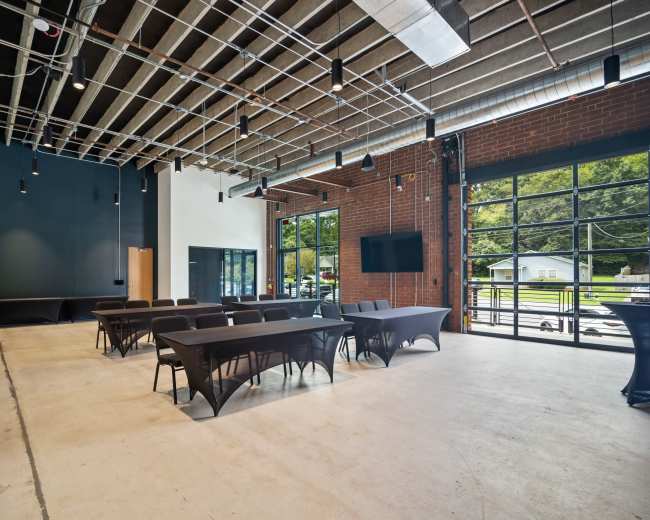
Large Multi Room Event & Meeting Space in Uptown
Charlotte center city, NC118 guests
Urban Meeting Room
Yorkmount, Charlotte, NC5.0 (20)
10 guests
Spacious Fully-Equipped Conference Room
Charlotte, NC4.9 (153)
25 guests
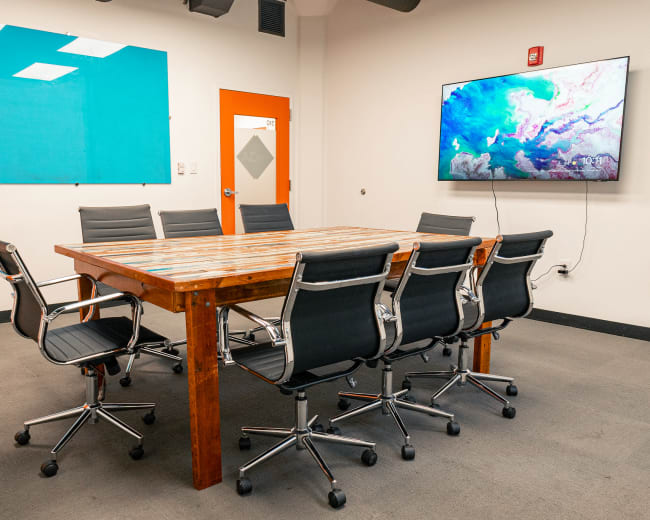
Conference Room 1
Charlotte center city, NC5.0 (1)
8 guests
Unique Fully Equipped Lounge Area for Events & Meetings
Whiteoak, Charlotte, NC5.0 (2)
100 guests
Conference Room 3A
Charlotte center city, NC8 guests
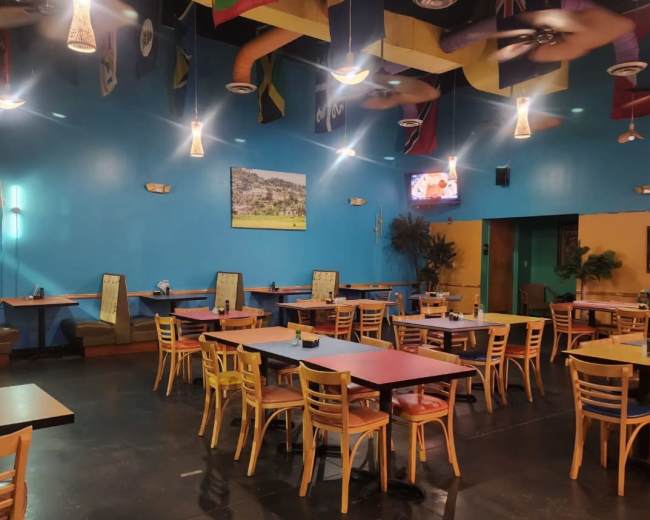
Vibrant Restaurant/cafe Venue with Full Bar in Charlotte Perfect for meetings
West Sugar Creek, Charlotte, North Carolina65 guests
Open Meeting Space with smaller breakout room
NoDa, Charlotte, NC5.0 (1)
320 guests
LOCKSTAR LOCALE: A Dynamic Meeting Space with City Views
Mineral Springs / Rumple Road, Charlotte, NC5.0 (30)
30 guests
Westbound
Seversville, Charlotte, NC50 guests
SpurLine Conference Room
Seversville, Charlotte, NC5.0 (2)
10 guests
8 Person Conference Room in Charlotte
Westover Hills, Charlotte, NC8 guests
Open Concept and Versatile Healing Space minutes from downtown Charlotte, NC
Grier Heights, Charlotte, NC5.0 (28)
20 guests
Glass Conference Room at Platform Coffee + Kitchen
Seversville, Charlotte, NC4.9 (17)
15 guests
Large Event Auditorium Minutes from Uptown
Mineral Springs / Rumple Road, Charlotte, NC125 guests
South Charlotte's Premier Creative Event Venue
Pineville, NC5.0 (6)
80 guests
Bright and Cozy Downtown Studio Space for Photoshoots, Meetings or Coworking
Pineville, NC5.0 (72)
30 guests
Modern Confrence Space in Uptown
Charlotte center city, NC72 guests
10 Person Conference Room in Charlotte
Westover Hills, Charlotte, NC10 guests
4 Person Conference Room - Southwest Charlotte
Yorkmount, Charlotte, NC5.0 (17)
4 guests
Conference Room in South End
Brookhill, Charlotte, NC4.9 (15)
8 guests
12 Person Conference Room in Charlotte
Westover Hills, Charlotte, NC12 guests
The Crossing
Seversville, Charlotte, NC5.0 (4)
100 guests
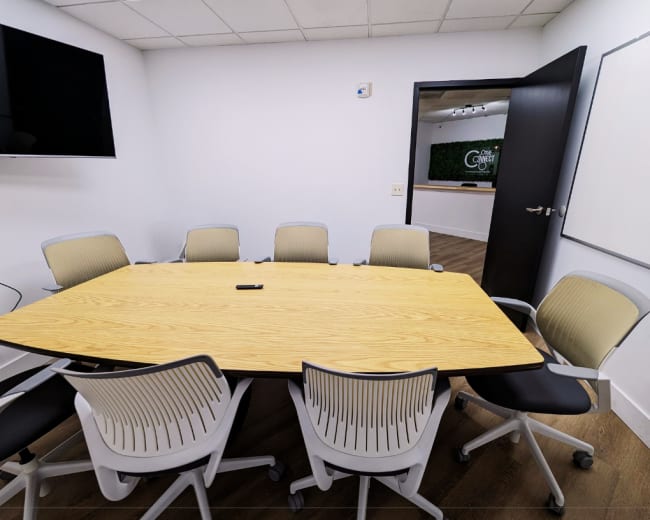
The Connect Conference Room
Yorkmount, Charlotte, NC4.8 (8)
8 guests
Pricing and popularity information in this section is based on proprietary Peerspace booking data, reflecting recent booking activity and the latest data available through October 2026.
Meeting rooms in Charlotte average $53 per hour to rent, but it’s easy to spend less or more depending on what you’re looking for.
Most meeting rooms are scheduled for 4 hours, with 9 people in attendance. You’ll find the most Meetings starting between 12:00 PM and 1:00 PM.
Our local hosts have welcomed 2758 people into their meeting rooms with reviews averaging 4.93 stars. Most even said they would book again -- about 99%.
Saturdays are the most popular day for booking meeting rooms in Charlotte. For those seeking a deal, consider booking Monday and Wednesday as these days are 19% cheaper on average.


