
Sun
Mon
Tue
Wed
Thu
Fri
Sat
$100/hr$75/hr$50/hr$25/hr
Peerspace is the easiest way to book unique spaces for meetings. We also have spaces for productions and events.
Discover SpacesEvery day we uncover new, creative spaces perfect for your corporate meeting — from neighborhood gardens, expansive rooftops, trendy office spaces, and beyond.
Our spaces are priced to fit your budget. Hire by the hour for your meeting without worrying about hidden fees.
No more messy contracts. We build the tools to make booking a space for your corporate meeting as easy as the click of a button.
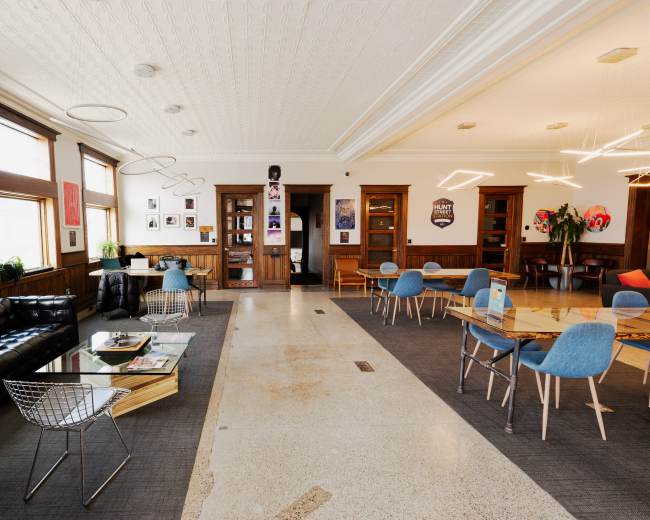
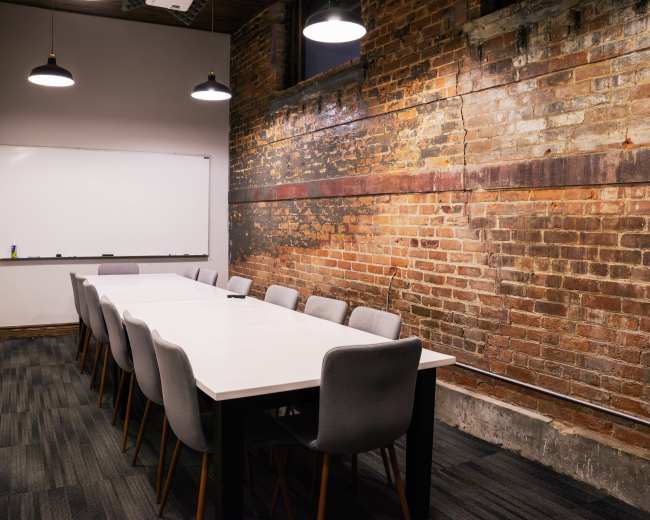
Architectural Meeting Space with Historic Style
Medbury Park, Detroit, MI5.0 (2)
12 guests
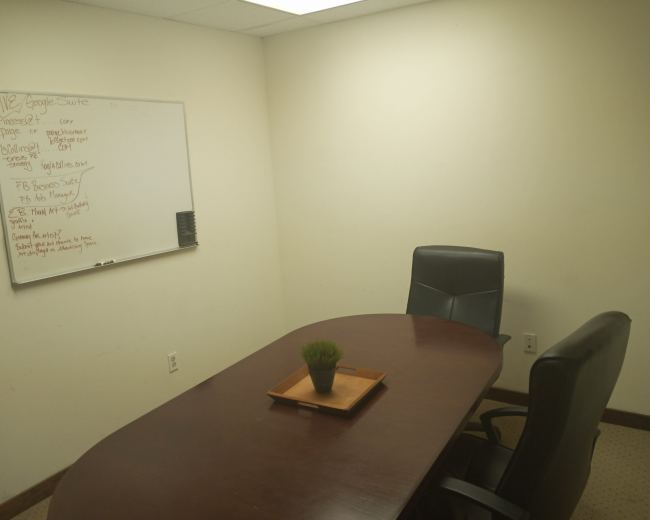
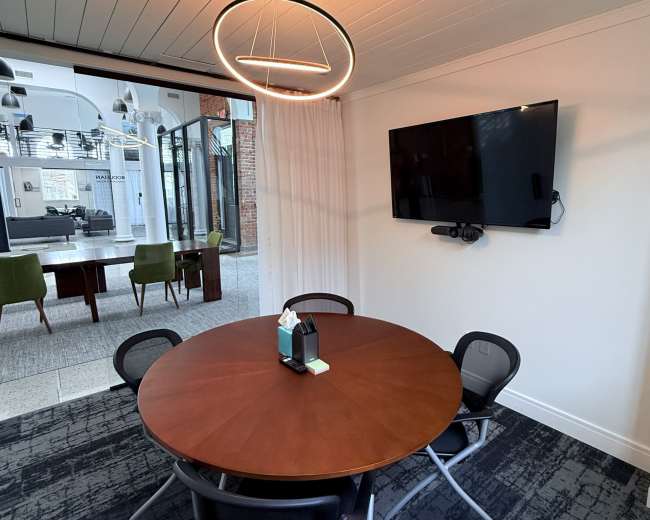
Historic Office Space Meeting Room for 4 People
McDougall-Hunt, Detroit, MI3 guests
Large Conference/Meeting Room in Detroit, MI
Downtown Detroit, MI5.0 (4)
14 guests
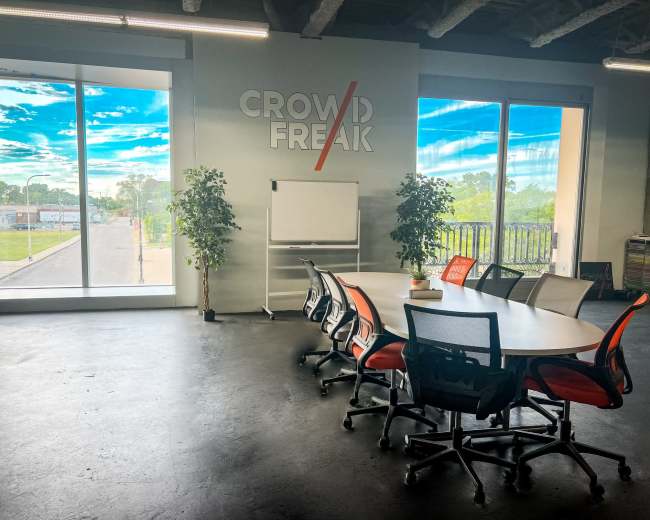
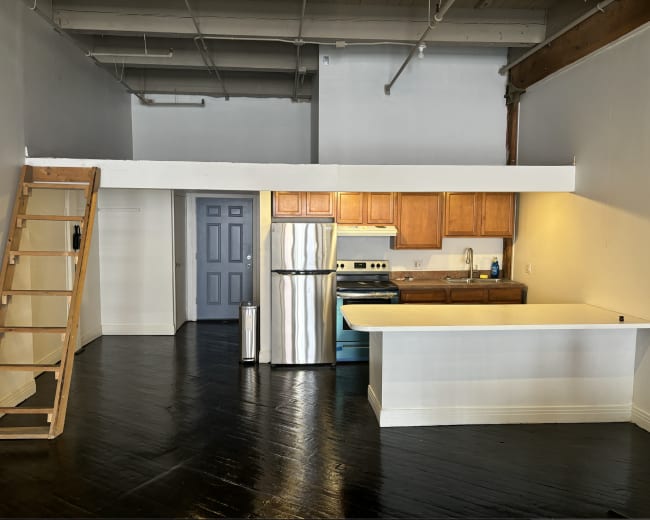
Open Concept, High Ceilings, Office Oasis! Large Windows w/ Balcony
West Side Industrial, Detroit, MI4.9 (53)
30 guests
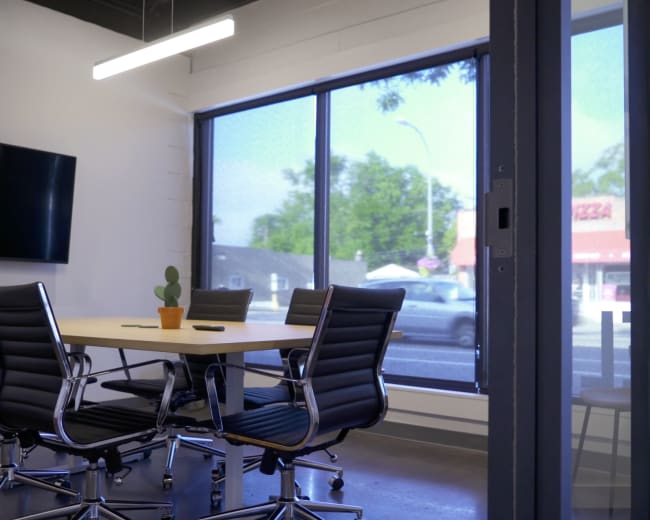
Convenient Meeting Room in Creative Space
Downtown Detroit, MI4 guests
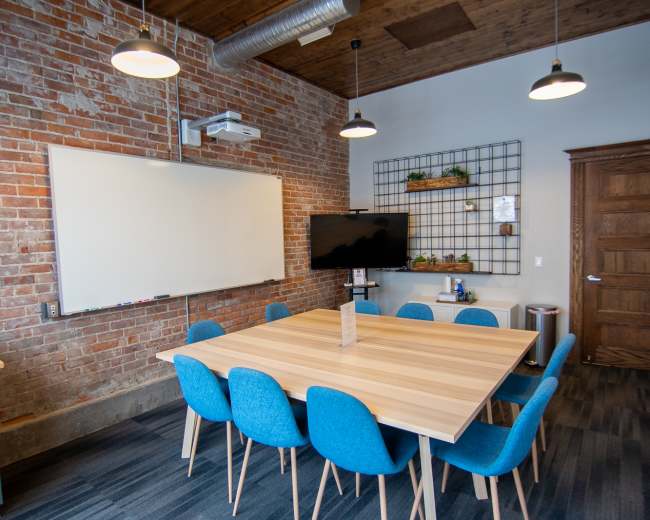
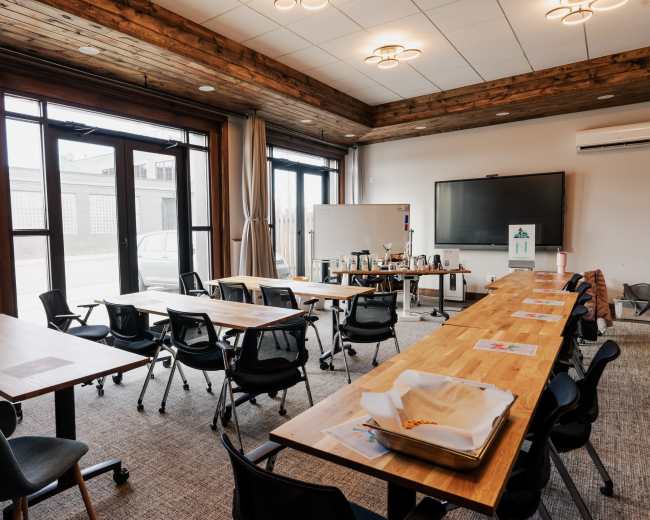
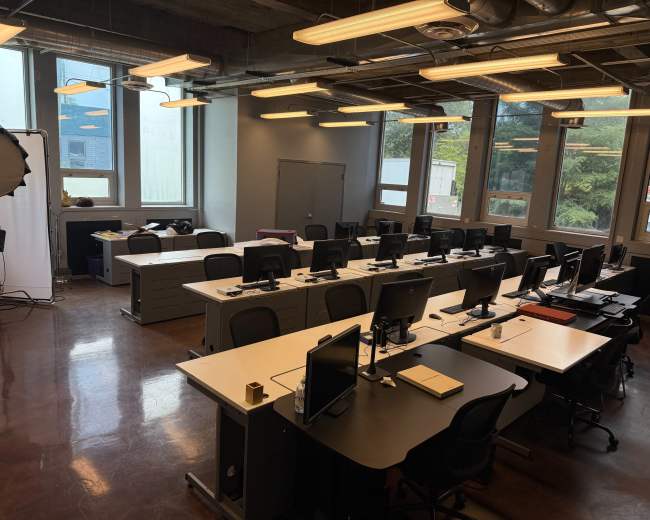
Industrial Style Conference Room inside Creative Building
McDougall-Hunt, Detroit, MI4.9 (149)
10 guests
Open Layout Space w/ Tables & Chairs - Great for Presentations
McDougall-Hunt, Detroit, MI4.9 (30)
20 guests
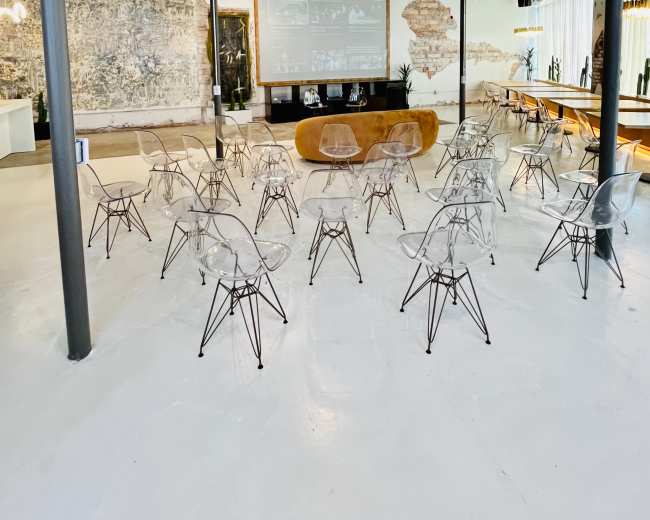
Blank Slate Beauty: White Floors, Rustic Walls, Infinite Creativity
Henry Ford, Detroit, MI4.9 (49)
50 guests
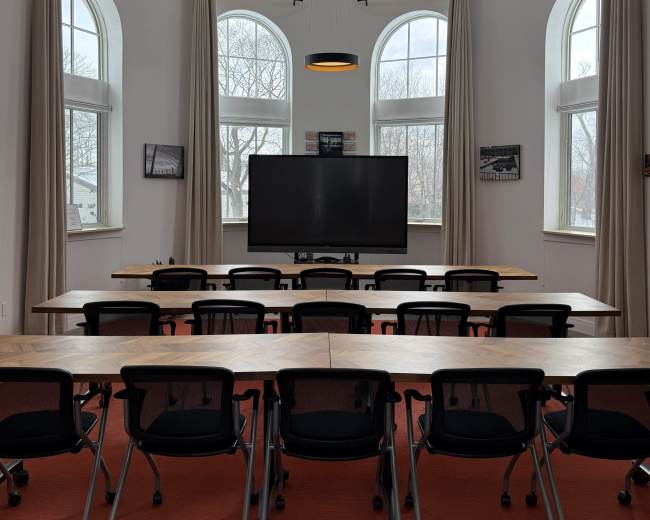
Historic Office - Conference Room for 15 People
McDougall-Hunt, Detroit, MI15 guests
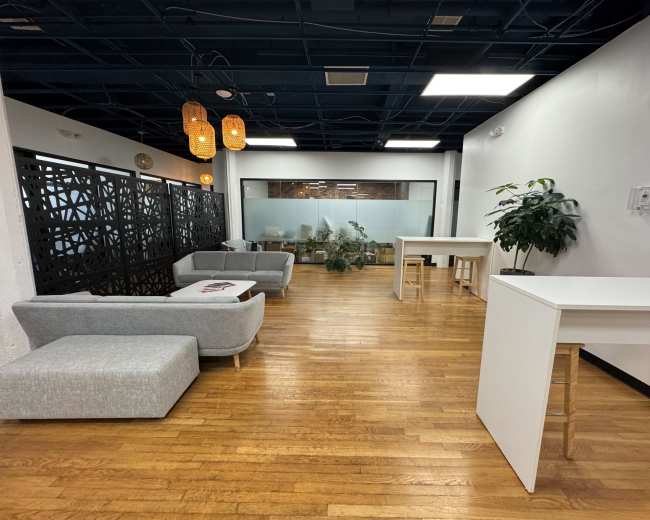
Downtown Meeting & Networking Lobby
Downtown Detroit, MI100 guests
Industrial Event Space for 20 people - Detroit
McDougall-Hunt, Detroit, MI4.8 (53)
25 guests
Luxe Affairs Event Space
Harmony Village, Detroit, MI75 guests
Cozy and Elegant Event Space Near Downtown Detroit
Highland Park, MI5.0 (1)
400 guests
Elegant, Inviting Space for Meetings & Small Gatherings with Secure Parking
Cornerstone Village, Detroit, MI125 guests
Conference room in Dearborn w/view
DEARBORN, MI6 guests
Fellowship Hall of a Former Historic Church
Historic Atkinson, Detroit, MI80 guests
Hucks Lounge - Conference/Meeting Room in the Heart of Downtown Ferndale
Ferndale, MI5 guests
Creative Meeting Room
Redford Township, MI12 guests
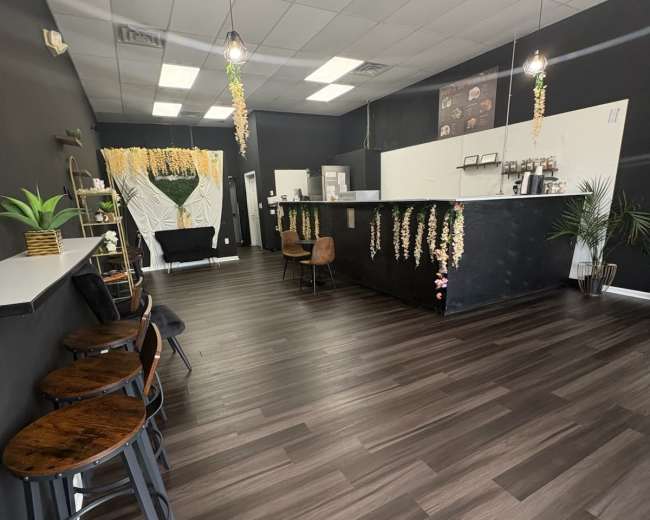
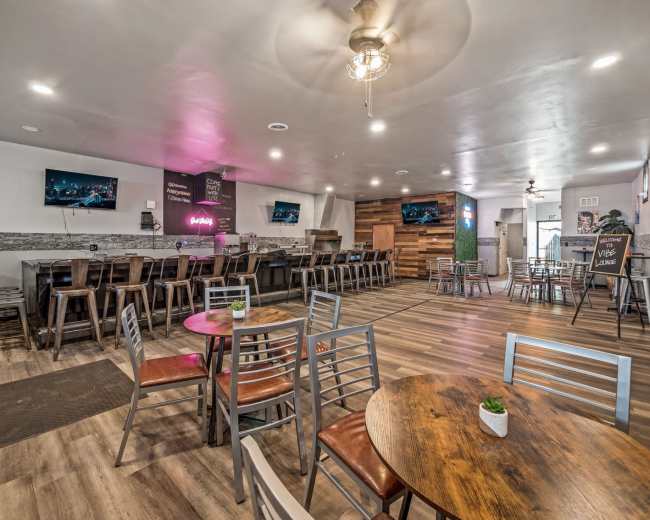
Modern Cafe in Metro Detroit
Hazel Park, MI25 guests
Historic Office - Meeting Room for 4 People
McDougall-Hunt, Detroit, MI4 guests
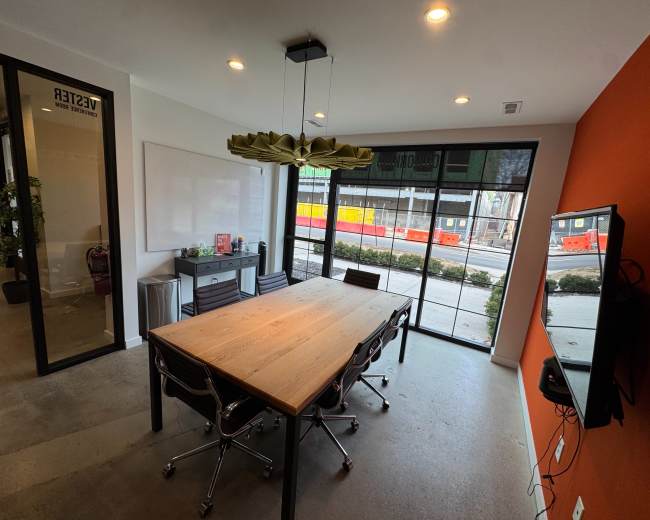
Vester Conference Room At Folio Offices in the Heart of Downtown Ferndale
Ferndale, MI6 guests
Multi-Purpose Conference Room Minutes from Downtown Detroit
Central Southwest, Detroit, MI5.0 (2)
30 guests
The Gold Room
Oak Park, MI4.8 (4)
8 guests
Elegant Lounge & Event Space
Bethune Community, Detroit, FM110 guests
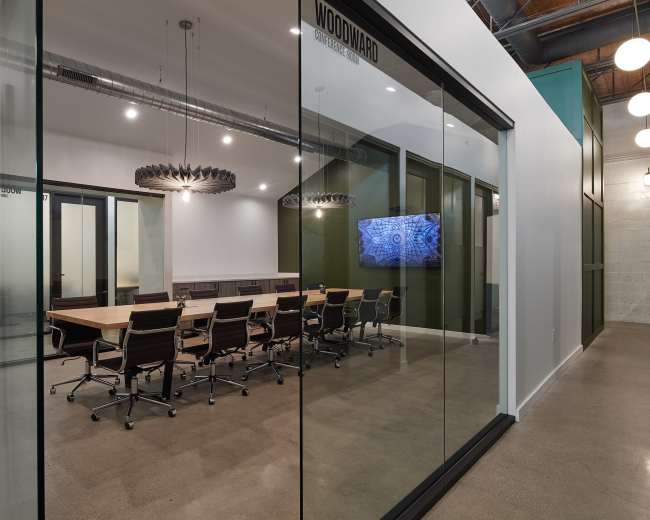
Woodward Conference Room at Folio Offices in the Heart of Downtown Ferndale
Ferndale, MI14 guests
Industrial Conference Room for 10 People - Detroit
McDougall-Hunt, Detroit, MI5.0 (70)
10 guests
Event space/loft in the heart of Greektown
Downtown Detroit, MI5.0 (2)
50 guests
Detroit Artsy Event Space good for meetings | trainings | networking
Bethune Community, Detroit, MI4.9 (34)
100 guests
6 Person Meeting room in Downtown Berkley - Conference Room A
Berkley, MI6 guests
Pristine Home/Meeting or Luncheon Space
Boston-Edison Historic District, Detroit, MI5.0 (1)
20 guests
Livernois Ave Conference Room
Dexter-Fenkell, Detroit, MI5.0 (10)
8 guests
Industrial Style Event Space
Central Southwest, Detroit, MI5.0 (1)
15 guests
Pricing and popularity information in this section is based on proprietary Peerspace booking data, reflecting recent booking activity and the latest data available through October 2026.
Meeting rooms in Detroit average $63 per hour to rent, but it’s easy to spend less or more depending on what you’re looking for.
Most meeting rooms are scheduled for 4 hours, with 10 people in attendance. You’ll find the most Meetings starting between 12:00 PM and 1:00 PM.
Our local hosts have welcomed 1249 people into their meeting rooms with reviews averaging 4.94 stars. Most even said they would book again -- about 99%.
Saturdays are the most popular day for booking meeting rooms in Detroit. For those seeking a deal, consider booking Monday and Sunday as these days are 33% cheaper on average.


