


Sun
Mon
Tue
Wed
Thu
Fri
Sat
$300/hr$225/hr$150/hr$75/hr
Peerspace is the easiest way to book unique venues for events. We also have spaces for productions and meetings.
Discover SpacesEvery day we uncover new, creative spaces perfect for your function — from neighborhood galleries to hidden rooftops, and beyond.
Our spaces are priced to fit your budget. Hire by the hour for your event without worrying about hidden fees.
No more messy contracts. We build the tools to make hiring out a space for your function as easy as the click of a button.
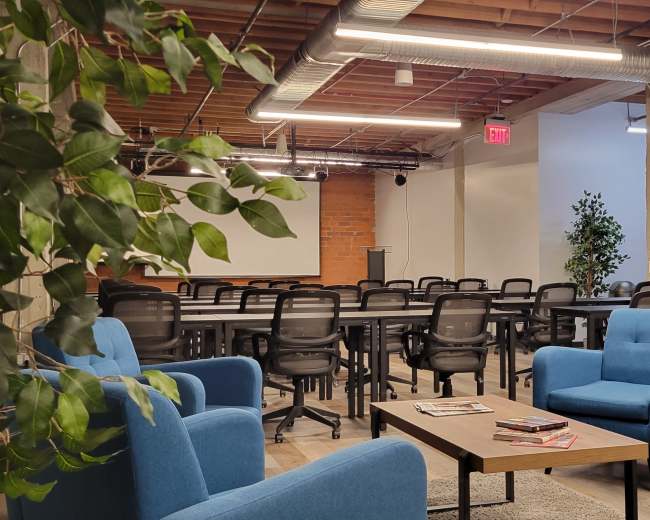
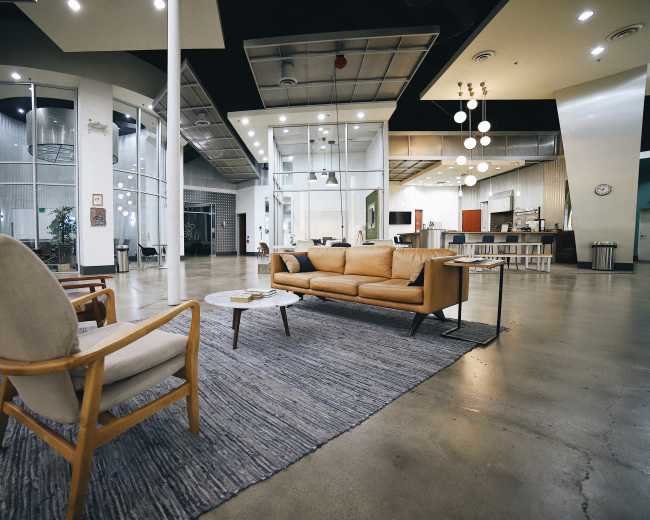
Ironfire Workspaces
Serving the Irvine, CA area5.0 (9)
60 guests
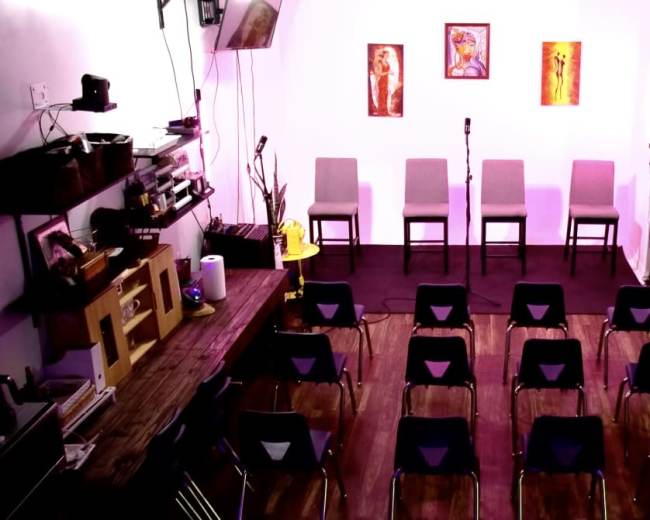
Manhattan Beach Studios
Serving the Irvine, CA area5.0 (65)
25 guests
1STREAM.TV
Serving the Irvine, CA area50 guests
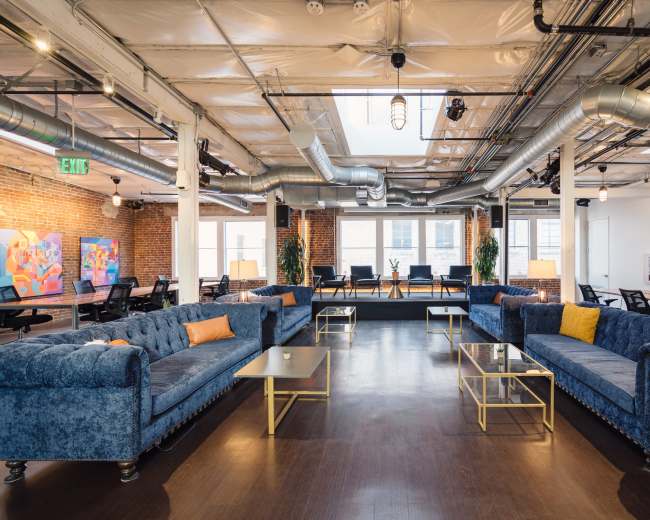
FoundrSpace
Serving the Irvine, CA area5.0 (2)
200 guests
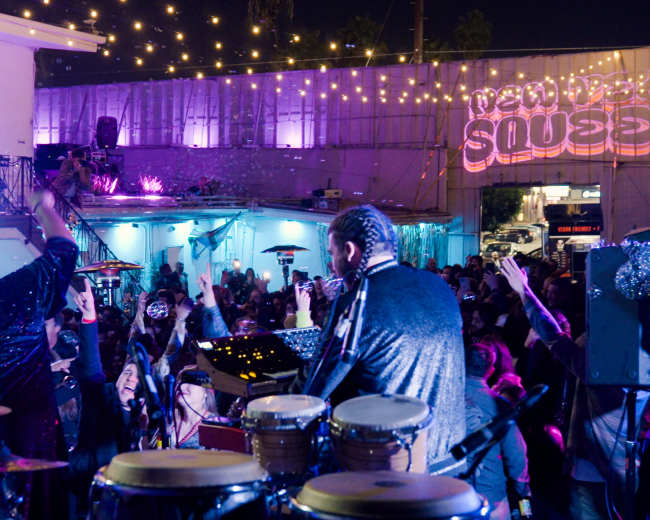
beTRUE Studios
Serving the Irvine, CA area5.0 (1)
500 guests
ProKnowledge Education Studio
Serving the Irvine, CA area5.0 (3)
40 guests
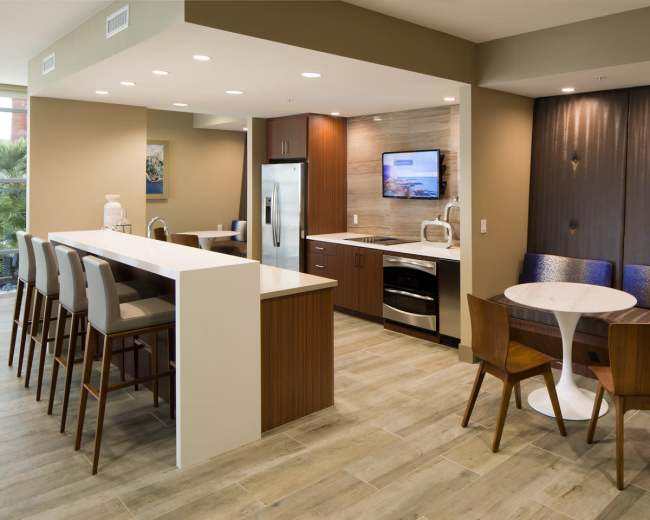
Indoor/Outdoor Lounge with Kitchen & Games
Irvine Business Complex, CA5.0 (9)
35 guests
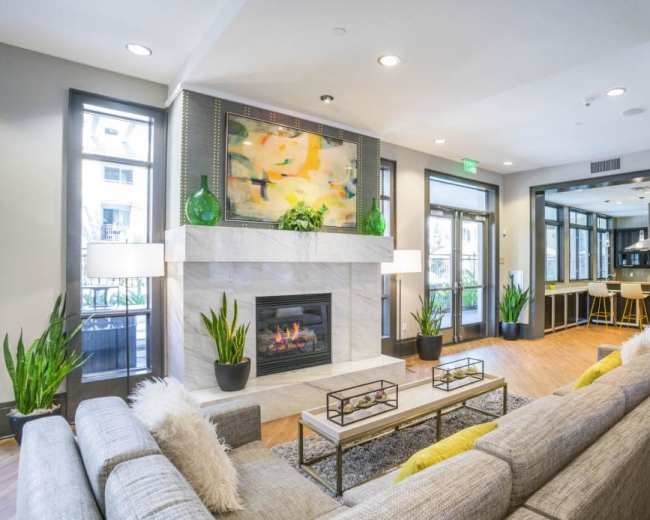
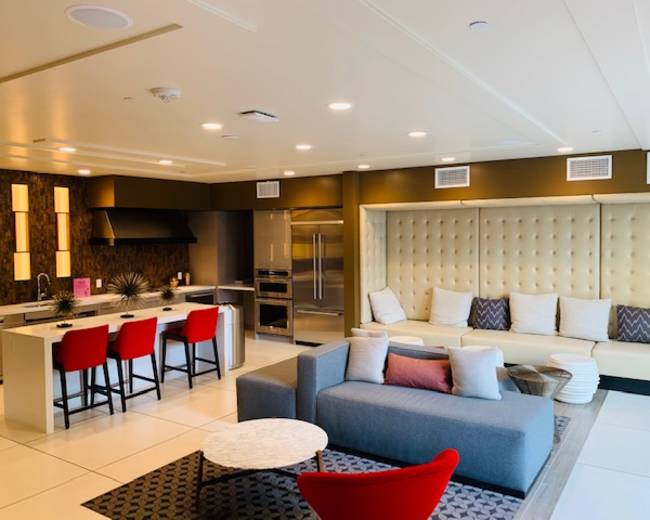
Elegant Club Room & Patio in Irvine
Irvine Business Complex, CA4.2 (26)
35 guests
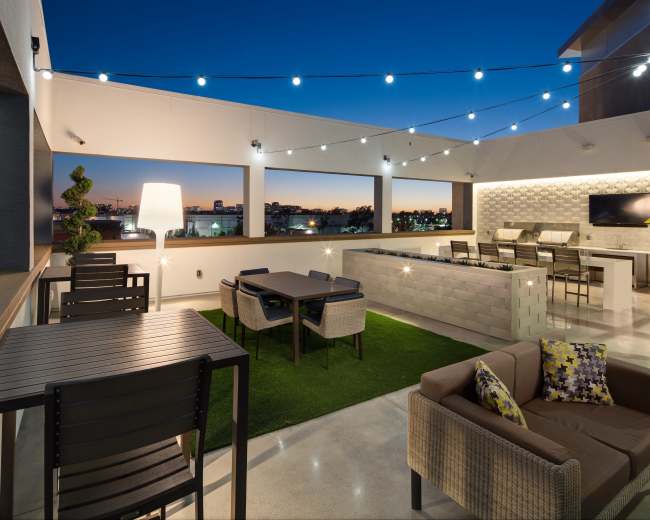
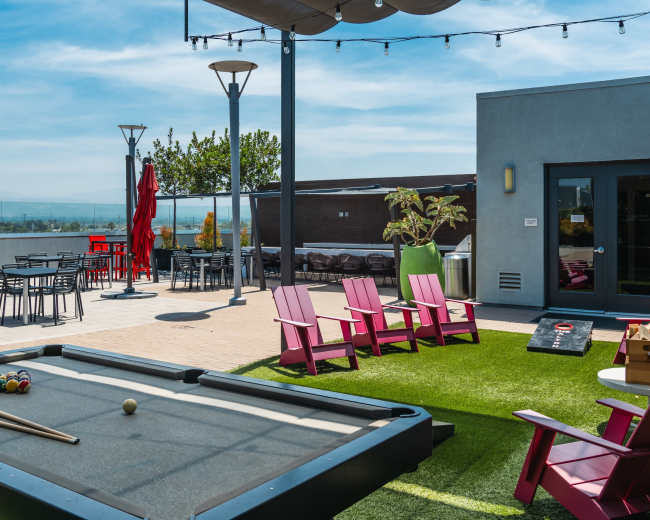
Urban Oasis – Incredible Rooftop Deck in Irvine
Irvine Business Complex, CA4.3 (65)
75 guests
WorkWell OC
Irvine Business Complex, CA5.0 (1)
120 guests
Club Room in the center of Irvine's bustling business district
Irvine Business Complex, CA4.8 (24)
187 guests
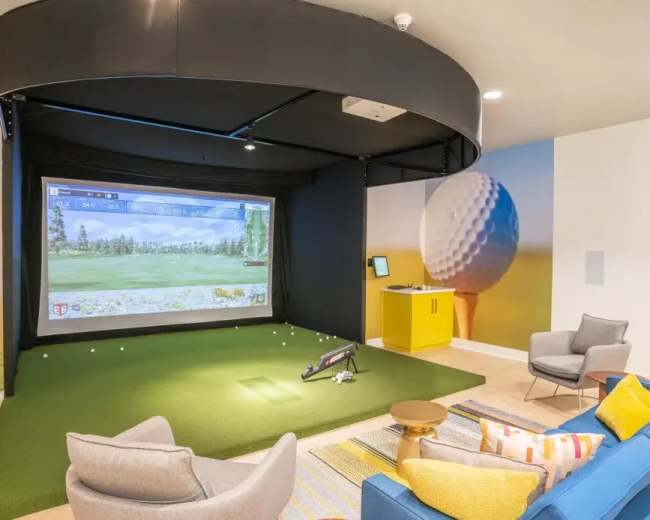
Golf Simulator in the heart of the Irvine Business District
Irvine Business Complex, CA4.3 (7)
7 guests
Rooftop in Irvine with versatile seating
Irvine Business Complex, CA4.3 (3)
20 guests
Spacious Clubroom with Full Kitchen
Irvine Business Complex, CA4.6 (52)
30 guests
Modern Indoor/Outdoor Clubhouse Lounge
Irvine Business Complex, CA4.9 (10)
40 guests
Stunning Irvine Roof Top Lounge
Irvine Business Complex, CA4.9 (21)
50 guests
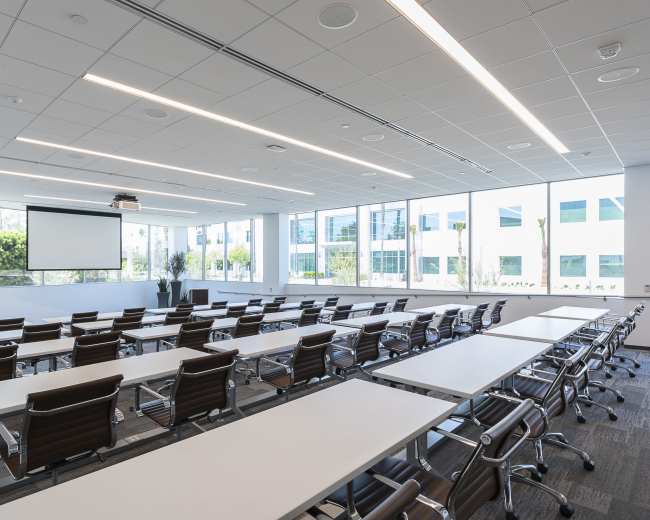
40 Person Training Conference Room - Intersect
Irvine Business Complex, CA5.0 (42)
40 guests
Ziba Photo Video & Venues
Irvine Business Complex, CA5.0 (151)
100 guests
Ziba Photo Video
Irvine Business Complex, CA4.9 (179)
30 guests
Gillette House
Irvine Business Complex, CA4.9 (8)
500 guests
Dy studio
Irvine Business Complex, CA5.0 (2)
50 guests
Colab Space
Irvine Business Complex, CA5.0 (1)
130 guests
Colab Space
Irvine Business Complex, CA5.0 (18)
130 guests
Colab Space
Irvine Business Complex, CA5.0 (1)
130 guests
Premier Workspaces
Irvine Spectrum Center, CA77 guests
Spectrum Executive Conference Room and Reception
Irvine Research Center, CA5.0 (1)
20 guests
LJ. W Entertainment
Irvine Research Center, CA4.9 (9)
45 guests
Sol Hub
Irvine Research Center, CA5.0 (17)
30 guests
7 United
Irvine Research Center, CA50 guests
Irvine Spectrum Dance/Event Space
Irvine Research Center, CA150 guests
Nice and Brand New Office Space
Irvine Research Center, CA40 guests
The Event Spot
Serving the Irvine, CA area120 guests
Spacious 5,000 sq. ft. Event Studio with Indoor and Outdoor Spaces
Serving the Irvine, CA area125 guests
Contemporary LA Art Gallery with Hidden Lounge for Events
Serving the Irvine, CA area150 guests
Pricing and popularity information in this section is based on proprietary Peerspace booking data, reflecting recent booking activity and the latest data available through September 2026.
Event venues in Irvine average $240 per hour to rent, but it’s easy to spend less or more depending on what you’re looking for. For a space on the smaller side, expect to spend closer to $114, whereas larger venues run about $311 per hour.
Most event venues are scheduled for 6 hours, with 85 people in attendance. You’ll find the most Events starting between 4:00 PM and 5:00 PM.
Our local hosts have welcomed 7650 people into their event venues with reviews averaging 4.66 stars.
Saturdays are the most popular day for booking event venues in Irvine. For those seeking a deal, consider booking Tuesday and Monday as these days are 32% cheaper on average.


