
Sun
Mon
Tue
Wed
Thu
Fri
Sat
$200/hr$150/hr$100/hr$50/hr
Peerspace is the easiest way to book unique venues for events. We also have spaces for productions and meetings.
Discover SpacesEvery day we uncover new, creative spaces perfect for your function — from neighborhood galleries to hidden rooftops, and beyond.
Our spaces are priced to fit your budget. Hire by the hour for your event without worrying about hidden fees.
No more messy contracts. We build the tools to make hiring out a space for your function as easy as the click of a button.
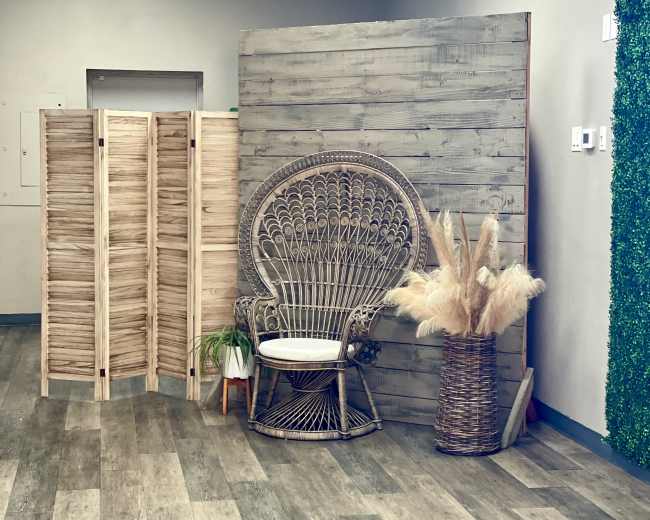
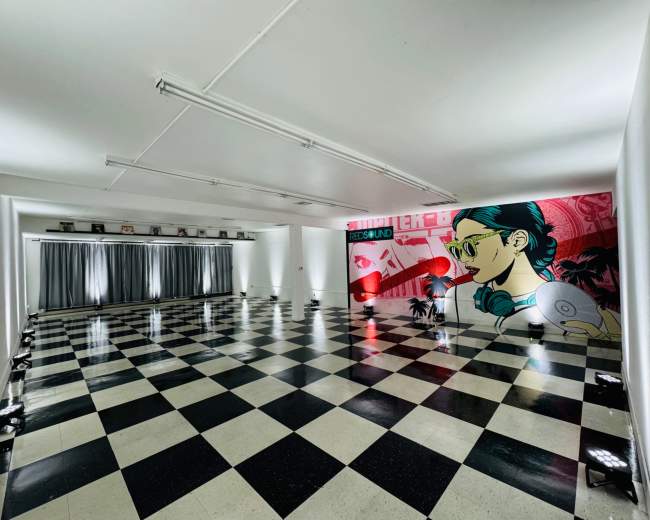
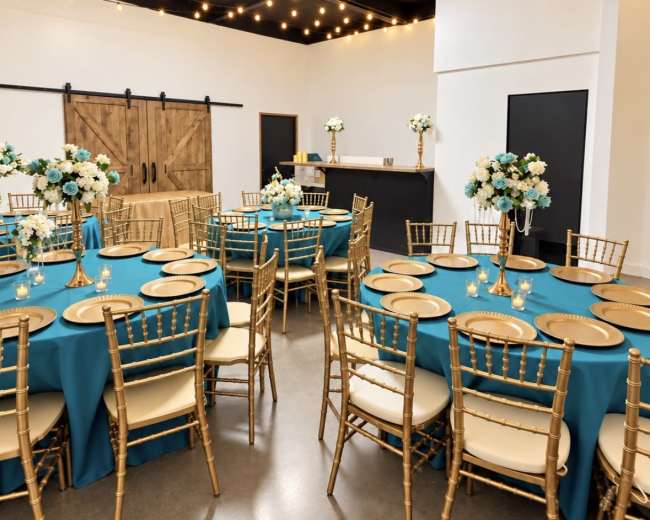
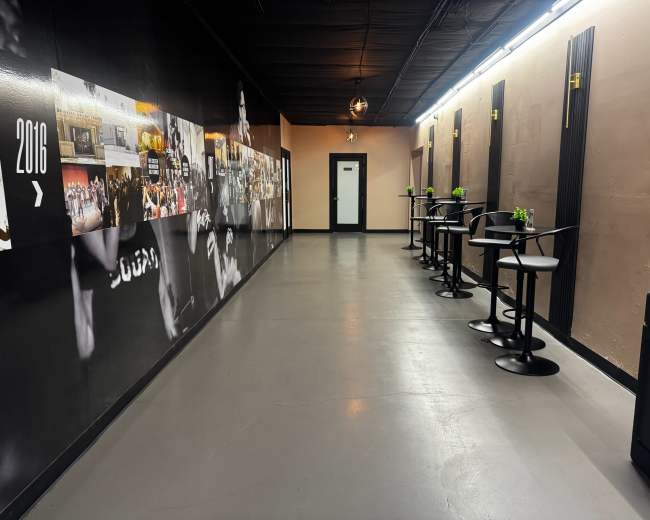
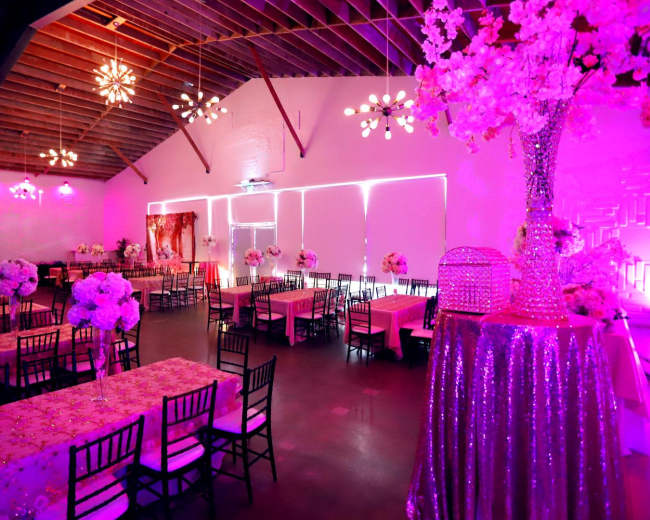
Gorgeous Sophisticated Indoor Event Space
Long Beach, CA4.8 (50)
70 guests
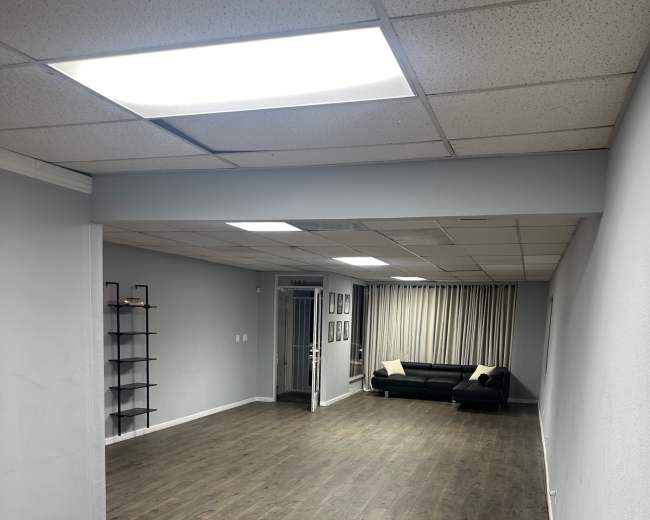
Small, intimate, open space. Near Bixby Knolls area of Long Beach.
North Long Beach, CA40 guests
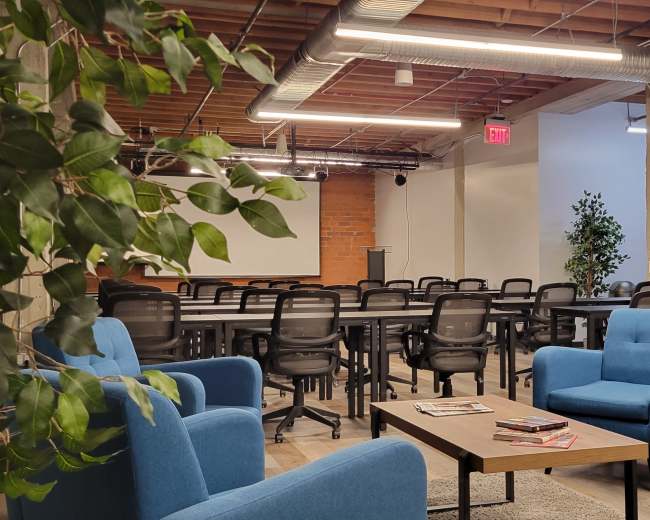
Event Mezzanine with Stage and A/V
Bellflower, CA5.0 (9)
60 guests
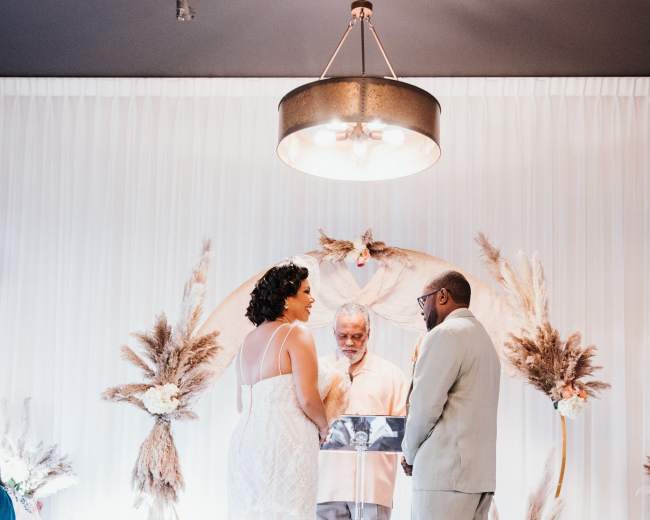
Downtown Loft with City Views
Downtown, Long Beach, CA5.0 (7)
130 guests
Multi purpose open creative space for all type of events in Bellflower and surrounding areas
Bellflower, CA4.9 (32)
50 guests
Event Venue in Orange County
West Garden Grove, CA5.0 (3)
60 guests
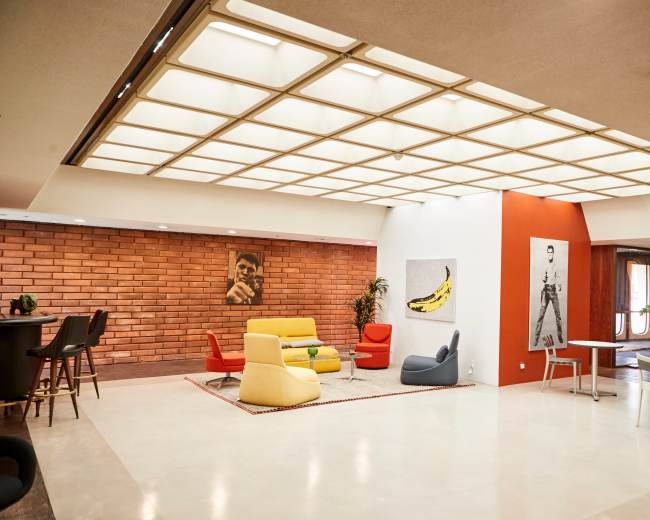
Colorful and Bright Mid Century Modern Industrial Space
Rancho Dominguez, CA5.0 (13)
175 guests
Intimate Event Studio with Versatile Spaces
Carson, CA4.9 (7)
50 guests
Elevated Rustic Venue for Intimate Celebrations
Carson, CA5.0 (4)
50 guests
Modern Church with Stage, Sound, and Parking | Perfect for Weddings, Filming, and Events
Harbor, WILMINGTON, CA300 guests
Customizable Banquet Hall in Carson, CA
Carson, CA150 guests
Blank Canvas Event Space
Artesia, CA4.7 (23)
125 guests
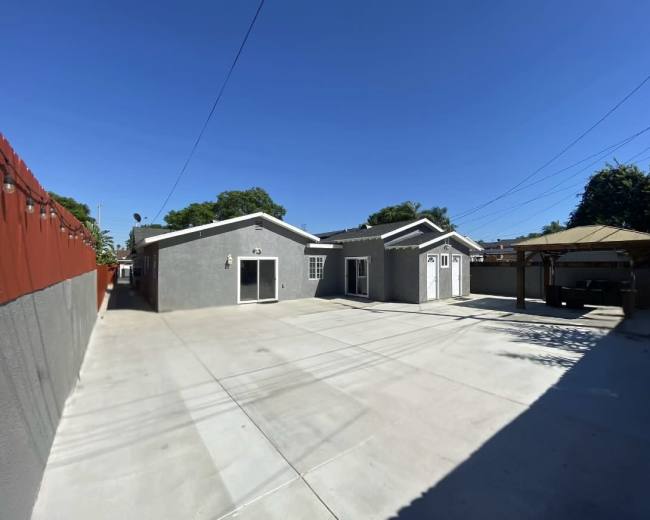
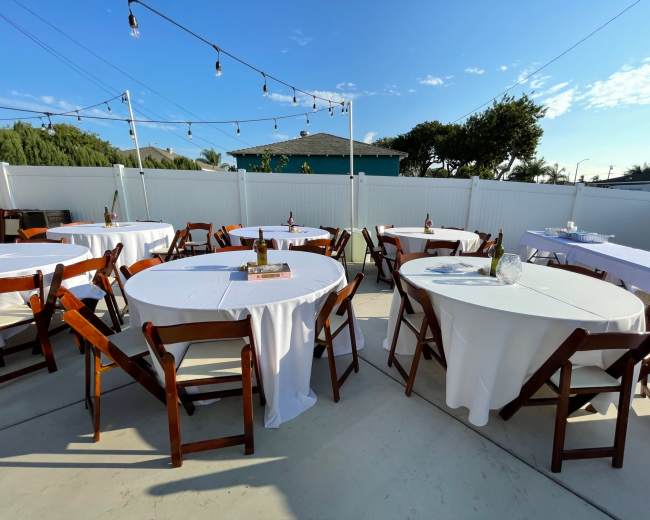
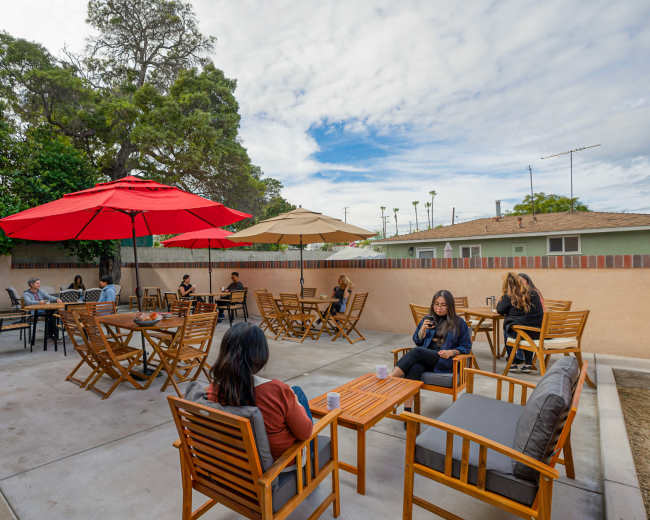
Long Beach Backyard Offers Versatility
Bixby Knolls, Long Beach, CA5.0 (14)
50 guests
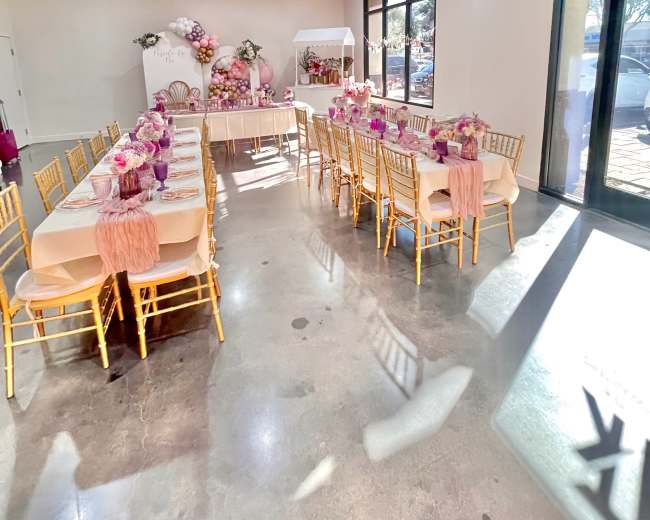
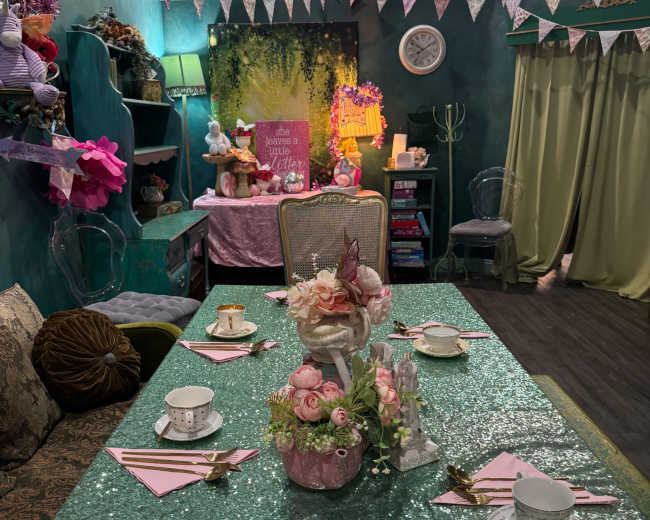
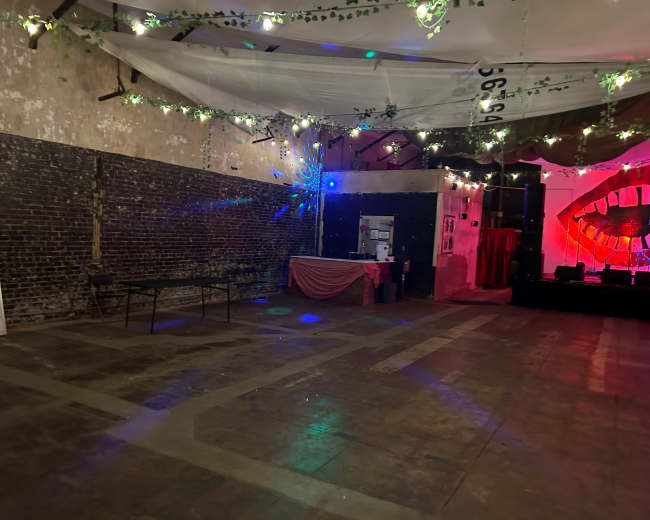
Whimsical Party Venue With Magical Details.
Carson Park, Long Beach, CA50 guests
BRAND NEW Photo and Film Studio in the heart of Wilmington
Harbor, Wilmington, CA5.0 (9)
50 guests
Modern Blank Canvas Home with Sweeping Skyline & Harbor Views | Indoor-Outdoor Event Space (Up to 40 Guests)
Memorial Heights, LONG BEACH, CA40 guests
Luna Backyard Private Backyard Photo and Event Space
North Long Beach, CA40 guests
Professional Photo Studio and Creative Space (3000 sq. ft.)
Zaferia, Long Beach, CA5.0 (9)
200 guests
INCLUSIVE Versatile Space
San Pedro, CA5.0 (23)
125 guests
Firestone Studios - Photo/Video/Music Production & Event Space
Poly High, Long Beach, CA250 guests
Versatile Space with Classic Design For Performances, Screenings, Workshops, Rehearsals, or Meetings in Downtown San Pedro
San Pedro, CA5.0 (26)
49 guests
Beach Side Creative, Wellness, Gallery, Event Space
Bluff Heights, Long Beach, CA75 guests
Warehouse center capable of hosting many events
Carson, CA5.0 (3)
400 guests
Crystal Workspaces - Looking for an Event space to host your next networking function? Our beautiful spacious 1100 sq. ft. event area is the perfect location to host professional and casual gatherings. It comfortably accommodates up to 75 guests.
Lomita, CA75 guests
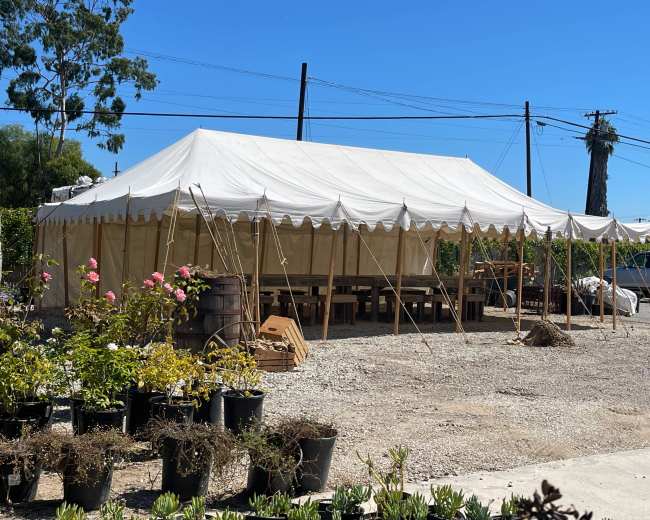
Industrial, Eco-Friendly Landscape Yard - Perfect for Meetings, Events, & Productions
Signal Hill, CA100 guests
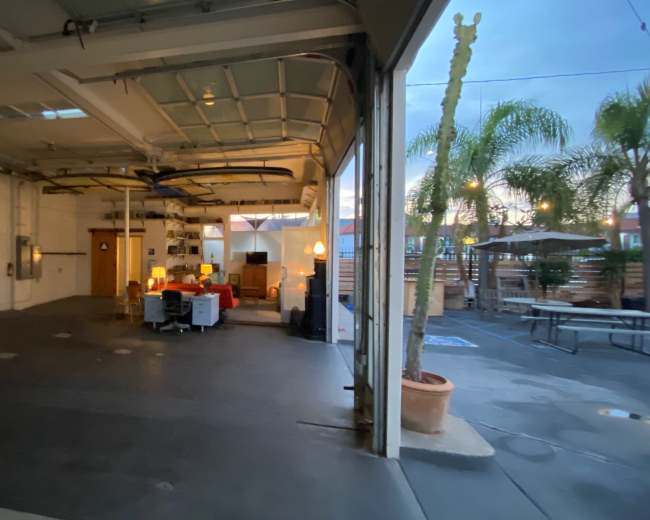
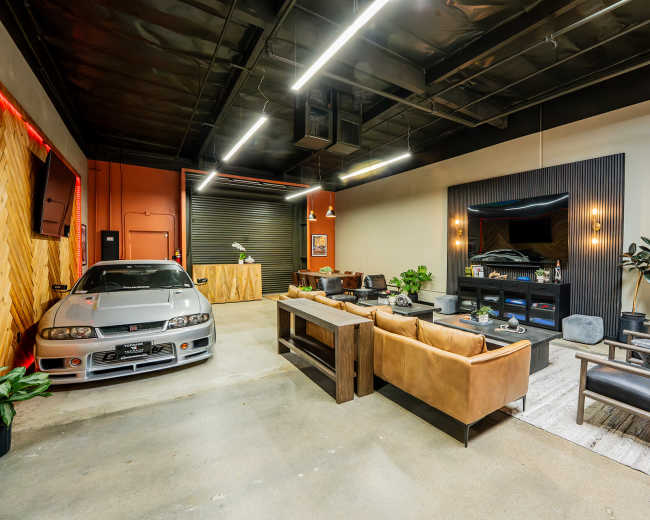
"THE SHOP " Renovated Mid Century Urban Auto Shop
Alamitos Beach, Long Beach, CA5.0 (18)
130 guests
Modern Boutique Event Space in Huntington Beach for Intimate Gatherings & Content Shoots
Huntington Beach, CA49 guests
Bright and airy lounge perfect for entertaining
Seal Beach, CA4.7 (26)
35 guests
Flex and Open Space in Zaferia Neighborhood
Zaferia, Long Beach, CA4.8 (6)
50 guests
Modern Industrial Automotive Space Perfect for Events & Content Shoots
Los Alamitos, CA5.0 (18)
60 guests
Amazing Flexible Creative Space in Torrance
Old Town Torrance, CA4.6 (14)
225 guests
Suburban Meeting and Event Space
Paramount, CA20 guests
Pricing and popularity information in this section is based on proprietary Peerspace booking data, reflecting recent booking activity and the latest data available through October 2026.
Event venues in Long Beach average $195 per hour to rent, but it’s easy to spend less or more depending on what you’re looking for. For a space on the smaller side, expect to spend closer to $263, whereas larger venues run about $335 per hour.
Most event venues are scheduled for 6 hours, with 49 people in attendance. You’ll find the most Events starting between 2:00 PM and 3:00 PM.
Our local hosts have welcomed 5805 people into their event venues with reviews averaging 4.89 stars. Most even said they would book again -- about 99%.
Saturdays are the most popular day for booking event venues in Long Beach. For those seeking a deal, consider booking Thursday and Wednesday as these days are 10% cheaper on average.


