












Sun
Mon
Tue
Wed
Thu
Fri
Sat
$200/hr$150/hr$100/hr$50/hr
Peerspace is the easiest way to book unique recording studios for all kinds of productions including photo shoots, film shoots and music videos. We also have spaces for meetings and events.
Discover SpacesEvery day we uncover new, inspirational spaces, including music studios, perfect for your activity.
Our network of helpful hosts respond quickly, and are well-versed in accommodating all types of productions, including film and photo shoots.
Only pay for what you need. Pay by the hour for your music studio location without worrying about hidden fees or overtime.
Music/Vocal Recording and Mixing Engineer
Potrero Hill, San Francisco, CA4.9 (18)
5 guests
Music Recording Studio. Engineer Included in price
Potrero Hill, San Francisco, CA5.0 (14)
5 guests
Jackson Square Industrial Studio
Financial District, San Francisco, CA6 guests
SEVEN Sets in Large Natural Light Production Studio and FREE GRIP
Tenderloin, San Francisco, CA5.0 (219)
30 guests
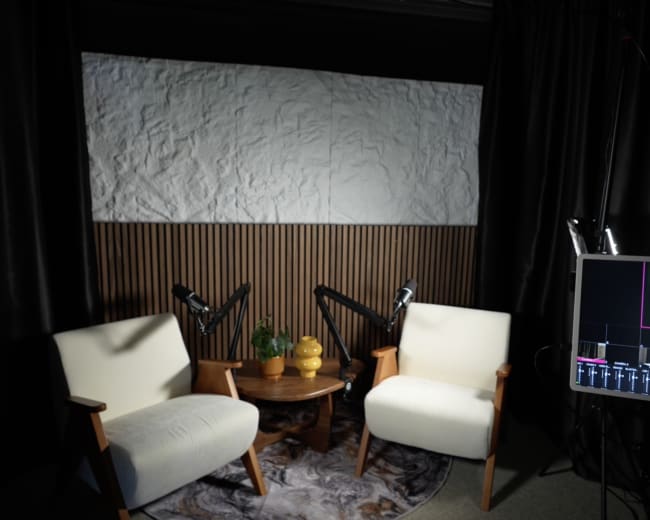
The Podcast Studio — San Francisco
Mission District, San Francisco, CA4.0 (1)
4 guests
Enormous Music, Film, and Broadcast Studio | Light Rail Studio
Produce Market, San Francisco, CA242 guests
Cozy podcast room/ production space for audio/video editing
Potrero Hill, San Francisco, CA5.0 (15)
8 guests
San Francisco Podcast & Video Studio with Engineer
Fisherman's Wharf, San Francisco, CA6 guests
Sunset Podcast Studio with 4K Cameras & Pro Audio
Northern Waterfront, san francisco, CA5.0 (2)
5 guests
Customizable Podcast Studio with 3 Cameras & Crew
Northern Waterfront, San Francisco, CA5.0 (6)
6 guests
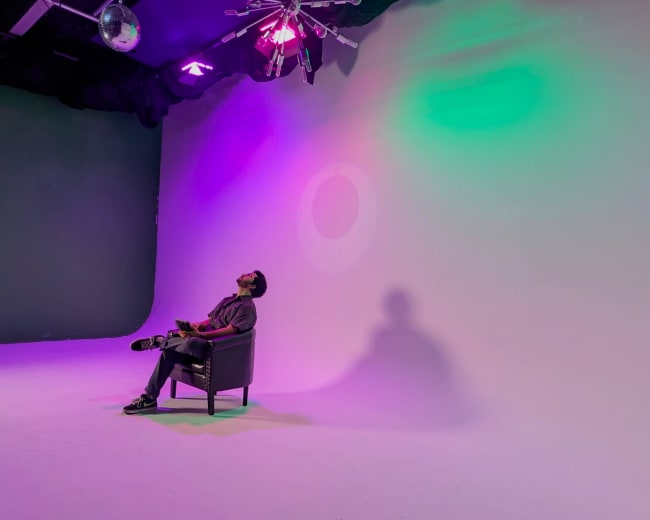
Virtual Production Podcast Studio - (Greenscreen w/Realtime Compositing)
Mission District, San Francisco, CA5 guests
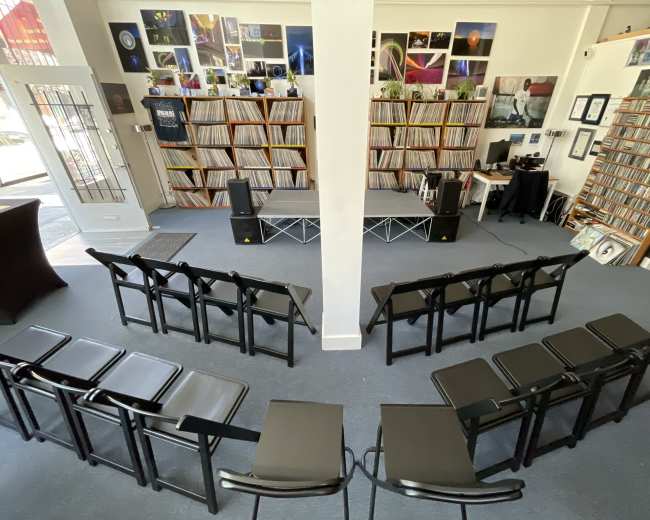
DJ Studio and Art Space in the Heart & Soul Of The Mission District
Mission District, San Francisco, CA25 guests
Potrero Film/Photo/Recording Studio with parking.
Potrero Hill, San Francisco, CA5.0 (37)
20 guests
Fully Equipped Mission Studio for Creative Projects & Productions
Mission District, San Francisco, CA4.9 (219)
50 guests
Premium SoMa Podcast Studio with Operator and 24-Hour File Delivery
SoMa, San Francisco, CA4 guests
SoMa Production Studio with Industrial Character & Live Streaming
SoMa, San Francisco, CA75 guests
Two-Person Podcast Studio with 3 Cameras & On-Site Tech
Northern Waterfront, San Francisco, CA10 guests
Modern Podcast Studio with 3-Camera Setup & Pro Audio
Northern Waterfront, San Francisco, CA4.0 (2)
10 guests
Customized Podcast Production
Mission District, San Francisco, CA25 guests
Daylight Photo & Film Studio w/ Free Gear – Mission SF
Mission District, San Francisco, CA5.0 (93)
25 guests
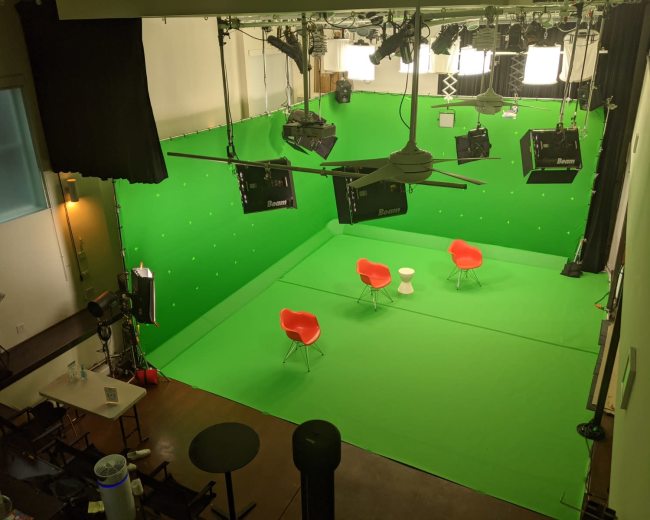
Full Green Screen Studio for Video, Training & Commercials
Northern Waterfront, San Francisco, CA4.5 (6)
100 guests
Huge studio with natural light & sky-high ceilings
Ingleside Terraces, San Francisco, CA120 guests
Multi-Use Creative Space: Board Games & Recording Studio
SoMa, San Francisco, CA4.7 (3)
10 guests
Large Streaming Content Creation Studio
Hillside, Daly City, CA50 guests
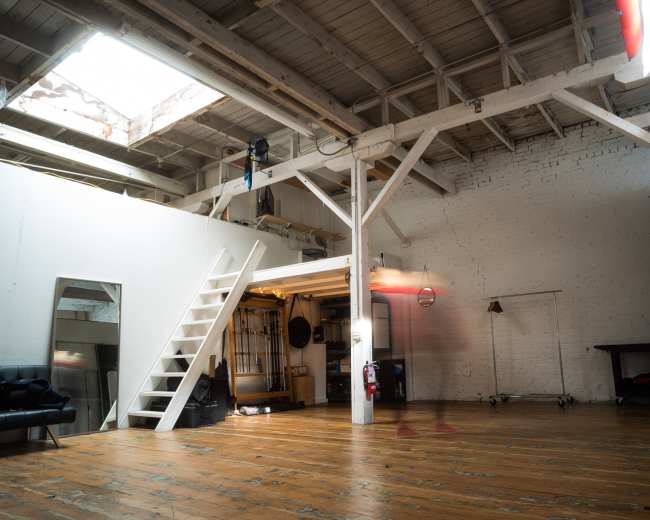
Warehouse Studio for Film & Photo Production
Brisbane, CA35 guests
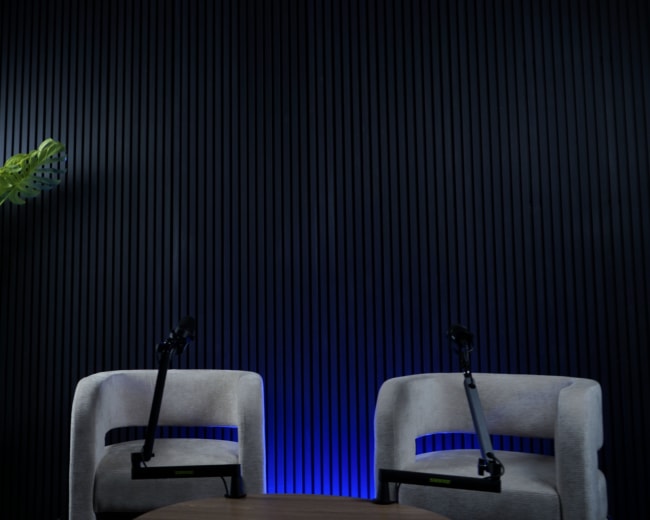
Premium Interview Podcast Studio with Walnut Set & 3 Cameras
Northern Waterfront, San Francisco, CA4.7 (6)
10 guests
SF Podcast Studio
Lower Nob Hill, San Francisco, CA5.0 (6)
10 guests
Green Screen & Sound Stage Studio - Virtual & Broadcast Turn Key Ready & All Inclusive (L@@K)
Lindenville, South San Francisco, CA4.0 (1)
15 guests
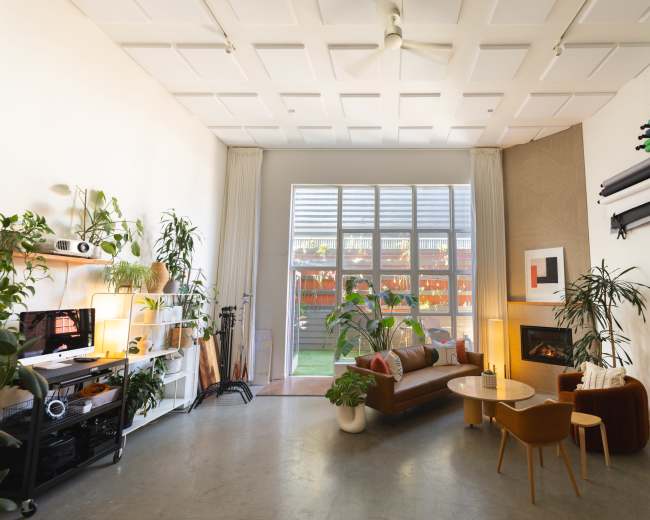
Incredibly Bright Photo/Video Studio with Private Outdoor Space
Potrero Hill, San Francisco, CA5.0 (148)
20 guests
Cozy 2-person Podcast set w/ 3-cam set up & professional audio
Northern Waterfront, San Francisco, CA5.0 (3)
4 guests
FULL SERVICE VIDEO STUDIO PACKAGES: Lights/Cameras/Crew
Mission District, San Francisco, CA5.0 (201)
6 guests
Classy Vintage Yet Modern Recording Studio With Huge Instrument Room, Control Rooms, And Lounges
Richmond, CA20 guests
Creative Photography Studio in Historic Artist Community
SoMa, San Francisco, CA4.9 (126)
5 guests
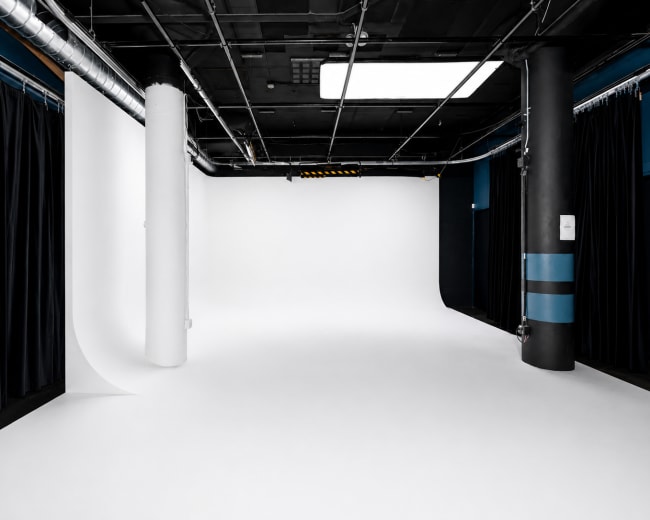
White Cyc Studio for Photo, Video & Product Shoots
Northern Waterfront, San Francisco, CA5.0 (51)
100 guests
Photo/Video Studio w/ Natural Light (Blackout Avail.)
SoMa, San Francisco, CA5.0 (60)
40 guests
Pricing and popularity information in this section is based on proprietary Peerspace booking data, reflecting recent booking activity and the latest data available through October 2026.
Recording studios in San Francisco average $177 per hour to rent, but it’s easy to spend less or more depending on what you’re looking for.
Most recording studios are scheduled for 7 hours, with 11 people in attendance. You’ll find the most Recording Studios starting between 11:00 AM and 12:00 PM.
Our local hosts have welcomed 1284 people into their recording studios with reviews averaging 4.98 stars. 100% of guests said they'd book again.
Saturdays are the most popular day for booking recording studios in San Francisco. For those seeking a deal, consider booking Sunday and Saturday as these days are 27% cheaper on average.


