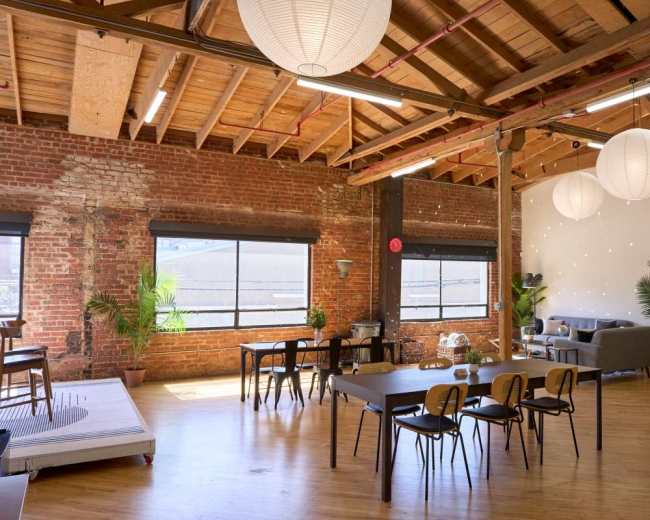
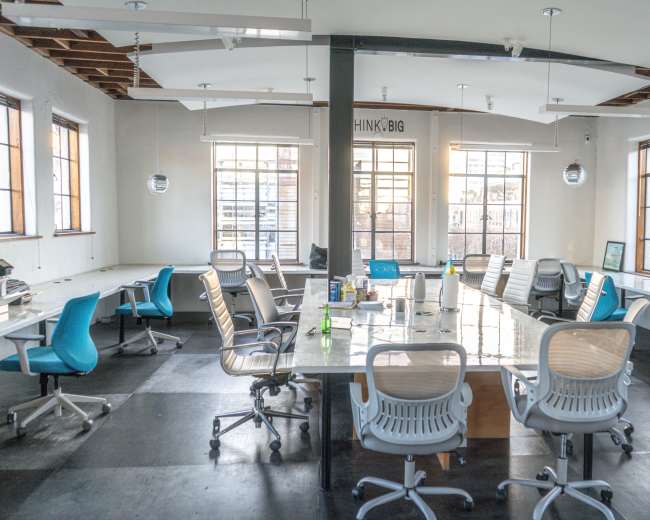
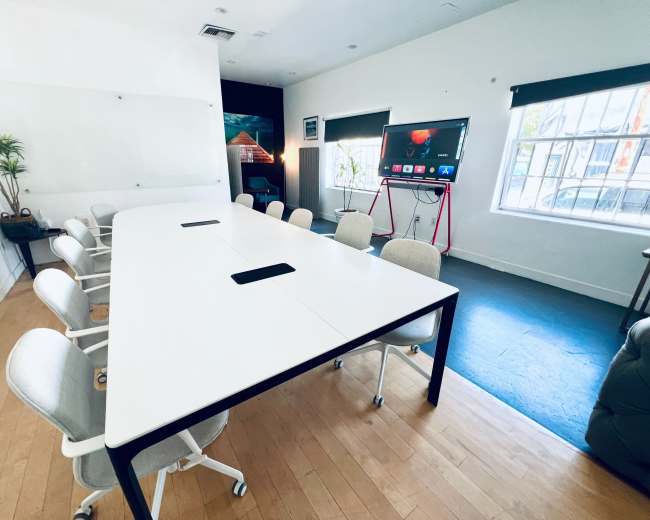
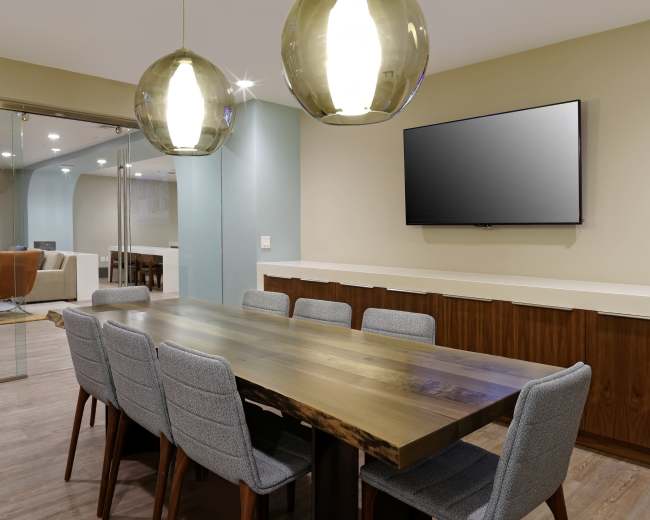
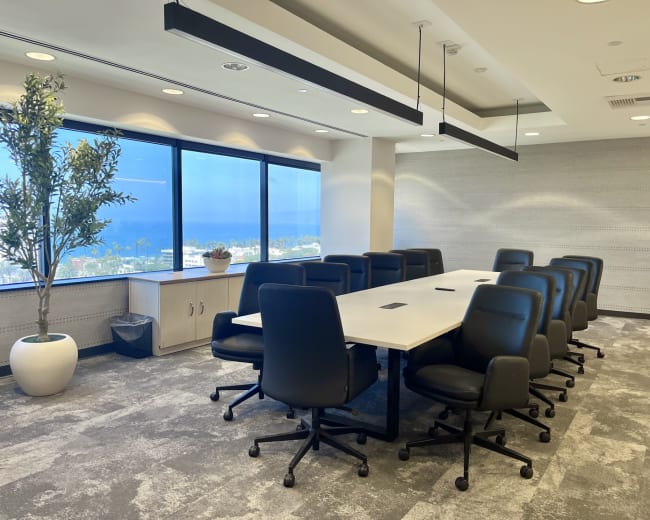
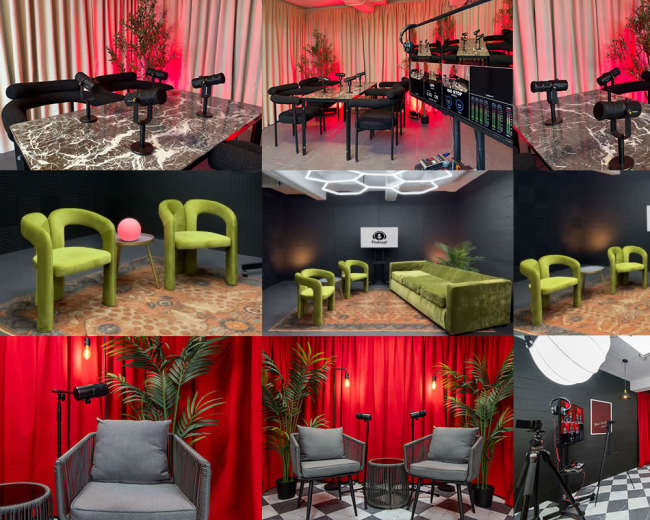
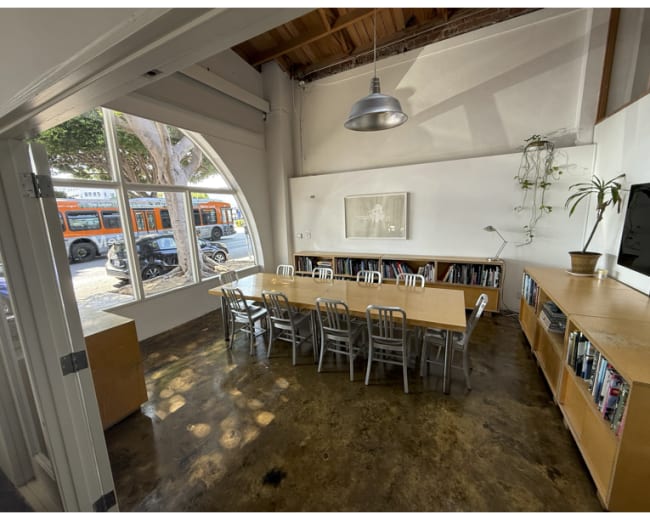
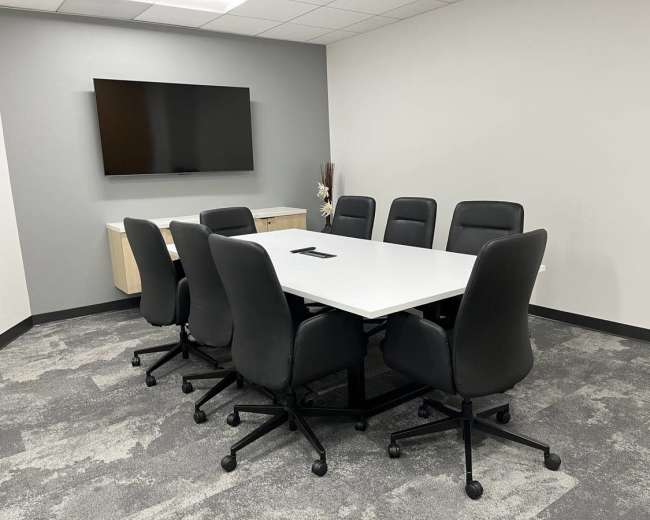
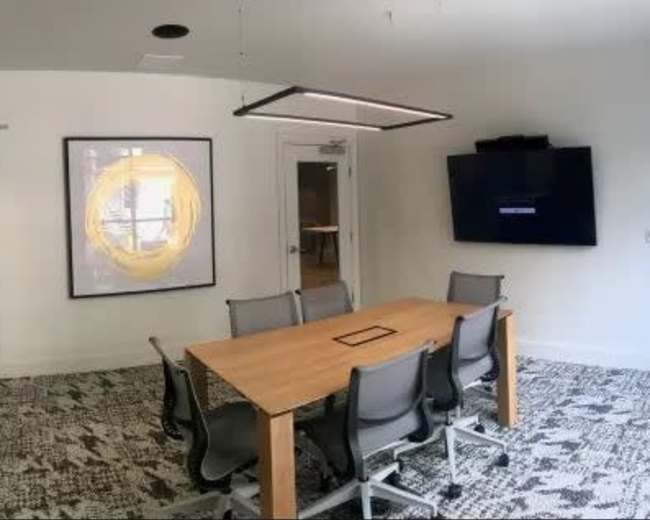
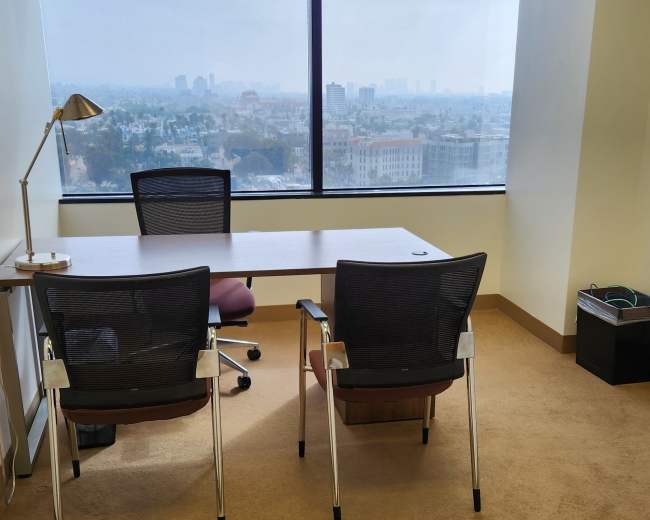
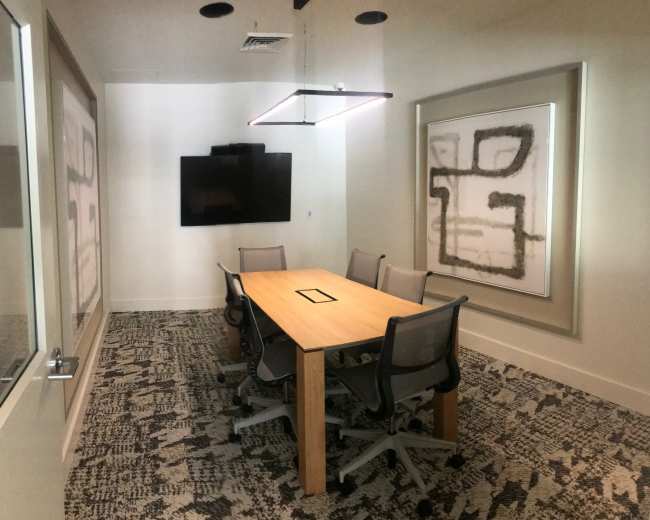
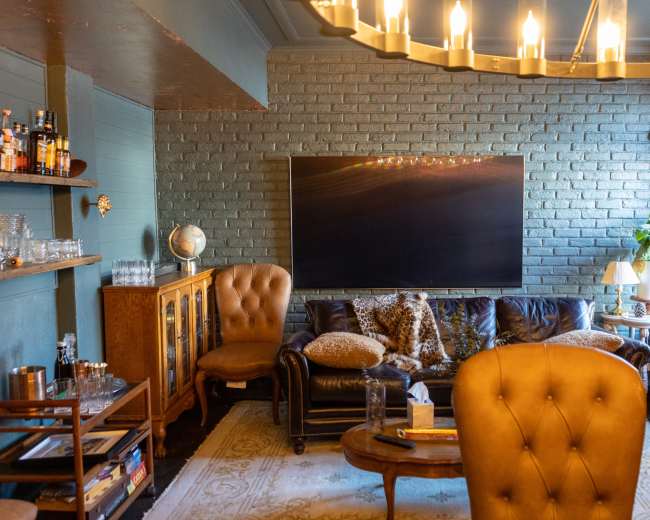
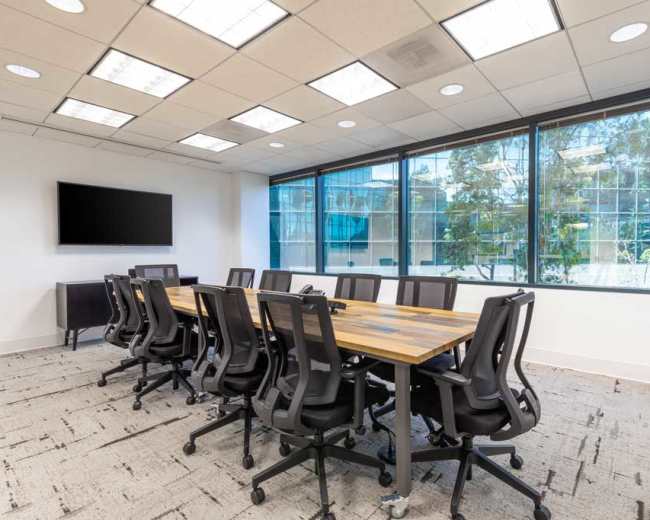
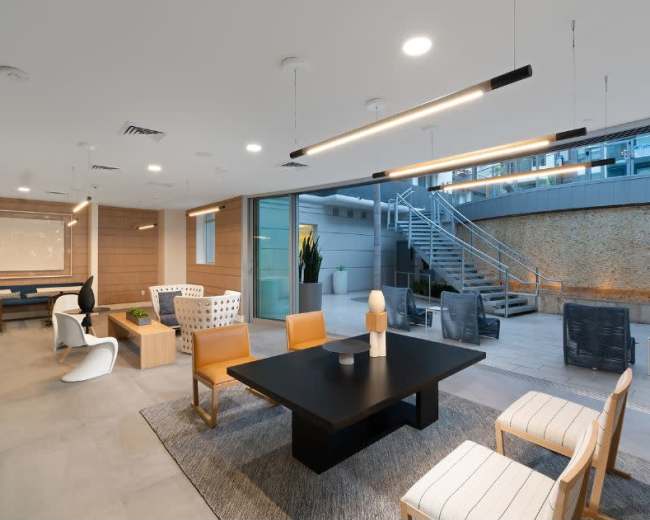
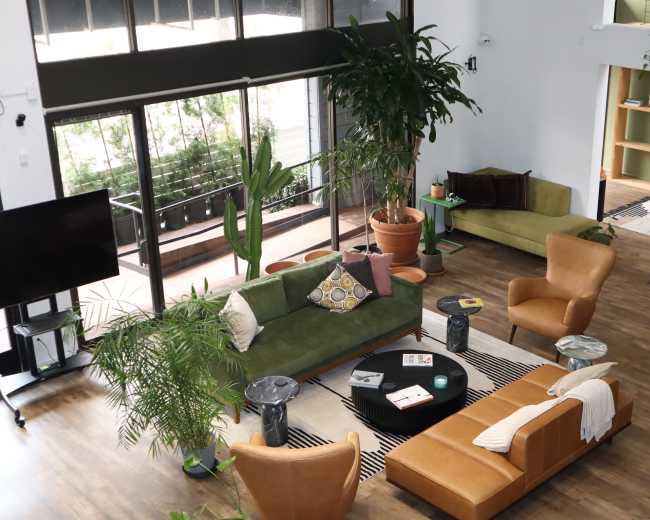
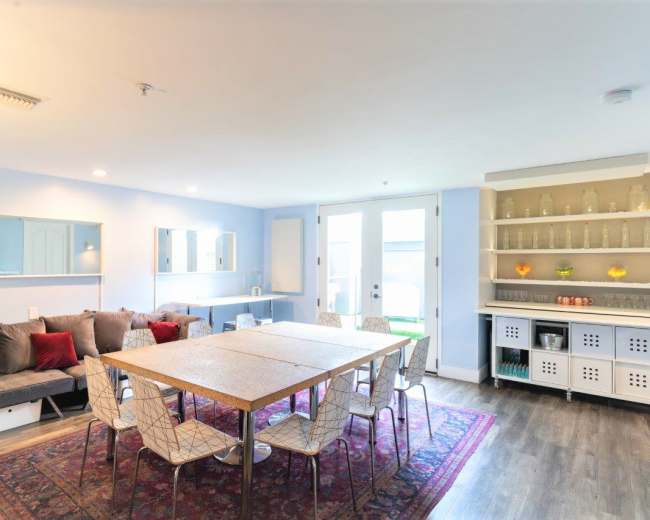
Rent a meeting room in Santa Monica, CA

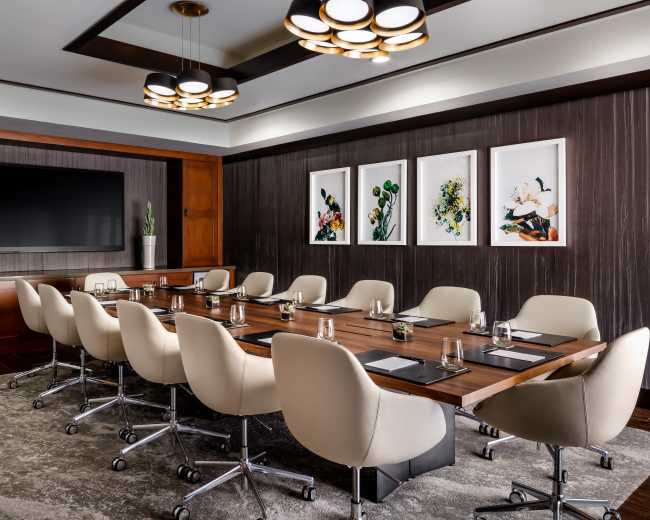
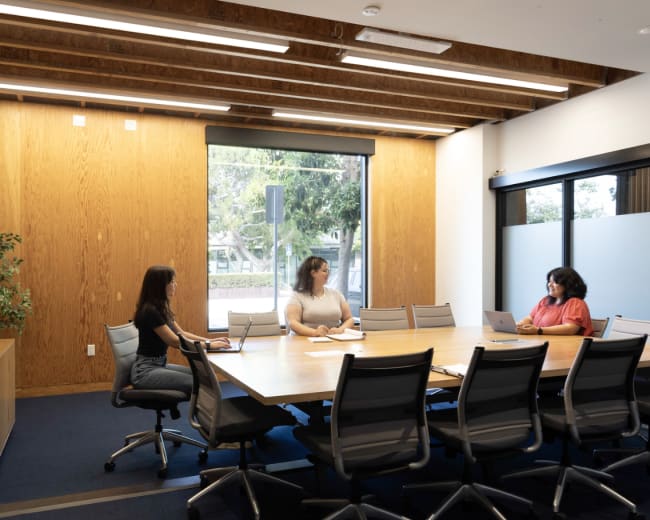
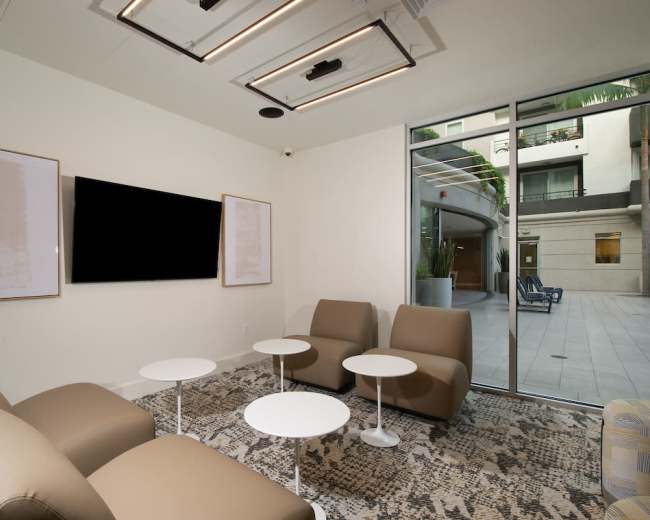
Discover thousands of unique meeting rooms for rent perfect for your meeting.

Enter your activity
Santa Monica, CA, United States

How corporate meeting rooms work on Peerspace

Peerspace is the easiest way to book unique spaces for meetings. We also have spaces for productions and events.

Discover Spaces

Inspiring spaces

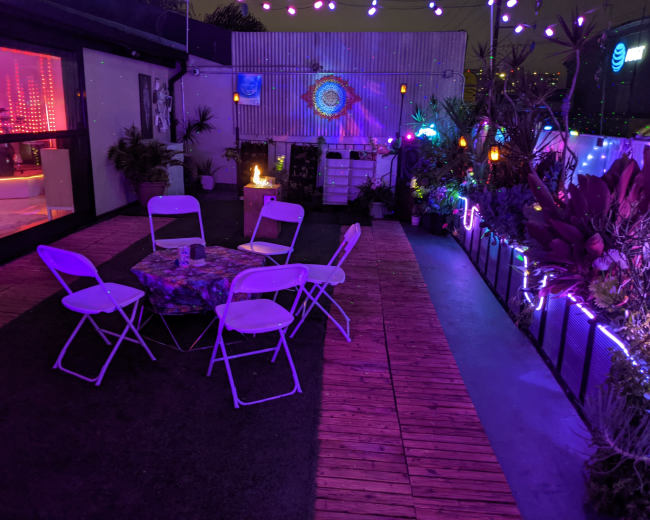
Every day we uncover new, creative spaces perfect for your corporate meeting — from neighborhood gardens, expansive rooftops, trendy office spaces, and beyond.

Honest pricing

Our spaces are priced to fit your budget. Hire by the hour for your meeting without worrying about hidden fees.

Smooth bookings

No more messy contracts. We build the tools to make booking a space for your corporate meeting as easy as the click of a button.

Popular meeting rooms

Explore all 50+ meeting rooms in Santa Monica. See All ›

Frequently Asked Questions

Pricing and popularity information in this section is based on proprietary Peerspace booking data, reflecting recent booking activity and the latest data available through June 2026.

What's the best day to rent a meeting room in Santa Monica?

Thursdays are the most popular day for booking meeting rooms in Santa Monica. For those seeking a deal, consider booking Monday and Saturday as these days are 8% cheaper on average.

How popular are meeting rooms in Santa Monica?

Our local hosts have welcomed 1583 people into their meeting rooms with reviews averaging 4.9 stars. Most even said they would book again -- about 98%.

How much does a meeting room cost to rent in Santa Monica?

Meeting rooms in Santa Monica average $75 per hour to rent, but it’s easy to spend less or more depending on what you’re looking for.

How long do people rent meeting rooms in Santa Monica?

Most meeting rooms are scheduled for 7 hours, with 10 people in attendance. You’ll find the most Meetings starting between 11:00 AM and 12:00 PM.

How do I choose the right conference room or venue type for my specific meeting format?

Choose a conference room or meeting venue based on the job of the meeting first, then narrow by privacy, layout, and logistics. In Santa Monica, the right fit is rarely the prettiest room. It is the space that removes friction and helps the meeting do what it needs to do.
  • First, define the meeting’s job:
    • Decision-making and alignment: Prioritize privacy, comfort, and a layout where everyone can see each other easily.
    • Presentation or client pitch: Prioritize sightlines to a screen, reliable tech, and a polished arrival experience.
    • Workshop and training: Prioritize flexible furniture, wall space for breakouts, and room to move.
    • Brainstorm and creative offsite: Prioritize natural light, inspiring design, and zones for small-group work.
  • Then, match the venue type to the format:
    • Traditional conference room or boardroom: Best for high-stakes conversations, structured agendas, and confidential discussions. As you browse meeting rooms in Santa Monica, look for a fully closing door, good sound control, and a table that fits your exact headcount without crowding.
    • Coworking meeting room: Best for quick, turnkey meetings when you want simple booking and front-desk support. Confirm that the room is truly private and ask whether surrounding areas get noisy during peak hours.
    • Loft, studio, or gallery-style space: Best for strategy sessions, brand workshops, and creative collaboration. These spaces often feel more energizing than a standard office, but practical details matter more. Confirm restrooms, HVAC, acoustics, power access, and realistic seated capacity. Event planner Jaclyn Campobasso of In the Details notes that non-traditional venues most often surprise teams on power access, capacity realism, and restroom logistics, so those should be must-verify items before you book.
    • Hotel meeting space: Best when you have out-of-town attendees, want on-site catering, or need a highly professional setting with staff support. Watch for minimum spend requirements, service charges, and rigid setup or breakdown windows.
    • Restaurant private dining room or lounge: Best for working lunches, team celebrations, or relationship-focused meetings. The tradeoff is less control over A/V, more ambient noise, and tighter rules on outside food, signage, or branding.
  • Before you commit, ask about the essentials:
    • Privacy and noise: Is the space fully enclosed, and what is next door during the exact hours of your meeting?
    • Layout reality: How many people fit seated at tables, not standing? Can the room be reconfigured?
    • Walls and working surfaces: Are there writable walls, pin-up areas, or enough room for easels and flip charts?
    • Onsite flow: Where do guests enter, check in, queue for coffee, take private calls, and reset between sessions?
  • Red flags that usually signal a poor fit:
    • Unclear internet or A/V details: If the host cannot explain Wi-Fi expectations, screen-sharing setup, or basic tech options, expect day-of issues.
    • Vague capacity claims: If the room “fits 20” but there are no sample layouts, treat that number cautiously.
    • No arrival or delivery plan: If access, check-in, parking, or delivery drop-off is unclear, the meeting will feel harder than it should.

What should I look for when booking a space for hybrid meetings?

For a hybrid meeting, the best conference room is the one where remote attendees can participate clearly, not just watch passively. In practice, hybrid meetings usually succeed or fail on audio, internet stability, camera placement, and lighting.
  • Focus on the non-negotiables first:
    • Internet reliability: Ask whether the space supports stable video calls for your full group. If the meeting is important, ask about ethernet access or a dedicated network.
    • Audio quality: Prioritize rooms that can support an external speakerphone or conferencing mic. If the room is large, echoey, or full of hard surfaces, plan for a stronger microphone setup than a laptop alone.
    • Camera placement and sightlines: The camera should be at eye level and positioned to capture speakers clearly. Confirm where a laptop or camera can sit so remote participants can see faces and any whiteboard work.
    • Lighting control: Natural light can help, but backlighting can make speakers look like silhouettes. Choose a room with adjustable blinds or consistent overhead lighting.
    • Screen-sharing setup: Confirm that the room has a monitor or TV everyone can see and that the right connections are available for your laptop.
  • Do not overlook the day-of experience:
    • Acoustic zones: If you will split into breakouts, make sure there is a second area for small-group work or private calls so audio does not collapse into background noise.
    • Power access: Hybrid meetings add devices fast. Make sure outlets are easy to reach and not all hidden behind furniture.
    • Host support: Ask whether someone onsite can help with simple troubleshooting and what the fallback plan is if something fails.
  • Run a simple test before the meeting starts:
    • Tech rehearsal: Schedule a 15-minute test call from the room, or arrive early enough to test audio, camera framing, and screen share.
    • Backup kit: Bring an HDMI adapter, a power strip, and one spare laptop charger. Those three items solve a surprising number of day-of problems.
The real difference between a paid meeting venue and a free space is control. A paid conference room usually buys you privacy, predictability, and time savings. A free option may save money upfront, but it often introduces noise, setup friction, and professionalism risks.
  • Why free spaces appeal in the first place:
    • Lower upfront cost: You want to avoid rental fees or hidden charges.
    • Fast decision-making: You just need somewhere to meet and do not want a long booking process.
    • Uncertain meeting importance: You may not be sure the meeting “deserves” a paid space.
  • What you are really trading off:
    • Reliability vs. uncertainty: Paid meeting spaces usually come with clearer expectations around privacy, access, and amenities. Free spaces often require you to adapt in real time to noise, seating limits, or house rules you do not control.
    • Professionalism vs. casual tone: If you are meeting clients, interviewing candidates, or negotiating, the room becomes part of your credibility. A coffee shop can unintentionally signal that the meeting was an afterthought.
    • Privacy vs. exposure: Sensitive conversations do not belong where others can overhear them, and screens should not be visible to strangers.
    • Time savings vs. DIY burden: Free spaces often require more setup, more coordination, and more contingency planning. That hidden labor can erase the savings.
    • Clear pricing vs. surprise costs: Paid venues can still add fees, so ask about overtime, cleaning, deposits, parking, and required minimum spend.
  • When a free space can still make sense:
    • Low-stakes internal check-ins: Short, informal meetings where confidentiality is not a concern.
    • One-to-one conversations: Meetings with no presentation, no screen share, and no need for quiet.
    • Budget triage: When the realistic choice is a free space or canceling the meeting altogether.
  • When paying for the room is the smarter move:
    • Decision-based meetings: Sales pitches, approval meetings, hiring loops, and strategy sessions benefit from an environment that reduces friction.
    • Hybrid meetings: Reliable tech is rarely optional.
    • Workshops and offsites: You need control over the room, the pacing, and the overall experience. This is why many organizers prefer to find offsite meeting locations where they have dedicated support and amenities.

Which Santa Monica neighborhoods work best for corporate meetings?

The best Santa Monica neighborhood for a conference room depends on how your group is arriving, what impression you want to create, and how much arrival friction your attendees will tolerate. Neighborhood choice affects punctuality, parking stress, break options, and the overall tone of the day.
  • Downtown Santa Monica:
    • Best for: Walkability, easy lunch options, and a strong sense that the meeting matters.
    • Watch for: Parking costs, congestion, and slower arrivals during busy periods.
    • Good fit for: Client presentations, multi-session offsites, and meetings where break-time convenience matters. It is a prime area to explore conference rooms if walkability is key.
  • Wilshire corridor and Mid-City:
    • Best for: A more businesslike feel and easier access for attendees coming from different parts of Los Angeles.
    • Watch for: Less of a destination feel than downtown, depending on the exact block.
    • Good fit for: Trainings, interviews, internal planning days, and efficiency-first meetings. Consider conference rooms near Wilshire Montana for a businesslike feel that remains accessible.
  • Ocean Park:
    • Best for: A more relaxed, creative atmosphere that still feels professional.
    • Watch for: Some blocks feel quieter and more residential, so nearby food options and parking can vary.
    • Good fit for: Brand workshops, brainstorms, leadership resets, and offsites where you want people to exhale a little. This is the best neighborhood for creative workspaces that balance atmosphere with function.
  • Pico and Sunset Park:
    • Best for: Practicality, easier in-and-out access, and often better breathing room on logistics.
    • Watch for: Fewer obvious “wow” moments unless the venue itself creates them.
    • Good fit for: Operations planning, all-hands prep, trainings, and budget-conscious meetings.
  • Use this simple neighborhood filter:
    • If most attendees are driving: Favor areas with simpler parking and clear arrival instructions.
    • If you have out-of-towners: Favor walkable areas near hotels, restaurants, and coffee options.
    • If impression matters: Choose a neighborhood where the five minutes before the meeting feel intentional rather than chaotic.

How far in advance should I reserve a meeting space here?

Reserve a conference room as early as the meeting’s importance requires. In Santa Monica, lead time is less about a fixed rule and more about how much choice you want. If the meeting matters, book early enough to choose the right room rather than settling for what is left.
  • Use this booking timeline as a practical baseline:
    • Quick internal meeting for a small group: One to two weeks is often workable if you have flexibility on timing.
    • Client meeting or hybrid meeting: Two to four weeks gives you better odds of securing reliable tech and a polished environment.
    • Workshop or offsite with breakouts: Four to eight weeks is safer when layout, breakout zones, and catering coordination matter.
    • Large group or premium venue: Six to 12 weeks is the safer range, especially if you need a specific date, neighborhood, or atmosphere.
  • These factors push you to book earlier:
    • Fixed date and fixed hours: Non-negotiable timing narrows availability quickly.
    • Privacy requirements: Fully private rooms usually book faster than open or semi-open spaces.
    • A/V needs: The best hybrid-ready rooms tend to have fewer true substitutes.
  • If you are booking late, reduce risk this way:
    • Build in setup time: Choose a room that allows early access.
    • Confirm logistics early: Get building access details, Wi-Fi information, and check-in instructions before the day of the meeting.
    • Keep a backup nearby: Short-list one second option in the same neighborhood in case your first choice falls through.
Pro tip: If you are booking on Peerspace and comparing a few options, avoid placing multiple active booking requests at the same time. A host can accept a request while you are still waiting on another, which can create accidental double-booking and cancellation problems. Use message threads to confirm key details first, then send one request when you are ready to commit. Also build setup and teardown time into your reservation so you do not get squeezed into overtime at the end.

What catering and food options should I plan for offsite meetings?

Food planning is part of meeting design, not an afterthought. For an offsite, the best catering plan is the one that keeps people fed, focused, and on schedule without taking over the room.
  • Start with the pace of the day:
    • Half-day meeting: Plan coffee, a light breakfast, and one snack break.
    • Full-day meeting: Plan breakfast, lunch, and two snack moments, usually mid-morning and mid-afternoon.
    • High-intensity workshop: Use smaller, more frequent refuels to support energy and participation.
  • Choose the catering format that fits the meeting:
    • Drop-off catering: Usually the most budget-friendly and efficient option. Confirm delivery instructions, food staging, and cleanup responsibilities.
    • Venue-provided catering: Often the easiest option because it reduces moving parts. Confirm service timing so breaks stay tight.
    • Restaurant private dining: Great for a working lunch that also supports relationship-building. You can book private dining rooms for working lunches to facilitate this, though the tradeoff is less control over timing and A/V.
    • Hybrid approach: Bring in lunch, but keep breakfast and afternoon snacks simple with grab-and-go items.
  • Make sure the room can handle food smoothly:
    • Food staging space: You want a counter or side table away from the main presentation wall so people are not crossing in front of speakers.
    • Trash and recycling plan: Confirm where waste goes and who is responsible for overflow.
    • Kitchen basics: At minimum, check for a fridge, sink access, and enough outlets for warmers if needed.
    • Scent control: Avoid heavily aromatic food in smaller rooms, especially for long strategy sessions.
  • Build the menu for focus, not just convenience:
    • Breakfast: Protein-forward options plus fruit usually work better than a sugar-heavy spread.
    • Lunch: Lighter build-your-own formats, such as bowls or salads, handle dietary preferences well and move quickly.
    • Snacks: Offer a mix of crunchy, salty, and fresh items. Include at least one gluten-free and one nut-free option by default.
  • Ask these questions before you finalize food:
    • Allergen labeling: Can common allergens be labeled clearly?
    • Service supplies: Who provides serving utensils, chafing dishes, cups, plates, and trash bags?
    • Timing: At what time will the food be fully set so you can release the group on schedule?
Santa Monica’s hospitality landscape continues to evolve, which can expand the range of restaurant-forward venues that work for meeting-plus-meal formats. That makes food-driven spaces more viable for offsites than many teams assume, as long as you confirm privacy and noise expectations before booking.

Reviews for meeting rooms

Andrew B.
Modern Co-working and Satellite Space in Santa Monica
Great space and perfectly suited to our 6 person meeting. Very helpful setting things up. A big success
Dianne C.
Private Santa Monica office minutes from downtown
The space was great for our meeting. Maya was a gracious host and provided tables, chairs, wifi, coffee and tea. Tandem parking was easy to get into. Thanks for the wonderful experience...
Joya D.
Private Santa Monica office minutes from downtown
Host, Maya, very patient and helpful. Room was good and had everything I needed to have a group meeting. Thanks Maya! Joya
Brandon G.
Modern Co-working and Satellite Space in Santa Monica
Hi, I'm looking to book a room for a board meeting near Culver City. We have 15 guests coming and we need a reliable internet connection and screen for presenting. I work nearby at the Culver Studios, is there any I can come see the room? Thanks...
Dez G.
Private Santa Monica office minutes from downtown
This space was ideal for my business meeting. Maya was super helpful & even offered to help me set up my personal things! I would definitely book again....'thanx Maya...
Aryana H.
Modern Co-working and Satellite Space in Santa Monica
This space was even better than what you see in the photos! Our team loved it for our offsite meeting, and will definitely come back...
Sophie L.
Downtown Santa Monica - Meeting Space
Great meeting space
Shannon L.
Modern Co-working and Satellite Space in Santa Monica
great host! He was very responsive during the booking process and Alex, our onsite host, was very helpful with whatever I needed during the meeting. The place was spacious and bright and had all the amenities we need to have a productive meeting. I will definitely be booking this space...
Kevin L.
Fantastic Private Screening and Projection Room in Santa Monica
experience and I couldn’t have done it without the help of Warner, it wouldn’t have been the same. It was a pleasure meeting with him and he was able to help and accommodate everything I needed to make the event run smoothly...
James M.
Private Santa Monica office minutes from downtown
Maya was super fast with responses and very accommodating. The space was the perfect size, layout, and location for my last minute meeting needs...
Michael M.
350 Sq ft OPEN SPACE seconds from Downtown Santa Monica
with the most positive energy. Maya the site manager, was wonderful. She was understanding of my needs and more than willing to flex to meet them. I love the space and hope to have the opportunity to use it again...
Carlo M.
Fantastic Private Screening and Projection Room in Santa Monica
Fantastic! Beyond our expectations. Warner was extremely professional, friendly and helpful throughout. It was a pleasure meeting him, and their staff. Warner went above and beyond. It was an excellent experience, we are so grateful for how we were treated. Phenomenal experience...
Elisa M.
Modern Meeting Space in the Heart of Santa Monica
Bryan was super accommodating on short notice and the space worked well for a meeting with a larger team
Elia N.
Modern Co-working and Satellite Space in Santa Monica
Great. It was perfect for our executive meeting
Eric O.
Walk to the Santa Monica Court
It's a great private room perfect for a small meeting
Claire P.
Bright & Modern Event Space
We had a fantastic meeting at this venue. Everyone commented on how it felt more like a cool rented home than a corporate event space. Our company is very laid back and so it fit us perfectly. Having a fantastic restaurant located just downstairs to cater the food was also...
Devan S.
Bright & Modern Event Space
and helpful (the little things that mean a lot!) Definitely recommend this space for anyone and everyone looking for a different space for a meeting or group outing. I wish we could have utilized the upstairs patio for a happy hour because the view was awesome...
David S.
Private Santa Monica office minutes from downtown
It was the perfect location for my meeting. Maya was extremely professional as well as helpful
Morio T.
Modern Co-working and Satellite Space in Santa Monica
Beautiful space. We had our department head meeting here and we loved having the two levels. The convenience of having Medocino Farms downstairs for lunch was great. The first 20 minutes we heard a lot of construction, but the host called the building and they halted the noise which was...
Phillip W.
Private Santa Monica office minutes from downtown
The space was perfect for our meeting. We will definitely use it again

Updated May 29, 2026Our data is refreshed in real time using booking trends, verified guest reviews, and direct partner updates — with additional quality checks from our team.