












Sun
Mon
Tue
Wed
Thu
Fri
Sat
$100/hr$75/hr$50/hr$25/hr
Peerspace is the easiest way to book unique recording studios for all kinds of productions including photo shoots, film shoots and music videos. We also have spaces for meetings and events.
Discover SpacesEvery day we uncover new, inspirational spaces, including music studios, perfect for your activity.
Our network of helpful hosts respond quickly, and are well-versed in accommodating all types of productions, including film and photo shoots.
Only pay for what you need. Pay by the hour for your music studio location without worrying about hidden fees or overtime.
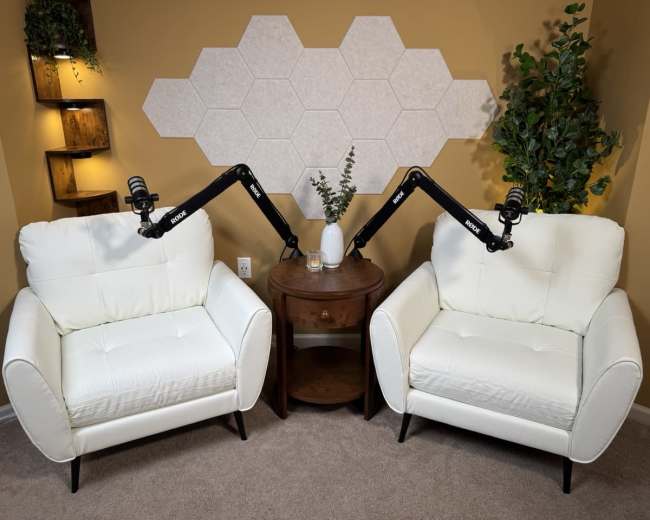
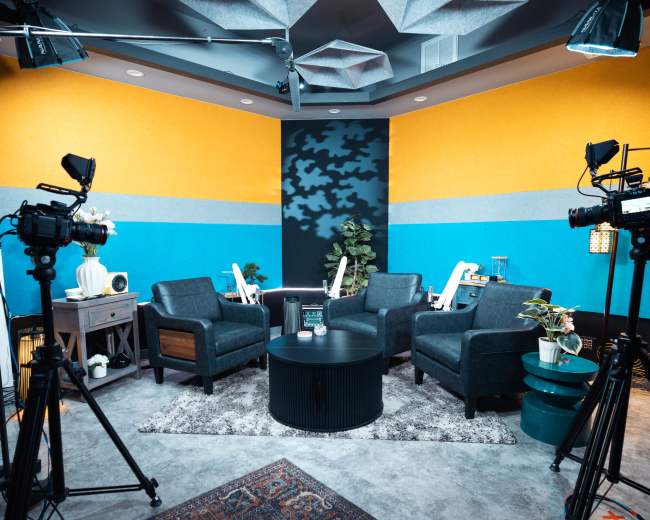
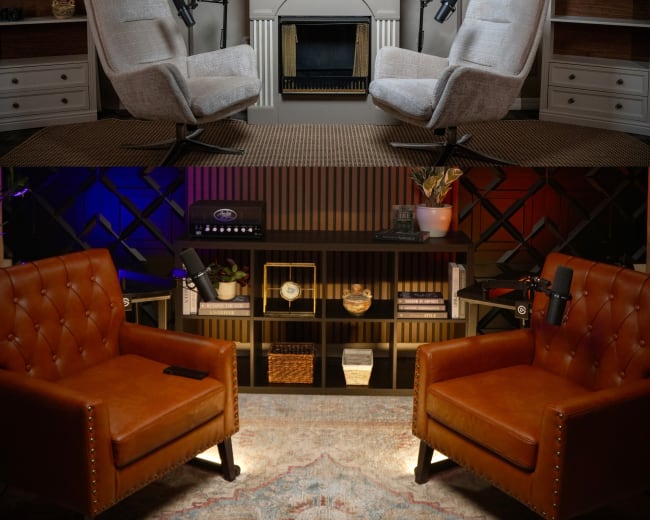
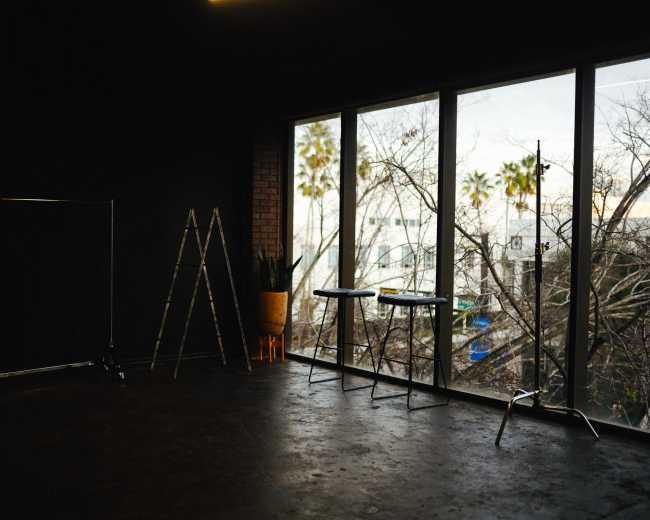
Music Recording Studio & Podcast Studio in Seminole Heights
Old Seminole Heights, Tampa, FL5 guests
Centrally Located Professional Music Recording Studio
Greater Carrollwood, Tampa, FL5.0 (2)
5 guests
Cozy Podcast Studio in Tampa
Lutz, FL5.0 (5)
3 guests
Podcast Studio 26th Floor Podcast Studio in Downtown Tower
Downtown, Tampa, FL3 guests
Warm & Modern Podcast Studio in North Tampa
Lutz, FL2 guests
Professional Photo/Video & Podcast Studio Rental - Minutes from Downtown Tampa
Ybor City, Tampa, FL5.0 (33)
8 guests
Heart of Downtown Tampa Professional Multi-Set Video + Podcasting Studio
Downtown, TAMPA, FL30 guests
Professional 6K Podcast & Interview Studio with Cinema Cameras
East Tampa, FL15 guests
Video Studio with Large LED screen in Tampa bay area
Riverview, FL5.0 (7)
40 guests
Podcast & Livestream Studio – Tampa Bay
Pinellas Park, St. Petersburg, FL4 guests
Flexible Creative Studio with Large Stage, Podcast Suites & Scenic Sets
St. Petersburg, FL100 guests
West Tampa's Premier Content Studio
Northwest Tampa, FL5.0 (6)
5 guests
Green Screen Studio with Props & On-Site Support!
St. Petersburg, St Petersburg, FL75 guests
Professional Photo/Video Studio with Cyc Wall, Lights, Video/Audio Accessories, and Green Room
Westshore, Tampa, FL5.0 (2)
10 guests
Tampa's Quietest Soundproof, Climate-Controlled Production Space with 3-wall Hard Cyc
Northeast MacFarlane, Tampa, FL5.0 (1)
20 guests
Podcast Studio at beautiful Waterfront Property + Large Saltwater Pool
Harbor Isle, Saint Petersburg, FL20 guests
News Room Studio with On-Site Support!
St. Petersburg, St Petersburg, FL75 guests
Awesome professional performance and podcast space
St. Petersburg, St Petersburg, FL38 guests
Professional Podcast Studio
Clearwater,, FL5.0 (1)
4 guests
NEW Industrial Creative Studio Downtown Tampa
Downtown, tampa, FL4.6 (10)
12 guests
Brandon, Riverview Content Creators Space
Limona Improvement, Brandon, FL10 guests
Modern Natural Light Photo Studio Near Downtown Tampa
Northwest Tampa, FL5.0 (142)
15 guests
12,000 sq ft Tampa Video Studio + LED Wall (15 min to Tampa airport)
St. Petersburg, St Petersburg, FL50 guests
Photography Studio, Film Studio with Cyclorama wall and Green Room
Largo, Clearwater, FL4.8 (29)
35 guests
Podcast and Content creation space - Pinellas County
Pinellas Park, Seminole, FL5.0 (2)
6 guests
Modern Stream Studio
Clearwater, FL2 guests
Photography Studio
Pinellas Park, FL12 guests
Video Production Studio Centrally Located between Tampa, St. Pete, & Clearwater
Pinellas Park, FL5.0 (3)
20 guests
Downtown Studio - Photography, Film, Podcasting
Central Arts District, St. Petersburg, FL5.0 (3)
30 guests
Spacious Photography/Videography Studio and Event Space
Clearwater, FL5.0 (56)
45 guests
Chic Modern Event Studio - Wesley Chapel
WESLEY CHAPEL, FL80 guests
Brand Spanking New - Private - Exclusive Podcast/YouTube Studio in Wesley Chapel
Wesley Chapel, FL5 guests
Bright Coastal Home in Palm Harbor with Natural Light | Ideal for Interviews & Film
Palm Harbor, FL12 guests
Spacious, Industrial Photography/Videography/Recording Studio with large Cyclorama and Stage
Gulf Coast Acres, Hudson, FL5.0 (1)
20 guests
Pricing and popularity information in this section is based on proprietary Peerspace booking data, reflecting recent booking activity and the latest data available through October 2026.
Recording studios in Tampa average $108 per hour to rent, but it’s easy to spend less or more depending on what you’re looking for.
Most recording studios are scheduled for 5 hours, with 8 people in attendance. You’ll find the most Recording Studios starting between 1:00 PM and 2:00 PM.
Our local hosts have welcomed 5263 people into their recording studios with reviews averaging 4.91 stars. Most even said they would book again -- about 97%.
Saturdays are the most popular day for booking recording studios in Tampa. For those seeking a deal, consider booking Friday and Wednesday as these days are 8% cheaper on average.


