How & Where to Rent an Airbnb Workspace (2026)
-

Contributing Writer -

Lead Editor & Publisher
- December 30, 2025
- 15 min read
- Events
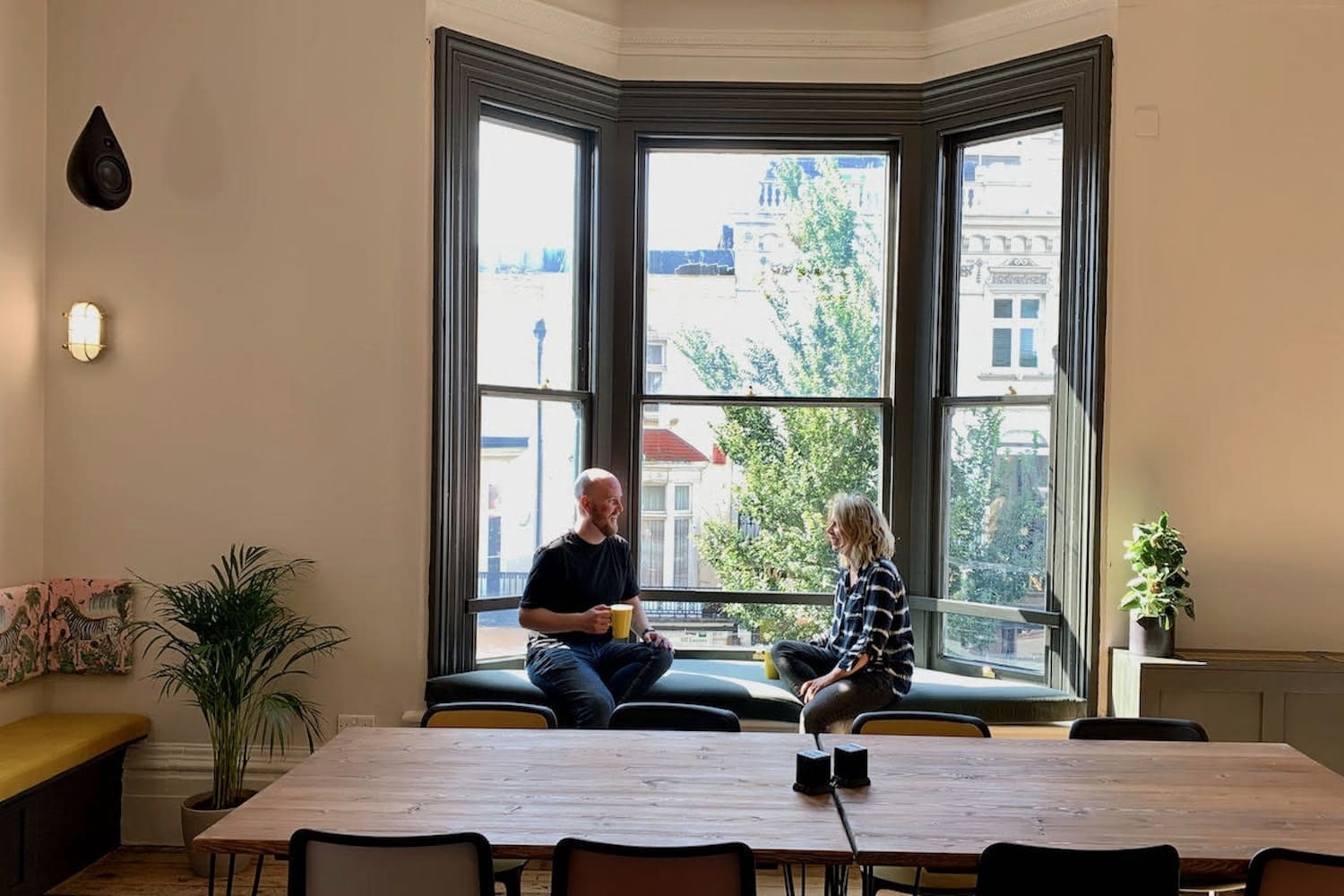
Source: Peerspace
Choosing where your team should meet can feel surprisingly complex. Modern work is fluid, with hybrid schedules, distributed teams, and changing priorities shaping every collaboration. It is no surprise that many people search Airbnb for workspaces, hoping for a location that feels inviting, stylish, and simple to book. The platform is familiar, the photos look impressive, and at first glance it seems like a shortcut to a productive workday.
The reality of using a vacation rental as a professional meeting space rarely matches that first impression. Airbnb listings are built for overnight guests, not focused collaboration, hybrid presentations, or full-day offsites with breakout conversations and structured agendas. Once you consider infrastructure, pricing, logistics, and the tone your team needs, the misalignment becomes clear.
This guide helps navigate the workspace rental landscape with more confidence.
Why Airbnb so often fails as a workspace solution
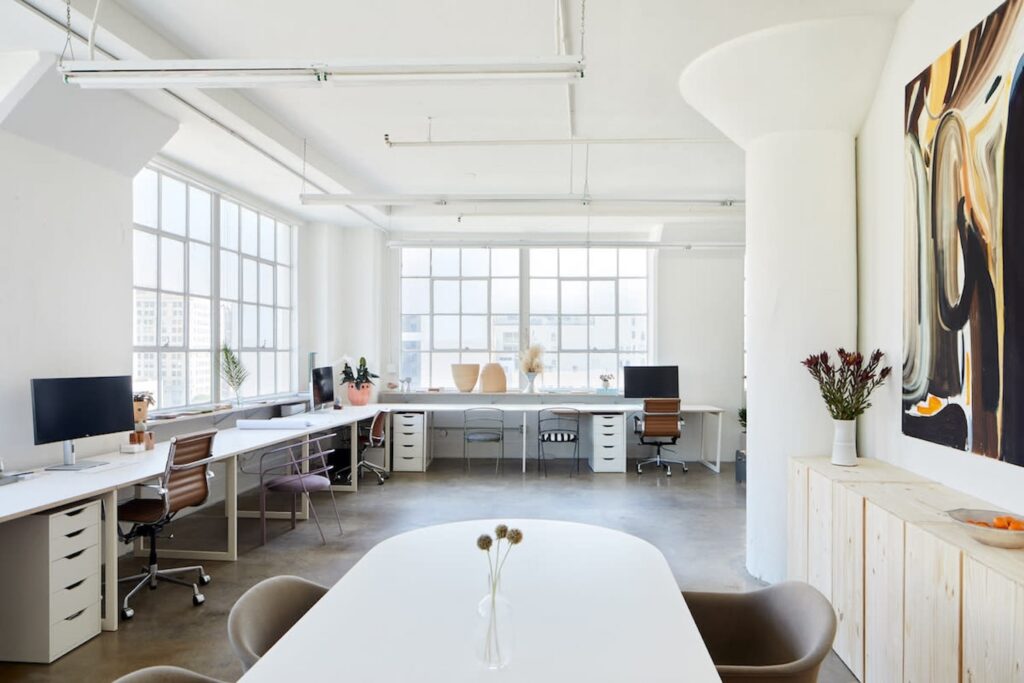
Airbnb was never designed for work. Its policies, pricing structure, and physical layouts all reflect leisure-oriented use, which can quietly undermine even the best planned meeting or offsite.
Paying for beds you never use
Using Airbnb for a work session usually means paying for a full night stay, even if you only need the space for a few focused hours. Many listings also require multi-night minimums. This structure works for vacations but makes far less sense for a three-hour client presentation or a half-day team workshop. You end up absorbing the cost of bedrooms, full-day access, and amenities that add nothing to your agenda.
Vendor and equipment restrictions that block productivity
Most Airbnb hosts limit commercial-style activities. That often includes outside vendors, facilitators, production teams, or event equipment. These rules exist to protect homes from wear and tear, but they also restrict the tools teams depend on.
Imagine trying to run a strategy session without being able to bring additional seating, whiteboards, microphones, or catered lunches. Even something simple like a facilitator with workshop materials may clash with host rules. The workaround becomes improvisation instead of thoughtful design, and the meeting experience loses structure and polish.
Policies and neighbor issues that clash with business gatherings
Airbnb has a global ban on events and a cap on how many people can use a listing, which creates unclear boundaries for meetings. Even small workshops or internal all hands can exceed the 16-person limit. While the policies are aimed at preventing parties, business gatherings often get caught in the same net.
Infrastructure gaps you only notice on meeting day
Professional work requires reliable tools. Many vacation rentals lack consistent high-speed Wi Fi, large displays, whiteboards, ergonomic seating, or enough outlets to support multiple devices. Lighting may be dim or uneven, sound may echo, and dining tables are rarely designed for hours of note taking or laptop use.
Teams often feel the impact immediately. Presenters struggle to share screens, participants huddle around a small monitor, and hybrid attendees cannot see or hear clearly. Instead of diving into problem solving, your group spends the morning troubleshooting basic setup.
The hidden emotional cost of an unprofessional setting
Residential spaces carry subtle signals that can undermine the tone of a meeting. While charming for vacations, they can feel mismatched for client pitches, job interviews, or executive sessions. A living room backdrop might create confusion about expectations and roles. Even internally, teams tend to feel more focused in a space clearly defined for work.
Professional environments reinforce purpose. They encourage people to arrive mentally prepared and help maintain momentum throughout the day. When the wrong venue creates quiet friction, the quality of conversation can suffer.

Why Peerspace is built for better workdays
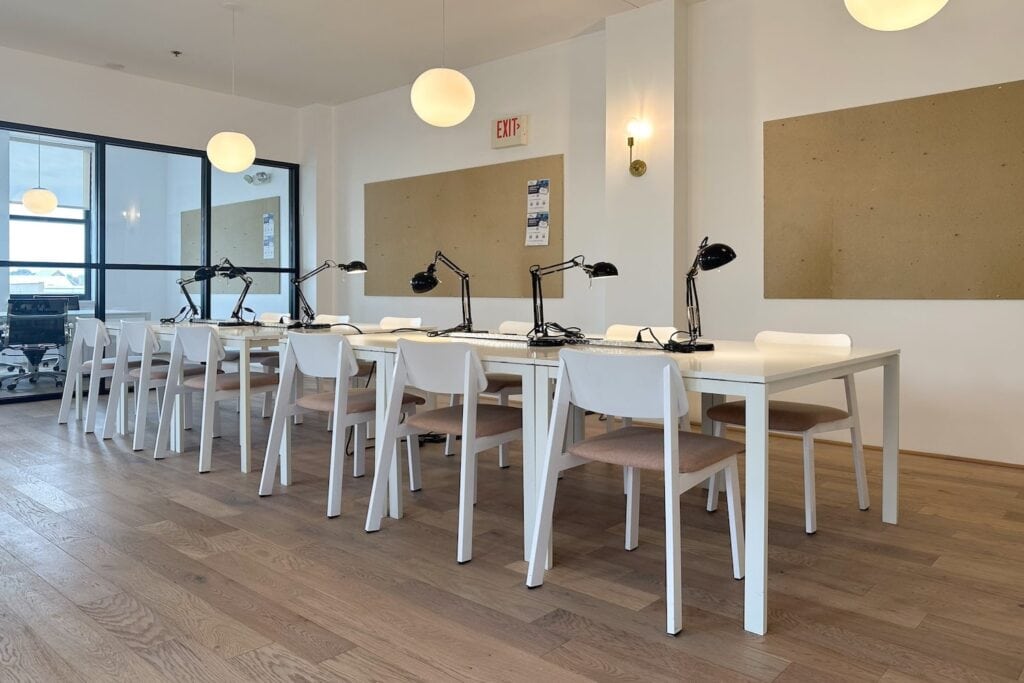
Teams benefit from environments intentionally designed for collaboration. Rather than forcing a residential setting to function as a meeting room, platforms built for events and professional use offer clarity and control that support focused, structured work.
Book hours, not bedrooms
Peerspace offers hourly booking, which gives teams control over their schedules. You can reserve only the hours you need, including setup and wrap up. This often leads to cleaner budgeting and helps reduce the wasted costs associated with overnight properties. For recurring meetings or rotating offsites, this flexibility becomes even more valuable.
A four-hour strategy session becomes a four-hour booking instead of a full-night stay. A morning training workshop does not require paying through the evening. This efficiency supports teams of many sizes and stages.
Freedom to bring the tools and partners you need
Peerspace hosts expect professional gatherings, so bringing outside vendors or facilitators is typically straightforward. Many teams bring in coffee carts, catered lunches, creative coaches, or specialized audio and visual support. This freedom lets you shape a day that reflects your team’s working style instead of adapting to restrictions.
Whether you are running a design sprint, leadership retreat, or hybrid meeting, the ability to tailor the environment has a direct influence on the quality of outcomes.
The tools your team deserves
Unlike many residential rentals, Peerspace listings often include workspace essentials from the start. That might include screens, projectors, whiteboards, modular seating, breakout zones, strong Wi Fi, or acoustic treatments. These features help teams move between activities without losing time adjusting the room.
Different meeting formats require different tools. A strategic planning session might need expansive whiteboard space, while a content creation day benefits from controlled lighting and open layouts. When spaces are purpose built, transitions feel smoother.
Clarity upfront, confidence throughout
Peerspace lists details upfront, including capacity, amenities, fees, and rules. With this clarity, teams can quickly assess whether a venue supports their goals. Predictable pricing helps avoid surprise charges and keeps budgets on track.
Space types tailored to any kind of work
Peerspace offers a wide range of environments that support productivity and creativity. Later in this guide you will explore how different venue types, from lofts and studios to boardrooms and warehouses, can enhance specific working styles. While Peerspace is not the only solution, it is a strong choice for teams that need spaces ready for events and work sessions.
Plan a work session that actually works
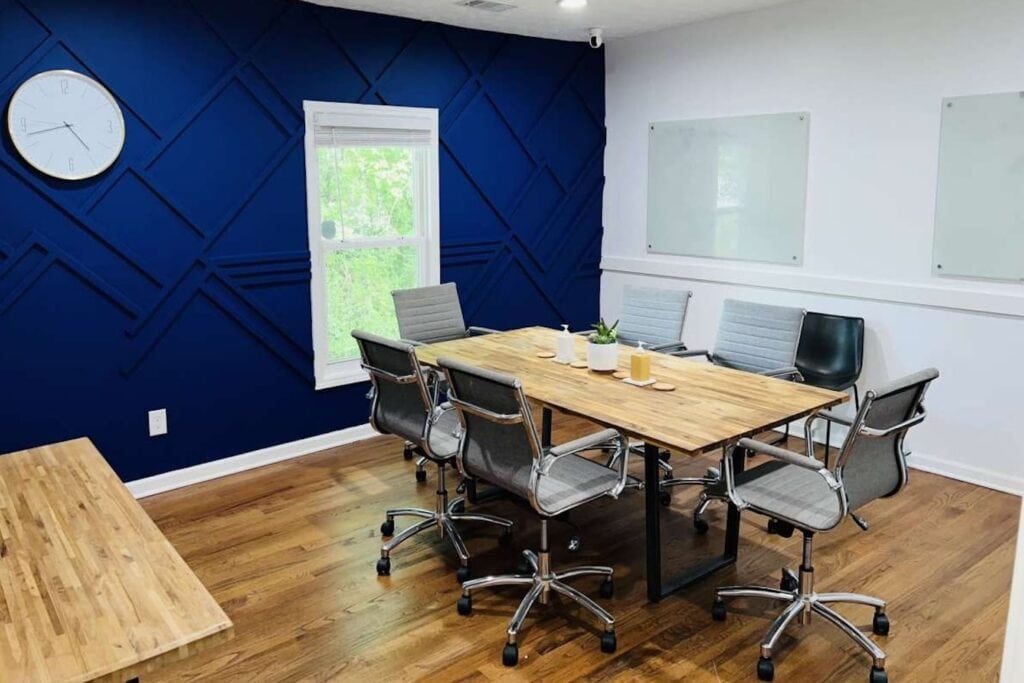
Selecting the right venue is only part of the equation. A successful workday also depends on how the session is structured, how energy flows, and how different activities fit together. This section explores planning methods that help elevate any gathering, whether you are hosting a strategic retreat, team training, or creativity sprint.
Start with the purpose, not the place
Before choosing a venue, clarify your goal. Are you building alignment, generating new ideas, strengthening relationships, or making decisions? Purpose shapes everything from layout to agenda pacing. A problem-solving session might require breakout clusters, while a training workshop needs clear sightlines to a screen.
Teams that anchor planning in purpose create meetings that feel intentional and energizing. This step also helps narrow venue options quickly, since you can look for locations that support specific activities instead of trying to force a space to fit.
Design your agenda around energy, not just topics
Attention rises and falls throughout the day. Instead of filling your schedule with back-to-back presentations, design a rhythm of focused work, collaborative exchanges, and restorative breaks. This balance keeps engagement high and respects human attention.
Think of the day as a sequence. Begin with grounding activities, move into high energy collaboration when people are freshest, then land with reflective synthesis and action planning. A well-paced agenda strengthens impact and helps people remember what you accomplished together.
Match activities to zones in the space
Many venues offer multiple rooms or naturally defined pockets. Use these intentionally. A quiet corner might host one-on-one conversations, while an open area enables brainstorming. Even shifting posture from seated to standing can influence creativity and alertness.
Designating zones helps create flow. Participants move with purpose and understand what to expect from each part of the experience. Instead of one static room, you create a small ecosystem that guides attention.
Plan for hybrid participation without leaving anyone behind
Hybrid meetings require thoughtful layout. Position screens so remote participants can be seen easily, and ensure microphones capture all voices. Choose a space with robust connectivity and minimal echo. If remote teammates feel fully included, the team as a whole stays more cohesive.
Consider assigning an in-room facilitator whose job includes checking in with virtual attendees. Small gestures of inclusion, like pausing for their input, go a long way.
Build in rituals that make the day feel special
Small rituals can elevate the atmosphere. Welcome boards, curated snacks, arrival music, or closing reflections introduce warmth and intention. These touches support morale and encourage people to show up fully.
You do not need a large budget to do this. A handwritten note at each seat, a team photo in front of an interesting backdrop, or a simple gratitude round at the end of the day can create a lasting impression.
Matching your work style to workspace type
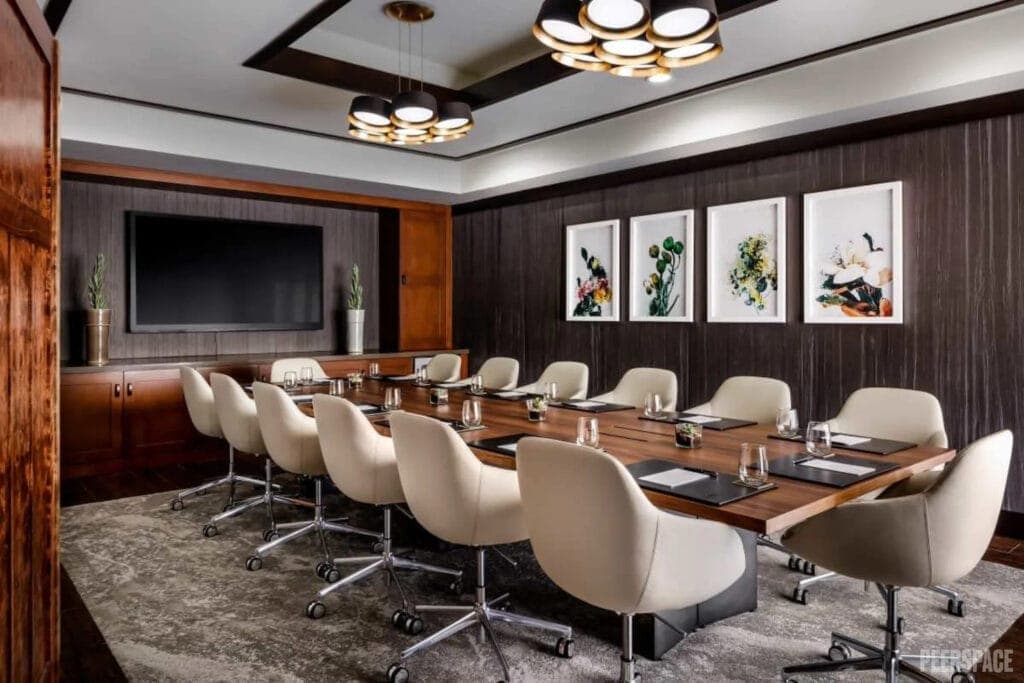
Every workday has its own rhythm, and the environment you choose can either support that rhythm or make it harder to achieve. This section explores different workspace types and amenities, highlighting how each one aligns with specific formats and goals. Understanding these distinctions helps teams match their needs with the ideal setting.
Classic conference rooms for polished presentations
Conference rooms provide structure and gravitas. They work well for board meetings, client presentations, budget reviews, or formal discussions. With screens, conference tables, and focused layouts, they set a tone of clarity and professionalism that can be hard to replicate at home.
These rooms are especially helpful when you need participants to stay oriented toward a single point of focus, such as a slide deck or live demo.
Creative lofts and studios for brainstorming and strategy
Lofts and studios offer openness that can fuel innovation. Flexible furniture, generous natural light, and wide surfaces help teams think more freely. Sessions like design sprints, brand workshops, or product roadmap planning often benefit from these environments.
Because the layout is less rigid, you can rearrange seating between segments, shifting from circle conversations to clusters to full group review with relative ease.
Production-friendly spaces for content-heavy workdays
Some teams use offsites to capture photos, videos, or marketing content in addition to planning. Studios and production sets provide controlled lighting, backdrops, and professional tools. Combining strategy and content creation in one location can be efficient and creatively satisfying.
If you plan to film or photograph, look for spaces that mention production support, such as blackout curtains, sound treatment, or equipment storage.
Cozy houses and lounges for relational work
In some cases, a homestyle environment works well for founder retreats or trust building days. Comfortable seating and relaxed atmospheres can make it easier to share candid reflections. Event-ready homes or lounges still offer structure, but the tone feels more intimate than a traditional boardroom.
These spaces are often best for smaller groups who already know each other and want time to deepen connection.
Outdoor and indoor outdoor spaces for fresh thinking
Patios, rooftops, and courtyards invite movement and fresh air. Workshops with activities, wellness sessions, or informal collaboration can thrive in these locations. Weather plans and shaded areas help keep the day smooth and comfortable.
When you spend part of the day outside, build in moments where people can stretch, walk, or simply change scenery between segments. The change in environment can reset attention.
How neighborhoods and regions shape your workspace experience
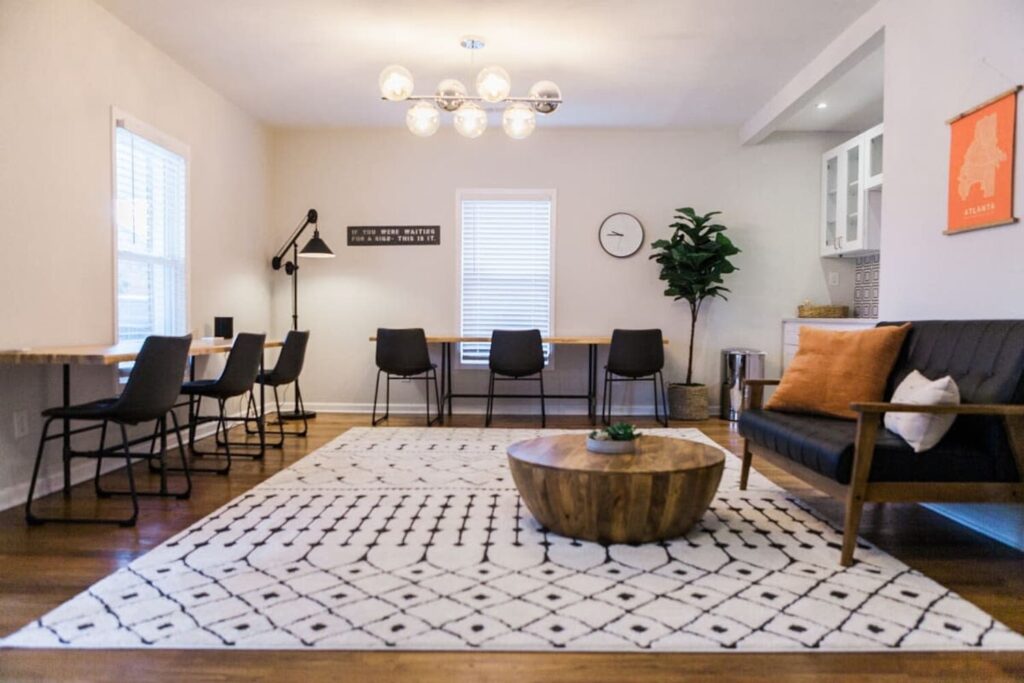
The right workspace is not just about what happens inside the room. The surrounding area influences accessibility, attendee mindset, convenience, and even creativity. This section looks at how different neighborhoods and regional characteristics affect the overall experience of a meeting or offsite, giving you a clearer framework for choosing location with purpose.
Central business districts for client facing days
Downtown areas offer proximity to hotels, transit, and corporate offices. They work well for external meetings or sessions that require professional polish. Their convenience often comes with higher costs, but logistics become easier for visitors and executives who are already nearby.
These districts are especially useful for days built around client presentations, investor meetings, or multi-stop itineraries.
Creative corridors for innovation sprints
Arts districts or warehouse zones offer inspiring backdrops. These neighborhoods host studios, lofts, and unique layouts that encourage experimentation. If your team needs bold ideas, these environments add energy and a sense of possibility.
You might trade a central address for more character and room to spread out, which can be a worthwhile exchange for strategy or creative work.
Suburban hubs for local teams and easy parking
Suburban or fringe city areas often provide more parking, lower space costs, and reduced commute stress for regionally distributed teams. These locations can be ideal when you want people to arrive calm, park quickly, and settle in without city traffic on their minds.
They are also practical choices for all-day trainings where participants bring materials or equipment, since access in and out is usually simpler.
Retreat style locations for deep focus and connection
Quieter neighborhoods, nature-adjacent spots, or venues on the edge of a city can work beautifully for longer retreats. The slight sense of distance from everyday routines helps people shift mindset and engage more fully with the experience.
These locations suit leadership gatherings, annual planning sessions, or any moment when the goal is to step back and see the bigger picture.
Balancing cost and convenience across regions
Each region has a mix of benefits and tradeoffs. Central districts may cost more, but reduce travel time. Creative corridors add atmosphere, but might require longer rideshares. Suburban hubs save on budgets, but can be less exciting for visitors.
The key is to choose a location whose strengths match your goals. If the day is all about client impressions, convenience and polish might matter most. If it is about vision and creativity, character and room to explore may carry more weight.
Fresh ideas to make any workspace day feel inspiring

Even the most thoughtfully chosen venue benefits from touches that make the day feel vibrant and immersive. Let’s explore creative additions that spark engagement, enhance focus, and give the experience a sense of identity. These ideas help transform a simple gathering into a workday that feels meaningful and energizing.
Curate a playlist of activities, not just presentations
Think of your agenda as a playlist rather than a lecture series. Mix lightning talks, peer coaching, quiet reflection, and group problem solving. Variety keeps people alert and gives different personalities a chance to shine.
You can even invite team members to host short segments based on their strengths, such as a quick tool demo or a guided brainstorming exercise.
Use sensory details to set the tone
Sight, sound, and scent all influence how a space feels. Warm table lamps, natural daylight, or carefully chosen background music can reshape the atmosphere without major decor changes. Even a consistent color palette for sticky notes and markers can give the day a subtle sense of cohesion.
If your theme is calm focus, choose softer lighting and quiet ambient sound. If it is bold creativity, consider brighter light and more upbeat energy.
Turn walls and surfaces into thinking tools
Instead of keeping ideas trapped in notebooks, use walls, windows, and large sheets of paper as shared canvases. Map journeys, build timelines, or cluster insights where everyone can see them. This makes patterns easier to spot and invites contributions from quieter participants.
At the end of the day, take photos of these surfaces so you can translate them into digital documents later.
Design intentional breaks with micro experiences
Breaks matter as much as sessions. Rather than leaving them completely unstructured, offer small experiences that refresh people without draining energy. That might be a short walk around the block, a guided stretch, a deck of conversation cards, or a snack tasting table.
These light touches help people return to the agenda more present and engaged.
Close with commitments, not just good feelings
It is easy to end a workday with positive energy and vague promises. To make progress stick, close with clear commitments. Invite each participant to name one action they will take and one support they need. Capture these in a shared document while people are still in the room.
This final step connects the inspiration of the day to the reality of the weeks that follow.
Stop settling for spaces that fight your goals
A great workday is not an accident. It is the result of thoughtful planning, the right people, and a space that supports your goals instead of fighting them. While Airbnb can be a helpful tool for vacations, it often introduces risk, cost, and friction when used as a workspace.
Dedicated event and meeting platforms like Peerspace exist to solve those gaps, with hourly booking, event-friendly hosts, and environments that are already equipped for collaboration. The real power lies in choosing intentionally.
As you plan your next offsite or strategy session, start with purpose, then seek out a space that reflects it. Treat the venue as a partner in the experience rather than a backdrop. When you do, you give your team the gift of a workday that feels clear, energizing, and genuinely productive.
The best place to find tailored workspace venues is on Peerspace.
In this article
- Why Airbnb so often fails as a workspace solution
- Why Peerspace is built for better workdays
- Plan a work session that actually works
- Matching your work style to workspace type
- How neighborhoods and regions shape your workspace experience
- Fresh ideas to make any workspace day feel inspiring
- Stop settling for spaces that fight your goals
In this article
- Why Airbnb so often fails as a workspace solution
- Why Peerspace is built for better workdays
- Plan a work session that actually works
- Matching your work style to workspace type
- How neighborhoods and regions shape your workspace experience
- Fresh ideas to make any workspace day feel inspiring
- Stop settling for spaces that fight your goals
Get together somewhere better
Book thousands of unique spaces directly from local hosts.
Explore SpacesShare your space and start earning
Join thousands of hosts renting their space for meetings, events, and photo shoots.
List Your Space