How & Where to Rent an Airbnb Wedding Venue in Seattle (2026)
-

Contributing Writer -

Lead Editor & Publisher
- January 14, 2026
- 14 min read
- Events
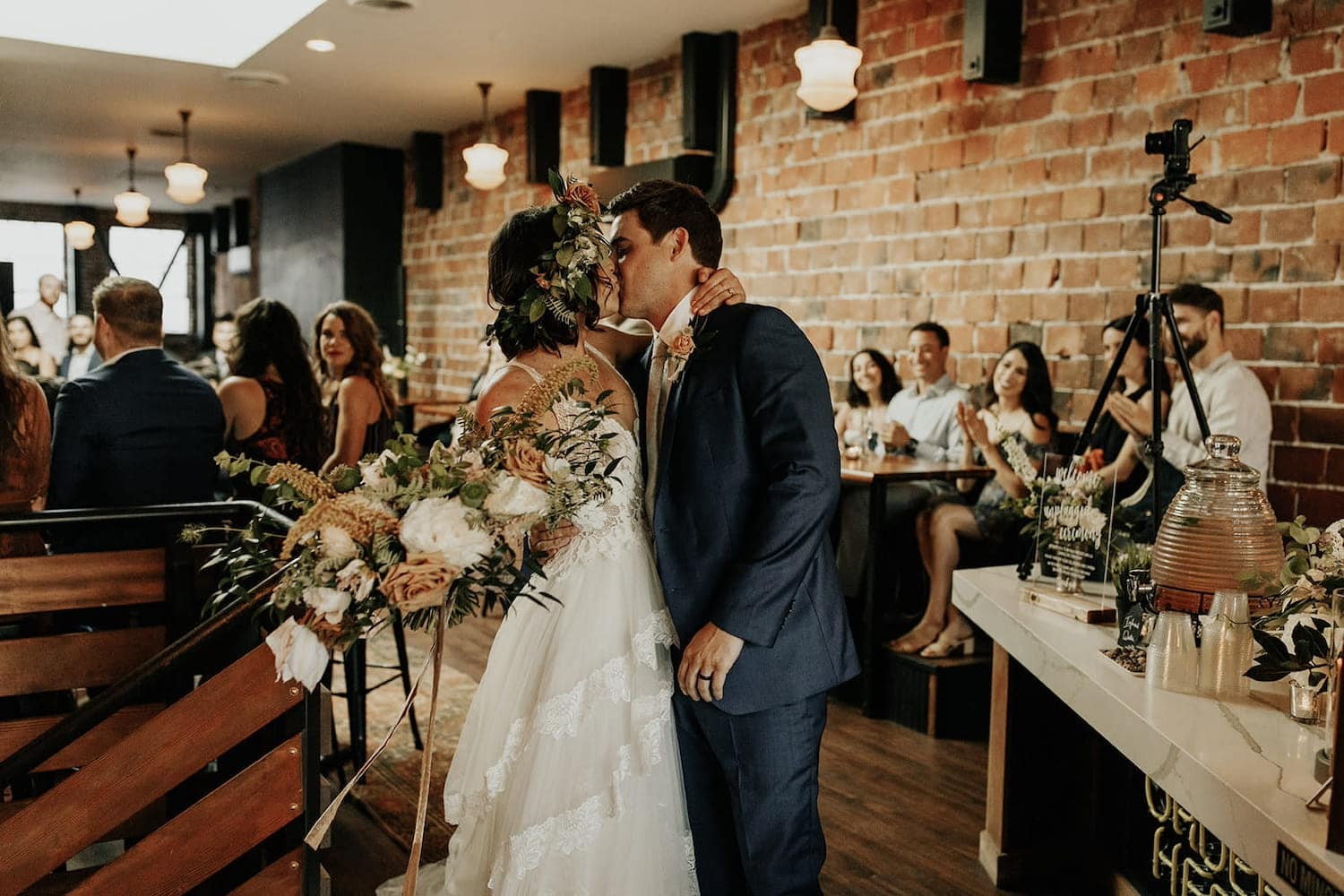
Source: Peerspace
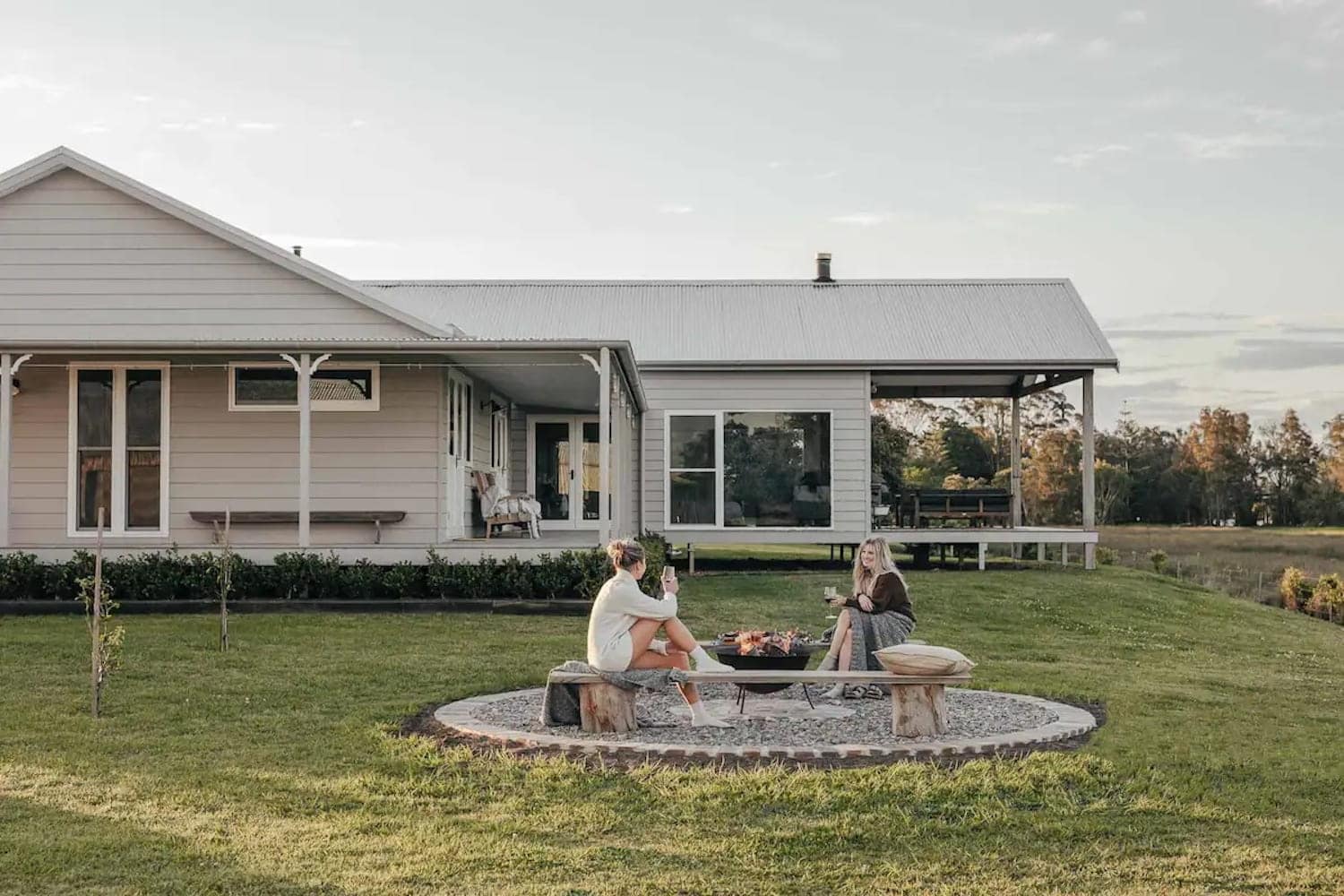
Seattle weddings come with a mix of excitement and complexity that surprises a lot of couples. Many people start their venue search with a simple search for Airbnb wedding venues in Seattle, drawn in by the idea of a private, personal setting that feels less formal than a traditional venue.
What often gets missed is how challenging Seattle can be for short-term rentals. Noise ordinances are strict, neighborhoods are dense, weather is unpredictable, and Airbnb’s platform-wide event restrictions add real risk. What looks straightforward online can become stressful once planning moves from inspiration to execution.
This guide will help you make more informed choices from the start. It breaks down why Airbnb is rarely the best option for Seattle weddings, what alternatives work more reliably, and how to plan a celebration that stays on track from setup to last call.
Why Airbnb venues often fall short for Seattle weddings
At first glance, an Airbnb can look like the perfect solution. Beautiful interiors, private outdoor space, and the promise of flexibility. In Seattle, those promises rarely hold up once real wedding logistics enter the picture. Before you commit, it is worth understanding the most common ways Airbnb weddings can go sideways.
The event ban that quietly puts your wedding at risk
Airbnb maintains a platform-wide ban on all events. Even if a host privately agrees to your plans, the reservation itself still violates Airbnb policy. In a city like Seattle, where neighbors are close and complaints move fast, this matters. A single report can trigger a cancellation or shutdown with very little warning.
Paying nightly rates for a four-hour celebration
Most weddings last eight to 10 hours. Airbnb charges by the night, often with two- or three-night minimums. That means you are paying for empty bedrooms and unused days. In popular areas like Queen Anne, Capitol Hill, or near Alki, those extra nights can add thousands to your venue budget without adding any real value.
Vendor restrictions that shrink your options
Many Airbnb hosts limit or ban outside caterers, bartenders, rental companies, or amplified music. In Seattle, where weather often pushes couples to plan covered or indoor-friendly setups, these restrictions can derail your entire layout. Discovering late that your caterer cannot cook onsite or your DJ cannot bring equipment creates last-minute stress and forces compromises.
Homes not built for Seattle-style guest counts
Seattle weddings often blend ceremony, cocktail hour, and reception into one flowing experience. Most homes are not designed for this. Limited bathrooms, narrow staircases, fragile flooring, and tight kitchens create bottlenecks. Add in rain contingency planning, and the space issues multiply quickly.
Noise ordinances, and neighbors who will complain
Seattle enforces strict noise rules, especially in residential neighborhoods like Ballard, Wallingford, and West Seattle. Evening celebrations with music are particularly vulnerable. Couples frequently find themselves turning the volume down or ending the party earlier than planned.
Together, these issues make Airbnb a gamble that many couples underestimate until it is too late. The combination of policy risk, extra costs from nightly pricing, and operational friction often shows up in the final weeks of planning, when changes are hardest to absorb. Instead of focusing on the celebration itself, couples end up troubleshooting problems that stem directly from choosing a space that was never designed to host a wedding.

Why Peerspace venues are more reliable for Seattle weddings
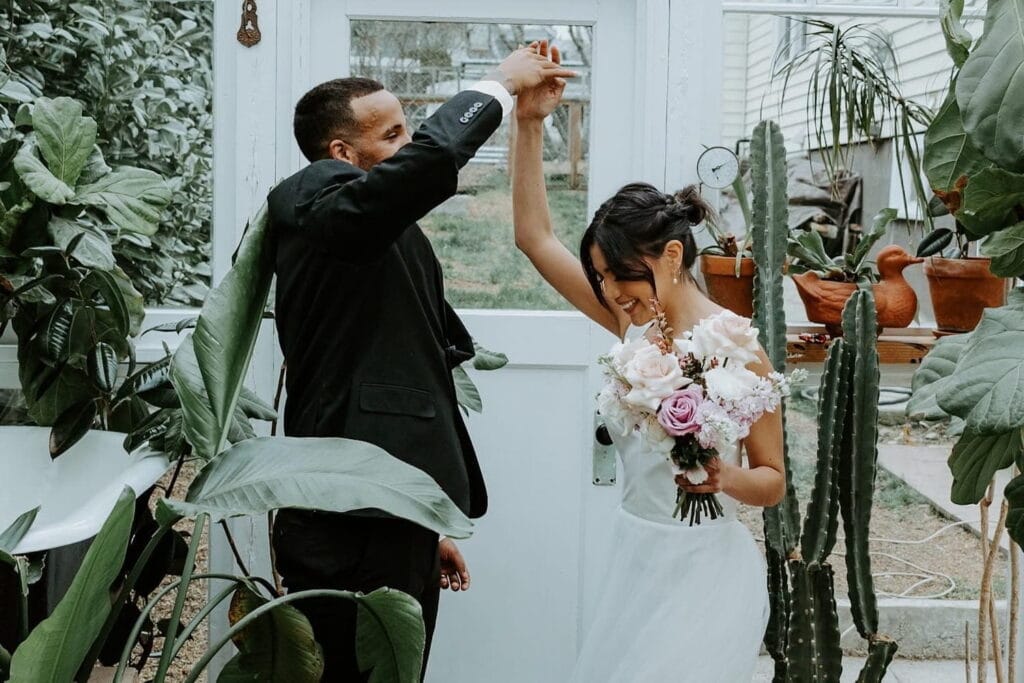
Seattle couples who want creative spaces without constant risk tend to look for venues designed for events from the start. This is where Peerspace fundamentally differs. Instead of retrofitting a vacation rental into a wedding venue, you start with spaces that expect and support celebrations.
Venues that are actually approved for weddings
Every Peerspace venue is approved for events. That means no disguising your wedding as a small gathering and no worrying about sudden shutdowns. Hosts understand guest counts, music needs, and vendor logistics upfront.
Pay for the hours you use, not the nights you don’t
Rather than paying nightly rates, you book only the hours you need. Setup, ceremony, reception, and breakdown are all accounted for without wasting budget on unused time. For Seattle couples, this often frees up funds for catering upgrades, live music, or weather backups.
Flexibility to work with the people you trust
Most Peerspace venues allow outside caterers, bartenders, florists, and rental teams. This flexibility is critical in Seattle, where couples often work with local vendors who understand seasonal menus, ferry schedules, and unpredictable rain.
Spaces designed for flow and function
From restrooms to prep kitchens to open floor plans, Peerspace makes it easy to find venues that offer anything you need for your particular wedding vision. Many include amenities like indoor outdoor transitions, covered patios, and built-in sound systems that make planning smoother.
Local guidance that prevents day-of surprises
Seattle-based hosts often share guidance on parking, ferry timing, neighborhood noise ordinances, and weather planning. That local knowledge can prevent small issues from turning into major disruptions.
For couples who value flexibility and peace of mind, this difference shows up in very practical ways. Clear rules, hourly pricing, and vendor freedom make it easier to build a realistic timeline, manage your budget, and coordinate professionals without constant workarounds. The result is a planning process that feels deliberate and supported rather than uncertain.
Wedding venue styles that shine in the Pacific Northwest
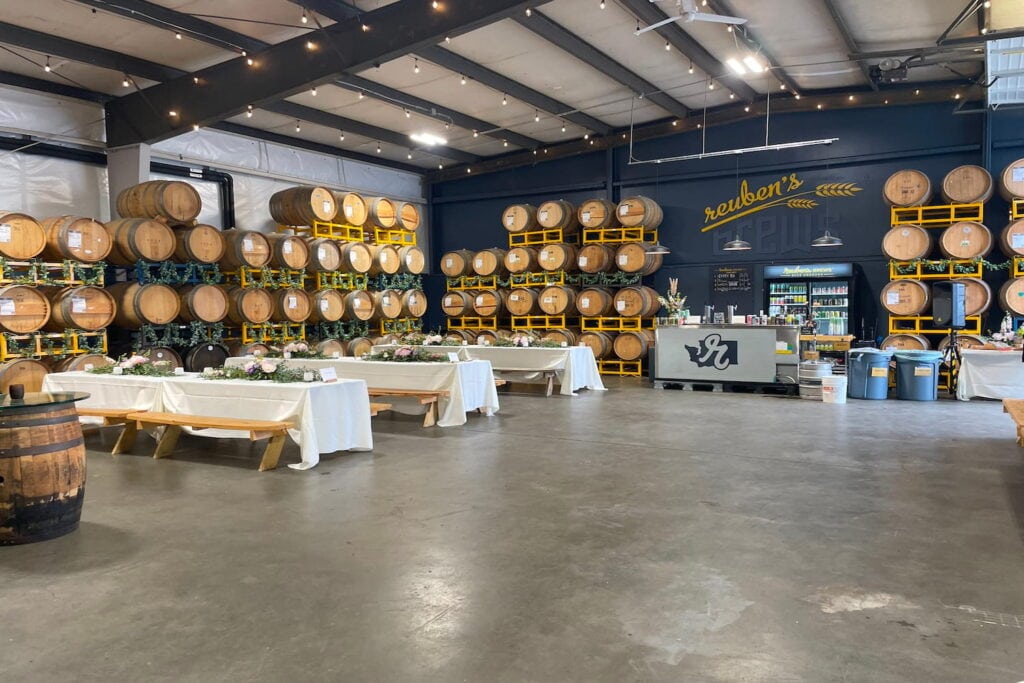
Seattle rewards couples who lean into its character rather than fighting it. The right venue style can make weather, light, and seasonality feel intentional instead of inconvenient. Before narrowing your search, it helps to understand which space types consistently work well here.
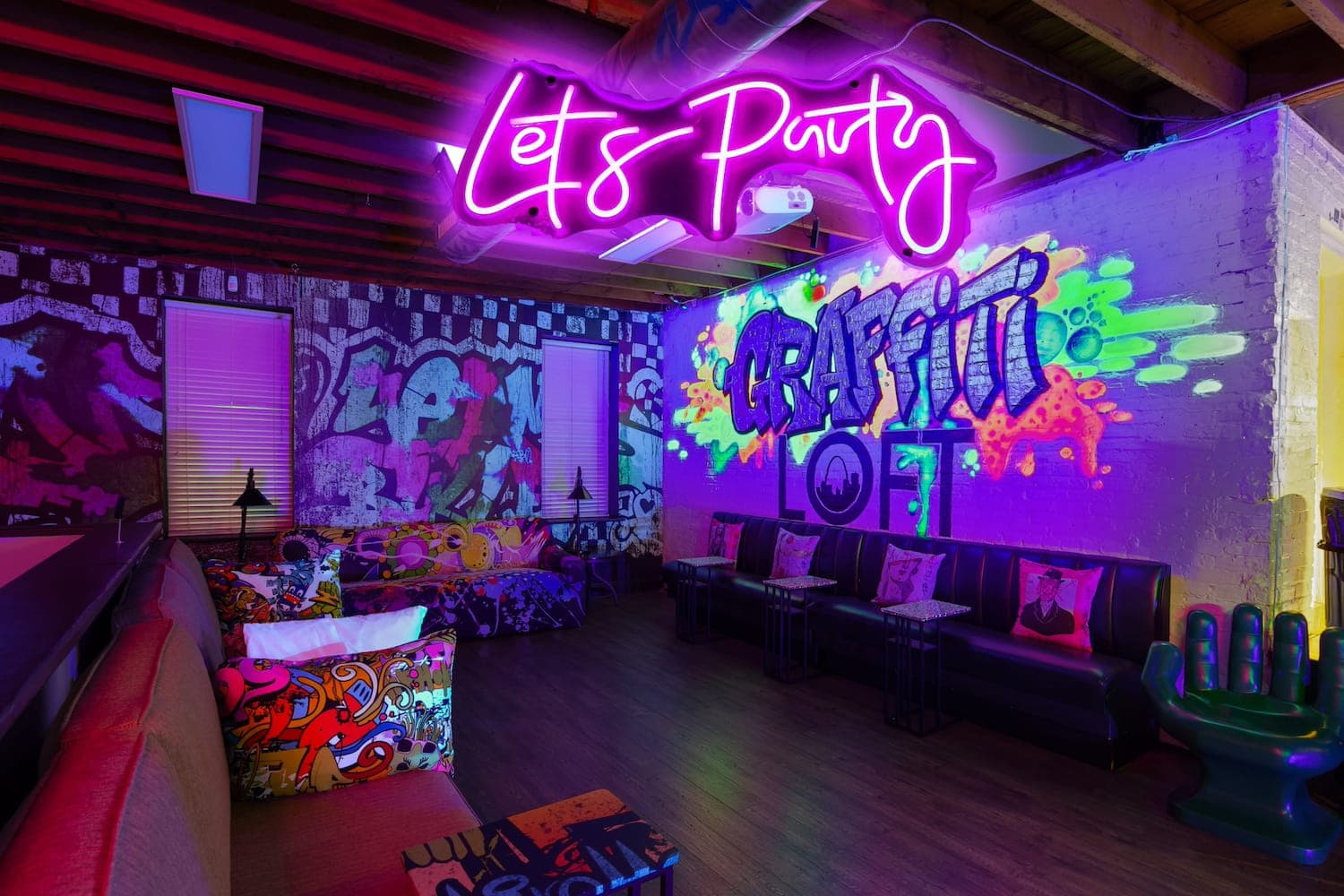
Warehouses and lofts with weather-proof appeal
Converted warehouses and lofts are popular in Seattle because they remove weather anxiety from the equation without feeling closed off. High ceilings, durable floors, and oversized windows keep spaces feeling bright even on gray days, which matters for both guest comfort and photography. Neighborhoods like SoDo and Georgetown also tend to be more forgiving when it comes to load in, music volume, and larger guest counts, making these venues easier to plan around.
Lakefront properties without residential neighbors
Seattle has no shortage of water views, but not all waterfront locations function well for weddings. Event-focused spaces near Lake Union or along the working waterfront provide the scenery couples want without the risks that come with residential neighbors. These venues are typically better equipped for vendors, amplified sound, and evening timelines, which helps prevent last-minute compromises.
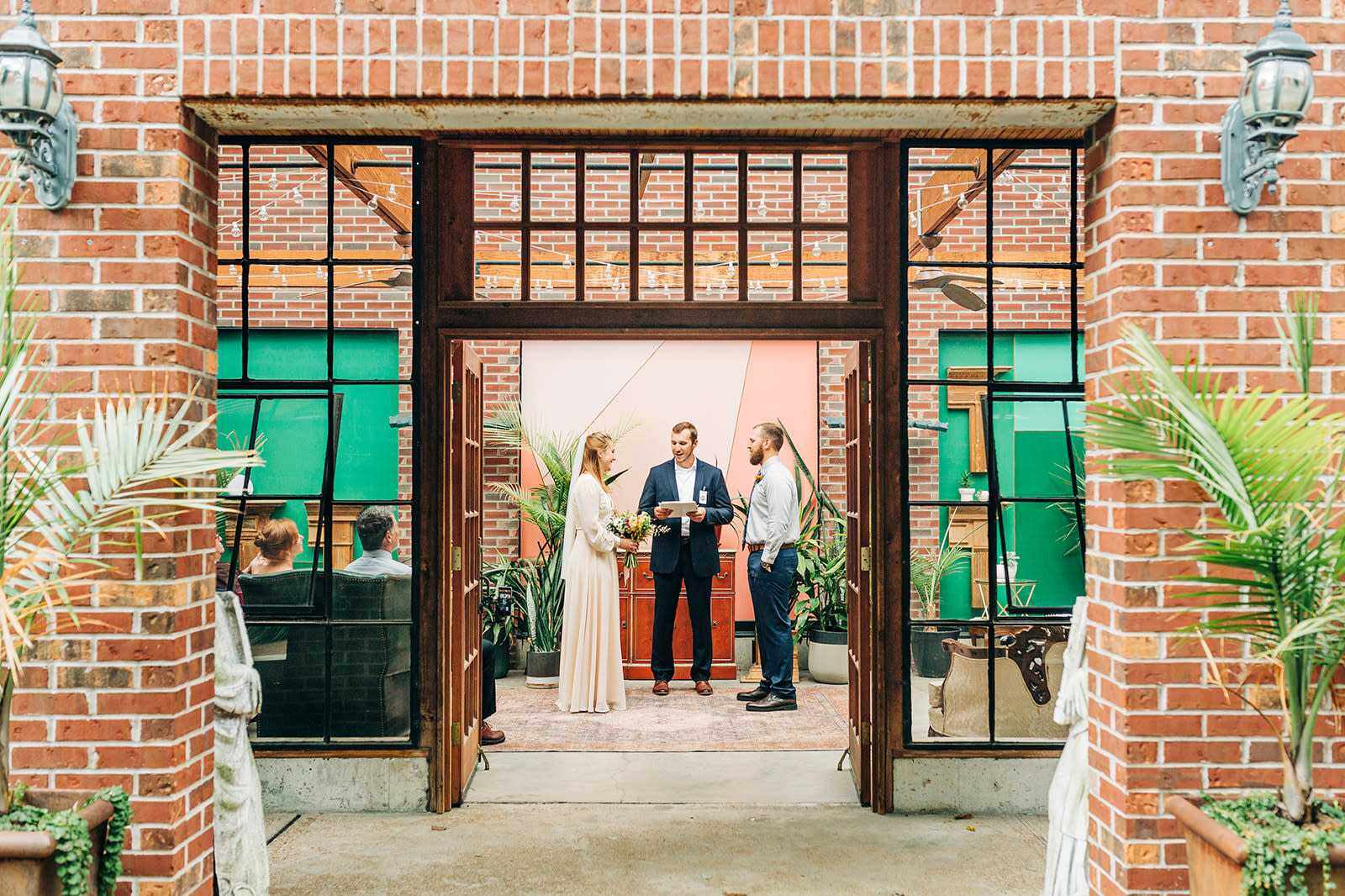
Garden courtyards with indoor backups
Outdoor ceremonies are beautiful in Seattle, but only when they are paired with a realistic backup plan, which is why many couples look to outdoor wedding ideas that balance scenery with flexibility. Garden courtyards that connect directly to indoor halls, greenhouses, or covered patios allow you to keep the ceremony outdoors without betting the entire day on the forecast. This setup makes it easier to pivot calmly if rain appears and keeps guests comfortable throughout transitions.
Modern homes designed for gatherings
Some modern residences are purpose built to host large groups rather than overnight guests. These spaces often feature open floor plans, reinforced surfaces, and multiple bathrooms, which makes them far more functional for weddings than typical short-term rentals. They are usually listed and permitted as event venues, reducing risk while still offering a residential feel.
Creative studios and galleries
Art studios and galleries work well for couples who want flexibility without visual clutter. Clean lines and open layouts make it easier to customize the space, while existing architectural character keeps décor needs minimal. These venues are especially well suited for smaller weddings, cocktail-style receptions, and nontraditional ceremonies that prioritize flow over formality.
Choosing a venue style that aligns with Seattle realities does more than reduce stress. It shapes how easily you can plan for weather, how comfortable guests feel throughout the day, and how smoothly vendors can do their jobs. When the space works with the city instead of against it, the planning process becomes more predictable and far less reactive.
Smart budget decisions that shape better wedding days
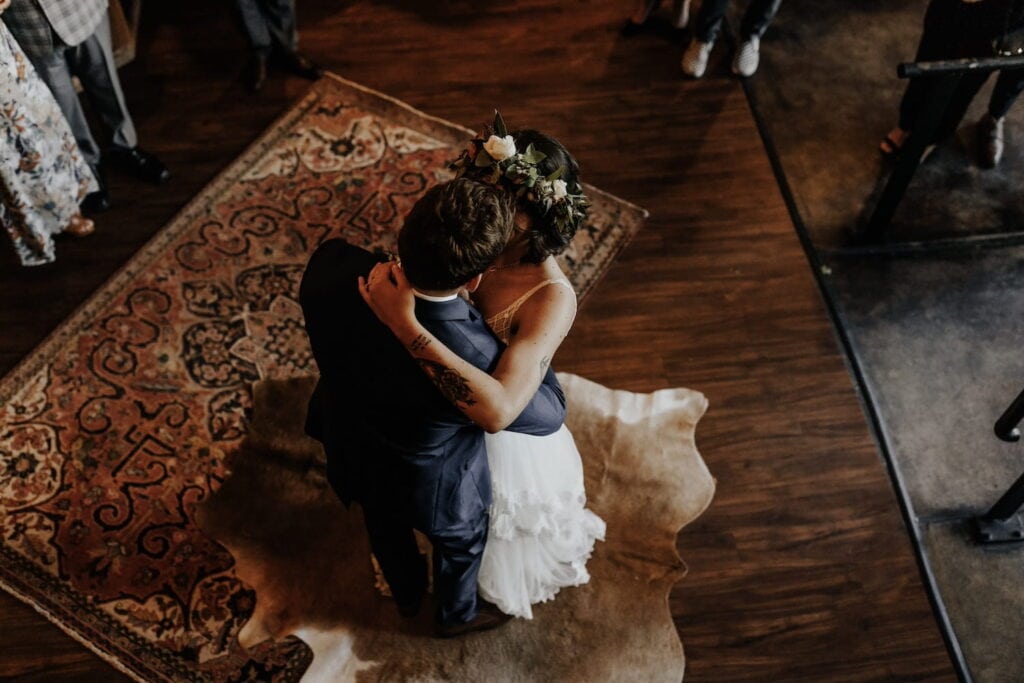
Seattle is an expensive city, but the most memorable weddings here are not always the ones with the biggest budgets. What separates a smooth, high-impact celebration from an overextended one is how intentionally couples allocate their spending. Understanding where Seattle weddings tend to deliver the most return helps you invest in guest experience rather than line items that quietly drain your budget.
Prioritizing time over square footage
In Seattle, paying for space by the night often inflates budgets without improving the wedding itself. Booking venues by the hour helps you concentrate spending on the exact window your guests are present rather than paying for unused time. This shift often frees up funds for food quality, bar service, or entertainment that guests actually notice.
Think through your true timeline from vendor load in to final send off. When the venue cost aligns with that reality, the rest of the budget becomes easier to balance.
Investing in food and drink instead of excess rentals
Seattle guests remember how well they were fed far longer than how many decorative elements were present. Allocating more of your budget toward catering, beverages, and thoughtful menu pacing often creates a stronger impression than excessively focusing on aesthetics. This is especially true in a city known for food culture and seasonal ingredients.
Focus on fewer, higher quality offerings rather than trying to cover every option. A well executed menu with intentional timing does more for guest satisfaction than an overloaded spread.
Using layout and lighting to reduce décor spend
Many Seattle venues already have architectural character, which reduces the need for heavy décor. Instead of filling the space with rentals, couples often get better results by investing modestly in lighting that enhances what is already there, and from thoughtful event decoration ideas that focus on impact rather than volume.
This approach also simplifies setup and breakdown, which can reduce labor costs and stress.
Planning entertainment that matches the venue and timeline
Entertainment costs can balloon quickly when plans do not match the space or schedule. Choosing music and programming that fit your venue’s layout and noise expectations helps avoid last minute changes or add ons. In Seattle, earlier peak energy moments paired with shorter entertainment windows often feel more intentional than trying to force a late night party.
A clear plan for when music starts, peaks, and winds down helps you pay for exactly what you need.
Saving through vendor flexibility and local sourcing
Seattle has a deep pool of local vendors, and many offer more competitive pricing when they can work efficiently within a venue. Spaces that allow outside vendors give you the freedom to compare options, negotiate packages, and build a team that fits your priorities. This flexibility often leads to meaningful savings without compromising quality.
When your budget reflects how Seattle weddings actually function, the day feels generous and thoughtful rather than stretched thin.
Creative Seattle wedding themes for nontraditional venues
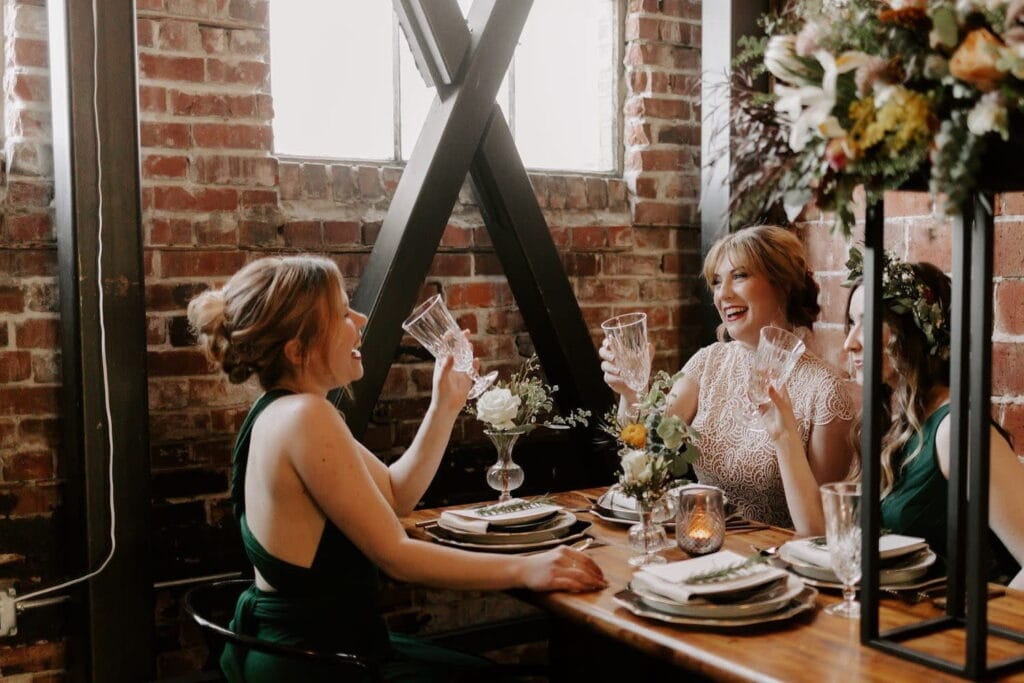
When you are working with a nontraditional venue, the structure of the event matters just as much as the space itself. Choosing a format that matches the layout, timing limits, and logistical realities of your venue helps prevent awkward transitions, crowding, and rushed moments.
Think of your format as the framework that holds the day together. Clear pacing, intentional transitions, and realistic time blocks allow guests to move comfortably through the experience and give vendors the structure they need to execute smoothly. The formats below are designed to work with flexible spaces rather than forcing them into a traditional mold.
Ceremony and dinner, then an after party elsewhere
This format works well when you want an elegant, intimate core event but do not want to pay for a single venue long enough to cover late night dancing. Plan your first venue for the parts that need comfort and focus, then pick a second location that already has staff, music, and a built-in atmosphere. To make the transition feel intentional, include the after party address on a separate card or text it right after dinner, and consider a group meetup point so guests arrive together.
Start by building a timeline that protects your photo window. In Seattle, that often means scheduling the ceremony earlier than you might in sunnier cities so you are not racing fading light or surprise drizzle. If you want to keep guests engaged between venues, add a short structured moment like a toast, a dessert cut, or a mini first dance before everyone heads out.
Brunch and daylight weddings
A daytime wedding can be one of the easiest ways to get a high end feel without the high risk of late night noise issues. Build your schedule around a strong start time, then layer in moments that keep the energy up without needing a late reception. A simple structure that works well is a ceremony, a sparkling welcome drink, a long brunch, then a short social hour where guests can linger or head out when ready.
Make the food feel like the event instead of an afterthought. Talk with your caterer about a brunch-forward menu that travels well and holds up in cooler temperatures, then add one signature station like a waffle bar, espresso cart, or a locally-inspired pastry spread. Finish the day with a clear closing cue, such as a final toast or a send off photo, so the event feels complete rather than simply ending.
Micro weddings with layered experiences
A smaller guest list is not just about saving money. It is also a way to be more intentional about how you spend, which is why many couples draw inspiration from small wedding ideas that prioritize intimacy without inflating costs. Start by picking one anchor experience that reflects you, then build the rest of the event as supporting scenes, such as a private vow moment, a guided tasting, or a curated playlist and lounge hour.
To keep it from feeling like a dinner party, create clear transitions. You can do this with small cues like a printed menu, a short welcome speech, a change in lighting, or a host-led toast that signals the shift from ceremony to celebration. For Seattle weather, plan at least one flexible indoor moment so guests are comfortable even if the forecast changes in the middle of your timeline.
Cocktail party receptions
A cocktail style reception is ideal when you want a social, modern vibe and a format that adapts easily to the space, especially when paired with wedding reception ideas designed for flexible spaces. The key is pacing and food volume. Guests should have something to eat within the first 20 minutes, then see a steady rhythm of passed bites, small plates, or stations so nobody feels like they are waiting for dinner to happen.
Build a flow that avoids crowding. Give guests an obvious first stop, such as a welcome drink area, then a second zone that opens up into mingling, then a third zone for toasts or a short first dance. If you are skipping assigned seating, still plan for resting points like high tops, lounge seating, or a few quiet corners so every guest has a place to land.
Choosing a format that matches your space is one of the most effective ways to make the day feel smooth, intentional, and fully you.
Find the Seattle venue that matches your wedding vision
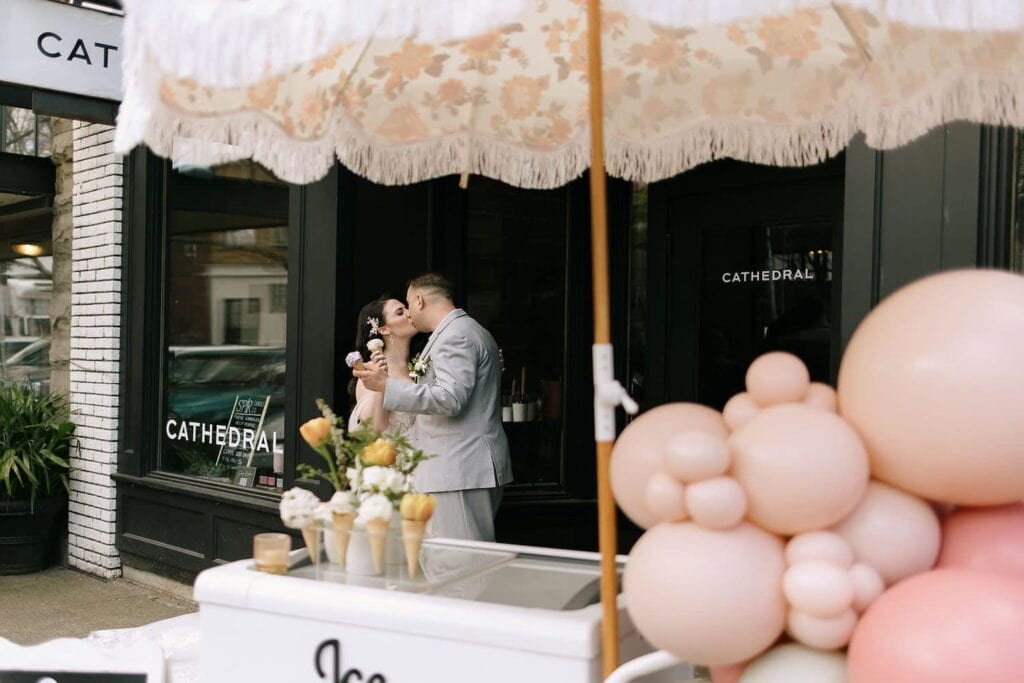
Seattle weddings tend to run more smoothly when the venue supports the realities of the city instead of fighting them. While Airbnb listings can be tempting, the combination of nightly pricing, event restrictions, and neighborhood rules often creates more risk than most couples expect. Event-focused venues with hourly pricing and clearer policies provide a more dependable starting point.
If you are early in the planning process, prioritize how the space will function on the actual day rather than how it looks in photos. Ask questions about timing, access, noise expectations, and weather contingencies before you fall in love with aesthetics. When your venue aligns with your timeline, guest count, vendors, and local constraints, you gain confidence that the day will unfold as planned, not just as imagined.
When you’re ready to move from inspiration to a plan that actually holds up, explore Peerspace to find the Seattle wedding venue that matches your wedding vision.
In this article
- Why Airbnb venues often fall short for Seattle weddings
- Why Peerspace venues are more reliable for Seattle weddings
- Wedding venue styles that shine in the Pacific Northwest
- Smart budget decisions that shape better wedding days
- Creative Seattle wedding themes for nontraditional venues
- Find the Seattle venue that matches your wedding vision
In this article
- Why Airbnb venues often fall short for Seattle weddings
- Why Peerspace venues are more reliable for Seattle weddings
- Wedding venue styles that shine in the Pacific Northwest
- Smart budget decisions that shape better wedding days
- Creative Seattle wedding themes for nontraditional venues
- Find the Seattle venue that matches your wedding vision
Get together somewhere better
Book thousands of unique spaces directly from local hosts.
Explore SpacesShare your space and start earning
Join thousands of hosts renting their space for meetings, events, and photo shoots.
List Your Space