How & Where to Rent an Airbnb for a Wedding Venue in West Virginia (2026)
-

Contributing Writer -

Lead Editor & Publisher
- December 31, 2025
- 16 min read
- Events
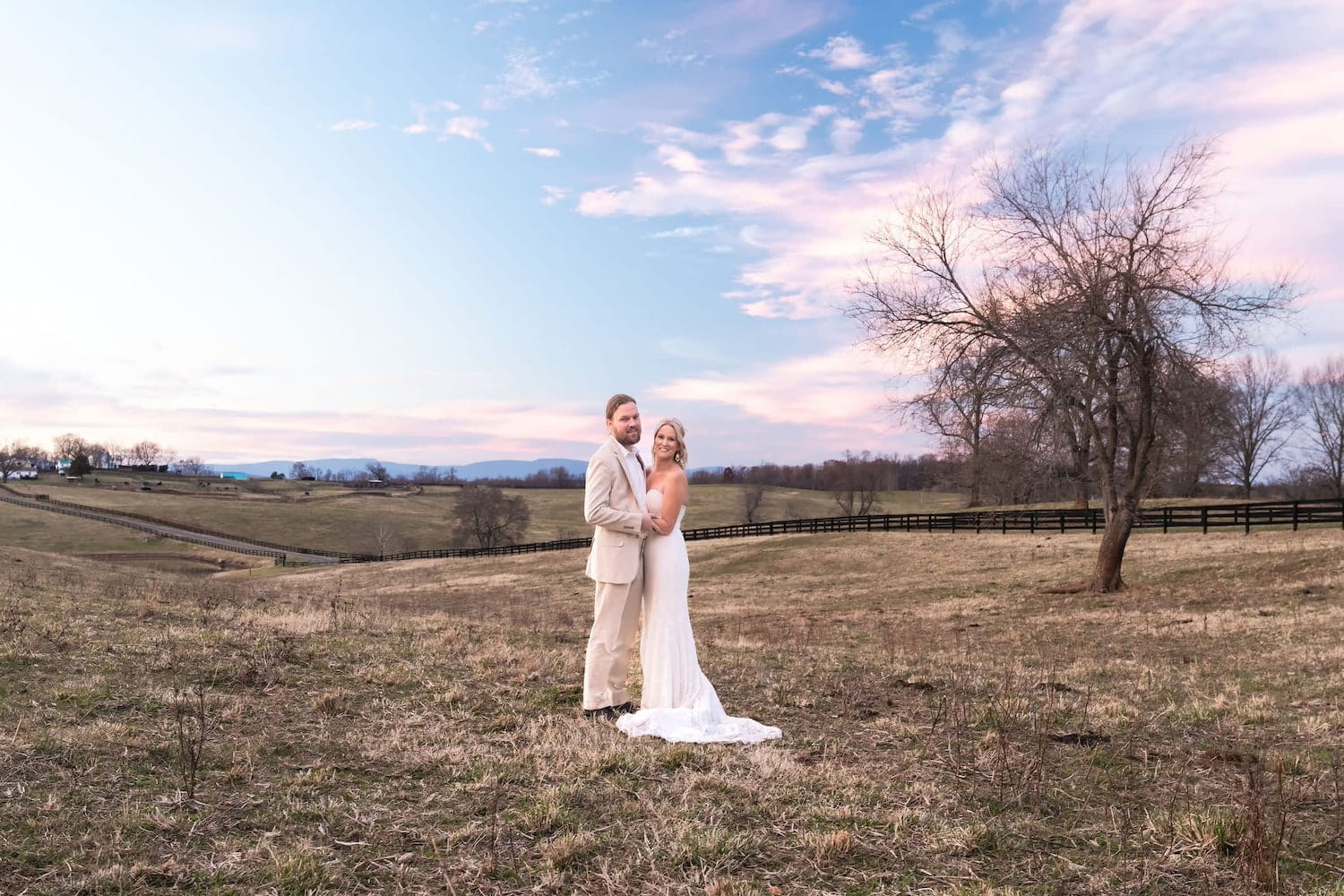
Source: Peerspace
West Virginia offers an incredible backdrop for weddings, but the venue you choose should support the experience, not complicate it. While Airbnb listings may look tempting, they often introduce risks that simply aren’t worth it for a once-in-a-lifetime event.
What many couples discover is that weddings place very different demands on a space than a weekend stay. This guide is designed to help you evaluate those risks clearly, understand what alternatives exist, and plan a West Virginia wedding with fewer surprises and more control.
Below, you will find a practical breakdown of common Airbnb issues, a comparison with event-first venues, and detailed planning guidance tailored to West Virginia regions, formats, and logistics.
Why Airbnb wedding plans often unravel once the guest list grows
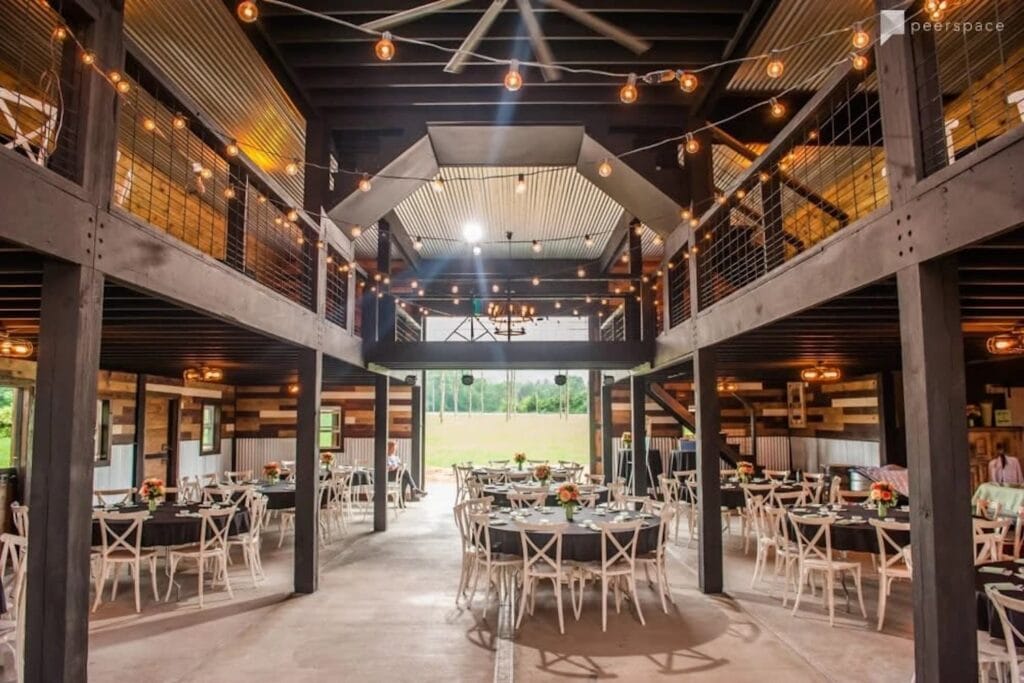
On the surface, an Airbnb can feel like the perfect answer. Privacy. Character. Outdoor space. A place to get ready and celebrate all in one. In reality, many of the problems couples encounter come from the simple fact that short-term rentals are built around overnight stays, not around events with moving parts.
Understanding these risks early can save you from expensive surprises later, especially in West Virginia, where geography, weather, and access play a bigger role than many couples expect.
The platform rules were never written with weddings in mind
Airbnb enforces universal restrictions on all parties and events. Even if a host says yes to your wedding, it’s still not allowed by Airbnb itself. For couples, this creates uncertainty around cancellation risk, refunds, and backup planning. When your vendors are booked and guests are traveling, that uncertainty carries real consequences.
Paying by the night when you only need a few key hours
Most weddings use a space for a defined window of time. Ceremony. Cocktail hour. Dinner. Dancing. With nightly pricing and minimum stays, couples often pay for bedrooms and nights that serve no real purpose for the event. In popular West Virginia seasons like fall foliage or summer weekends near rivers and parks, those minimums can inflate costs quickly.
Vendor limits that quietly force last minute compromises
Many short term rentals limit outside vendors, amplified music, alcohol service, open flames, or on-site cooking. These rules may not be obvious at first glance, but they directly affect catering style, bar service, entertainment, and decor. A restriction that seems small on paper can force last minute vendor changes or scaled back plans.
Homes are built to live in, not to host crowds
Residential properties rarely account for how guests move through a space during a wedding. Limited bathrooms, narrow hallways, small kitchens, and tight staircases create bottlenecks. Guests feel the friction even if they cannot name it, and those moments add stress to the timeline.
For very small ceremonies or true elopements, a short-term rental can still make sense. For most weddings, though, these risks create pressure that shows up on the day itself.

Why event-first venues remove guesswork from West VA weddings
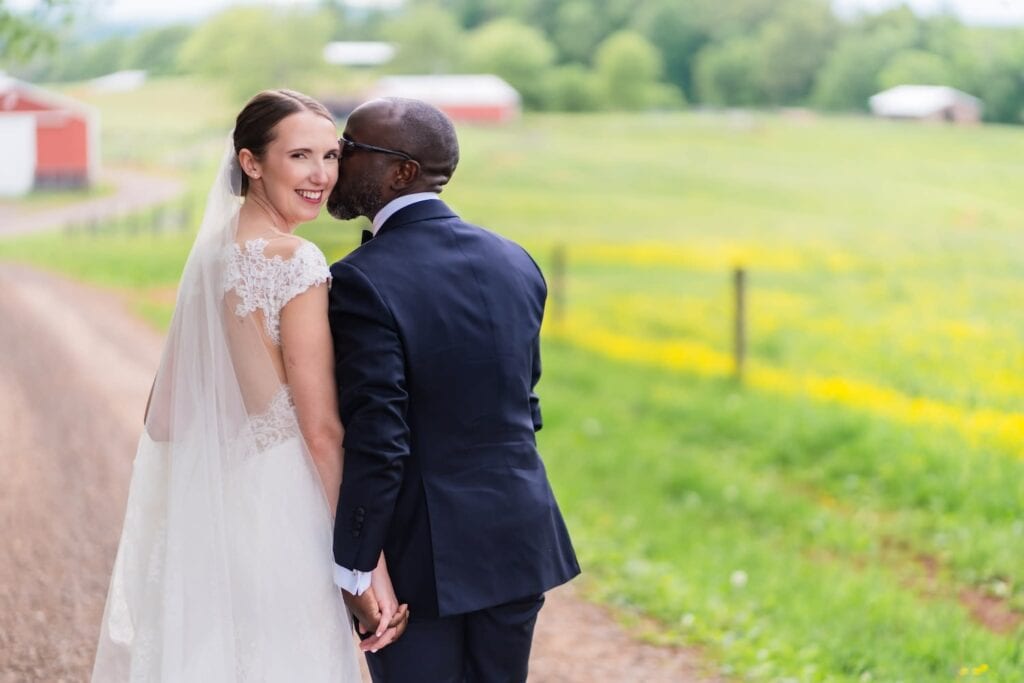
Event-first venues approach weddings from a fundamentally different starting point than short-term rentals. Instead of asking couples to adapt their plans to fit lodging rules, these spaces are designed to support gatherings with guests, vendors, music, food, and fixed timelines. That shift removes many of the unknowns that cause stress later in the planning process.
For couples planning a West Virginia wedding, this difference is especially meaningful. Venues that expect events are better equipped to handle rural access, weather variability, and vendor coordination, allowing you to plan proactively instead of reacting to restrictions as they arise.
Paying only for the hours that actually matter
Hourly booking aligns with how weddings actually unfold. Most celebrations use a venue for a defined block of time that includes setup, the event itself, and teardown, not multiple overnight stays. Paying only for those hours allows couples to avoid covering unused nights and redirect budget toward elements guests notice, such as food quality, music, or additional photography coverage.
This structure also makes it easier to compare venues objectively. When pricing is tied to time instead of lodging minimums, couples can see what they are truly paying for and plan their timeline with precision.
Clear rules instead of negotiated exceptions
Event-focused listings are upfront about how spaces can be used. Capacity limits, sound expectations, hours of access, and allowed activities are typically spelled out before booking, which reduces the need for back and forth negotiation.
That clarity matters when multiple vendors are involved. Knowing the rules early helps couples confirm vendor compatibility and avoid last minute surprises that can derail carefully laid plans.
Spaces designed to work with vendors, not against them
Vendors rely on functional infrastructure to deliver quality work. Event-first venues often include prep kitchens, loading access, power distribution, and furniture that can be rearranged to support different phases of the day.
When vendors can load in efficiently and operate without restrictions, timelines stay intact and execution improves. This behind-the-scenes support is one of the biggest advantages over residential properties.
Designing a wedding day in chapters, not compromises
Hourly venues make it easier to think of the wedding day as a series of intentional moments rather than a single continuous block. Couples can plan separate spaces for ceremonies, dinners, and after parties without paying for downtime in between.
This flexibility supports better pacing for guests and creates opportunities to design each part of the day around its specific needs, rather than forcing everything into one location.
Local hosts who understand access, timing, and flow
Hosts who regularly support events tend to have practical insight into their surroundings. They can advise on parking flow, delivery access, sound considerations, and timing issues that matter in rural or historic West Virginia locations. That local knowledge can prevent small oversights from becoming major problems, especially for couples planning from out of state.
Taken together, these advantages explain why event-first venues often feel easier to plan around. They replace uncertainty with structure, align pricing with real usage, and support the full scope of a wedding day. For couples who want fewer compromises and more control, this approach creates a planning experience that feels calmer from the first inquiry to the final farewell.
WVA venue styles that actually hold up on your wedding day
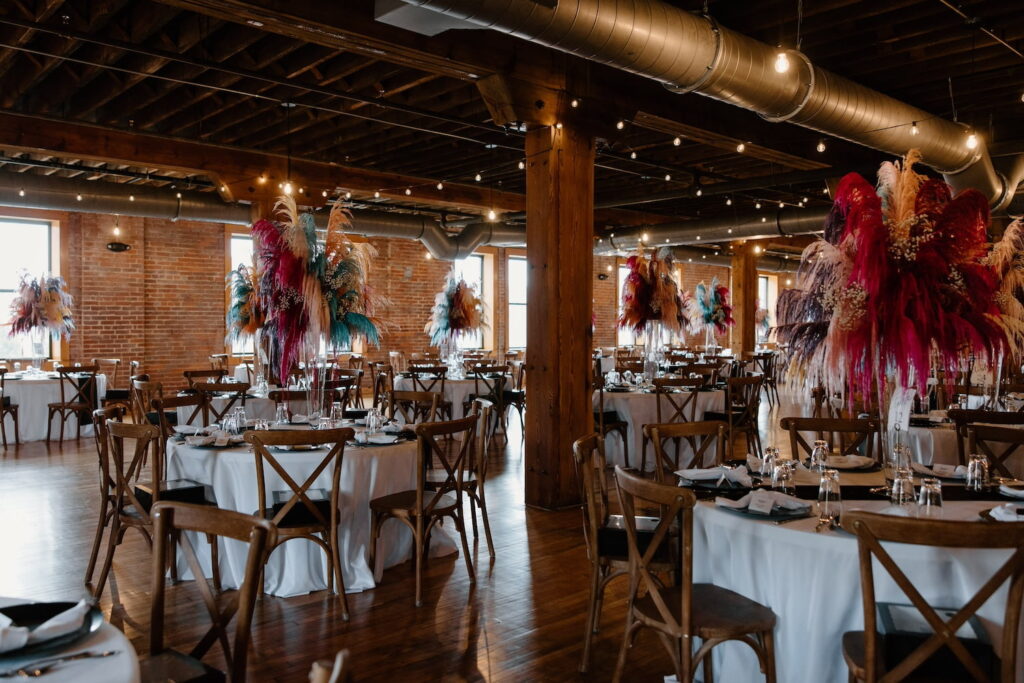
West Virginia venues work best when they balance visual appeal with real event infrastructure. Scenic surroundings alone are not enough to support a wedding day that includes vendors, guests, timelines, and weather variables. The most successful venues in the state are those that anticipate movement, sound, setup, and comfort, not just photos.
Rather than thinking in terms of what looks beautiful online, it helps to evaluate venue types based on how they function over the course of an entire day. Below are venue styles that consistently perform well in West Virginia, along with the specific layout features and amenities that make them practical choices.
Cabins and mountain homes that are truly event ready
Cabins and mountain homes can work for weddings when they are intentionally designed or approved for events, not when they are simply large houses in scenic locations. The most important factor is the size and openness of shared spaces, since ceremonies, dining, and mingling often need to happen without forcing guests into separate rooms.
Look for homes with expansive living areas, multiple bathrooms distributed across floors, and outdoor spaces that allow seating without blocking walkways or exits. Parking plans are especially critical in mountain areas, where narrow roads and limited shoulders can create safety issues if guest arrival is not carefully managed.
Industrial spaces built for sound, movement, and scale
Industrial and warehouse venues offer some of the most reliable wedding infrastructure in West Virginia, particularly for larger guest counts or events that involve dancing and live music. Their open floor plans make it easier to create ceremony, dining, and dance zones without constant reconfiguration.
These venues are also less sensitive to noise concerns and weather shifts, which makes them a strong choice for couples who want an energetic reception. When evaluating these spaces, confirm ceiling height, power access, and acoustics so the room feels warm and intentional rather than cavernous.
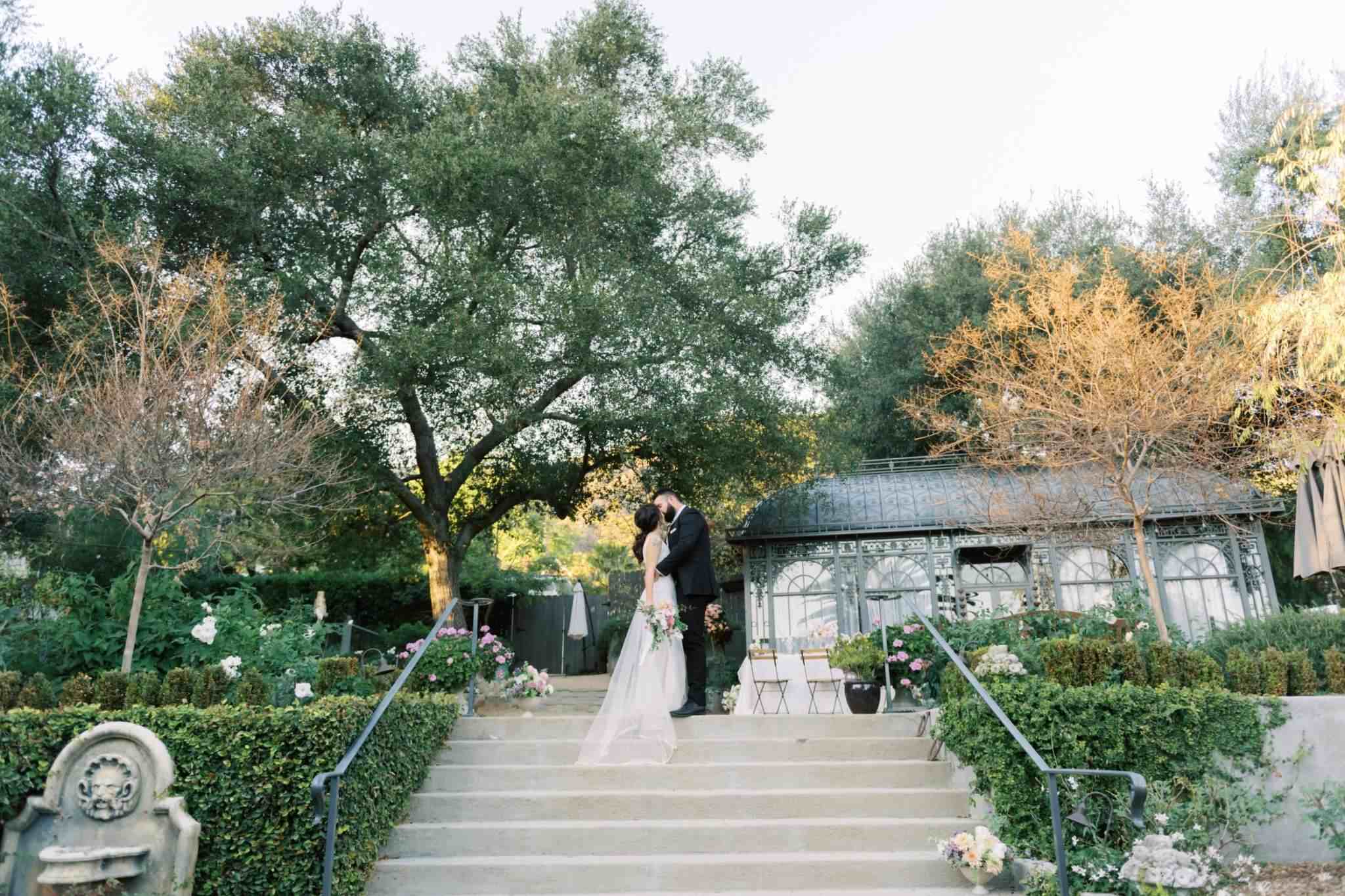
Historic mansions that reward careful flow planning
Historic homes and Victorian style properties bring character and intimacy, but they require thoughtful planning to function smoothly as wedding venues. These spaces tend to work best for smaller weddings where guest movement can be carefully choreographed.
Ask detailed questions about which rooms can be used, whether furniture can be moved, and where vendors are allowed to stage equipment. A private room for getting ready and a clear plan for guest flow can make the difference between charming and cramped.
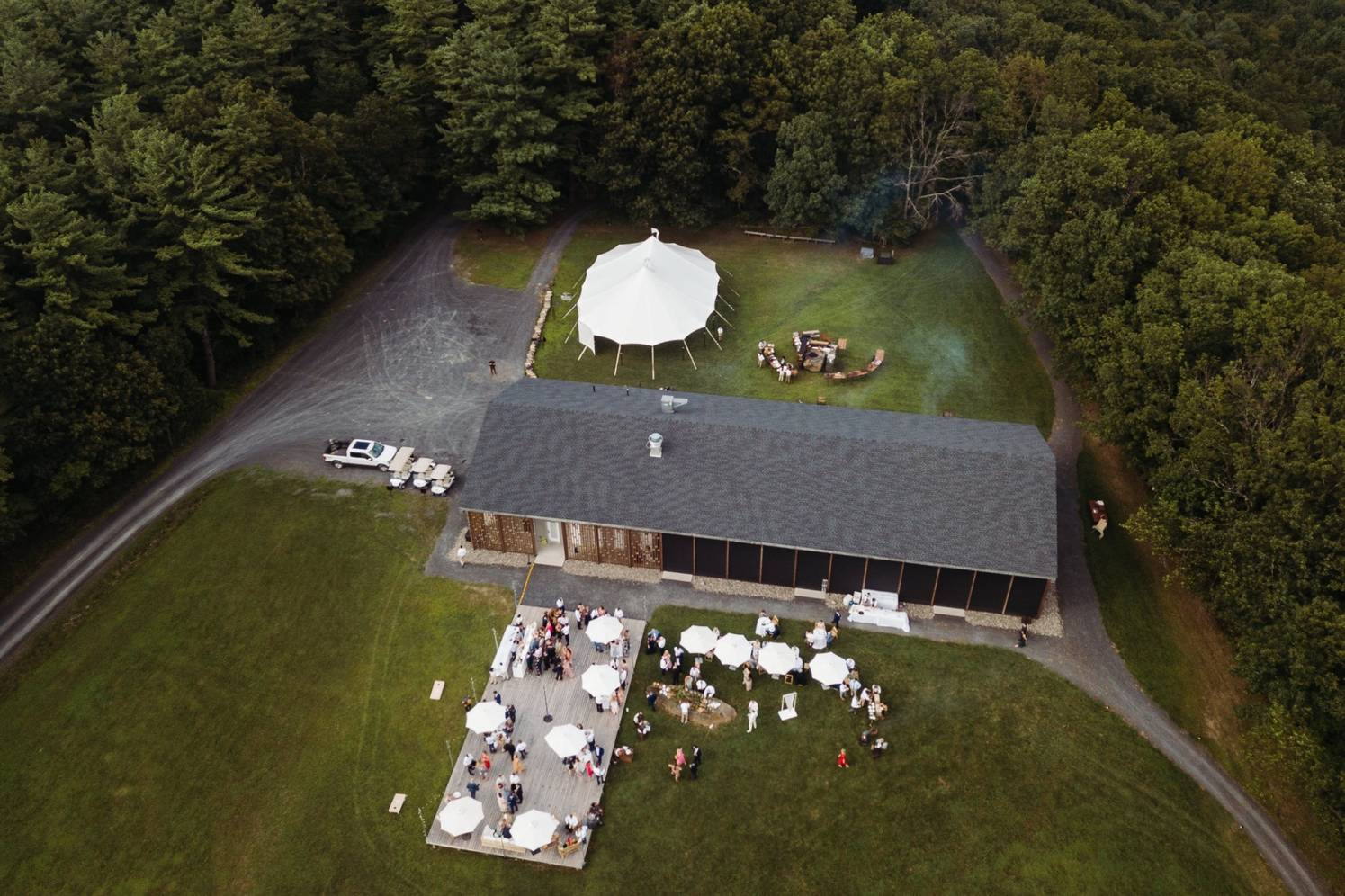
Outdoor wedding venues with backup plans
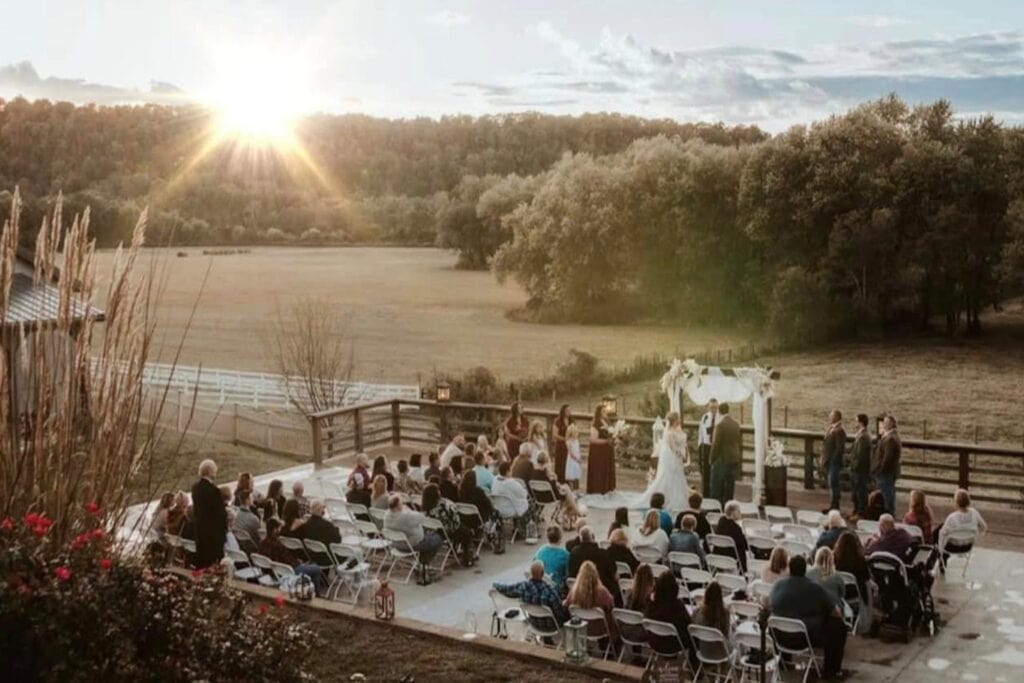
Outdoor venues are popular in West Virginia, but they are only as strong as their backup plans. If you are planning to celebrate outside, these outdoor wedding ideas offer guidance on comfort, timing, and weather contingencies that still feel thoughtful. A real backup means an indoor or covered space that can accommodate your full guest count with dignity and comfort, not a last minute squeeze under a small shelter.
When touring outdoor-first venues, ask to see the backup layout in person. Confirm where chairs, tables, and sound equipment would move if weather changes, and how quickly that transition can realistically happen.
Barn venues that pair rustic appeal with modern comfort
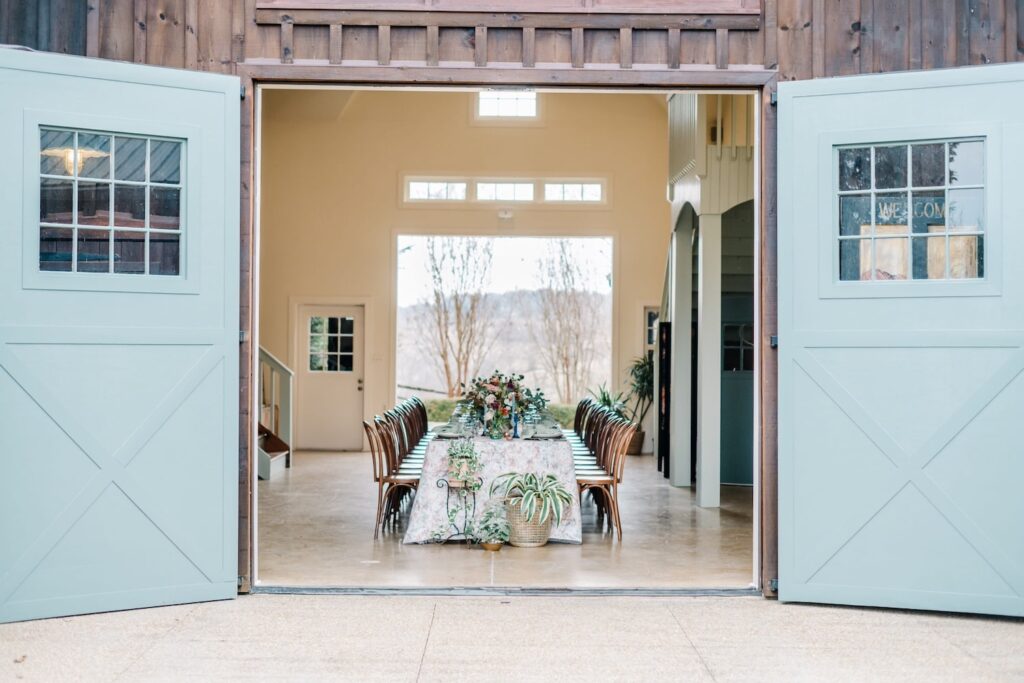
Barn venues are appealing for couples drawn to rustic settings, but functionality varies widely. The most successful barn venues include modern upgrades that support guest comfort and vendor needs throughout the event.
Climate control, solid flooring, adequate lighting, and true restrooms are not optional details. Without them, costs rise quickly through rentals and temporary solutions, and guest comfort often suffers as the day progresses.
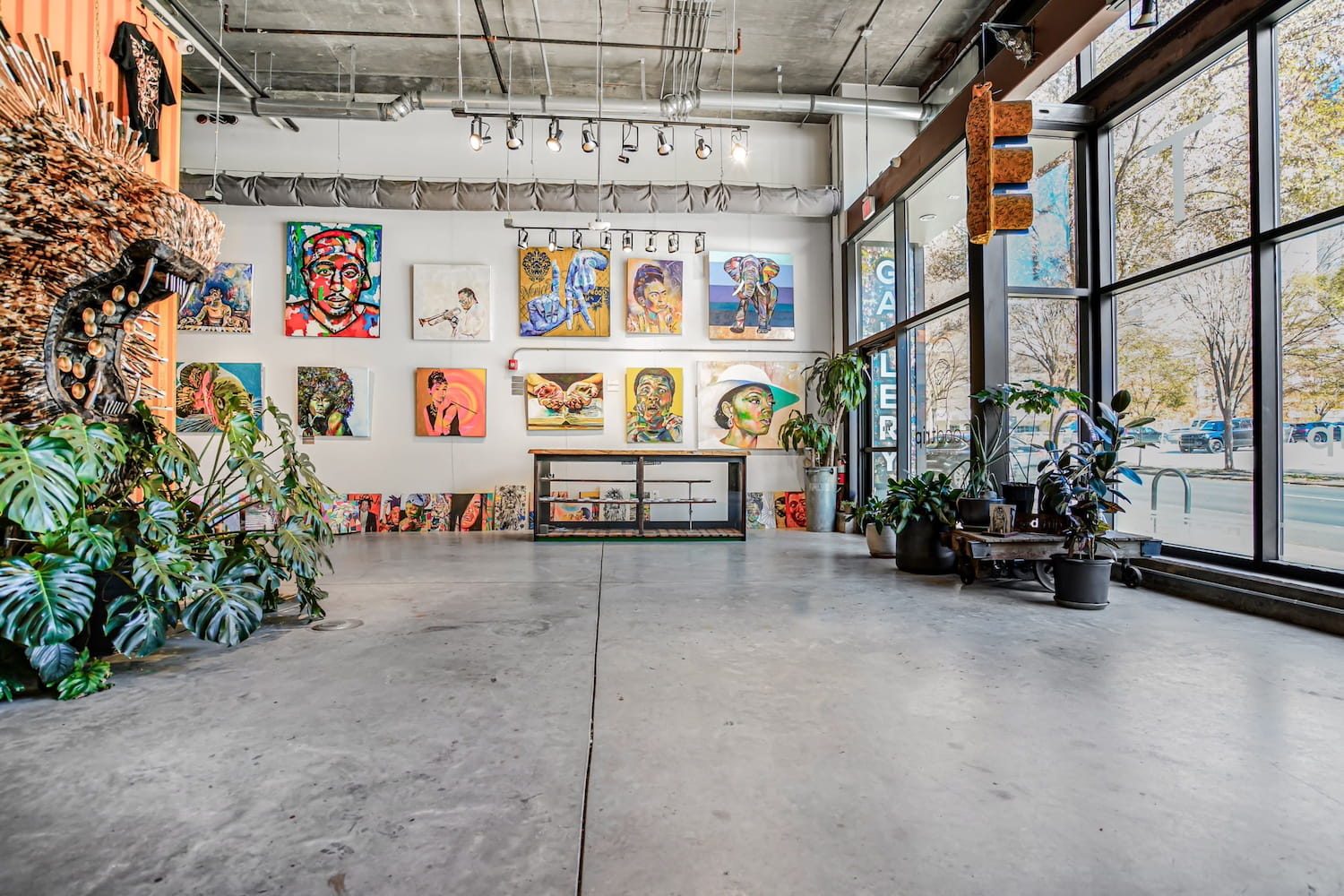
Studios and galleries that adapt to multiple wedding formats
Studios and galleries offer a clean, flexible backdrop that works well for couples who want a more contemporary feel. These spaces often feature strong natural light, neutral finishes, and open layouts that adapt easily to different wedding formats.
Because these venues are intentionally minimal, layout planning becomes especially important. Confirm where catering can stage, how sound carries in the space, and whether there are adjacent rooms for storage or getting ready.
These venue styles and amenities reveal an important pattern: the best West Virginia wedding venues are not defined by how they photograph, but by how well they support people, movement, and timing throughout the entire day. When a space is chosen for function as much as appearance, the celebration feels easier for everyone involved, and the setting has room to shine without friction.
How local regions shape cost, logistics, and guest experience
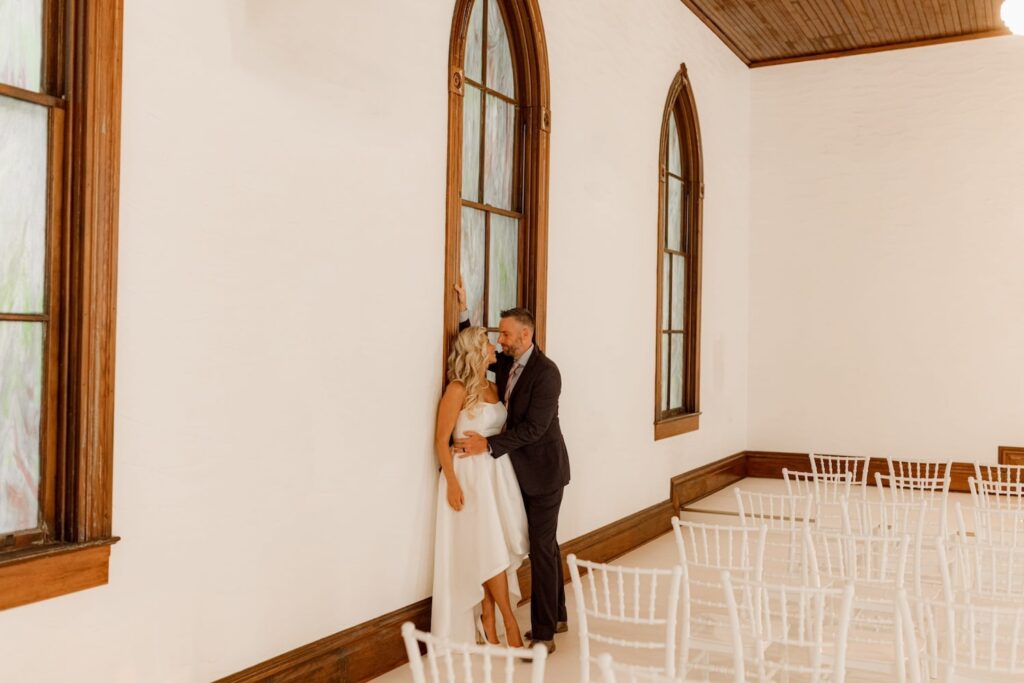
Geography plays a major role in how a West Virginia wedding feels and functions. Travel time, lodging density, vendor availability, and even noise expectations vary widely across the state. Treating West Virginia as a single destination often leads to mismatched expectations, especially for couples hosting out of state guests.
By understanding the strengths and constraints of each region, you can choose a location that aligns with your priorities rather than working against them. The sections below outline what each area tends to offer, along with the practical planning considerations that matter most.
Eastern Panhandle weddings with easy access and high demand
The Eastern Panhandle is one of the most accessible regions in West Virginia, particularly for guests traveling from Washington DC, Northern Virginia, or Maryland. Its proximity to major highways and airports reduces travel friction and makes it easier for vendors to service events without overnight stays.
Couples planning here can expect a deeper vendor pool, more established event infrastructure, and faster booking timelines. Because demand is high, especially during peak seasons, securing venues and accommodations early is essential to avoid limited availability or premium pricing.
North Central celebrations with college town energy
North Central West Virginia, anchored by Morgantown, offers a blend of college town energy and growing modern venue options. This region appeals to couples who value convenience, nearby lodging, and access to restaurants and nightlife for pre- or post-wedding gatherings.
Vendor availability is generally strong, but calendars can fill quickly around university events and football weekends. Planning around academic schedules and securing accommodations early helps prevent conflicts that could affect guest experience.
New River Gorge weddings built around adventure and views
The New River Gorge region is known for dramatic landscapes and outdoor adventure appeal, making it a popular choice for couples seeking a destination style celebration. Weddings here often lean into scenery, outdoor ceremonies, and extended weekend itineraries.
Because the area is more remote, transportation planning becomes critical. Build buffer time for travel between lodging and venues, and plan for weather shifts that can affect outdoor timelines, especially in spring and fall.
Greenbrier Valley weddings with polished hospitality
The Greenbrier Valley is associated with polished hospitality and a more traditional service experience. Couples drawn to this region often prioritize structured planning, refined aesthetics, and venues that offer in-house coordination or established vendor partnerships.
Costs in this area can trend higher, but the tradeoff is smoother logistics and fewer unknowns. This region works well for couples who want a classic feel supported by professional operations.
Forest region weddings that favor intimacy and planning ahead
This region offers deep seclusion and natural beauty, making it ideal for smaller weddings that emphasize intimacy and intentional pacing. Guest counts are typically lower, and celebrations often span multiple days rather than a single tightly-scheduled event.
Remoteness requires careful planning around lodging, transportation, and communication. Clear directions, early arrivals, and realistic expectations about cell service help prevent confusion and stress for guests and vendors alike.
Ohio River town weddings with character and highway access
West Virginia’s Ohio River towns provide architectural character and easier highway access, especially for guests traveling from Ohio, Pennsylvania, or Kentucky. These locations often feature historic buildings and community-centered venues.
While vendor options may be more limited than in larger hubs, travel simplicity and affordability can make this region appealing. Couples planning here should focus on early vendor outreach and clear timelines to ensure availability.
The logistics playbook that protects your timeline and your sanity
Logistics are rarely the most exciting part of wedding planning, but they are often the difference between a day that feels calm and one that feels constantly on edge. In West Virginia especially, where venues can be rural, historic, or spread out, small logistical oversights tend to compound quickly. This section is designed to help you pressure test a venue before you book, using questions that reveal how the day will actually function hour by hour.
Rather than treating logistics as a checklist to rush through, think of this playbook as a way to protect your timeline, your vendors, and your guests’ comfort. When these pieces are handled early, everything else feels easier.
Capacity numbers that reflect real wedding layouts
Venue capacity numbers are often quoted as standing maximums, which can be misleading for weddings. A space that fits 100 people standing may only work comfortably for 60 guests seated for dinner once tables, chairs, and service pathways are added. Ceremonies, cocktail hours, and dancing all require different amounts of space, and a single room may not support all three without compromise.
Ask venues to walk you through realistic layouts for your exact format. Understanding how the room changes over the course of the event helps prevent overcrowding, awkward furniture shuffles, and last minute reductions to your guest list.
Arrival and parking plans that set the tone
Guest arrival sets the tone for the entire day. In West Virginia, parking can be one of the biggest friction points, especially at venues located on narrow roads, gravel drives, or shared properties. If guests are unsure where to park or feel unsafe walking to the entrance, stress builds before the ceremony even begins.
Confirm how many vehicles the venue can realistically accommodate, where overflow parking is located, and whether shuttles can turn around safely. Adequate lighting for evening departures is equally important, particularly for rural venues without streetlights.
Vendor load in and timing that preserves quality
Vendors need time and space to do their jobs well. Caterers, florists, rental companies, and musicians all rely on clear load in routes and reasonable setup windows. If vendors are forced to carry equipment long distances or rush setup, quality often suffers.
Ask where vendors unload, which entrances they use, and how early they can arrive. Clarifying teardown expectations is just as important, since rushed breakdowns at the end of the night can create tension and unexpected fees.
Music plans shaped by real sound limits
Music is central to most weddings, but sound restrictions vary widely by venue and location. Some spaces allow amplified music indoors only, others enforce strict decibel limits, and some require music to end earlier than expected due to neighbors or local ordinances.
Ask specific questions about speaker placement, outdoor sound allowances, and cutoff times. Confirming these details before booking ensures your entertainment plans align with the venue’s reality rather than assumptions.
Comfort and accessibility for every guest
Guest comfort goes beyond aesthetics. Restroom availability, stable walking paths, seating options, and temperature control all affect how welcoming a space feels. Venues that overlook these basics can unintentionally exclude older guests or those with mobility needs.
Walk the venue with accessibility in mind and ask how past events have accommodated diverse guest needs. Small adjustments, like clear pathways and reserved seating, can make a significant difference.
Strong logistics planning does not make a wedding feel rigid. It creates the conditions for ease, allowing you and your guests to focus on the celebration rather than solving problems as they arise.
When the venue fits the wedding plan, everything else gets easier
West Virginia offers an incredible range of settings for a wedding, but the success of the day depends far more on how a space functions than how it looks online. When couples understand the limits of short-term rentals and plan around real guest counts, vendor needs, and timelines, the entire process becomes more predictable and far less stressful.
The most successful West Virginia weddings start with clear decisions about format, flow, and logistics, then choose venues that support those choices instead of fighting them. Whether that means an intimate gathering, a destination weekend, or a celebration built around movement and scenery, the right space should make planning easier, not introduce uncertainty.
By prioritizing transparency, flexibility, and event-ready infrastructure, couples can focus on the parts of the day that actually matter: welcoming their guests, staying present, and celebrating without constantly solving problems. When the venue works with the plan, the experience has room to unfold naturally.
Find the best West Virginia wedding venues on Peerspace.
In this article
- Why Airbnb wedding plans often unravel once the guest list grows
- Why event-first venues remove guesswork from West VA weddings
- WVA venue styles that actually hold up on your wedding day
- How local regions shape cost, logistics, and guest experience
- The logistics playbook that protects your timeline and your sanity
- When the venue fits the wedding plan, everything else gets easier
In this article
- Why Airbnb wedding plans often unravel once the guest list grows
- Why event-first venues remove guesswork from West VA weddings
- WVA venue styles that actually hold up on your wedding day
- How local regions shape cost, logistics, and guest experience
- The logistics playbook that protects your timeline and your sanity
- When the venue fits the wedding plan, everything else gets easier
Get together somewhere better
Book thousands of unique spaces directly from local hosts.
Explore SpacesShare your space and start earning
Join thousands of hosts renting their space for meetings, events, and photo shoots.
List Your Space