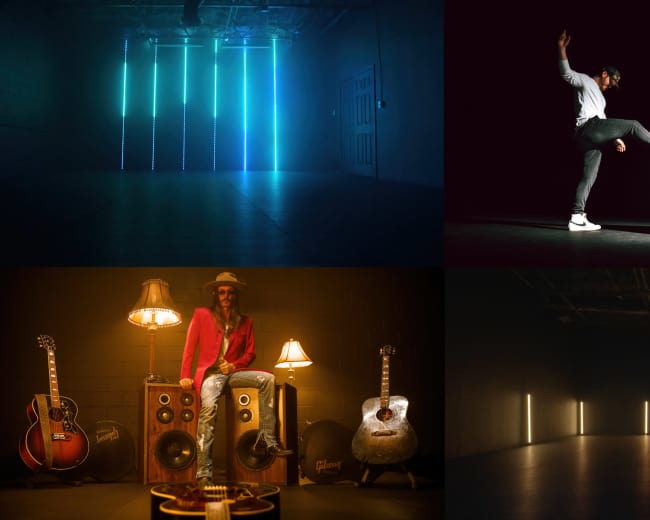
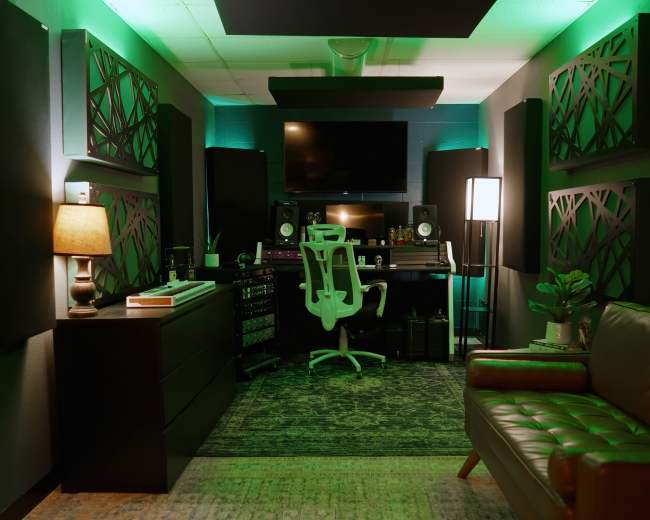
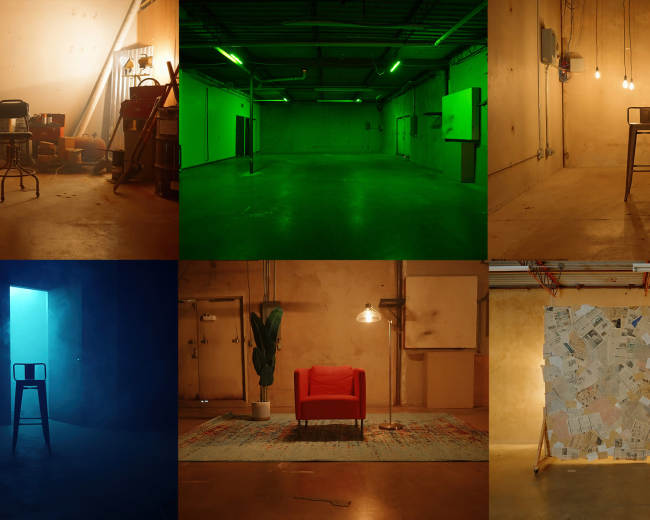
Rent a podcast studio in Fort Worth, TX

Discover thousands of unique podcast studios for rent for your next recording.

Enter your activity
Fort Worth, TX

How podcast rooms work on Peerspace

Peerspace is the easiest way to book unique for all kinds of productions including photo shoots, film shoots and music videos. We also have spaces for meetings and events.

The most locations

Every day we uncover new, inspirational spaces, including podcast rooms, perfect for your activity.

Professional hosts

Our network of helpful hosts respond quickly, and are well-versed in accommodating all types of productions, including film and photo shoots.

Hire by the hour

Only pay for what you need. Pay by the hour for your podcast room location without worrying about hidden fees or overtime.

Popular podcast studios

What gear should a Fort Worth podcast studio include?

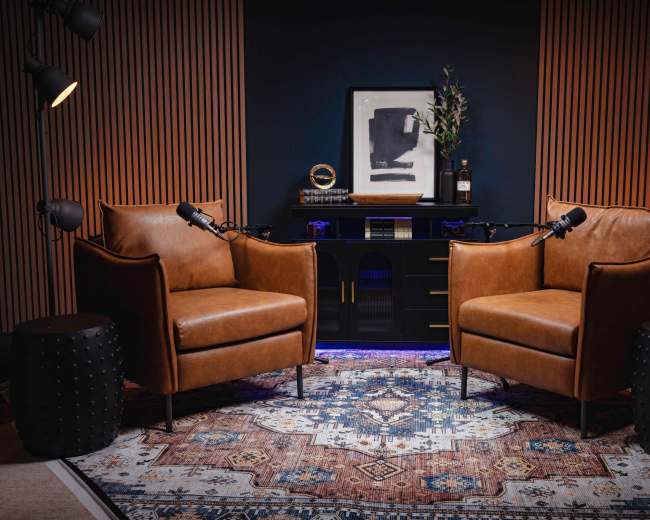
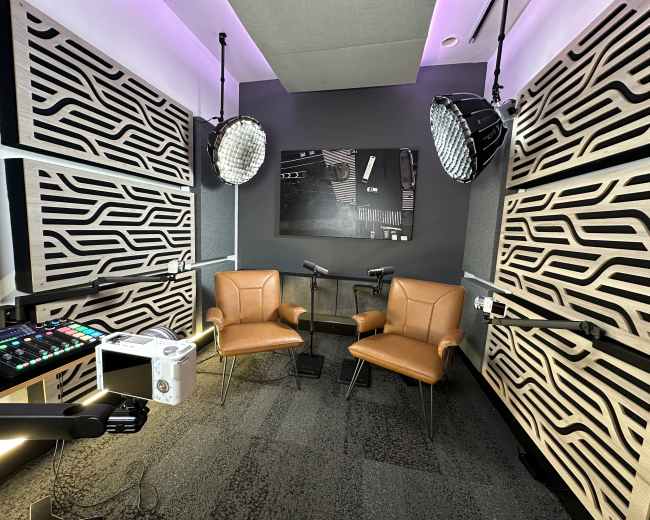
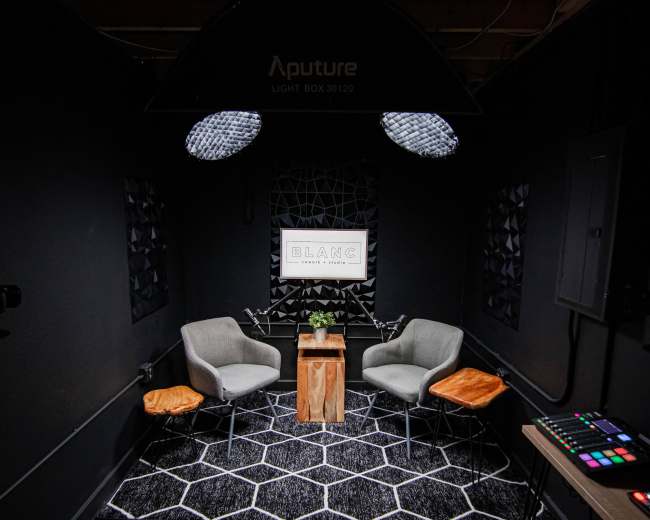
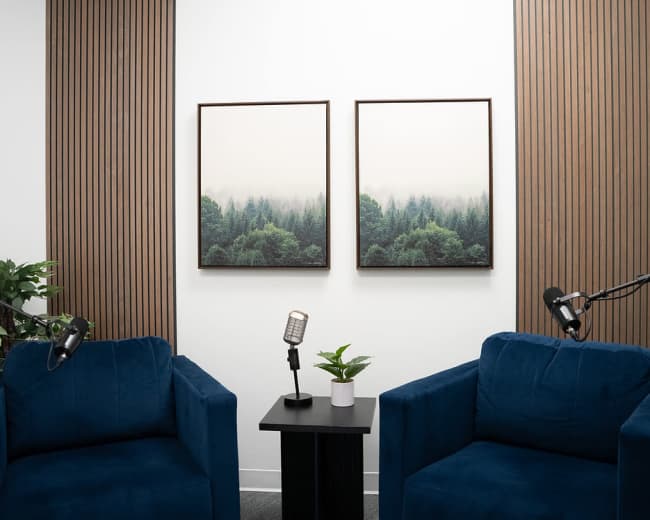
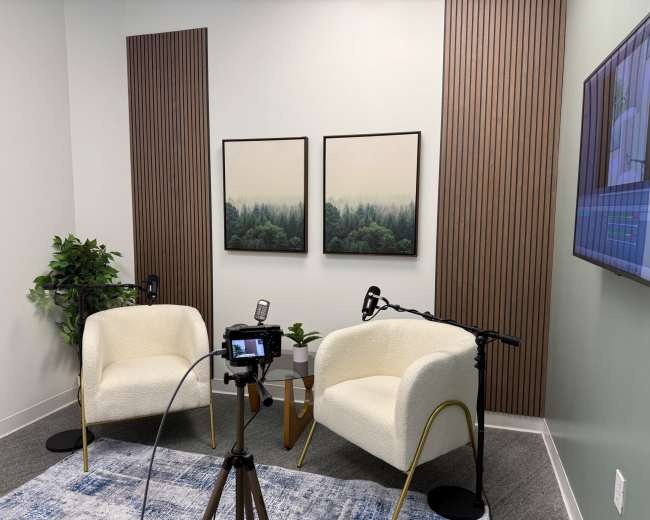
A Fort Worth podcast studio should include clean audio gear, acoustic treatment, camera-ready lighting, and a workflow simple enough that you can focus on hosting instead of troubleshooting. For most creators, the best room isn't the one with the flashiest gear list. It's the one that records reliably, sounds polished, and looks good on camera every time. At a minimum, look for these essentials:
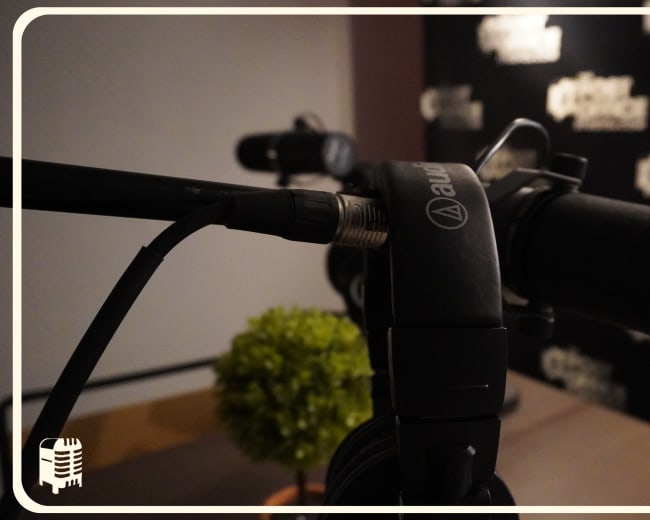
  • Audio essentials: One quality dynamic microphone per speaker, sturdy boom arms or desk stands, closed-back headphones, and a mixer or recorder that can control each voice separately.
  • Acoustic control: Wall treatment, soft finishes, and a room designed to reduce echo, traffic noise, HVAC hum, and hallway bleed.
  • Video essentials: One to three cameras, fixed mounts or tripods, and lighting that's already balanced for skin tones if you want YouTube, Spotify, or social clips.
  • Monitoring and recording: A producer screen or simple monitor, clean file capture, and a backup recording path in case one file fails.
  • Lighting and set design: Soft key lights, flattering background lighting, and a camera-ready set that fits your brand style.
  • Connectivity: Reliable Wi-Fi, enough power outlets, and ports for laptops, guest presentations, or remote call-ins.
  • Comfort and flow: Quiet chairs, a stable table, water nearby, and enough space for guests to feel comfortable on camera.
If you're comparing options, browse podcast spaces to see how different rooms list their included gear and amenities. Don't get too hung up on brand names first. A well-treated room with dependable microphones, clean gain levels, and flattering lighting will usually outperform a flashy gear list in a bad environment. For video-first podcasts, prioritize studios that solve both sound and aesthetics. Many creators are no longer looking for an audio booth alone. They want a podcast studio that makes them sound credible and look established. In practice, that means a strong room gives you three things at once: clean audio, polished visuals, and a setup that doesn't force you to become your own engineer. Before you book, ask the studio for a plain-language gear list:
  • Included microphones: How many mics come with the room.
  • Headphones: Whether each speaker gets a pair.
  • Recording format: Whether the session is audio-only or audio plus video.
  • Lighting: Whether lighting is included in the base rate.
  • Camera support: Whether an operator is needed for switching angles.
  • Delivered files: What files you receive after the session.
If the host can't clearly explain what's included, that's a sign the room may not be as turnkey as it looks in photos.

Can I record a polished video podcast without a full crew?

Yes. You can record a polished video podcast without a full crew if you choose a podcast studio that's already built for low-friction production. Most independent creators don't need a director, audio engineer, lighting tech, and editor in the room for every session. What they need is a Fort Worth podcast studio that has already handled the hard parts: acoustics, camera placement, lighting, and set design. When a studio is video-ready from the start, a small team can still produce a professional result. A polished low-crew setup usually works best when the studio offers:
  • A pre-lit set: You aren't spending half the booking adjusting lights.
  • Fixed camera angles: You can record a clean one-camera or multi-camera conversation without a roaming operator.
  • Simple audio capture: Each mic is already routed, tested, and ready to go.
  • Technical support on request: One helpful studio tech can replace a much larger crew for smaller shoots.
  • A branded background: The room adds visual identity without forcing you to build a set from scratch.
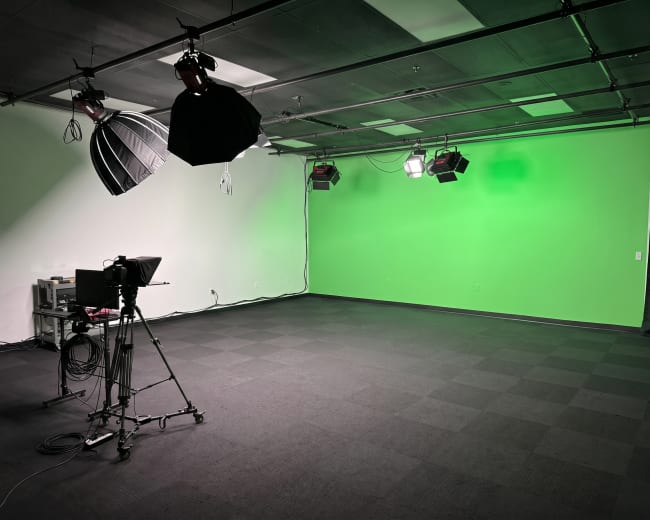
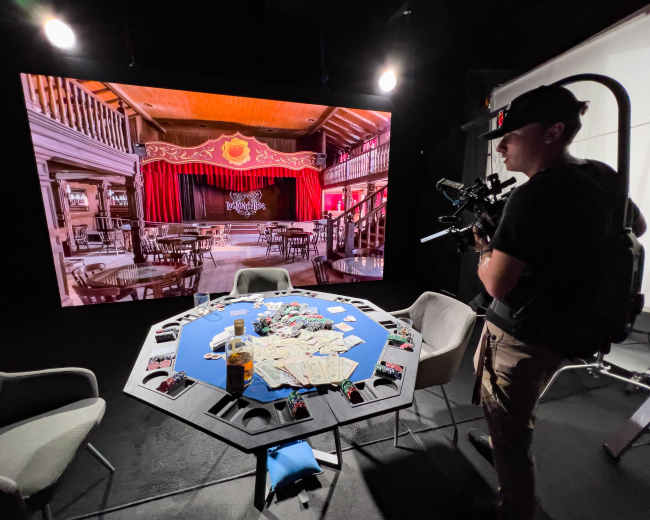
One verified Fort Worth example is Miguel Studios, which offers video-ready sets, multi-camera capture, podcast-focused acoustics, and engineering support. That's the kind of setup that lets a creator walk in with a guest and leave with content that feels far more produced than the team size would suggest. Here's a practical rule of thumb:
  • Solo host or one guest: You can usually handle this in a turnkey podcast studio with no crew beyond basic studio support.
  • Two to four people at a table: You can still stay lean if the studio has fixed cameras, pre-rigged mics, and someone available for setup.
  • Complex formats: If you want live switching, multiple guest entrances, heavy movement, branded graphics, or livestreaming, bring at least one dedicated tech.
To keep the final result polished without overcomplicating the day:
  • Simplify the format: A seated conversation usually looks more expensive than a complicated shoot done poorly.
  • Batch your content: Record multiple episodes in one session while the lighting and framing are already dialed in.
  • Dress for the set: Mid-tone solids usually look cleaner on camera than tiny patterns or bright white.
  • Use the room as production value: A well-designed studio makes your show feel bigger than your crew.
The real question isn't whether you can do it without a crew. It's whether the podcast studio is designed to make that possible. If the answer is yes, a small team can absolutely create a polished Fort Worth video podcast. If you're still weighing spaces, explore video studios to compare rooms that are already set up for camera-ready production.

How do I choose a studio that fits my budget?

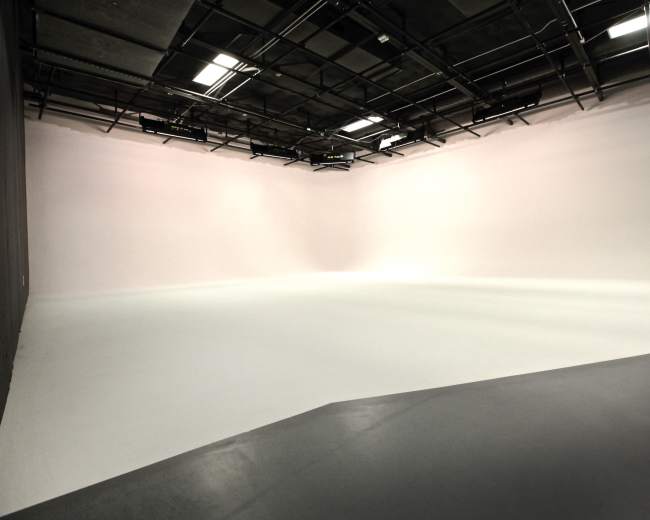
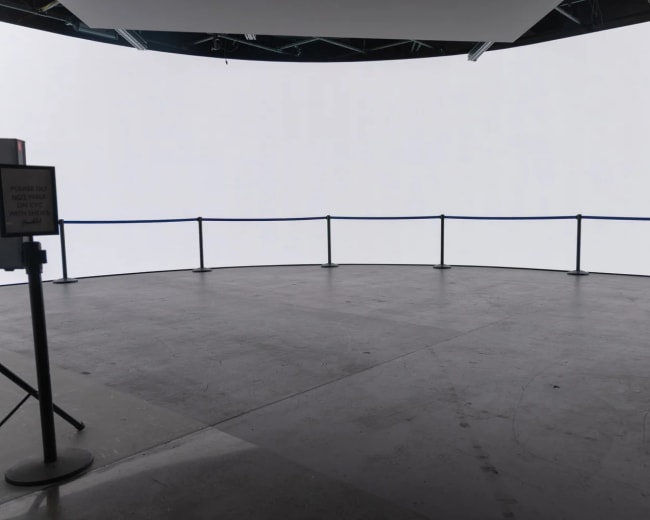
Start with your total session cost, not the hourly rate. That's the smartest way to choose a podcast studio that fits your budget. A room that looks cheap by the hour can become expensive if it requires extra setup time, outside gear, editing help, parking fees, or overtime. A studio with a higher hourly rate may save money if it's turnkey and helps you finish faster. In Fort Worth, published pricing can range from roughly $30 per hour on the low end to about $450 per hour for premium virtual-production setups. That wide spread means the best choice is rarely the cheapest podcast studio. It's the studio that matches your format, your workflow, and the level of production you actually need. A simple way to budget is to sort studios into three tiers:
  • Basic and budget-friendly: Best for audio-first shows, solo hosts, test episodes, and creators who are comfortable handling their own workflow. If you're starting with audio only, it may help to book a recording studio that keeps things simple and affordable.
  • Mid-range and turnkey: Best for recurring shows, guest interviews, and most video podcasts. This is often the sweet spot for quality and convenience.
  • Premium and production-heavy: Best for branded shows, multi-camera productions, virtual sets, or episodes where the visual presentation directly supports business goals.
When comparing options, calculate the full cost:
  • Studio cost: The hourly rate multiplied by the minimum booking time.
  • Setup and teardown time: This affects your real total even if you're not recording the whole time.
  • Add-ons: Editing, engineer support, extra cameras, or livestream help.
  • Parking and load-in costs: Easy to miss, but very real in central Fort Worth.
  • Post-production savings: A better room can reduce editing fixes later.
  • Overtime risk: A cheap booking can get expensive fast if your run of show is too tight.
It also helps to ask yourself a few practical budget questions:
  • Need for video: Do you really need video for this episode?
  • Need for multiple angles: Would one strong frame do the job?
  • Need for premium aesthetics: Are you paying for features that help your brand, or just look impressive in photos?
  • Need for batching: Can you record multiple episodes in one session to lower your cost per episode?
The best budget fit is the podcast studio that removes your biggest pain point. If tech stress slows you down, it may be worth paying more for support. If you already know how to produce your show, a simpler room may be enough. If you're trying to impress sponsors or high-profile guests, spend on visuals and convenience. Pro tip: If you're narrowing down options on Peerspace, message the host before you book and ask for a simple all-in cost breakdown: room time, setup time, parking details, and support add-ons. You can also save finalists to a board and compare them side by side with collaborators. One more budget-safe move is to keep only one active booking request at a time, since a host can accept as soon as they are ready.

Which Fort Worth areas work best for podcast shoots?

This depends on your format, your guests, and how much convenience matters on recording day. In most cases, central locations work best because they're easier for guests to find and easier to coordinate. That matters even more when you're carrying gear, booking multiple speakers, or working with guests who have limited time. A great podcast studio should not create a logistics problem before the session even starts. In general, these areas stand out:
  • Downtown and near downtown: Best for convenience, business credibility, and easy guest directions.
  • Near Southside and South Main: Best for video podcasts that need style, personality, and a more curated visual feel.
  • Just outside downtown: Best for balancing access, parking, and cost while still feeling central.
  • Creative hub zones: Best for hybrid content days that include podcast recording, social clips, headshots, or branded video.
A simple way to choose is by use case:
  • High-profile guests: Stay central so arrival feels frictionless. For guest-driven formats, you may also want to explore interview rooms that are designed for comfortable, professional conversations.
  • Brand-heavy video shows: Look for design-forward studios in visually strong neighborhoods.
  • Recurring weekly sessions: Prioritize repeatable convenience, easy parking, and predictable travel over novelty.
  • Larger productions: Look beyond the downtown core if you need easier load-in, more crew room, or larger-format spaces.
One local pattern is especially clear: many creators in Fort Worth aren't looking for audio-only rooms anymore. They want a podcast studio that also works for YouTube, Spotify clips, and short-form social content. That means neighborhood choice isn't just about the address. It's also about whether the location supports the look, access, and credibility your show needs. If you think your show may grow into live tapings, workshops, or audience events, plan ahead. A compact studio may work now, but choosing an area with more flexible venue options can save you from restarting your search later.

Studio, home, or park: what works best for recording?

For most people, a podcast studio is the best place to record. Home is usually second. A park is usually last. That order comes down to one thing: control. A podcast studio gives you the most control over sound, lighting, timing, and guest experience. Home can work if your environment is quiet and predictable. A park usually creates more production problems than it solves. Here is the quick breakdown:
  • Studio: Best for polished audio, consistent video, guest confidence, and a low-stress production day.
  • Home: Best for low-cost practice runs, solo episodes, and creators who already control noise and lighting.
  • Park: Best only when the location itself is part of the story and you accept lower control over quality.
A studio works best when your goal is to sound credible and look established. You're paying for the things that are hard to fake: sound treatment, reliable lighting, camera-ready design, and fewer surprises. That matters even more if you want a video-first show or content that can be clipped for social platforms. A home setup can work if these conditions are true:
  • Quiet room: The space stays quiet throughout the day.
  • Soft furnishings: Carpets, curtains, and furniture help reduce echo.
  • Noise control: Pets, neighbors, and street noise are manageable.
  • Visual expectations: You don't need an elevated or highly branded set.
  • Technical comfort: You're comfortable handling your own setup and troubleshooting.
Home is often a smart place to test your format. But once you start inviting guests, pitching sponsors, or building a video-first brand, the limitations of home recording tend to show up fast. A park may sound creative, but it introduces major variables: wind, traffic, changing light, power limitations, public interruptions, and little control over the environment. For most podcasts, that tradeoff isn't worth it unless the outdoor setting is central to the concept. If you do decide to shoot outdoors or on location, you can find filming locations in Fort Worth that offer more control than a public park while still giving you a unique backdrop. A simple rule of thumb is:
  • Choose a studio: If you care about polish, repeatability, guest experience, or video clips.
  • Choose home: If you're testing ideas, saving money, or recording solo.
  • Choose a park: Only if the location is part of the content and you're comfortable with less predictable quality.
If you're torn, think about your biggest pain point. If it's cost, home may help. If it's tech stress, a podcast studio usually solves it better. If it's wanting a memorable visual identity, a well-designed studio will usually deliver stronger results with less risk than an outdoor setup.
What should I ask a Fort Worth studio about parking?

Ask about parking before you book. In Fort Worth, parking can affect your budget, start time, guest experience, and overall stress level. It's easy to overlook parking when a podcast studio looks great in photos, but arrival friction shows up fast on recording day. Bad parking can mean late starts, rushed setup, added costs, and frustrated guests. If you're carrying microphones, cameras, wardrobe, props, or refreshments, parking is part of production, not a side detail. Your parking checklist should include:
  • Parking type: Whether it's on-site, street parking, or a paid garage.
  • Cost: Whether it's free, validated, metered, or reimbursable.
  • Distance: How far the walk is from the car to the studio entrance.
  • Load-in access: Whether you can unload near the door before moving the car.
  • Reserved spots: Whether any spaces are held for you, your guest, or your crew.
  • Building access: Whether there's an elevator, loading dock, or stair-only entrance.
  • Timing: Whether rules change in the evening, on weekends, or during downtown business hours.
  • Guest friendliness: Whether a first-time guest will clearly know where to go.
  • Ride-share access: Whether there's a convenient drop-off point for non-driving guests.
  • Safety and lighting: Whether people will feel comfortable arriving early or leaving after dark.
In central Fort Worth, parking may be more convenient for guests coming from multiple directions, but less simple once you arrive. Near-downtown and creative districts can sometimes offer a better balance of access and ease. The key is not to assume. Ask specific questions. A strong host answer sounds clear and practical:
  • Specific directions: There is a surface lot behind the building.
  • Reserved access: You get two reserved spots.
  • Load-in plan: The side entrance is best for unloading gear.
  • Street parking rules: Street parking is free after a certain hour.
  • Building entry: The elevator is available during your booking window.
A weak host answer usually sounds vague:
  • Unclear availability: Parking is usually fine.
  • No process: People figure it out.
  • No confirmation: There should be spots nearby.
Vague answers are red flags because they suggest the arrival experience has not been fully thought through. If you're bringing multiple people, ask the studio to map the entire arrival flow: where to park, where to unload, which door to use, and how to access the room. When those first 10 minutes go smoothly, the rest of the recording day usually does too.
Updated July 9, 2026Our data is refreshed in real time using booking trends, verified guest reviews, and direct partner updates — with additional quality checks from our team.