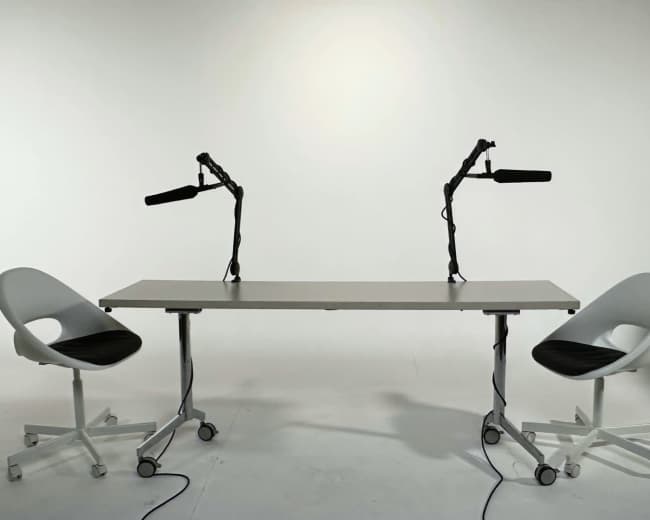
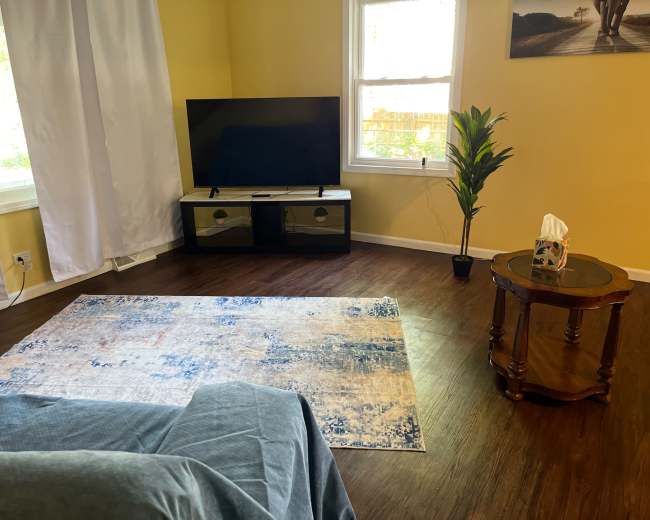
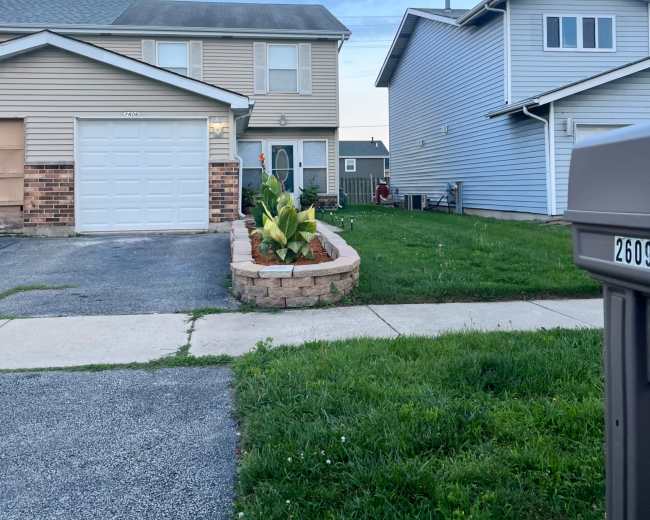
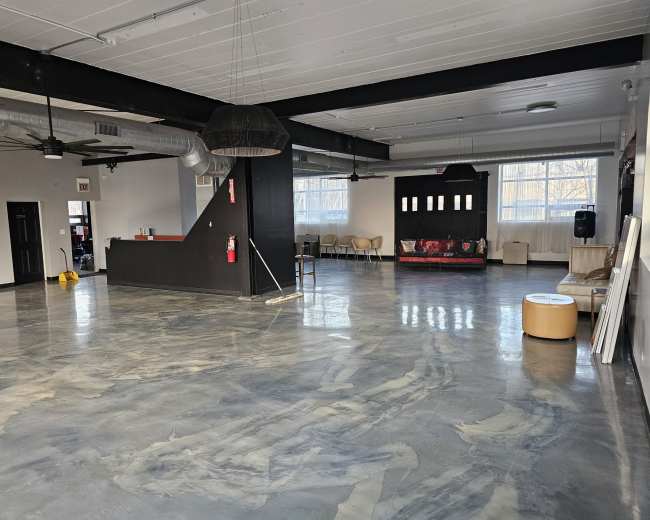
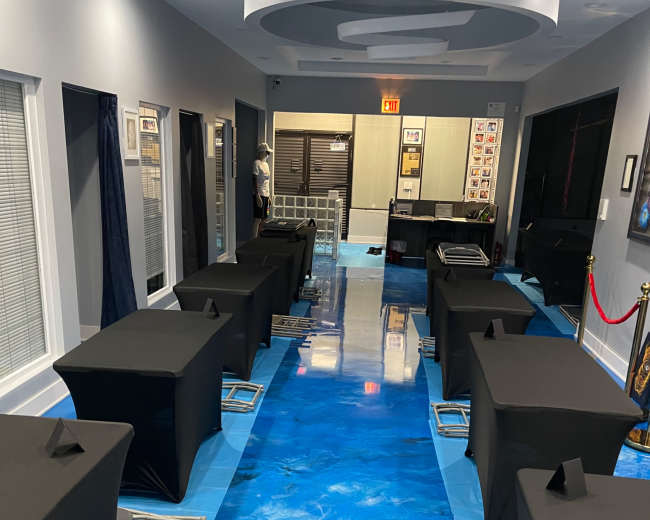
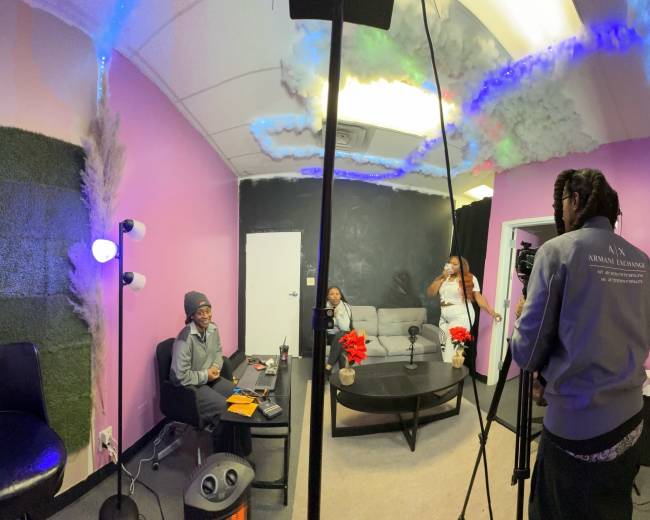
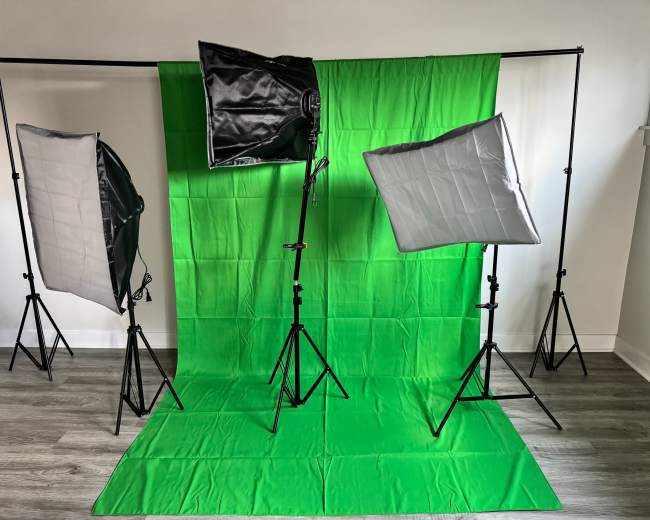
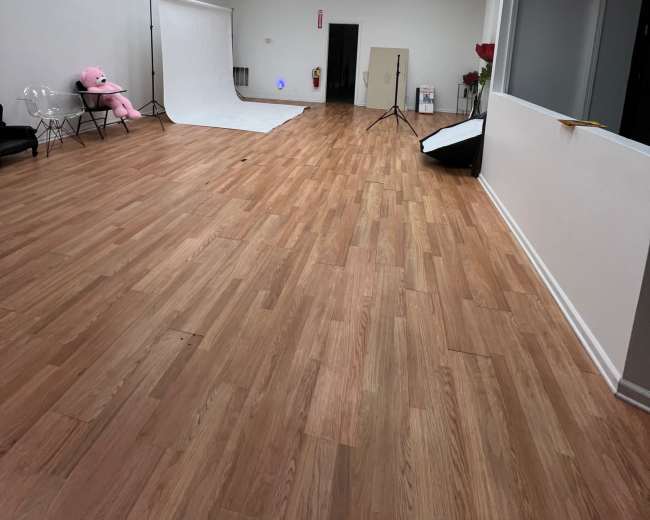
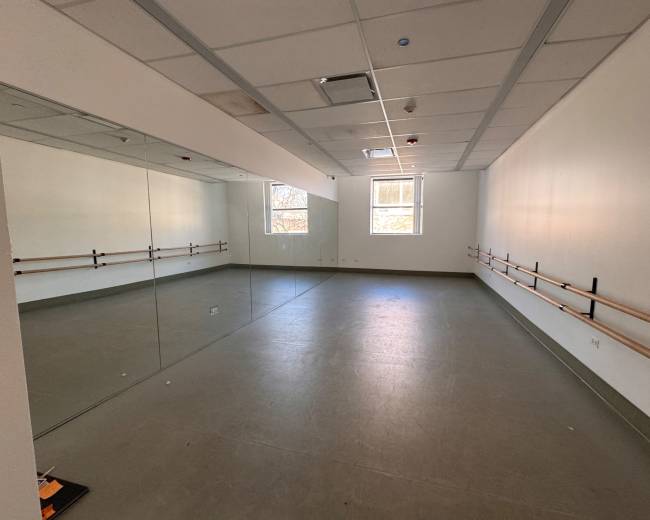
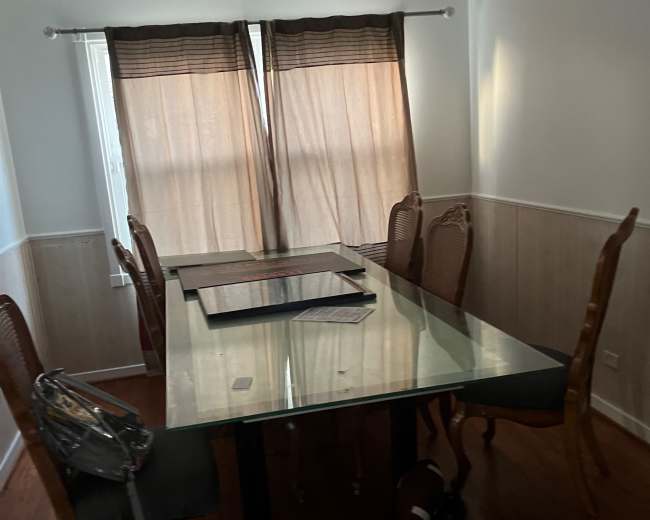
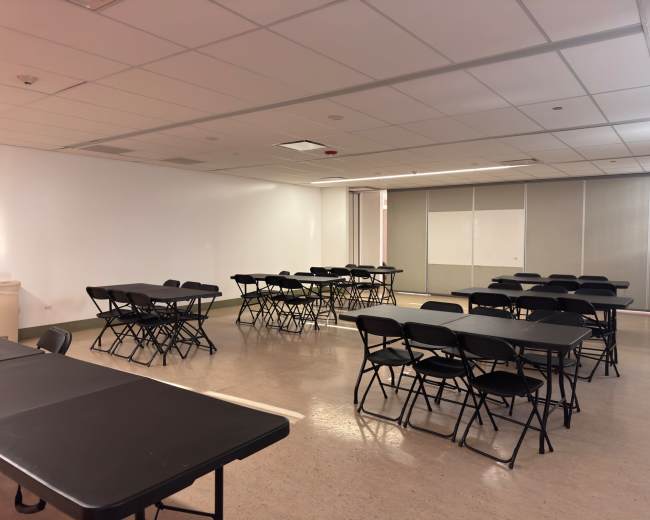
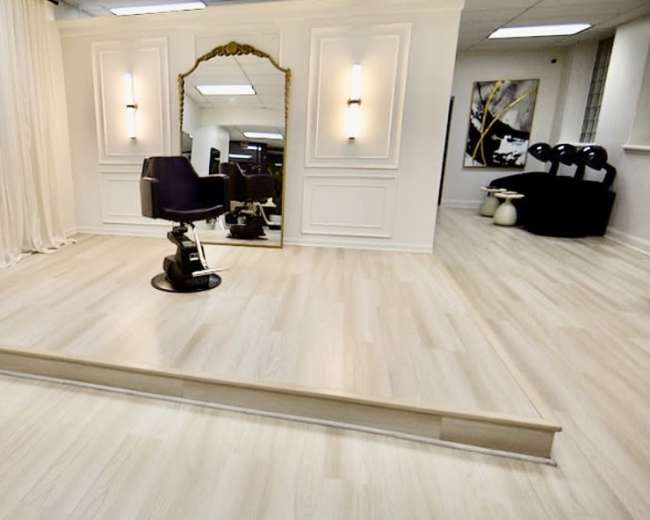
Rent a podcast studio in Gary, IN

Discover thousands of unique podcast studios for rent for your next recording.

Enter your activity
Gary, IN

How podcast rooms work on Peerspace

Peerspace is the easiest way to book unique for all kinds of productions including photo shoots, film shoots and music videos. We also have spaces for meetings and events.

The most locations

Every day we uncover new, inspirational spaces, including podcast rooms, perfect for your activity.

Professional hosts

Our network of helpful hosts respond quickly, and are well-versed in accommodating all types of productions, including film and photo shoots.

Hire by the hour

Only pay for what you need. Pay by the hour for your podcast room location without worrying about hidden fees or overtime.

Popular podcast studios

How much does renting a podcast studio near Gary cost?

A podcast studio near Gary usually costs about $75 to $150 per hour based on the local market snapshot. Most entry-level options cluster around $85 to $100 per hour, while more professional recording spaces or larger production studios can reach $120 to $150 per hour. The hourly rate is only part of the real cost. Your final total usually depends on the minimum booking requirement, the amount of setup time you need, and whether you're recording audio only or producing video content, too.
  • Typical starter session: A two-hour booking at $85 to $100 per hour usually costs about $170 to $200
  • Video podcast session: A three-hour booking at $100 to $120 per hour usually costs about $300 to $360
  • Higher-end studio session: A two-hour booking at $150 per hour is about $300
  • Large-format recording: A multi-camera setup, panel discussion, or small live audience may require a space that functions more like an event venue, which can increase both the hourly rate and the minimum booking time. If your production calls for that kind of setup, you can check out event venues for larger productions.
For many first-time creators, renting a podcast studio is more cost-effective than buying gear right away. One paid session can be cheaper than purchasing microphones, headphones, an interface, stands, acoustic treatment, lighting, and editing software before you know whether podcasting is something you want to do long term. Before you book, ask these questions so the sticker price does not mislead you:
  • What's included: Confirm whether the rate covers microphones, mixer, headphones, cameras, lighting, seating, and backdrop options
  • How many hours are required: Some podcast studio rentals look affordable until the minimum jumps from one hour to three or more
  • Whether booked time includes setup and teardown: If it doesn't, your usable recording time shrinks and your real cost rises
  • Whether there are add-ons: Engineers, extra lighting, additional cameras, backdrop changes, and file delivery can change the total quickly
  • What happens if you run late: Overtime fees are one of the fastest ways for a podcast studio budget to go off track
If your goal is to launch quickly without building a studio from scratch, one well-planned podcast studio session is often the most efficient way to start. Browse podcast studios that are available in your area to compare options and pricing.

Where can I record with soundproofing and pro audio gear?

If audio quality is your top priority, look closely at how a space is set up before calling it a podcast studio. In the Gary area, many rentable spaces are content studios or photo studios first. They may look polished on camera, but still have limited acoustic treatment, which can hurt podcast sound quality. One verified option in the broader Northwest Indiana area is Lake County Public Library, which offers a WhisperRoom sound booth, a RODECaster Pro, MXL dynamic microphones, and a MacBook Pro with editing software at its Merrillville branch. For beginners, that kind of plug-and-play setup can solve common problems like echo, street noise, and confusing audio gear. If you're comparing private studios or multipurpose rentals near Gary, use this checklist before assuming the room is podcast-ready:
  • Ask about sound treatment: Look for terms like acoustic panels, treated room, isolation booth, or low echo instead of just quiet space
  • Ask for the exact gear list: Get the microphone models, mixer or interface details, headphone count, and recording software information
  • Ask about noise sources: HVAC hum, traffic, nearby trains, shared walls, and neighboring businesses can ruin an otherwise attractive studio
  • Ask whether help is included: Some podcast studio rentals provide the room and gear, but no support for levels, routing, or troubleshooting
  • Ask what files you receive: Confirm whether you leave with raw audio, edited audio, video files, or a later delivery timeline
  • Ask for a sample clip or room tone: A short audio example tells you more than listing photos ever will
If you're planning a video podcast, the best podcast studio isn't only quiet. It also has a clean backdrop, comfortable seating, flattering lighting, and enough power for cameras, monitors, and chargers. A strong recording space should support both professional sound and strong visuals for YouTube, TikTok, and social clips. For video-forward shows, consider video shoot spaces that are designed with both audio and visual production in mind.
Are there free podcast resources in Northwest Indiana?

Yes. Free podcast resources in Northwest Indiana can be a smart starting point if you aren't ready to pay for a podcast studio yet. According to Gary Public Library, Gary's MakerSpace offers community-facing technology and creative resources that can support early-stage creators. While it's broader than podcasting alone, it can still help you explore tools, test ideas, and build confidence before you spend money on a paid recording session. For creators in Gary, Indiana, free and low-cost resources are especially useful for a few reasons:
  • You can test the idea first: Record a pilot, trailer, or intro before paying podcast studio rates
  • You can reduce gear anxiety: Community spaces let you learn by doing instead of buying everything up front
  • You can improve your concept: Many new podcasters don't need a premium studio first. They need clarity on audience, format, and episode flow
  • You can build supporting assets: Cover art, promo graphics, brand direction, and basic editing practice often matter before the first polished session
Free options are usually best for:
  • Pilot episodes: Test whether your show works in conversation
  • Skill building: Practice mic technique, pacing, and basic editing
  • Pre-production: Develop your show name, segment ideas, guest prep, and episode outlines
  • Budget-sensitive creators: Build momentum without a big upfront cost
The tradeoff is that free resources may have reservation limits, library card requirements, fewer available time slots, or less technical support than a professional podcast studio. Still, they're one of the best ways to start without buying a full setup. A practical path for many Gary-area creators is to use free community resources for experimentation, then move into a paid podcast studio session once they know what kind of show they want to build. When you're ready to take that step, you can book an audio recording space that fits your format and budget.

Which Gary-area neighborhoods work best for recording sessions?

The best location for a podcast studio session is usually the one that gives you the cleanest sound, easiest arrival, and least stress. It's not always the most popular or busiest area. Because dedicated podcast studio inventory in Gary is still somewhat fragmented, it's more useful to think in terms of recording conditions than neighborhood labels alone. Many creators in Gary end up searching across the wider Northwest Indiana area for that reason. Here's a practical breakdown:
  • Quieter residential pockets: Best for audio-first recording when you're using a home studio, private room, or residential-style venue away from heavy traffic and train noise
  • Central accessible corridors: Better for guest convenience when co-hosts or interview guests are driving in from different parts of Gary or nearby suburbs, but these locations need stronger sound treatment
  • Nearby suburban access points: Often the most practical choice if guests are coming from Merrillville, Crown Point, Dyer, or nearby parts of Illinois
  • Visually distinctive residential-style areas: Great for filmed interviews and short-form video when you want the set to feel warm, natural, and on-brand. If your show relies on a strong visual setting, you can explore interview spaces to find locations that match your creative direction.
Spaces that often create problems for podcast recording include areas near:
  • Industrial activity: Machinery and background operations can affect audio consistency
  • Freight traffic: Heavy truck routes can create intermittent low-frequency noise
  • Train corridors: Rail noise can interrupt takes and make editing harder
  • Busy commercial strips: Foot traffic, storefront noise, and parking issues can complicate sessions
  • Older untreated buildings: Hard surfaces and high ceilings often create echo
If you're booking a podcast studio or flexible recording space in or around Gary, ask these location-specific questions before committing:
  • What the area sounds like during your exact time slot: Morning, afternoon, and evening can sound very different
  • Whether parking is simple for guests: Short sessions feel much longer when everyone is circling for parking
  • Whether there are shared walls or active neighbors: Recording next to an office, dance studio, or retail space is risky
  • Whether the host can control HVAC noise: Air systems are one of the most common hidden audio problems
  • How easy load-in is: If you're bringing cameras, lights, signage, or extra gear, access matters
If your show is audio-only, prioritize quiet first. If your show is video-forward, choose a podcast studio area that supports both sound quality and your visual identity.

Should I rent a studio or record at home for free?

If you're still testing your idea, recording at home for free is a reasonable choice. If you're ready to launch, want better sound quickly, or need polished video clips, renting a podcast studio often makes more sense than it first appears. Home recording feels free until you start solving the problems that make a podcast sound amateur. Those problems usually include echo, background noise, inconsistent audio levels, poor mic technique, bad lighting, and distracting backgrounds. A simple way to decide is this. Record at home if:
  • You're validating the concept: You want to test your voice, format, and chemistry before spending money
  • You have a quiet room: It doesn't need to be perfect, but it should be calm enough to capture usable audio
  • You're comfortable learning tech: You don't mind troubleshooting gear and handling editing yourself
  • You're okay with imperfect early episodes: The goal is momentum, not polish
Rent a podcast studio if:
  • You want clean audio immediately: This matters most for guest interviews, branded launches, or public-facing episodes
  • You're recording with multiple people: Home setups get more complicated fast once you add co-hosts or guests
  • You want video clips too: A good podcast studio can give you both strong audio and a polished visual setup
  • You don't want to buy gear yet: Renting can cost less than building a setup you may outgrow
  • You have an important guest: It's risky to gamble on poor room sound when the conversation matters
A strong middle path often works best:
  • Start at home: Test your concept, outline your segments, and record rough pilot episodes
  • Book one professional session: Use a podcast studio to record your trailer, launch episode, and short promo clips
  • Review the experience: Decide whether you need recurring studio time or a simple home setup
If your vision includes a panel, audience, or multi-camera content day, think beyond home recording entirely. At that point, you're choosing a production environment, not just a microphone and a room.

What should I plan before booking my first session?

Before booking your first podcast studio session, plan it like a producer rather than someone casually renting a room for an hour. That shift in mindset usually saves money, reduces stress, and improves the final result. Event planning guidance from experienced venue professionals is useful here too. Once a recording session includes cameras, lighting, makeup, extra crew, or a small audience, practical issues like power access, capacity, restrooms, and building logistics matter just as much as the hourly rate. Use this booking checklist before you reserve a podcast studio:
  • Show format: Decide whether the session is solo, co-hosted, interview-based, roundtable, or video-first
  • People count: Confirm exactly who will be in the room, including hosts, guests, camera operators, producers, and any additional support
  • Audio needs: Determine how many microphones, headphones, and recording channels you need
  • Video needs: Decide whether you want one camera, multiple cameras, social clips, or no video at all
  • Deliverables: Know whether you need raw files, edited audio, edited video, or short-form clips
  • Visual style: Choose the look you want, such as clean and professional, cozy and conversational, bold and branded, or casual and home-like
  • Timing: Budget time for arrival, setup, sound check, breaks, pickup shots, and teardown
  • Guest logistics: Confirm parking, access instructions, restroom availability, and how easy the location is to find
  • Budget ceiling: Set your full budget before you inquire, including overtime risk and possible add-ons
  • Backup plan: Prepare for late guests, room noise, technical issues, or last-minute format changes
Questions to send the host before booking include:
  • Whether they can send the exact equipment list: This helps you confirm technical fit before paying
  • Whether the room is acoustically treated: A podcast studio should be designed for sound, not just appearance
  • How much quiet control they have over the space: External noise can make or break a session
  • Whether help is available for technical issues: On-site support can save a recording day
  • What's included in the booked time: Setup and teardown policies affect the real value of the booking
  • Whether they can share a room video or short test recording: A quick sample often answers more than a listing description
Pro tip: If you're booking through Peerspace, don't send multiple active booking requests at once. A host can accept your request at any time, so it's smarter to message hosts first if you still have questions. Also, build setup and teardown into your booked hours so you don't get caught by overtime, and remember that bookings made more than 48 hours in advance usually come with a 24-hour grace window after confirmation if you need to cancel quickly. When you're ready, you can start your search for podcast studios and compare what each space includes.
Updated August 23, 2026Our data is refreshed in real time using booking trends, verified guest reviews, and direct partner updates — with additional quality checks from our team.