


Sun
Mon
Tue
Wed
Thu
Fri
Sat
$300/hr$225/hr$150/hr$75/hr
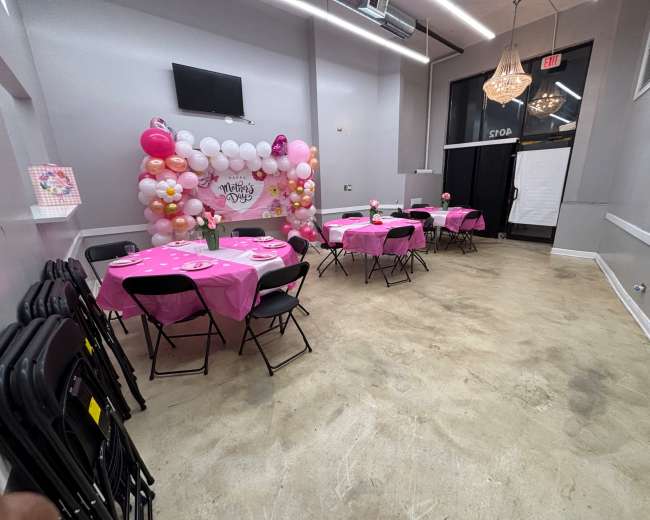
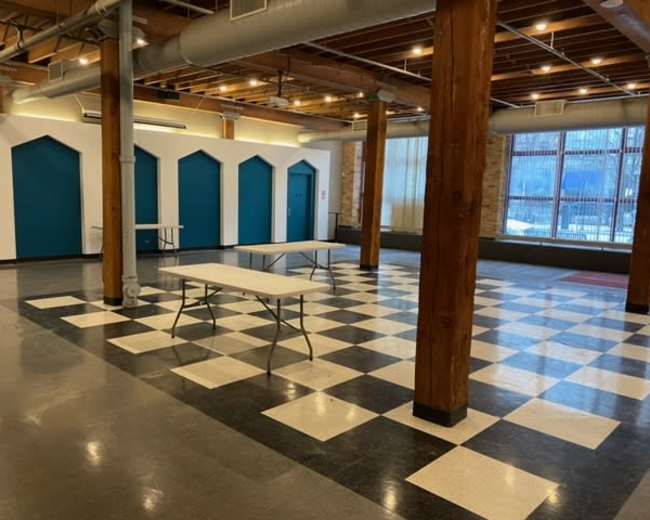
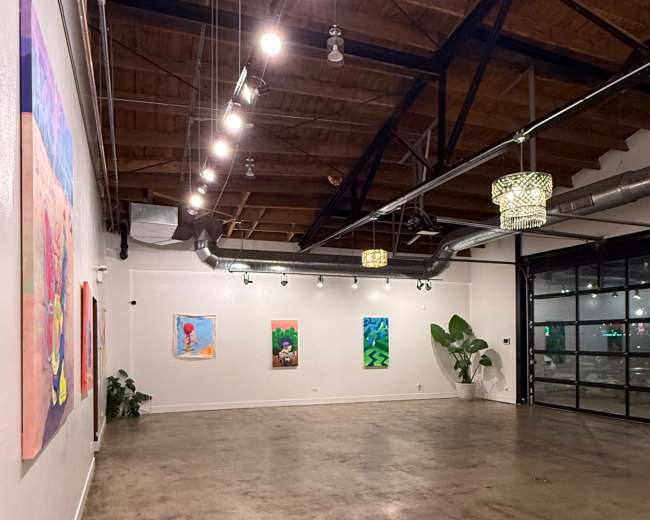
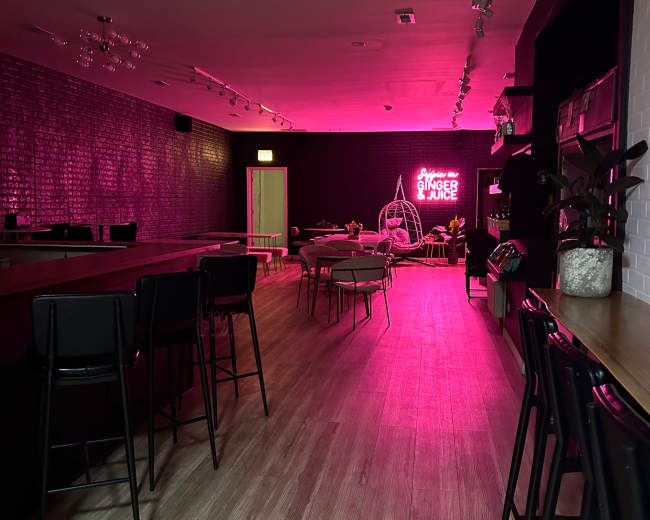
Peerspace is the easiest way to book unique venues for events. We also have spaces for productions and meetings.
Discover SpacesEvery day we uncover new, creative spaces perfect for your function — from neighborhood galleries to hidden rooftops, and beyond.
Our spaces are priced to fit your budget. Hire by the hour for your event without worrying about hidden fees.
No more messy contracts. We build the tools to make hiring out a space for your function as easy as the click of a button.
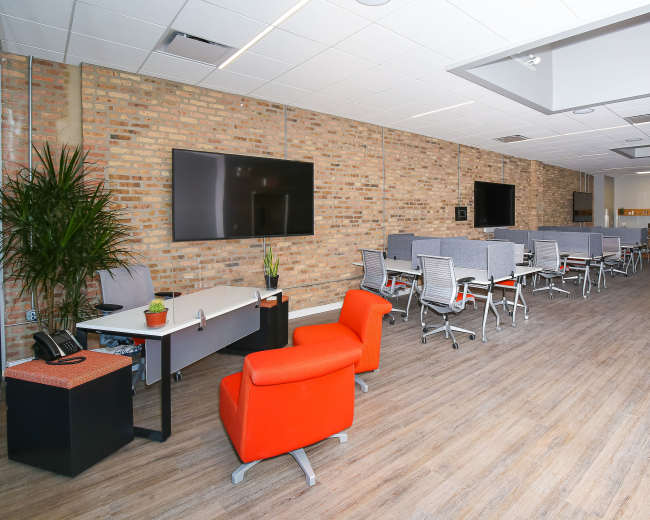
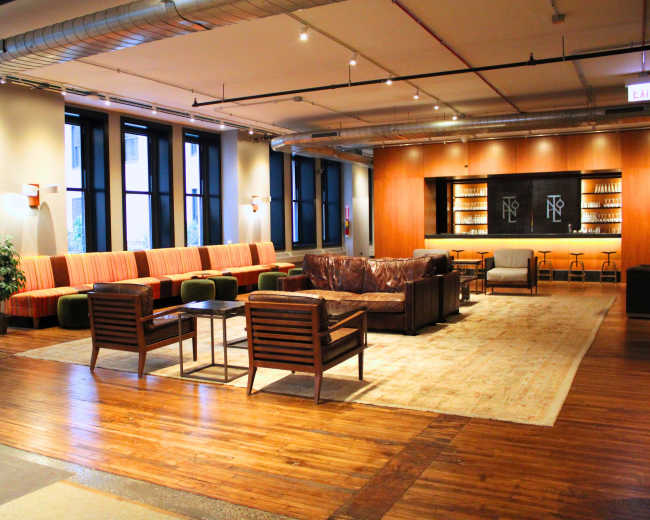
Mox.E Coworking
Serving the Gary, IN area5.0 (2)
35 guests
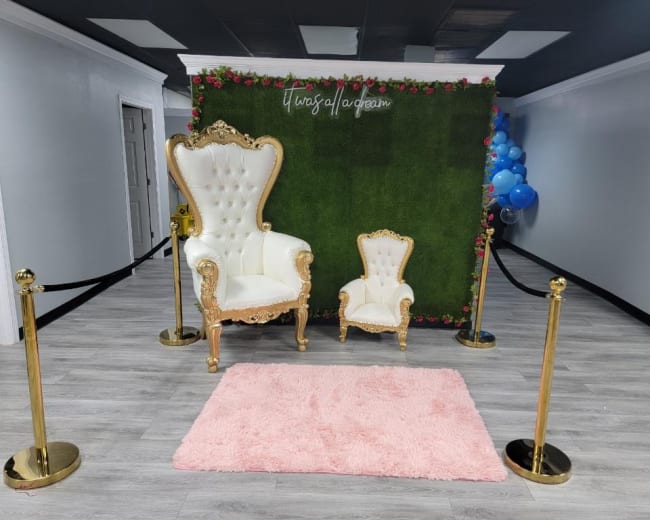
Creative & Elegant Events
Serving the Gary, IN area100 guests
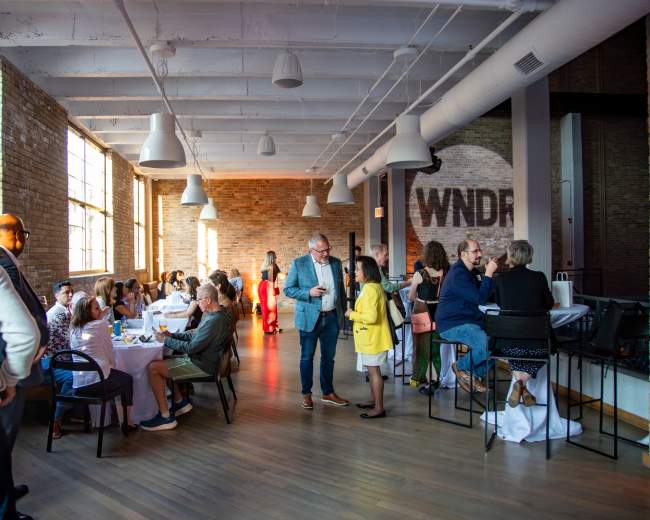
WNDR Museum
Serving the Gary, IN area800 guests
Millionaires Mansion
Serving the Gary, IN area500 guests
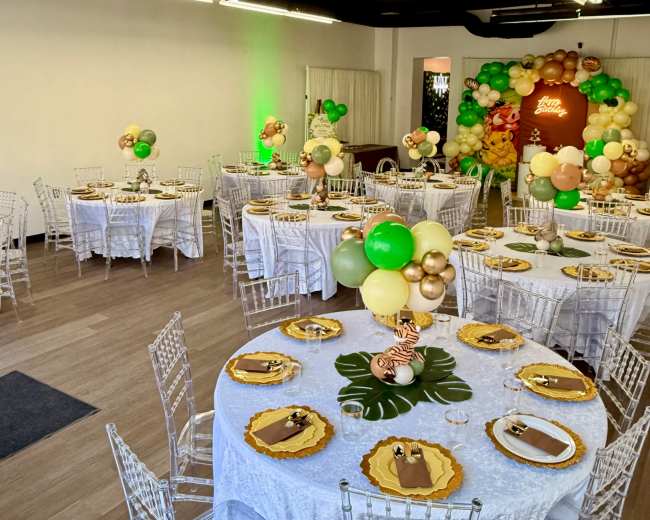
Beachem's Blissful Events
Serving the Gary, IN area5.0 (16)
64 guests
Creator Space
Serving the Gary, IN area5.0 (2)
50 guests
MM&E Banquets & Events
Calumet Township, Gary, IN250 guests
MM&E Banquets & Events
Calumet Township, Gary, IN180 guests
realSPACE
9.8 miles from Gary, IN4.8 (12)
150 guests
Unique Private Event Venue at Music and Design Lifestyle Store
Serving the Gary, IN area5.0 (1)
35 guests
Chrome Corner
Serving the Gary, IN area5.0 (2)
40 guests
SAUCE Studio
Serving the Gary, IN area5.0 (6)
50 guests
MAE Studio
Serving the Gary, IN area4.7 (17)
45 guests
Chill’d
Serving the Gary, IN area65 guests
Grace Episcopal Church
Serving the Gary, IN area4.9 (21)
100 guests
Vault Gallerie
Serving the Gary, IN area5.0 (134)
200 guests
Pilsen Cafe & Event Space
Serving the Gary, IN area5.0 (7)
45 guests
Sophisticated Event Venue in the Heart of Chicago
Serving the Gary, IN area200 guests
1 Events at One East Wacker
Serving the Gary, IN area5.0 (1)
136 guests
Centre Court Productions
Serving the Gary, IN area5.0 (31)
125 guests
GT Studio
Serving the Gary, IN area4.9 (63)
80 guests
Hangout Lighting
Serving the Gary, IN area4.8 (53)
150 guests
Full-service Event space located in Humboldt Park
Serving the Gary, IN area4.9 (30)
55 guests
Beautiful BYOB Event Space | Elegant | Stylish | Contemporary
Serving the Gary, IN area4.9 (921)
80 guests
Event Space with Wooden Floors
Serving the Gary, IN area4.9 (50)
50 guests
Versatile Stage for Shows & Private Events
Serving the Gary, IN area4.9 (9)
150 guests
Luxury & Trendy Event Space: Burr Ridge Village Center
Serving the Gary, IN area50 guests
Bloom Events
Serving the Gary, IN area550 guests
Umoja Studio
Serving the Gary, IN area5.0 (1)
30 guests
New Event Space | Tables Chairs Included | Free Hour
Serving the Gary, IN area4.9 (111)
50 guests
Beautiful Event Space In Evanston | North Side Chicago by
Serving the Gary, IN area5.0 (5)
60 guests
Beautiful Luxury Spa and Event Venue
Serving the Gary, IN area5.0 (1)
30 guests
NLI Events
Serving the Gary, IN area5.0 (3)
75 guests
Suburban customizable event space
Serving the Gary, IN area5.0 (21)
144 guests
Corporate Events and Training Center
Serving the Gary, IN area185 guests
Pricing and popularity information in this section is based on proprietary Peerspace booking data, reflecting recent booking activity and the latest data available through June 2026.
Saturdays are the most popular day for booking event venues in Gary. For those seeking a deal, consider booking Thursday and Sunday as these days are 8% cheaper on average.
Our local hosts have welcomed 1273732 people into their event venues with reviews averaging 4.94 stars. Most even said they would book again -- about 97%.
Event venues in Gary average $349 per hour to rent, but it’s easy to spend less or more depending on what you’re looking for. For a space on the smaller side, expect to spend closer to $166, whereas larger venues run about $900 per hour.
Most event venues are scheduled for 5 hours, with 92 people in attendance. You’ll find the most Events starting between 2:00 PM and 3:00 PM.


