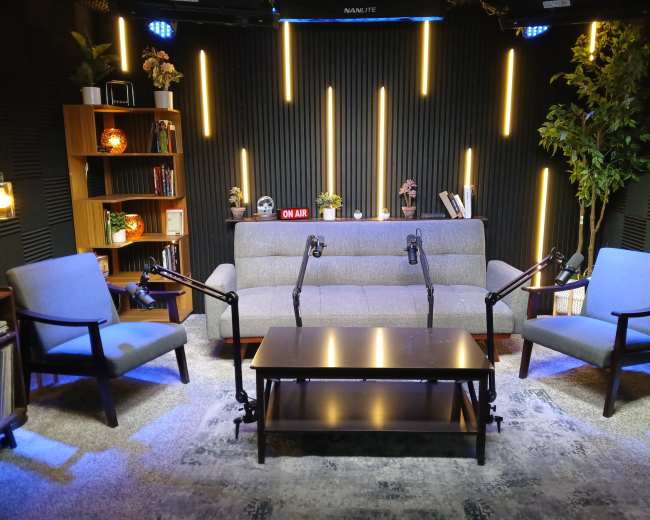
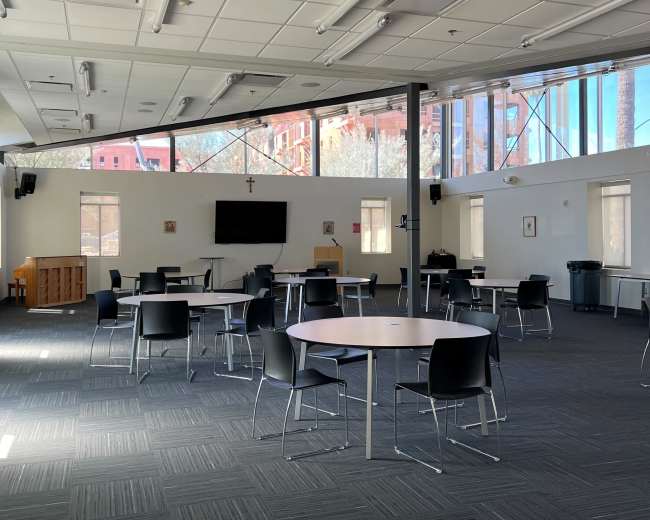
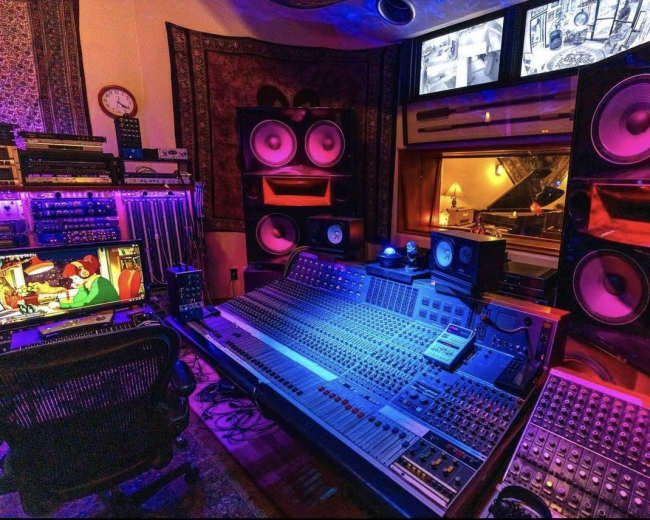
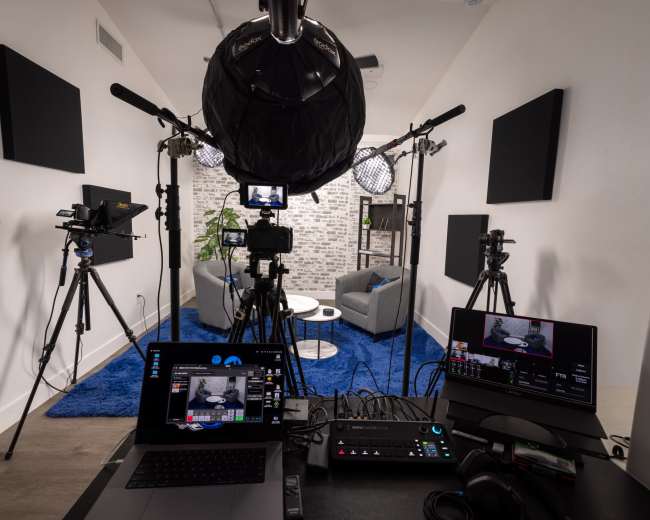
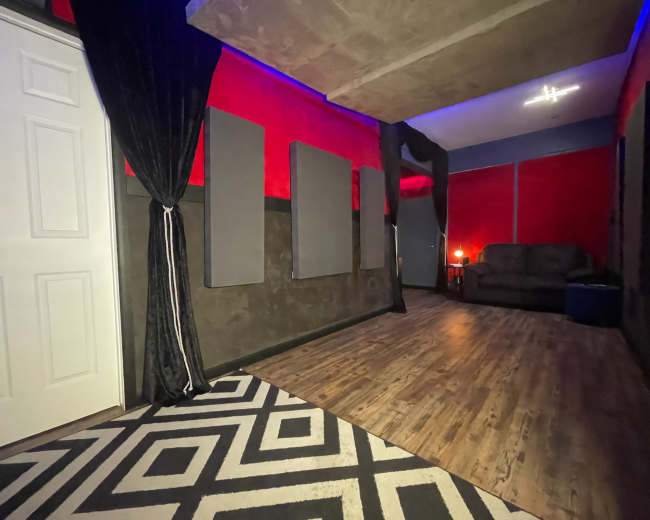
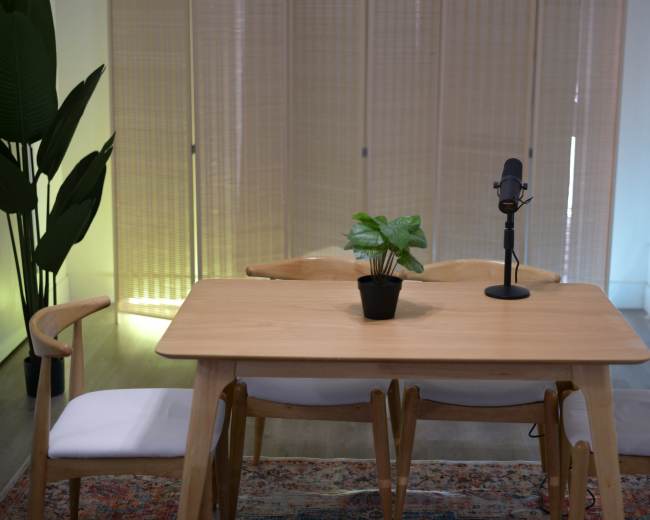
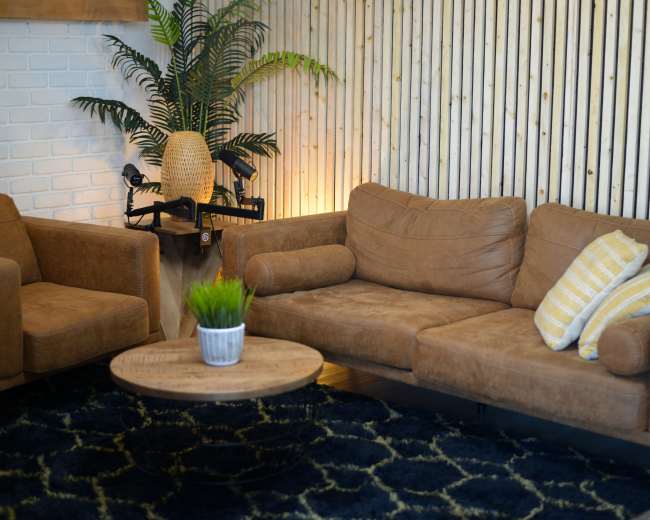
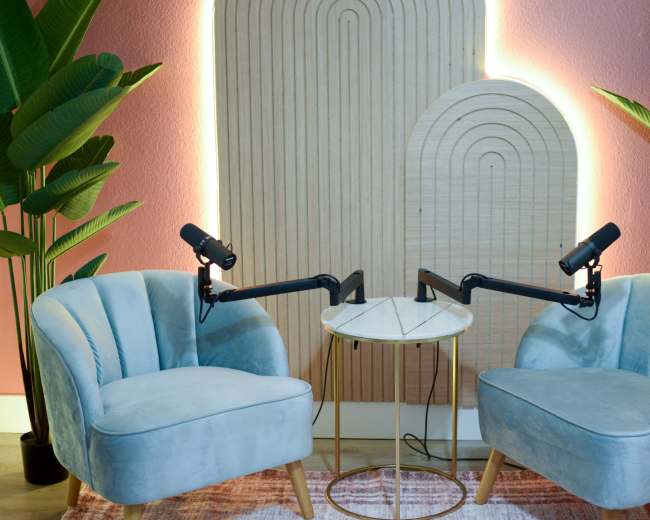
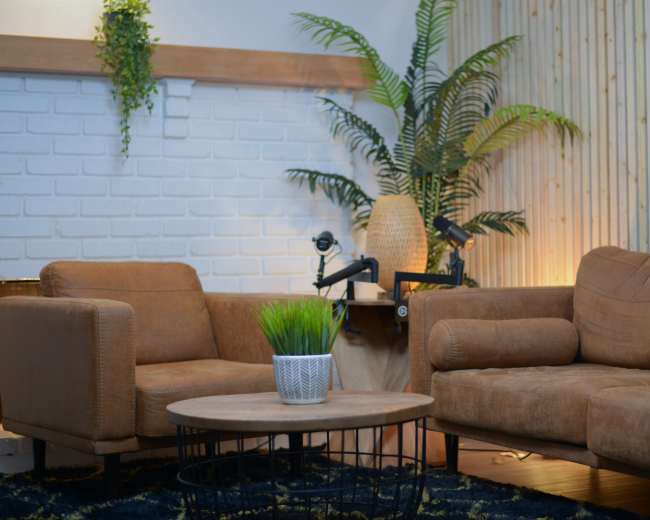
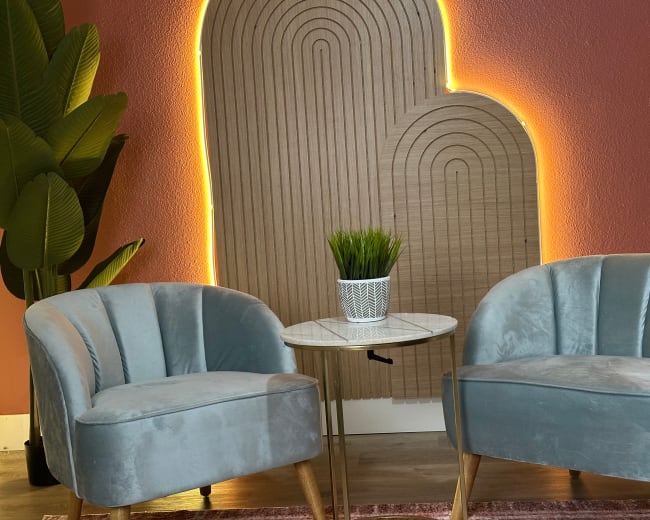
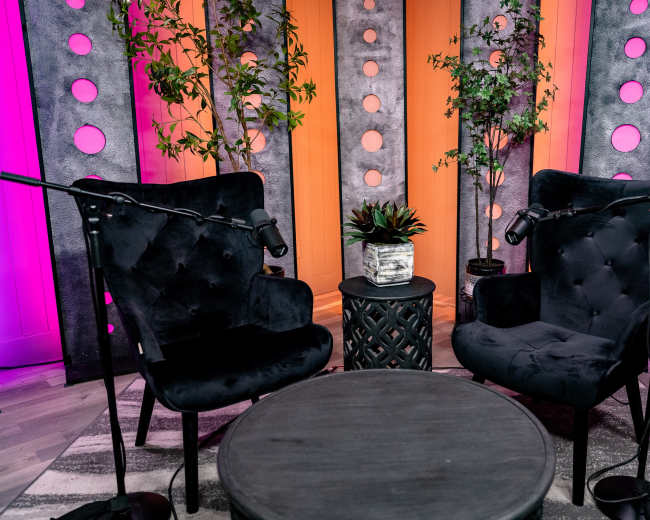
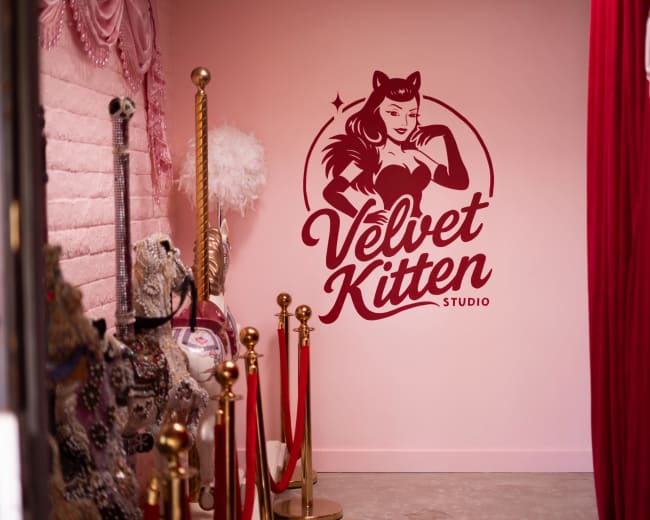
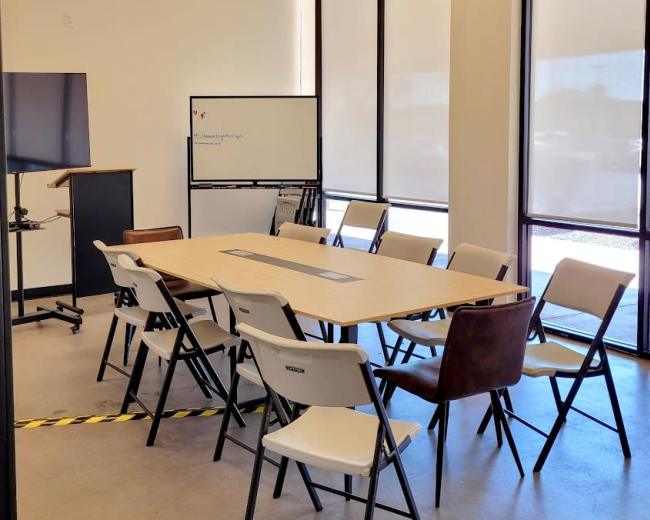
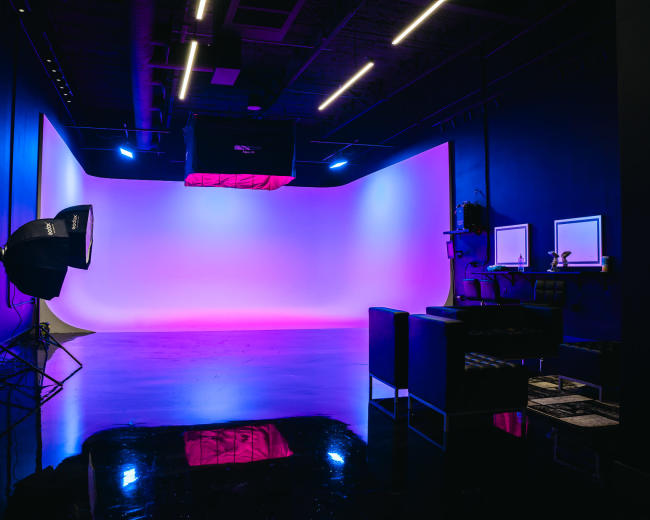
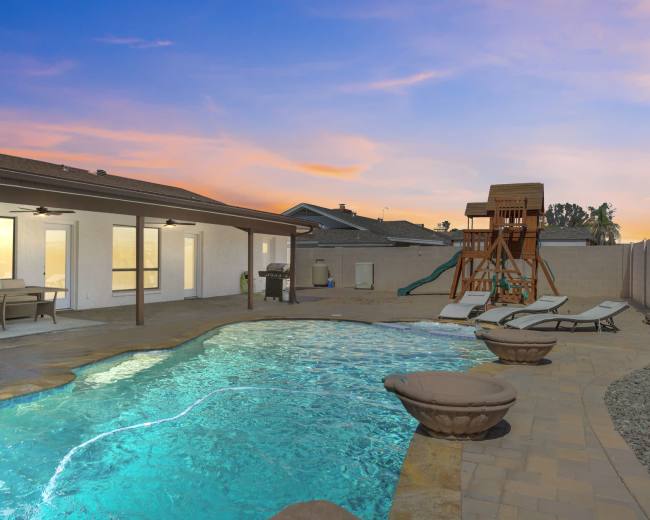
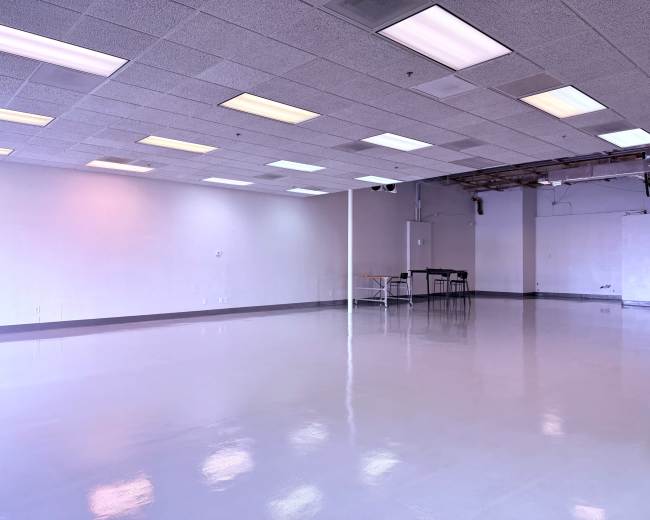
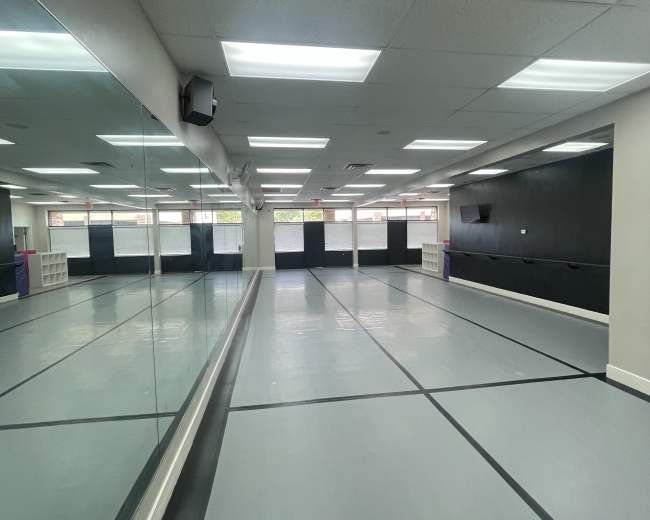
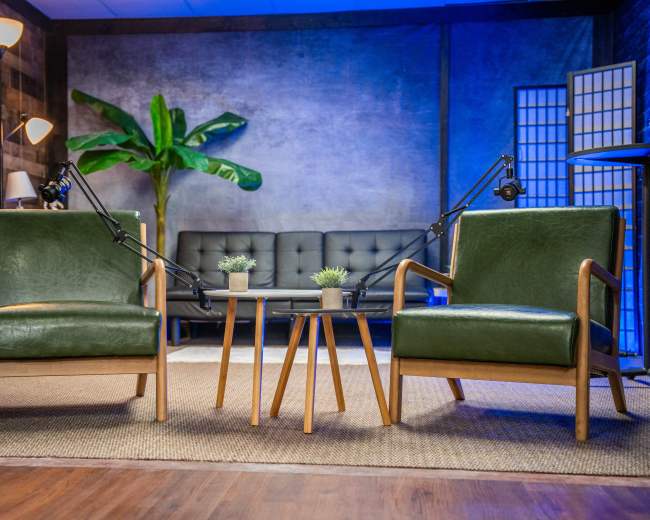
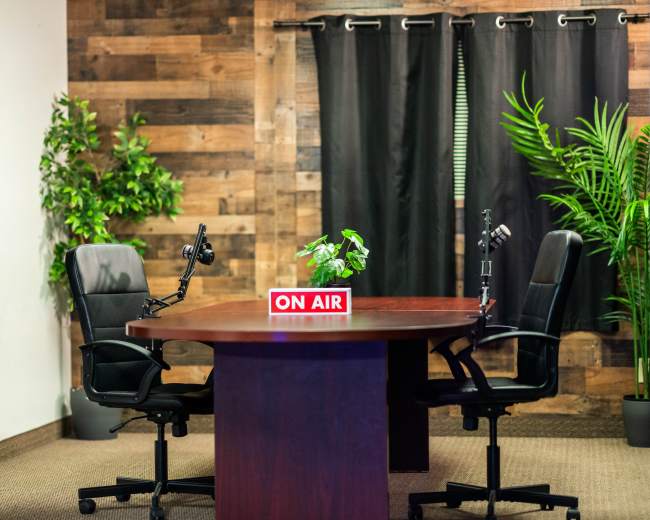
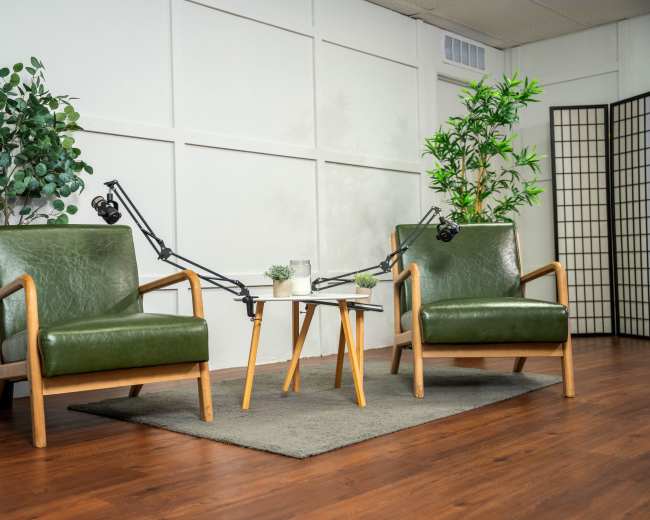
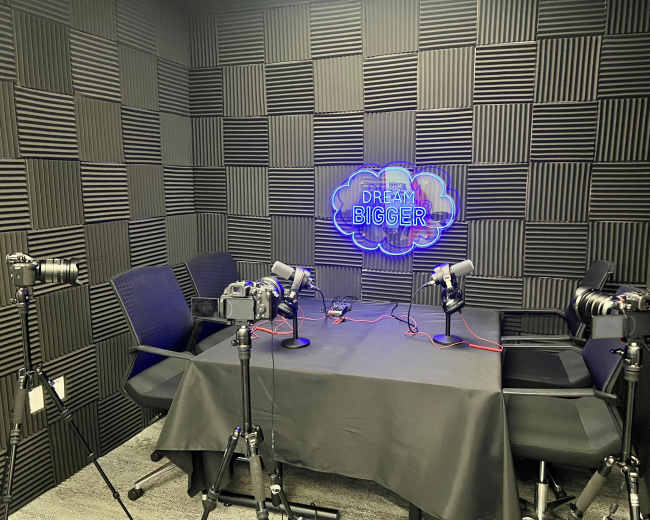
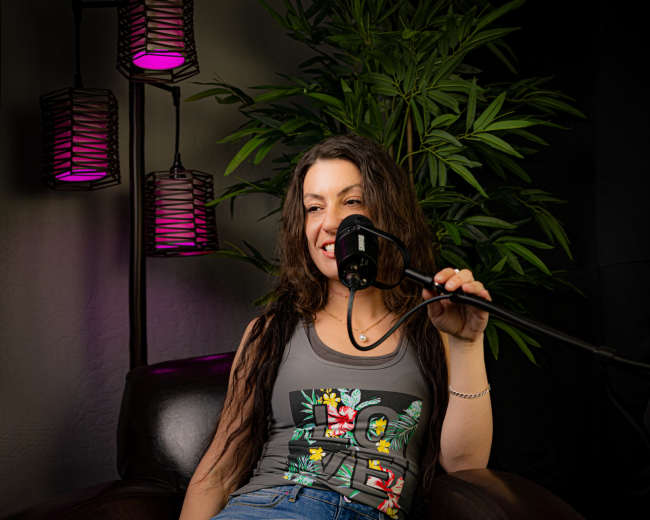
If this is a true event rather than a simple recording session, a paid studio or paid event space is usually the safer choice.
A free venue can work for a casual meetup, a small community conversation, or a low-stakes listening party. But once you add an audience, multiple speakers, video capture, sponsorship expectations, or a fixed run-of-show, the risks go up quickly.
The tradeoff is simple: a free venue may save money upfront, but it can cost you more in time, stress, and production problems if you have to solve every issue yourself.
Choose a free venue only if all of this is true:
- The event is small: Invite-only and easy to manage.
- The audio doesn't need to be pristine: This works better for a meetup, workshop, or informal community discussion than for a release-ready recording.
- The venue already supports events: You have enough seating, outlets, restrooms, parking, and clear permission to host.
- You can absorb unpredictability: Expect possible noise bleed, inconsistent lighting, or a less polished backdrop.
Choose a paid podcast studio or paid venue if any of this applies:
- You're recording for release: This matters even more if video is part of the plan.
- You have sponsors, clients, or a brand reputation to protect: Professional infrastructure reduces avoidable risk.
- You expect a larger group: Capacity, flow, and comfort become much more important as attendance grows.
- You need a run-of-show that stays on time: Paid spaces are usually better equipped for this.
- You may need permits, insurance, amplified sound approval, or extra setup and cleanup time: These details are easier to manage in a venue built for events.
Common red flags with free spaces include unclear permission, limited power, poor acoustics, weak climate control, no backstage area, and vague cleanup rules.
Pro tip: If you're comparing event-capable spaces on Peerspace, message the host before booking and confirm the full event window, including setup and teardown, attendee count, parking, sound rules, and whether permits or insurance may be needed. You can
browse event venues to compare spaces that are specifically set up to handle larger groups and production needs. Then save your finalists to a Board so your team can compare vibe, flow, and logistics side by side before choosing.
The simplest rule is this: free is best for experimentation, while paid is best for execution. If the success of the event depends on how it sounds, feels, and runs, invest in the space that supports the outcome you want.