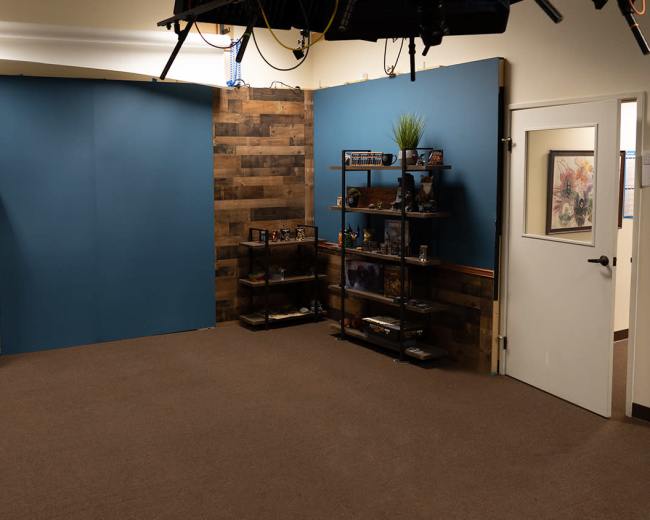
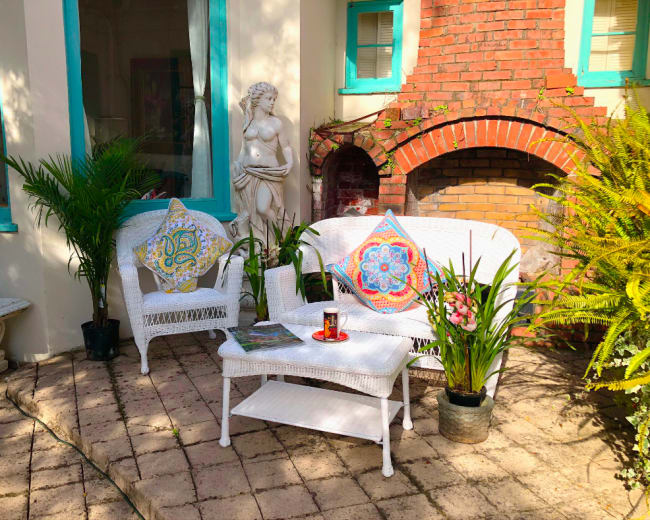
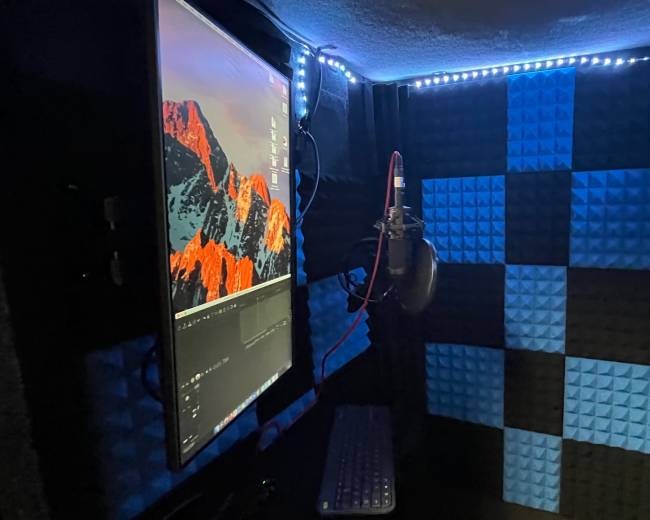
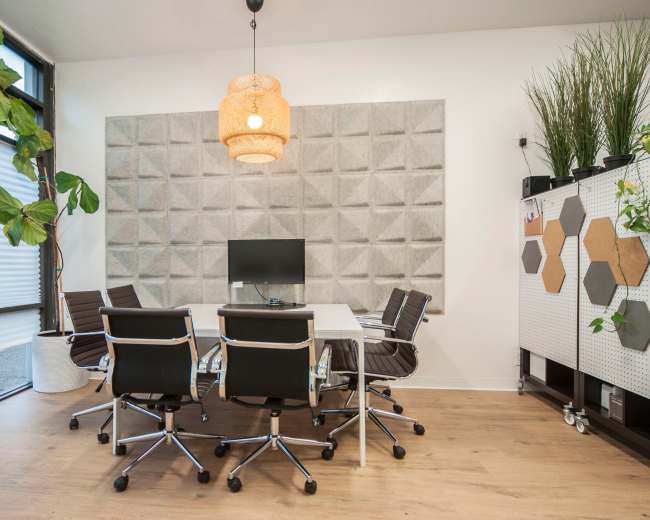
- Basic audio room: About $100 to $220 total
- Midrange podcast studio: About $280 to $360 total
- Premium video studio: About $500 to $600 and up
How podcast rooms work on Peerspace
Peerspace is the easiest way to book unique for all kinds of productions including photo shoots, film shoots and music videos. We also have spaces for meetings and events.
The most locations
Every day we uncover new, inspirational spaces, including podcast rooms, perfect for your activity.
Professional hosts
Our network of helpful hosts respond quickly, and are well-versed in accommodating all types of productions, including film and photo shoots.
Hire by the hour
Only pay for what you need. Pay by the hour for your podcast room location without worrying about hidden fees or overtime.
Popular podcast studios
Residential Home Studio with Stobe and Window Light
Mayglen - Little Rock, San Jose, CA7 guests
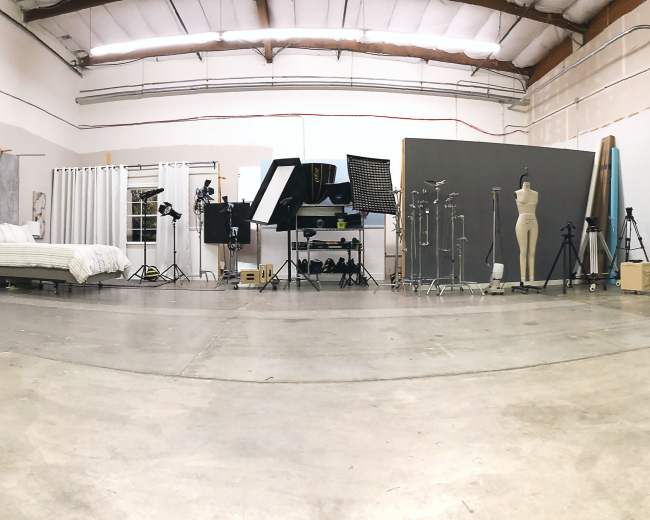
Quaint small space studio. Perfect for portrait, headshot sessions and product product photography. The room has hardwood floors; east and west window light. There are 2 Full and one half step apple box, AD200 lighting kit (single head), a small selection of backdrops with background…
...
From
$70
/hr
1 hr min
Fully Equipped Photography Studio
Central San Jose, CA5.0 (1)
6 guests
Studio Rogue features a 13'x32' shooting area and make-up/changing station, as well as a 9'x5' storage area. The studio has ceilings over 15' high and the entire interior is painted white. The rental includes not only the space but a copious set of gear, including:…
...
From
$70
/hr
2 hr min
Santa Clara / San Jose Large 1800 sq. ft. Photo & Video Studio with 14 foot ceilings
Santa Clara, CA5.0 (50)
40 guests
We have a really unique photo/video studio space with large white walls, dimmable daylight balanced {5500K} LED lights across the whole space, a garage door opening in the back, 14 foot tall ceilings, a newly remodeled hair and make up/dressing room, surround sound audio, and…
...
From
$95
/hr
2 hr min
Creative Studio Space for Photographers and Videographers In Santa Clara
Santa Clara, CA79 guests
Welcome to Burgundy Suite, a creative studio space in Santa Clara. We are only two miles away from San Jose Mineta International Airport. The studio space features a 40’x18’ production space with a 10’ high ceiling, concrete flooring and a 35’ wide white wall. There…
...
From
$100
/hr
2 hr min
Contemporary Dance Studio with Modern Lighting
Sunnyvale, CA5.0 (9)
70 guests
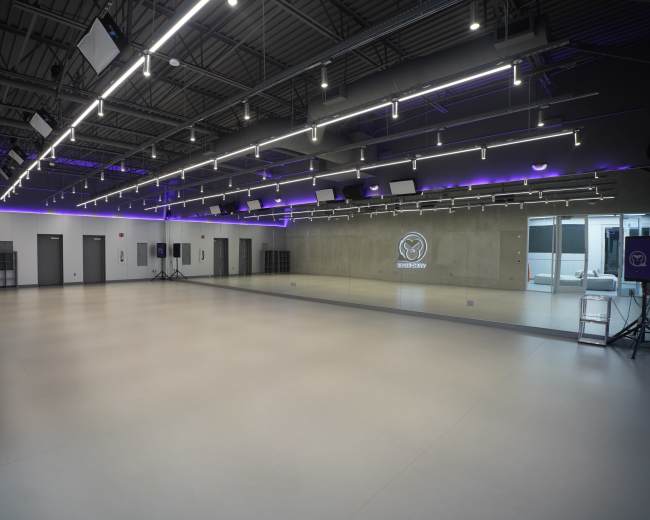
A modern, multi-use studio in Sunnyvale, CA designed for dance, fitness, workshops, photo shoots, video production, and small events. The flexible layout and customizable lighting allow you to easily transform the space to match your vision — from bright and clean to moody and cinematic.…
...
From
$80
/hr
1 hr min
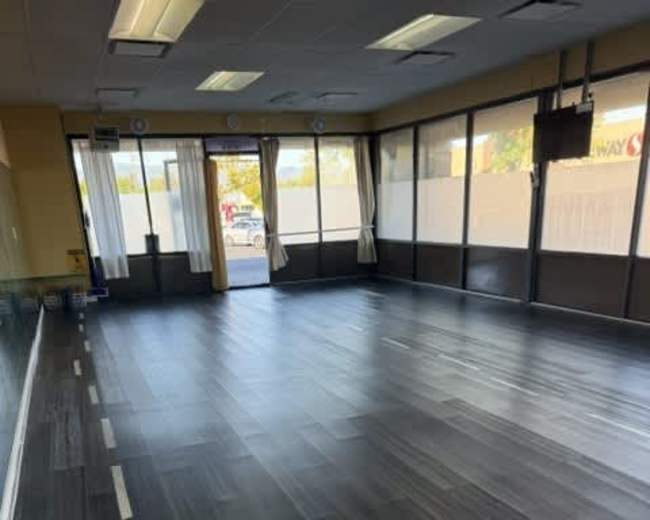
Beautifully Appointed Fitness/Dance/Yoga Studio Room
Downtown, CAMPBELL, CA5.0 (389)
18 guests
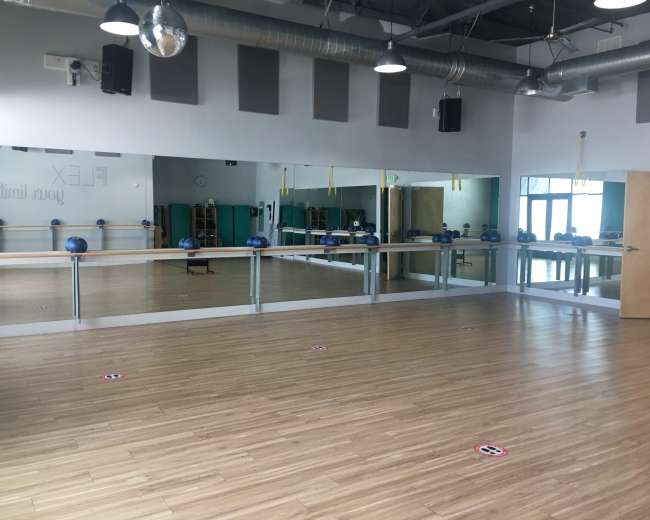
Our smaller studio room for rent is loaded with amenities! The room has wood floors and large mirrors on one wall. The opposing wall has plenty of windows for natural light, as well as sheer privacy curtains. Recessed into the adjacent wall is a shelving…
...
From
$55
/hr
1 hr min
A photography studio for the modern photographer
Central San Jose, CA4.9 (203)
6 guests
This 18'x23' space features white walls and a ceiling measuring around 12.5' high. The space features a make-up station and a cyc wall. A copious list of gear comes standard with the rental. GEAR LIST 3x Flashpoint Evolv ad200 strobes 1x Flashpoint Evolv ad600 Pro…
...
From
$70
/hr
2 hr min
Studio
Milpitas, CA24 guests
Our studio is designed for photographers, content creators, and small production teams. The open layout features multiple stylish backdrops, professional softbox and umbrella lighting, and a clean modern look with LVP flooring and high ceilings. The space includes a cozy lounge area, comfortable seating, and…
...
From
$89
/hr
2 hr min
Centrally Located Fitness/Ballet/Barre/Yoga Studio Room near Downtown Campbell
Downtown, CAMPBELL, CA5.0 (546)
40 guests
This beautiful studio room is the crown jewel of our multi-award-winning studio. Large and spacious, with high ceilings and industrial fans. Large mirrors cover two walls, and barre railings are fixed to three of the four walls. Double doors open to the back parking lot,…
...
From
$60
/hr
1 hr min
Video Studio and Conference Room in Silicon Valley
Santa Clara, CA4.9 (189)
80 guests
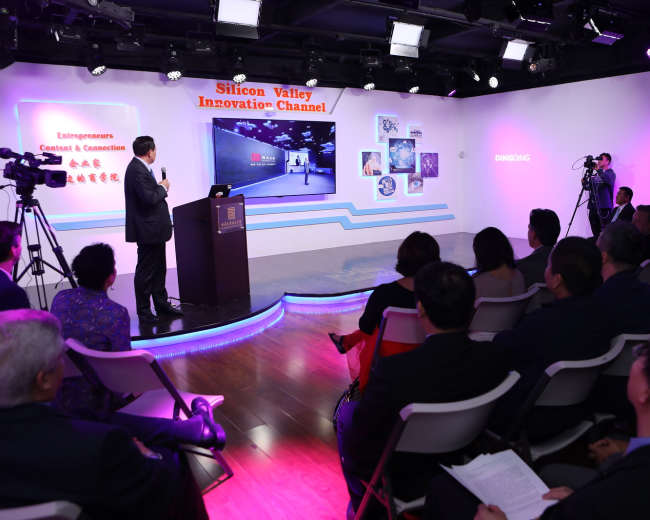
** This is a single-floor office building at the center of Silicon Valley. The rentable area is about 2,000sf professional video studio, which is perfect for Birthday Parties, Small Weddings, Baby showers, Workshops, Portrait Sessions, Product Shoots, Fashion Shoots, Creative Projects, Hybrid Meetings, and the…
...
From
$89
/hr
4 hr min
Modern Dance Studio in Cupertino
Cupertino, CA40 guests
Welcome to a modern, upscale dance and creative studio designed for rehearsals, dance classes, fitness sessions, workshops, auditions, photo and video productions, and private events. The venue features three versatile studios (approximately 1,800 sq ft, 800 sq ft, and 460 sq ft), allowing you to…
...
From
$150
/hr
1 hr min
PHOTOGRAPHER'S DREAM STUDIO! (Multiple Backgrounds)
Santa Clara, CA4.9 (481)
20 guests
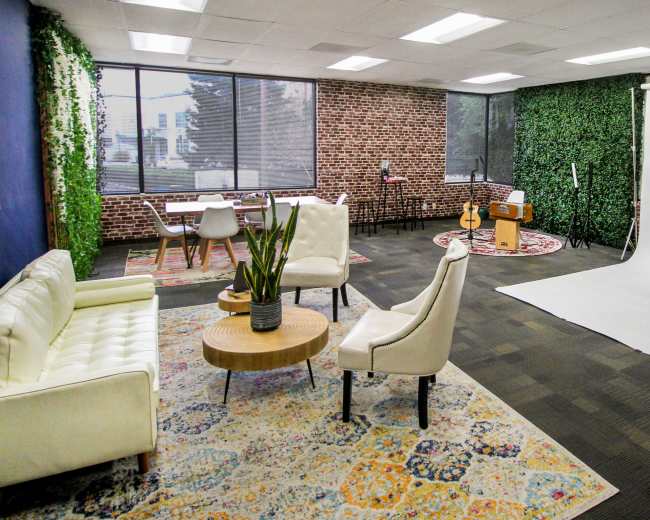
We have an amazing studio with many backgrounds and tons of daylight. Our beautiful backgrounds include: BACKGROUNDS: - Beautiful Wisteria Wall - Lush Green Leaf Wall - Acacia Office Table Setup - Creative Sofa Artistic Space - Black and Gold Office (ask in advance if…
...
From
$90
/hr
2 hr min
Uniquely located minutes from Downtown Campbell.
Colonial, San Jose, CA5.0 (5)
5 guests
Audio production and recording capabilities are available. State of the art sound and recording. This facility can also be used for photo shoots, video shoots , podcast background ,movie scenes, music meetings and much more. Side note this was also former studio of the The…
...
From
$35
/hr
3 hr min
Santana Row Content House
Central San Jose, CA5.0 (2)
6 guests
This Penthouse is equipped with everything you need to produce professional content. (Excluding Camera) Shooting on anything from a smart phone to a cinema camera will yield a professional and well-lit image, video, or podcast type production!
...
From
$150
/hr
1 hr min
SJ Photo Studio w/ Lighting & Equipment
Central San Jose, CA5.0 (53)
15 guests
The ideal space for creative collaborations in San Jose! 👀 LIGHTING PROVIDED This space is perfect for creative 📸 photo shoots, 🎬 video shoots, 🎙️ podcasts, AI avatar, interviews, social media content, 🎉 small events and more. 🔆 Plenty of natural light if you want…
...
From
$80
/hr
2 hr min
Secluded Silicon Valley 3,000 sq ft of commercial grade recording studio in a 4,000 sq ft ranch style home.
Morgan Hill, CA20 guests
Silicon Valley commercial recording studio only a 25 min drive from SJC Int'l Airport. Two 500 sq ft studios, plus four connected control rooms for recording/editing/mixing/mastering. Studio A features a 7' 1901 Steinway grand piano. Studio B features a 6'x5' isolation booth. Both studios are…
...
From
$95
/hr
4 hr min
Downtown Photography Studio
Central San Jose, CA30 guests
This versatile creative space is designed for production. What Works Well Here Photo + Video Production: Large open rooms, high ceilings, bright overhead lighting, neutral walls, and seamless floors make it easy to set up backdrops, lighting, and camera gear. Listening Parties + Screenings: The…
...
From
$65
/hr
2 hr min
High ceiling Photo Studio in Los Gatos
Los Gatos, CA5.0 (1)
12 guests
This premium studio offers a refined, design-forward environment tailored for elevated content creation, commercial productions, and high-end brand work. Ideal for: • Luxury brand campaigns and editorial shoots • Commercial photography and video production • High-end product and e-commerce content • Executive portraits and personal…
...
From
$175
/hr
2 hr min
Women-Owned Podcast Studio Downtown
Central San Jose, CA4.5 (2)
4 guests
Welcome to our women-owned and operated podcast + video studio in the heart of Downtown San Jose’s Arts District—a creative space built by creators, for creators. Whether you're launching a new show, recording interviews, or capturing branded content, our studio delivers high production value without…
...
From
$75
/hr
2 hr min
A Warm, Professionally-Equipped Home Podcast Studio
Central San Jose, CA4 guests
This space is ideal for podcast recording, interviews, video podcasts, coaching sessions, and intimate content creation. The studio features a comfortable two-person conversational layout with a plush oversized chair and a mid-century accent chair, positioned for clean audio capture and camera-ready framing. Acoustic felt slat…
...
From
$50
/hr
2 hr min
Spacious Modern Yoga & Wellness Studio in San Jose
Branham - Kirk, San Jose, CA30 guests
Our welcoming San Jose yoga studio is ideal for yoga classes, meditation, stretching, wellness workshops, private instruction, and instructor training. It also provides a setting for fitness photography and wellness content creation. The main practice room offers an open layout that can accommodate group sessions…
...
From
$60
/hr
1 hr min
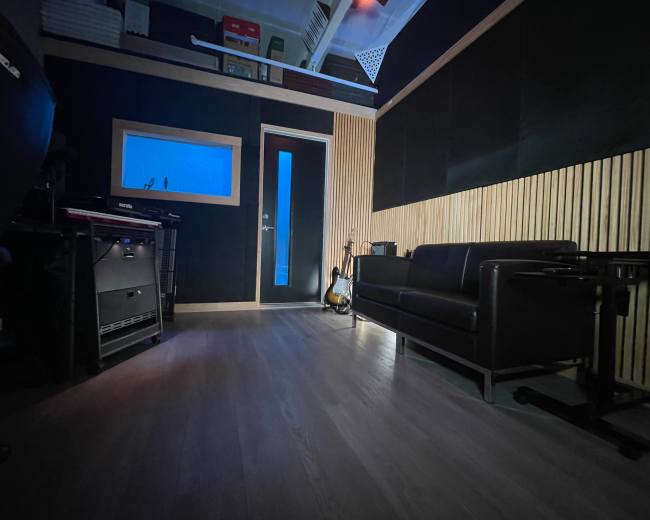
Private Recording Studio
Central San Jose, CA5.0 (2)
30 guests
Welcome to 7Eighty, our San Jose creative studio—built for artists, brands, and storytellers. The space features a fully equipped recording studio for vocals, podcasts, and music production, plus a versatile area for various content mediums. Clean, comfortable, and creator-friendly, it’s ideal for sessions, small productions,…
...
From
$65
/hr
2 hr min
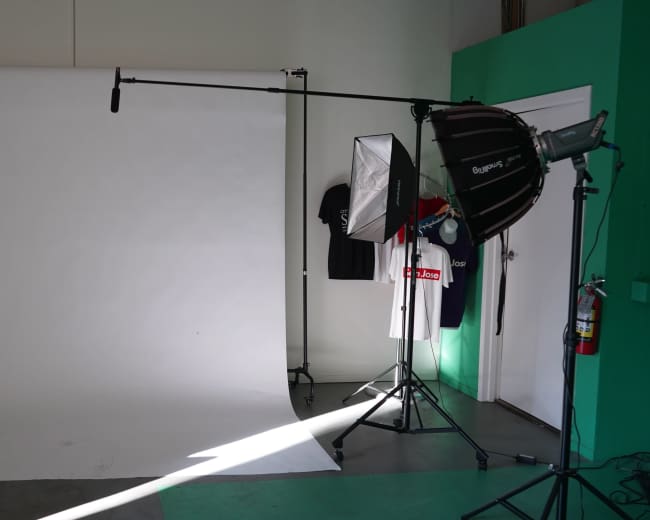
photo/video studio with green screen walls and floor
The Plant, san jose, CA5.0 (8)
50 guests
The studio has a roll up door for easy access to pull vehicles in and makes loading and unloading easier. There is a 12x17 ft, green screen, a 8x10 ft white back drop for photography, a podcast production area, a changing room/green room and bathroom.…
...
From
$75
/hr
2 hr min
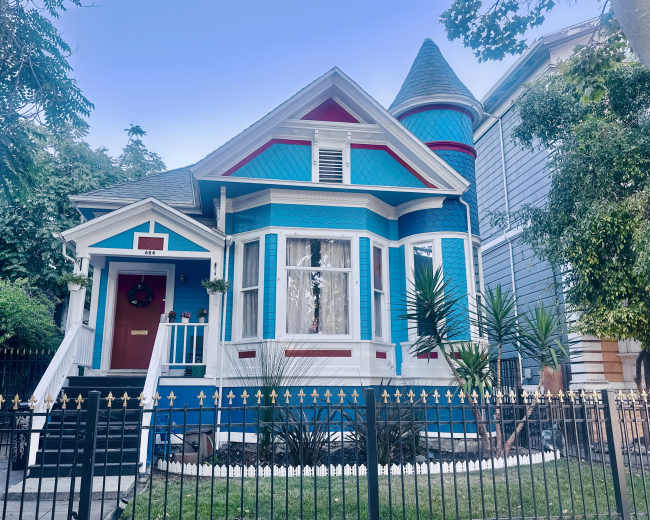
Historic Victorian Home Turned Event Space in Downtown San Jose
Central San Jose, CA30 guests
PowerHouse is a proudly woman-owned, vibrant Victorian bursting with color and creativity. This unique space offers a mix of cozy breakout rooms, a sunlit main living room perfect for workshops, and a fully equipped media production studio. It’s ideal for creative off-sites, photo/video shoots, and…
...
From
$200
/hr
3 hr min
San Jose Recording Studio with Steinway Piano
Berryessa, San Jose, CA48 guests
This elegant North San Jose studio is designed for music, recording, intimate performances, lessons, workshops, auditions, content creation, and small private events. The space works especially well for classical musicians, vocalists, instrumentalists, teachers, coaches, students, and creatives who need a polished, professional environment with high-quality…
...
From
$150
/hr
1 hr min
Blank Canvas, Bring Your Vision To Life!
Santa Clara, CA5.0 (7)
100 guests
Welcome to Burgundy Suite Studios – where your vision comes to life. Located in South Santa Clara, just two miles from San Jose Mineta International Airport, our studio offers a versatile 2,400 sq ft production space featuring: • 40’ x 20’ floor area with 10’…
...
From
$60
/hr
2 hr min
Premier High-Tech Venue for All Sizes Corporate Events, Celebrations & Live Performances – Seats Up to 450
Castlemont, San Jose, CA450 guests
Located in the heart of Silicon Valley, just west of San Jose, this state-of-the-art event center offers the perfect venue for corporate events, private parties, live performances, and entertainment experiences. Conveniently situated near Highway 280 at the Winchester Boulevard exit, the venue is only half…
...
From
$980
/hr
4 hr min
Banquet Hall with Enclosed Outdoor Courtyard
Central San Jose, CA4.0 (1)
120 guests
Venue for private parties & events! Add on such as DJ service, bar and chef on site is through vendors of your choosing or our referral. Venue is approximately 10 min walk to San Jose Convention Center in the heart of downtown. Venue is equipped…
...
From
$250
/hr
10 hr min
Photography, Video, Studio day
Baylands, Fremont, CA5.0 (7)
20 guests
Sync Studio Space is your off-site production hub and so much more. 1900plus sq ft of open studio space (36 feet by 54 feet and 20ft ceilings) for your photo or video needs. In house equipment as well as Backdrops and paintable sets for videographers…
...
From
$80
/hr
4 hr min
Vibrant Plant Lounge Perfect for Intimate Events & Workshops
Downtown, Campbell, CA12 guests
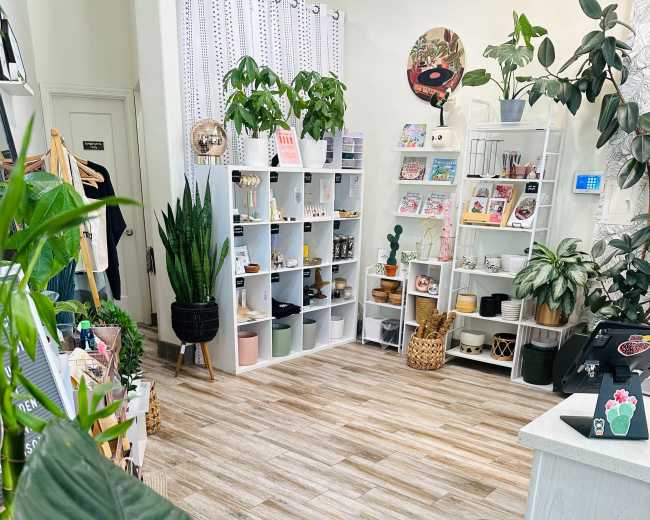
Step into a vibrant, cozy, and thoughtfully curated space where creativity, connection, and calm thrive. Momstera Lounge is a boutique plant shop and community lounge that doubles as a beautifully styled backdrop for events, content creation, and mindful gatherings. Perfect for: - Creative workshops and…
...
From
$188
/hr
1 hr min
Large Video & Photo Studio in Fremont, CA
Cameron Hills, Fremont, CA5.0 (6)
100 guests
Our studio is located in the East Bay Area of San Francisco, Fremont, CA. Near 680 and 880 freeways. 5 min away from shopping centers, restaurants and Warm Springs/South Fremont Bart Station. The space is perfect for video shoots, photo shoots, events, classes, and workshops.…
...
From
$300
/hr
2 hr min
Modern & Industrial style house in Mountain View ideal for photo or film shoot
Mountain View, CA5.0 (58)
20 guests
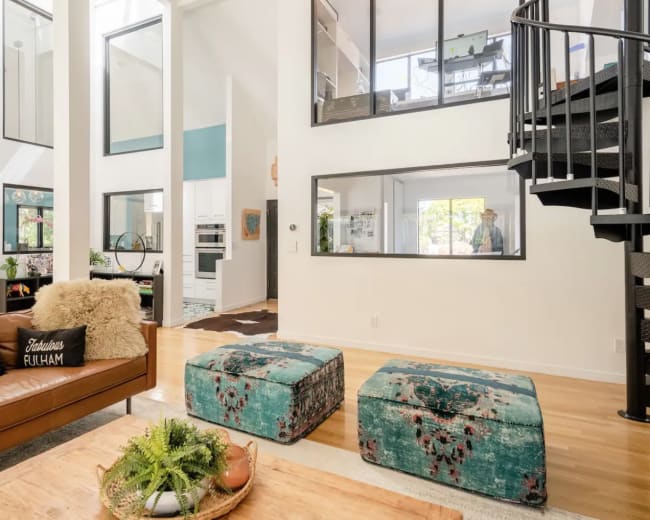
Remodeled by a French designer, this house offers a striking industrial-modern setting for film and photo shoots, commercials, editorial campaigns, and digital content creation. Its open layout and abundant natural light create a versatile, visually compelling backdrop with excellent depth of field, offering a distinct…
...
From
$160
/hr
3 hr min
Quiet photo and video studio with lighting grid
Baylands, Fremont, CA5.0 (4)
10 guests
The Radium Pictures studio is intimate and quiet with a 18x24ft space. Our XR LED volume takes up 2ft from each side with 16x22 remaining for use without the LED volume. This rental does NOT include the video wall. We have a blue and wood…
...
From
$100
/hr
2 hr min
Sunlit Mediterranean Home & Studio for Film & Photo Shoots
Monte Sereno, CA5.0 (8)
30 guests
Sunlit Mediterranean Home & Studio for Film & Photo Shoots About the Space Welcome to Fairy Hill Home Studio—a sun-drenched Mediterranean villa and luxury production estate in Monte Sereno, CA. Conveniently serving San Jose, Los Gatos, Silicon Valley, and the broader San Francisco Bay Area,…
...
From
$250
/hr
3 hr min
Fremont Whisper Room Self-Record Audio Booth with Reaper Software
Baylands, Fremont, CA5.0 (4)
4 guests
This Whisper Room SE is located in a quiet office space and is set up for either self recording, or recording with an audio engineer. The primary use of this booth is for Voice Acting, Voice Over, and Audio Book Narration. It features an included…
...
From
$50
/hr
2 hr min
Modern and Bright Production Room
Mountain View, CA4.9 (264)
6 guests
Perfect for filming interviews, podcasts and other production type needs. This 250 sq ft conference room is equipped with a large glass white board, 32" HD monitor and floor to ceiling windows. The room has a private entrance from the street, ground floor entry. You…
...
From
$50
/hr
2 hr min
How much does a podcast studio cost in San Jose?
A podcast studio in San Jose usually costs about $25 to $55 per hour for a basic audio room, $70 to $90 per hour for a strong midrange setup, and $125 to $150+ per hour for a premium video-first studio.
For a four-hour booking, a realistic San Jose ballpark looks like this:
Do I need a producer, or can I run the session myself?
You don't always need a producer. If the podcast studio is built for self-service and your setup is simple, you can often run the session yourself.
- Self-run is usually fine when: You're recording audio only, using one or two microphones, and already know how to monitor levels, start the session, and save files correctly.
- Book a producer when: It's your first time in the room, you're filming a video podcast, you have multiple guests, or you can't afford technical mistakes during the session.
- Best middle ground: Book support for your first session, learn the workflow, and decide later whether future recordings can be self-run.
How do I choose a studio that matches my brand vibe?
Choose a podcast studio that supports your brand visually, fits your format, and feels natural for your audience. The right room shapes how confident you sound, how comfortable your guest feels, and how polished your clips look.
The best fit usually comes from matching three things:
- Visual identity: Your color palette, furniture style, lighting mood, and overall brand feel.
- Format: Whether your show is solo commentary, an intimate interview, a roundtable, or a polished executive conversation.
- Audience expectation: Whether your audience expects creative energy, warm authenticity, business credibility, or a more cinematic look.
- Background: Clean lines usually read better on camera than visible clutter.
- Lighting: Warm lighting feels softer and more intimate, while neutral lighting often feels cleaner and more corporate.
- Set style: Dark, moody rooms create a different impression than bright, airy rooms.
- Furniture: Chair style and table shape affect comfort, posture, and the visual tone of the episode.
- Depth: More space behind the speakers usually creates a more polished video frame.
- Brand flexibility: Some rooms leave space for products, books, signage, or sponsor touches.
What should I ask before booking a podcast room?
Before booking a podcast studio, ask questions that protect your budget, workflow, and recording day. Most disappointing bookings come from unclear expectations, not major disasters.
Ask these questions first:
- What's included in the hourly rate, and what costs extra?
- How many microphones can be used at once?
- Is the room built for audio only, or can it handle video too?
- Is an engineer available, and is that included or billed separately?
- Does the booking time include setup, soundcheck, and teardown?
- What files will I receive, in what format, and how soon?
- Do I need to bring my own laptop, storage drive, or memory card?
- Is there predictable noise from traffic, HVAC, neighboring rooms, or shared walls?
- Is parking easy for guests, and is building access simple?
- Is there a waiting area, restroom access, and reliable internet?
- What happens if we run long, need to reschedule, or have to cancel?
- Can this setup comfortably fit my guest count on mic and on camera?
- Can I bring my own camera or extra gear?
- Do you offer clipping, editing, or same-day turnaround?
- Have you hosted executive interviews, branded content, or roundtables before?
- Can I see an unedited sample from a recent session?
- Unclear inclusions: The host can't clearly explain what the rate covers.
- No recent proof: There are no recent examples of the setup in use.
- Undefined setup time: It's not clear whether setup and teardown are part of the booking window.
- Style over acoustics: The room looks great, but there's no mention of sound treatment.
- Difficult access: Parking, entry instructions, or guest flow are vague.
- Vague file delivery: The host can't clearly explain what files you will get or when.
Which San Jose areas are best for a recording session?
The best area depends on your guests, your visual goals, and how important convenience is on recording day. In most cases, central locations are easiest to coordinate.
Here's a practical way to think about it:
- Downtown San Jose and the arts district: Strong for guest convenience, founder interviews, and shows that want a creative city feel. You can find interview rooms in Central San Jose if you are looking for a well-located space near downtown.
- Santana Row and west-side areas: A good fit for polished, lifestyle-forward video podcasts and branded content.
- South San Jose and quieter residential pockets: Useful when you want an easier pace, simpler parking, and less urban friction.
- North San Jose and the Santa Clara edge: Practical for business guests, airport access, and teams coming from tech campuses.
Should I rent a studio or record at home, a park, or beach?
If your goal is reliable, professional episodes, a podcast studio is usually the best choice. Home, parks, and beaches can work, but each option solves a different problem.
- Studio: Best for clean sound, guest sessions, video recording, and a polished result without much trial and error.
- Home: Best for frequent recording and lower long-term cost, as long as you can control noise, echo, and interruptions.
- Park or beach: Best only when the location is part of the story and you're willing to accept more production risk.
Similar searches in San Jose, CA
Updated October 6, 2026Our data is refreshed in real time using booking trends, verified guest reviews, and direct partner updates — with additional quality checks from our team.