

Sun
Mon
Tue
Wed
Thu
Fri
Sat
$100/hr$75/hr$50/hr$25/hr
Peerspace is the easiest way to book unique photo studios for all kinds of productions including photo shoots, film shoots and music videos. We also have spaces for meetings and events.
Discover SpacesEvery day we uncover new, inspirational spaces, including photoshoot studios, perfect for your activity.
Our network of helpful hosts respond quickly, and are well-versed in accommodating all types of productions, including film and photo shoots.
Only pay for what you need. Pay by the hour for your photoshoot studio location without worrying about hidden fees or overtime.
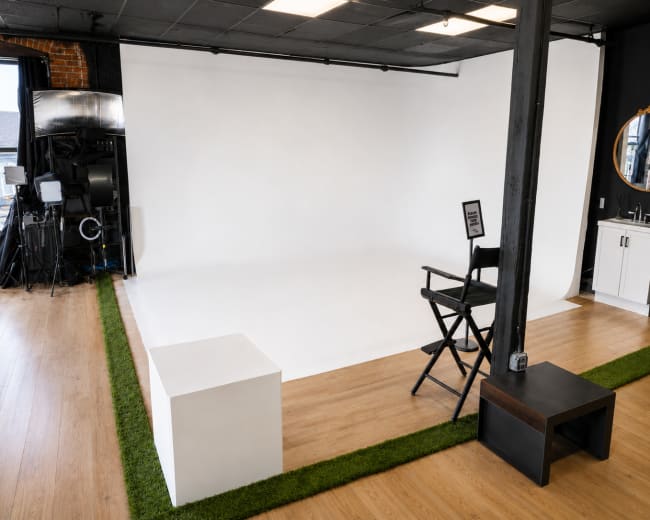
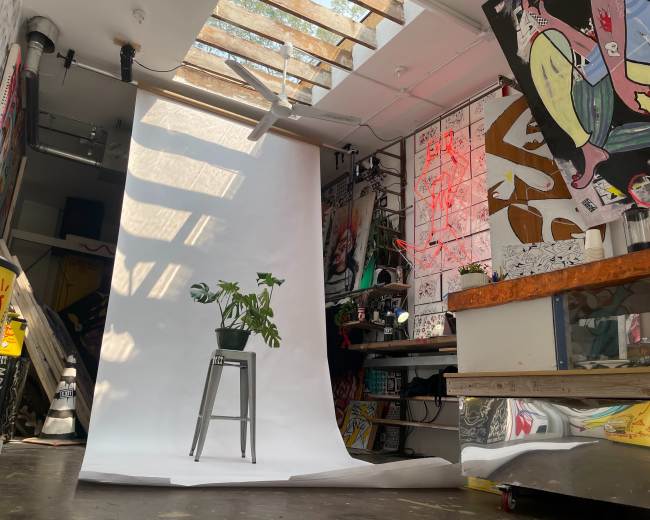
Natural Light Studio in Everett with White Cyclorama Wall for Photo, Video & Content
Everett, MA5.0 (28)
15 guests
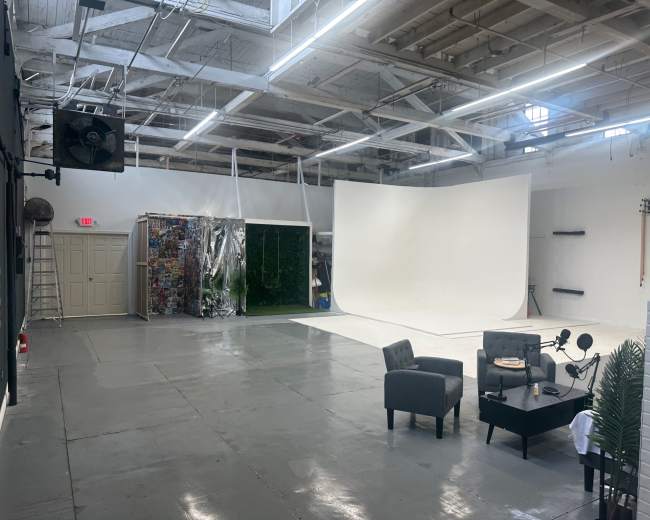
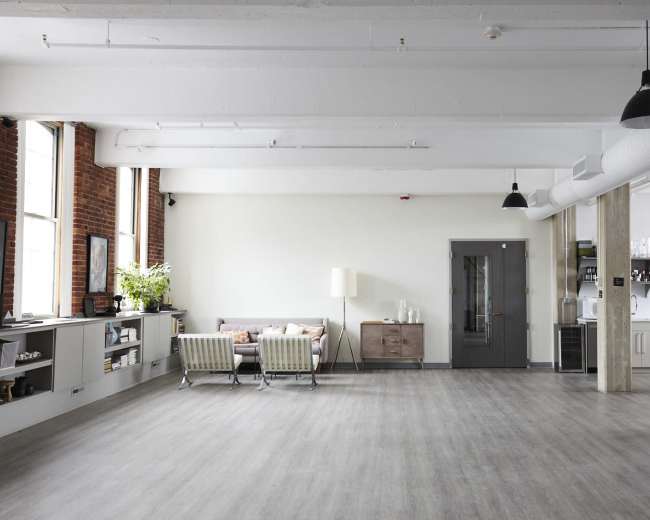
A vast photography studio housed in a repurposed industrial building, offering limitless creative possibilities.
Hyde Park, MA5.0 (27)
10 guests
Spacious Multi-bay Photography Studio with Cyclorama in Quincy, MA
Quincy, MA5.0 (43)
7 guests
Photo Studio - Boston
Charlestown, Charlestown, Boston, MA5.0 (6)
10 guests
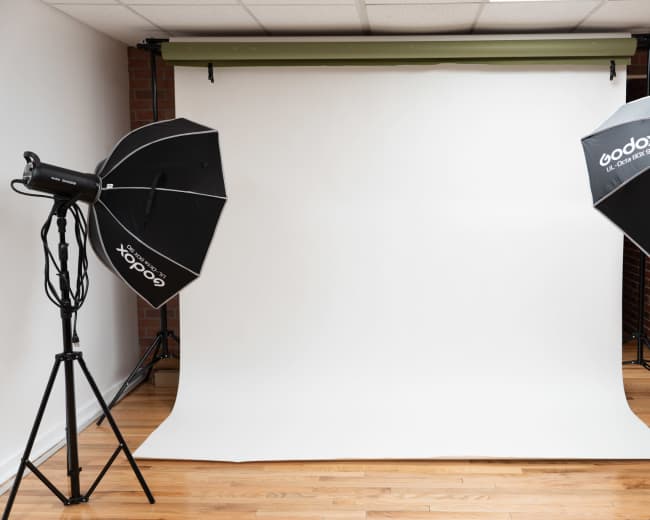
Industrial South Boston Photo Studio, Lighting Equipment Included, Custom Canvas Backdrops
City Point, Boston, MA4.9 (323)
10 guests
Huge, flexible, cheap and beautiful Studio-free parking
Allston, MA4.9 (186)
20 guests
Content studio great for photoshoots, video shoots, podcasts, etc
Jamaica Plain, Boston, MA5.0 (1)
12 guests
Cyclorama Studio with High Ceilings and Natural Light + Conference Room
Winter Hill, Somerville, MA4.9 (130)
7 guests
South End Photo Studio & Gallery with Beautiful Natural Light
South of Washington, Boston, MA5.0 (5)
10 guests
Allston Photo/Tabletop Studio with Cyc Wall
Brighton, Allston, MA5.0 (1)
25 guests
Urban Roomy Studio for your next Production
Hyde Park, Boston, MA5.0 (6)
20 guests
Downtown Quincy Video & Photo Studio! (STUDIO B)
Quincy, MA5.0 (91)
6 guests
Photography Studio
Malden, MA4.9 (18)
7 guests
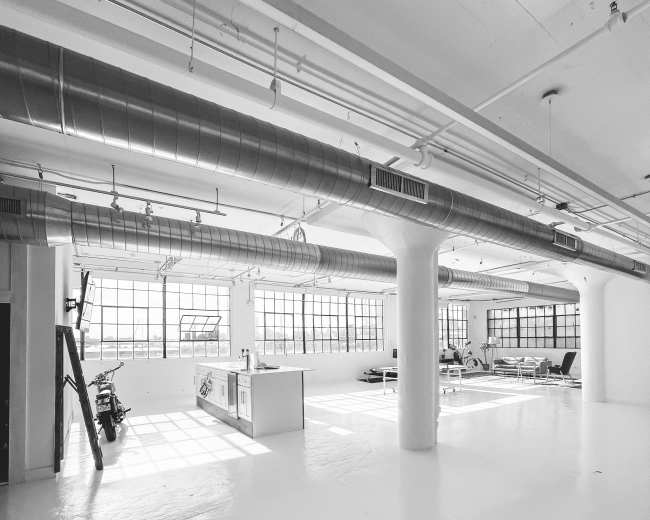
Film & Photo Loft - Best Windows in Boston
South Boston, MA5.0 (12)
50 guests
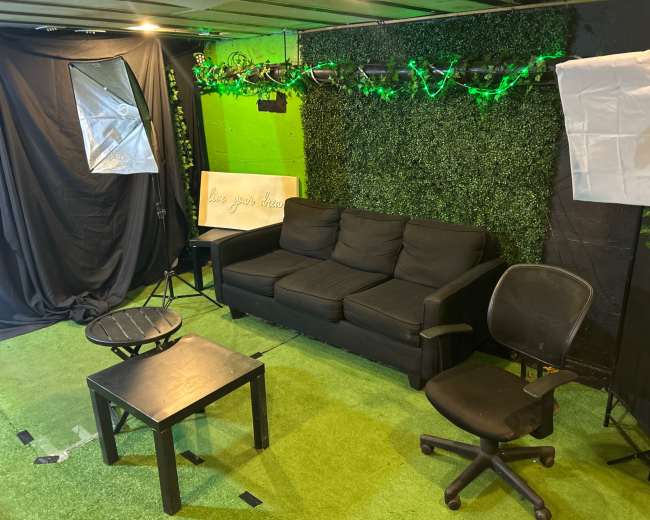
Green Room Boston
Dorchester, MA10 guests
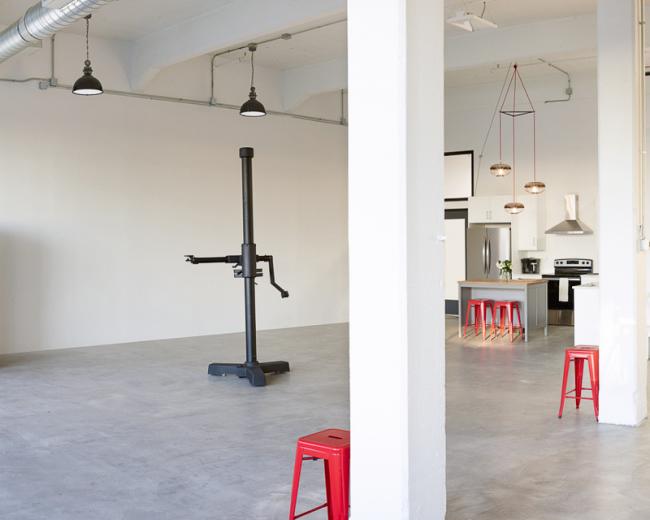
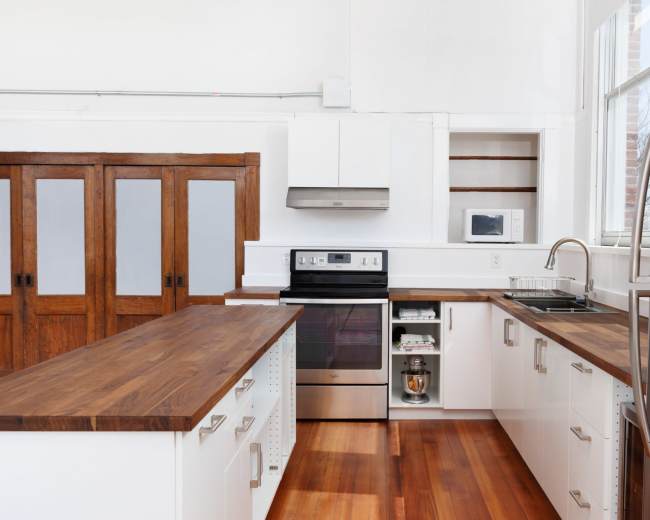
Modern Studio with Full Kitchen, Beautiful Daylight, Free Parking
East Boston, MA5.0 (30)
18 guests
Downtown Quincy Photo Studio: Convenient and accessible to public transportation
Quincy, MA4.9 (95)
15 guests
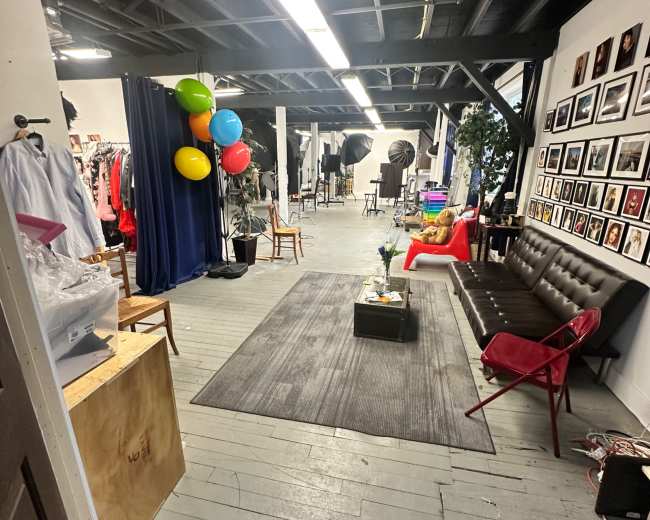
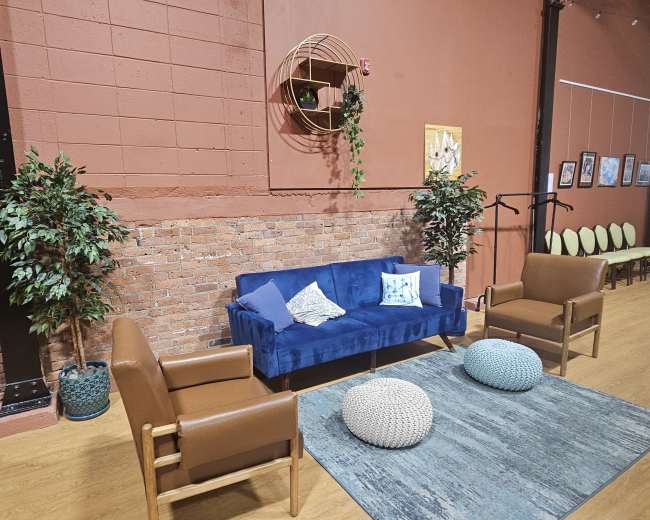
Raw Industrial Art Gallery & Studio in Hip Urban Neighborhood
Allston, MA5.0 (14)
25 guests
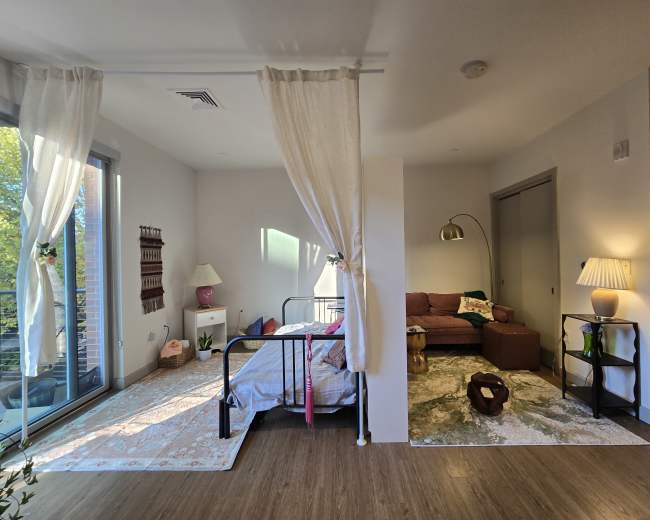
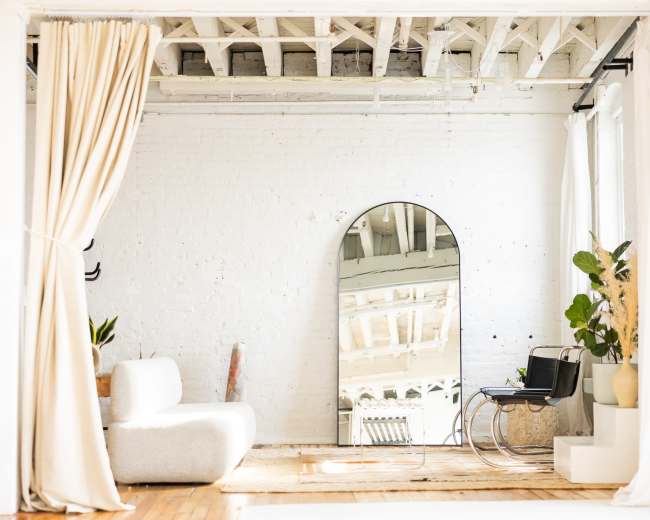
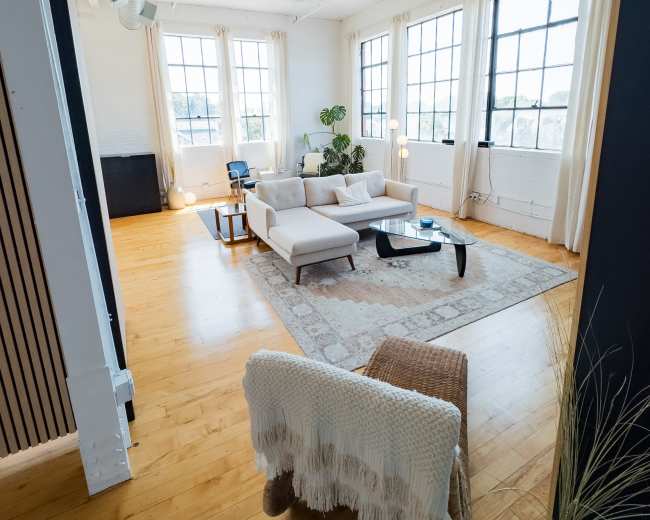
The Sun-Drenched Bohemian Loft: A Curated Creative Studio
East Cambridge, MA5 guests
South End Studio in Boston
Shawmut, Boston, MA5.0 (7)
15 guests
Bright and Modern Boutique Photo Studio with Gourmet Kitchen
South Boston, MA5.0 (271)
20 guests
Spacious 1300sqft White Cyc Studio for Video, Photography, and Podcast Recording
Watertown, MA5.0 (11)
30 guests
A Versatile 1000 sq ft Studio & Natural Light Space for Photographers, Creatives & Collaborations, Meetings and Podcasts
Dedham, MA12 guests
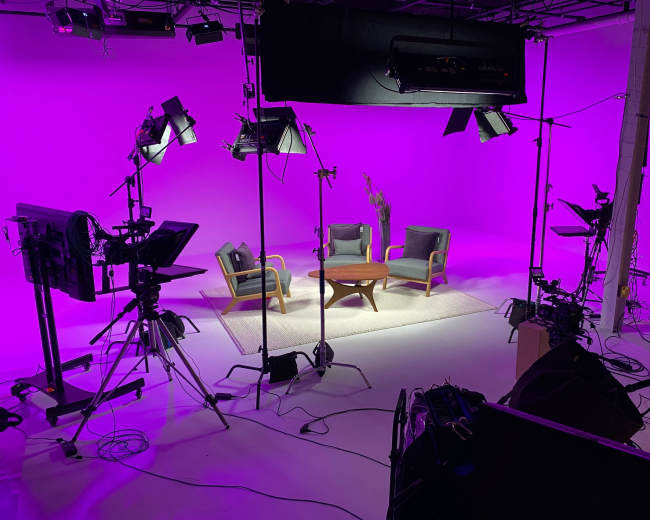
Multipurpose Video/Broadcast Studio w/ Control Room
Cambridgeport, MA40 guests
1,000 sq ft Photo & Video Studio | White Cyc, High Ceilings, Lighting Included
Lynn, MA4.8 (140)
100 guests
Industrial Studio + Event Space
Prospect Hill, Somerville, MA20 guests
Huge, flexible, and beautiful loft-like Allston studio
Allston, MA4.9 (915)
20 guests
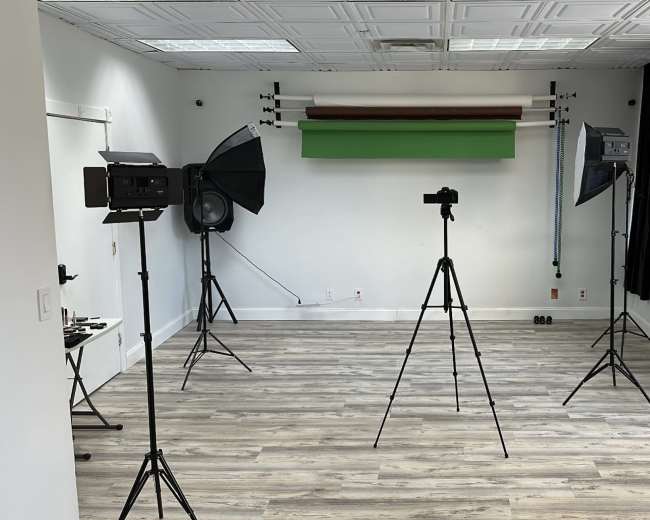
Fully Equipped Photo Studio with Lighting & Backdrops
Newton Highlands, MA10 guests
3,000 SQ FT Stunning Photo/Video Studio
Nonantum, Newton, MA5.0 (69)
20 guests
Photo & Video Studio Sets
Watertown, MA5.0 (2)
13 guests
Production Studios and Film / Video / Photography Spaces
Newton Highlands, MA5.0 (8)
75 guests
Boston South Shore Photography Studio w/ Lighting + Props
Rockland, MA4.8 (5)
15 guests
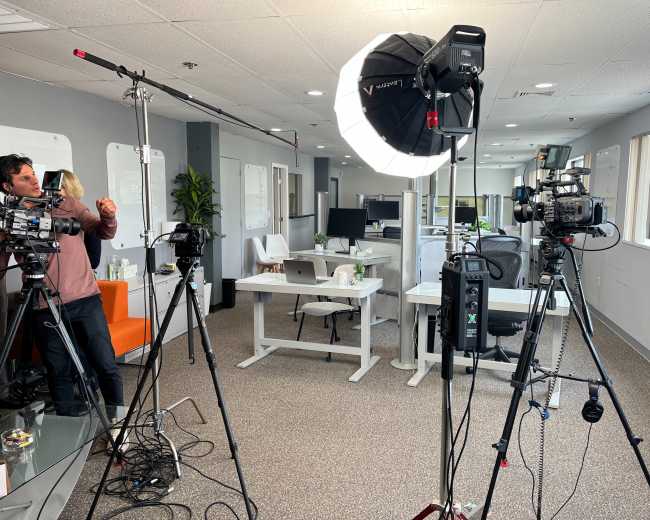
Open Conecpt Office Space with Common Area and Natural Light
Wellington-Harrington, Cambridge, MA15 guests
Light Filled Studio in the Heart of Dedham
Dedham, MA5.0 (25)
7 guests
Expansive Bright Natural Light Open-Concept Loft Studio w/ Cyclorama
REAR BUILDING, Newton, MA4.0 (1)
40 guests
Eco-Industrial Chic Photoshoot, Dance Rehearsal, or Event Space
Watertown, MA30 guests
Pricing and popularity information in this section is based on proprietary Peerspace booking data, reflecting recent booking activity and the latest data available through October 2026.
Photo studios in Boston average $97 per hour to rent, but it’s easy to spend less or more depending on what you’re looking for. For a space on the smaller side, expect to spend closer to $111, whereas larger venues run about $148 per hour.
Most photo studios are scheduled for 3 hours, with 4 people in attendance. You’ll find the most Photo Studios starting between 1:00 PM and 2:00 PM.
Our local hosts have welcomed 5621 people into their photo studios with reviews averaging 4.92 stars. Most even said they would book again -- about 98%.
Saturdays are the most popular day for booking photo studios in Boston.


