

Sun
Mon
Tue
Wed
Thu
Fri
Sat
$200/hr$150/hr$100/hr$50/hr
Peerspace is the easiest way to book unique venues for small parties. We also have spaces for productions and meetings.
Discover SpacesEvery day we uncover new, creative spaces perfect for your private party — from neighborhood galleries to hidden rooftops, and beyond.
Our spaces are priced to fit your budget. Hire by the hour for your small party without worrying about hidden fees.
No more messy contracts. We build the tools to make hiring out a space for your private party as easy as the click of a button.
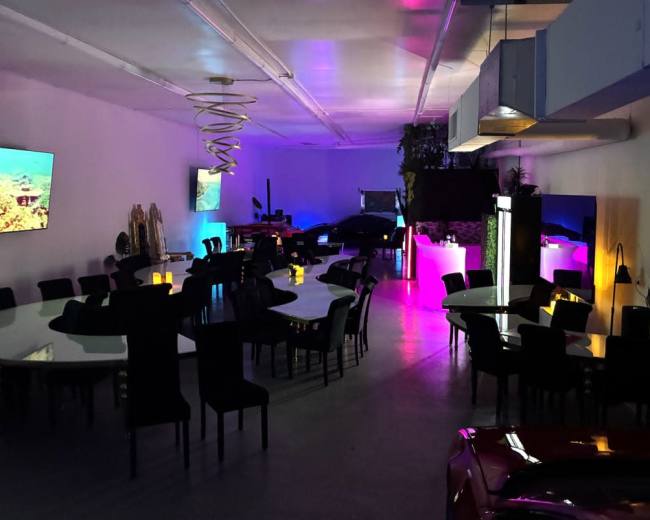
Casa Exotica – Luxury Creative Event Venue in Denver for Parties, Photoshoots & Exclusive Dinner Experiences
Five Points, Denver, CO85 guests
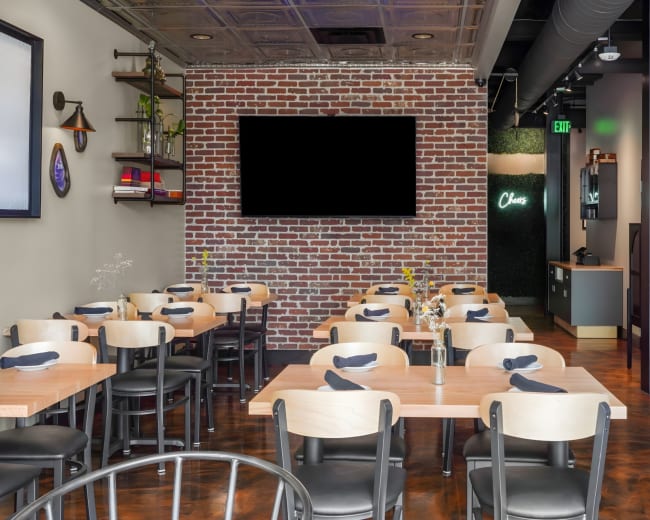
Private Event Venue - Entire Buyout
Five Points, Denver, CO80 guests
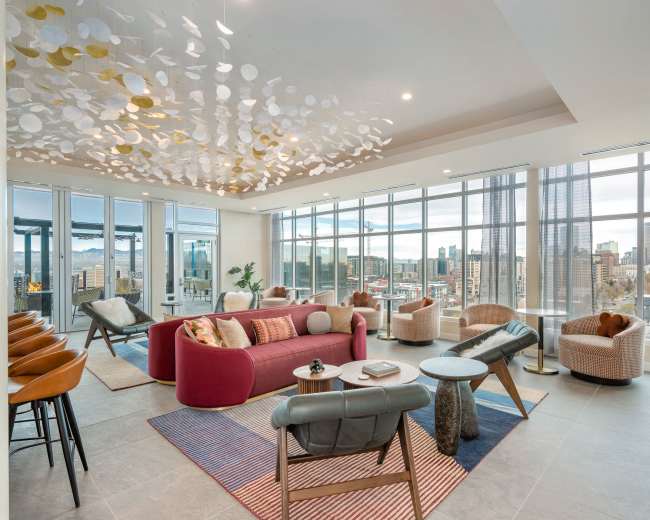
Private enclosed rooftop lounge with view of downtown Denver!
Speer, Denver, CO4.8 (11)
70 guests
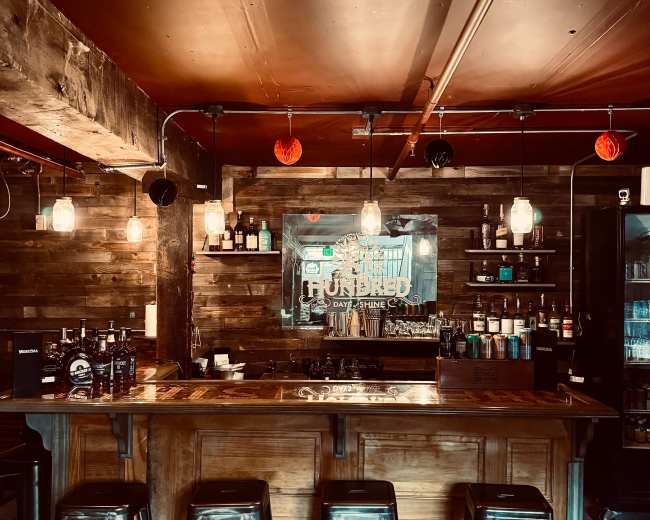
Speakeasy in the Denver Ballpark Neighborhood
Five Points, Denver, CO5.0 (54)
65 guests
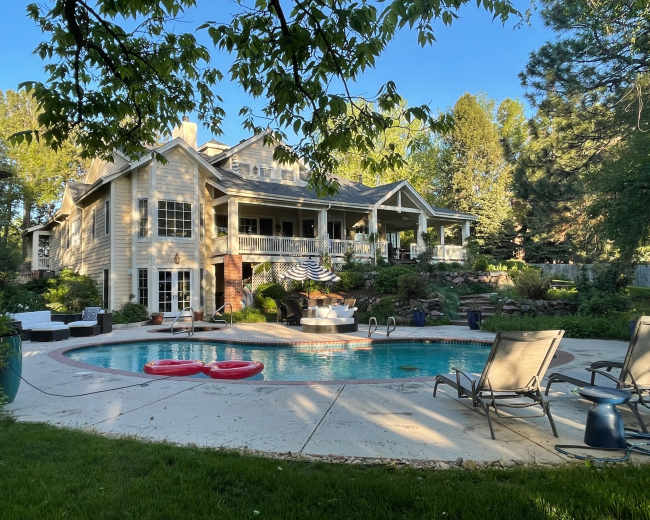
Private Estate Oasis in Denver | Pool + Acre Yard | Luxury Events & Productions
Denver, CO5.0 (3)
65 guests
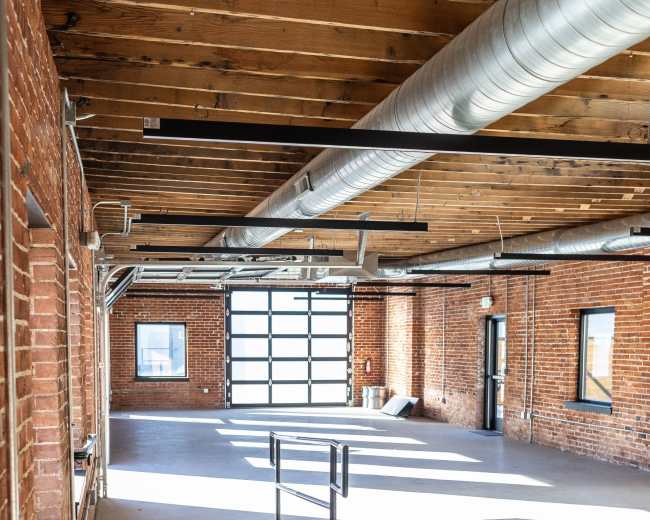
Modern Industrial Event Space with Private Courtyard
Overland, Denver, CO99 guests
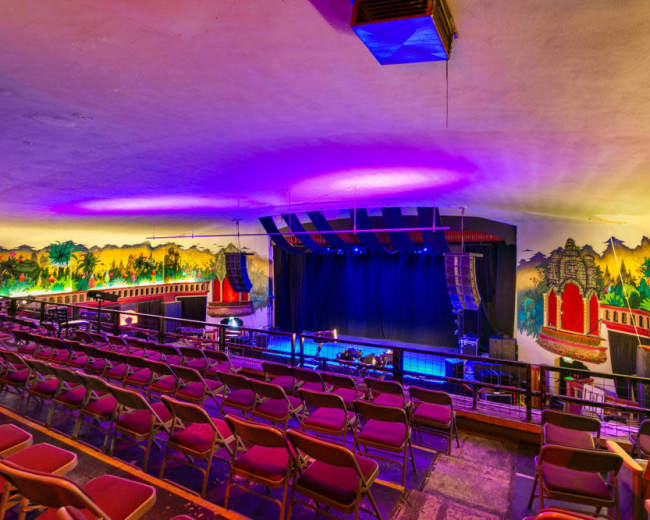
Historic Music Venue In Upscale, Safe Neighborhood
Berkeley, Denver, CO350 guests
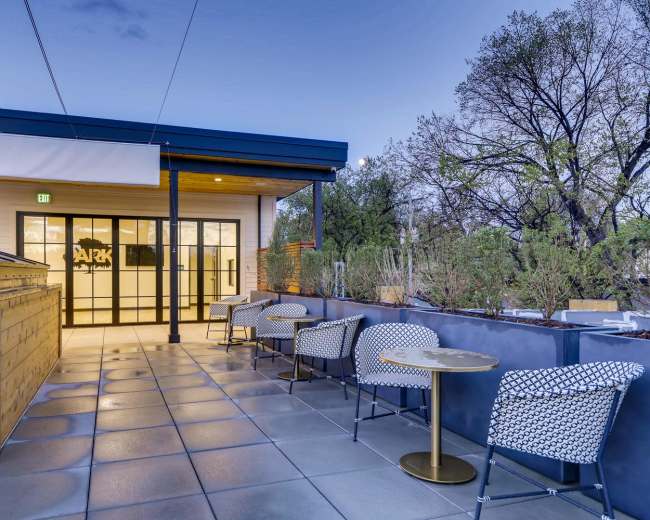
Rooftop Event Space/Private Bar
Washington Park, Denver, CO75 guests
Downtown Event Venue with Rooftop Space and Extensive Audio/Visual
Five Points, Denver, CO5.0 (8)
400 guests
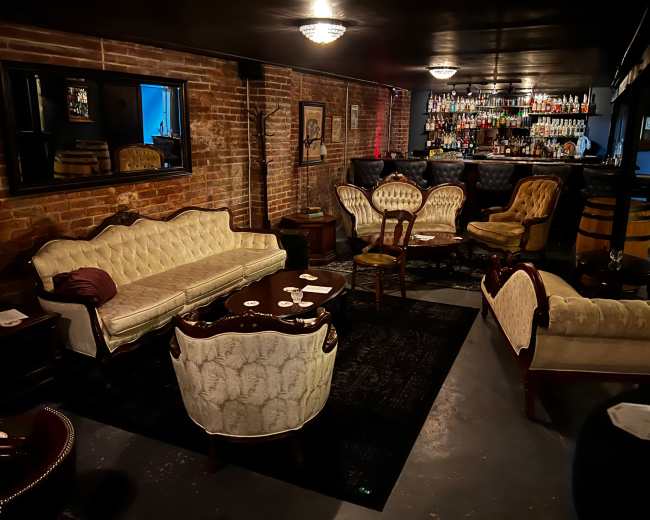
Historic Basement Speakeasy
Washington Park West, Denver, CO5.0 (35)
60 guests
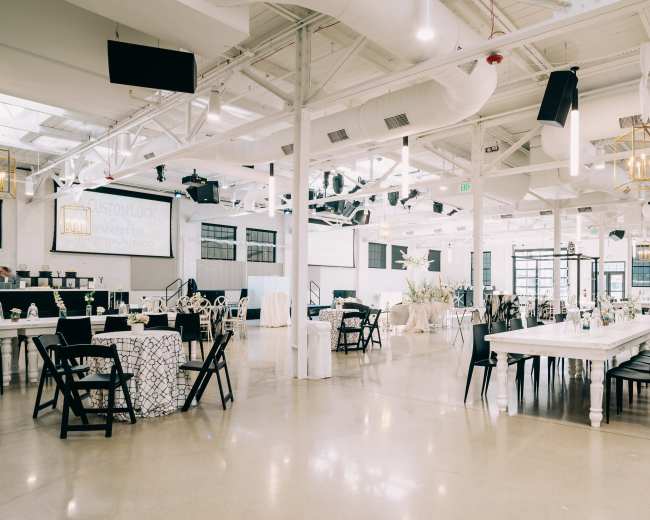
Versatile Event Space in the Heart of Downtown Denver
Five Points, Denver, CO5.0 (4)
40 guests
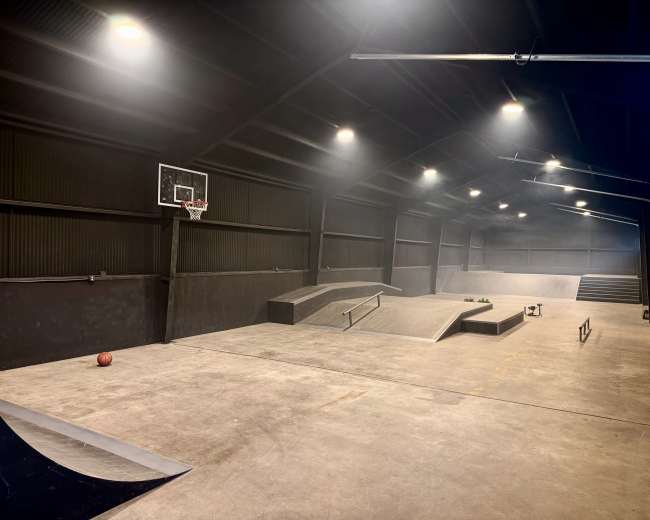
Private Indoor Skate Park in Downtown Denver.
Lincoln Park, Denver, CO50 guests
Exclusive Villa with Expansive Space and Private Bar
Foxfield, CO100 guests
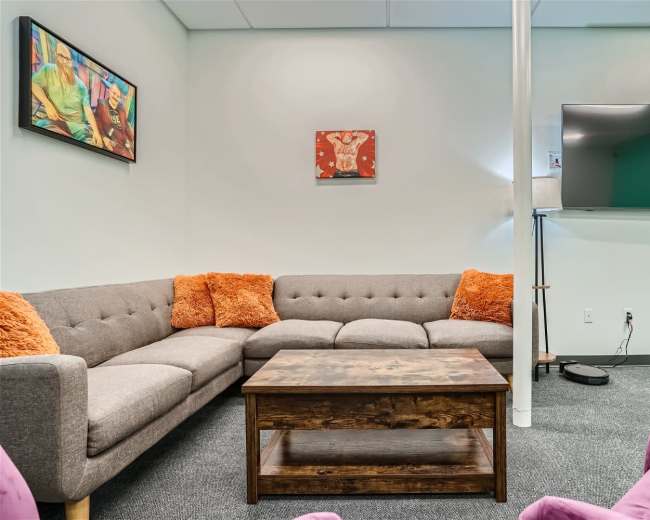
Cozy Lounge For Your Private Event w/ Comfortable Seating!
Englewood, CO4.5 (13)
40 guests
An Alternative Warehouse Venue
Overland, Denver, CO5.0 (35)
100 guests
Outdoor Local Colorado charm with a back 40 view
Northglenn, CO5.0 (6)
60 guests
Industrial Versatile Multi-Use Event Venue for Private Events, Launches, Workshops, Creative Gatherings, Exhibitions, Pop-Up Experiences & Brand Activations Near Denver Tech Center
Centennial, CO5.0 (13)
35 guests
Highlands Square Garden
West Highland, Denver, CO100 guests
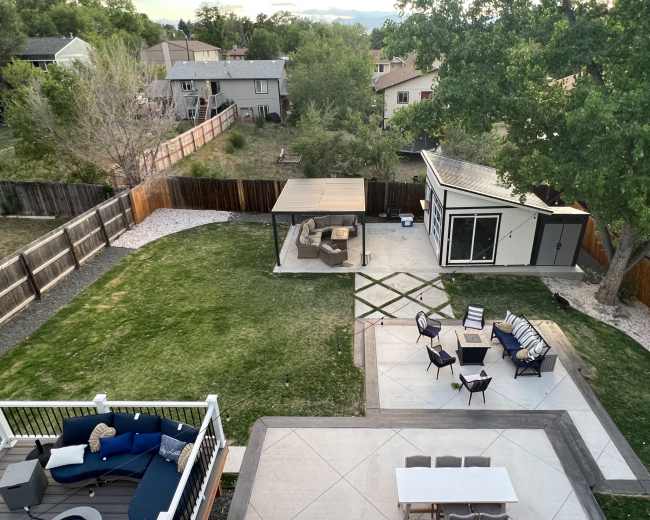
Spacious Backyard Moments From Downtown
Berkley, Denver, CO45 guests
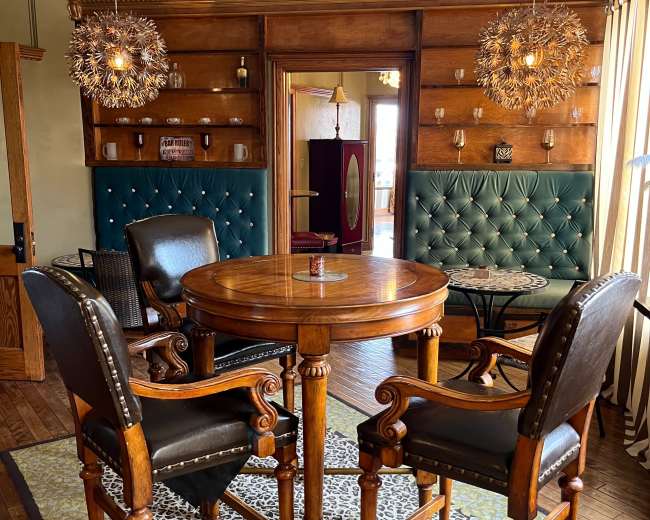
Urban Venue with Vintage Elegance
Washington Park West, Denver, CO5.0 (1)
200 guests
Prime Downtown Meeting Space for Rent
Five Points, Denver, CO5.0 (2)
40 guests
Ignite Your Event with a Chic Downtown Denver Speakeasy Vibe
Five Points, Denver, CO4.7 (3)
100 guests
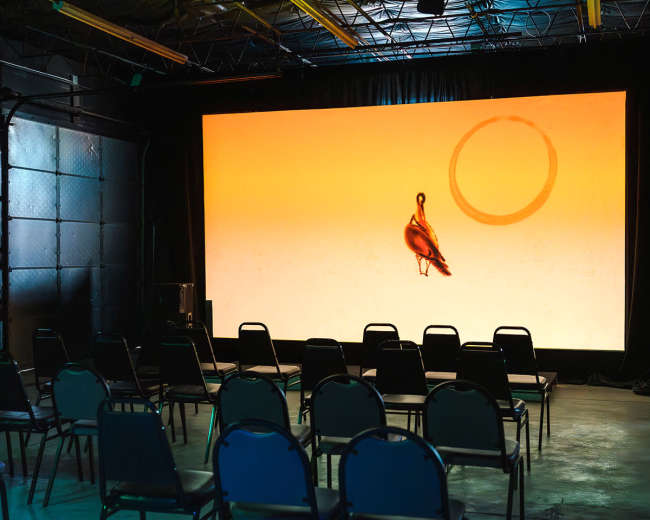
Events Space for Screenings or Parties
Edgewood, Lakewood, CO5.0 (1)
100 guests
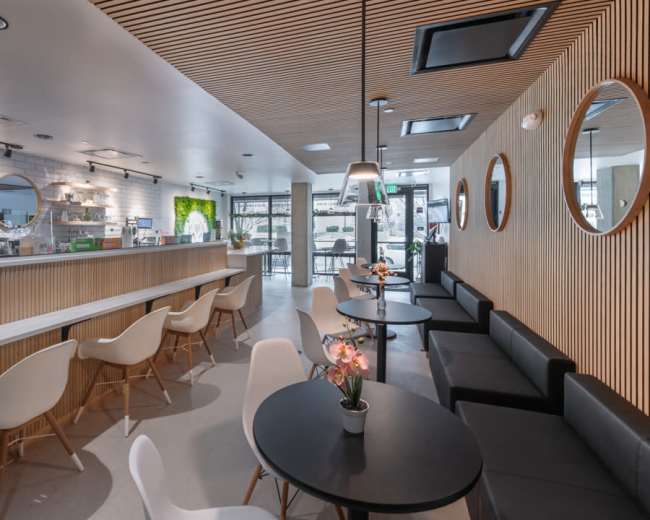
Modern LoHi Café & Event Space | Showers, Birthdays, Brunches & Gatherings
Lower Highland, Denver, CO35 guests
100% BYOB Venue in LoHi / Sunnyside Neighborhood
Sunnyside, Denver, CO5.0 (5)
150 guests
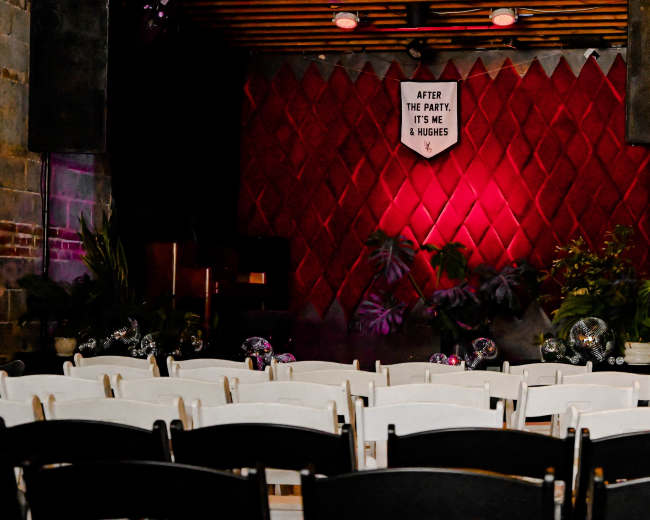
Downtown Denver Theater and Full Bar Event Space
Five Points, Denver, CO5.0 (7)
99 guests
Inviting venue located in the heart of the Aurora Arts & Cultural District
Delmar Parkway, Aurora, CO50 guests
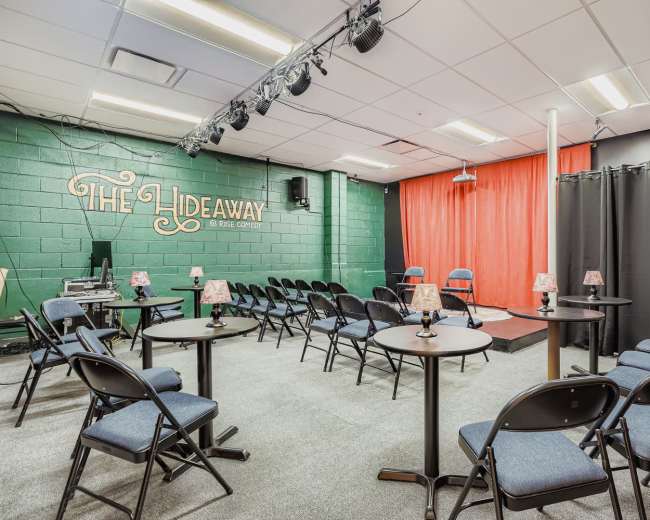
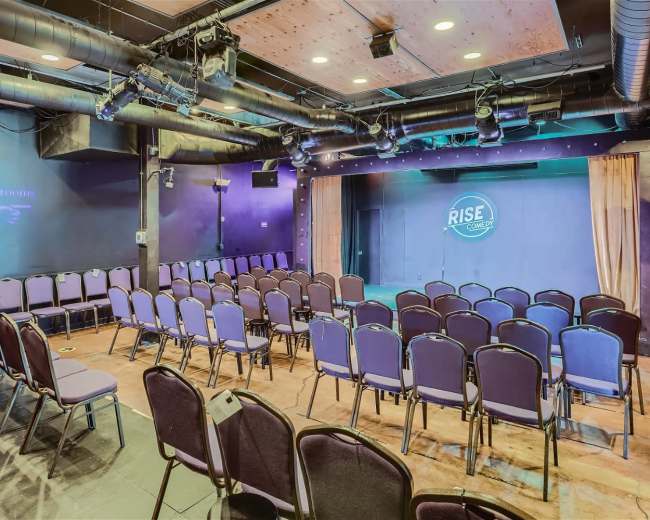
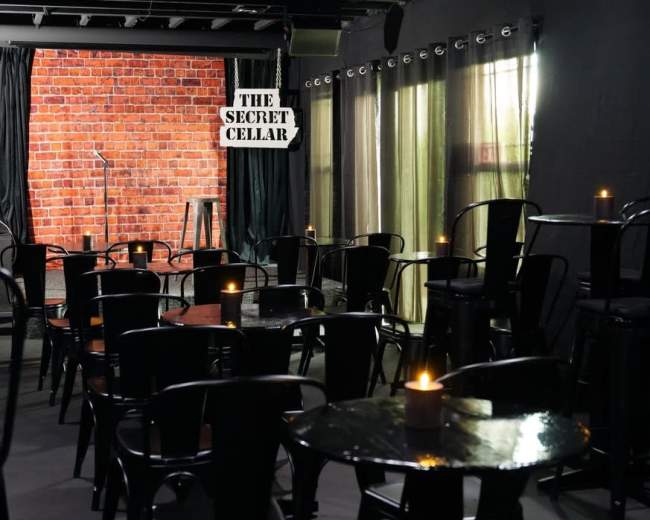
Secret speakeasy comedy club in suburban neighborhood that seats 52
Aurora, CO52 guests
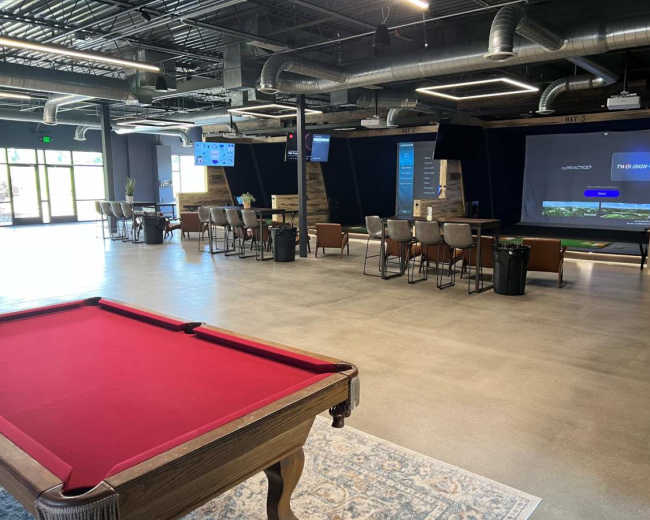
Private Indoor Golf Lounge in Lone Tree
Lone Tree, CO5.0 (8)
100 guests
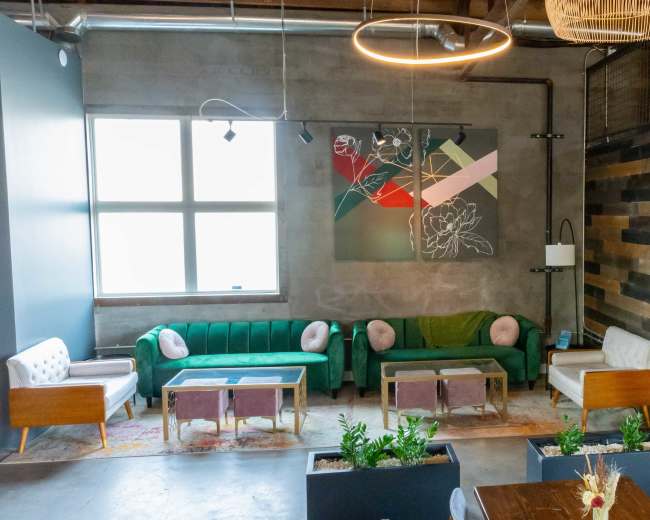
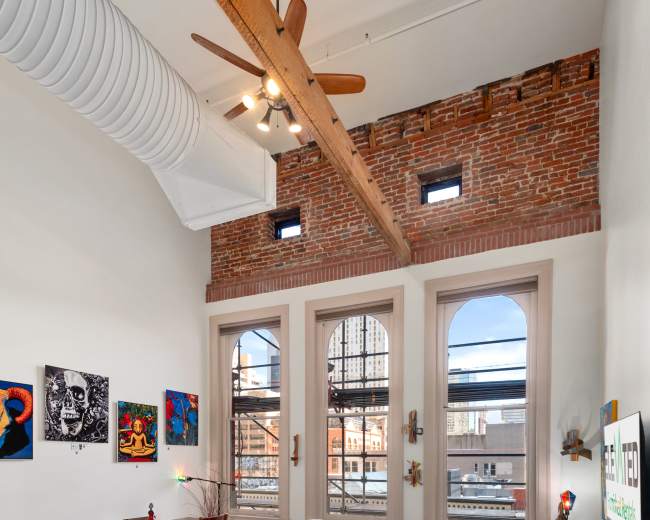
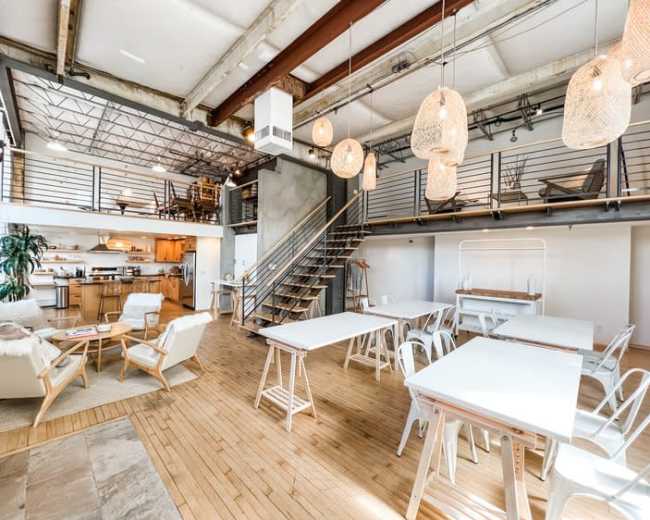
Luxury Downtown Art Loft for Events, Shoots & Film
Central, Denver, CO20 guests
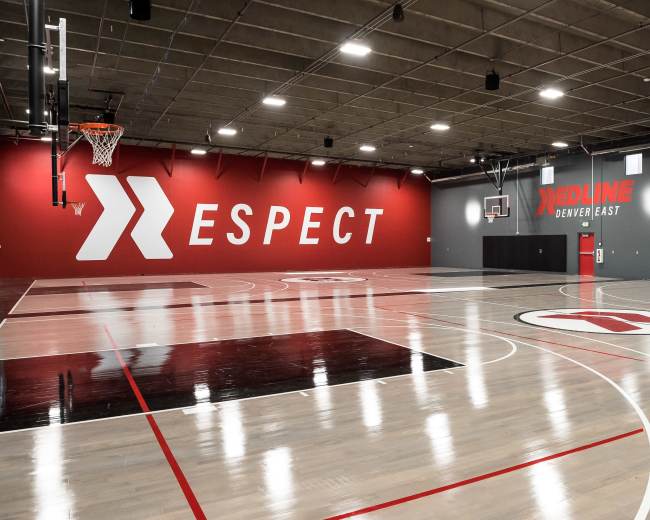
Denver Central - Gym/Fitness Facility - Indoor Basketball Courts
Northeast Park Hill, Denver, CO5.0 (6)
199 guests
Boutique Venue
Five Points, Denver, CO5.0 (37)
24 guests
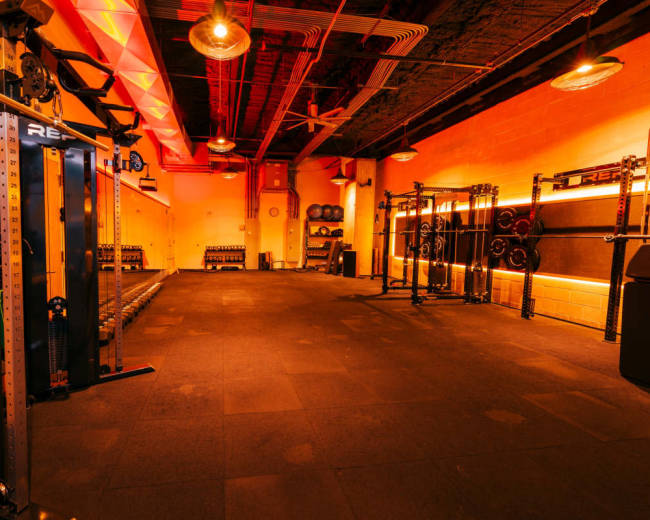
Cozy Chic Luxury Fitness Club in Five Points
North Denver, CO100 guests
Luxury Downtown Denver Event Space with Modern Style & Sophisticated Ambiance
Central, Denver, CO75 guests
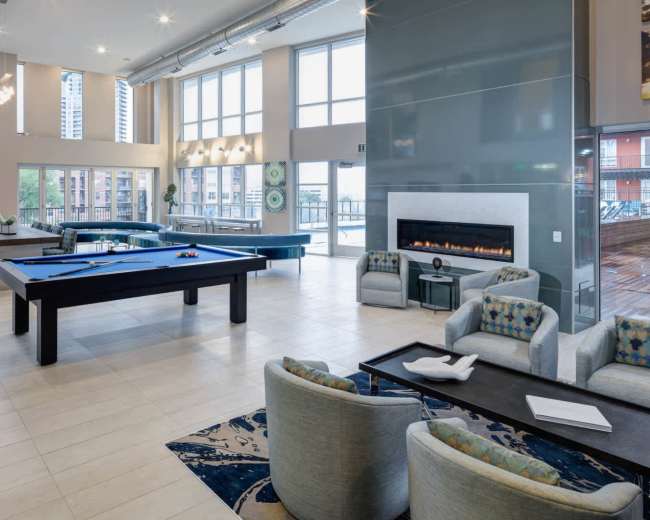
Downtown Clubhouse with City Views
Central, Denver, CO5.0 (3)
35 guests
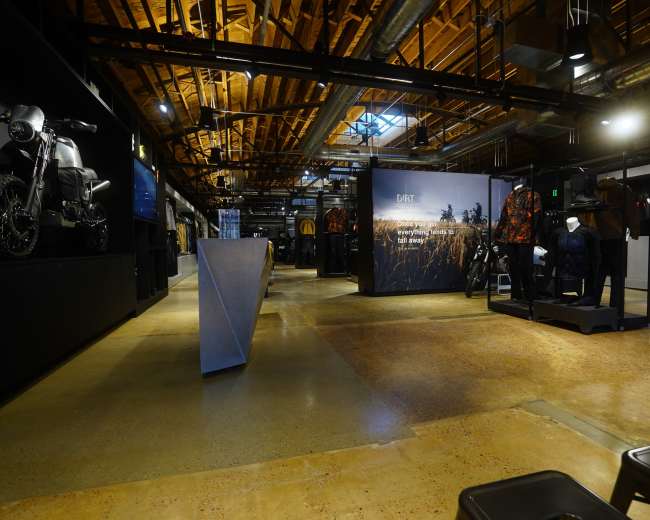
Powersports/outdoor industry space for daily rent
Five Points, Denver, CO100 guests
Pricing and popularity information in this section is based on proprietary Peerspace booking data, reflecting recent booking activity and the latest data available through October 2026.
Small party venues in Denver average $169 per hour to rent, but it’s easy to spend less or more depending on what you’re looking for. For a space on the smaller side, expect to spend closer to $154, whereas larger venues run about $368 per hour.
Most small party venues are scheduled for 5 hours, with 44 people in attendance. You’ll find the most Small Parties starting between 4:00 PM and 5:00 PM.
Our local hosts have welcomed 15956 people into their small party venues with reviews averaging 4.84 stars. Most even said they would book again -- about 97%.
Saturdays are the most popular day for booking small party venues in Denver. For those seeking a deal, consider booking Saturday and Friday as these days are 8% cheaper on average.


