


Sun
Mon
Tue
Wed
Thu
Fri
Sat
$200/hr$150/hr$100/hr$50/hr
Peerspace is the easiest way to book unique dance studios for parties, weddings, meetings, productions and more.
Discover SpacesEvery day we uncover new, creative spaces, including dance class spaces, perfect for your activity.
Our dance studios are priced to fit your budget. Hire by the hour without worrying about hidden fees.
No more messy contracts. We build the tools to make booking dance class space venues as easy as the click of a button.
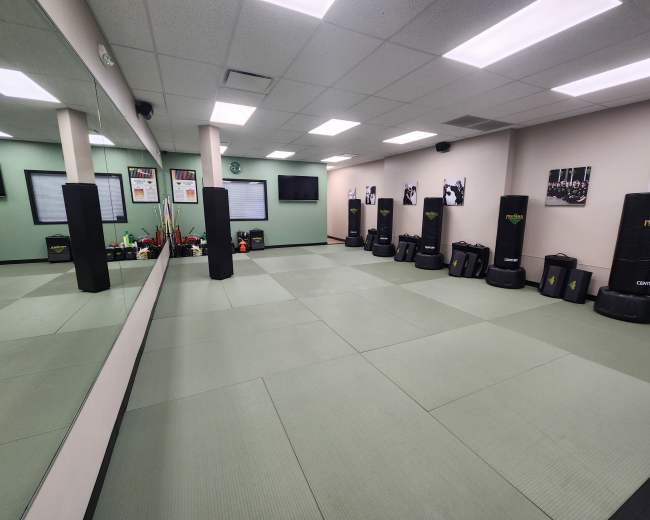
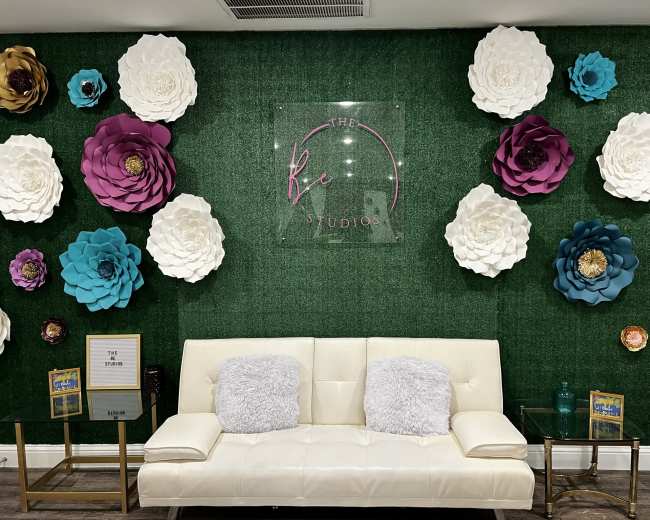
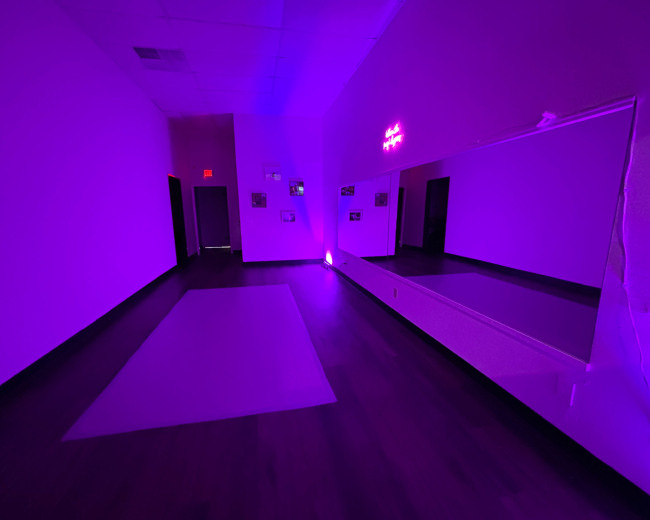
Immaculate Yoga/Pilates/Meditation/Kickboxing studio with mirrors and TV's!
West Arlington, TX20 guests
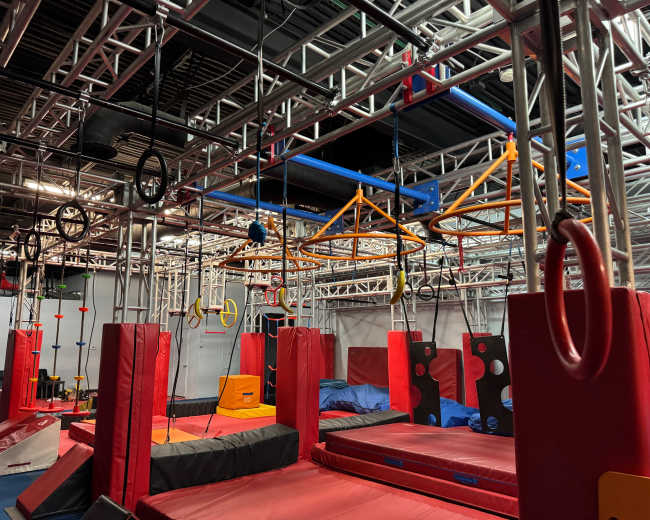
Multi-Use Obstacle Course and Movement Studio
Grand Prairie, TX50 guests
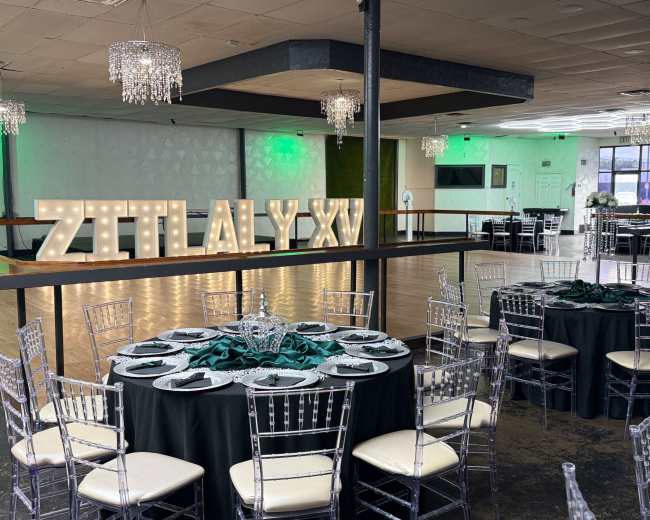
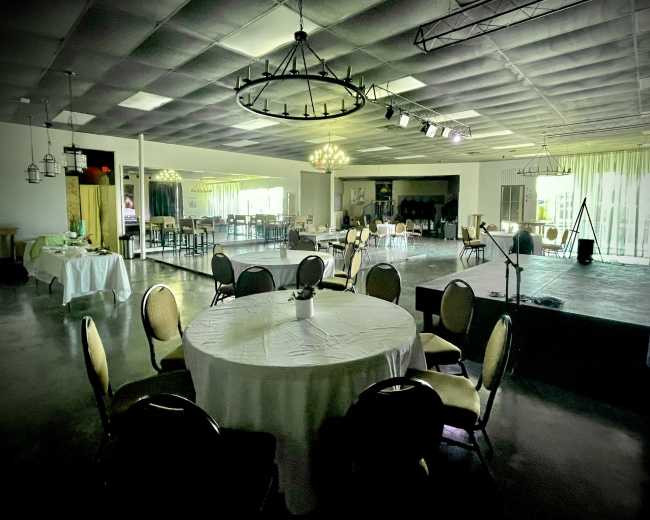
Centralized party and event space for up to 300
Grand Prairie, TX420 guests
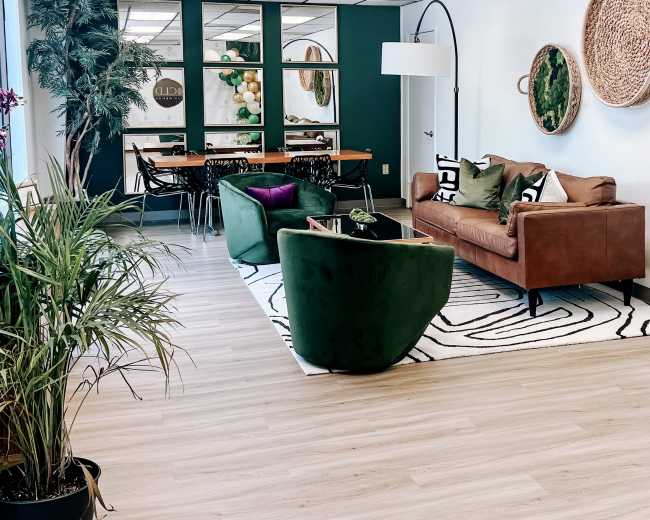
Multi- Purposed Collaborative Studio
Fort Worth, TX5.0 (19)
30 guests
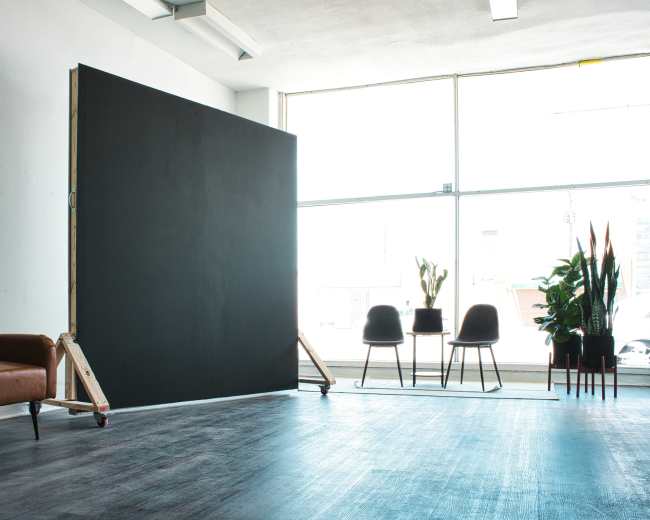
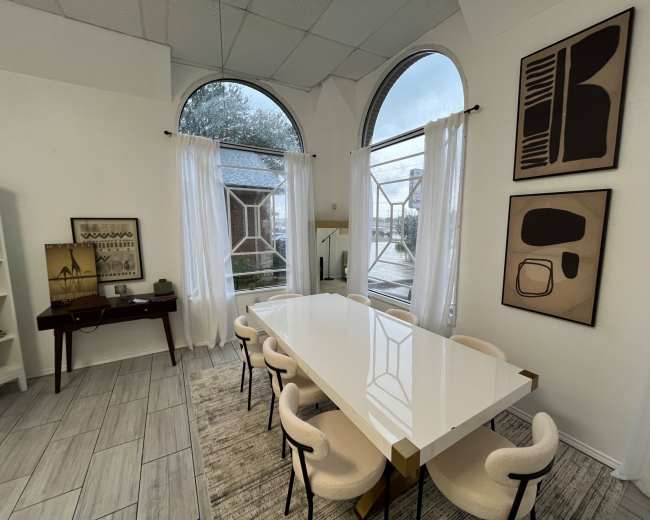
Modern Natural Light Studio with Floor-to-Ceiling Windows in Walkable Race Street District
Vintage Riverside, Fortworth, TX45 guests
Modern Space with Studio Lighting
Southlake, TX4.9 (17)
50 guests
A Versatile Event Space Built for Memorable Experiences
Sundance Square, Fort Worth, TX350 guests
Downtown Studio with Tons of Backdrops
Central Arlington, TX4.8 (240)
20 guests
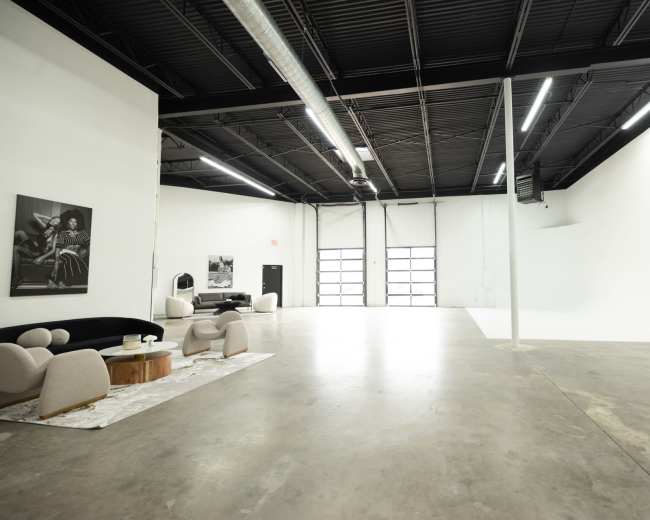
Midciites open "white" studio with 14 foot ceilings, natural light and studio light with LOTS of props, backdrops and even maternity gowns available to use.
Mansfield, TX5.0 (1)
15 guests
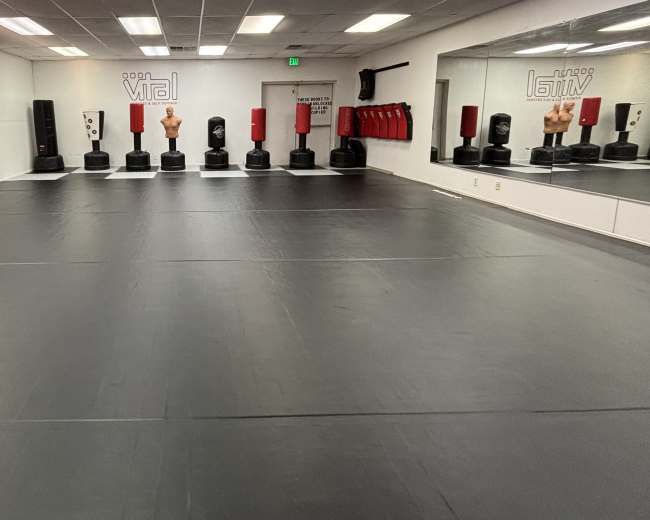
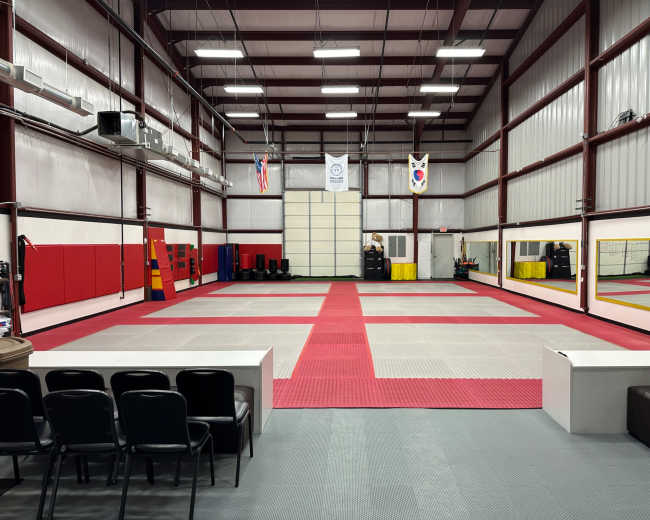
Martial Arts Gym with 2 Training Rooms in Irving TX
Las Colinas, Irving, TX50 guests
A Business Co-Working + Event Studio Near the AT&T Cowboys Stadium
North Arlington, TX5.0 (2)
60 guests
Natural Light Organic Studio with Arched Built-Ins
Roanoke, TX5.0 (43)
40 guests
Urban, downtown, old money private suites
Fort Worth, TX15 guests
Downtown Grand Prairie Natural Light Photo Studio
Grand Prairie, TX5.0 (116)
40 guests
FULL HOUSE: Boudoir Studio in Downtown Fort Worth with Rain Room, BDSM, Pole, Tub + More
Mistletoe Heights, Fort Worth, TX5.0 (20)
27 guests
ACDD Studio Loft Venue with 360 Degree Rooftop View
Fort Worth, TX20 guests
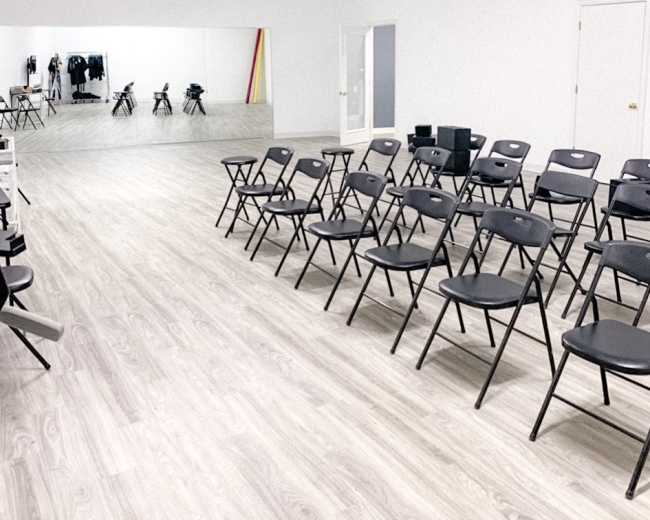
Clean Dance Studio with Open Floor Plan
Dallas, TX5.0 (38)
25 guests
Open-blank canvas event venue perfect for small weddings, baby showers, and birthdays — Located in West Fort Worth 10 minutes from Downtown and The Stockyards.
River Oaks, TX100 guests
Luxury Studio for Events
Las Colinas, Irving, TX100 guests
Huge Martial Art Studio
Denton, TX80 guests
The Quarry Multiverse
Oak Cliff, Dallas, TX3.7 (3)
225 guests
Elegant Dallas Ballroom for Weddings, Quinceañeras & Private Events (Up to 300 Guests)
Dallas, TX250 guests
Bright Creative Art Studio in historic Old Town Lewisville – Room B - For Workshops, Events & Photoshoots
Lewisville, TX5.0 (1)
45 guests
Airy Elegance: Modern Loft Studio Event Space for Creatives
Northwest Carrollton, TX5.0 (4)
50 guests
The Creative Complex – Modern Venue with Style & Space
Duncanville, TX4.8 (25)
75 guests
Bright Wellness Studio for Events
Dallas, TX5.0 (2)
100 guests
Bright, Cozy Studio for intimate Gatherings
Cedar Hill, TX20 guests
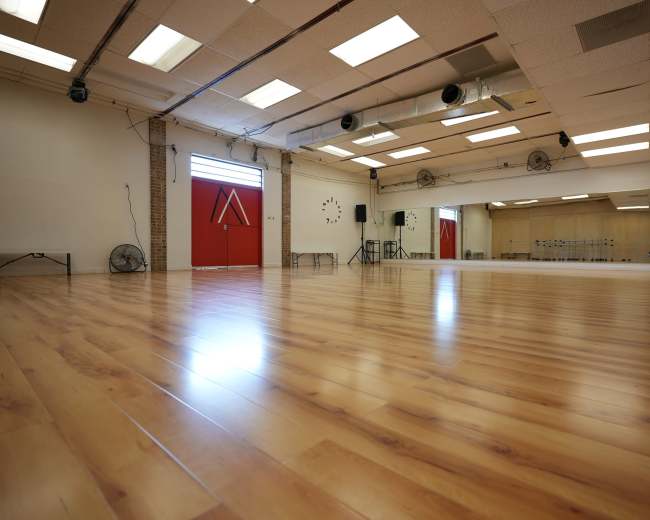
Room 2 - Large Mirrored Dance Studio · Dallas
Farmers Branch, Dallas, TX45 guests
Large White Space With Selfie Rooms To Keep Your Guest Entertained
Dallas, TX4.0 (10)
250 guests
Unique Pop-Up location in Oak Cliff
Kessler, Dallas, TX5.0 (12)
150 guests
1940's Industrial Fitness Warehouse & Studio Space in the Design District
Design District, Dallas, TX5.0 (42)
100 guests
Bright Studio with High Ceilings and Windows. Near Addison Dallas
Farmers Branch, Dallas, TX4.6 (7)
40 guests
Room 6 - Mirrored Studio with Window. Hourly Rental Near Addison Dallas
Farmers Branch, Dallas,, TX5.0 (8)
4 guests
Vibrant and Funky Dallas Studio and Creative Event Space
West Dallas, TX5.0 (94)
50 guests
Pricing and popularity information in this section is based on proprietary Peerspace booking data, reflecting recent booking activity and the latest data available through October 2026.
Dance studios in Fort Worth average $59 per hour to rent, but it’s easy to spend less or more depending on what you’re looking for.
Most dance studios are scheduled for 8 hours, with 22 people in attendance. You’ll find the most Dance Studios starting between 11:00 AM and 12:00 PM.
Our local hosts have welcomed 1170 people into their dance studios with reviews averaging 5 stars. 100% of guests said they'd book again.
Saturdays are the most popular day for booking dance studios in Fort Worth. For those seeking a deal, consider booking Tuesday and Saturday as these days are 10% cheaper on average.


