

Sun
Mon
Tue
Wed
Thu
Fri
Sat
$100/hr$75/hr$50/hr$25/hr
Peerspace is the easiest way to book unique spaces for meetings. We also have spaces for productions and events.
Discover SpacesEvery day we uncover new, creative spaces perfect for your corporate meeting — from neighborhood gardens, expansive rooftops, trendy office spaces, and beyond.
Our spaces are priced to fit your budget. Hire by the hour for your meeting without worrying about hidden fees.
No more messy contracts. We build the tools to make booking a space for your corporate meeting as easy as the click of a button.
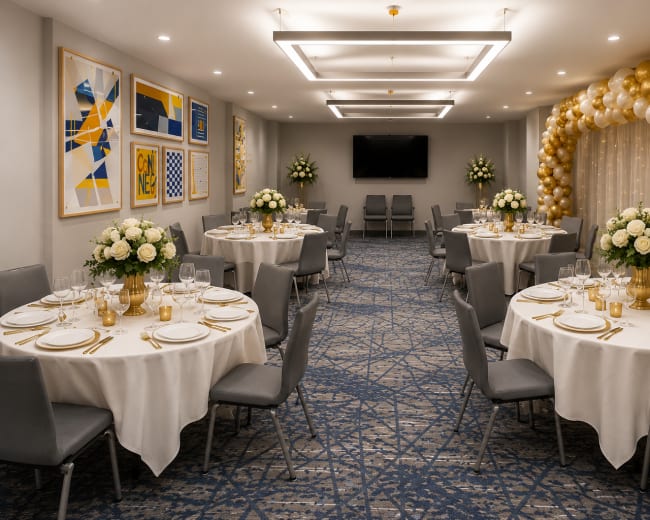
Meeting Room and Event Space in Northridge
Van Nuys, CA5.0 (4)
50 guests
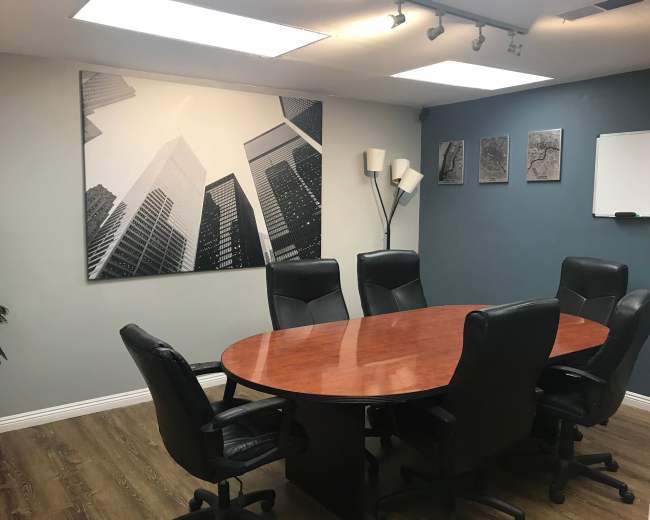
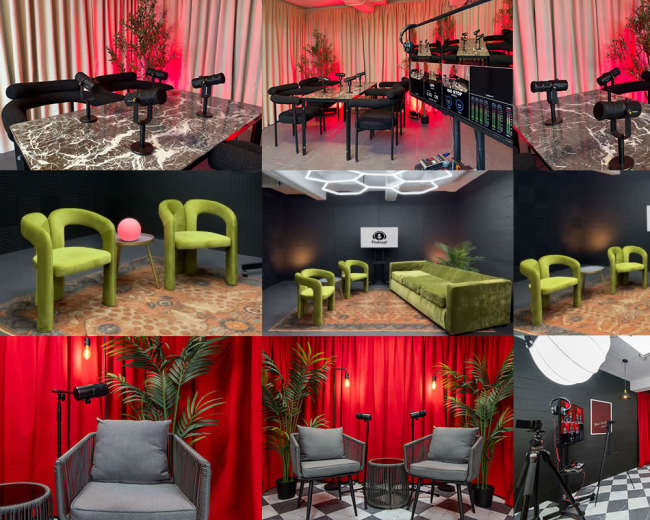
Conference Room in Creative Production Studio
Burbank, CA4.9 (94)
10 guests
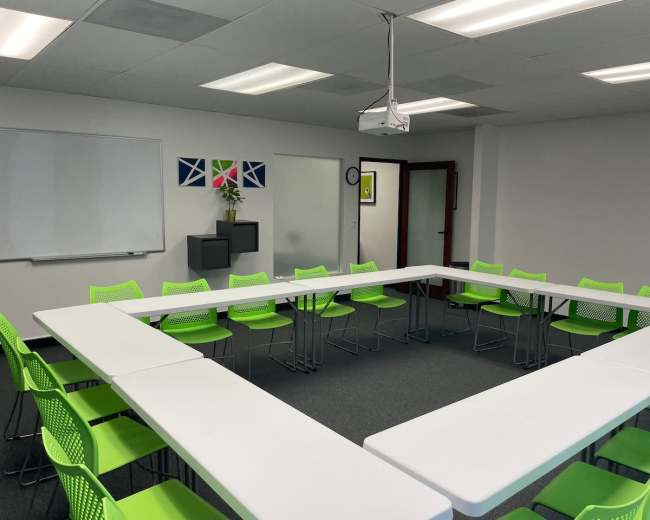
Meeting, Classroom or Conference Creative Flexible Space
Burbank, CA5.0 (148)
20 guests
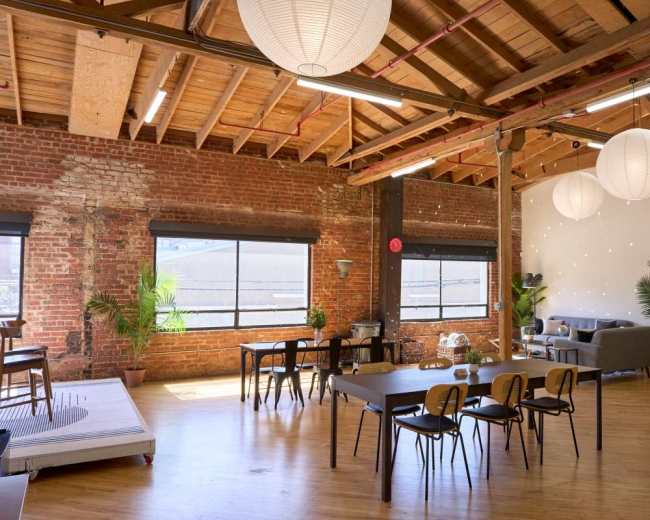
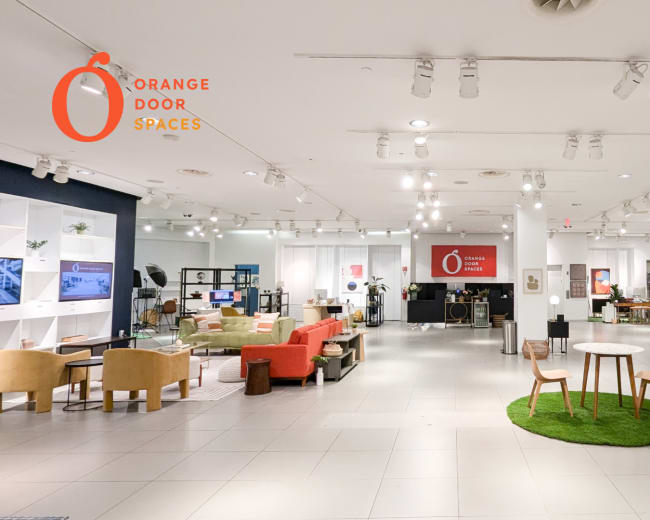
Orange Door Spaces: Creative Venue for Events, Shoots & Meetings
North Redondo, Redondo Beach, CA200 guests
Crystal Workspaces - Professional meeting rooms with seating for up to 8-12 people, 55 inch LG TV, blazing fast Internet, whiteboard, privacy screened windows, copy/printing capability, coffee/ tea bar and lots of free parking.
Lomita, CA40 guests
Presentation-Ready Creative Studio / Workshops, Meetings, Seminars
Central LA, Los Angeles, CA4.8 (446)
300 guests
Catalina Meeting Room
Beverly Grove, Los Angeles, CA, CA15 guests
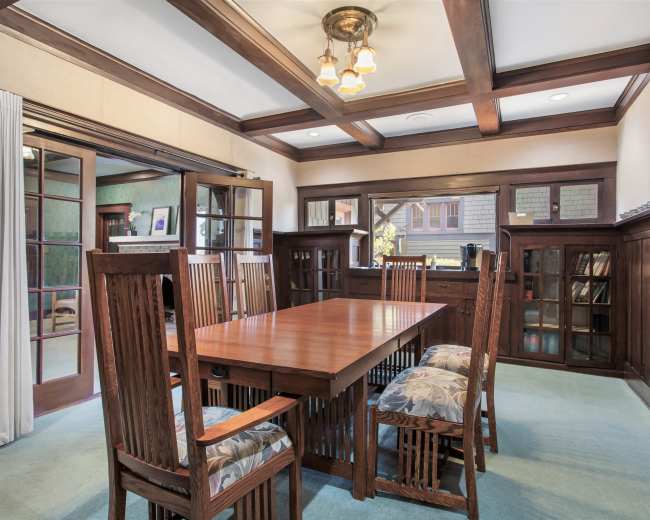
Craftsman Meeting Room 106
Pasadena, CA5.0 (22)
8 guests
Conference Room for Meetings, Pop-up Shops and Teaching Space
Central LA, Los Angeles, CA75 guests
Bright Office Suite for Meetings & Workshops (City Views)
Downtown, Santa Monica, CA5.0 (3)
35 guests
Spacious Conference Room with Natural Light and Privacy
Hollywood, Los Ángeles, CA14 guests
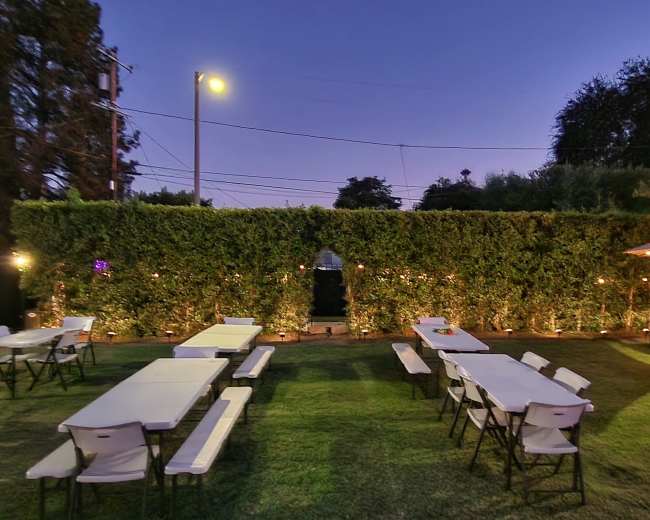
Lush Outdoor Meeting Space with Tables, Seating and Night Lighting
Van Nuys, CA5.0 (72)
50 guests
Creative Lounge & Meeting Space
Sawtelle, Los Angeles, CA4.9 (33)
25 guests
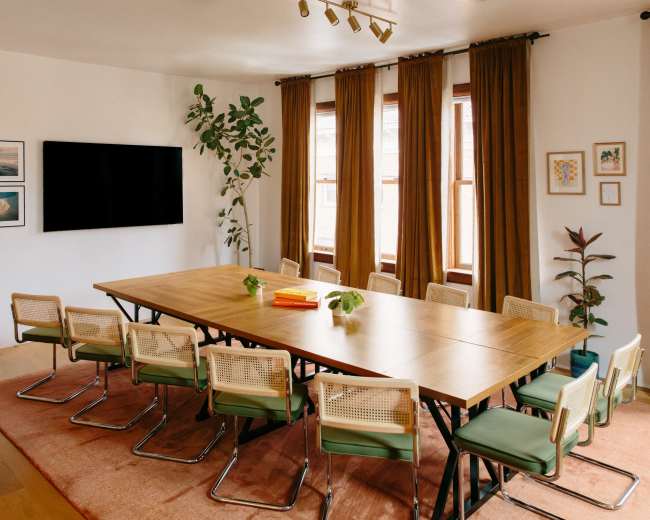
Modern Conference Room in a Historic Building
Northeast Los Angeles, CA5.0 (9)
12 guests
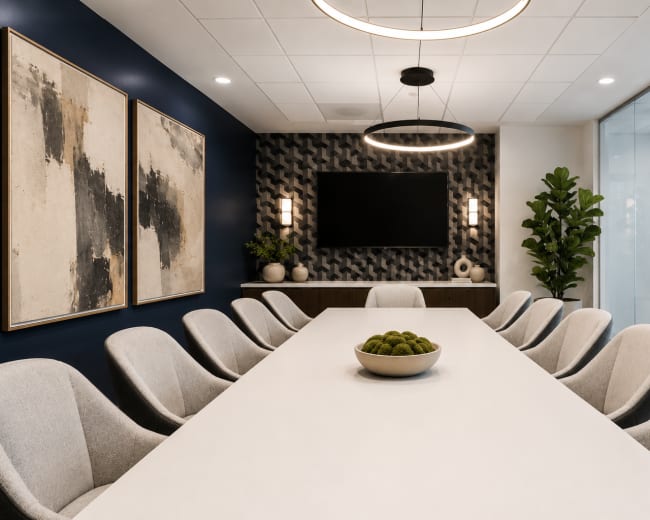
12 Person Meeting Room in the heart of Beverly Hills
Beverly Hills, CA5.0 (8)
12 guests
Large conference room with city view DTLA
Central LA, Los Angeles, CA5.0 (3)
20 guests
Meeting Room in Bright & Spacious Koreatown Coworking Space
Koreatown, Los Angeles, CA5.0 (8)
150 guests
Creative Workspace and Meeting room
Hollywood, CA5.0 (13)
10 guests
Meeting Space in the Heart of Hollywood
Hollywood Hills, Los Angeles, CA5.0 (4)
50 guests
Meeting, workshop, conference
Central LA, Los angeles, CA5.0 (3)
75 guests
Spacious Updated & Open Boardroom Perfectly Meets Your Needs for Your Next Meeting!
Ocean Park, Santa Monica, CA4.4 (20)
12 guests
Beautiful 10 Person Windowed Conference Room
El Segundo, CA4.9 (98)
10 guests
Beautiful 6-Person Meeting Room
Manhattan Beach, CA5.0 (6)
20 guests
Pricing and popularity information in this section is based on proprietary Peerspace booking data, reflecting recent booking activity and the latest data available through October 2026.
Meeting rooms in Los Angeles average $58 per hour to rent, but it’s easy to spend less or more depending on what you’re looking for. For a space on the smaller side, expect to spend closer to $20, whereas larger venues run about $252 per hour.
Most meeting rooms are scheduled for 4 hours, with 10 people in attendance. You’ll find the most Meetings starting between 12:00 PM and 1:00 PM.
Our local hosts have welcomed 9723 people into their meeting rooms with reviews averaging 4.93 stars. Most even said they would book again -- about 98%.
Saturdays are the most popular day for booking meeting rooms in Los Angeles. For those seeking a deal, consider booking Monday and Wednesday as these days are 14% cheaper on average.


