













Sun
Mon
Tue
Wed
Thu
Fri
Sat
$100/hr$75/hr$50/hr$25/hr
Peerspace is the easiest way to book unique recording studios for all kinds of productions including photo shoots, film shoots and music videos. We also have spaces for meetings and events.
Discover SpacesEvery day we uncover new, inspirational spaces, including music studios, perfect for your activity.
Our network of helpful hosts respond quickly, and are well-versed in accommodating all types of productions, including film and photo shoots.
Only pay for what you need. Pay by the hour for your music studio location without worrying about hidden fees or overtime.
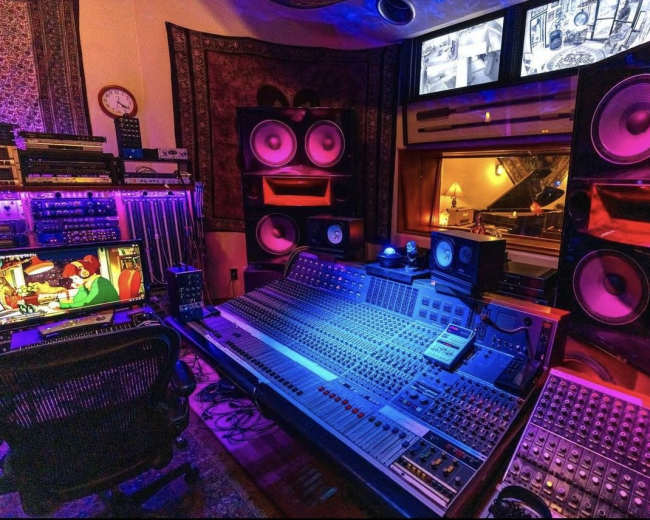
Music Recording Studio and Creative Space in Downtown Mesa
C.A.N.D.O., Mesa, AZ5.0 (2)
5 guests
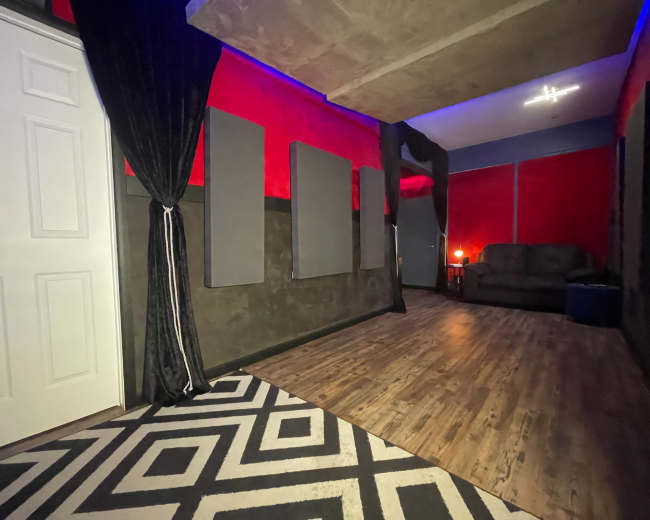
Urban Studio in the Industrial District
Escalante, Tempe, AZ125 guests
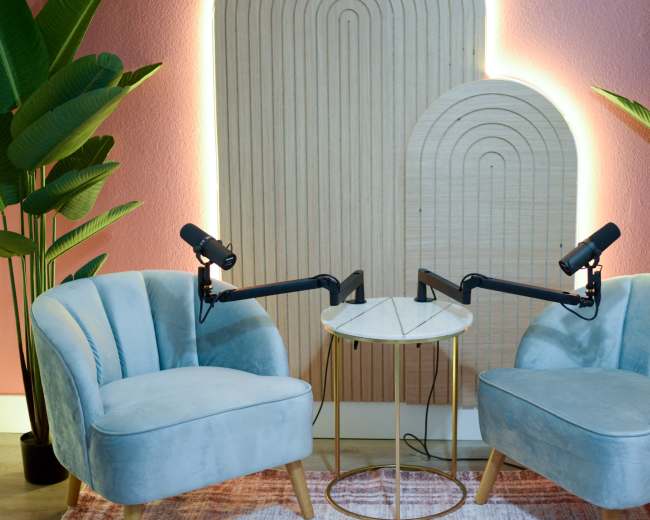
Trendy Pink Podcast Studio Set
Mesa, AZ5.0 (4)
4 guests
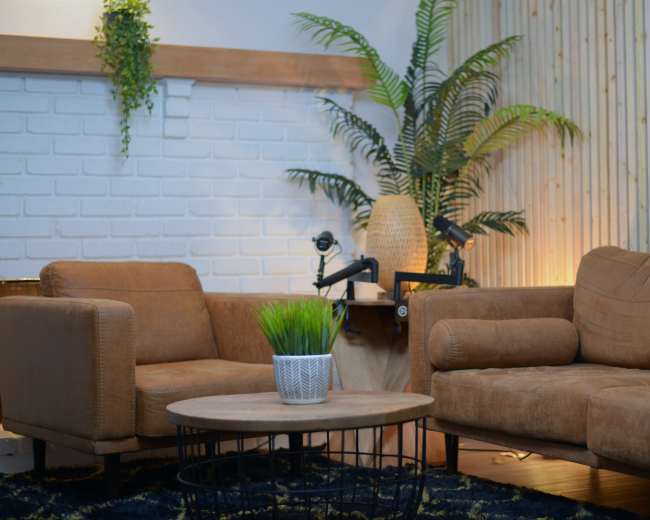
Video Podcast Studio
Mesa, AZ4.8 (6)
3 guests
Pro Podcast + Video Studio | Multi-Cam, Green Screen & Engineer – Tempe AZ
South Tempe, AZ4.8 (13)
10 guests
Video podcasting & content studio
Rural-Geneva, Tempe, AZ, AZ4 guests
Premium Podcast Studio with Engineer Included
Sherwood Manor, Mesa, AZ4 guests
Podcast, Photo, Film Studio
Chandler, AZ9 guests
Production House used for filming ,event, podcast, videos ,photography & any other content creation needs.
Shamrock Estates, Gilbert, AZ150 guests
Podcast Studio AZ
Mesa, AZ4.9 (9)
4 guests
Amazing Recording Studio Located in Tempe
Tempe, AZ10 guests
Scottsdale Podcast Studio
Old Town Scottsdale, AZ10 guests
Scottsdale Podcast Studio
Old Town Scottsdale, AZ4 guests
Mesa High End Production Studio w/ Cyc Wall
Mesa, AZ5.0 (2)
20 guests
Corporate Podcast Studio (Camera Included)
Tempe, AZ15 guests
Scottsdale Modern Retro Video/Audio Podcast Recording Studio
McCormick Ranch, Scottsdale, AZ5.0 (16)
8 guests
Podcast Video Recording Studio (Camera Included)
Tempe, AZ5.0 (21)
15 guests
Modern Podcast Studio (Camera Included)
Tempe, AZ5.0 (1)
15 guests
Podcast / Video studio with green screen
Chandler Crossing Estates, AZ4 guests
High-End Podcast Studio for Creators & Pros
South Scottsdale, AZ5.0 (2)
4 guests
South Chandler Space for your next Production
Chandler, AZ70 guests
Dog Friendly Content, Podcast & Reels Studio with Natural Light
Evergreen, Tempe, AZ6 guests
3 Professional, Modern Podcast & Content Studios In The Heart of Old Town, Scottsdale | PS Studios.co | AZ's #1 Podcast Production Studio
South Scottsdale, AZ5.0 (14)
6 guests
Empire Scottsdale Podcast Hideaway and Makeup room
Old Town Scottsdale, AZ4 guests
Centrally located industrial hybrid studio space located in Tempe AZ
Tempe, AZ5.0 (4)
10 guests
Modern Studio
Chandler, AZ40 guests
Pre-Lit White Cyc Studio with 12x12 motorized lighting grid
South Tempe, AZ20 guests
South Scottsdale Photo/Video Studio with Pre-Lit Cyc Wall
South Scottsdale, AZ5.0 (2)
10 guests
4,000 sqft Professional Video Studio with White Screen & White Cycloramic Screen.
Camelback East Village, Phoenix, AZ250 guests
4,000 sqft Professional Video Studio with Green Screen & Green Cycloramic Screen.
Camelback East Village, Phoenix, AZ5.0 (2)
250 guests
Creative Video/Photo Flex Space
Tempe, AZ5.0 (71)
12 guests
50x60 Film / Photo Studio with 20ft Cyc Walls + Plenty of Gear
South Mountain Village, Phoenix, AZ5.0 (35)
25 guests
Urban Podcast Studio: Industrial Heart of Phoenix - Ideal for Photography, Audio Recording, and Videography
Central City, Phoenix, AZ5.0 (1)
20 guests
Very Unique Mid-century Boutique, Upscale Record Store With A Record Floor And Giant Record Chandelier.
Paradise Valley Plaza, Scottsdale, AZ50 guests
Pricing and popularity information in this section is based on proprietary Peerspace booking data, reflecting recent booking activity and the latest data available through October 2026.
Recording studios in Mesa average $156 per hour to rent, but it’s easy to spend less or more depending on what you’re looking for. For a space on the smaller side, expect to spend closer to $104, whereas larger venues run about $108 per hour.
Most recording studios are scheduled for 6 hours, with 9 people in attendance. You’ll find the most Recording Studios starting between 11:00 AM and 12:00 PM.
Our local hosts have welcomed 1190 people into their recording studios with reviews averaging 4.75 stars. Most even said they would book again -- about 88%.
Saturdays are the most popular day for booking recording studios in Mesa.


