
Sun
Mon
Tue
Wed
Thu
Fri
Sat
$100/hr$75/hr$50/hr$25/hr
Peerspace is the easiest way to book unique spaces for meetings. We also have spaces for productions and events.
Discover SpacesEvery day we uncover new, creative spaces perfect for your corporate meeting — from neighborhood gardens, expansive rooftops, trendy office spaces, and beyond.
Our spaces are priced to fit your budget. Hire by the hour for your meeting without worrying about hidden fees.
No more messy contracts. We build the tools to make booking a space for your corporate meeting as easy as the click of a button.
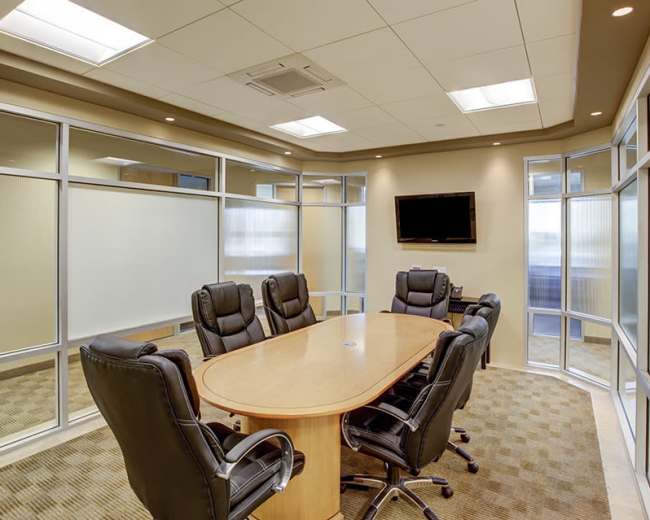
Meeting/Networking Room Available
Orange, CA5.0 (15)
20 guests
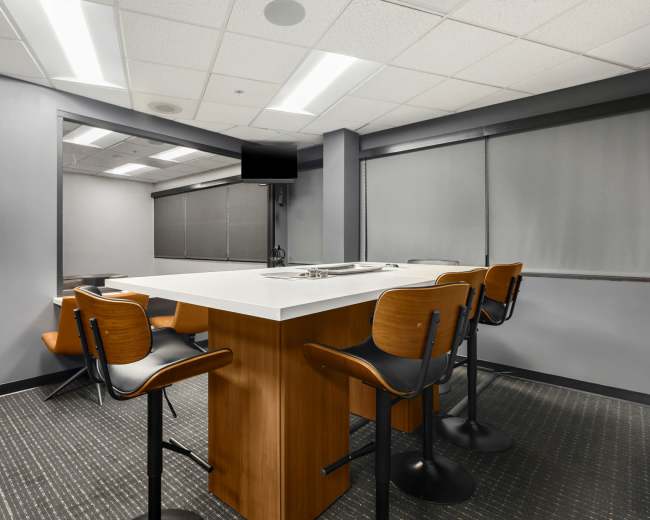
Think Tank Meeting Room
Tustin, CA5.0 (3)
10 guests
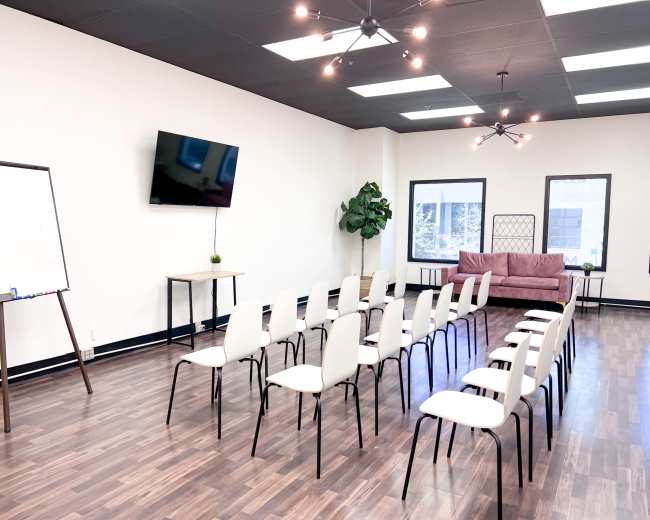
Multi Purpose Collaborative Meeting Space in the Heart of Old Towne Orange
Orange, CA4.9 (50)
50 guests
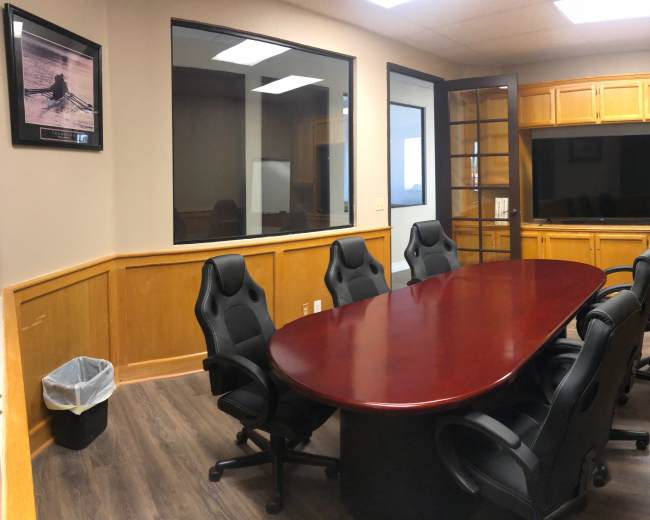
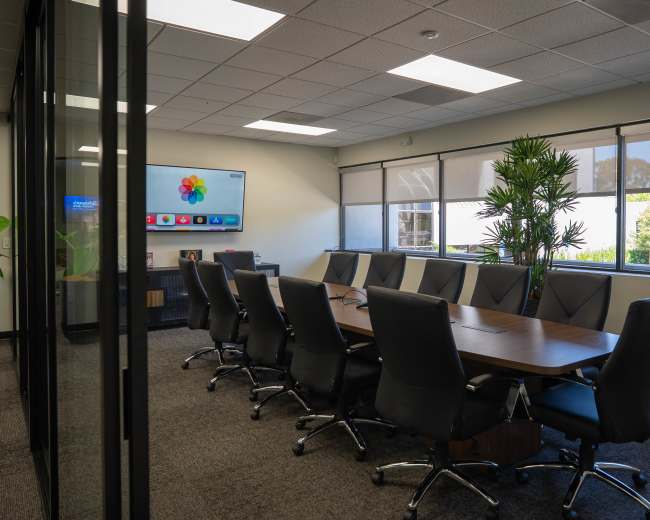
Orange - LG Conference Room (Large) - 3 Minutes to CA-55 freeway
Orange, CA5.0 (20)
12 guests
Large customizable meeting space
Downtown Anaheim, CA4.8 (6)
35 guests
Rustic Arts and Crafts Workshop
Fairhaven, Santa Ana, CA40 guests
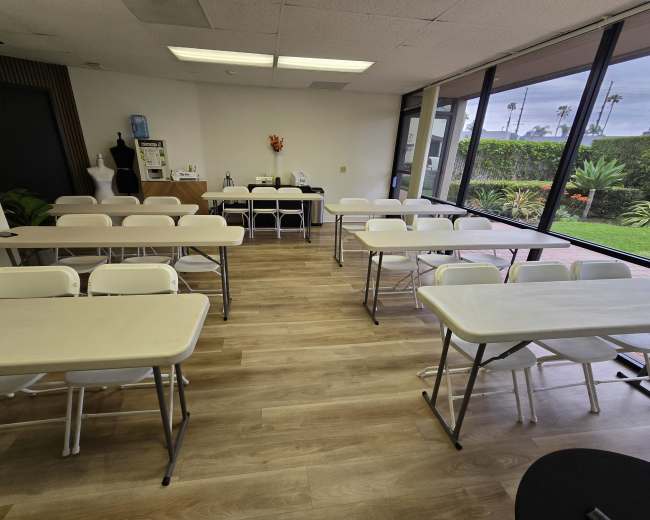
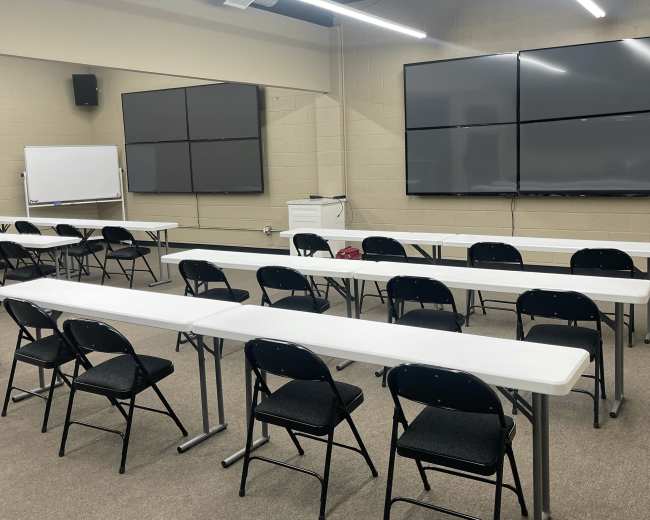
Training Room for Seminars, Workshops, and Meetings
Fullerton, CA4.9 (17)
30 guests
The Dream Den - Creative Studio
Orange, CA12 guests
🌟 Elevate Your Meetings and Get The Creativity Flowing! Perfect for Offsite and Team Trainings in the Heart of Orange County🌟
Santa Ana, CA5.0 (43)
45 guests
Sundrenched Conference Room with view of Catalina Island
Anaheim Resort, Orange, CA5.0 (42)
12 guests
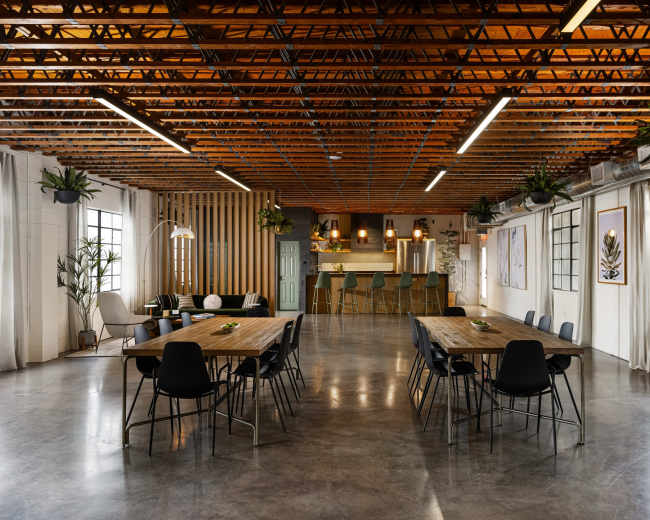
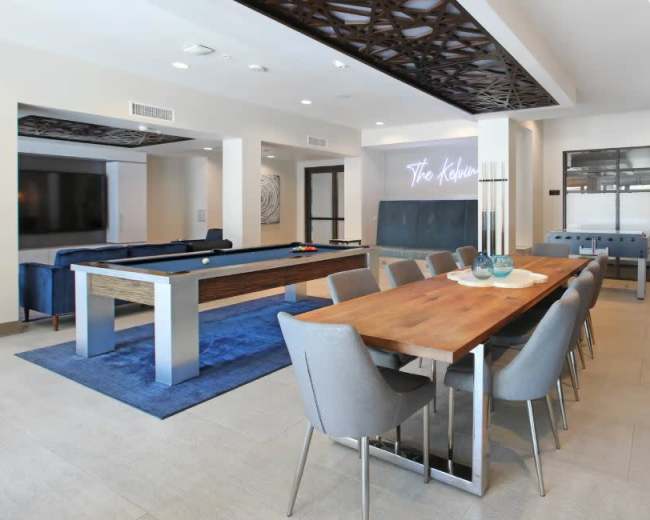
Chic Fullerton Lounge | Perfect for Workshops & Team Meetings
Fullerton, CA75 guests
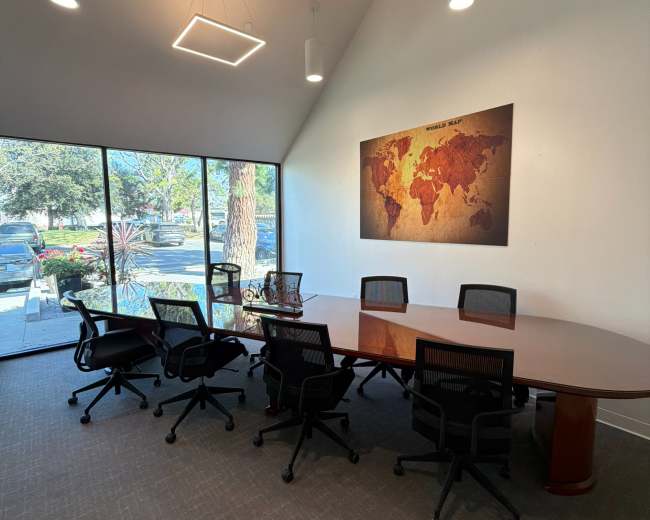
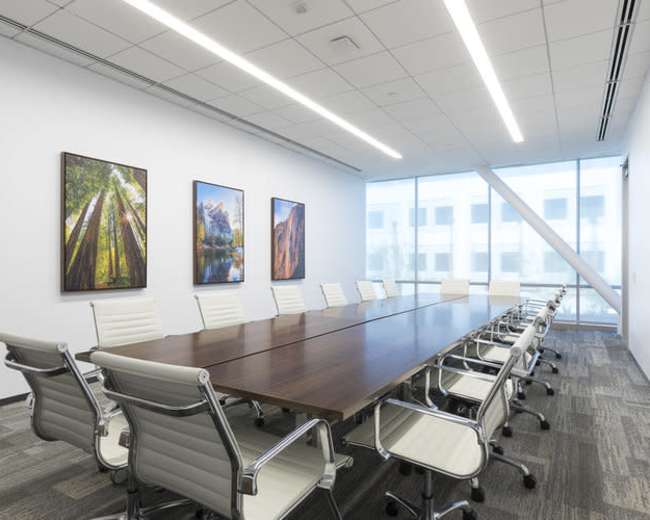
Modern Glass-Walled Conference Room with Natural Light in Santa Ana
Santa Ana, CA12 guests
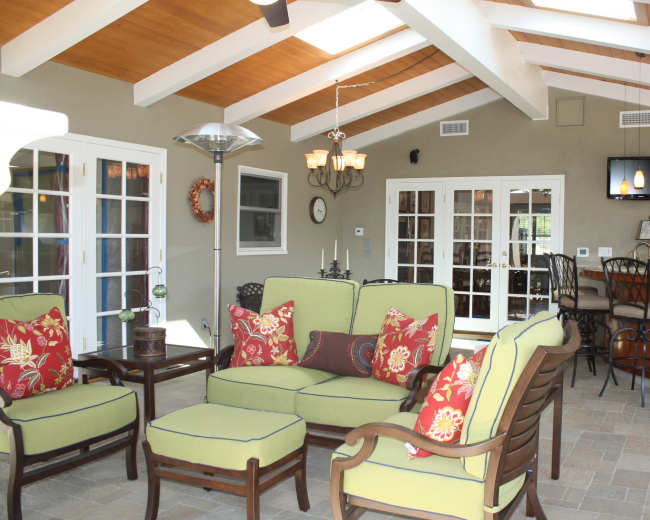
Sunny Family Home with spacious patio and yard (California Room)
Santa Ana, CA5.0 (7)
50 guests
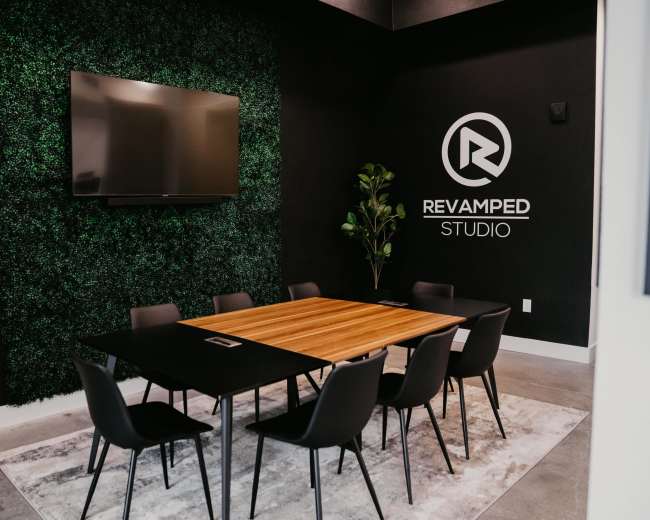
Photo Studio with Small Cyclorama and Meeting Space
Platinum Triangle, Anaheim, CA5.0 (51)
15 guests
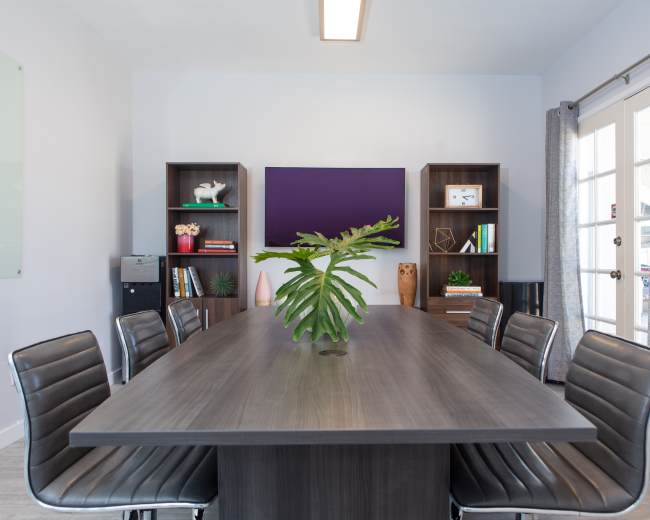
Warm & Inviting Conference Room in Anaheim Hills
Anaheim Hills, CA5.0 (5)
6 guests
Modern Meeting & Conference Room in Irvine
Irvine Business Complex, CA5.0 (4)
15 guests
Pleasant Conference Room in the City of Orange
Anaheim Resort, Orange, CA4.9 (15)
6 guests
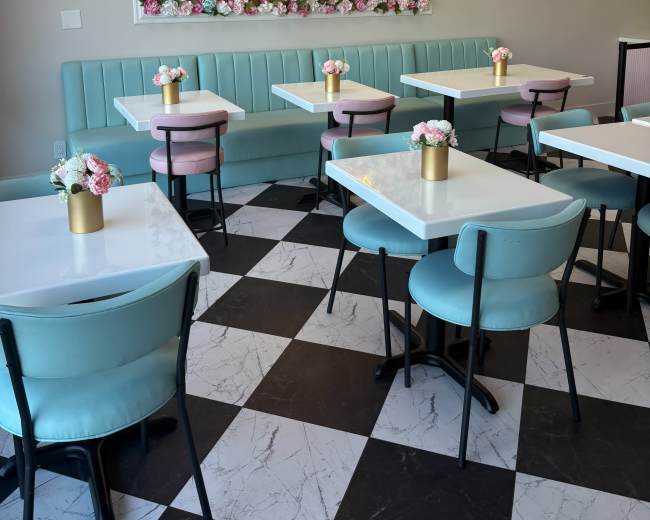
Downtown Cafe with a comfortable environment
Lacy, Santa Ana, CA4.8 (99)
100 guests
Intimate creative space in the heart of Downtown Santa Ana
Lacy, Santa Ana, CA5.0 (43)
20 guests
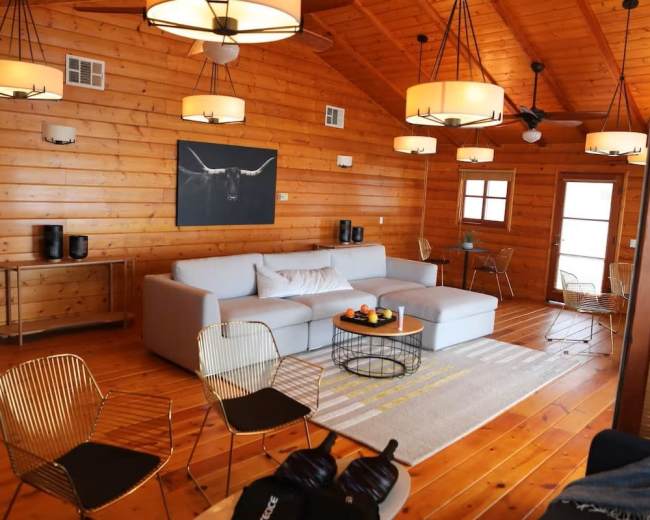
🎾Perfect Pickleball Clubhouse with Skyline View🎾
North Tustin, Santa Ana, CA5.0 (24)
35 guests
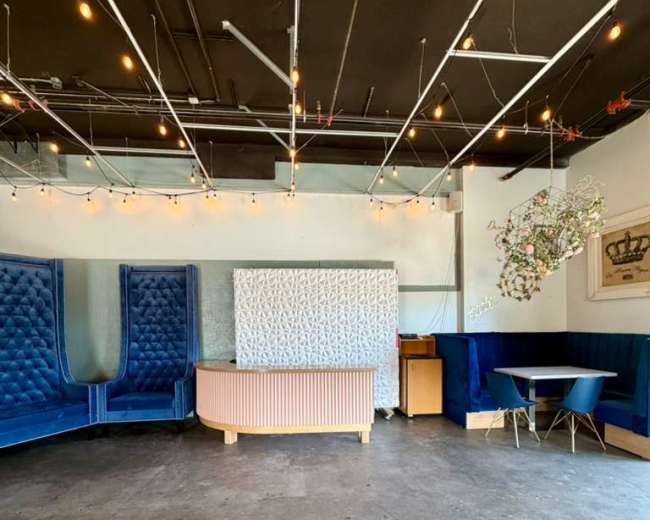
The Sprinkle Room
Yorba Linda, yorba llinda, CA5.0 (2)
25 guests
Comfortable Day Office in Orange with Skyline View
Anaheim Resort, Orange, CA5.0 (9)
3 guests
Orange County Irvine Spacious Meeting and Conference Room
Irvine Business Complex, CA5.0 (151)
99 guests
Modern Restaurant
Tustin, CA200 guests
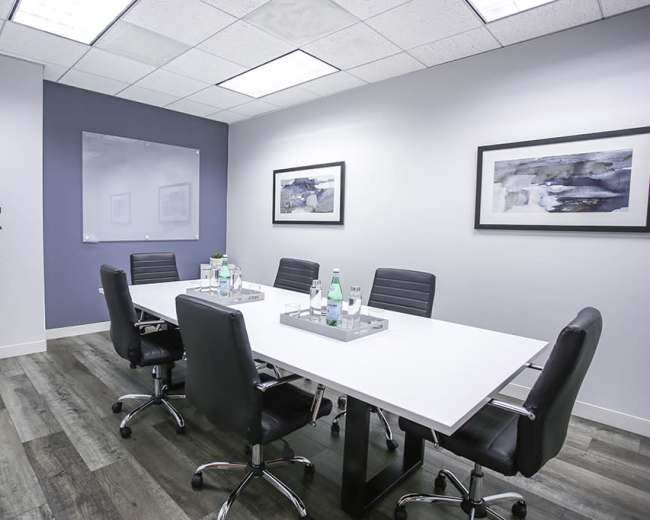
Modern and Clean Conference Room
Irvine Business Complex, CA8 guests
Spacious Executive Conference Room in Irvine
Irvine Business Complex, CA4.1 (12)
10 guests
Modern Indoor/Outdoor Lounge for Meetings
Irvine Business Complex, CA5.0 (9)
35 guests
15 Person Training Board Room - Intersect
Irvine Business Complex, CA4.8 (13)
15 guests
Pricing and popularity information in this section is based on proprietary Peerspace booking data, reflecting recent booking activity and the latest data available through October 2026.
Meeting rooms in Orange average $66 per hour to rent, but it’s easy to spend less or more depending on what you’re looking for.
Most meeting rooms are scheduled for 3 hours, with 12 people in attendance. You’ll find the most Meetings starting between 1:00 PM and 2:00 PM.
Our local hosts have welcomed 642 people into their meeting rooms with reviews averaging 4.96 stars. 100% of guests said they'd book again.
Saturdays are the most popular day for booking meeting rooms in Orange. For those seeking a deal, consider booking Sunday and Saturday as these days are 55% cheaper on average.


