Sun
Mon
Tue
Wed
Thu
Fri
Sat
$100/hr$75/hr$50/hr$25/hr
Peerspace is the easiest way to book unique photo studios for all kinds of productions including photo shoots, film shoots and music videos. We also have spaces for meetings and events.
Discover SpacesEvery day we uncover new, inspirational spaces, including photoshoot studios, perfect for your activity.
Our network of helpful hosts respond quickly, and are well-versed in accommodating all types of productions, including film and photo shoots.
Only pay for what you need. Pay by the hour for your photoshoot studio location without worrying about hidden fees or overtime.
South Scottsdale Photo/Video Studio with Pre-Lit Cyc Wall
South Scottsdale, AZ5.0 (2)
10 guests
Intimate Cyc Studio With Prep & Meeting Space – Ideal for Product, Portrait & Creative Shoots
Encanto Village, Phoenix, AZ5.0 (1)
50 guests
Photography Studio and Film
Alhambra, Phoenix, AZ4.8 (4)
15 guests
Photo & Video Production Studio with Cyc Wall & Green Screen
North Mountain Village, Phoenix, AZ4.9 (13)
25 guests
Well Lit, Commercial Photography Studio Located near Phoenix Airport
Central City, Phoenix, AZ5.0 (3)
150 guests
Sound Valley Studios Photo & Video Studio
North Mountain Village, Phoenix, AZ5.0 (4)
5 guests
Urban Open Studio: Industrial Heart of Phoenix - Ideal for Photography, Videography, Events, Seminars, and Work Space
Central City, Phoenix, AZ4.9 (15)
200 guests
Film and Photography Studio | LARGE White Cyc Wall | Influence Studios
Glendale, AZ5.0 (6)
40 guests
White Cyclorama Studio + Glam Room | Production-Ready Creative Space
Camelback East Village, Phoenix, AZ7 guests
50x60 Film / Photo Studio with 20ft Cyc Walls + Plenty of Gear
South Mountain Village, Phoenix, AZ5.0 (35)
25 guests
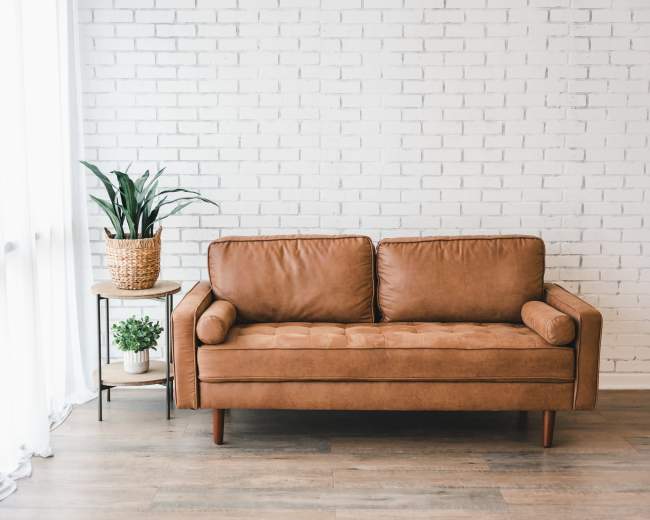
Boutique photo/video studio in Downtown Phoenix with natural sunlight and white brick walls
Central City, Phoenix, AZ15 guests
Industrial Chic: A Versatile Venue with a Bar, Lounge, Photo Studio, Conference Room and Commercial Kitchen
The Shops At Pinnacle Peak, Scottsdale, AZ5.0 (8)
15 guests
Photography Nook - Open Space With Motorized Paper Backdrops
Downtown Peoria, AZ6 guests
Unique Photography Studio with High End Sets!
Glendale, AZ5.0 (33)
50 guests
4,000 sqft Professional Video Studio with White Screen & White Cycloramic Screen.
Camelback East Village, Phoenix, AZ250 guests
scottsdale natural light indoor/outdoor photography studio, professional equipment avalible. Made by a photographer for a creatives
Scottsdale Country Acres, AZ5.0 (4)
12 guests
Versatile Cyc Studio Near Sky Harbor - Perfect for Any Size Production or Event
Encanto Village, Phoenix, AZ5.0 (5)
60 guests
Modern Midtown Photography Studio with Cyclorama Wall + Christmas Set
Alhambra, Phoenix, AZ5.0 (23)
10 guests
Opus Studio - Creative Space
Old Town Peoria, AZ4 guests
Commercial Studio with Large Cyclorama Wall for Vehicles & Groups (3/4)
Encanto Village, Phoenix, AZ50 guests
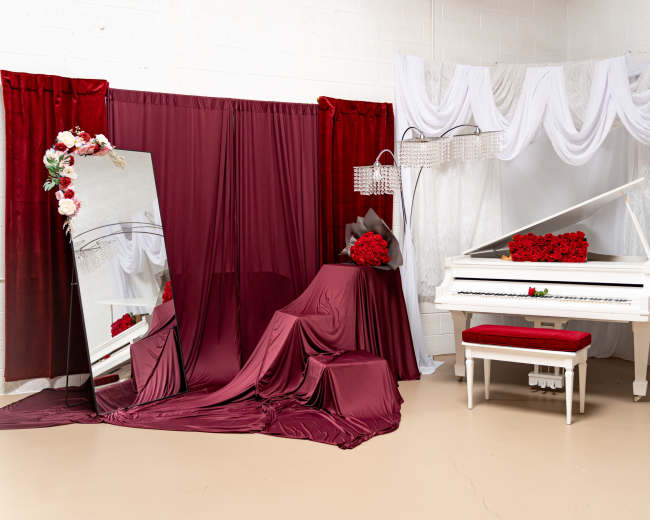
Photography Studio in Warehouse featuring grand piano & multiple sets
Glendale, AZ10 guests
Scottsdale Studio
McDowell Mountain Tech Condominium, Scottsdale, AZ5.0 (1)
20 guests
Large Air Conditioned warehouse Studio with Cyc Wall
South Mountain Village, Phoenix, AZ5.0 (125)
25 guests
Fully-Equipped Photo Studio
Peoria, AZ5.0 (463)
15 guests
Modern and Equipped Photography Studio for Models or Product Photography
Paradise Valley Village, Phoenix, AZ3 guests
White Cyclorama Studio with Natural Light (4)
Encanto Village, Phoenix, AZ4.8 (18)
9 guests
"Cozy In-Home Studio Near Tempe Town Lake with Modern Amenities"
Tempe, AZ5.0 (2)
4 guests
3,000 Sq Ft Film & Photo Studio with 17' Ceilings & Bay Door
Downtown Peoria, AZ50 guests
Beautiful Studio
Central Scottsdale, AZ5.0 (4)
20 guests
Creative Content Studio + Podcast Space in Downtown Phoenix
Central City, Phoenix, AZ8 guests
RGB LED White CYC Film & Photo Studio
Tempe, AZ5.0 (13)
50 guests
*One Six Studio* - Central Located Creative Space
Encanto Village, Phoenix, AZ4.8 (17)
8 guests
Commercial Studio Fit for Medium & Large Sized Productions
Encanto Village, Phoenix, AZ4.9 (37)
60 guests
Urban home studio with cozy home feels
Paradise Valley Village, Phoenix, AZ10 guests
Downtown Industrial Studio Space
Central City, Phoenix, AZ5.0 (752)
12 guests
Pricing and popularity information in this section is based on proprietary Peerspace booking data, reflecting recent booking activity and the latest data available through October 2026.
Photo studios in Phoenix average $75 per hour to rent, but it’s easy to spend less or more depending on what you’re looking for.
Most photo studios are scheduled for 2 hours, with 4 people in attendance. You’ll find the most Photo Studios starting between 1:00 PM and 2:00 PM.
Our local hosts have welcomed 7757 people into their photo studios with reviews averaging 4.94 stars. Most even said they would book again -- about 99%.
Saturdays are the most popular day for booking photo studios in Phoenix. For those seeking a deal, consider booking Monday and Tuesday as these days are 2% cheaper on average.


