

Sun
Mon
Tue
Wed
Thu
Fri
Sat
$100/hr$75/hr$50/hr$25/hr
Peerspace is the easiest way to book unique spaces for meetings. We also have spaces for productions and events.
Discover SpacesEvery day we uncover new, creative spaces perfect for your corporate meeting — from neighborhood gardens, expansive rooftops, trendy office spaces, and beyond.
Our spaces are priced to fit your budget. Hire by the hour for your meeting without worrying about hidden fees.
No more messy contracts. We build the tools to make booking a space for your corporate meeting as easy as the click of a button.
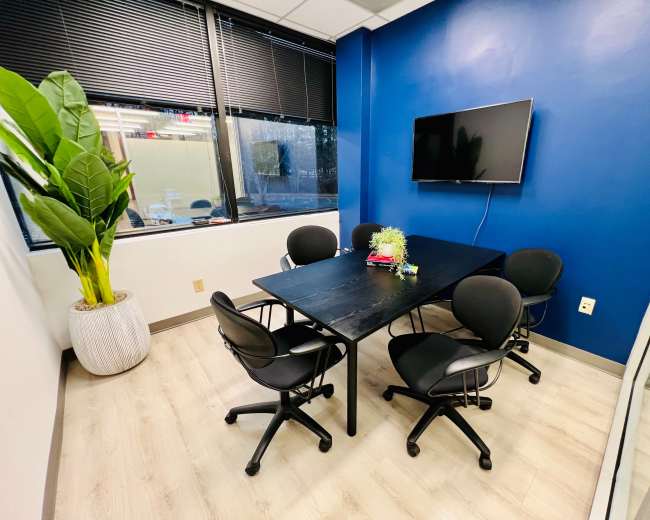
TKO Suites
Southwest Raleigh, NC4.8 (9)
6 guests
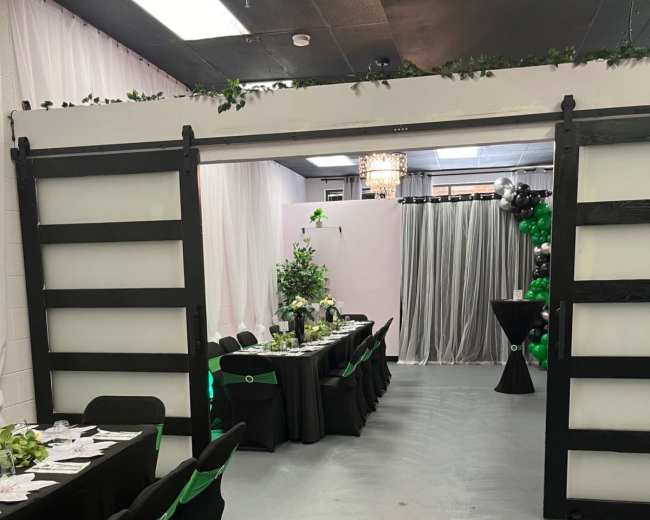
Consider it Done Events and Meeting Center
North Raleigh, NC40 guests
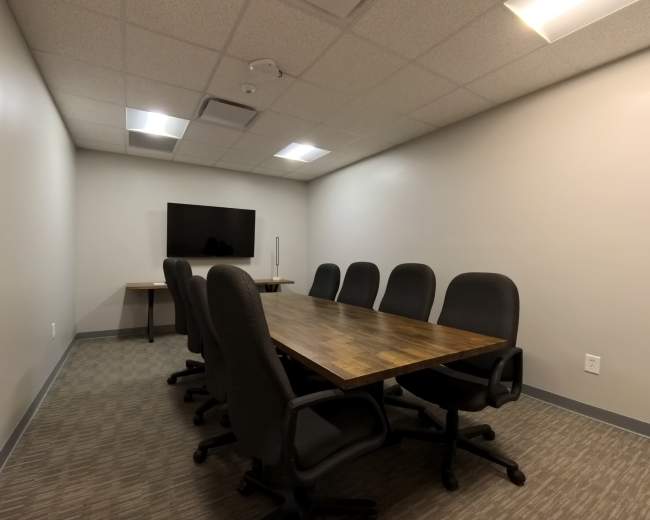
The Perry Exchange
Northeast Raleigh, NC8 guests
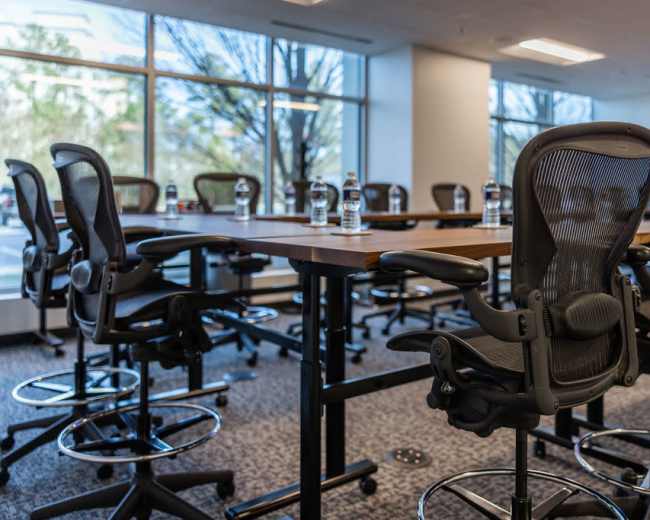
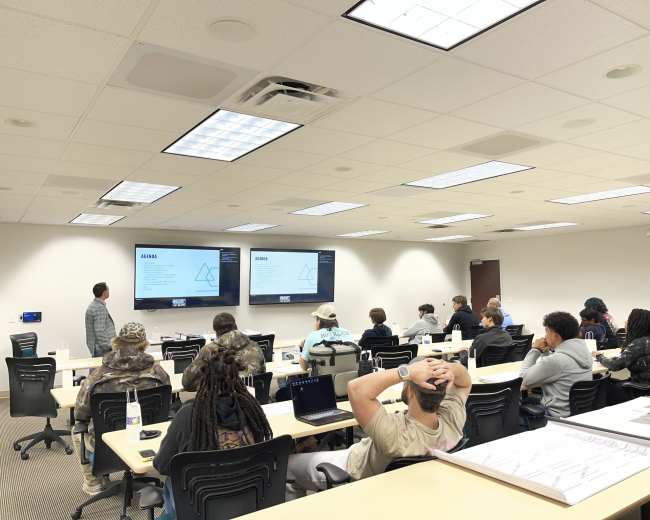
Transcend Leadership Center
Umstead, Raleigh, NC5.0 (2)
24 guests
The Birch Center
Serving the Raleigh, NC area5.0 (1)
20 guests
North Carolina Studios
Serving the Raleigh, NC area8 guests
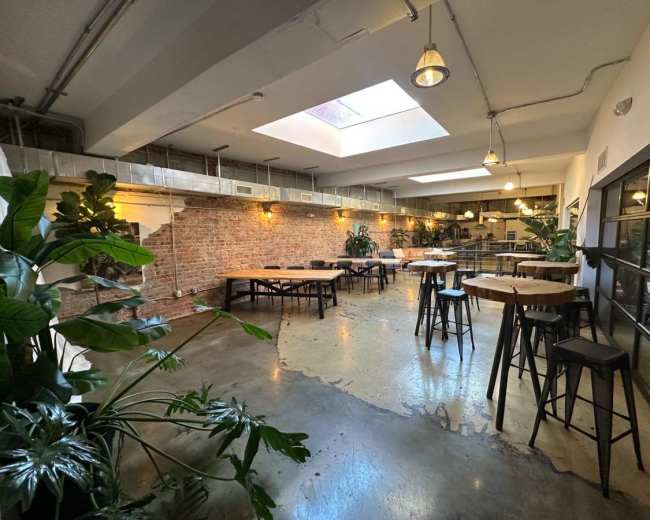
Creative Event Space in Downtown Raleigh!
Downtown, Raleigh, NC4.8 (69)
60 guests
THE STORE
Brooklyn Hill, Raleigh, NC5.0 (58)
12 guests
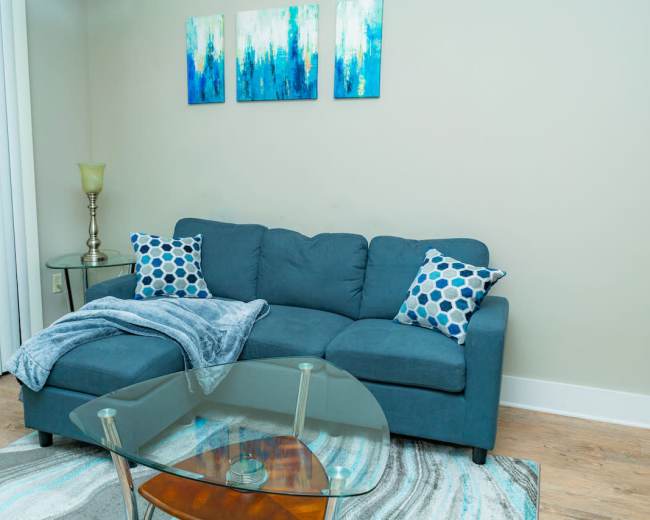
Stylish Downtown Apartment with a View
Downtown, Raleigh, NC10 guests
Mo’Elle Studios
Downtown, Raleigh, NC5.0 (5)
10 guests
Slim's Dive Bar
Downtown, Raleigh, NC65 guests
Nest Raleigh
Downtown, Raleigh, NC5.0 (10)
60 guests
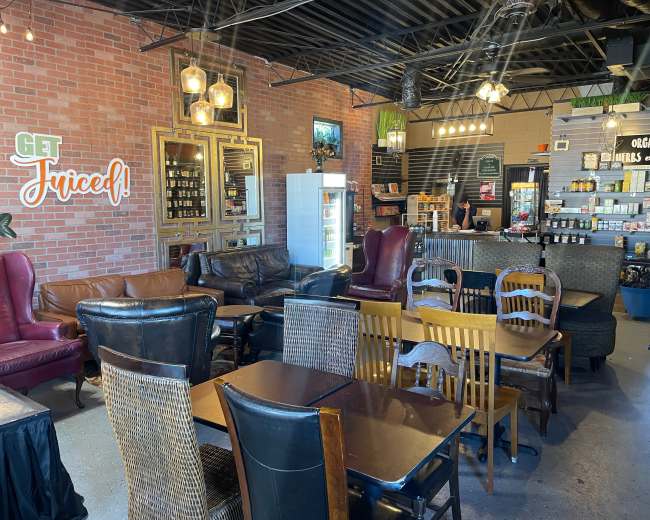
Cozy Cafe and Lounge Near Downtown in Historic Washington Terrace
Downtown, Raleigh, NC4.9 (26)
55 guests
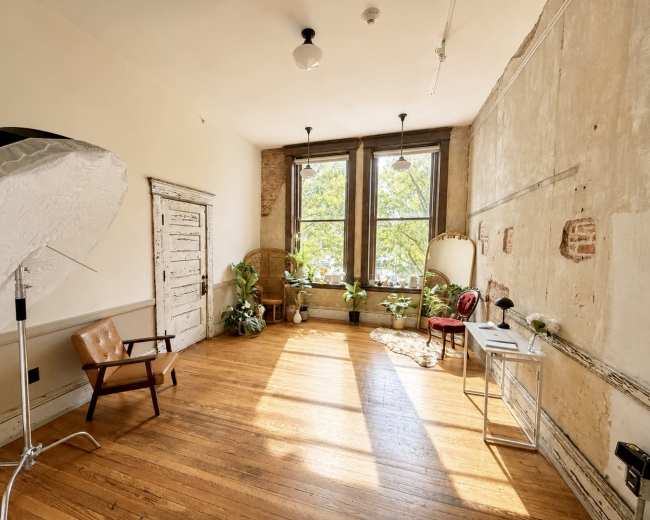
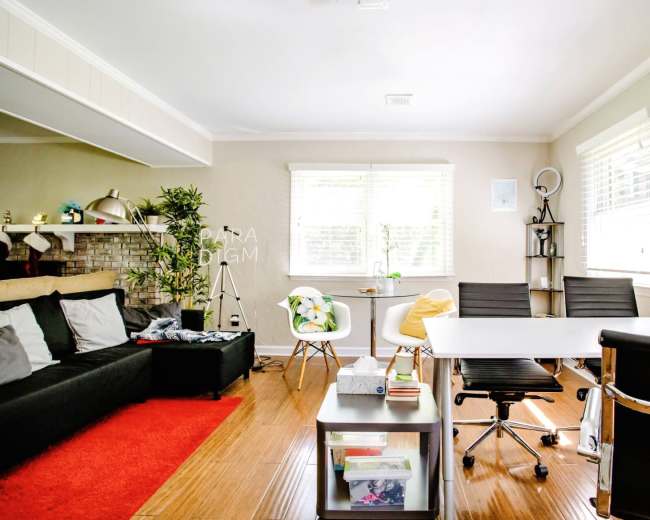
Stylish 1920s Storefront with Downtown Raleigh Charm
Downtown, Raleigh, NC15 guests
Aruna House
Hi-mount, Raleigh, NC5.0 (1)
16 guests
Midtown Raleigh Meeting Space
North Hills, Raleigh, NC12 guests
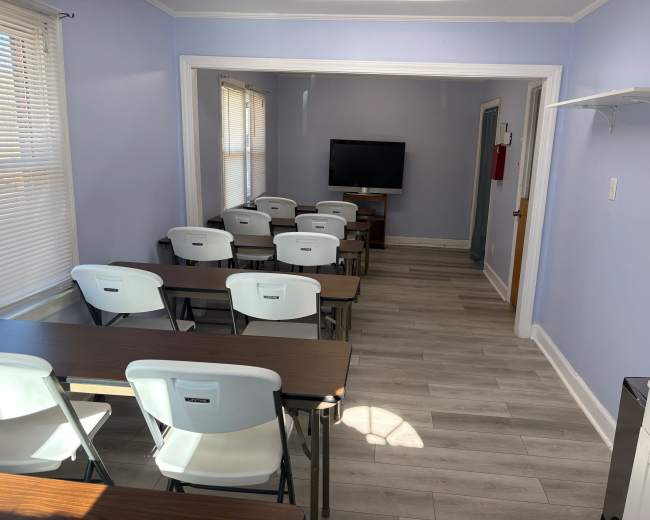
Private Suburban Meeting, Classroom & Office Space
Biltomore Heights Townhomes, Raleigh, NC15 guests
Raleigh Workup
Southwest Raleigh, NC5.0 (1)
12 guests
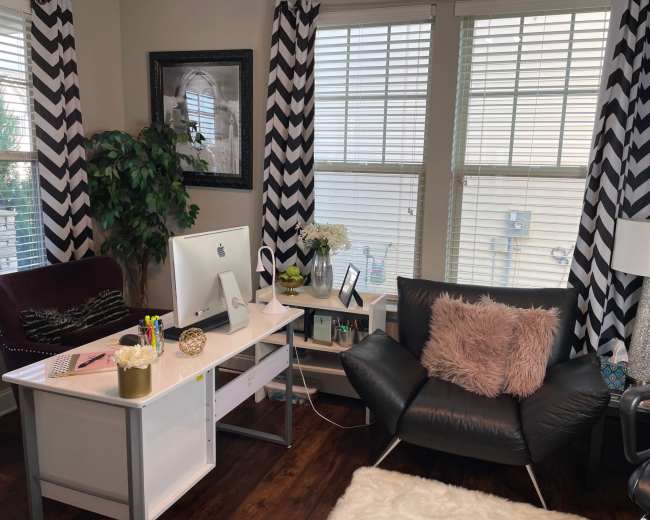
Decorative Office Space
Southeast Raleigh, NC5 guests
NOVA Coliving Innovation House
Driftwood Estates, Raleigh, NC4.5 (8)
6 guests
The Private party room
Northeast Raleigh, NC5.0 (5)
70 guests
TonedFitness
Northeast Raleigh, NC40 guests
Fratti's Event Center
Northeast Raleigh, NC200 guests
TKO Suites
Southwest Raleigh, NC4.9 (9)
5 guests
TKO Suites
Southwest Raleigh, NC4.9 (18)
12 guests
Consider It Done Events and Meeting Ctr
North Raleigh, NC70 guests
Fully Equipped Training Room in Lafayette Village
North Raleigh, NC5.0 (8)
40 guests
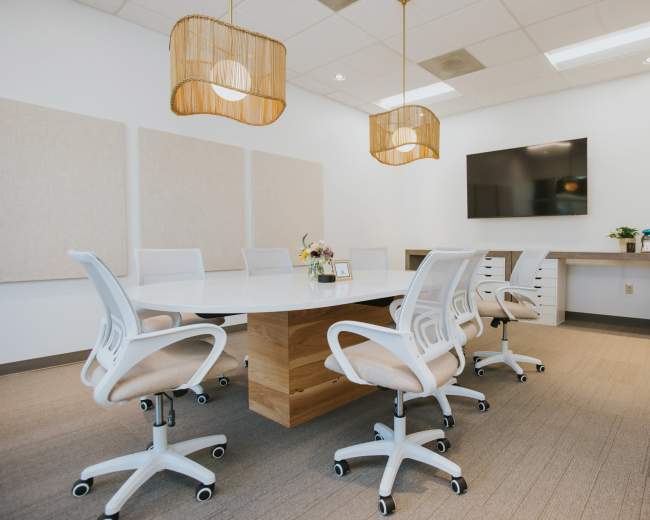
Board Room for 10 in Lafayette Village
North Raleigh, NC5.0 (9)
10 guests
Conference Room for 6 in Lafayette Village
North Raleigh, NC5.0 (2)
6 guests
The Perry Exchange
Northeast Raleigh, NC32 guests
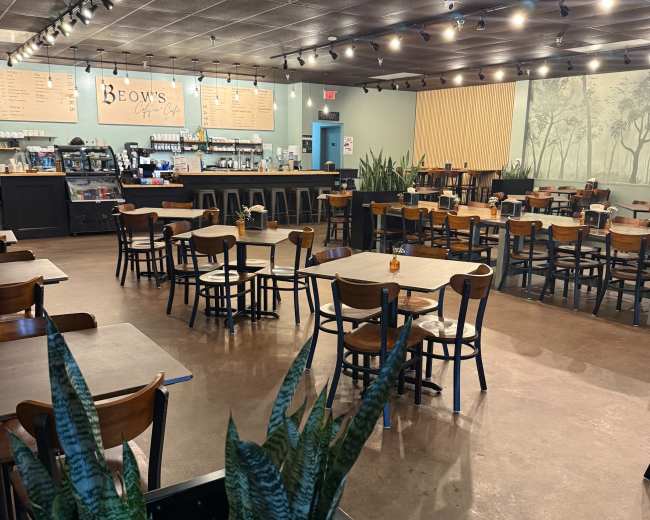
Beow's Coffee & Café
Northwest Raleigh, NC75 guests
Flexible meeting and event space with deck and garden.
Umstead, Raleigh, NC5.0 (20)
250 guests
The House of Gathering
Raleigh, NC5.0 (2)
25 guests
IMAGINX Studio Center
North Raleigh, NC200 guests
MIDZ³
North Raleigh, NC6 guests
Pricing and popularity information in this section is based on proprietary Peerspace booking data, reflecting recent booking activity and the latest data available through September 2026.
Meeting rooms in Raleigh average $57 per hour to rent, but it’s easy to spend less or more depending on what you’re looking for.
Most meeting rooms are scheduled for 4 hours, with 8 people in attendance. You’ll find the most Meetings starting between 11:00 AM and 12:00 PM.
Our local hosts have welcomed 612 people into their meeting rooms with reviews averaging 4.75 stars. Most even said they would book again -- about 95%.
Wednesdays are the most popular day for booking meeting rooms in Raleigh. For those seeking a deal, consider booking Wednesday and Thursday as these days are 27% cheaper on average.


