


Sun
Mon
Tue
Wed
Thu
Fri
Sat
$200/hr$150/hr$100/hr$50/hr
Peerspace is the easiest way to book unique dance studios for parties, weddings, meetings, productions and more.
Discover SpacesEvery day we uncover new, creative spaces, including dance class spaces, perfect for your activity.
Our dance studios are priced to fit your budget. Hire by the hour without worrying about hidden fees.
No more messy contracts. We build the tools to make booking dance class space venues as easy as the click of a button.
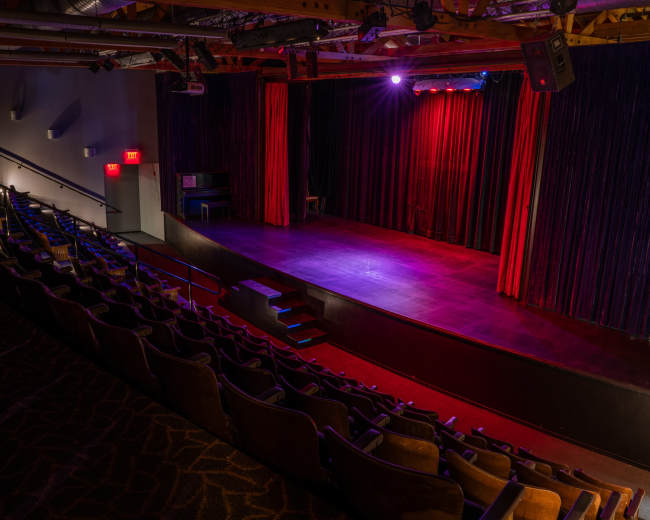
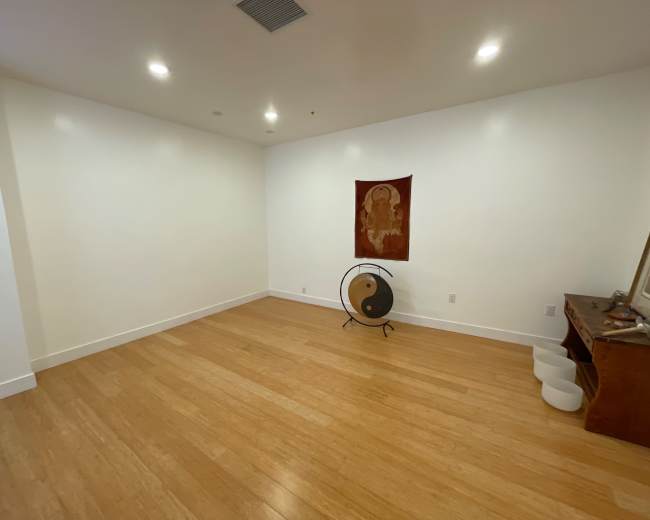
The Room Santa Monica
Mid-City, Santa Monica, CA25 guests
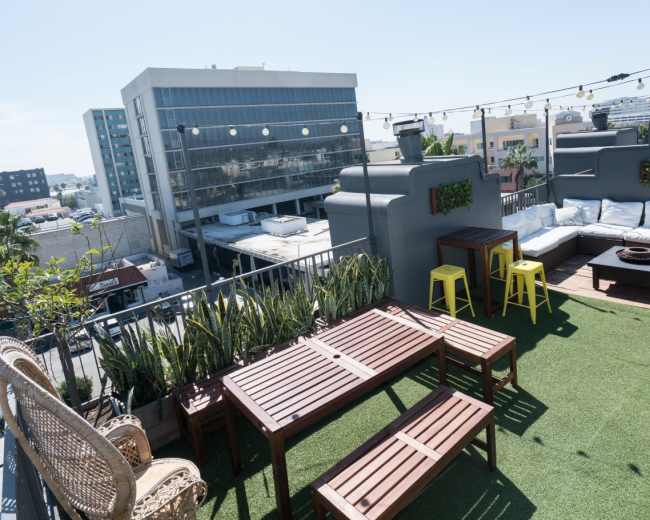
The Room Santa Monica
Mid-City, Santa Monica, CA5.0 (15)
175 guests
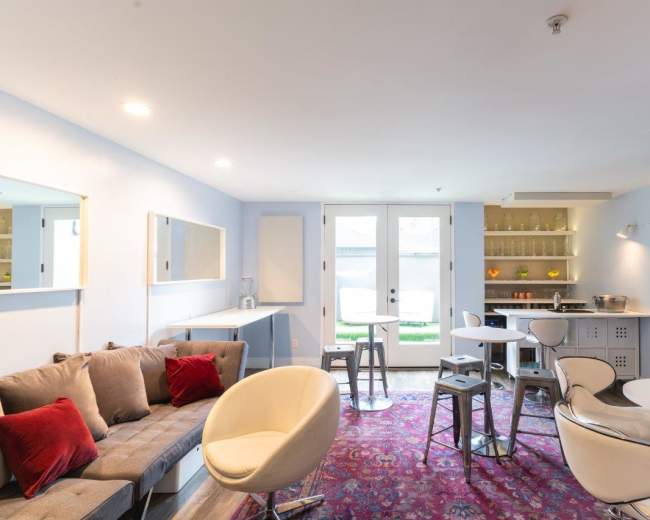
LA Salsa & Bachata Dance Academy
Mid-City, Santa Monica, CA5.0 (1)
25 guests
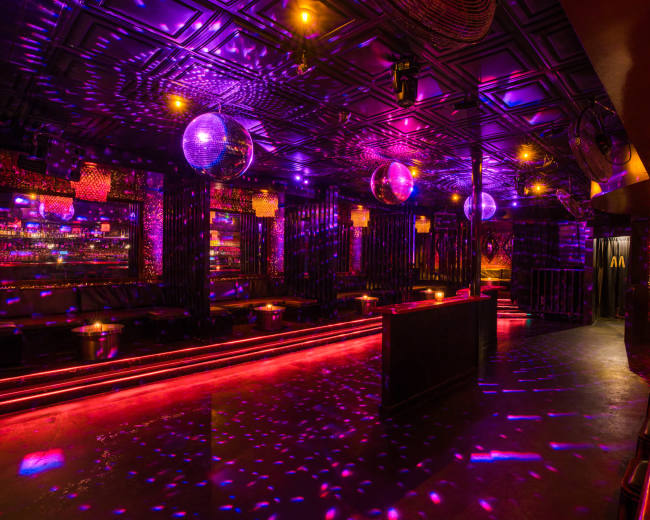
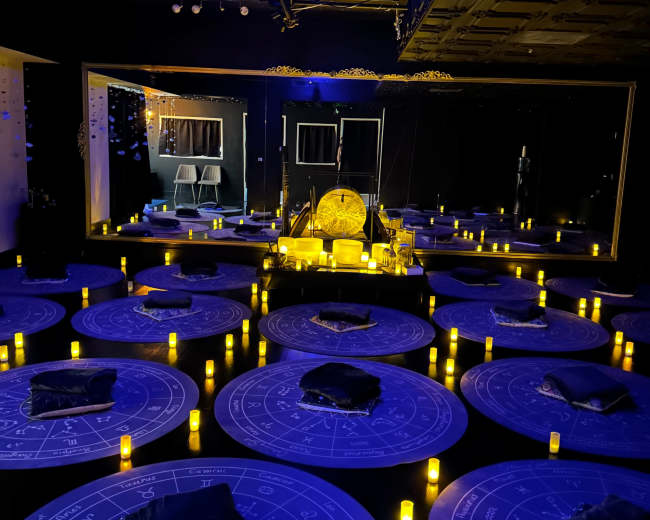
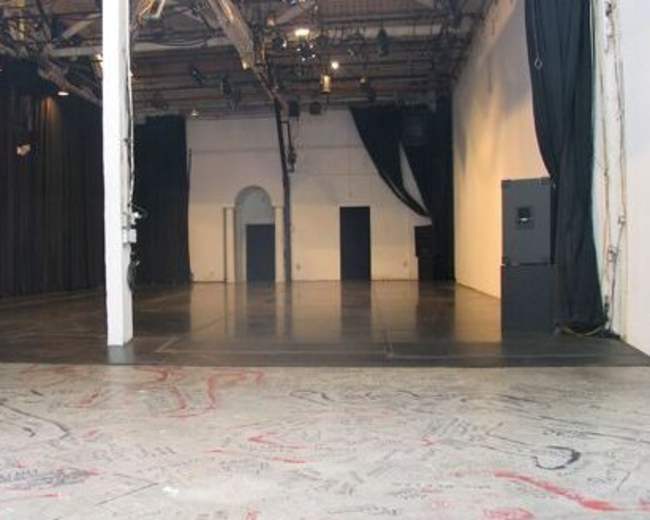
Illusion Magic Lounge
Santa Monica, CA4.9 (11)
150 guests
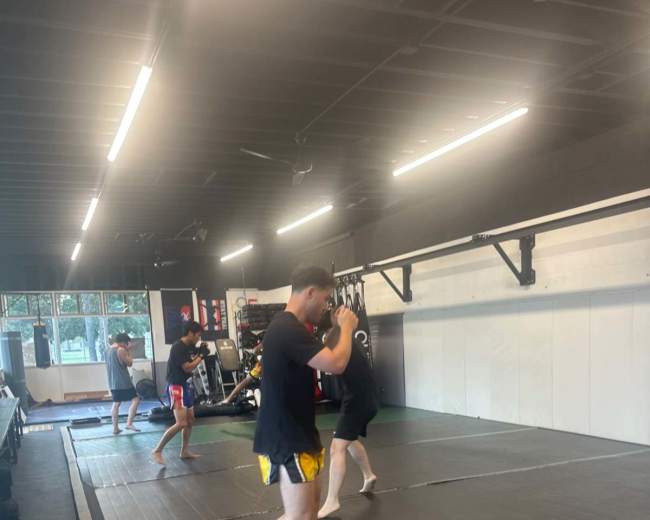
Santa Monica MMA
Ocean Park, Santa Monica, CA5.0 (1)
20 guests
Leah Kirsch
Sunset Park, Santa Monica, CA5.0 (1)
30 guests
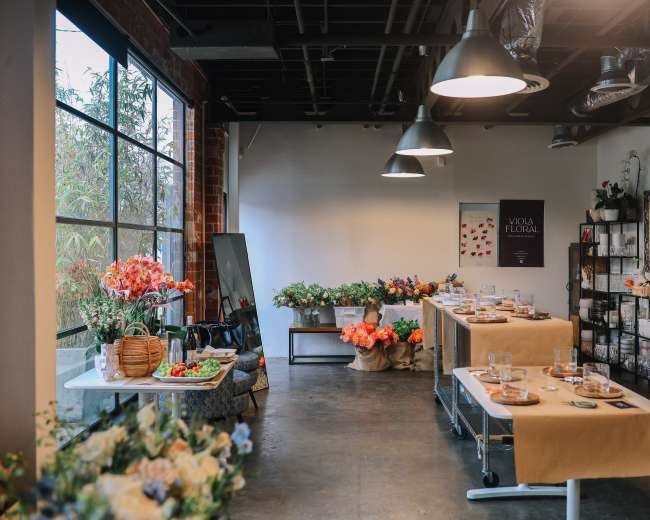
Santa Monica Design Studio Filled With Flowers and Natural Light
Santa Monica, CA20 guests
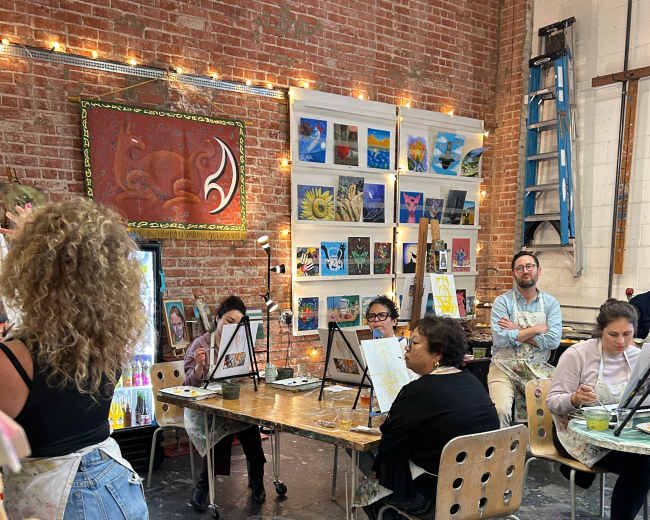
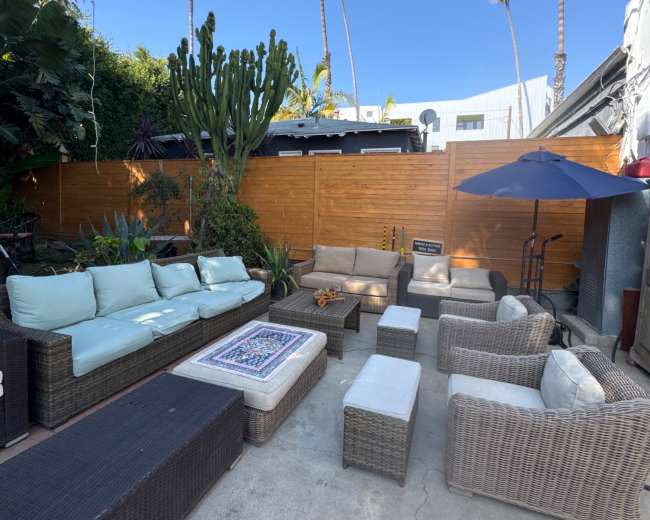
Santa Monica Retail / Art Studio with Great Natural Light and Outdoor Patio
Santa Monica, CA40 guests
Santa Monica Studio
Downtown, Santa Monica, CA25 guests
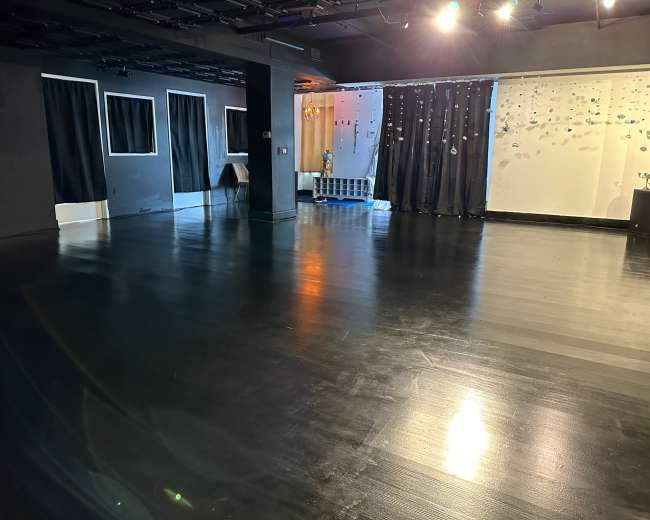
Blacked-Out Studio
Downtown, Santa Monica, CA25 guests
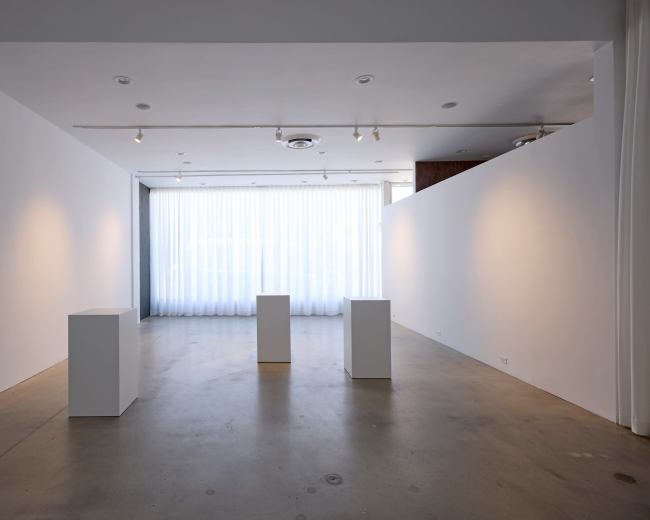
Bright and Inviting Contemporary Art Gallery
Downtown, Santa Monica, CA5.0 (3)
180 guests
Encapsulate Studio
Pico, Santa Monica, CA4.9 (723)
25 guests
LAAMP
Downtown, Santa Monica, CA300 guests
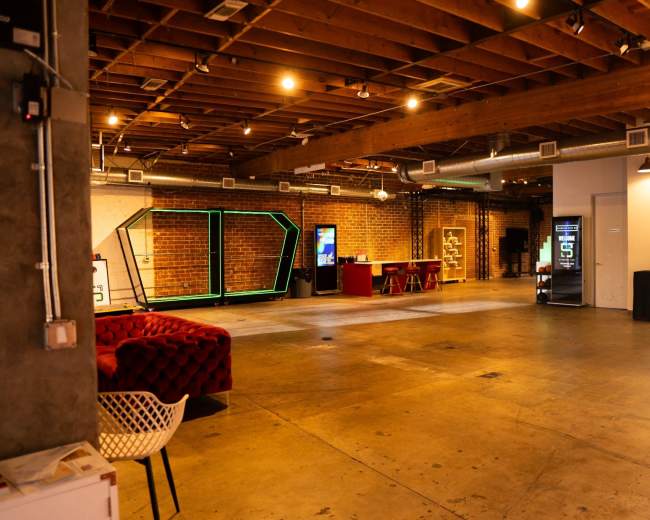
Downtown Santa Monica Industrial Venue for Multi-purpose Use
Downtown, Santa Monica, CA5.0 (6)
50 guests
Yoga Studio / Dance Studio / Clean Photography Space
Mid-City, Santa Monica, CA25 guests
Santa Monica Stunning Indoor/Outdoor Private Loft w/ Luxe Amenities & Outstanding Service
Wilshire Montana, Santa Monica, CA5.0 (1055)
90 guests
Santa Monica Cocktail Party Suite w/ Speakeasy Vibe (+ Optional Karaoke)
Wilshire Montana, Santa Monica, CA5.0 (243)
30 guests
Westside Black Box Space
Santa Monica, CA5.0 (21)
50 guests
Indoor Pickleball Venue and Event Space
Downtown, Santa Monica, CA100 guests
WUUM
Ocean Park, Santa Monica, CA200 guests
The Studio At The Beach
Santa Monica, CA5.0 (67)
120 guests
Modern Santa Monica Studio Perfect for a Small Party, Casting, or Meeting
Mid-City, Santa Monica, CA5.0 (612)
25 guests
Spacious Westside Warehouse
Pico, Santa Monica, CA75 guests
Santa Monica Dance/Movement Studio/Meeting/Rehearsal Space with Outdoor Courtyard and Natural Light
Sunset Park, Santa Monica, CA5.0 (49)
40 guests
TriFit
Mid-City, Santa Monica, CA300 guests
Eclectic Coffee Shop in Santa Monica
Sunset Park, Santa Monica, CA5.0 (1)
30 guests
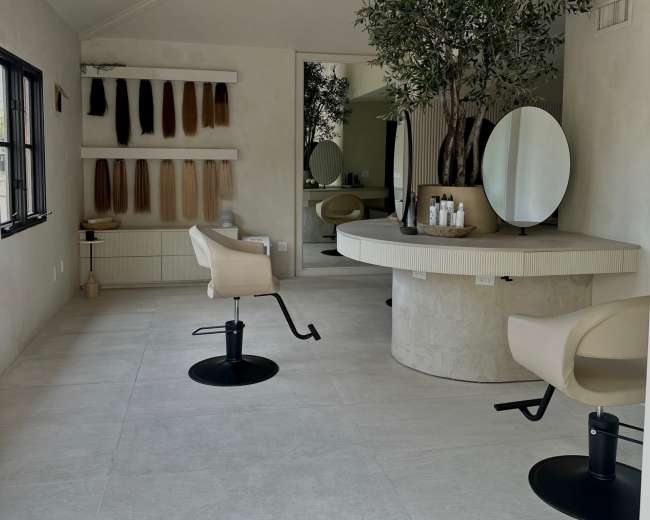
Elevated Hair Salon + Event Space
Wilshire Montana, Santa Monica, CA5.0 (1)
25 guests
CreatorSpace LA
Mid-City, Santa Monica, CA500 guests
Downtown Santa Monica art studio blocks from the beach
Sunset Park, Santa Monica, CA4.9 (9)
80 guests
Westside Santa Monica Showroom, Gallery, & Event Space.
Sunset Park, Santa Monica, CA150 guests
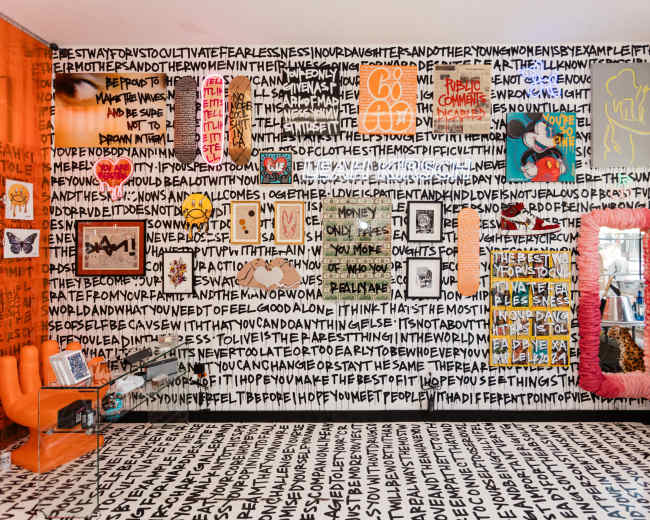
Vibrant Art Studio in the Heart of Santa Monica
Santa Monica, CA5.0 (2)
10 guests
BLANKSPACES Santa Monica - Main St.
Ocean Park, Santa Monica, CA4.6 (34)
12 guests
Beautiful Music Teaching Studio
Pico, Santa Monica, CA5.0 (89)
3 guests
Cozy Music Studio and Teaching Space
Pico, Santa Monica, CA4.9 (70)
5 guests
Berkeley Street Studios
Santa Monica, CA180 guests
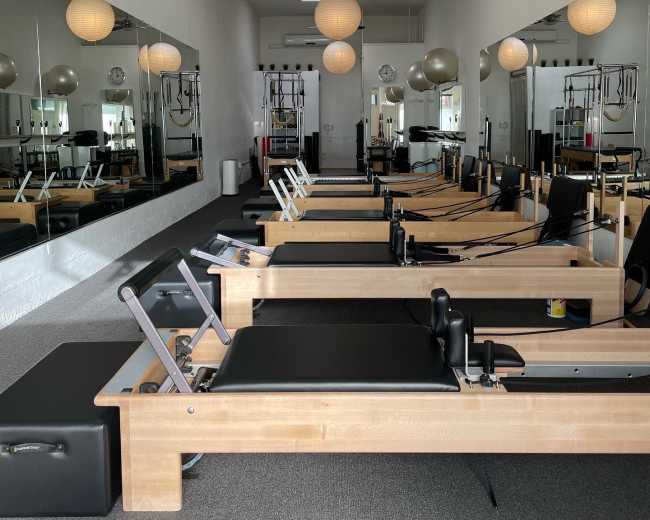
Santa Monica Sunny & Bright Boutique Pilates Studio
Pico, Santa Monica, CA5.0 (1)
25 guests
Pricing and popularity information in this section is based on proprietary Peerspace booking data, reflecting recent booking activity and the latest data available through September 2026.
Dance studios in Santa Monica average $93 per hour to rent, but it’s easy to spend less or more depending on what you’re looking for. For a space on the smaller side, expect to spend closer to $148, whereas larger venues run about $477 per hour.
Most dance studios are scheduled for 11 hours, with 20 people in attendance. You’ll find the most Dance Studios starting between 9:00 AM and 10:00 AM.
Our local hosts have welcomed 1800 people into their dance studios with reviews averaging 5 stars. 100% of guests said they'd book again.
Saturdays are the most popular day for booking dance studios in Santa Monica.


