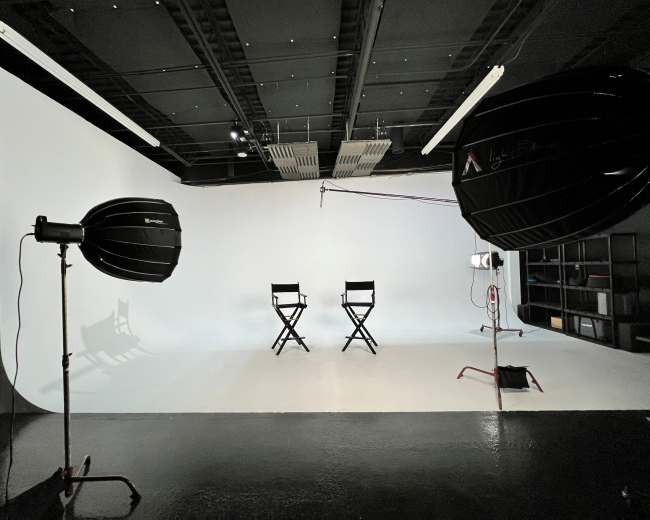
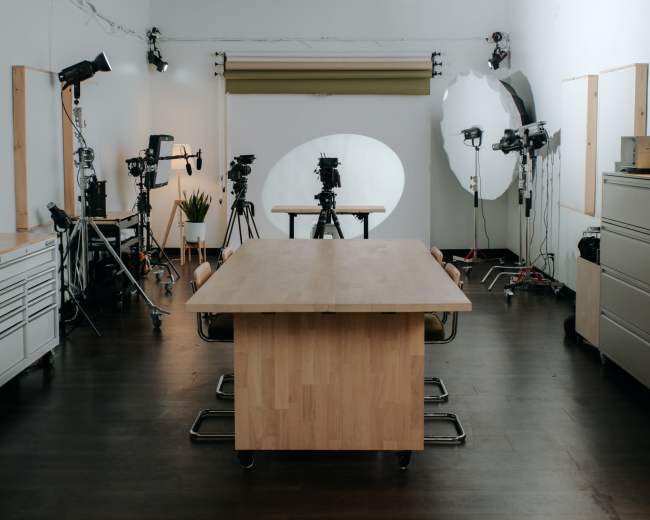
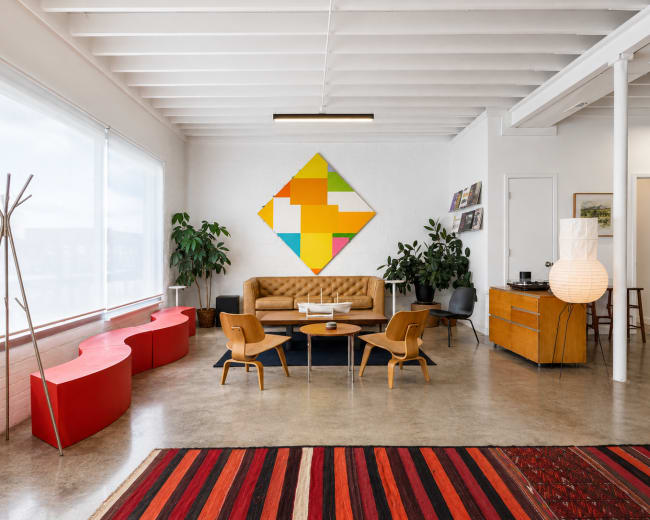
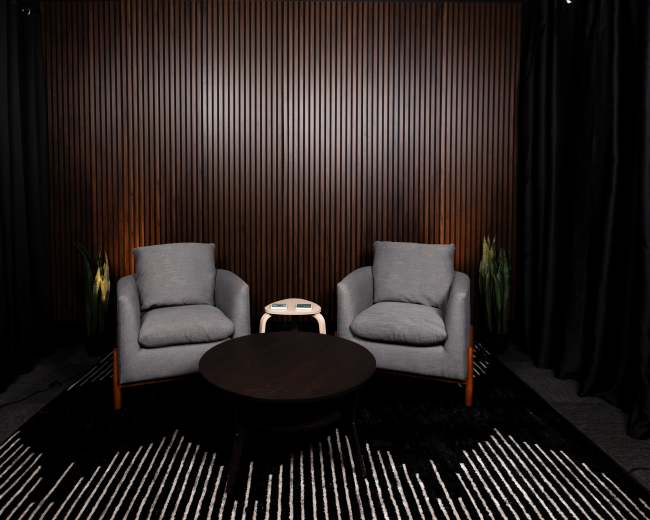
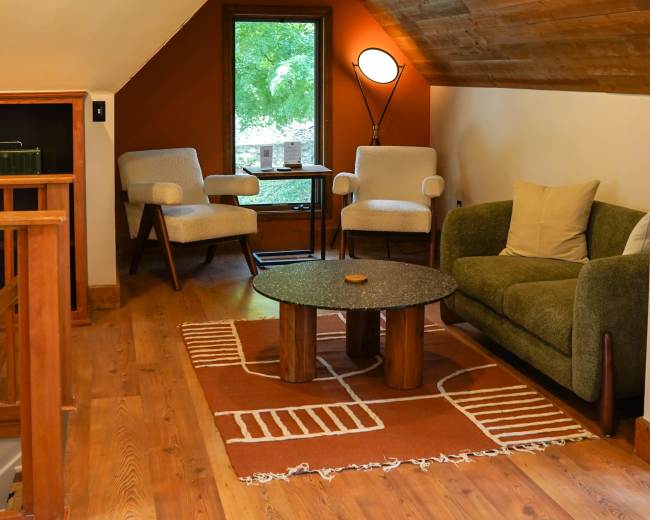
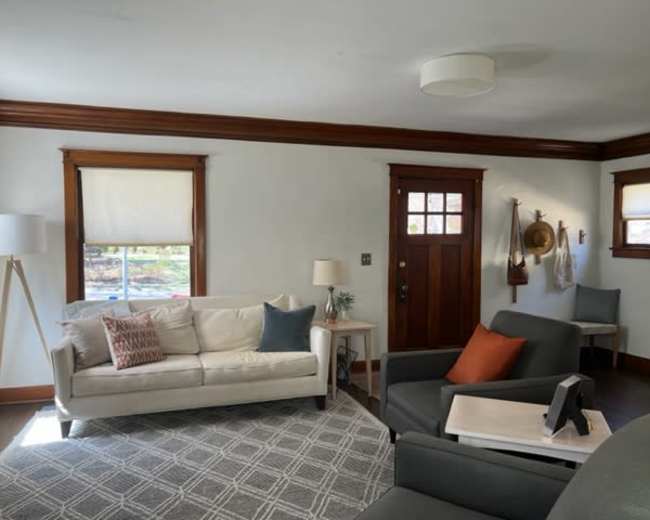
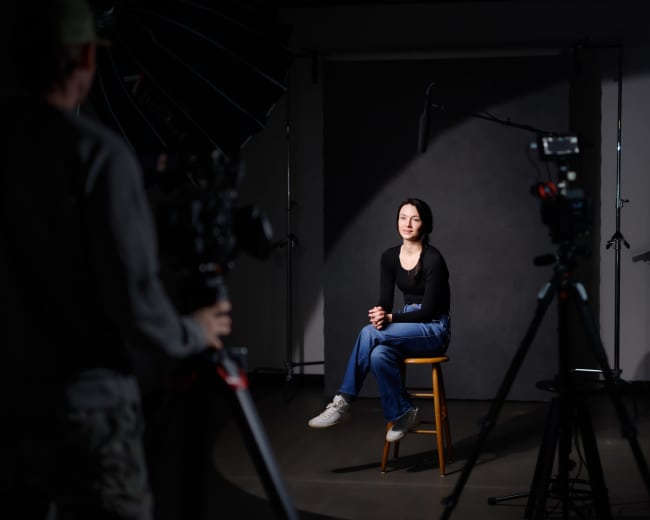
For most interview-based shows, the best option is this: rent a podcast studio for quality and consistency, record at home for testing and budget, and record in a park only when outdoor sound is part of the concept.
Each option solves a different problem.
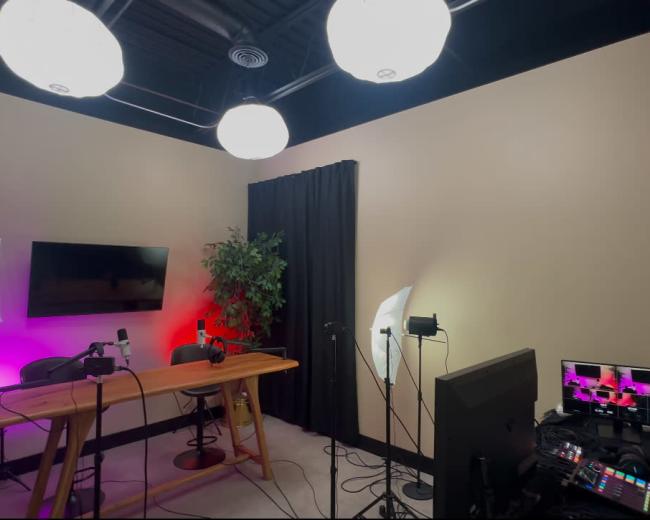
A podcast studio is best when:
- You want professional sound
- You're bringing on guests
- You care about video quality
- You need a repeatable setup
- You want to look more established to sponsors, clients, or listeners
- You don't want outside noise ruining the session
Home recording is best when:
- You're validating your idea
- You're recording solo
- Your budget is very tight
- You already have a quiet room
- You're comfortable managing gear and editing yourself
A park is best when:
- The show is intentionally documentary-style or field-based
- Ambient sound adds to the story
- You want atmosphere on purpose, not by accident
For most podcasts, especially interview shows, a park is the weakest option. Wind, traffic, people, airplanes, uneven audio levels, and lack of privacy can quickly ruin a strong conversation. It may feel authentic in theory, but in practice it often sounds more distracting than creators expect.
Home recording sits in the middle. It's cheaper than booking a podcast studio, but the tradeoff is inconsistency. Every session depends on your room, your schedule, your neighbors, and your willingness to reset the space over and over.
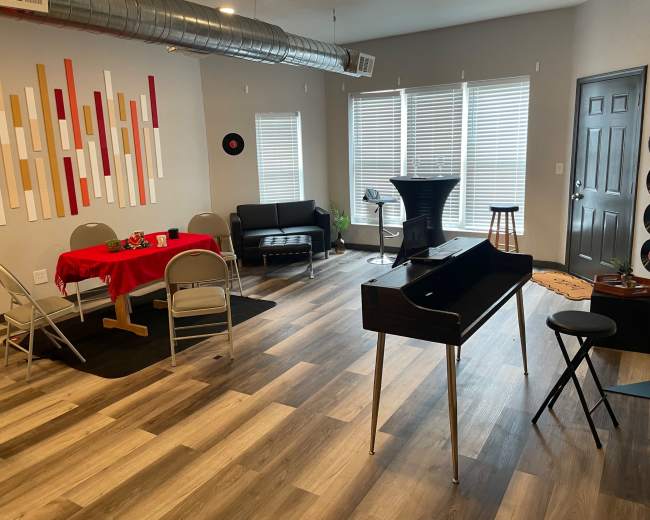
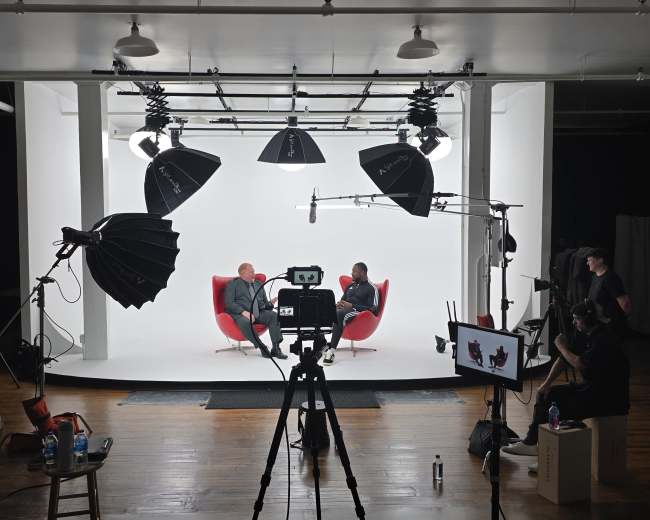
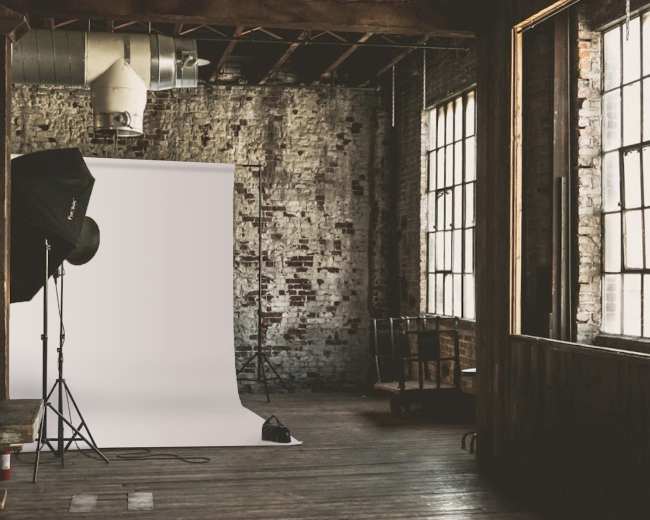
A podcast studio usually wins when your goal is momentum. It removes friction. You show up, record, and leave with audio and video that are much closer to the final version you want to publish.
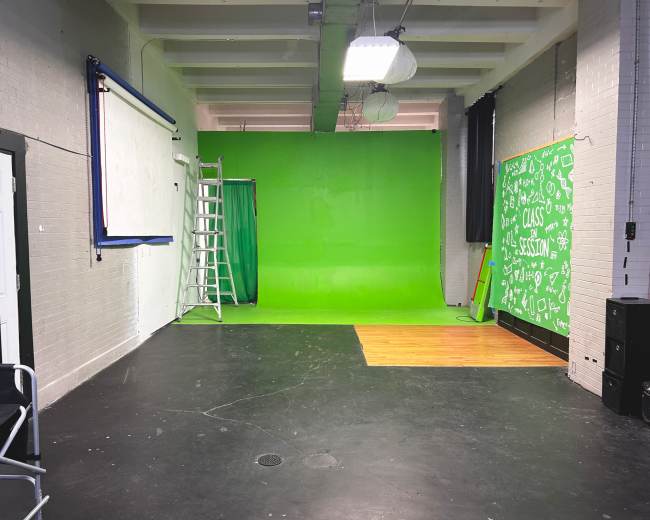
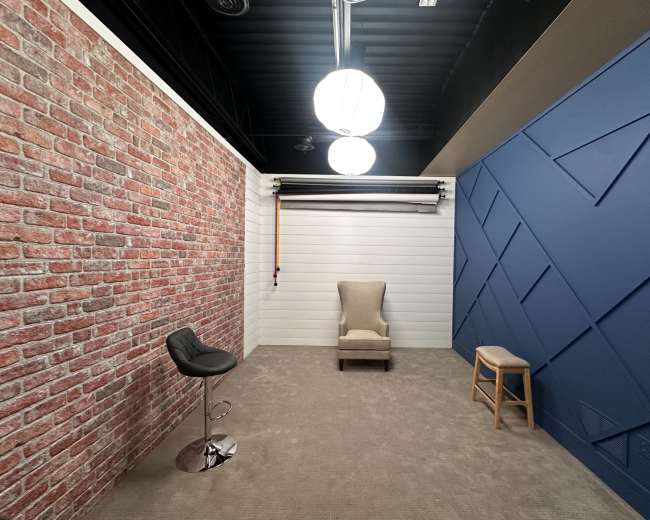
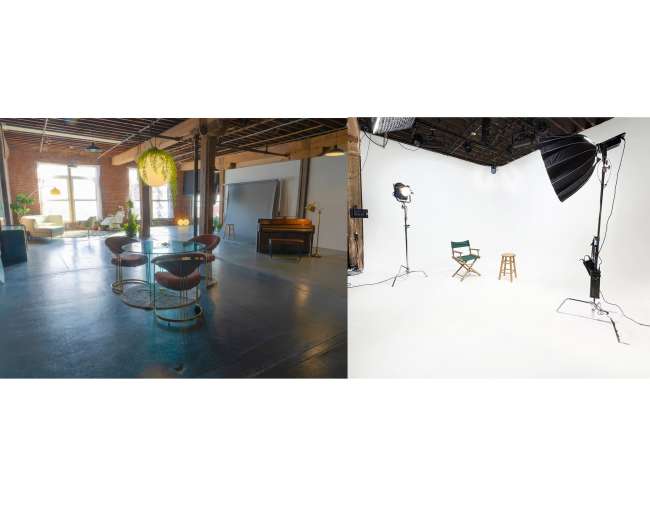
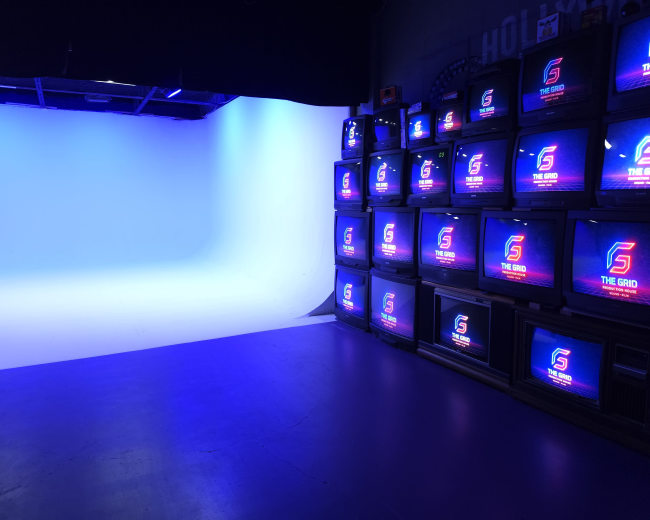
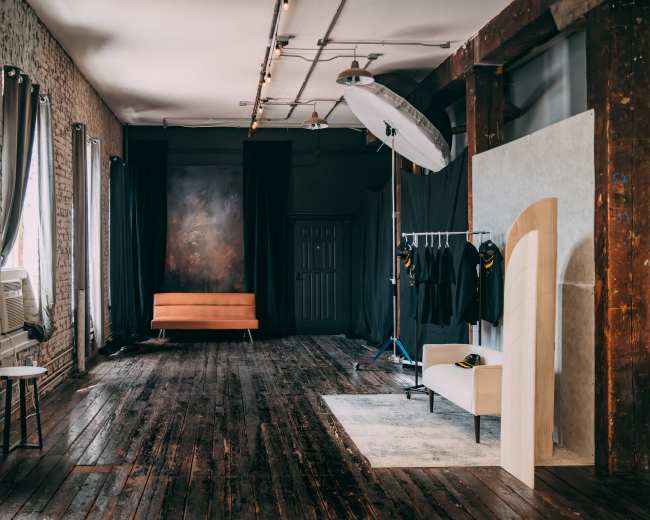
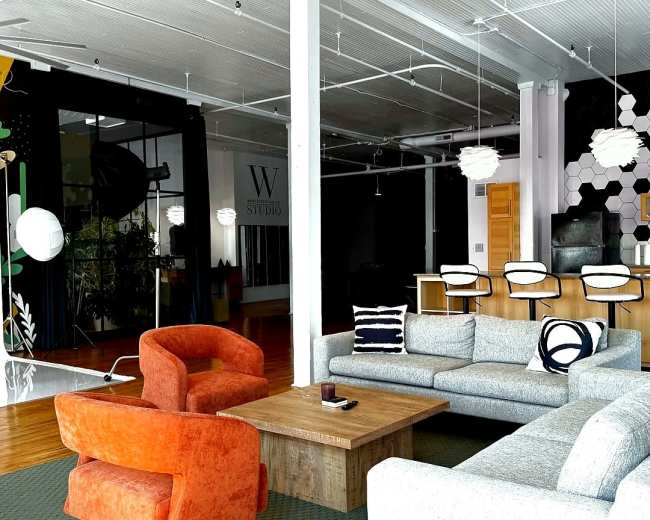
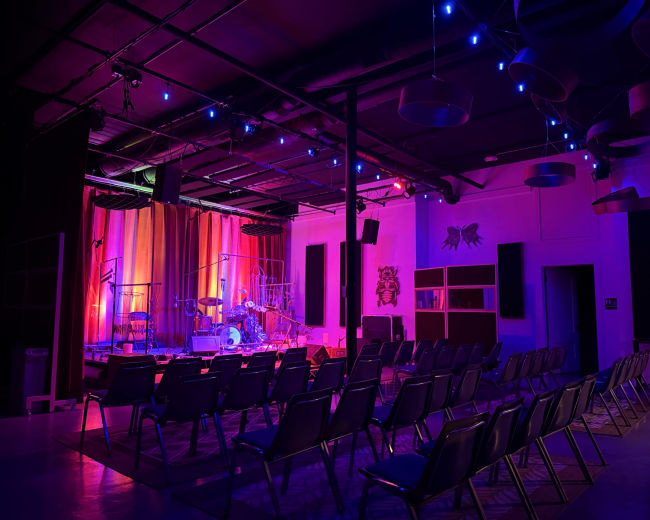
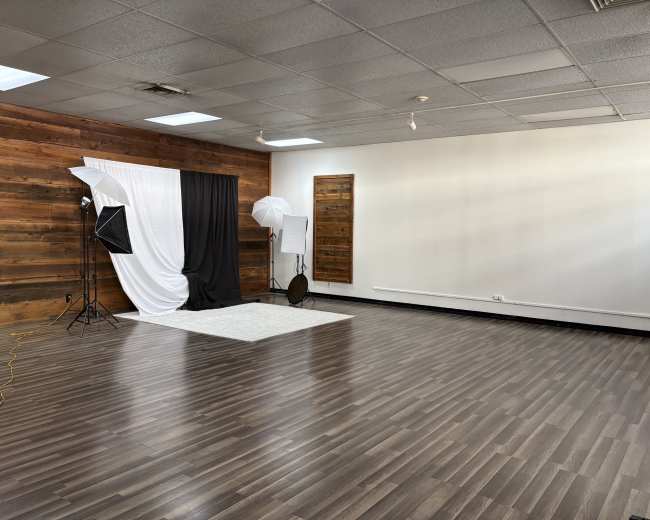
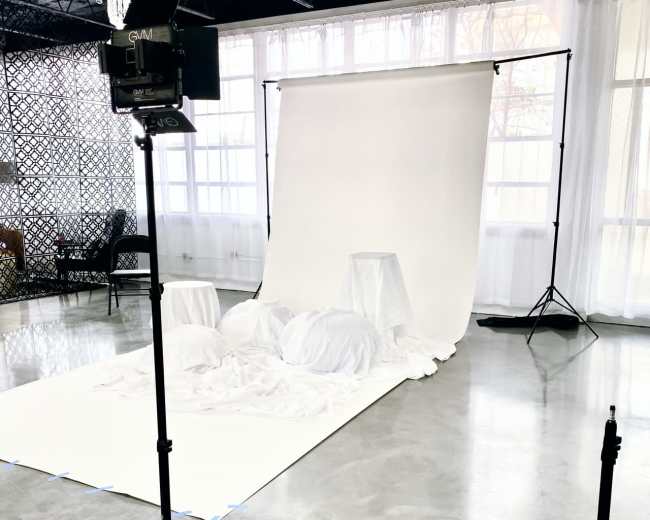
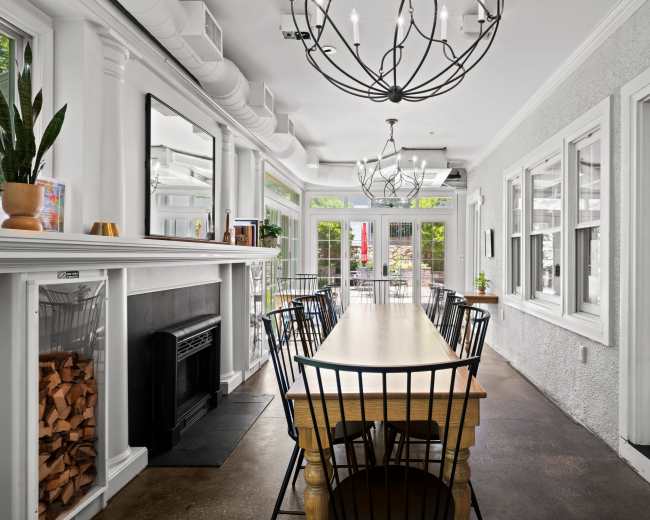
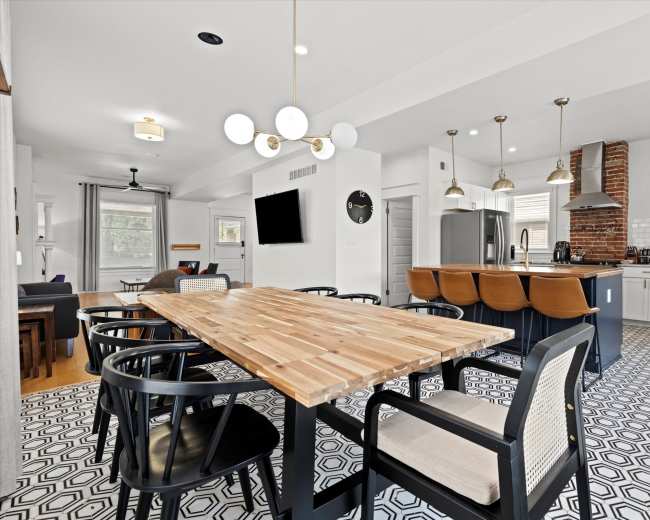
If your show may expand into a panel discussion, a filmed roundtable, or a live audience recording, think beyond a small booth. In Kansas City, some creators really need a production-ready event space with podcast studio capabilities rather than a traditional audio-only room. For creators who also need a versatile space for social content between episodes, it's worth exploring
content houses that can serve double duty.