

Sun
Mon
Tue
Wed
Thu
Fri
Sat
$100/hr$75/hr$50/hr$25/hr
Peerspace is the easiest way to book unique photo studios for all kinds of productions including photo shoots, film shoots and music videos. We also have spaces for meetings and events.
Discover SpacesEvery day we uncover new, inspirational spaces, including photoshoot studios, perfect for your activity.
Our network of helpful hosts respond quickly, and are well-versed in accommodating all types of productions, including film and photo shoots.
Only pay for what you need. Pay by the hour for your photoshoot studio location without worrying about hidden fees or overtime.
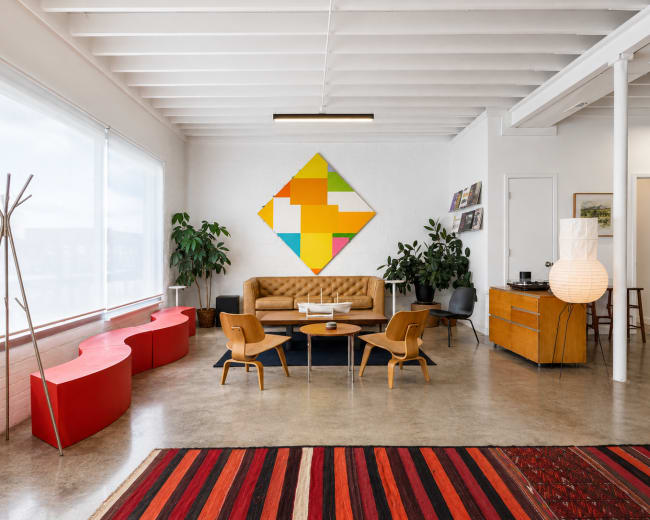
Luxury Natural Light Photography Studio with Stunning City Views
Broadway Gillham, Kansas City, MO5.0 (41)
20 guests
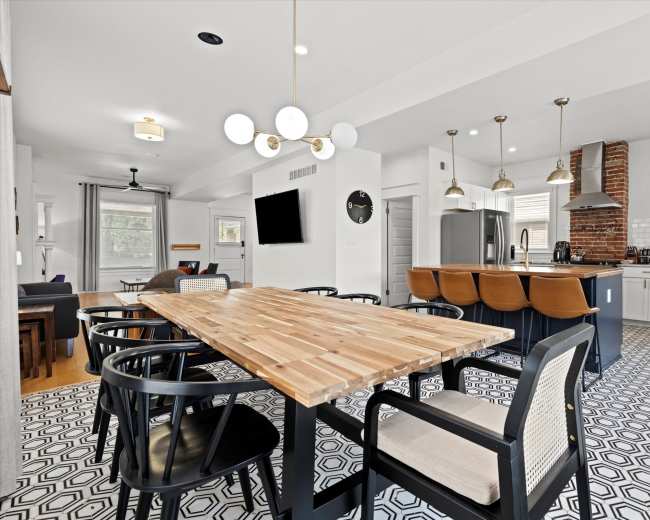
Downtown Photography Studio with Tons of Natural Light and Outdoor Green-space.
Columbus Park, Kansas City, MO4.9 (197)
25 guests
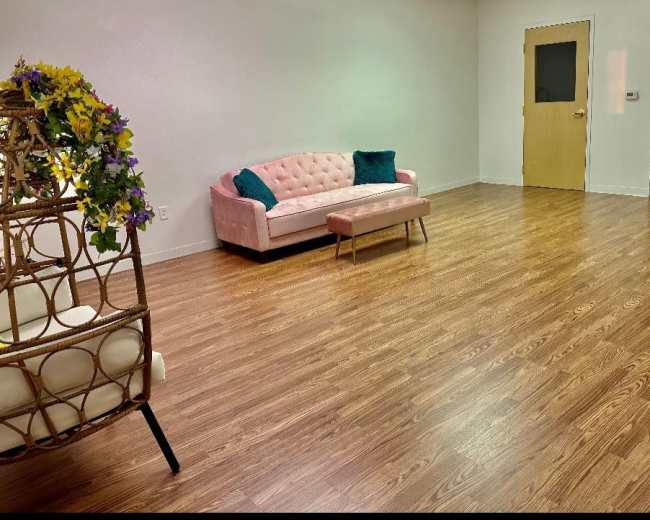
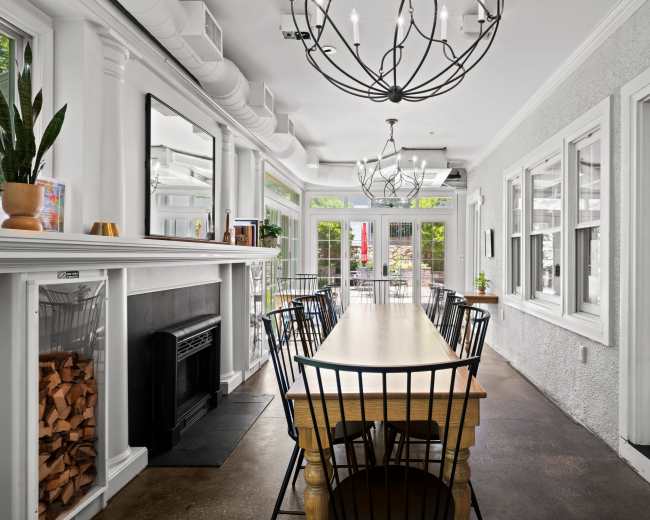
Downtown Premier meeting space, photo studio and party
Financial District, Kansas City, MO40 guests
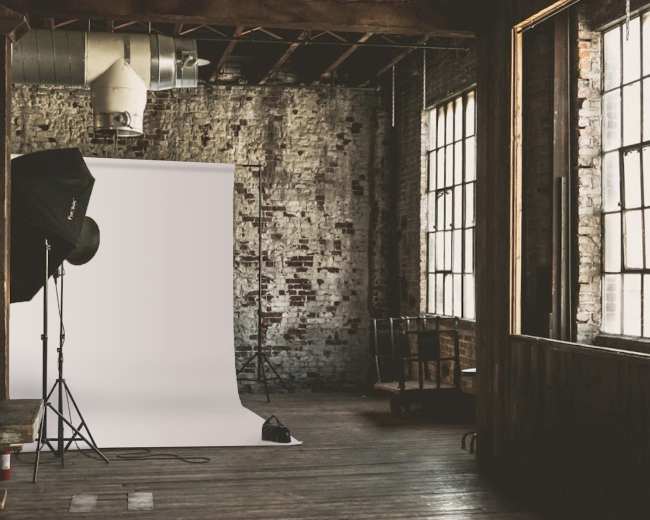
Electric Light Studio - Urban Industrial Photo Space with Tall Ceilings & Natural Light
Downtown Kansas City, MO5.0 (23)
10 guests
Modern Portrait Studio
Shawnee, KS5.0 (48)
15 guests
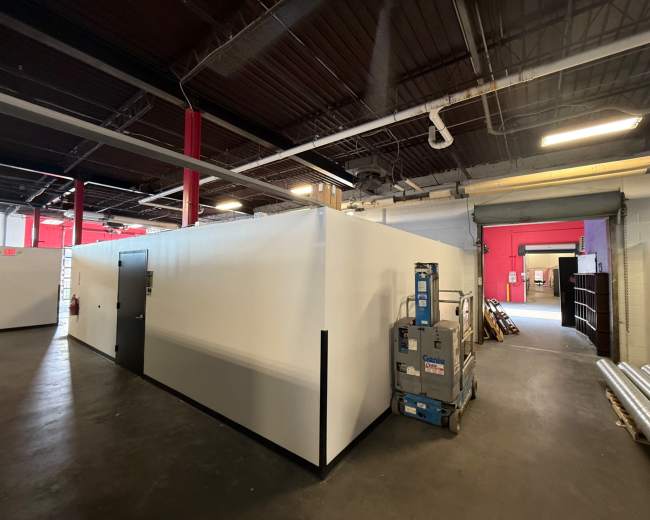
Spacious West Bottoms Photo Studio Near Highway and Downtown
Downtown Kansas City, MO4.9 (27)
30 guests
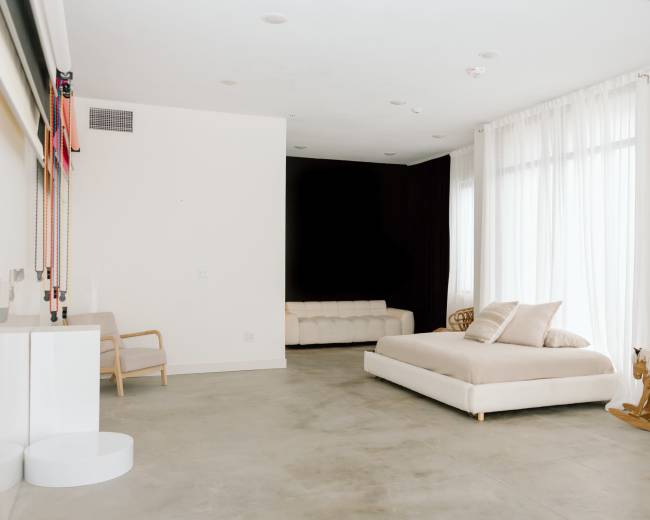
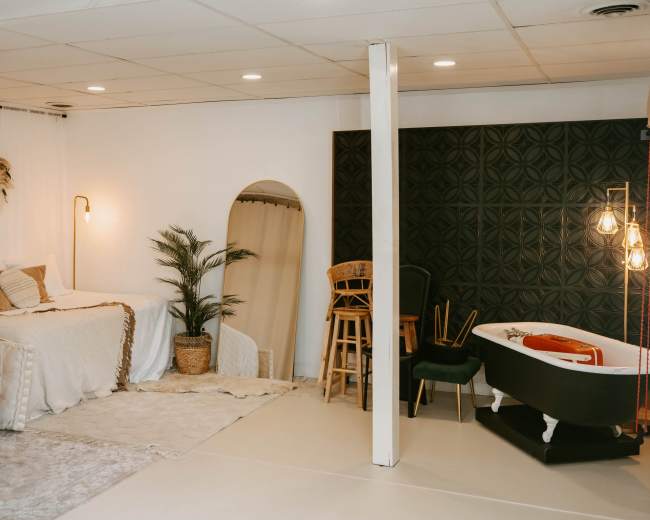
Versatile West Bottoms Open Studio with Sun-Lit Bedroom
Downtown Kansas City, MO5.0 (5)
10 guests
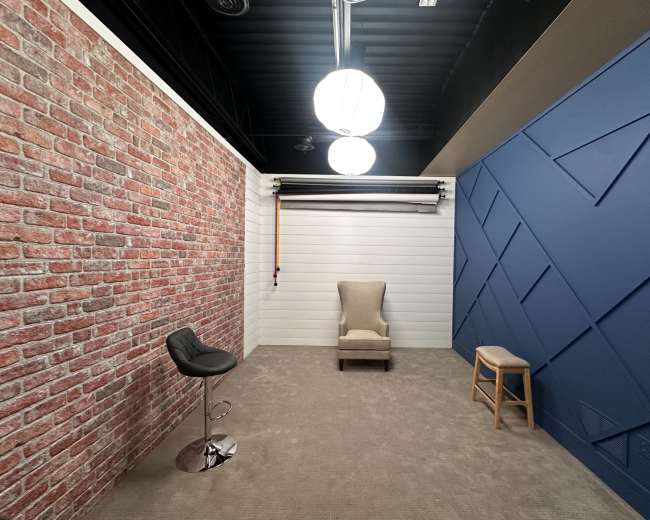
Kansas City Production Studio With Open Ceiling
Gallatin Township, North Kansas City, MO15 guests
Storefront Open Studio
Blue Township, Independence, MO4.9 (30)
20 guests
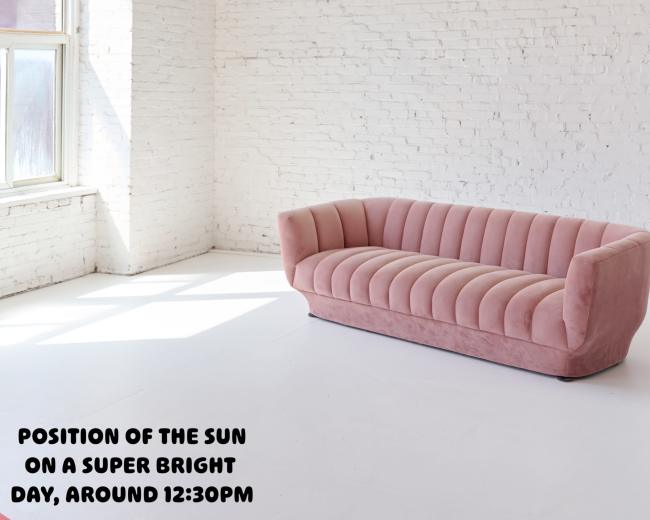
Bright White Daylight Branding Studio | Multiple Looks in One Space | Production-Ready
Downtown Kansas City, MO5.0 (64)
16 guests
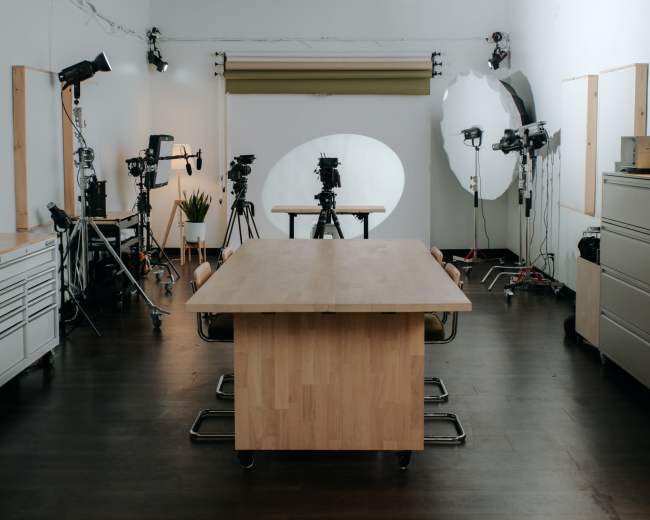
Convenient Photo & Video Studio with Tall Ceilings and Controlled Lighting
Sunset Hill, Overland Park, KS5.0 (7)
10 guests
The U Room at UCreate Content Studios
Gallatin Township, Kansas City, MO5.0 (1)
30 guests
RGB Cyc Wall and Green Screen Soundstage in Lenexa
Lenexa, KS25 guests
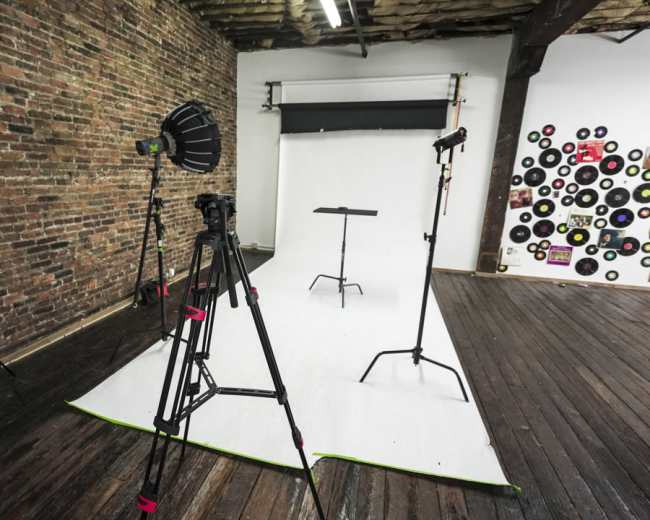
Cyc Wall Studio w/ Lighting Grid - KC Crossroads
Downtown Kansas City, MO5.0 (5)
15 guests
Elegant Photography Studio w/ Natural Light & Blackout Shades
River Market, Kansas City, MO20 guests
The Infinity Room at UCreate Content Studio
Gallatin Township, Kansas City, MO4.2 (5)
30 guests
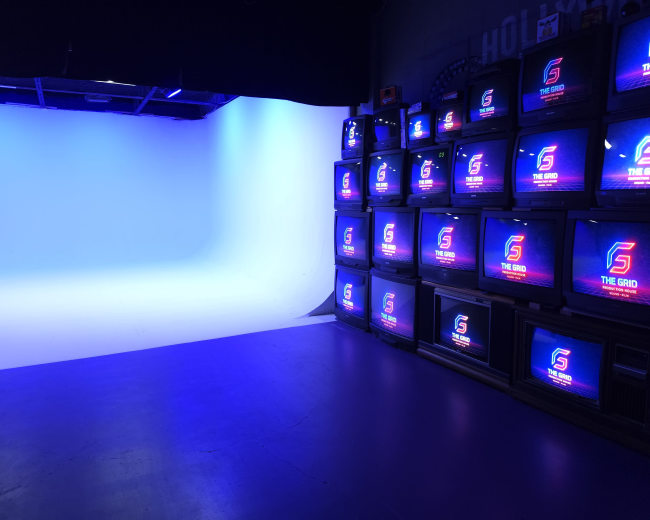
The Grid Production House
Blue Township, Independence, MO5.0 (2)
40 guests
Midtown Micro Event Space with an Open Concept
Western 49-63, Kansas City, MO5.0 (33)
50 guests
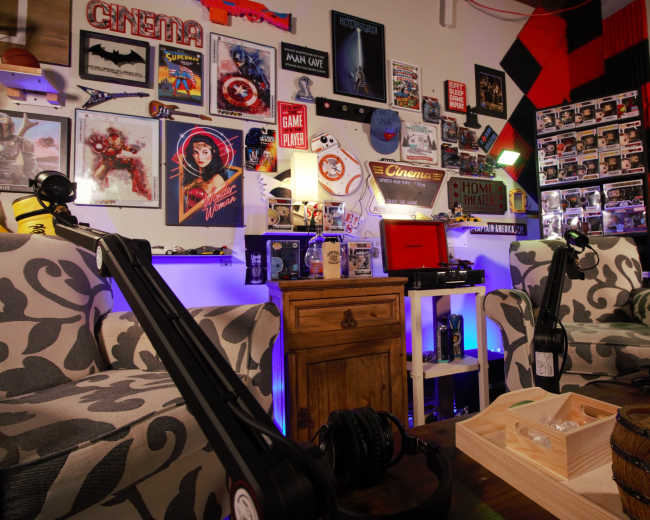
Modern Photo/Video/Podcast Studio
Lionsgate Marketplace, Overland Park, KS12 guests
Bright Midtown KC Studio for Photography, Branding & Content Creation
Broadway Gillham, Kansas City, MO4.9 (17)
10 guests
Bright Creative Studio for Workshops, Meetings & Events
Shawnee, KS5.0 (1)
40 guests
Private Kansas City Home for Photo & Video Production
Midtown - Westport, Kansas City, MO10 guests
Photography Studio and Event Space
Ramsgate Plaza, Olathe, KS50 guests
Creative Multi-Purpose Production Studio in Strawberry Hill
Riverview, Kansas, KS5.0 (2)
30 guests
Welcome to The Gather House—a warm, inviting home designed for creating, capturing, and bringing ideas to life.
Kenilworth, Prairie Village, KS30 guests
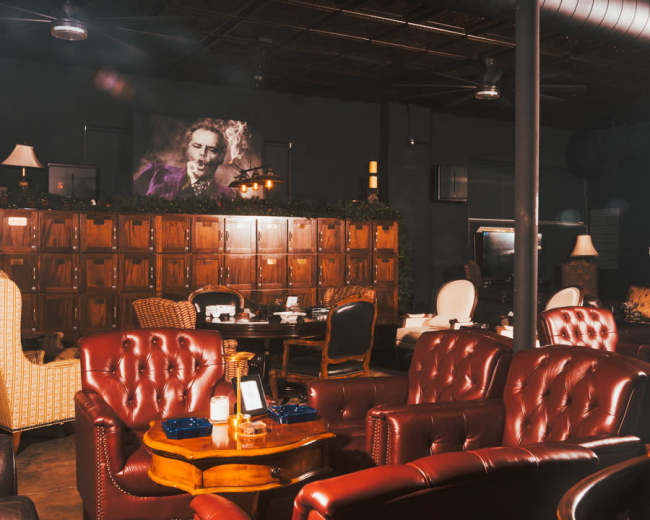
Executive Lounge with Distinctive Ambiance
Midtown - Westport, Kansas City, MO5.0 (4)
55 guests
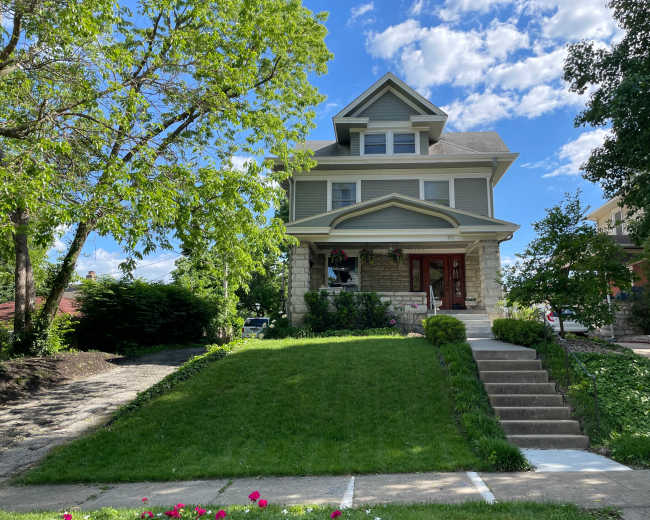
Historic Midtown Home | Natural Light | Midcentury Modern
Midtown - Westport, KANSAS CITY, MO5.0 (4)
20 guests
Historic Mansion Production Location | Country Club Plaza
Southmoreland, Kansas City, MO4.7 (3)
50 guests
Regency Era inspired micro event space located in the West Bottoms
Downtown Kansas City, MO4.9 (16)
30 guests
Dark & Dramatic Victorian Lounge
The Wilderness, Stilwell, KS5.0 (3)
6 guests
Tradition Meets Light & Bright
Leawood Hills, KS5.0 (13)
10 guests
Downtown Natural Light Studio
Downtown, Olathe, KS4.9 (19)
8 guests
Charming Modern Farmhouse on Acreage Near Legends
Prairie / Piper-KC-KS, Kansas City, KS5.0 (1)
12 guests
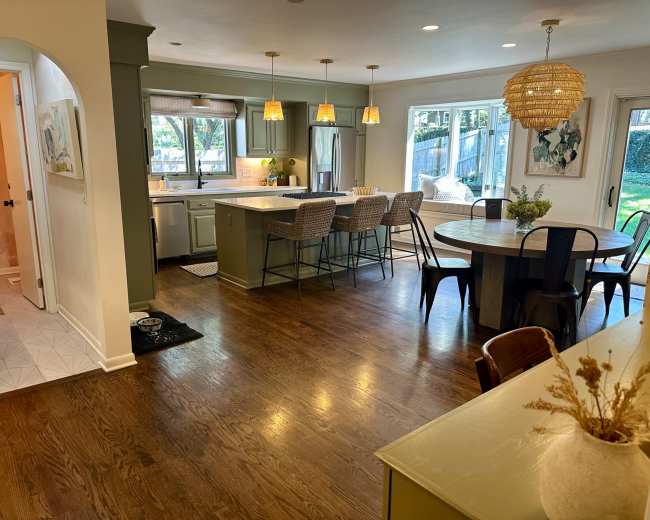
Large & Bright Timeless Kitchen and Living Space in Suburban Neighborhood
Prairie Township, Lees Summit, MO5.0 (2)
18 guests
Open photography studio with high ceiling and natural lighting
Fishing River Township, Excelsior Springs, MO8 guests
Pricing and popularity information in this section is based on proprietary Peerspace booking data, reflecting recent booking activity and the latest data available through October 2026.
Photo studios in Kansas City average $62 per hour to rent, but it’s easy to spend less or more depending on what you’re looking for.
Most photo studios are scheduled for 2 hours, with 4 people in attendance. You’ll find the most Photo Studios starting between 1:00 PM and 2:00 PM.
Our local hosts have welcomed 2186 people into their photo studios with reviews averaging 4.94 stars. Most even said they would book again -- about 98%.
Saturdays are the most popular day for booking photo studios in Kansas City.


