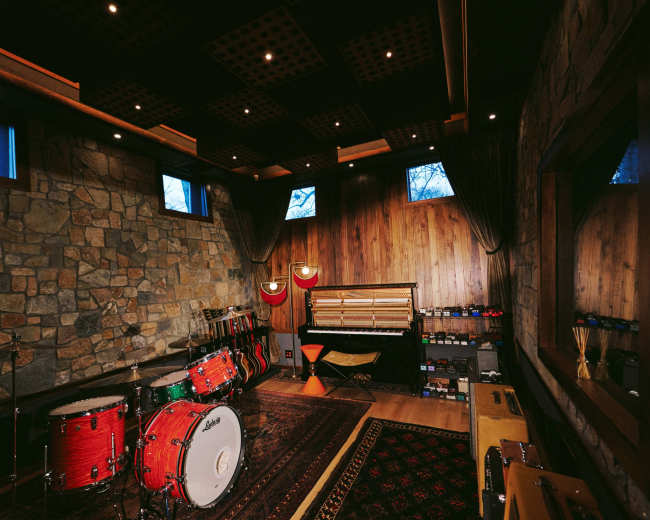
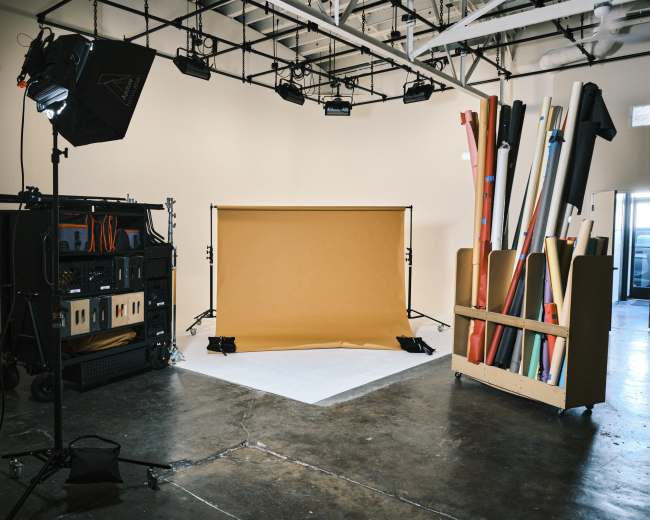
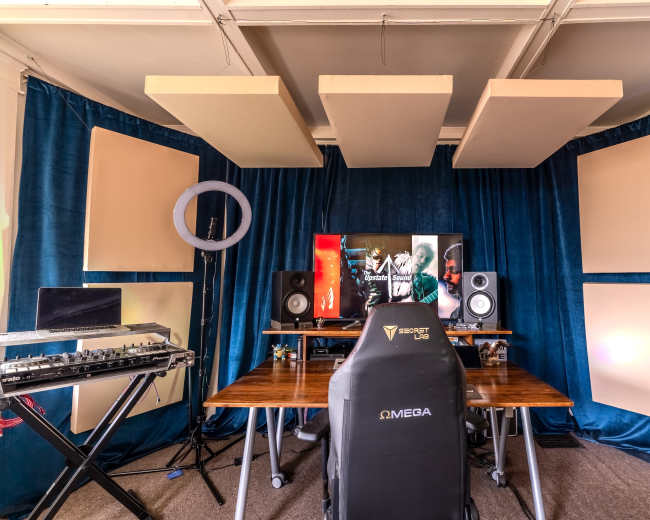
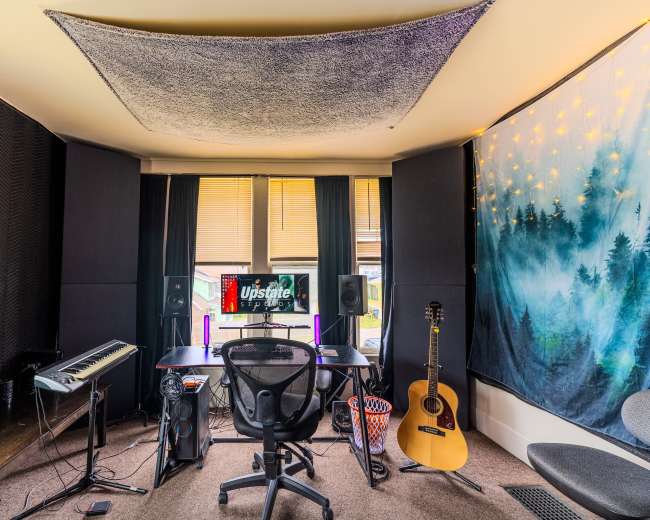
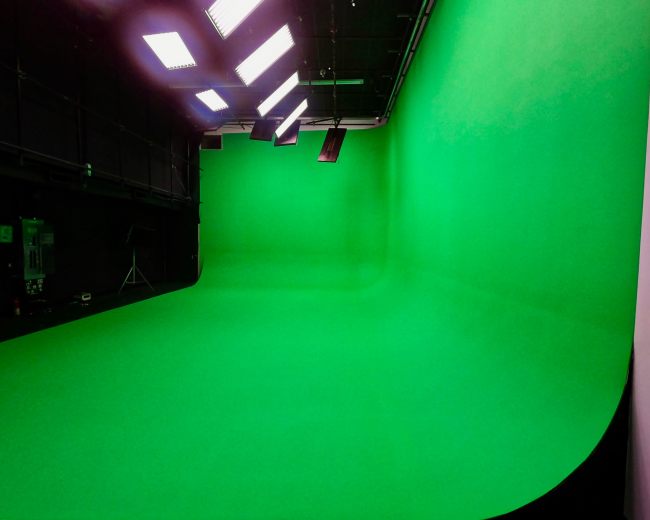
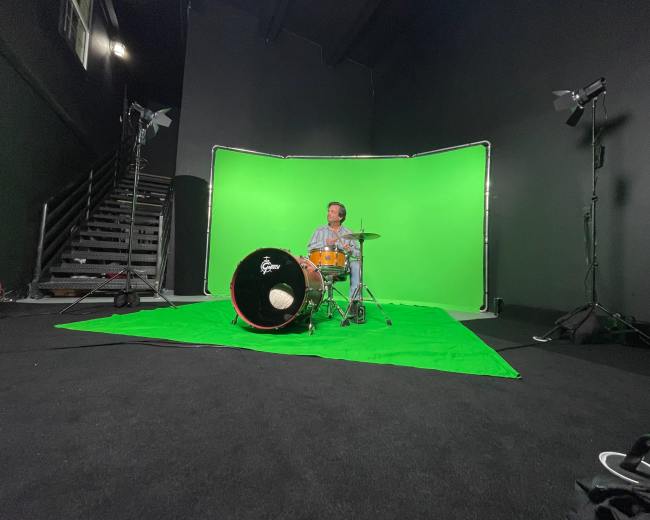
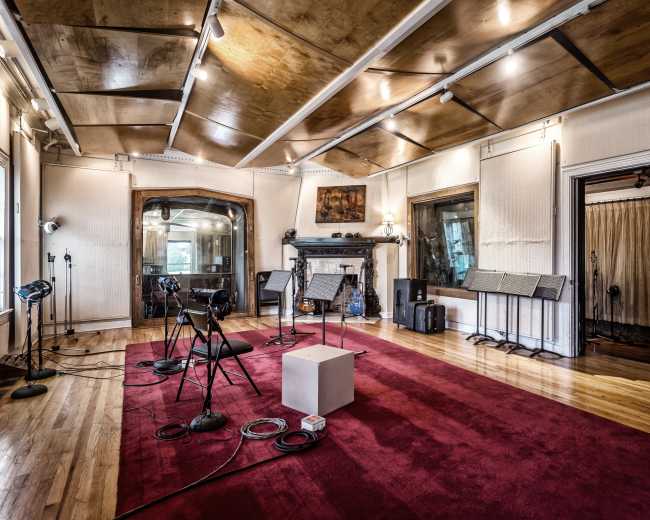
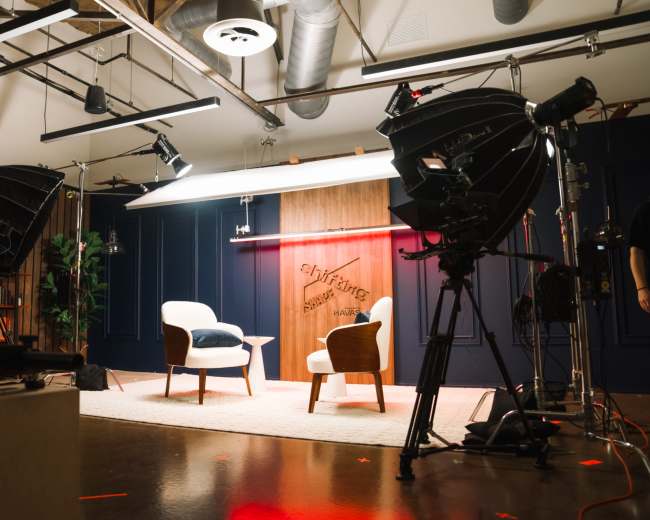
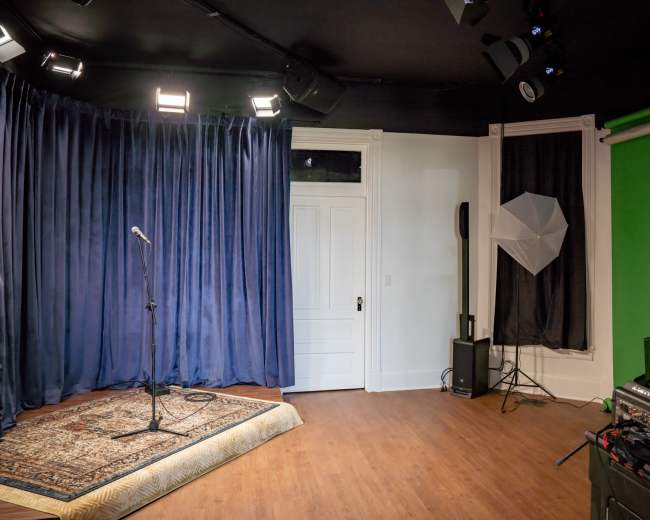
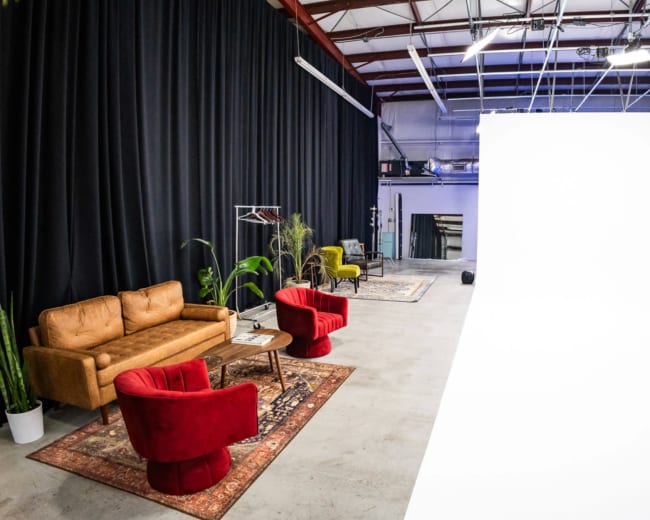
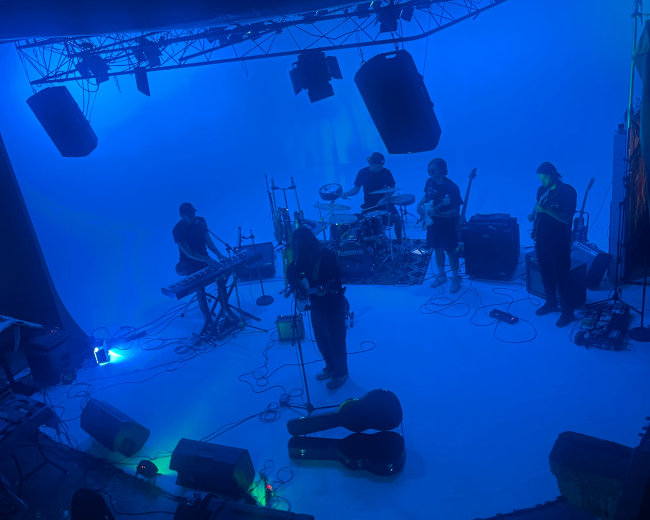
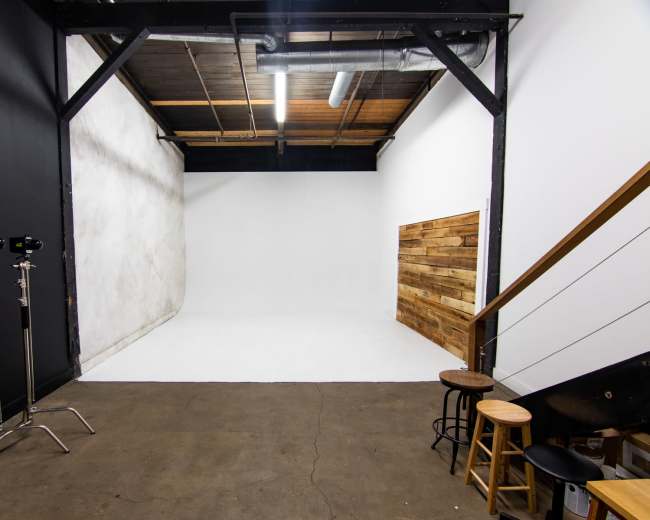
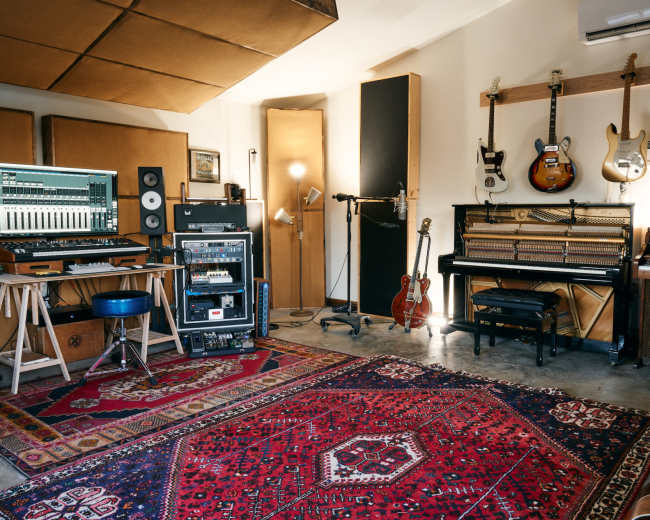
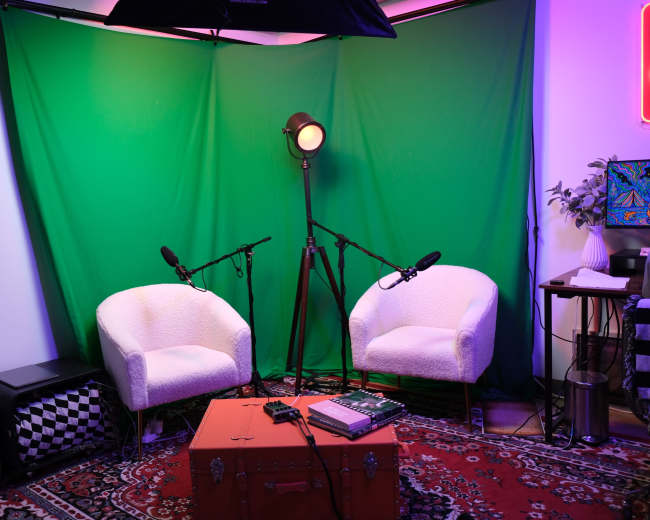
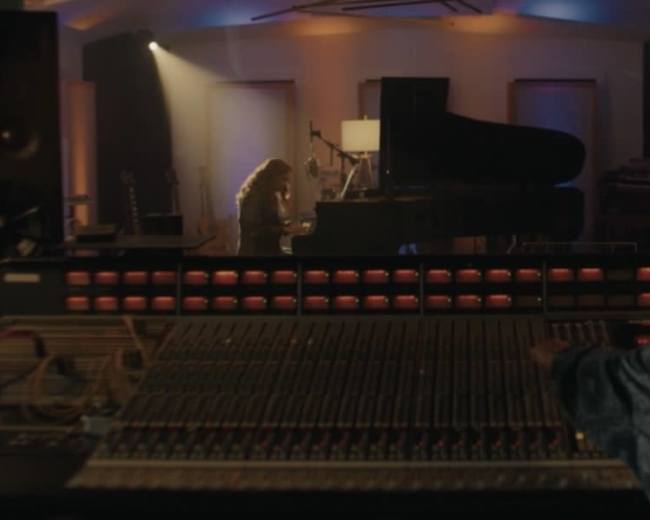
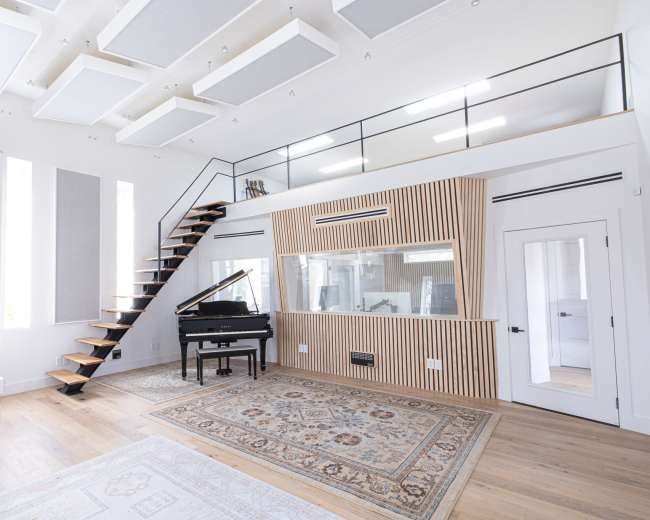
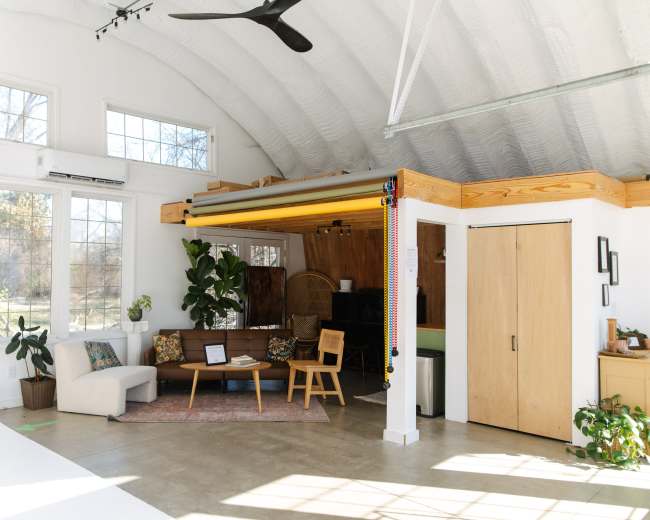
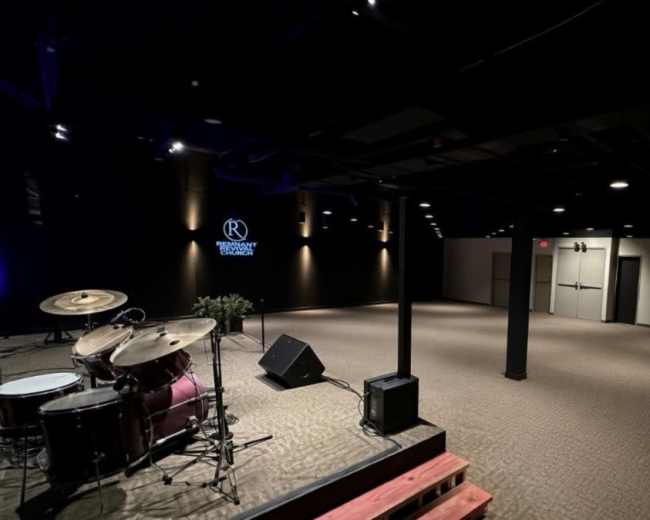
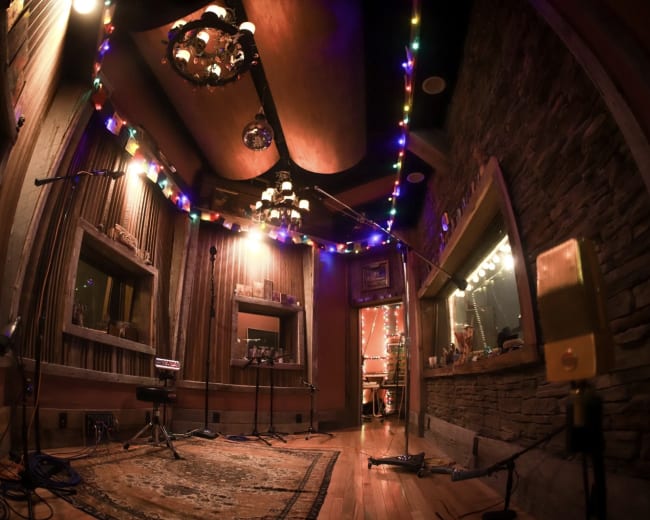
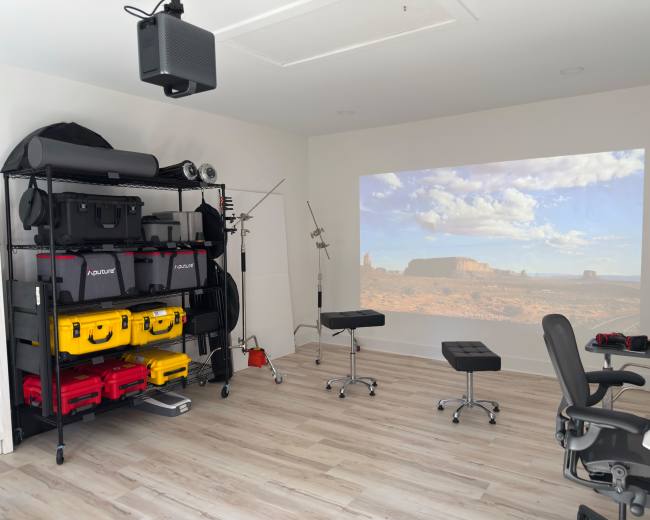
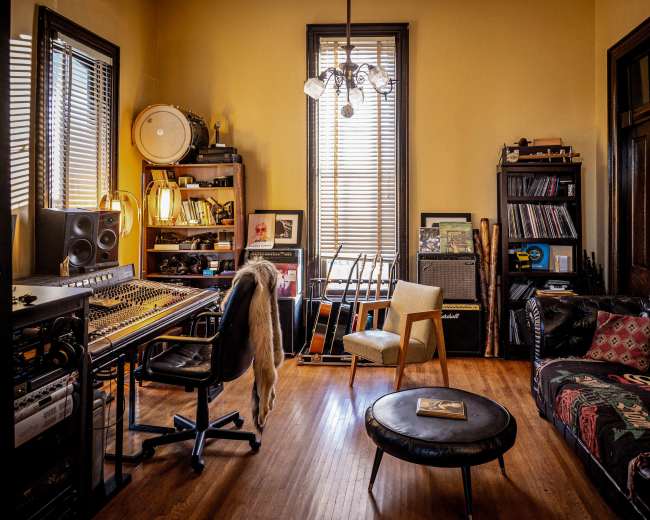
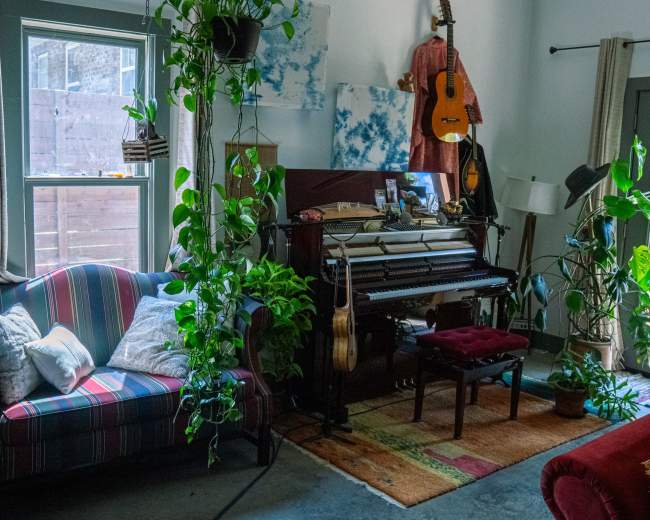
If your main goal is reliable, professional recording, rent the podcast studio.
A home can work, and a park can look visually interesting, but both usually introduce more unpredictability than first-time podcasters expect.
Rent a podcast studio when you care most about:
- Clean audio: A studio gives you more control over sound quality.
- Guest-ready environment: The setting feels more professional and easier to host in.
- Consistent results: You can repeat the same process from session to session.
- Polished visuals: If you're filming, the environment is usually more camera-ready.
- Less technical guesswork: You spend less time solving problems and more time recording.
- Repeatable workflow: The setup is easier to use again for future episodes.
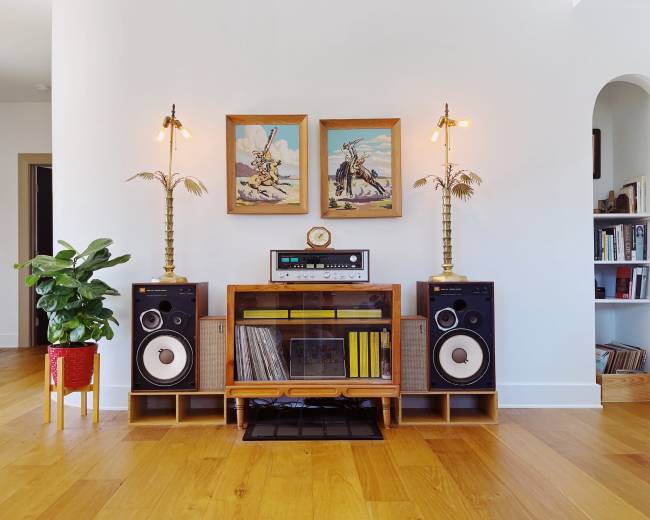
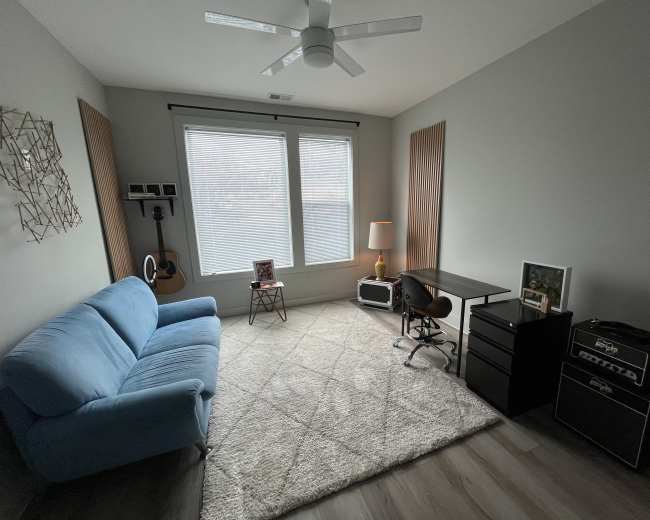
A home setup can make sense when these conditions are true:
- Early testing stage: You're still validating the show concept.
- Casual format: The podcast is intentionally personal or low-pressure.
- Existing gear: You already own decent microphones and basic recording equipment.
- DIY comfort: You're comfortable managing setup, timing, and noise control yourself.
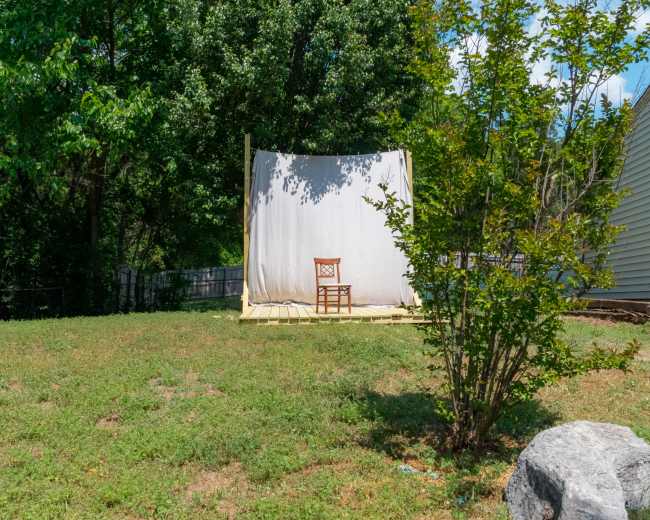
A park is usually only worth it when the location is part of the concept:
- Concept-driven setting: The environment is essential to the show's identity.
- Visual-first goal: The outdoor look supports the brand in a meaningful way.
- Tradeoff awareness: You understand that wind, traffic, passersby, and changing light can affect quality.
The hidden issue with homes and outdoor locations is that you often have to solve everything yourself. That can include power, permissions, lighting, seating, cooling, backup batteries, cleanup, and weather planning. What seems free at first can become expensive in time, stress, and rescheduling.
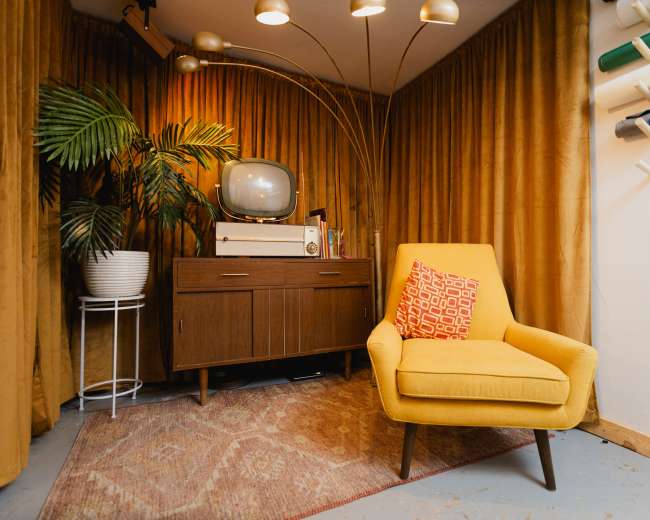
In Nashville, many podcast studio rentals sit in a practical middle range that's more accessible than first-time hosts expect. If you want a creative environment that still feels relaxed and residential, you can also
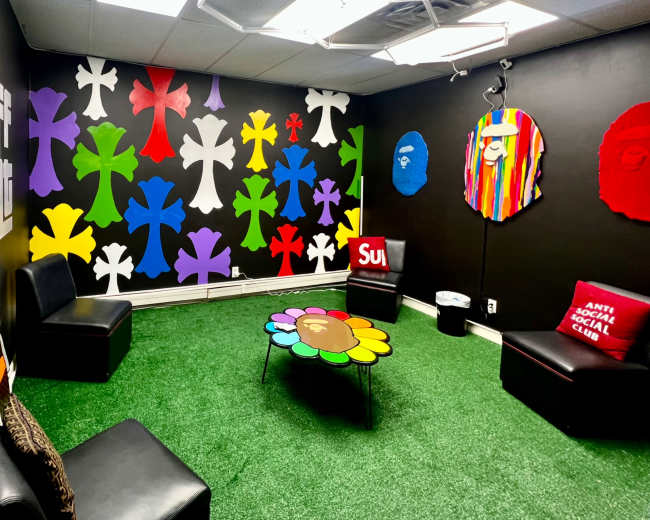
find content houses in Nashville that blend a home-like atmosphere with better production readiness. Once you compare the rental cost with the cost of buying gear, losing time to bad audio, or rebooking a guest, a studio often becomes the better value.
A nontraditional location can still work if you choose carefully. Look for:
- Softer acoustics: Furnishings and surfaces that reduce echo.
- Privacy: A space where interruptions are unlikely.
- Reliable power: Enough outlets and stable power for your setup.
- Easy parking: A simple arrival process for hosts and guests.
- Clear permissions: Confirm that filming and recording are allowed.
- Brand fit: Make sure the setting improves the content rather than distracting from it.
Watch for these red flags in homes or outdoor spaces:
- Uncontrolled noise: You can't manage traffic, neighbors, HVAC, or crowd noise.
- No weather backup: There's no indoor alternative or rescheduling plan.
- Poor guest support: There's no restroom, waiting area, or comfortable place to reset.
- Unclear permission: You don't have explicit approval to record there.
- Beautiful but impractical setting: The location looks great but creates technical problems.
If you want the simplest answer, use a home setup for experimenting, use a park only when the concept truly requires it, and rent a podcast studio when you want confidence and consistency.