

Sun
Mon
Tue
Wed
Thu
Fri
Sat
$100/hr$75/hr$50/hr$25/hr
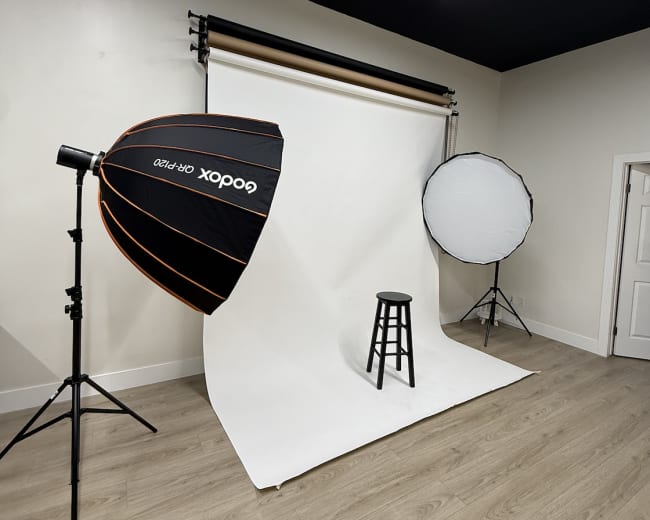
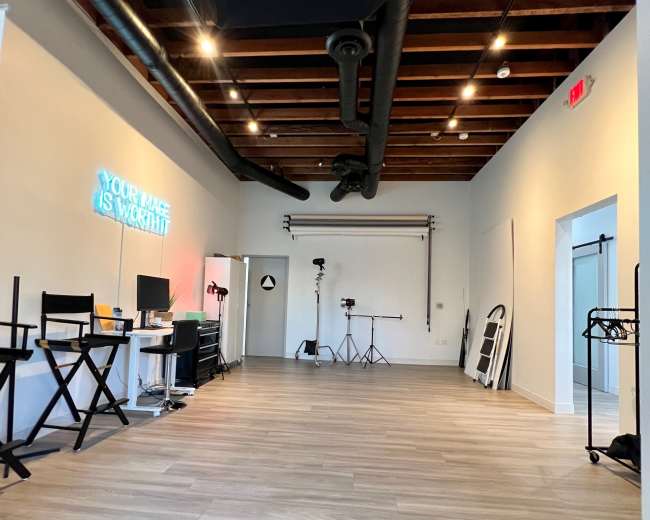
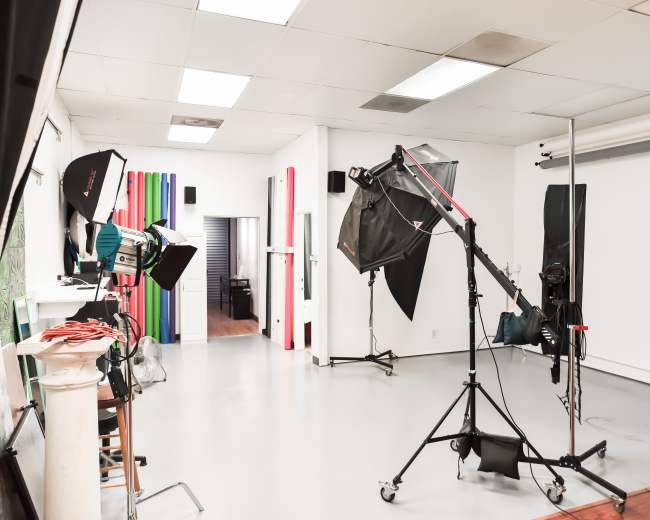
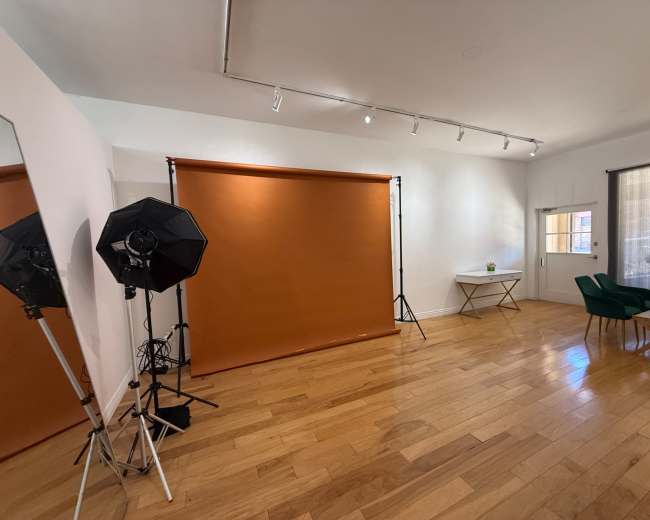
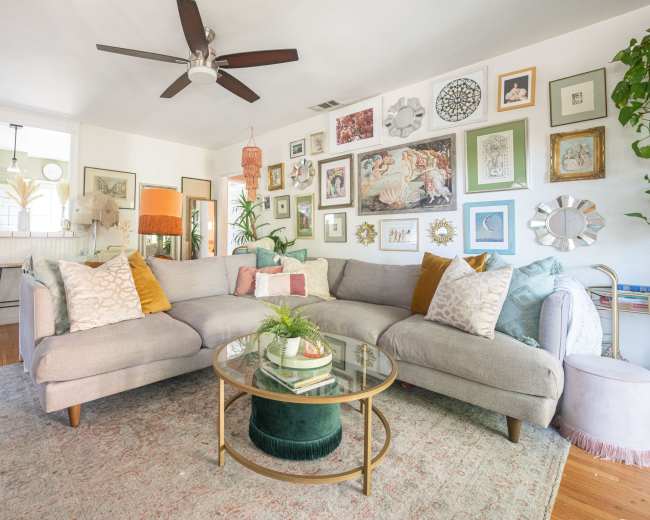
Peerspace is the easiest way to book unique photo studios for all kinds of productions including photo shoots, film shoots and music videos. We also have spaces for meetings and events.
Discover SpacesEvery day we uncover new, inspirational spaces, including photoshoot studios, perfect for your activity.
Our network of helpful hosts respond quickly, and are well-versed in accommodating all types of productions, including film and photo shoots.
Only pay for what you need. Pay by the hour for your photoshoot studio location without worrying about hidden fees or overtime.
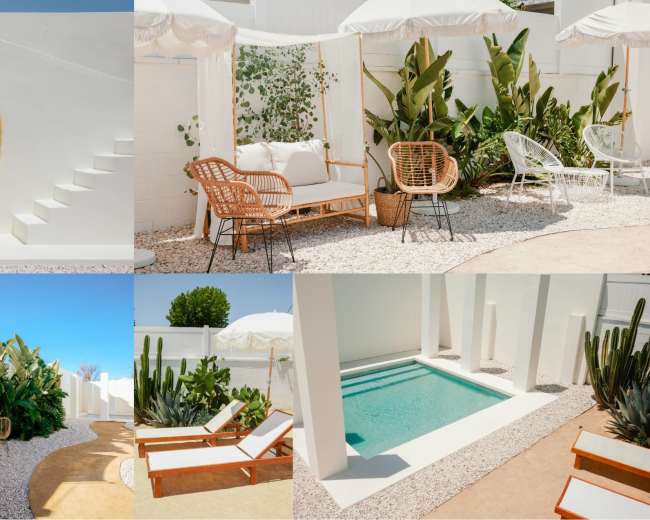
VILLA BLANCO - Greece and Tulum Inspired Location w/ NEW POOL FEATURE and AC Garage-Studio!
North Hollywood, CA5.0 (463)
60 guests
Everything Studios - Versatile Multifunction Studio Space
Burbank, CA50 guests
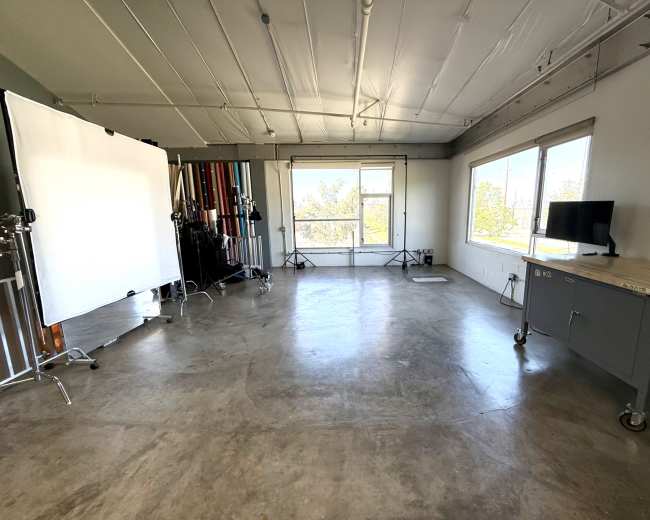
Fully Equipped NoHo Creative Studio on Burbank Blvd
North Hollywood, CA5.0 (8)
6 guests
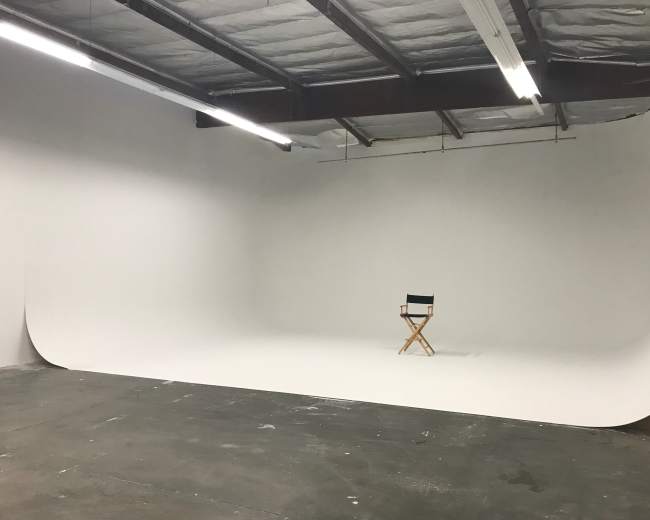
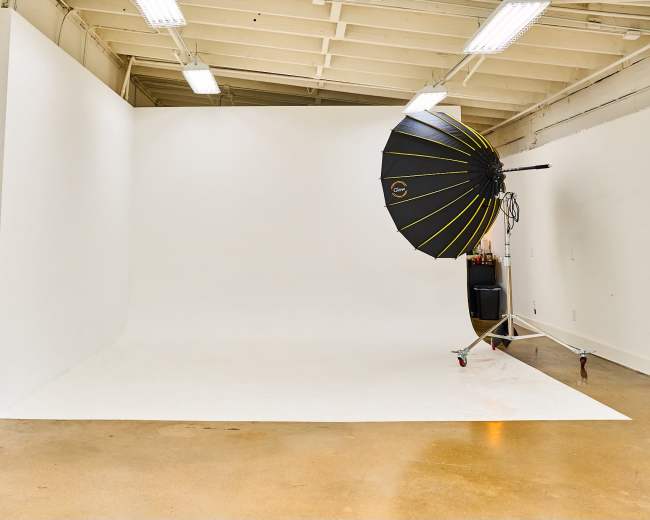
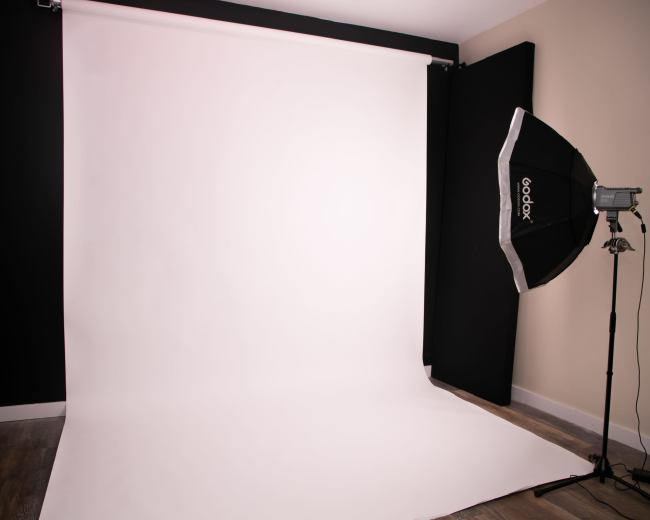
Pre-Lit Photo Video Studio White Cyc Wall 1st Floor Parking and Entry
Burbank, CA4.9 (77)
30 guests
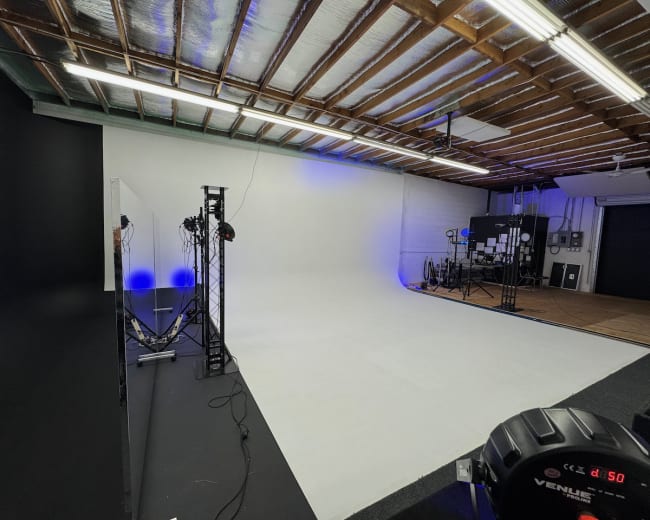
Photo/Video Cyc Wall Sound Stage Studio (RGB Pre-Lit) + Premium Amenities (Common Flex Area with Hair/Makeup Stations, Wardrobe Stations, Kitchenette, Dining Areas + More)
Riverside Rancho, Glendale, CA5.0 (7)
30 guests
Suburban Studio with Skylights and surrounded with greenery.
Toluca Lake, CA20 guests
Studio with fully lit cyclorama wall for photo/video/film production with office space included.
Grand Central, Glendale, CA5.0 (48)
25 guests
Amazing Fully Lit White Cyc Wall (Cyclorama) 3-Walls - Film, Video & Photo Studio & Production Studio - Lights Included!
Grand Central, Glendale, CA5.0 (1318)
45 guests
Awesome Pre-Lit 3-Wall White Cyc (Cyclorama) Film, Photo, Video Studio, Air Conditioned!
Grand Central, Glendale, CA5.0 (45)
45 guests
Large Photo/Video Cyc Wall Sound Stage Studio (RGB Pre-Lit) + Premium Amenities (Private Green Room, Conference Room, Production Office, Makeup/Wardrobe Room, Oversized Common Flex Area & More!)
Riverside Rancho, Glendale, CA5.0 (6)
50 guests
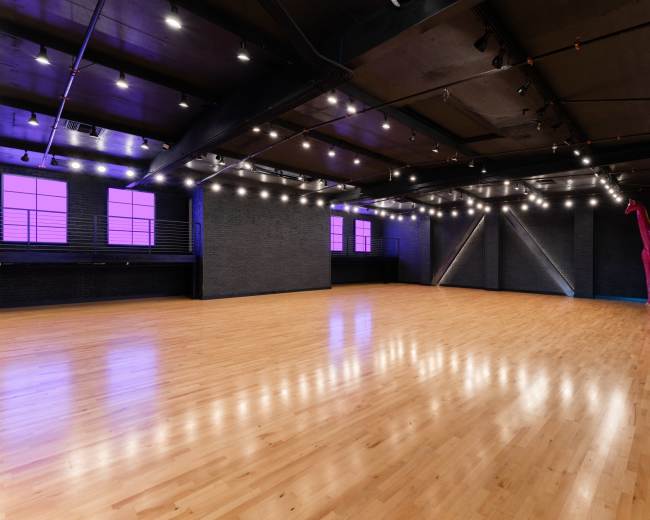
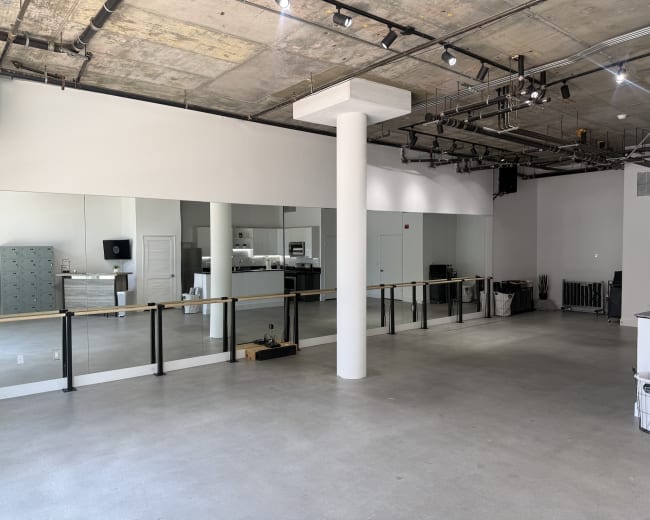
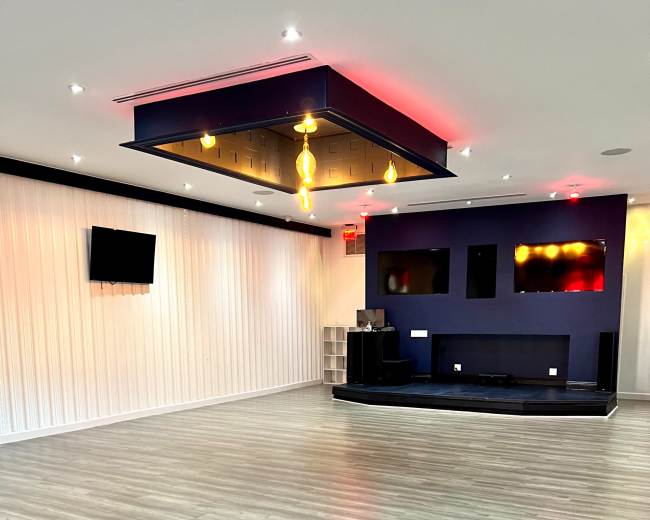
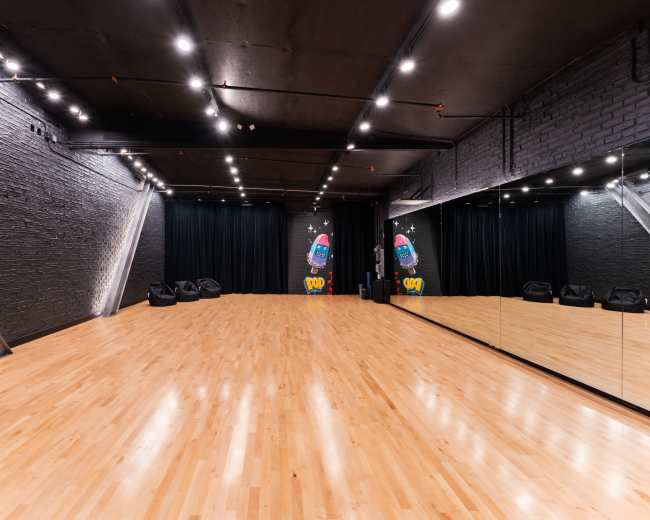
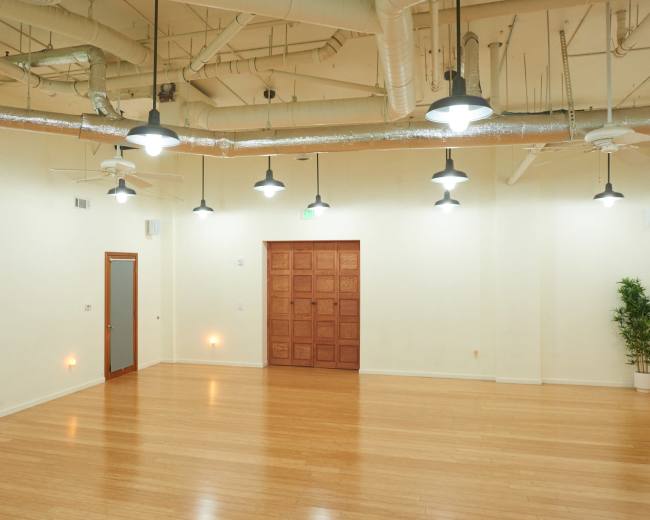
Premium Theatre-Style Dance Rehearsal / Filming Studio
North Hollywood, CA5.0 (8)
150 guests
North Hollywood Photo Studio for Rent / Christmas set ups are available
Sun Valley, North Hollywood, CA4.9 (262)
35 guests
Beautiful Fitness Studio for Film & Creative Production
North Hollywood, CA25 guests
Beautiful all-inclusive creative studio with Cyc Wall, multiple backdrops and free parking in the heart of Burbank.
Burbank, CA5.0 (523)
60 guests
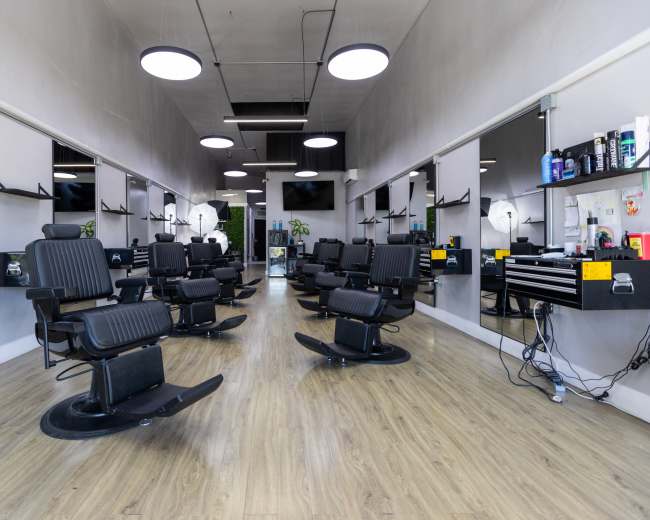
Creative Studio Space/ Barber Shop
North Hollywood, CA20 guests
Photo Studio Rental Burbank LA | White & Grey Backdrop, Lighting Included for Headshots & Content
Burbank, CA3 guests
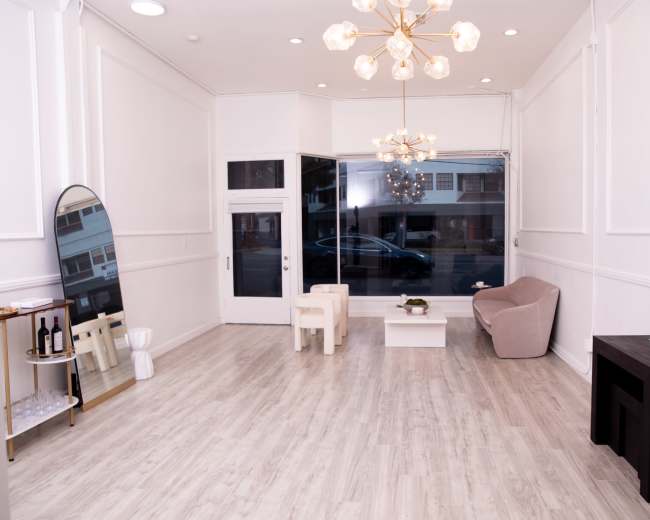
Elegant Event Studio
Burbank, CA5.0 (21)
65 guests
White Studio
Burbank, CA20 guests
Spacious Creative Film, Event & Dance Studio
Burbank, CA5.0 (29)
200 guests
Cookbook & Food Styling Kitchen Studio attached to LA's Largest Tabletop Prop House
Burbank, CA13 guests
Theatre-Style Dance Rehearsal Studio
North Hollywood, CA5.0 (6)
30 guests
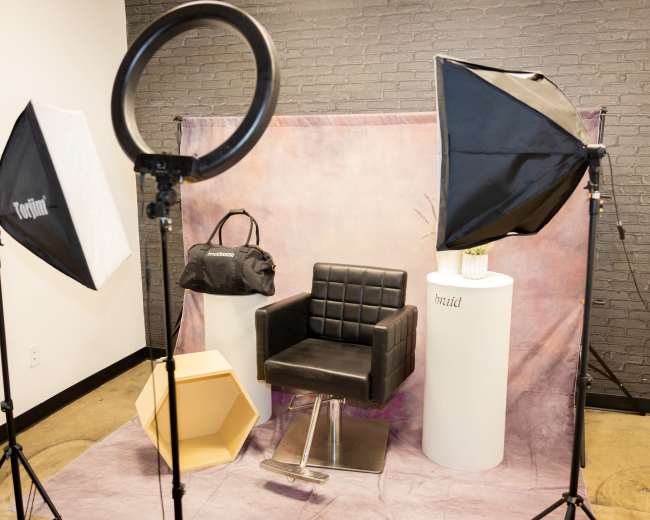
BraidHouse Content Studio: Professional Photography Space for Creators in North Hollywood
North Hollywood, Tarzana, CA3 guests
Photo Studio in nice neighborhood with easy access to the 170, 101, and 134 highways.
Valley Village, CA20 guests
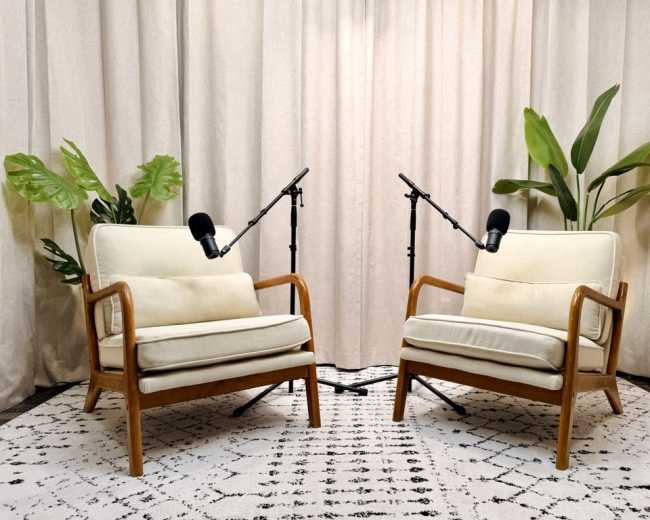
Cinematic Loft Studio · Moss Wall · Podcast · Photo · Video · North Hollywood
North Hollywood, CA5.0 (4)
30 guests
Secluded North Hollywood Film Stage Studio
North Hollywood, CA5.0 (2)
15 guests
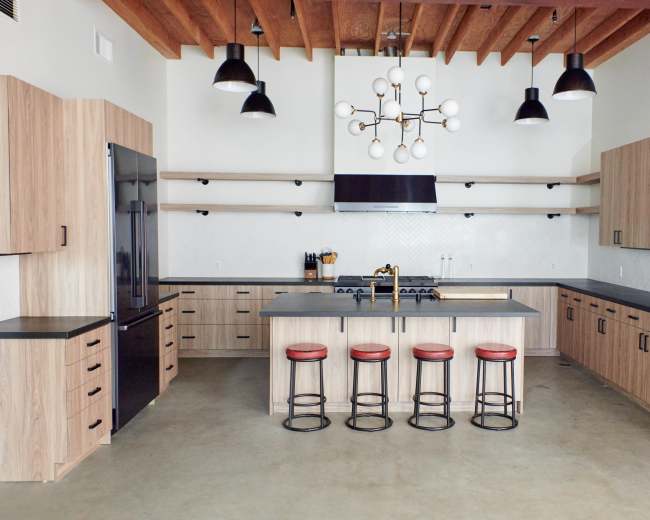
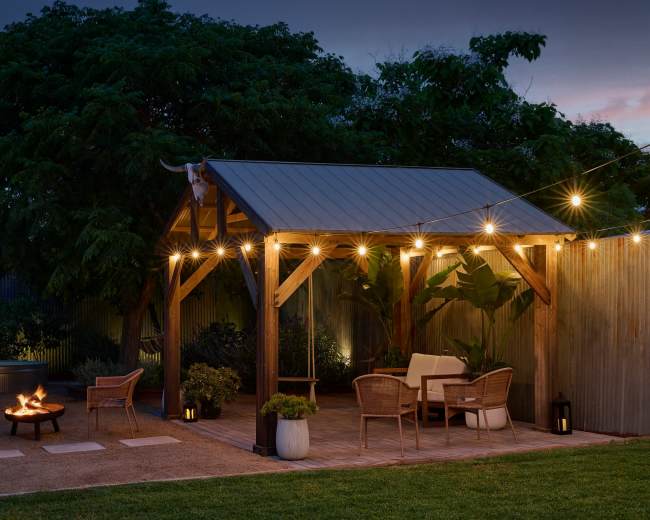
Photo Studio Full Kitchen and Outdoor Space
Sun Valley, CA6 guests
Peaceful Yoga and Dance Studio
North Hollywood, CA30 guests
Los Angeles Photo Studio + Self Tape Auditions
Studio City, CA6 guests
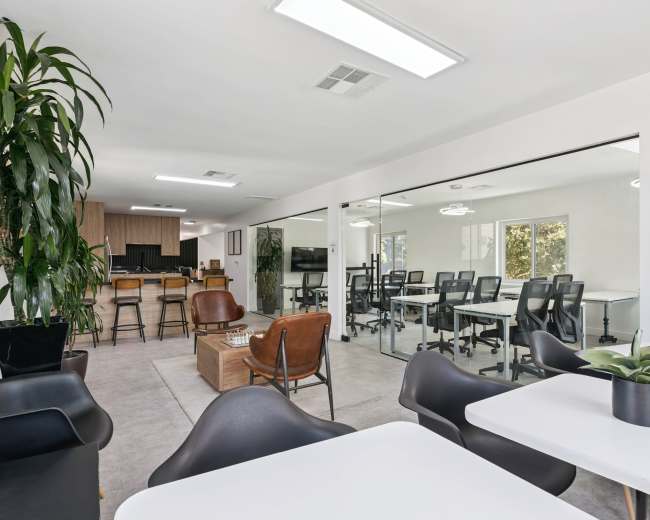
Burbank Modern Office Space – Film/Photo Shoot Ready
Burbank, CA5.0 (2)
40 guests
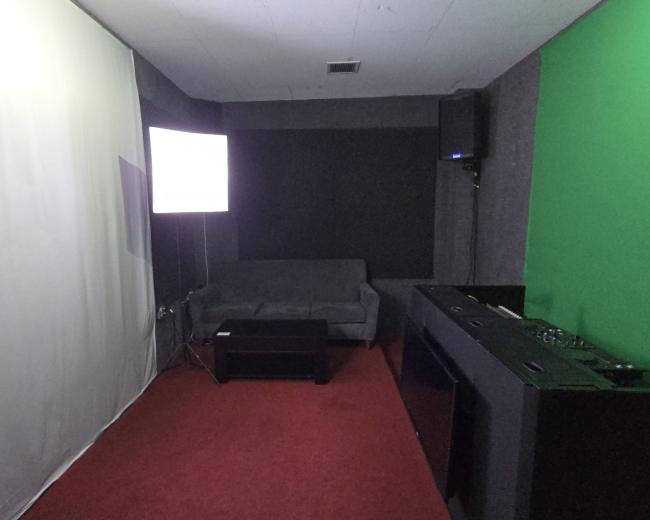
DJ Streaming Studio/Photoshoot Studio
Northeast Los Angeles, CA5 guests
Cozy and spacious street-side photography studio next door to hair stylists, cafe restaurants and gift shops
Valley Village, CA10 guests
The Eclectic Palace | A Whimsical Vintage Inspired Photo Studio
Burbank, CA5.0 (2)
20 guests
Pricing and popularity information in this section is based on proprietary Peerspace booking data, reflecting recent booking activity and the latest data available through October 2026.
Photo studios in Burbank average $80 per hour to rent, but it’s easy to spend less or more depending on what you’re looking for. For a space on the smaller side, expect to spend closer to $113, whereas larger venues run about $311 per hour.
Most photo studios are scheduled for 4 hours, with 6 people in attendance. You’ll find the most Photo Studios starting between 1:00 PM and 2:00 PM.
Our local hosts have welcomed 3568 people into their photo studios with reviews averaging 4.92 stars. Most even said they would book again -- about 97%.
Saturdays are the most popular day for booking photo studios in Burbank. For those seeking a deal, consider booking Sunday and Wednesday as these days are 7% cheaper on average.


