

Sun
Mon
Tue
Wed
Thu
Fri
Sat
$200/hr$150/hr$100/hr$50/hr
Peerspace is the easiest way to book unique photo studios for all kinds of productions including photo shoots, film shoots and music videos. We also have spaces for meetings and events.
Discover SpacesEvery day we uncover new, inspirational spaces, including photoshoot studios, perfect for your activity.
Our network of helpful hosts respond quickly, and are well-versed in accommodating all types of productions, including film and photo shoots.
Only pay for what you need. Pay by the hour for your photoshoot studio location without worrying about hidden fees or overtime.
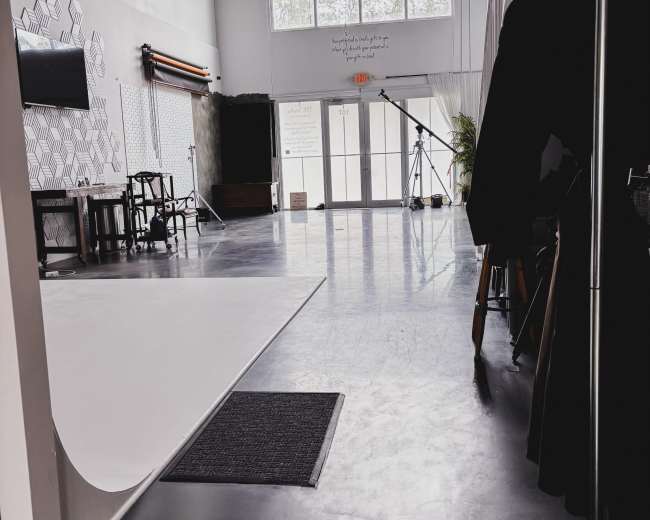
Photography, Video production studio Spacious Natural light Studio centrally located 1/4 mile east of I95
Dania Beach, FL5.0 (4)
15 guests
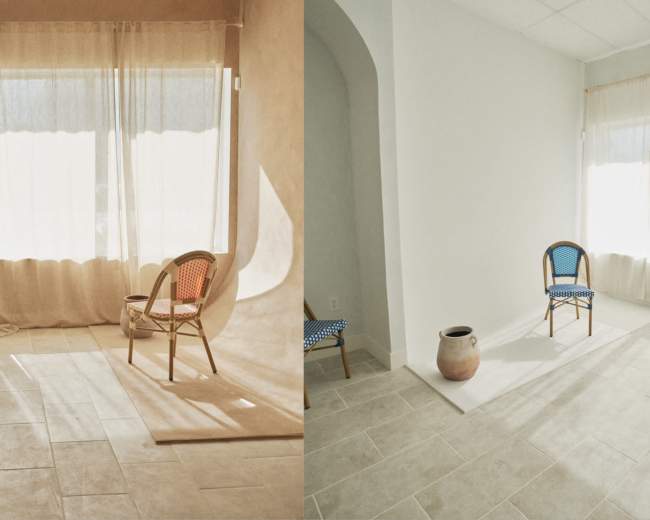
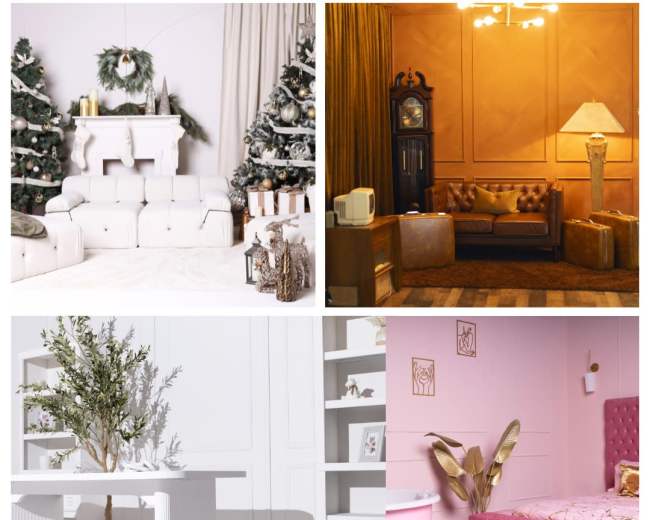
Sol & Luna Studios | Mediterranean Photo & Video Studios
Hollywood Lakes, FL40 guests
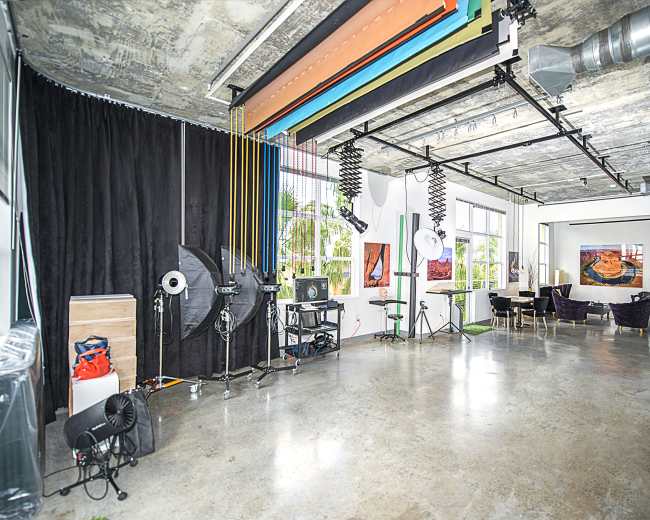
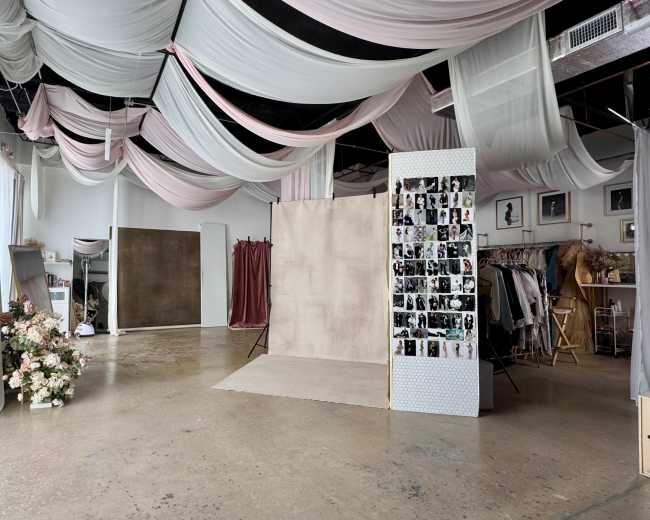
Spacious N.Y. Style Loft Photo Studio
Sailboat Bend, Fort Lauderdale, FL4.8 (20)
12 guests
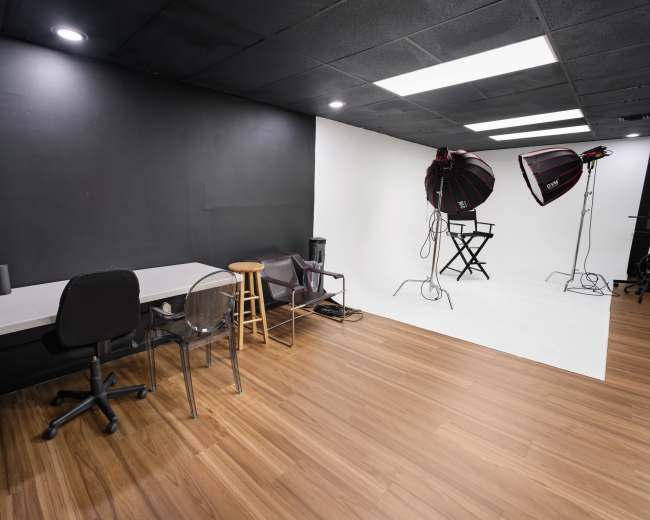
Bright White Cyclorama Studio | Groups & Photo Shoots Welcome
Melrose Manors, Fort Lauderdale, FL5.0 (1)
8 guests
Luxury Minimalist & natural light studio
Dania Beach, fort lauderdale, FL4.7 (48)
10 guests
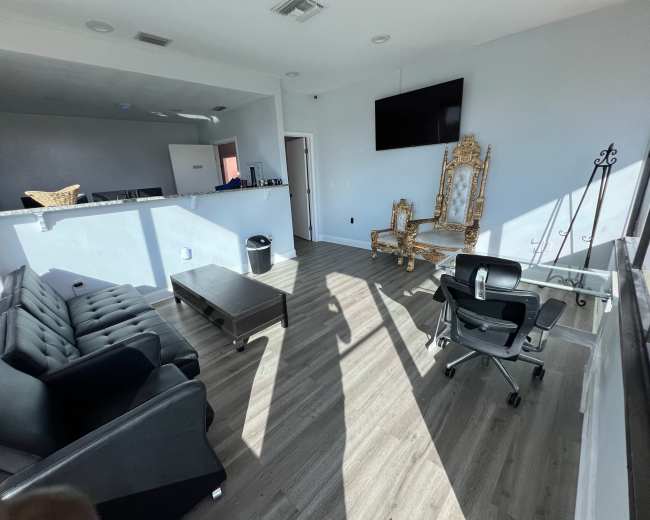
State of the Art luxury Content Studio
Flagler Village, Fort Lauderdale, FL5.0 (1)
10 guests
Open Layout Studio with 15ft Ceilings - Make Up Station - Lounge Area
Progresso Village, Fort Lauderdale, FL5.0 (8)
10 guests
Aesthetic Photo Studio
Progresso Village, Fort Lauderdale, FL12 guests
studio
Lauderdale Lakes, FL10 guests
Cozy Fort Lauderdale Photo Studio
North Fort Lauderdale, FL20 guests
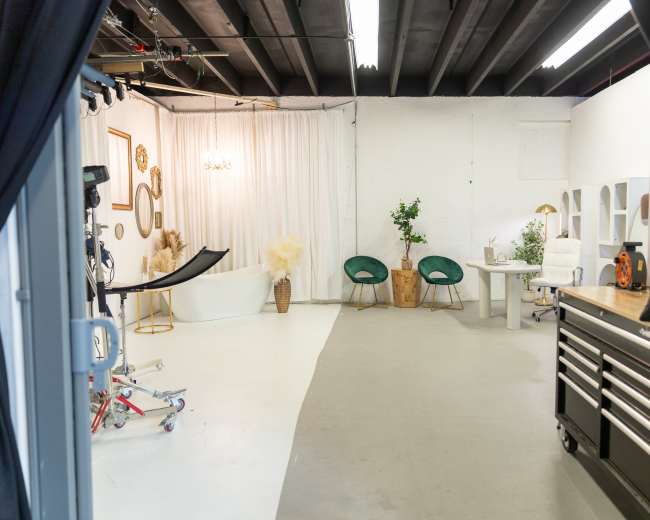
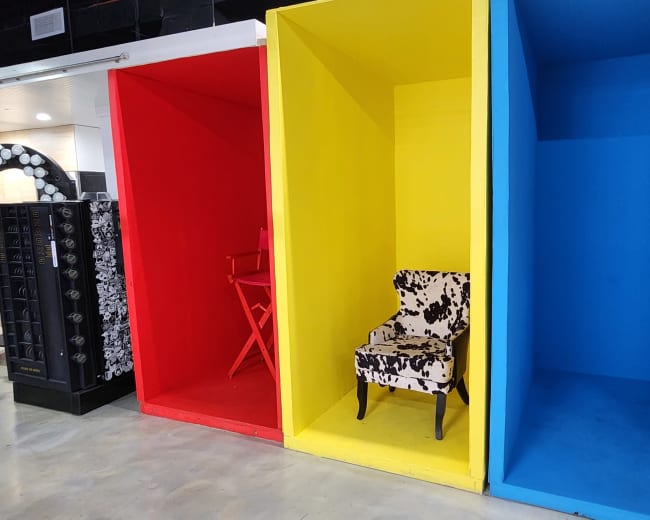
Mirror, Tub, Curtain, Photo Studio With Business Professional Desk Setup and White Wall With Backdrop Colors
Wilton Manors, FL8 guests
STUDIO (ENTIRE STUDIO RENTAL)
Dorsey Riverbend, FORT LAUDERDALE, FL25 guests
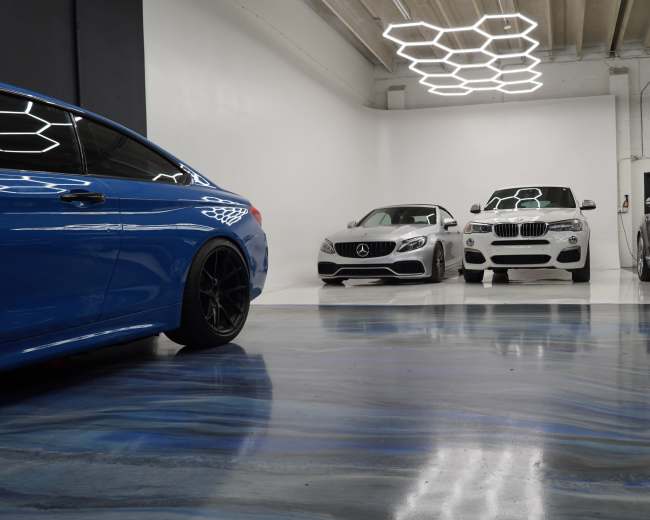
Fort Lauderdale Automotive Photo & Video Studio | White Cyc
Central Business District, Oakland Park, FL6 guests
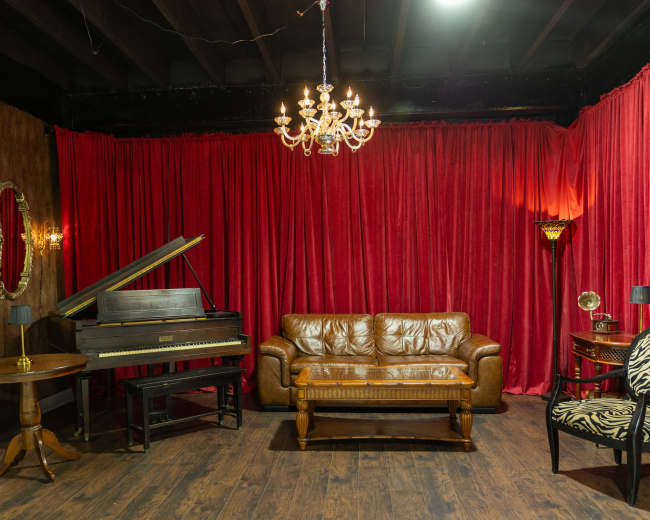
Vintage Red Velvet Room with Couch, Piano, Cyc Wall and Backdrops
Wilton Manors, FL5.0 (2)
8 guests
Haitian Hub Studio
Oakland Park, FL10 guests
Aesthetic Natural Light Studio in Downtown Fort Lauderdale
Progresso Village, Fort Lauderdale, FL5.0 (1)
10 guests
The Creators cookup spot
Oakland Park, FL10 guests
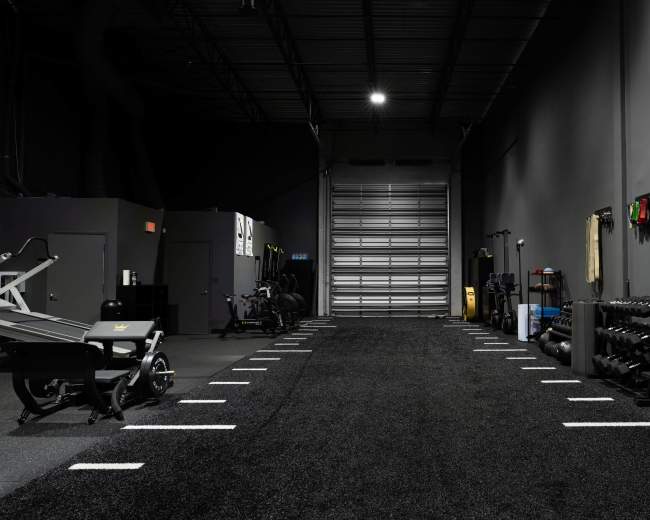
Open-Layout Performance Fitness Studio for Events & Photo Shoots — Premium Equipment, Private, Free Parking
Middle River Terrace, Fort Lauderdale, FL39 guests
Aesthetic Loft Style Boutique Studio for Photoshoots & Creative Sessions
Tamarac, Lauderhill, FL5.0 (6)
12 guests
Urban Unique studio
Pompano Beach, FL5.0 (16)
10 guests
Clearshot Creative Lab
North Lauderdale, Fort Lauderdale, FL5.0 (4)
12 guests
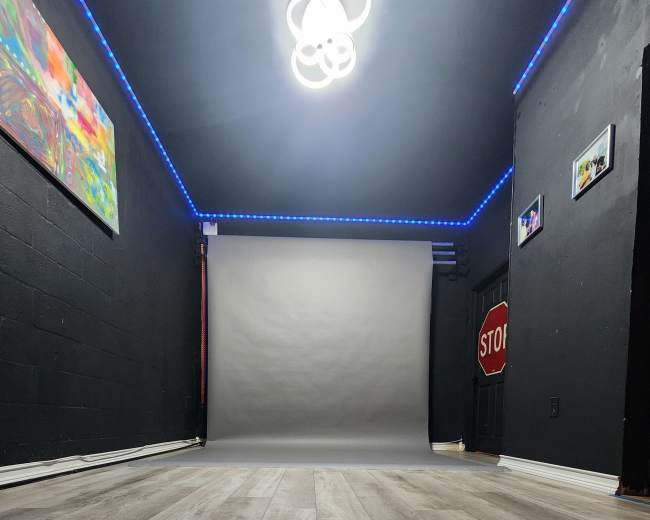
Affordable Self-Serve Photo & Content Studio in Dania Beach | Black & White Seamless
Dania Beach, Ste 1, FL4.8 (11)
6 guests
🎬 Spacious & Versatile 1,000 Sq. Ft. Production Studio w/ Cyc Wall, Rain Room & More
Pompano Beach, FL5.0 (39)
20 guests
Versatile Photo Studio in Fort Lauderdale – Perfect for Content Creators, Brands & Agencies
Pompano Beach, FL5.0 (84)
25 guests
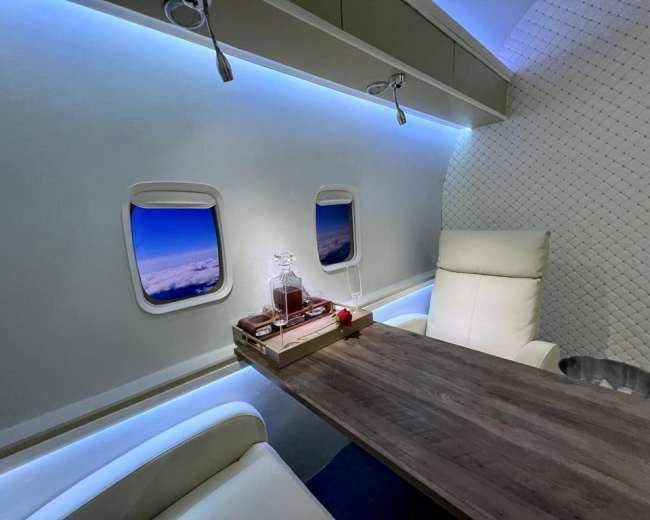
Private Jet Studio Set | Flight Simulation
Dorsey Riverbend, Fort Lauderdale, FL5.0 (5)
25 guests
Cozy photo studio in Broward County
Pompano Beach, FL8 guests
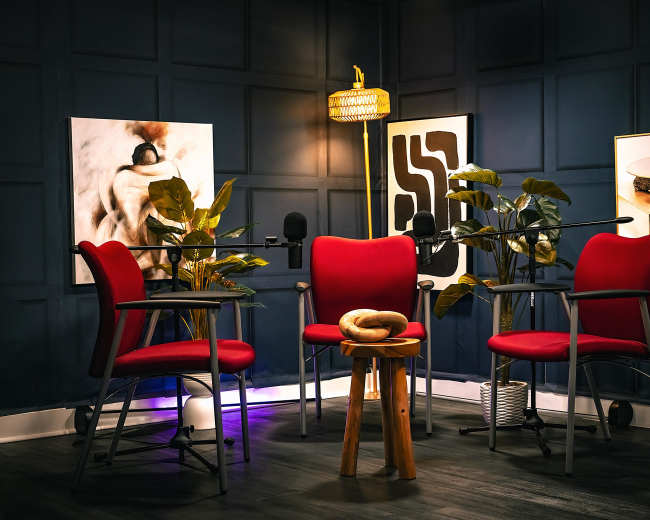
Modern Photo, Video & Podcast Content Studio | Hollywood, FL
Hollywood Lakes, FL5.0 (7)
10 guests
Entire Production Studio. Photography and Videography Studios
Pompano Beach, FL35 guests
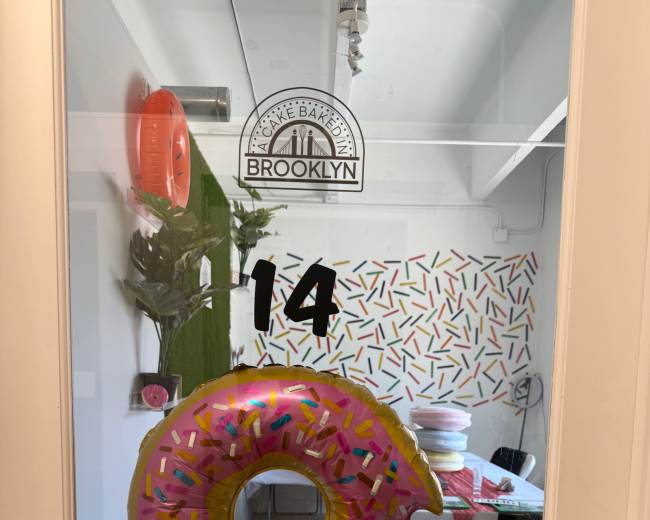
Bright Sprinkle Studio for Classes, Meeting or Photography
Dania Beach, FL5 guests
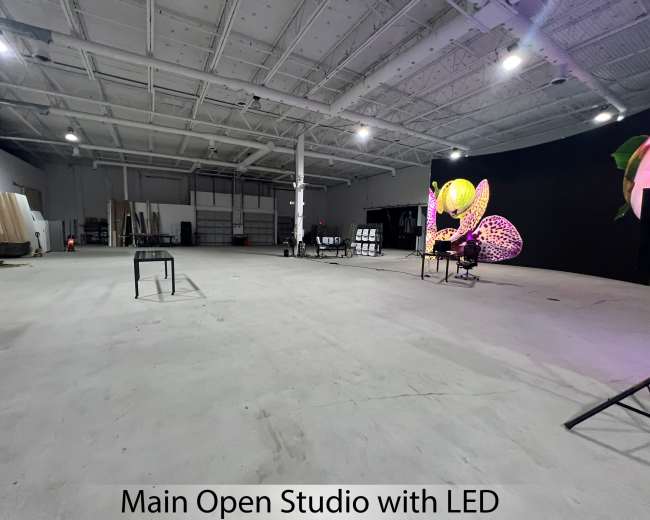
Main Studio – 7,200 sq ft Production Stage with 65’ x 18’ LED Wall (South Florida’s Largest)
Oakwood, Hollywood, FL80 guests
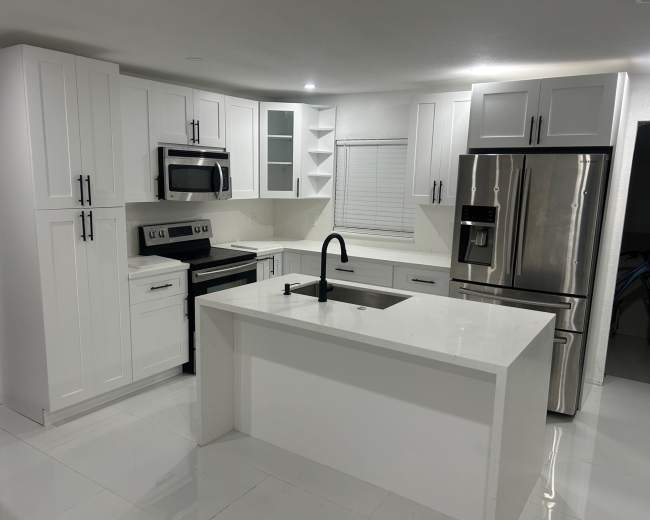
Modern State of the Art Designer Gourmet Kitchen
Broward Estates, Lauderhill, FL6 guests
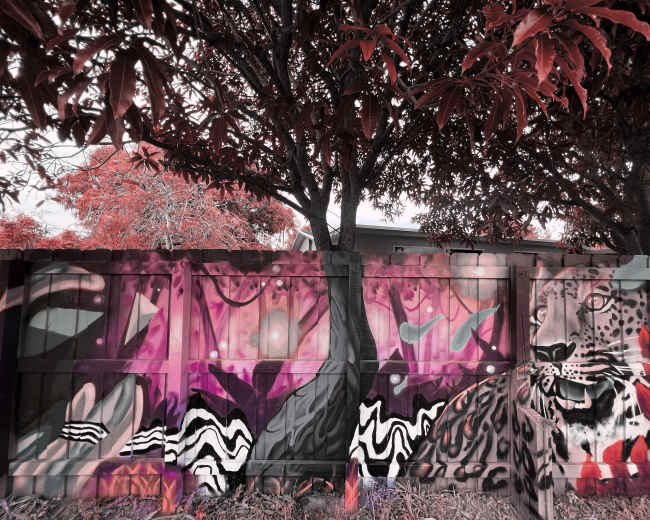
Huge Backyard with 3D Abstract Forest Painting for your next Production
Lauderhill, FL30 guests
Pricing and popularity information in this section is based on proprietary Peerspace booking data, reflecting recent booking activity and the latest data available through October 2026.
Photo studios in Fort Lauderdale average $177 per hour to rent, but it’s easy to spend less or more depending on what you’re looking for. For a space on the smaller side, expect to spend closer to $133, whereas larger venues run about $189 per hour.
Most photo studios are scheduled for 3 hours, with 4 people in attendance. You’ll find the most Photo Studios starting between 12:00 PM and 1:00 PM.
Our local hosts have welcomed 1587 people into their photo studios with reviews averaging 4.94 stars. Most even said they would book again -- about 99%.
Saturdays are the most popular day for booking photo studios in Fort Lauderdale. For those seeking a deal, consider booking Sunday and Wednesday as these days are 12% cheaper on average.


