
Sun
Mon
Tue
Wed
Thu
Fri
Sat
$100/hr$75/hr$50/hr$25/hr
Peerspace is the easiest way to book unique recording studios for all kinds of productions including photo shoots, film shoots and music videos. We also have spaces for meetings and events.
Discover SpacesEvery day we uncover new, inspirational spaces, including music studios, perfect for your activity.
Our network of helpful hosts respond quickly, and are well-versed in accommodating all types of productions, including film and photo shoots.
Only pay for what you need. Pay by the hour for your music studio location without worrying about hidden fees or overtime.
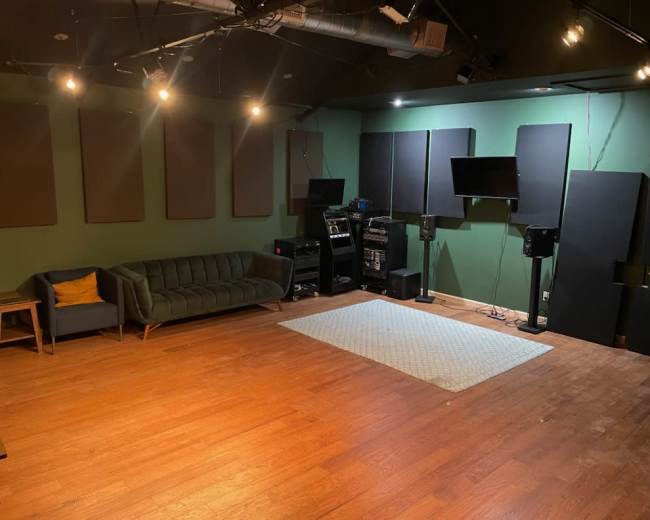
Top Rated Houston Recording Studio
Westside, Houston, TX5.0 (6)
5 guests
Recording studio
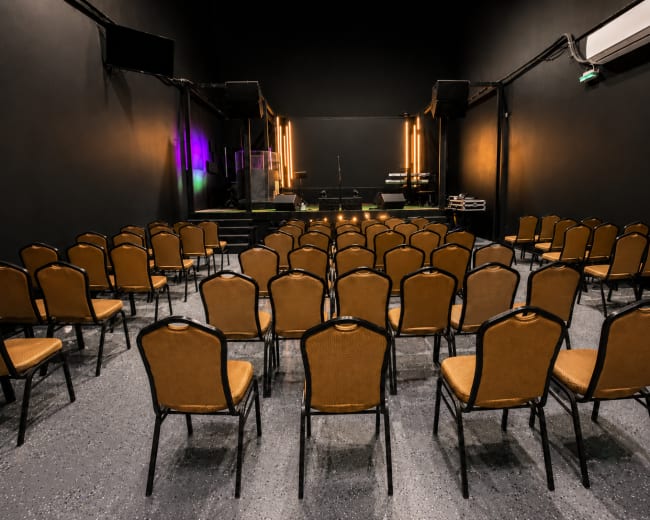
Astrodome Area, Houston, TX70 guests
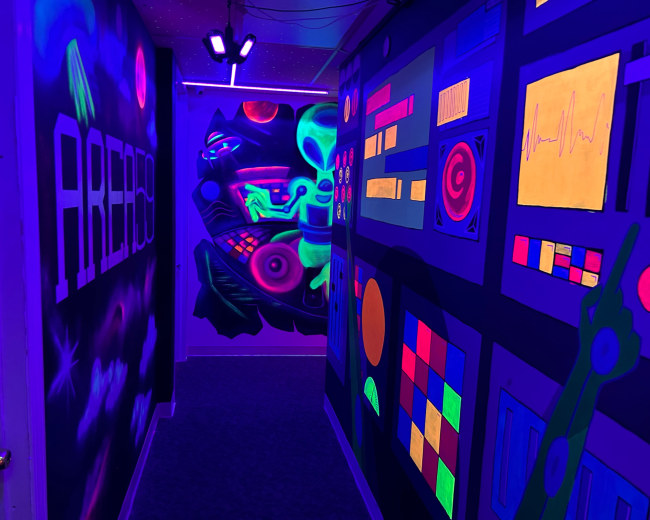
Futuristic studio (Engineer include)
Westside, Houston, TX5.0 (29)
7 guests
Urban Plush Atmospheric Recording Studio
Gulfton, Houston, TX5.0 (5)
10 guests
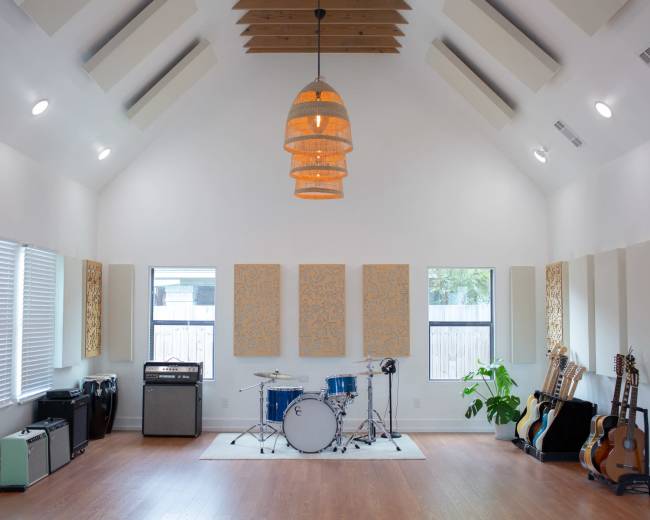
Eclectic Home Studio & Rehearsal Room
Copper Grove, Houston, TX5.0 (3)
7 guests
Recording Studio
Eldridge / West Oaks, Houston, TX2 guests
Dolby Atmos Studio
Northside, houston, TX4 guests
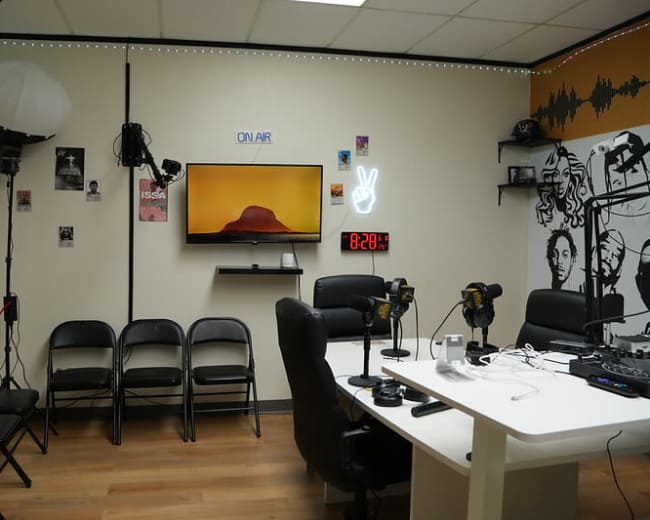
Podcast Recording Studio near Memorial City
Memorial City, Houston, TX4.8 (24)
10 guests
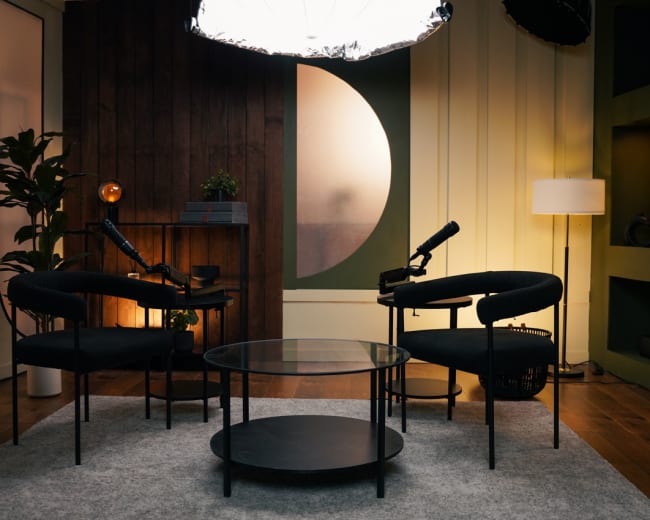
Modern Podcast Studio with Professional Setup & Creative Recording Atmosphere
Mid West, Houston, TX5.0 (1)
20 guests
Recording Studio, Dance Studio, Photography Studio, Live Rehearsal Studio all in One located in the Heights
Washington Avenue Coalition / Memorial Park, Houston, TX5.0 (1)
200 guests
Midtown Studio with 5 layers of sound proofing
South Central Houston, TX15 guests
Podcast room
Blue Ridge Square, Missouri city, TX10 guests
Third Coast Recording Co.
Greater Eastwood, Houston, TX10 guests
Podcast Recording Studio in Downtown Houston
Downtown Houston, TX5.0 (1)
8 guests
Houston Production Studio | Pro Lighting, Live Audio + Sound-Controlled Studio
Alief, Houston, TX100 guests
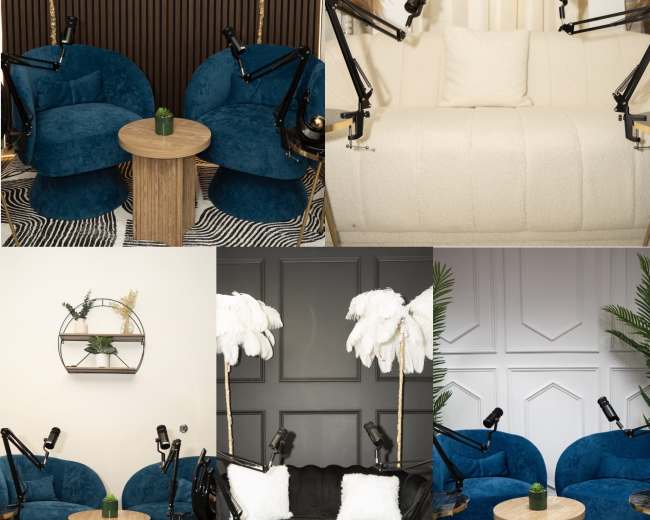
Podcast Recording Studio with up to 5 Different Sets
Westwood, Houston, TX5.0 (5)
8 guests
Podcast Studio with Equipment and Techs Included
Westwood, HOUSTON, TX5 guests
LOC1 Audio Studio
Northeast Houston, Galena Park, TX5.0 (12)
5 guests
Montrose Studio (Eng. Included)
Montrose, Houston, TX4 guests
Multispace Event Venue with Podcast/Vlog Studio, and Office Rental Spaces
Central Southwest, Houston, TX10 guests
Fresh Podcast Studio right off of 610 Loop
Southeast Houston, TX8 guests
All-In-One Podcast & Video Studio in Katy Multi-Set Space with Pro Audio, Lighting & Camera Included
Houston, TX5.0 (1)
30 guests
Sugar Land Podcast Studio
Sugar Land, TX5.0 (27)
8 guests
Recording Studio near Baybrook Mall
Clear Lake City, Houston, TX8 guests
Houston 3 Video Camera Podcast Studio
South Central Houston, TX5.0 (55)
4 guests
Rehearsal studio on Beltway 8 and 290. (NORTHWEST AREA)
Carverdale, Houston, TX5.0 (1)
15 guests
Colorful Podcast + Content Studio in Houston | Sound Treated, Vibey , and Stream - Ready
Westwood, Houston, TX4 guests
Cinematic Podcast Studio with Pro Lighting & Audio Setup Engineer Included
Cypress Station, Houston, TX5 guests
Best Production Studio in Houston
Northside, Houston, TX5.0 (3)
20 guests
Modern Industrial Studio with Two Podcast Studios in Katy - Room 2
Houston, Katy, TX10 guests
The Podcast Suite
Humble, TX4.8 (4)
4 guests
Intimate Recording Room near Baybrook Mall
Clear Lake City, Houston, TX5.0 (6)
5 guests
YouTube Content Pop the balloon 20 v 1 White Studio perfect for #MusicVideos, #YoutubeVideos, #20vs1, #Poptheballon and any content.
Westside, Houston, TX4.9 (47)
60 guests
Pricing and popularity information in this section is based on proprietary Peerspace booking data, reflecting recent booking activity and the latest data available through October 2026.
Recording studios in Houston average $81 per hour to rent, but it’s easy to spend less or more depending on what you’re looking for.
Most recording studios are scheduled for 3 hours, with 9 people in attendance. You’ll find the most Recording Studios starting between 2:00 PM and 3:00 PM.
Our local hosts have welcomed 2150 people into their recording studios with reviews averaging 4.86 stars. Most even said they would book again -- about 97%.
Saturdays are the most popular day for booking recording studios in Houston.


