



Sun
Mon
Tue
Wed
Thu
Fri
Sat
$200/hr$150/hr$100/hr$50/hr
Peerspace is the easiest way to book unique venues for events. We also have spaces for productions and meetings.
Discover SpacesEvery day we uncover new, creative spaces perfect for your function — from neighborhood galleries to hidden rooftops, and beyond.
Our spaces are priced to fit your budget. Hire by the hour for your event without worrying about hidden fees.
No more messy contracts. We build the tools to make hiring out a space for your function as easy as the click of a button.
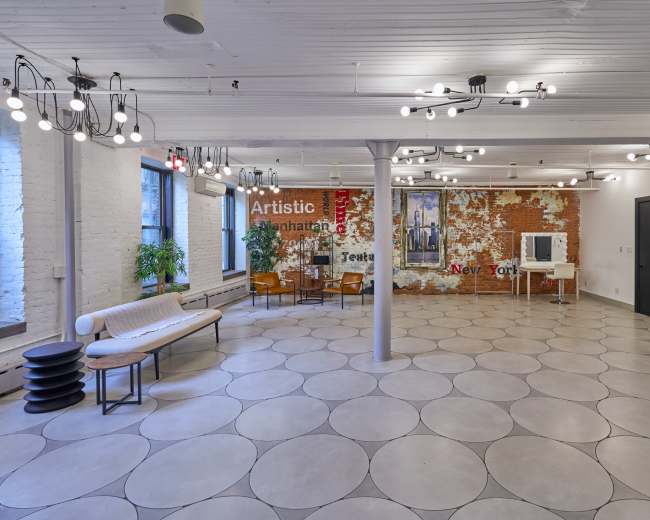
Midtown Manhattan Unique Loft Studio with Roman Columns, Gallery Vibe & Flexible Layout
Midtown Manhattan, New York, NY4.9 (124)
100 guests
Event space conveniently located in Tribeca/Chinatown
Lower Manhattan, New York, NY5.0 (5)
250 guests
Unique, warm and cozy space for all kinds of events
McGinley Square, Jersey City, NJ4.9 (97)
75 guests
Immersive Event Space in SoHo/TriBeCa
Lower Manhattan, New York, NY4.9 (90)
200 guests
Modular Event Space right in The Heart of Little Italy - Close to Chinatown & Soho
Little Italy, New York, NY50 guests
Loft Space for Events in Lower East Side
Lower East Side, New York, NY5.0 (12)
75 guests
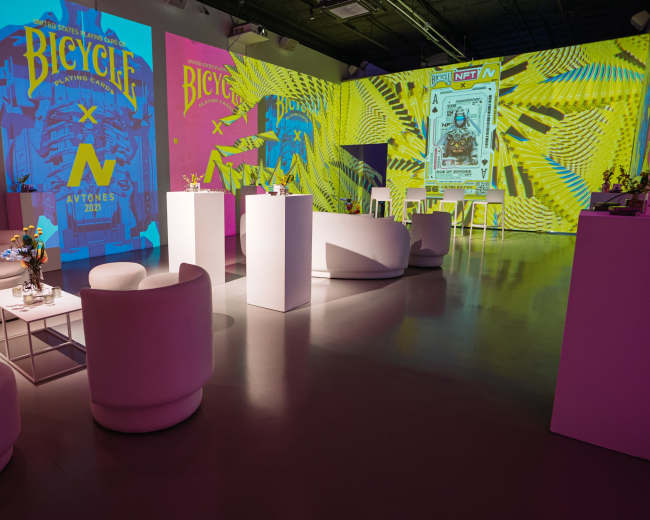
5,000 SF Midtown Event Venue with Custom Displays & Multi-Screen Setup
Midtown Manhattan, New York, NY300 guests
Modern Event Space in Tribeca – Bright & Versatile
Chinatown, New York, NY100 guests
Stunning loft-style venue, located in the heart of Soho-Tribeca,
Lower Manhattan, New York, NY5.0 (2)
67 guests
LARGE EVENT SPACE IN MIDTOWN WEST
Midtown Manhattan, New York, NY4.9 (122)
90 guests
Bright and Airy Lower Manhattan Studio and Event Space
Lower Manhattan, New York, NY5.0 (49)
125 guests
Dynamic Venue for Networking Events, Parties, Art Gallery Showings, and Open Mic Nights
The Heights, Jersey City, NJ5.0 (13)
25 guests
Chelsea Loft Event Space — Launches, Panels & Receptions
Midtown Manhattan, New York, NY4.8 (12)
50 guests
Hoboken Loft with Panoramic Views of Manhattan Skyline
Hoboken, NJ5.0 (21)
175 guests
Event Space Midtown Manhattan 16A
Midtown Manhattan, New York, NY5.0 (48)
40 guests
N Y Event Space in Union Square
Midtown Manhattan, New York, NY4.9 (35)
100 guests
Sleek, Downtown Multipurpose Theatre Space
Downtown Jersey City, NJ5.0 (5)
200 guests
Skyline Event Venue Loft In Manhattan 23AB
Midtown Manhattan, NEW YORK, NY5.0 (30)
100 guests
Upstairs Downtown Bar located on Stone Street Event room - Brandon's Apartment
Lower Manhattan, New York, NY140 guests
Event & Reception Venue by Dianor Studios
Bergen-Lafayette, Jersey City, NJ5.0 (6)
50 guests
Stunning Event Space in Quaint Hudson Square
Hudson Square, New York, NY200 guests
Pricing and popularity information in this section is based on proprietary Peerspace booking data, reflecting recent booking activity and the latest data available through September 2026.
Event venues in Jersey City average $162 per hour to rent, but it’s easy to spend less or more depending on what you’re looking for. For a space on the smaller side, expect to spend closer to $131, whereas larger venues run about $304 per hour.
Most event venues are scheduled for 4 hours, with 36 people in attendance. You’ll find the most Events starting between 5:00 PM and 6:00 PM.
Our local hosts have welcomed 4752 people into their event venues with reviews averaging 4.98 stars. Most even said they would book again -- about 99%.
Saturdays are the most popular day for booking event venues in Jersey City. For those seeking a deal, consider booking Thursday and Tuesday as these days are 1% cheaper on average.


