
Sun
Mon
Tue
Wed
Thu
Fri
Sat
$100/hr$75/hr$50/hr$25/hr
Peerspace is the easiest way to book unique spaces for meetings. We also have spaces for productions and events.
Discover SpacesEvery day we uncover new, creative spaces perfect for your corporate meeting — from neighborhood gardens, expansive rooftops, trendy office spaces, and beyond.
Our spaces are priced to fit your budget. Hire by the hour for your meeting without worrying about hidden fees.
No more messy contracts. We build the tools to make booking a space for your corporate meeting as easy as the click of a button.
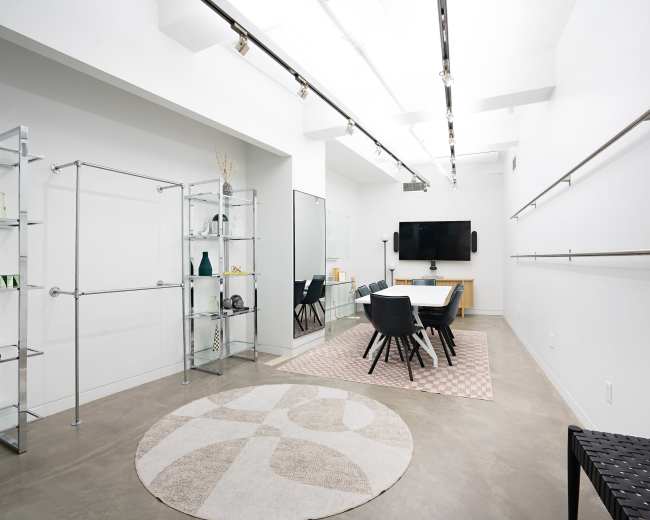
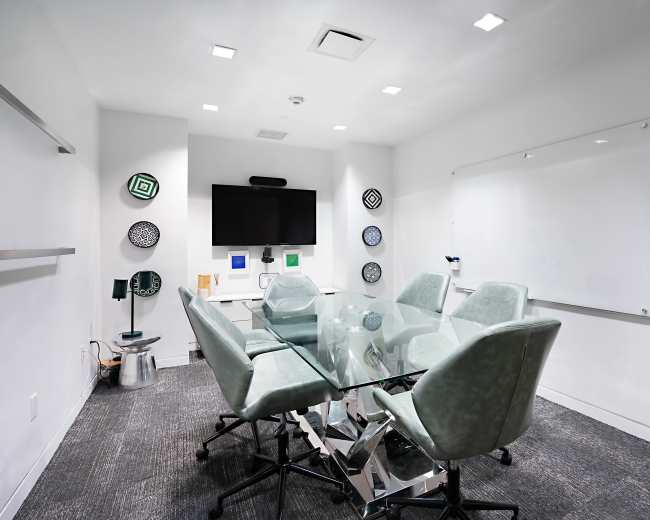
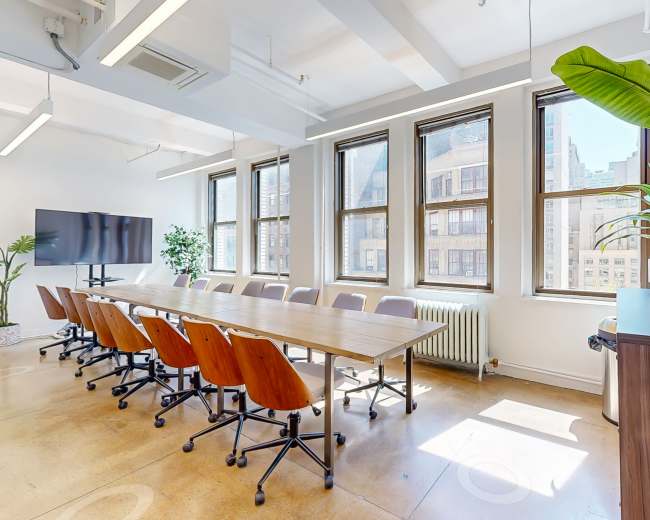
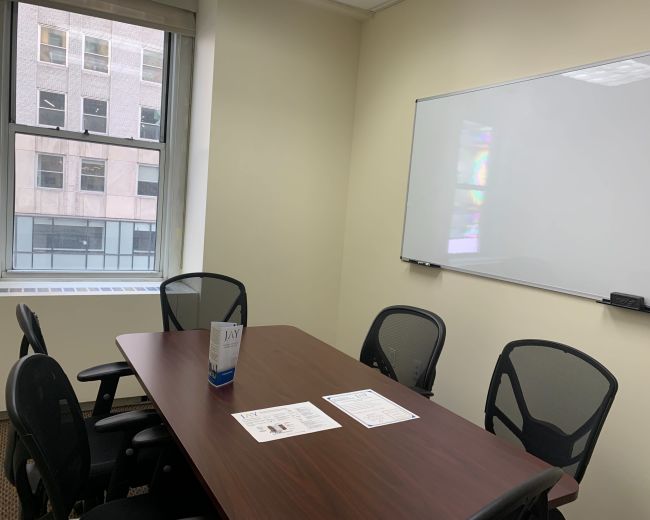
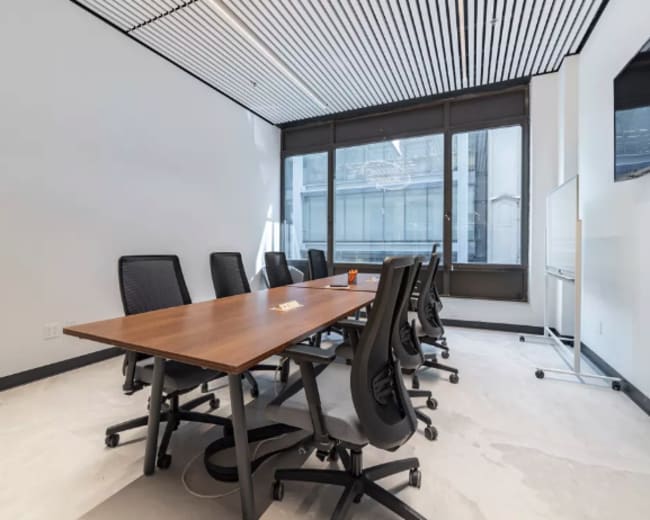
Blender Space
Midtown Manhattan, New York, NY4.7 (9)
15 guests
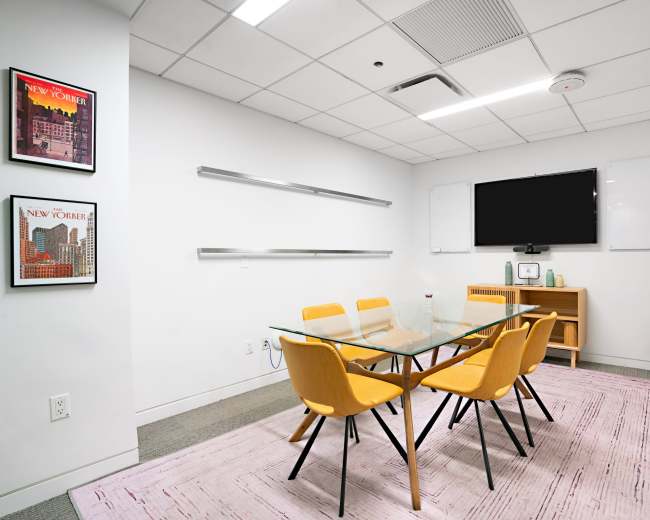
Blender Space
Midtown Manhattan, New York, NY4.8 (13)
4 guests
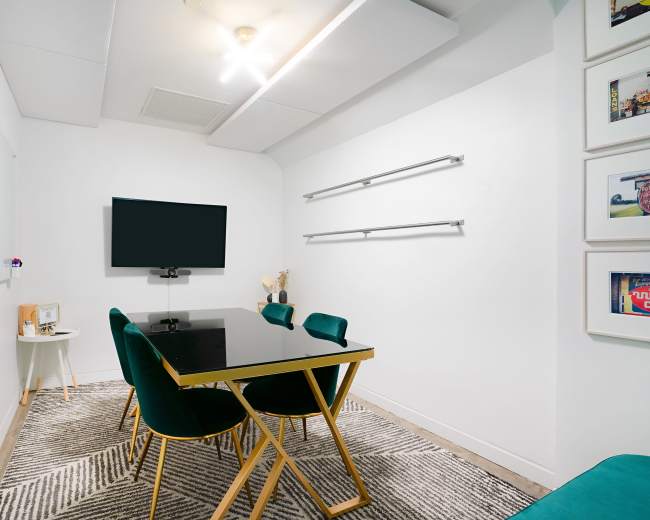
Executive Offices of New York
Midtown Manhattan, New York, NY5.0 (21)
14 guests
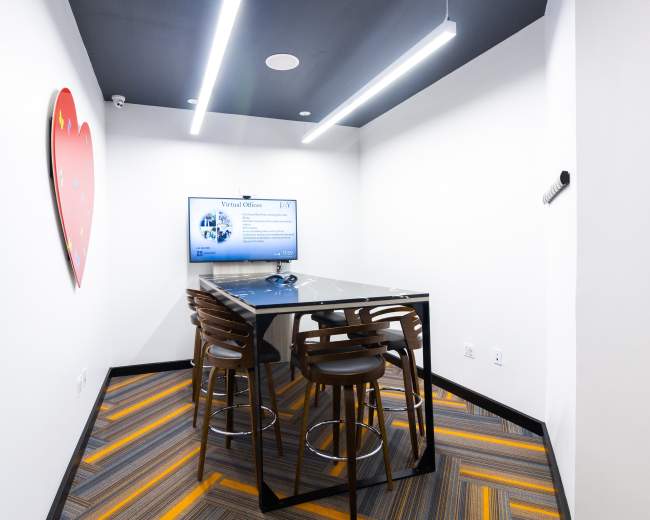
Jay Suites 34th Street
Midtown Manhattan, New York, NY4.8 (30)
18 guests
Blender Space
Midtown Manhattan, New York, NY4.8 (13)
10 guests
Jay Suites Grand Central
Midtown, New York, NY4.9 (65)
20 guests
Meeting Room 2
Midtown Manhattan, New York, NY5.0 (1)
12 guests
Blender Space
Midtown Manhattan, New York, NY30 guests
Professional Medium Meeting Room B for 6 - HS (Spring Promo)
Midtown, New York, NY5.0 (14)
6 guests
Blender Space
Midtown Manhattan, New York, NY5.0 (1)
8 guests
Modern Meeting Room Midtown Manhattan
Midtown Manhattan, New York, NY5.0 (7)
6 guests
Jay Suites Office and Meeting Room Space
Midtown Manhattan, New York, NY4.9 (130)
12 guests
The Key Meeting & Showroom Space in Midtown Manhattan
Midtown Manhattan, New York, NY8 guests
Mezz Meeting Room - Sophisticated & Creative Space in Midtown NYC
Midtown, New York, NY4.6 (14)
6 guests
* 40% Off Promo * Gorgeous New 7 Person Cafe Style Meeting Room - Prime Location - PROMO
Midtown, New York, NY5.0 (70)
7 guests
Small Meeting Room - Tech Equipped - Seats 4 People
Midtown, New York, NY5.0 (23)
4 guests
Studio Meeting Room - Private & Modern Space in Midtown NYC
Midtown, New York, NY5.0 (11)
6 guests
Large daylight Meeting / Board Room
Midtown Manhattan, New York, NY4.9 (67)
18 guests
8 Person Windowed Meeting Room Space in Bryant Park
Midtown Manhattan, New York, NY4.9 (30)
8 guests
Nomadworks Times Square
Midtown Manhattan, New York, NY4.9 (47)
10 guests
Amazing daylight Team Meeting Room in the Garment District
Midtown Manhattan, New York, NY4.9 (13)
10 guests
Knowbox Spaces
Midtown Manhattan, New York, NY4.9 (73)
20 guests
Spectacular 16 Person Meeting Room in Midtown East * Special - 50% Off Rate *
Midtown Manhattan, New York, NY4.8 (19)
16 guests
Jay Suites Midtown East
Midtown Manhattan, New York, NY4.8 (23)
58 guests
Modern Brand New Meeting Space - Midtown East - B - 50% Off Promo
Midtown Manhattan, New York, NY4.9 (136)
8 guests
PROMO - Beautiful Modern Brand New 8 person Meeting Space -Midtown East- C
Midtown Manhattan, New York, NY4.9 (50)
8 guests
Soho, Nyc, Meeting Room (A)
Lower Manhattan, New York, NY4.7 (6)
6 guests
SOHO, NYC Meeting Room (The Lounge)
Lower Manhattan, New York, NY4.7 (13)
16 guests
Large Meeting Room in Prime Manhattan
Bowery, New York, NY4.0 (2)
10 guests
7 Sense
Lower Manhattan, New York, NY5.0 (3)
10 guests
Your Trusted Meetings & Events Partner
Lower Manhattan, New York, NY5.0 (2)
7 guests
Wall Street Meeting Room for 8 , Square Meeting Space D with Amenities - * All AV and Large White Board Included * Limited Time - 50% Off Day Rate
Financial District, New York, NY5.0 (57)
8 guests
Off-Site Meeting Accommodations
Lower Manhattan, New York, NY5.0 (1)
10 guests
Small Meeting Room C on Wall StreetMeeting Room B for 14, Amazing light and Views-Phonebooths and Lounge Space as well
Financial District, New York, NY4.9 (74)
5 guests
Trendy Meeting Room for 10 People
Upper East Side, New York, NY5.0 (6)
10 guests
FiDi Meeting Room Space
Lower Manhattan, New York, NY4.8 (4)
12 guests
Pricing and popularity information in this section is based on proprietary Peerspace booking data, reflecting recent booking activity and the latest data available through May 2026.
Thursdays are the most popular day for booking meeting rooms in New York. For those seeking a deal, consider booking Sunday and Friday as these days are 8% cheaper on average.
Our local hosts have welcomed 30427 people into their meeting rooms with reviews averaging 4.9 stars. Most even said they would book again -- about 98%.
Meeting rooms in New York average $63 per hour to rent, but it’s easy to spend less or more depending on what you’re looking for.
Most meeting rooms are scheduled for 4 hours, with 9 people in attendance. You’ll find the most Meetings starting between 12:00 PM and 1:00 PM.


