Sun
Mon
Tue
Wed
Thu
Fri
Sat
$100/hr$75/hr$50/hr$25/hr
Peerspace is the easiest way to book unique recording studios for all kinds of productions including photo shoots, film shoots and music videos. We also have spaces for meetings and events.
Discover SpacesEvery day we uncover new, inspirational spaces, including music studios, perfect for your activity.
Our network of helpful hosts respond quickly, and are well-versed in accommodating all types of productions, including film and photo shoots.
Only pay for what you need. Pay by the hour for your music studio location without worrying about hidden fees or overtime.
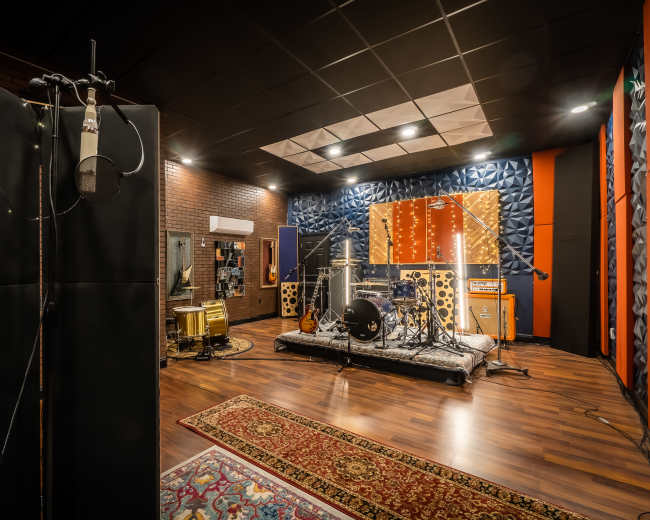
Best recording studio in Orlando florida
Edgewood, Orlando, FL5.0 (5)
8 guests
Podcast Studio
Northeast Orlando, FL5.0 (10)
5 guests
Odyssey Recording Studios Near Dowtown Orlando
Orlando, FL5.0 (3)
8 guests
Recording/Video Production Studio
Goldenrod, Winter Park, FL4.0 (4)
8 guests
Creative Comfy Music Recording Studio
Goldenrod, winter park, FL5.0 (1)
7 guests
Music & Podcast Studio – Private and Soundproofed
Palomar, Orlando, FL12 guests
Community Minded Music Production Studio in Winter Park
Winter Park, FL10 guests
Orlando Audio and Video Content Studio
Orlando, FL5.0 (3)
3 guests
Premium Podcast Studio – Pro Audio, Video & Engineer Included (Orlando)
Orlando, FL5.0 (4)
4 guests
Modern Podcast Studio for Interviews, Reels & YouTube
Princeton/Silver Star, Orlando, FL5.0 (4)
4 guests
Podcast Room in Orlando FL
Southchase, Orlando, FL5.0 (21)
4 guests
Recording Music Studio
Sherwood Forest, Orlando, FL5.0 (3)
4 guests
Professional Podcast & Video Production Studio in Orlando
Southwest Orlando, FL15 guests
Full-Service Podcast & Content Studio | 3 Studios + Cyclorama
South Orange, Orlando, FL4.9 (35)
10 guests
Rehearsal, Recording, Live-Streaming Private Studio
Lockhart, Orlando, FL5.0 (4)
8 guests
Best Recording Studio Orlando
Altamonte Springs, FL5.0 (2)
10 guests
Modern Creative Studio w/ Cyclorama, Kitchen & Podcast Set
orlando, FL5.0 (14)
16 guests
Downtown Orlando Content Studio with Modern Aesthetic
Pineloch, Orlando, FL5 guests
Office building featuring an upscale creative studio and podcast set up. Located in Maitland, FL right off of i4.
Maitland, FL30 guests
Downtown Kitchen Set | Video Studio
North Quarter, Orlando, FL10 guests
Multi Room Creative Studio: Recording, Podcast and Photography
Longwood, FL5 guests
Production - Video Studio in Downtown Orlando - PreLit Greenscreen - Quiet HVAC.
North Quarter, Orlando, FL10 guests
Creative Studio w/ RGB Lighting, Mirrors & Open Floor – Altamonte Springs
Fern Park, FL4.9 (18)
125 guests
Modern Industrial Warehouse Studio with Premium Cyc Wall for Lifestyle Production
Lake Dot, Orlando, FL9 guests
The Creative Room Content Studio
Altamonte Springs, FL5.0 (2)
5 guests
Podcast & YouTube Studio
Wekiwa Springs, Longwood, FL6 guests
Modern 150-Capacity Conference Hall with LED Wall & Stage – MetroWest Orlando
Southwest Orlando, FL150 guests
4,000 sq ft Production Studio in the Heart of Sodo Orlando
South Division, Orlando, FL5.0 (13)
30 guests
Quiet, private workspace with stunning lighting designed for creativity and efficiency.
Southwest Orlando, FL6 guests
Multiple sets, a cyc wall and soundstage. 70’s inspired, retro, industrial.
Lake Dot, Orlando, FL5.0 (287)
15 guests
Casselberry Creative Studio
Casselberry, FL10 guests
Suburbia Production Studio with a Personal Touch
Altamonte Springs, FL5.0 (2)
12 guests
White Box Studio in Orlando
South Division, Orlando, FL4.8 (13)
25 guests
Ranch Style Lake House with Dock on an Acre
Palomar, Orlando, FL5.0 (4)
50 guests
Pricing and popularity information in this section is based on proprietary Peerspace booking data, reflecting recent booking activity and the latest data available through October 2026.
Recording studios in Orlando average $66 per hour to rent, but it’s easy to spend less or more depending on what you’re looking for.
Most recording studios are scheduled for 5 hours, with 10 people in attendance. You’ll find the most Recording Studios starting between 1:00 PM and 2:00 PM.
Our local hosts have welcomed 602 people into their recording studios with reviews averaging 4.95 stars. 100% of guests said they'd book again.
Saturdays are the most popular day for booking recording studios in Orlando.


