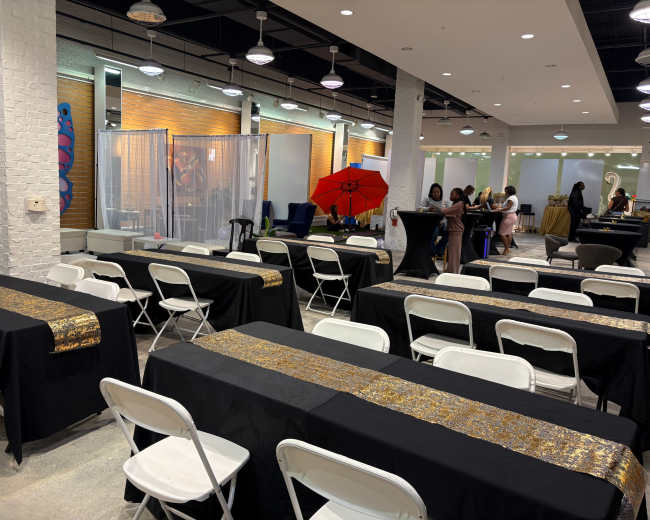
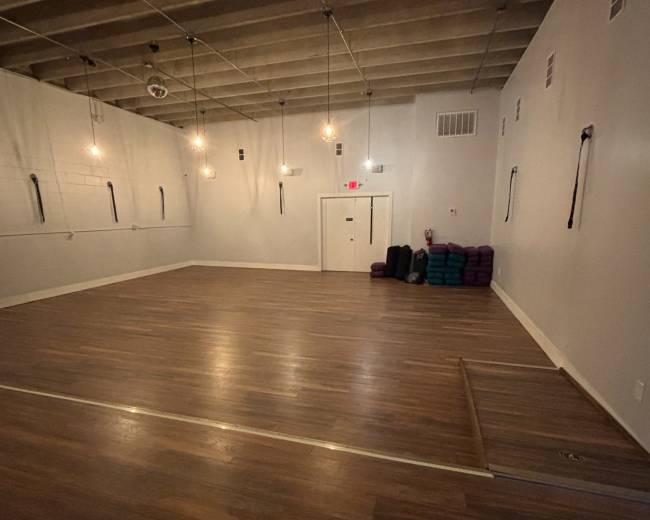
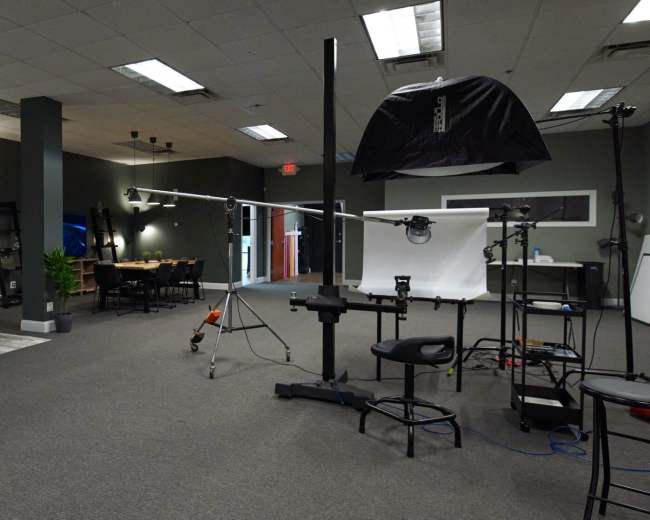
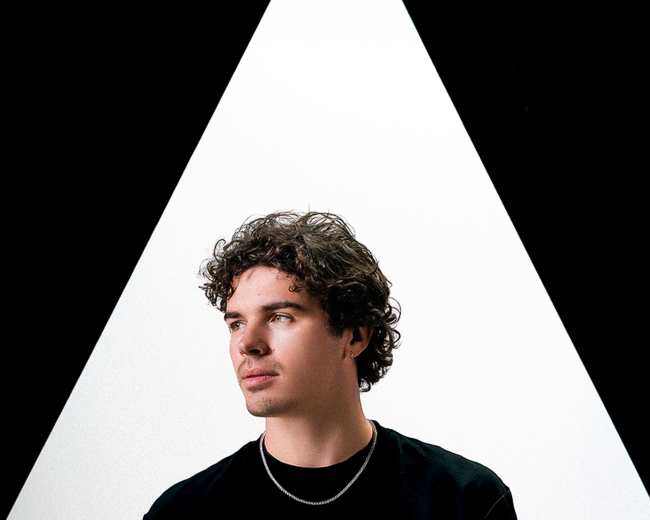
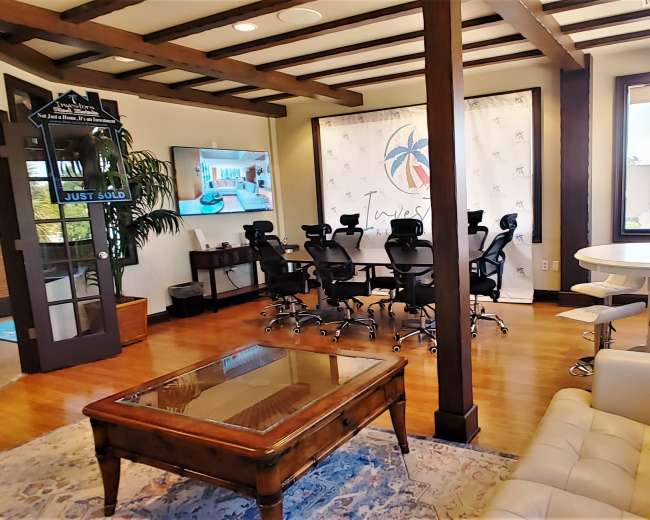
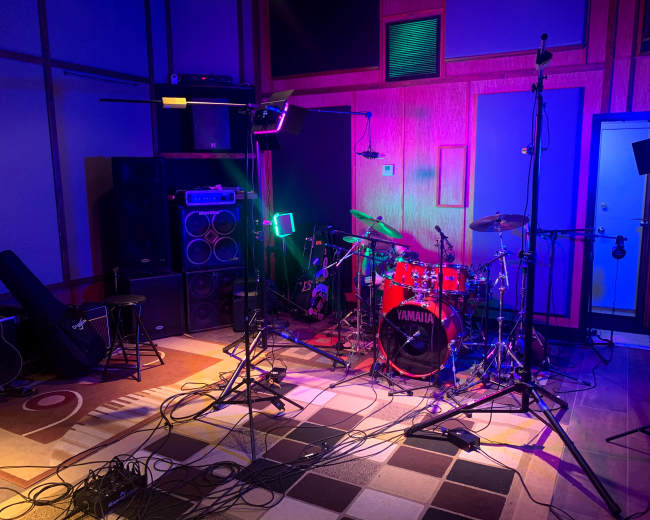
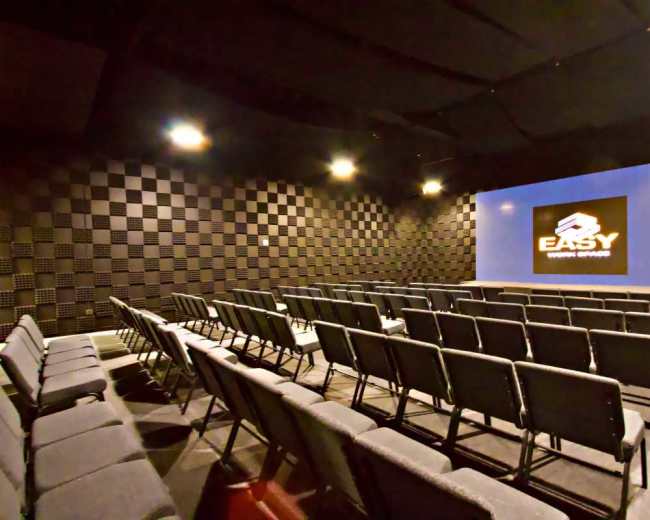
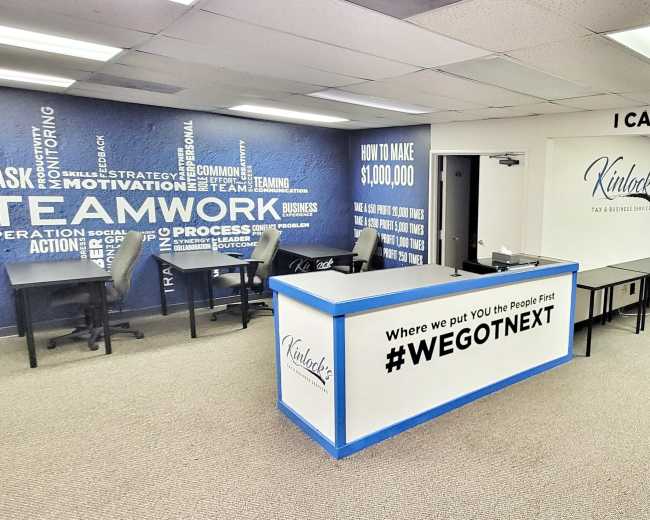
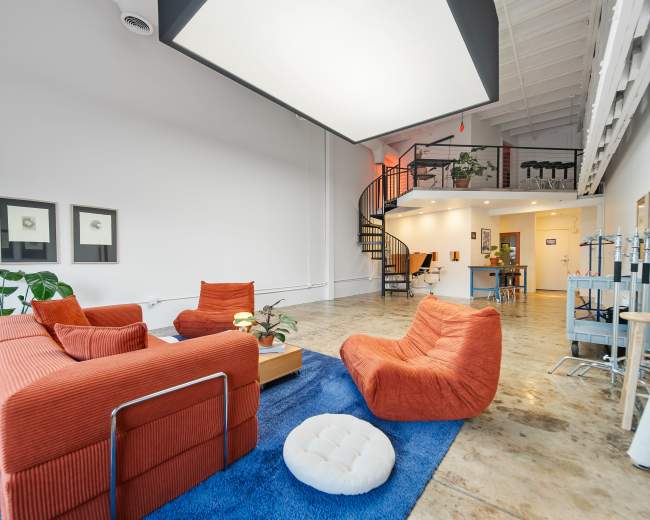
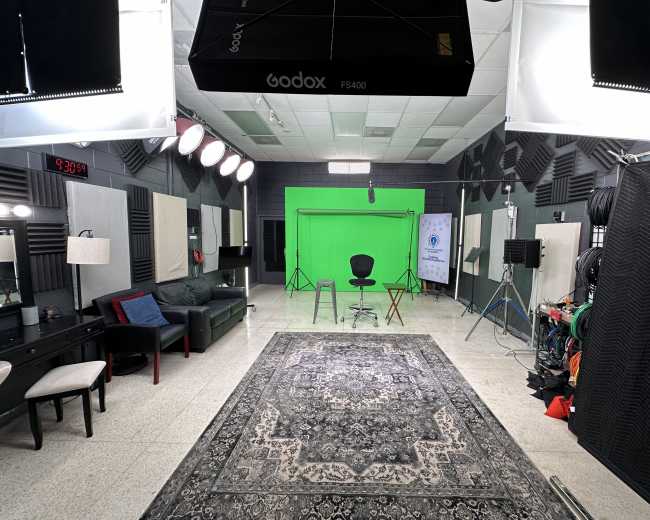
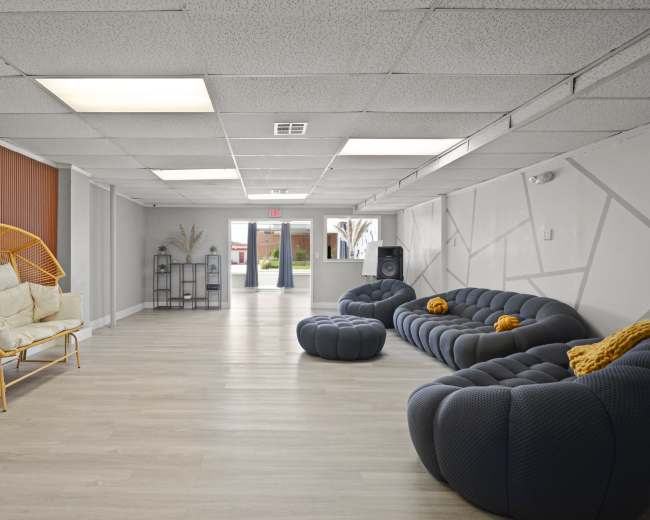
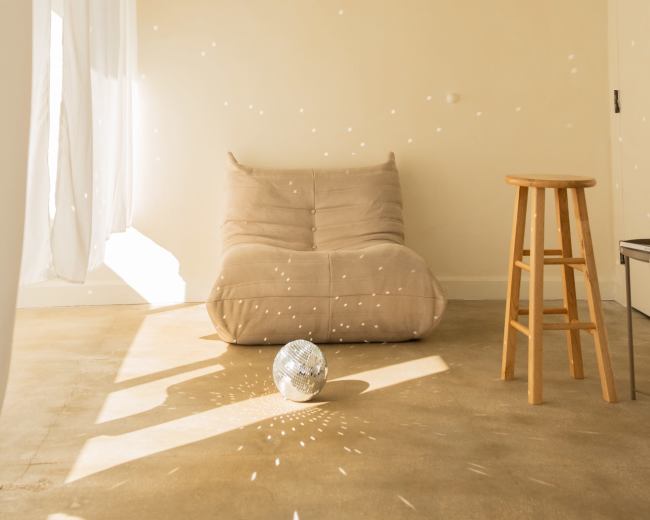
Rent a podcast studio in Orlando, FL

Discover thousands of unique podcast studios for rent for your next recording.

Enter your activity
Orlando, FL

How podcast rooms work on Peerspace

Peerspace is the easiest way to book unique for all kinds of productions including photo shoots, film shoots and music videos. We also have spaces for meetings and events.

The most locations

Every day we uncover new, inspirational spaces, including podcast rooms, perfect for your activity.

Professional hosts

Our network of helpful hosts respond quickly, and are well-versed in accommodating all types of productions, including film and photo shoots.

Hire by the hour

Only pay for what you need. Pay by the hour for your podcast room location without worrying about hidden fees or overtime.

Popular podcast studios

How much does a podcast studio cost in Orlando?

A podcast studio in Orlando typically costs about $45 to $275 per hour, depending on the room, included gear, support level, and whether you're recording audio only or a video podcast. A simple way to compare podcast studio pricing is by category:
  • Entry-level studio rental: Usually the lowest-cost option. This works best if you already know your recording workflow and mainly need a quiet, professional room.
  • Mid-range content studio: Often includes a better-looking set, stronger lighting, and more flexibility for video clips, reels, and branded content.
  • Premium or full-service studio: Usually costs more because you're paying for more than the room, such as an engineer, multi-camera support, editing help, or a turnkey production experience.
In Orlando, the final price for a podcast studio usually changes based on these factors:
  • Audio only versus video podcasting: Video-ready spaces usually cost more because they include cameras, lighting, set design, and visual polish.
  • Included gear: A fully equipped podcast studio with microphones, headphones, interfaces, cameras, and monitors will cost more than an empty room.
  • Support level: If the booking includes an engineer, studio manager, camera switching, or file handoff, expect a higher rate.
  • Guest count: More hosts or guests usually means more microphones, seating, space, and a more complex setup.
  • Minimum hours: A lower hourly rate can still become expensive if the studio requires a two-hour or four-hour minimum.
  • Add-ons: Editing, clip delivery, livestream support, makeup space, and custom set dressing can raise the total well above the base rate.
If you're budget-conscious, don't ask only for the hourly rate. Ask what's included for that rate. A cheaper podcast studio can cost more in time and stress if you have to bring your own gear, troubleshoot the setup, and fix problems in post-production. To get a sense of what's available at different price points, browse studios and compare what each space includes. Before you book a podcast studio in Orlando, ask:
  • What equipment is included in the hourly price
  • Whether setup time is included or if the clock starts when you walk in
  • How many microphones and camera angles are available
  • Whether raw audio and video files are included
  • Whether an engineer or studio manager is available
  • Whether editing and clip packages are included or separate
  • Whether parking, load-in, and teardown are easy
  • What happens if the session runs overtime
Watch for these red flags when comparing podcast studio listings:
  • Vague pricing: No clear list of what's included
  • Style over substance: Beautiful photos, but no mention of acoustics or sound treatment
  • Unclear minimums: No clear minimum booking policy
  • Missing policies: No explanation of overtime, file delivery, or support
  • Photo-shoot setup: A visually impressive room that's better for photos than spoken-word recording
If you're just starting, a short booking in a simpler podcast studio can be a smart first step. If you're launching a branded show, interviewing clients, or creating video-first content, paying more for a polished studio often saves time and improves the final result.

Do I need an engineer, or can I do it myself?

You can absolutely record in a podcast studio without an engineer, but the right choice depends on your format, technical confidence, and how much risk you want to carry during the session. DIY recording usually makes sense when the setup is simple and the stakes are lower. An engineer usually makes sense when the session needs to run smoothly on the first pass. DIY can work well when:
  • Simple format: You're recording solo or with one other person
  • Audio-only setup: You're not filming a video podcast
  • Technical comfort: You know how to set mic levels and monitor sound
  • Editing skills: You're comfortable handling post-production yourself
  • Flexible schedule: A few retakes won't derail the session
Hiring an engineer is usually the better move when:
  • Multiple speakers: You have several co-hosts or guests
  • Video podcasting: You need cameras, lighting, and framing managed correctly
  • Clean first takes: You want strong audio and fewer technical mistakes
  • Limited time: You want to record efficiently without troubleshooting
  • Stress reduction: You want someone else to manage cables, levels, files, and backups
  • Brand reputation: The podcast supports your business, client relationships, or public image
In Orlando, many creators aren't just looking for a podcast studio. They're looking for relief from tech overwhelm. They want to walk in, focus on the conversation, and leave with usable content. That's one reason full-service podcast studio options show up so often in local searches. Some providers are selling more than access to a room. They're selling confidence, polish, editing support, and a smoother production process. A good rule of thumb is simple. If you're asking whether you'll remember how to route everything, you probably want help. If you're asking whether you'd be a better host if someone else handled the tech, the answer is usually yes. If you're recording important interviews that can't easily be redone, support is usually worth the cost. The real cost of skipping an engineer isn't just inconvenience. It can mean ruined takes, missed background noise, lost footage, drifting audio levels, and extra hours of cleanup later. At the same time, not every show needs a full crew. If you're testing a concept, recording solo episodes, or batching simple talking-head content, a plug-and-play podcast studio can be enough. If you're focused primarily on audio quality and want to keep things simple, you can also find recording studios that are well suited for straightforward spoken-word sessions. Before deciding, ask the studio:
  • Whether the setup is beginner-friendly
  • Whether someone will help you get levels right before recording
  • Whether you can do a short soundcheck and camera check
  • What support is still included if you book without an engineer
  • Whether files are delivered immediately after the session
  • Whether editing is available later if you change your mind
If your biggest goal is efficiency, not just access, paying for help can be one of the smartest podcast studio investments you make.

Where can I film a video podcast in Orlando?

You can film a video podcast in Orlando at a dedicated podcast studio, a video-first content studio, or a styled creative space with strong acoustics and privacy. The best fit depends on your format, your visual brand, and how much production support you need. If you want a classic seated show with strong sound and a polished set, a dedicated podcast studio is usually the safest choice. These spaces are best when you want built-in microphones, better acoustics, and a straightforward workflow. If you want a more branded, social-first look, a content studio or video production space may be a better fit. You can explore video studios to find spaces that offer:
  • Better lighting: More control over how the set looks on camera
  • Customizable backgrounds: More options for a branded visual identity
  • Extra camera flexibility: More room for multiple angles and clip capture
  • Multi-use production value: Space for trailers, shorts, promos, and thumbnails in one booking
If you want a softer, more lifestyle-driven look, a loft, lounge, or residential-style space can work well, but only if the room still provides privacy, noise control, and clean audio. A great-looking room isn't enough if it sounds bad on tape. In Orlando, most video podcast options fall into three useful buckets:
  • Dedicated audio and video podcast studios: Best for consistency, ease, and professional sound
  • Creator and production studios: Best for filming episodes, clips, and brand assets in one session
  • Styled nontraditional spaces: Best when the visual identity matters as much as the studio feel
When choosing a video podcast studio, ask about the details that affect the recording, not just the room photos:
  • Lighting control: Whether the lighting can be adjusted for your format
  • Window coverage: Whether natural light can be controlled during long sessions
  • Camera sightlines: Whether the room allows clean framing for all speakers
  • Background depth: Whether the set looks intentional on camera
  • Noise control: Whether AC, traffic, or neighboring rooms create interruptions
  • Internet strength: Whether the connection supports streaming if needed
  • File delivery: Whether audio and video files are included after recording
If you're creating YouTube episodes, social cutdowns, trailers, and branded promo assets, one strong podcast studio can do more than record the show. It can also serve as your set, your photo location, and your content engine for the day. Before you book, ask these practical questions:
  • Can I see photos from the exact podcast setup, not just the empty room?
  • How many people can be mic'd and filmed comfortably?
  • Are there monitors for checking framing?
  • Is there a makeup mirror, prep area, or staging space?
  • Can furniture be moved to fit my format?
  • Are cameras and lighting included, or do I need to bring my own?
If a space is gorgeous but can't give you clean audio, it's not the right podcast studio for a recurring video show. The sweet spot is a room that sounds controlled, looks intentional, and makes your show feel bigger than it is.
How do I pick a studio for co-hosts and guests?

Choose a studio based on layout, capacity, microphone count, and camera sightlines before you focus on style. A lot of podcast studio rooms look great for one host on social media, but feel cramped once you add a co-host, a guest, tripods, bags, water, and production gear. If your format includes real conversation among multiple people, the room needs to support comfort, eye lines, and clean sound. A simple way to match the room to your format is:
  • Two hosts: A compact podcast studio can work if both people have enough elbow room and proper mic placement
  • Two hosts and one guest: You need balanced framing and enough space so nobody feels squeezed together
  • Roundtables or recurring guest episodes: Look for flexible furniture, at least three to four mic positions, and clear sightlines
  • Panels or a small live audience: You may need a flex studio or small event-style space instead of a basic podcast room
When comparing podcast studio options, prioritize these details:
  • Comfortable capacity: A room that technically fits five people may still feel tight on camera and awkward in conversation
  • Mic count and seating setup: Make sure the studio can support your exact host and guest format without workarounds
  • Camera sightlines: Avoid blocked faces, awkward crops, and cameras jammed into walls
  • Acoustics: More voices create more chances for echo, bleed, and uneven levels
  • Waiting and staging space: Guests need a place to wait, prep, or store personal items
  • Parking and arrival flow: Easy access matters when you want guests to arrive on time and camera-ready
  • Furniture flexibility: A movable set gives you more options for different episode formats
  • Guest comfort: Water, temperature control, easy restroom access, and a professional atmosphere help people perform better on mic
If your format regularly involves sit-down conversations with outside guests, you may also want to book an interview location that's specifically designed for that kind of setup. Ask the host these questions before you book:
  • How many people can record comfortably, not just technically
  • Whether microphones, headphones, and chairs are already set for that number
  • Whether the set can be rearranged for interview or roundtable formats
  • Whether there's room for an extra camera or producer
  • How loud the AC is during recording
  • Whether there's a place for guests to wait, prep, or store bags
  • How much time you should book for arrivals, setup, and resets
Watch for these red flags:
  • Limited angles: The room looks spacious in photos but only appears from one camera angle
  • Missing mic details: There's no clear mention of how many microphones are included
  • No proof of group setups: The listing says it fits a group, but shows no multi-person examples
  • No overflow space: There's nowhere for bags, gear, or waiting guests
  • Photo-shoot bias: The space seems designed more for photos than conversation
Pro tip: If you're comparing several Orlando podcast studio options on Peerspace, save your favorites to a board and share it with your co-host or team so you can compare layout, style, and logistics side by side. It's also smart to message hosts with your exact guest-count questions and book enough time for setup and teardown so the session does not feel rushed.

What Orlando areas are best for recording a podcast?

The best Orlando area for a podcast studio depends on your priorities: guest convenience, visual style, parking, noise control, and how easy the recording day feels from start to finish. For many podcasters, central Orlando neighborhoods offer the best mix of accessibility and studio inventory. Areas around downtown and nearby creative districts can work especially well. Useful pockets often include South Eola, Lake Cherokee, Lake Dot, North Quarter, College Park, and Colonialtown North. A practical way to think about location is:
  • Downtown-adjacent areas: Best for convenience, business interviews, and easier guest scheduling
  • Creative neighborhoods: Best for video podcasts and branded content that need more character on camera
  • Residential or quieter pockets: Best for cleaner audio, easier parking, and a calmer arrival experience
  • Areas near major roads or the airport: Best if guests travel from across Central Florida or fly in for interviews
You can also match the area to your show format:
  • Business and expert interviews: Prioritize central access and professional surroundings
  • Video-first podcasts: Prioritize neighborhoods with podcast studio spaces that look stronger on camera
  • Batch recording days: Prioritize easy parking, reliable load-in, and a low-stress environment
  • Guest-friendly production: Prioritize locations that are easy to find and easy to enter
There are a few Orlando-specific tradeoffs worth keeping in mind:
  • Central convenience: Easier for guests, but parking may be tighter or more expensive
  • Quieter neighborhoods: Better for sound, but some buildings may have stricter access rules
  • Visually cool districts: Great for branding, but not ideal if traffic, street noise, or entry issues create stress
When you're choosing a podcast studio location, ask one simple question: what will make this easiest for the guest I most want to book? The best area is usually the one that removes friction. If your guest can arrive easily, park without frustration, walk into a polished space, and feel comfortable right away, the recording usually goes better. If you want to explore options across different Orlando neighborhoods, consider creative workspaces that may also work well for podcast recording depending on your format.

Should I rent a podcast room in Orlando or use home or park?

For most creators, renting a podcast studio in Orlando is the best choice once the show starts to matter. Home is great for testing an idea, and a park can work for a one-off concept, but a dedicated podcast studio usually wins on quality, consistency, and professionalism. Here's the practical comparison:
  • Home: Best when you're experimenting, recording solo, or keeping costs as low as possible
  • Podcast studio rental: Best when you want repeatable quality, better guest interviews, stronger branding, and less technical stress
  • Park: Best only when you want a very specific outdoor concept and are willing to accept noise, weather, and unpredictability
A rented podcast studio usually wins in Orlando for a few clear reasons:
  • Controlled environment: You get more reliable sound and fewer interruptions
  • Professional experience: Guests usually take the session more seriously
  • Stronger visuals: Video looks more intentional and polished
  • Better efficiency: You can batch multiple episodes more easily
  • Clear separation: Production stays separate from your personal life
Home recording can be harder than it looks because:
  • Household noise: Everyday sounds creep into the recording
  • Room echo: Many home spaces aren't treated for spoken-word audio
  • Inconsistent lighting: Video quality changes throughout the day
  • Guest discomfort: Some guests feel less at ease in a private home
  • Repeated setup: Unless you have a dedicated room, you often rebuild the setup every time
A park is rarely ideal for a core podcast because:
  • Wind risk: Outdoor audio can fall apart fast
  • Constant interruptions: Traffic, airplanes, lawn equipment, and passersby create problems
  • Weather changes: Florida weather can shift quickly
  • Limited privacy: Public spaces aren't ideal for deeper or more sensitive conversations
  • Permission issues: Cameras, stands, lighting, crew, or amplified sound can raise permit questions
The hidden truth is that home may feel free, but it's not always cheap. Bad audio costs time. Retakes cost energy. Editing around noise costs patience. If your podcast supports your business, personal brand, or credibility, those tradeoffs add up quickly. Renting a podcast studio is usually worth it if you're:
  • Launching a branded show: The podcast is tied to your business or public image
  • Interviewing important guests: You want a polished, comfortable experience
  • Recording with co-hosts: The format needs more space and better control
  • Filming a video podcast: The visual setup matters as much as the audio
  • Batching episodes: You want to record several pieces of content in one day
  • Leveling up your presence: You want the show to look and sound more established
A practical middle path often works best. Start at home while you refine the format. Then move into an Orlando podcast studio once you need better sound, better visuals, easier guest logistics, or a stronger brand presence. If you're planning a full batch recording day and want a space that supports multiple setups, you can also look into content houses that give you room to work through several episodes in one session. That shift is often when a podcast stops feeling like a side project and starts feeling like a real platform. When you're ready to plan a podcast recording session, having a clear sense of your format, guest count, and production needs will help you choose the right space from the start.
Updated August 4, 2026Our data is refreshed in real time using booking trends, verified guest reviews, and direct partner updates — with additional quality checks from our team.