
Sun
Mon
Tue
Wed
Thu
Fri
Sat
$200/hr$150/hr$100/hr$50/hr
Peerspace is the easiest way to book unique venues for events. We also have spaces for productions and meetings.
Discover SpacesEvery day we uncover new, creative spaces perfect for your function — from neighborhood galleries to hidden rooftops, and beyond.
Our spaces are priced to fit your budget. Hire by the hour for your event without worrying about hidden fees.
No more messy contracts. We build the tools to make hiring out a space for your function as easy as the click of a button.
Private Ranch Venue for Events, Retreats & Productions
Lake Mathews, Riverside, CA150 guests
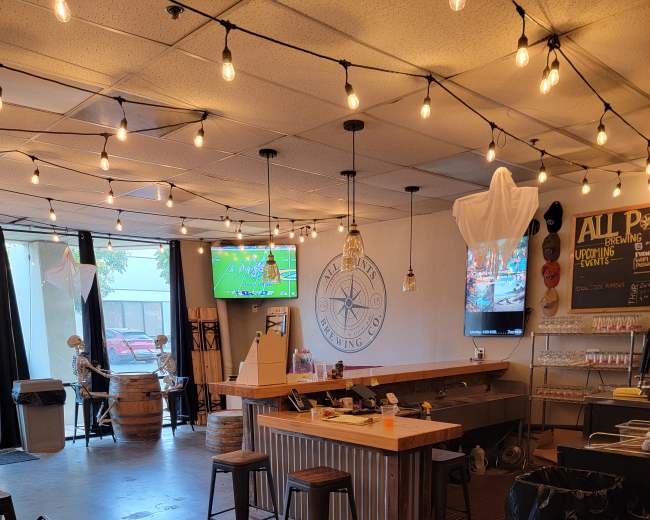
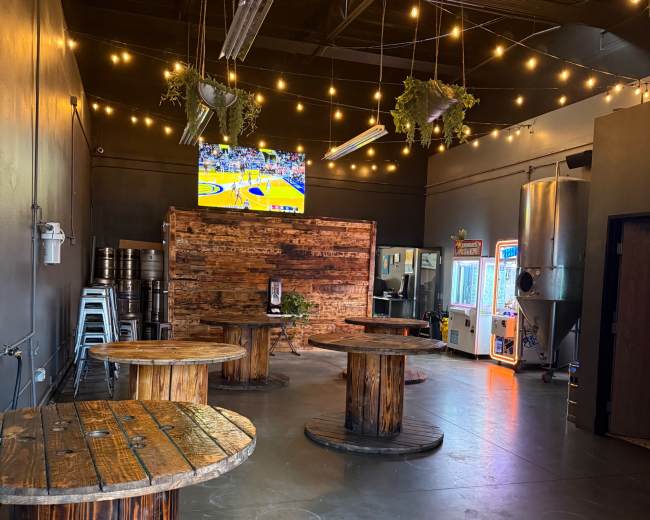
Charming Riverside Brewery Event Space with Rustic Flair
Riverside, California5.0 (9)
50 guests
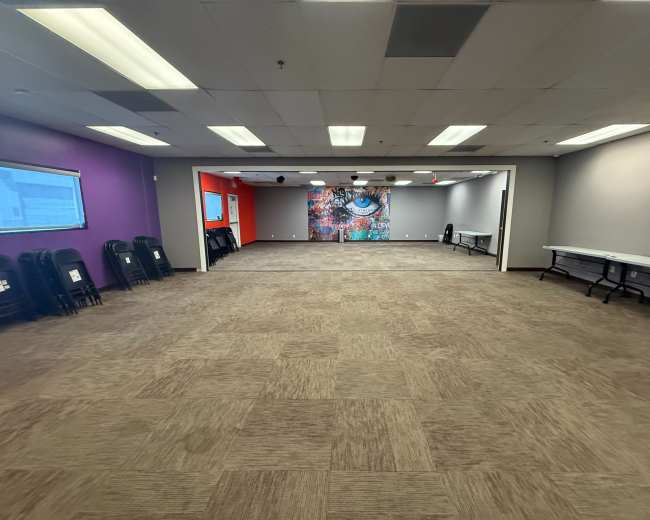
Art Studio with Colorful Imagery
Moreno Valley, CA5.0 (4)
50 guests
Urban Outdoor Space With Mountain View
RIVERSIDE, CA5.0 (8)
200 guests
Spacious Country Estate
Riverside, CA100 guests
Creekside Estate Venue Riverside
Pedley, Riverside, CA100 guests
Modern Multipurpose Creative Studio for Events & Productions
Moreno Valley, CA171 guests
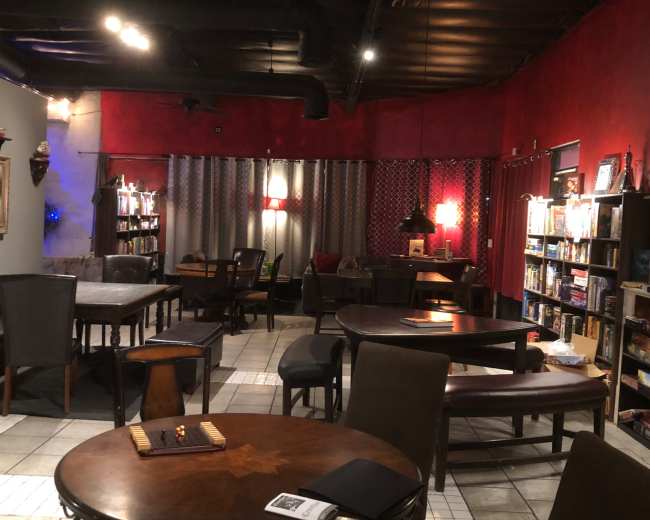
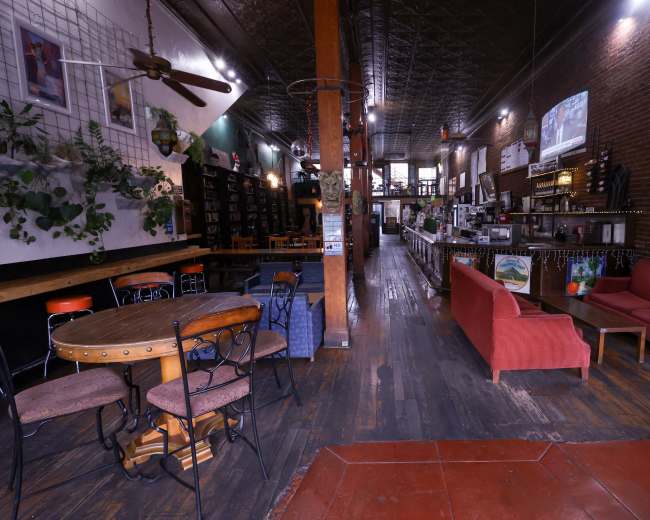
The Coffee Shop From Friends
Downtown Riverside, CA100 guests
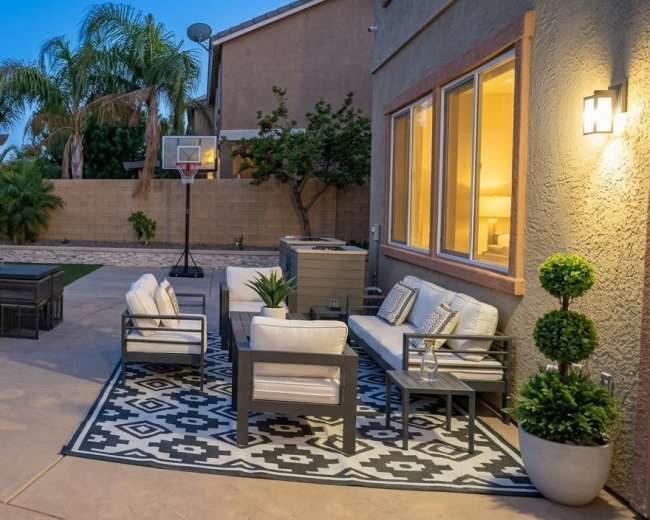
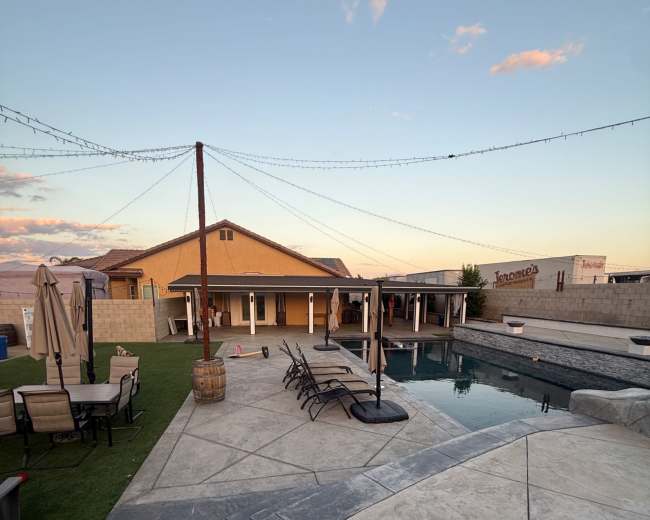
Riverside Oasis: Luxury Backyard
Riverside, CA60 guests
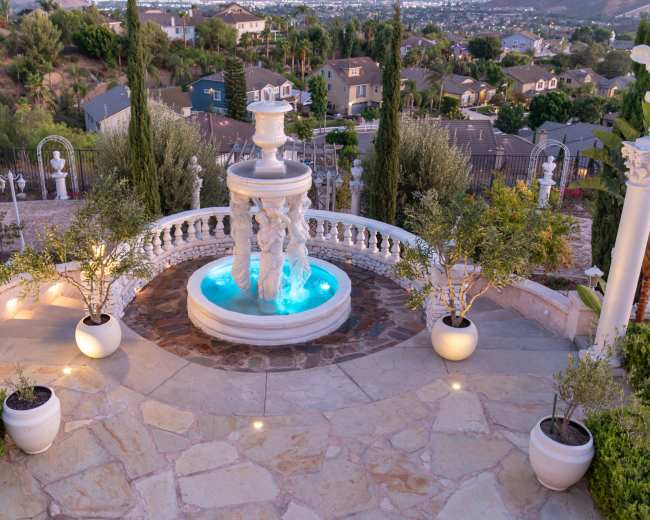
Bella Vista Garden | Romantic Mediterranean Garden for Proposals & Special Events
Norco Ridge Ranch, CA5.0 (8)
55 guests
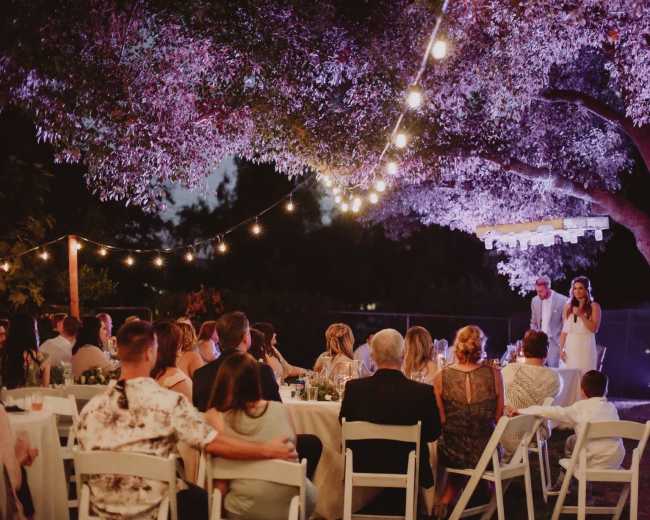
Modern Backyard Outdoor Venue, Elegant and Romantic Outdoor. Beautiful Lighting All Around.
Bloomington, CA200 guests
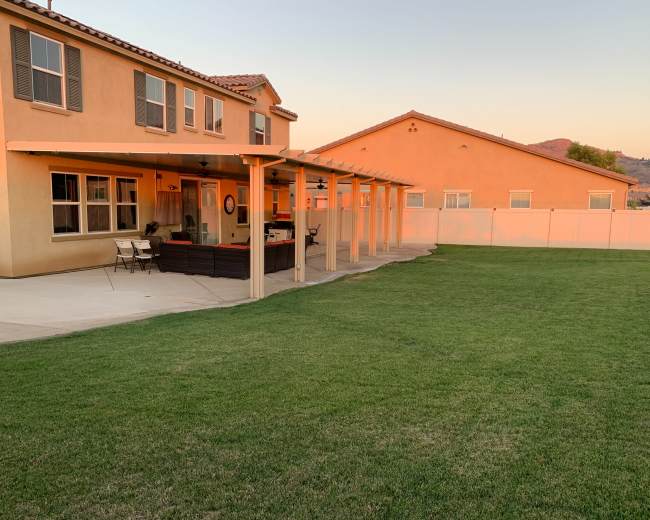
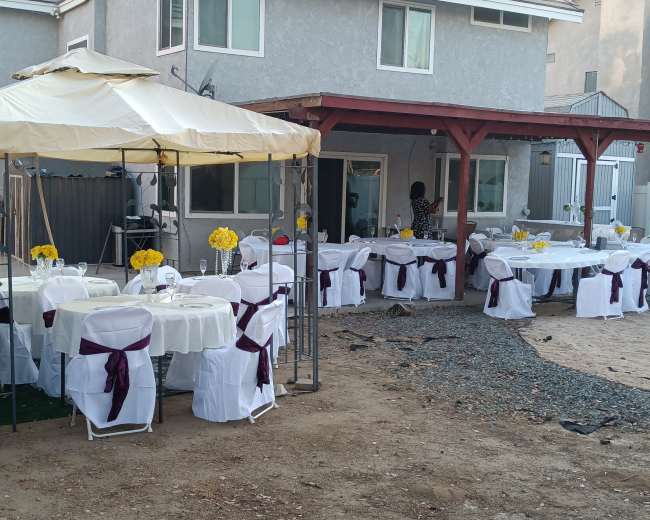
Spacious, Urban Backyard for Your Outdoor Event!
Moreno Valley, CA5.0 (2)
100 guests
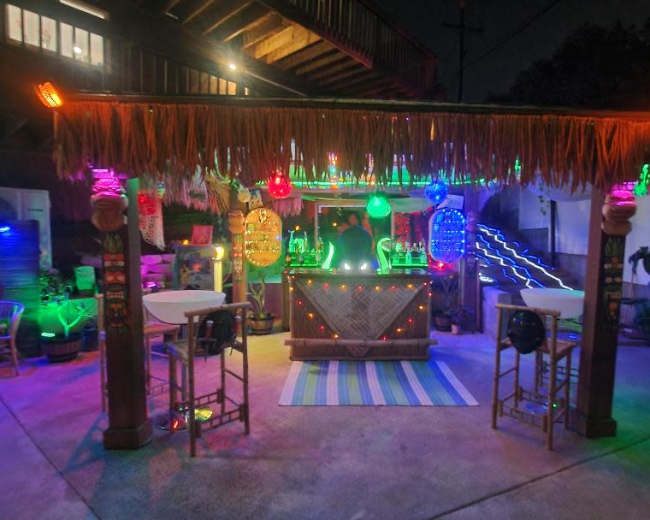
Immersive TMNT themed backyard Tiki Bar Outdoor Space for Private Events & Photoshoots
riverside, CA30 guests
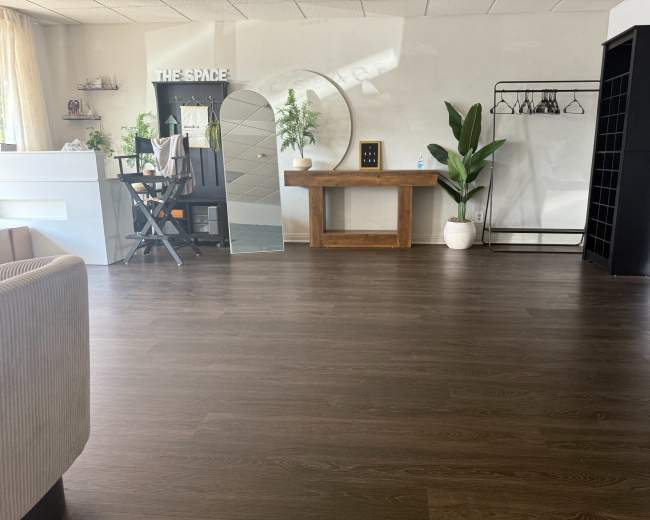
Modern Minimalist Studio for Seminars, WorkShops, Trainings, Wellness Classes, Content Creation & More
La Sierra, Riverside, CA5.0 (38)
50 guests
Spacious Loft
Show Place, San Bernardino, CA5.0 (3)
80 guests
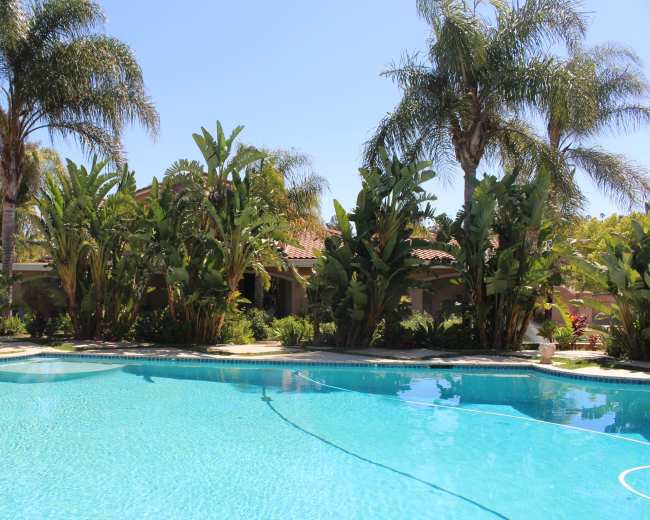
A Vibe: Gigantic Riverside Pool Retreat
Wood Streets, Riverside, CA30 guests
Tropical Oasis Backyard
RIVERSIDE, CA4.4 (18)
200 guests
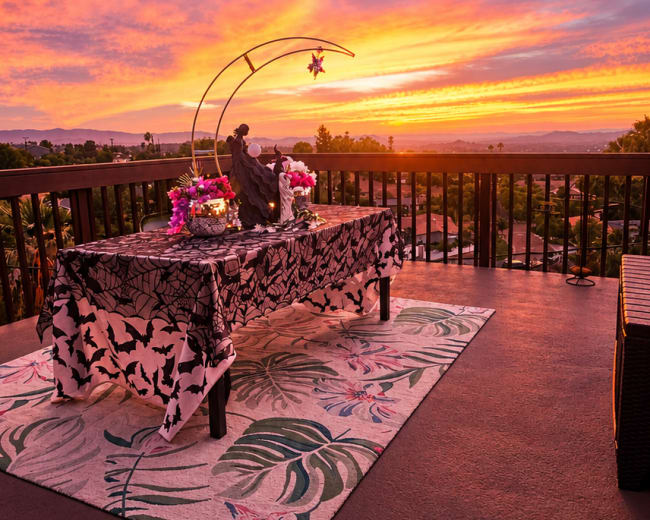
Elegant Feminine Loft House With Wrap Around Deck And Sunset/City Views
Riverside, CA30 guests
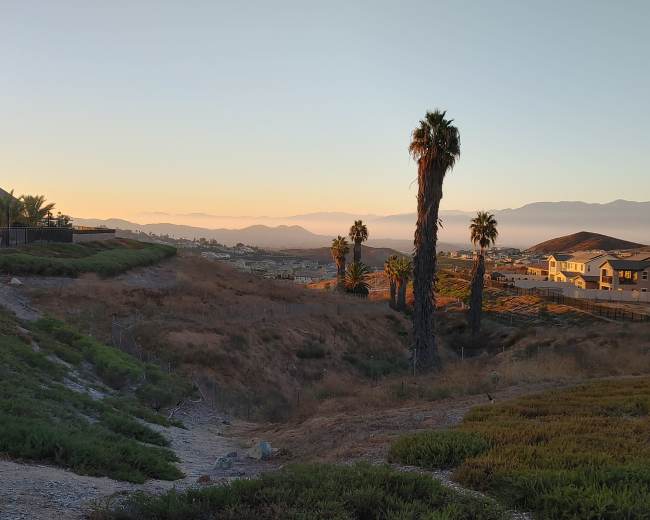
Suburban Farmhouse Style Backyard with Expansive Inland Empire Views
Riverside, CA30 guests
Creative Event Space + Complimentary Parking
Rialto, CA5.0 (16)
75 guests
Homey Front yard & Backyard
Southridge Village, Fontana, CA50 guests
Spacious Backyard & Garage Studio in Jurupa Valley
Mira Loma, Jurupa Valley, CA30 guests
Modern, Cozy Clubhouse in Riverside
Canyon Crest, Riverside, CA4.3 (3)
12 guests
LA FINCA ESCONDIDA
Moreno Valley, CA5.0 (11)
125 guests
Elegant Hacienda Retreat: Perfect Venue For Unforgettable Celebrations
Corona, CA150 guests
Roomy Office Space
La Plaza, San Bernardino, CA200 guests
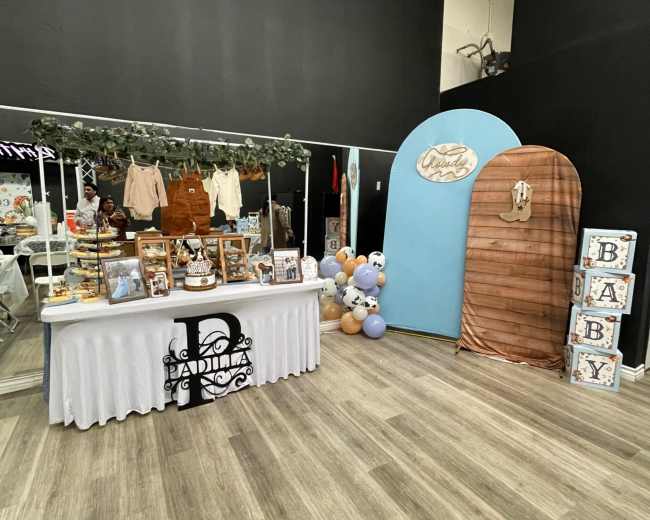
Downtown elevated urban studio loft with amazing natural light for baby showers, bridal showers, birthdays, photoshoots, content creation and meetings!
Corona, CA5.0 (4)
40 guests
Pricing and popularity information in this section is based on proprietary Peerspace booking data, reflecting recent booking activity and the latest data available through October 2026.
Event venues in Riverside average $115 per hour to rent, but it’s easy to spend less or more depending on what you’re looking for. For a space on the smaller side, expect to spend closer to $115, whereas larger venues run about $296 per hour.
Most event venues are scheduled for 4 hours, with 49 people in attendance. You’ll find the most Events starting between 2:00 PM and 3:00 PM.
Our local hosts have welcomed 1718 people into their event venues with reviews averaging 4.97 stars. 100% of guests said they'd book again.
Saturdays are the most popular day for booking event venues in Riverside. For those seeking a deal, consider booking Monday and Tuesday as these days are 1% cheaper on average.


