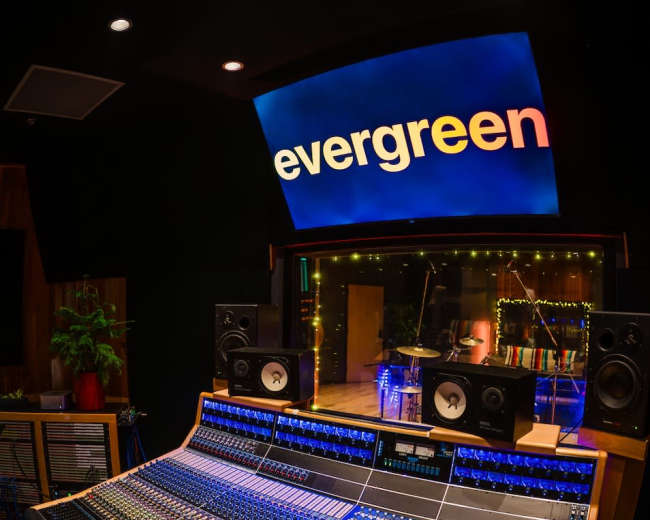
Rent a podcast studio in Minneapolis, MN

Discover thousands of unique podcast studios for rent for your next recording.

Enter your activity
Minneapolis, MN

How podcast rooms work on Peerspace

Peerspace is the easiest way to book unique for all kinds of productions including photo shoots, film shoots and music videos. We also have spaces for meetings and events.

The most locations

Every day we uncover new, inspirational spaces, including podcast rooms, perfect for your activity.

Professional hosts

Our network of helpful hosts respond quickly, and are well-versed in accommodating all types of productions, including film and photo shoots.

Hire by the hour

Only pay for what you need. Pay by the hour for your podcast room location without worrying about hidden fees or overtime.

Popular podcast studios

Do I need an engineer or just a room to record?

Choose based on where the stress is coming from. If you mainly need a quiet, professional podcast studio to sit down with a guest, a room may be enough. If you're worried about levels, mic technique, backups, editing, camera switching, or fast file delivery, engineering support is usually the better choice. A simple way to decide:
  • You likely just need a room if: You already know how to set gain, monitor with headphones, save files correctly, and do basic cleanup in post
  • You likely need an engineer if: This is one of your first episodes, you're recording multiple guests, you want live camera switching, or you need ready-to-publish audio and clips
  • You likely need a hybrid setup if: You're comfortable hosting the conversation, but want someone else to handle setup, troubleshooting, and file delivery
For many creators, the smartest middle ground is to book a podcast studio with an engineer for the first one to three sessions, then decide whether a more DIY workflow feels realistic. That reduces technical overwhelm without locking you into full production support every time. If you're still exploring options, browse studios and compare what different spaces include. Before you book, ask yourself one practical question: what happens if something goes wrong mid-session? If a guest leans off mic, a cable fails, a recorder stops, or a remote guest has echo, an engineer becomes valuable immediately. If you're recording a founder interview, a branded show, or a high-stakes guest, support is often cheaper than rescheduling and losing the content. When you compare spaces, ask these questions up front:
  • Engineering scope: Will someone simply press record, or will they also set levels, monitor audio, manage cameras, and back up files
  • File delivery: Will you receive raw audio, isolated tracks, edited masters, or short-form clips
  • Session support: Can they coach mic placement, help nervous guests, and keep the session moving
  • Post-production: Is editing included, available as an add-on, or not offered
  • Gear transparency: Can they tell you exactly which mics, interface, mixer, cameras, and lighting are included
A few red flags to watch for:
  • Vague service language: Terms like "full service" can mean very different things from one podcast studio to another
  • No gear list: If a space doesn't clearly show what's included, expect more surprises later
  • No podcast examples: if the listing only shows photo shoots or generic studio images, it may not be optimized for spoken-word recording
  • No clear file workflow: if they cannot explain how your files are delivered, that's a warning sign
Bottom line: if you want to focus fully on the conversation, hire support. If you already know your workflow and only need a polished environment, a room may be enough. The best choice is the one that helps you sound confident and consistent without adding avoidable stress.

What should I look for in a video-ready setup?

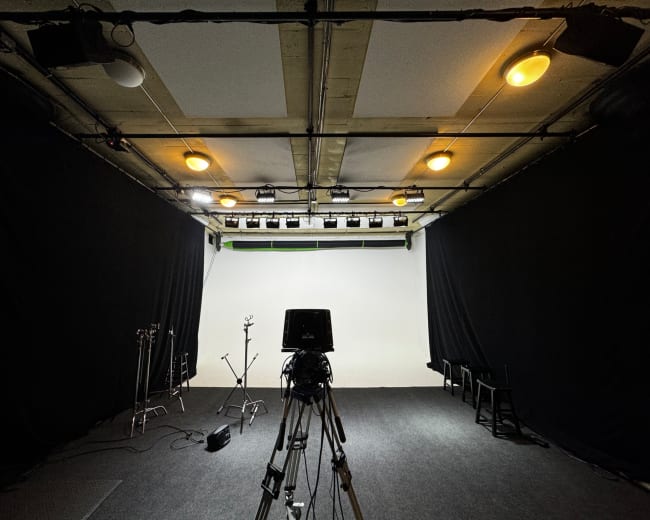
A video-ready podcast studio should do two things at once: sound clean and look intentional. Many spaces can do one well. Fewer can do both well at the same time. That matters because most podcasters are no longer creating only an audio file. They also want clips for YouTube, Instagram, TikTok, and LinkedIn. So when you compare a podcast studio, don't just ask whether you can record there. Ask whether it will look sharp on camera for an hour, from multiple angles, without hurting audio quality. A good starting point is to find video shoot locations in Minneapolis that are specifically set up for this kind of multi-format production. Start with the visual basics:
  • Camera positions: Make sure there's enough depth for at least two clean angles without cameras crowding the conversation
  • Background control: Look for a set that feels on-brand rather than random
  • Lighting control: Natural light can look great, but only if it can be controlled during the full session
  • Color consistency: Mixed lighting can create uneven skin tones and make editing harder
  • Space to move: You need room for tripods, light stands, and at least one producer or assistant without turning the set into an obstacle course
Then check the less glamorous details that often make or break the shoot:
  • Power access: Outlets should be where cameras, lights, monitors, and chargers actually need to go
  • Audio and video compatibility: The room should support strong sound and a workable camera layout, not just one or the other
  • Quiet HVAC: A beautiful set doesn't help if the air system is audible the whole time
  • Prep space: A side room, green room, or staging corner makes guest prep easier
  • Furniture fit: Chairs may look good in photos, but may squeak, swivel, or create awkward posture on camera
Ask the host very specific questions:
  • Video capability: Has the space been used for video podcasts specifically, not just photo shoots
  • Included equipment: Are cameras, tripods, lighting, and monitors included, or do you need to bring your own
  • Clip workflow: Can the setup support both wide shots and tighter, vertical-friendly content
  • Sound handling: What has been done to reduce echo once lights, cameras, and people are in the room
  • Time estimate: How much setup time should you allow before recording starts
A few red flags:
  • Only lifestyle photos: Attractive listing photos don't prove the room is production-ready
  • No sample angles: If you can't see how the set looks from camera position, you're guessing
  • Window-heavy lofts with no blackout control: Great for photos, riskier for long-form video interviews
  • Tiny footprint: If the room barely fits the furniture, it probably won't fit a real multi-camera setup comfortably
Pro tip: If you're booking on Peerspace, message the host before sending a booking request if you still have technical questions. A message inquiry lets you clarify quiet hours, included gear, setup time, and whether the space has actually hosted video podcasts before. Once you send a formal booking request, an authorization hold can be placed on your card and the host may accept it at any time, so it's better not to send multiple active requests while you're still comparing options.

How can I tell if a studio is actually soundproof?

The short answer is that you usually can't tell from photos alone. This is one of the biggest pain points when choosing a podcast studio. Many listings look great on camera, but were designed first as photo studios, lofts, or multi-use creative spaces. They may be acoustically treated enough to reduce echo, but that's not the same as being truly soundproof. The distinction matters:
  • Acoustically treated: The room sounds better inside because of panels, rugs, curtains, or soft furnishings
  • Soundproof: The room is meaningfully isolated from street noise, hallways, HVAC, neighbors, footsteps, and building vibration
For spoken-word recording, you don't always need broadcast-level isolation. You do need a room quiet enough that your editor isn't constantly fighting sirens, traffic, fan noise, or voices bleeding through the wall. If sound isolation is your top priority, you may want to explore recording studios where spaces are more likely to be purpose-built for audio work. Ask these questions directly:
  • Noise sources: What outside sounds are most likely to be heard in the room?
  • Building conditions: Is the studio next to offices, hallways, garage doors, gyms, or other active tenants?
  • HVAC control: Can vents or fans be turned down during recording?
  • Recording history: Have podcasts been recorded there successfully before?
  • Test material: Can the host send a short room-tone sample or spoken-word test?
The best proof is evidence, not a listing claim. Ask for:
  • A raw sample: Thirty seconds of room tone and a short spoken clip are often more useful than a polished walkthrough
  • A session-time test: If you plan to record on weekday afternoons, ask how the room sounds at that exact time
  • Reviews with specifics: Look for comments about quiet, clean audio, or helpful production support rather than generic praise
You can also run a quick test when you arrive:
  • Listen before setup: Sit silently for a minute with headphones on
  • Record room tone: Capture a short sample before the actual conversation starts
  • Check the floor and chairs: Creaks and table bumps become obvious on podcast mics
  • Monitor live: Don't assume a room is fine just because it feels quiet to your ears
Some common red flags:
  • "Usually quiet" language: That's not the same as controlled audio
  • Photo-first positioning: A daylight loft or photo studio may look great, but still be weak for voice recording
  • Hard surfaces everywhere: Brick, concrete, large windows, and high ceilings often sound lively
  • No podcast mention: If the listing never mentions podcasts, voiceover, or spoken-word use, audio may not be the priority
A helpful mindset is to work with the room instead of fighting it. If your show is audio-first, a quieter, less flashy podcast studio usually beats a beautiful space with unpredictable sound.

Are there low-cost public options before I book?

Yes, but they are more limited and more specific than many people expect. One confirmed public-access option in the broader Minneapolis area is North Metro TV. It offers free classes, one-on-one training by appointment, tours, and instruction on cameras, microphones, studios, and editing software. For eligible local residents, public-access membership can also include studio use, edit suites, and equipment checkout. The main limitation is eligibility. This option is tied to certain northern metro communities rather than all Minneapolis residents, so it's a strong fit for some creators, but not a universal solution for everyone. A lower-cost public option is especially useful when your main challenge is technical confidence rather than room aesthetics. It's worth exploring if:
  • You're brand new: You want hands-on practice before paying for a polished podcast studio
  • You're testing your concept: You don't yet know whether you'll stick with the format
  • You want to learn the gear yourself: You want to decide later whether future sessions should be DIY or engineer-assisted
If you don't qualify for a public-access program, the next best low-cost move is to test your workflow before paying for a premium studio. That can mean borrowing mics, recording a pilot at home, or booking a shorter session in a simple creator space instead of jumping straight into a full-service package. When you're ready to step up, you can find a setup that matches your budget and format. A good rule of thumb:
  • Use a public or low-cost option first: If you're still learning how to host, monitor audio, and structure episodes
  • Book a paid studio now: If you need client-ready quality, want to impress guests, or need polished audio and video clips right away
In short, low-cost public options are best for learning and experimentation. A paid podcast studio is the better choice when quality, speed, and polish matter more than trial and error.

Which Minneapolis areas are best for parking and access?

If parking and guest arrival matter as much as the podcast studio itself, the best area depends on how your guests are getting there. For the easiest mix of driving and transit, downtown Minneapolis is usually the strongest all-around option. It tends to work well when some guests drive, others arrive by rail, and you want the most flexible meetup point. You can find sound stages in Central Minneapolis if you want to focus your search in that well-connected part of the city. For guests coming from the airport, south Minneapolis, or along the rail corridor, the Hiawatha area and nearby Blue Line neighborhoods are often especially practical. These areas can be easier for car-light guests and airport-adjacent arrivals. If you like the energy of Uptown, it's often a good transit-friendly choice, but parking can be less predictable. It can still work well if you confirm lot, ramp, or street-parking details early. Where people often get tripped up is assuming good access automatically means easy parking. In Minneapolis, those aren't always the same thing. A central neighborhood may be easy to reach, but still frustrating for guests who are circling for curb space. If parking is a deciding factor, prioritize these traits over neighborhood reputation:
  • Private lot or ramp access: Best for guest-heavy interview days
  • Simple unload path: Important if you're bringing lights, cameras, or multiple mic cases
  • Transit backup: Helpful when one guest is driving and another is arriving from downtown or the airport
  • Clear arrival instructions: Especially useful for shared buildings, converted warehouses, and mixed-use spaces
One local reality matters a lot in winter and during major events: street parking conditions can change quickly. Snow emergencies, temporary restrictions, and event traffic can turn an easy-looking location into a stressful arrival. A practical summary:
  • Best all-around for mixed guest travel: Downtown Minneapolis
  • Best for rail access and airport convenience: Hiawatha corridor and nearby south Minneapolis
  • Best if style matters and transit helps: Uptown, as long as parking is confirmed in advance
  • Best for lowest friction overall: Any podcast studio with dedicated parking, even if the neighborhood itself is less trendy

Should I rent a studio or record at home or in a park?

Choose based on the result you want, not just the lowest upfront cost. If your goal is to sound credible, look polished, and avoid technical headaches, a podcast studio usually wins. If your goal is to publish consistently on a tight budget and you don't mind some trial and error, home can work very well. A park is the most specialized option of the three, and it only makes sense when the outdoor environment is part of the concept. A simple decision framework:
  • Rent a studio: Best for guest interviews, branded shows, launch episodes, video clips, and any situation where quality needs to feel clearly professional
  • Record at home: Best for solo episodes, test runs, frequent publishing, and creators who are willing to build their own process over time
  • Record in a park: Best for documentary-style storytelling, walk-and-talk formats, or episodes where natural sound is part of the experience
A studio is usually the best choice if you care most about:
  • First impressions: Your show sounds serious from episode one
  • Consistency: The room, setup, and look are easier to repeat
  • Guest comfort: People often relax more quickly in a prepared environment
  • Video pressure: You can capture strong clips without turning your home into a set
  • Time savings: You spend less energy troubleshooting and more energy recording
Home recording makes sense when:
  • Budget is tight: You'd rather invest gradually in your own gear
  • Your format is simple: Especially solo commentary or remote interviews
  • You have a controllable room: Carpet, soft furnishings, low street noise, and a predictable schedule help a lot
  • You value convenience: No travel, no booking minimums, and easier retakes
A park is usually the wrong choice if you need clean, controlled dialogue. Wind, traffic, other people, birds, lawn equipment, and changing weather can turn a good interview into a rescue job. It can be beautiful for the right concept, but it's not the easy, cheap version of a studio. It's its own production challenge. The best approach is to work with the character of the space instead of fighting it. If your podcast is intimate, reflective, and story-driven, a home setup may fit perfectly. If your show is polished, visual, and guest-led, a podcast studio is usually the better match. If your concept truly benefits from outdoor Minneapolis sound, then a park can be powerful, as long as you choose it on purpose rather than as a shortcut. A practical decision rule:
  • Choose a studio: When quality, guests, and brand perception matter most
  • Choose home: When frequency, comfort, and cost matter most
  • Choose a park: Only when the setting adds real creative value
For many creators, the best long-term strategy is both. Use a podcast studio for launches and guest episodes, then record simpler solo content at home once your format is dialed in. That gives you polish where it counts and flexibility where it helps. If you're planning guest-focused episodes and want a professional setting, you can search interview rooms to find spaces designed specifically for that kind of conversation.
Updated July 9, 2026Our data is refreshed in real time using booking trends, verified guest reviews, and direct partner updates — with additional quality checks from our team.