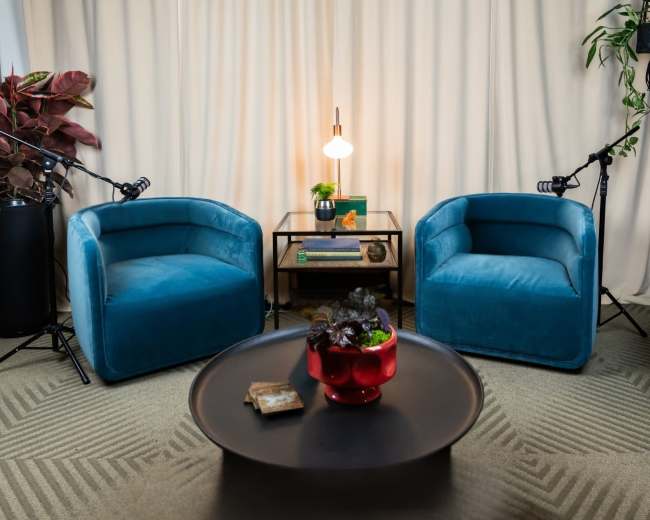
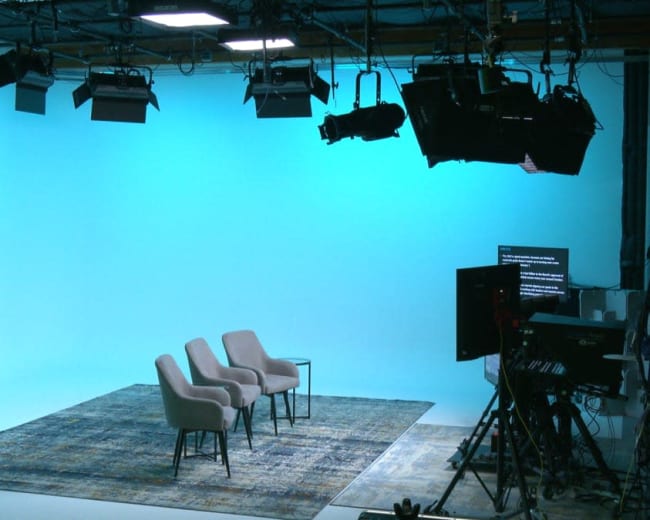
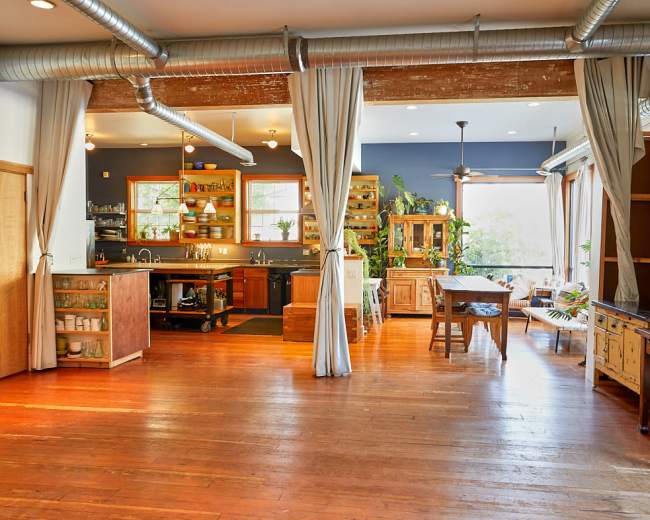
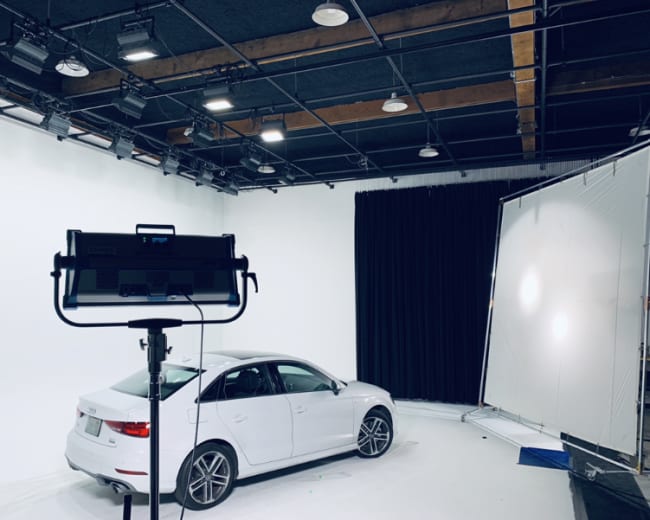
Rent a podcast studio in Seattle, WA

Discover thousands of unique podcast studios for rent for your next recording.

Enter your activity
Seattle, WA

How podcast rooms work on Peerspace

Peerspace is the easiest way to book unique for all kinds of productions including photo shoots, film shoots and music videos. We also have spaces for meetings and events.

The most locations

Every day we uncover new, inspirational spaces, including podcast rooms, perfect for your activity.

Professional hosts

Our network of helpful hosts respond quickly, and are well-versed in accommodating all types of productions, including film and photo shoots.

Hire by the hour

Only pay for what you need. Pay by the hour for your podcast room location without worrying about hidden fees or overtime.

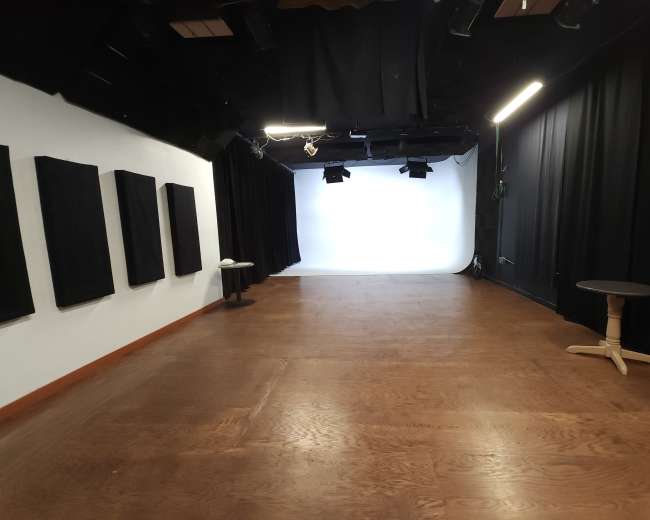
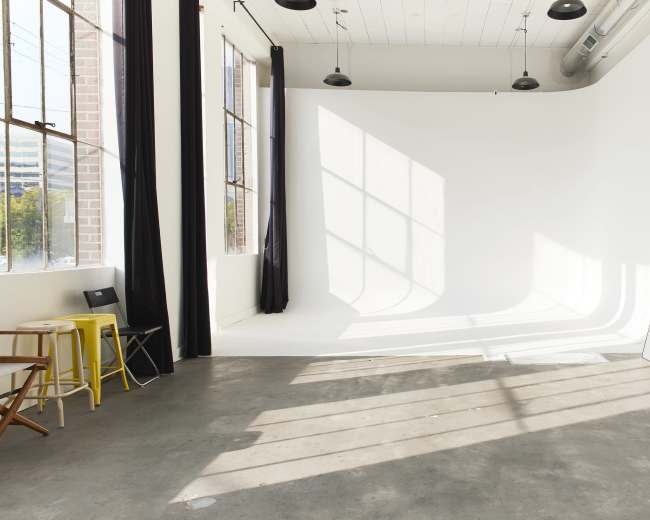
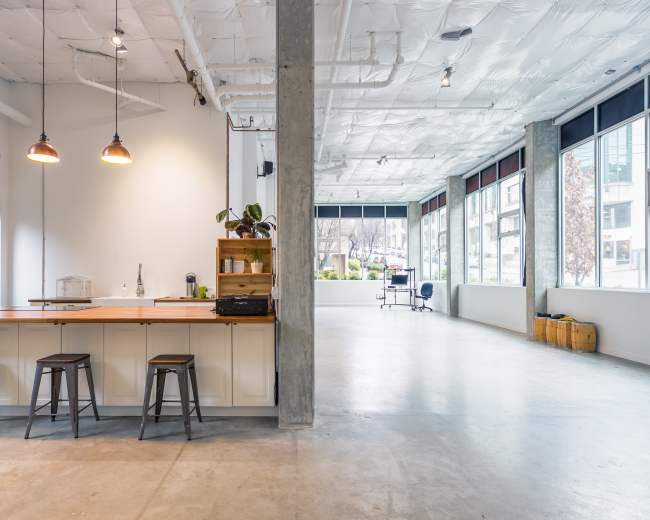
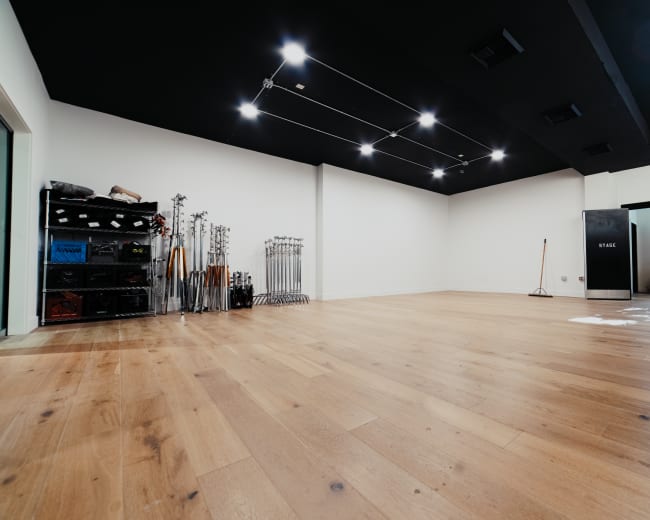
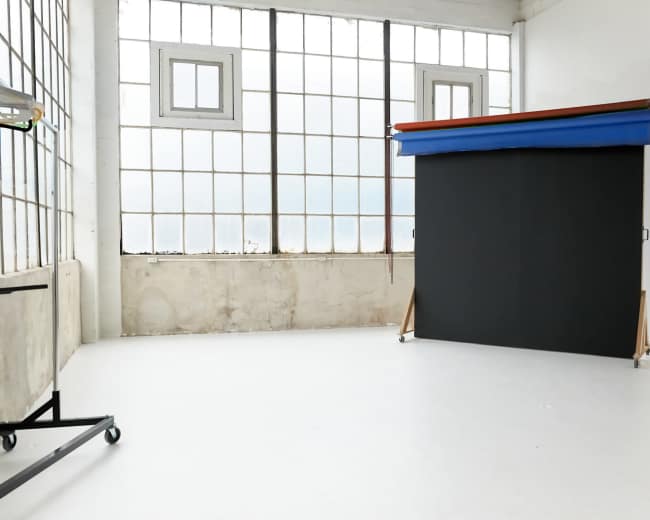
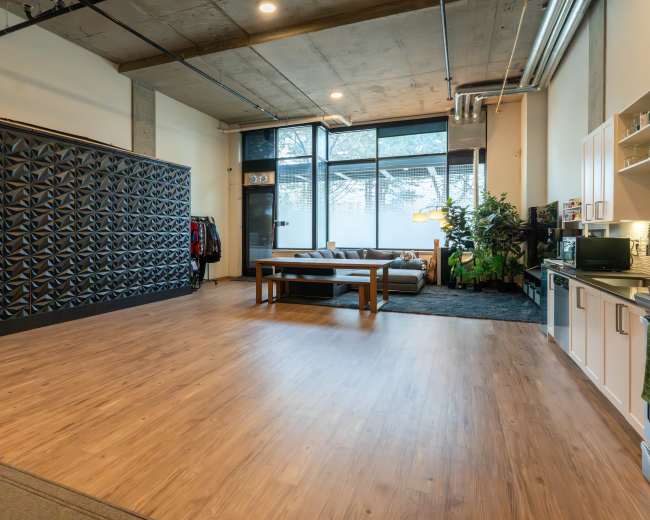
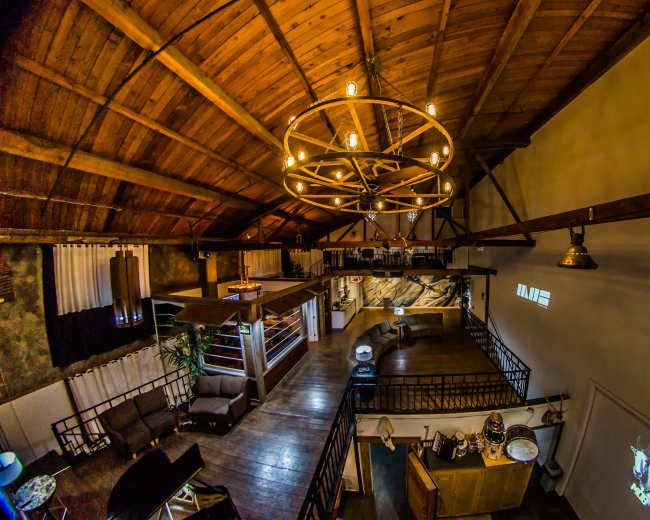
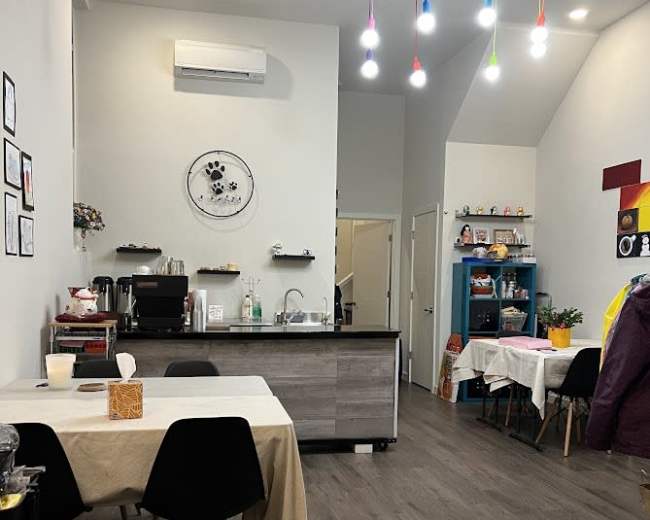
Popular podcast studios

Do Seattle studios offer plug-and-play recording help?

Yes. Many Seattle podcast studio spaces are designed for people who want to walk in, sit down, and record without acting as their own audio engineer. That matters because technical overwhelm is one of the biggest pain points for podcasters. If you're tired of handling cables, camera angles, memory cards, and sound checks at home, a true plug-and-play studio can remove a lot of friction and let you focus on the conversation. That said, plug-and-play doesn't mean the same thing at every Seattle podcast studio. Some spaces provide only the room and equipment. Others include an on-site producer or engineer who helps run the session. When you compare studios, don't assume those are the same service. A genuinely easy setup usually includes:
  • Ready-to-record gear: Microphones, headphones, cameras if needed, lighting, and basic sound treatment are already in place
  • Simple workflow: You walk in, get seated, do a quick level check, and start recording
  • File handling: The studio captures the session and delivers your raw audio or video files afterward
  • Guest-friendly support: Someone can help remote guests connect, adjust lighting, or troubleshoot issues during the session
  • Clear session structure: Setup time, recording time, and wrap time are explained before you book
When you message a studio, ask these questions directly:
  • Will someone be there to set levels and monitor the session?
  • Is this self-service, assisted, or fully produced?
  • Are remote guest recordings supported?
  • Do I receive raw files, edited files, or both?
  • Is livestreaming available if I need it?
  • If I have never recorded in a studio before, will someone walk me through the process?
Common red flags include:
  • Vague wording like "studio access" with no detail about support
  • Beautiful photos, but no explanation of who runs the session
  • No mention of file delivery
  • No clarity on whether cameras, lighting, or switching are included
  • A stylish room that doesn't explain the actual recording workflow
The best Seattle podcast studio options for first-timers usually do more than provide equipment. They create a calm, low-stress environment. That matters because relaxed hosts and relaxed guests usually make better episodes. If you're just starting your search, compare amenities, photos, and host descriptions of different studio options side by side. Pro tip: If you're comparing turnkey rooms on Peerspace, use the platform like a producer would. Save your top options to a shared Board, send the same checklist to each host, and ask your questions before you commit. You can message hosts without a financial commitment, and it's smart to book enough time for setup and teardown from the start so you don't feel rushed at the end of the session.

How do I choose between audio-only and video-ready setups?

Choose based on your distribution plan, not just the room. If your show mainly lives on podcast apps and your audience is there for the conversation, an audio-first podcast studio setup is often the smartest choice. If you're trying to grow on YouTube, create short clips, support sponsor content, or build a stronger personal brand, a video-ready setup usually makes more sense. A simple way to decide is:
  • Choose audio-only: If your main priority is clean sound, lower cost, faster production, and a repeatable workflow
  • Choose video-ready: If your main priority is visual branding, clips, guest credibility, and cross-platform content
  • Choose a hybrid room: If you want strong audio now, but may add video later
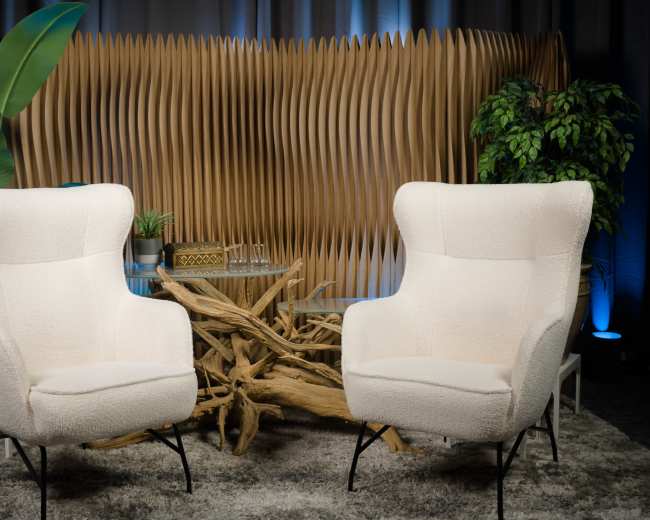
In Seattle, creators increasingly want visual content, not just a quiet room. That's why many podcast studio listings highlight lighting, cameras, styled sets, and livestreaming support. A video-ready room can help you look more established, but it also adds complexity. If video is a priority, you can explore video studios for video-ready podcast sessions to find spaces already equipped with cameras, lighting, and styled sets. An audio-only setup is usually best for:
  • Solo episodes
  • Interview shows where chemistry matters more than visuals
  • Long-form conversations
  • Budget-conscious creators
  • Teams that already have a separate visual content workflow
A video-ready setup is usually best for:
  • Guest interviews where first impressions matter
  • YouTube-first or clip-first shows
  • Branded podcasts
  • Founder, coaching, or authority-building content
  • Teams that want one booking to create multiple usable assets
The main tradeoff is that video adds more than cameras. It can also add wardrobe planning, makeup touchups, framing decisions, set styling, file management, and editing time. If you're not going to use the footage consistently, you may be paying for complexity you don't need. Before you book a Seattle podcast studio, ask yourself:
  • Will I publish full video episodes or just occasional clips?
  • Does my audience care what the set looks like?
  • Do I want a neutral backdrop or a designed environment?
  • Can I afford editing after the session ends?
  • Will my guests feel more comfortable on audio only?
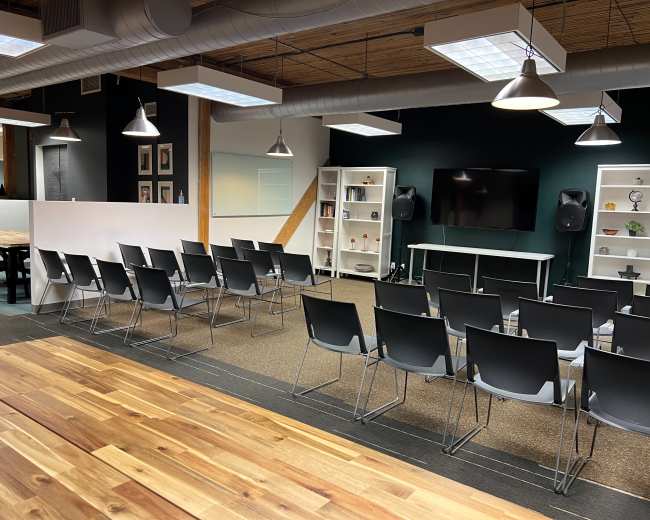
If you're unsure, book a hybrid-friendly studio and record one pilot session with video. That gives you real data without rebuilding your show around visuals. If the clips help growth, keep going. If they don't, simplify. If you're planning a live audience taping in Seattle, even for a small crowd, you may need something closer to a creative event space than a standard podcast studio. In that case, seating, restrooms, entry flow, and guest experience matter almost as much as the recording setup. You can find event venues for live podcast tapings that offer both audience capacity and production-friendly layouts.
What should I expect to pay for a Seattle recording room?

For a Seattle recording room, think in ranges rather than one fixed price. Your total cost depends on whether you're booking a simple audio room, a video-ready podcast studio, or a full-service production setup. A useful local benchmark comes from Jack Straw Cultural Center, which lists studio pricing in the Seattle area at about $50 to $85 per hour. That is a strong starting point for understanding community-oriented or basic audio studio pricing. It does't represent the full cost of higher-end podcast studio bookings with cameras, lighting, and production support. In general, the Seattle market tends to break down like this:
  • Budget-friendly: Simpler rooms, shorter amenity lists, or flexible spaces that can work for podcasts
  • Mid-range: Polished rooms with solid microphones, comfortable seating, and a smoother guest experience
  • Premium turnkey: Higher hourly pricing for cameras, lighting, livestreaming, designed sets, on-site producers, or post-production support
The hourly rate is only part of the cost. Your real budget may also include:
  • Minimum booking windows
  • Setup and teardown time
  • Engineer or producer add-ons
  • Editing
  • Extra cameras
  • Remote guest routing
  • File transfer or same-day delivery
  • Overtime if your guest runs long
That's why the cheapest room isn't always the cheapest option. If a lower-cost studio forces you to troubleshoot gear, bring extra help, or spend more time fixing problems later, the true cost rises quickly. A realistic planning approach for Seattle looks like this:
  • For a simple audio session: Budget for at least a two-hour booking window, not just the exact time you plan to talk
  • For a polished guest interview: Expect to pay more for convenience, aesthetics, and technical support
  • For a video podcast session: Plan for a higher all-in budget because editing and asset management continue after you leave the studio
Ask every studio for the same pricing breakdown:
  • Hourly rate
  • Minimum hours
  • What's included
  • What costs extra
  • Overtime policy
  • File delivery terms
That makes it much easier to compare options fairly. The better question is not just, "What does this room cost?" It's, "What will it cost me to leave with the episode I actually want?"

Do I need permits for outdoor intros or b-roll in Seattle?

Sometimes, yes. Don't assume a quick exterior shoot is automatically informal or exempt. If your podcast studio booking also includes a waterfront intro, neighborhood walk-up, skyline cutaway, or beach b-roll, you may need to look beyond the studio itself. According to the City of Seattle Office of Economic Development, the city uses a Master Film Permit for filming activity, and the published permit cost is $25 per day. The city also notes that parking reservations, street use, and police coordination may apply depending on the shoot. The practical takeaway is simple: if your production affects public space, curb access, or city operations, check requirements with Seattle's film office before your recording day. This matters most when you plan to:
  • Reserve curb space for vehicles or gear
  • Control pedestrian flow
  • Use sidewalks or streets in a noticeable way
  • Film in public areas with visible crew and equipment
  • Add exterior b-roll to an indoor podcast studio session
If you're recording entirely inside a private studio, this usually isn't the issue. The question comes up when production extends beyond the room. For creators who need both indoor recording and outdoor filming flexibility, it can help to rent a filming location that offers controlled interior space alongside easy exterior access. A smart planning process looks like this:
  • Confirm the core plan: Make sure your main recording is fully indoors on private property
  • List outdoor shots separately: Write down every exterior shot you want before the session
  • Verify city requirements early: Check with the film office before you promise outdoor footage to a guest or client
  • Build in extra time: Leave room in your schedule for permit, parking, or access approvals
If the outdoor footage is optional, there's also a simpler backup plan. Record the main episode in-studio first, then capture a few low-complexity exterior shots only after you know what's allowed. That protects the core content even if the outside portion changes.

Which Seattle areas are easiest for guests and gear?

The easiest area depends on what kind of friction you're trying to remove. If guest convenience is your top priority, look for a Seattle podcast studio in a central neighborhood where arrival feels simple, professional, and welcoming. If gear movement is the bigger issue, a more industrial or less congested area may be the better choice because load-in, parking, and unloading are usually easier. A practical way to think about Seattle neighborhoods is:
  • Best for guest ease: Pioneer Square, Belltown, South Lake Union, Capitol Hill, and the University District often work well when you want straightforward arrivals and nearby amenities
  • Best for load-in: SoDo, Interbay, and other production-friendly areas can be easier when you have carts, cases, lights, or crew
  • Best overall balance: Fringe-downtown locations can work well when they offer both elevator access and less stressful parking
Neighborhood alone is not enough, though. Building logistics often matter more than the ZIP code. If load-in is your primary concern, you can find recording studios in Seattle's SoDo neighborhood where parking and ground-level access tend to be more straightforward. Before you book, ask for:
  • Exact entry instructions
  • Elevator availability
  • Stair count if there's no elevator
  • Loading dock or curb access
  • Nearby parking options
  • Building hours
  • Noise expectations from the street or neighboring units
  • A waiting area if your guest arrives early
Watch for these red flags:
  • The studio looks great, but sits on an upper floor with difficult load-in
  • Parking exists, but it's far from the entrance
  • The room works for one host and one guest, but not for a small crew
  • The address is central, but entry is confusing or heavily restricted
If you're bringing only a laptop and one guest, prioritize comfort and simplicity. If you're bringing cameras, lights, props, or a producer, prioritize access first. In other words, the easiest Seattle area isn't always the trendiest one. It's the one that makes arrival smooth for the people and gear you're actually bringing.

Should I rent a studio or use a home, park, or beach?

If quality and consistency matter most, rent the studio. That is the short answer. A podcast studio gives you the best chance of leaving with usable content, fewer technical surprises, and a better experience for your guest. For many creators in Seattle, that reliability is the real value. A studio is usually the right choice when you want:
  • Clean, repeatable sound
  • A professional setting for guests
  • Video-ready visuals
  • Remote guest support
  • Faster setup
  • Less stress on recording day
A home setup can work well when:
  • You record frequently and want the lowest ongoing cost
  • Your show is conversational and intimate
  • You already know your gear
  • You don't need the room itself to impress new guests
A park or beach is usually best for:
  • Short intros
  • Visual cutaways
  • Branded teaser footage
  • Mood-setting b-roll
It's usually a poor choice for recording the full episode because you give up control in exchange for atmosphere. Wind, public noise, interruptions, weather shifts, and setup complexity can all hurt the final recording. The tradeoff is straightforward:
  • Studio: Less romantic, more dependable
  • Home: Cheaper over time, but usually less polished
  • Park or beach: Stronger visual personality, but the least production control
For Seattle specifically, weather and wind matter more than many people expect. A beautiful waterfront location can turn into an audio problem very quickly. A good compromise is often the smartest option: record the actual episode in a studio or other controlled indoor space, then capture your outdoor intro or b-roll separately. You get professional sound and a strong sense of place. For productions that need more acoustic control or complex multi-camera setups, you may also want to consider sound stages in Seattle for production-level recordings. If you're planning more than a standard recording session, such as a live taping, listening party, or audience event for 50 to 100 people, you're no longer choosing only between a podcast studio and a home setup. At that point, you're evaluating an event venue with production capability, and seating, restrooms, guest flow, and permits become part of the decision.
Updated July 19, 2026Our data is refreshed in real time using booking trends, verified guest reviews, and direct partner updates — with additional quality checks from our team.