

Sun
Mon
Tue
Wed
Thu
Fri
Sat
$100/hr$75/hr$50/hr$25/hr
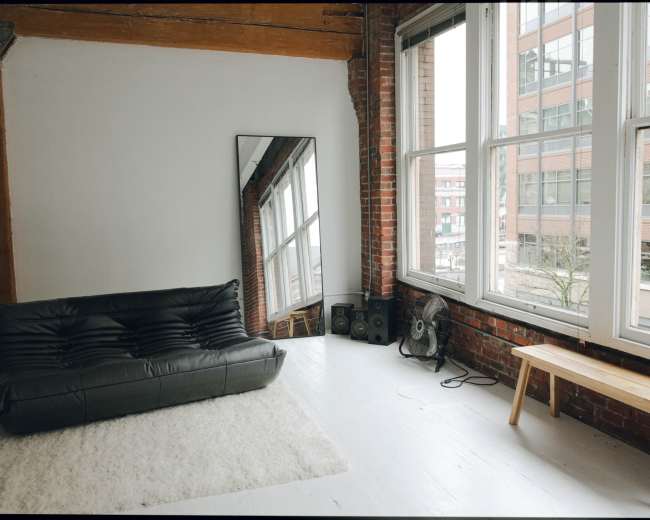
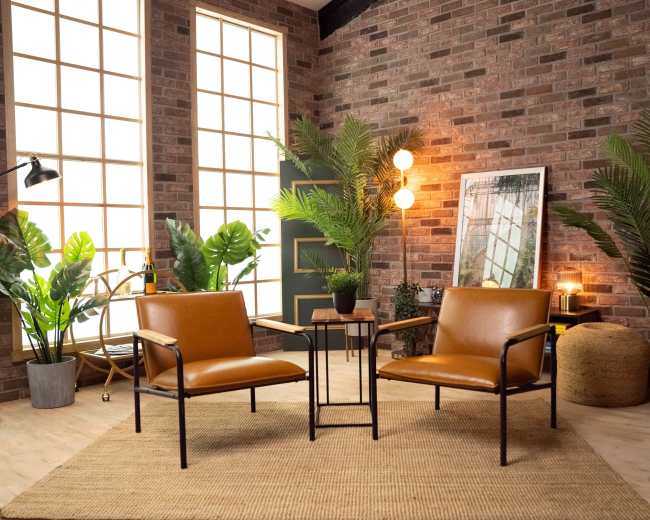
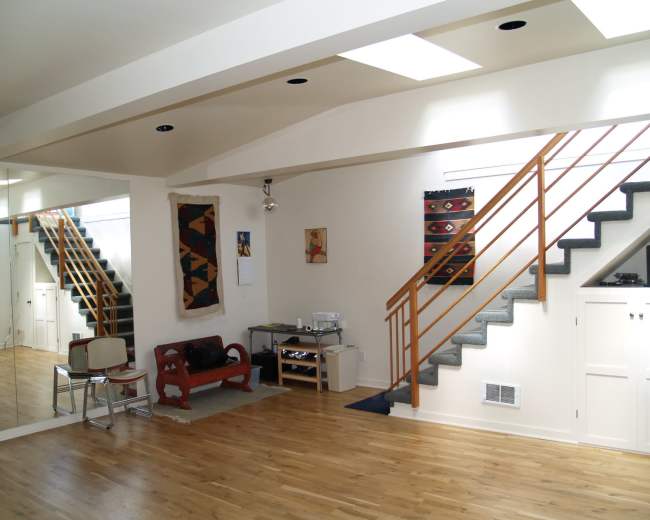
Peerspace is the easiest way to book unique photo studios for all kinds of productions including photo shoots, film shoots and music videos. We also have spaces for meetings and events.
Discover SpacesEvery day we uncover new, inspirational spaces, including photoshoot studios, perfect for your activity.
Our network of helpful hosts respond quickly, and are well-versed in accommodating all types of productions, including film and photo shoots.
Only pay for what you need. Pay by the hour for your photoshoot studio location without worrying about hidden fees or overtime.
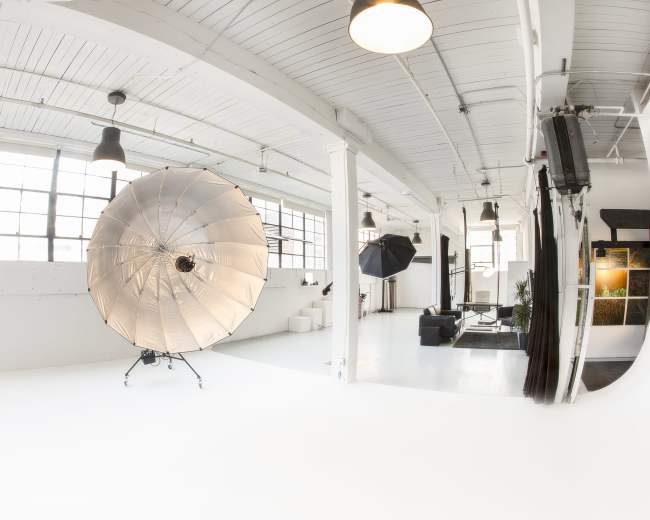
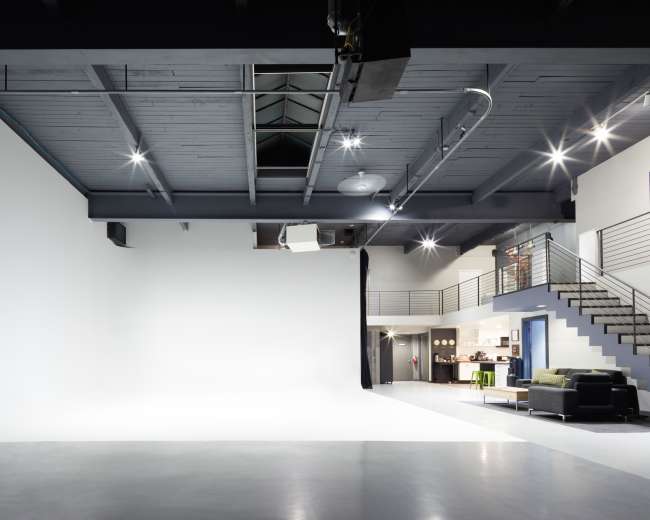
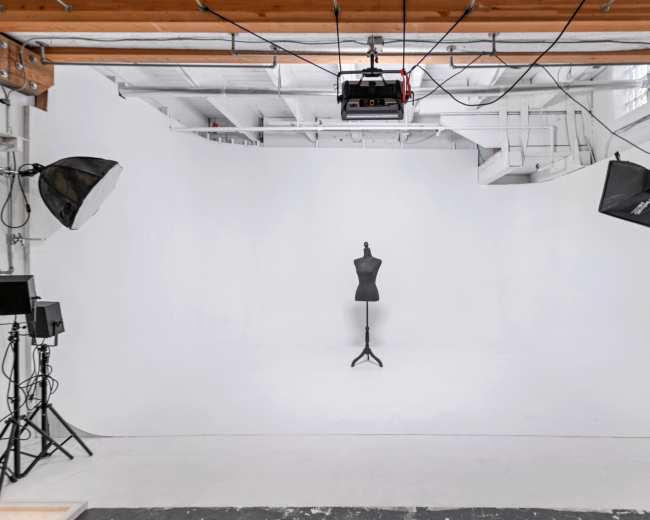
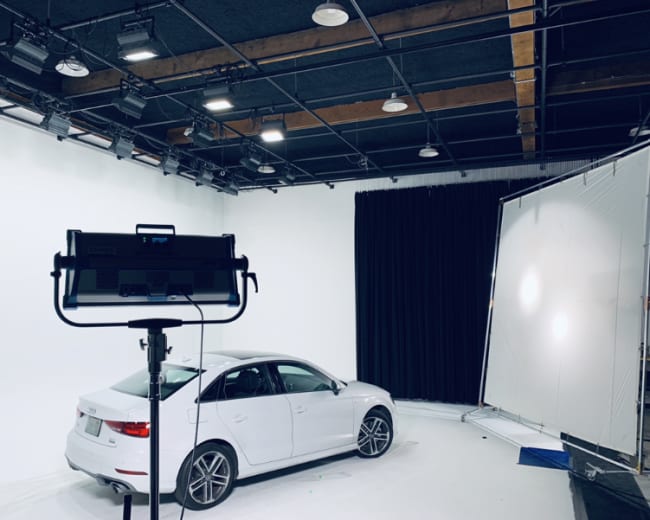
Spacious Fully Equipped Strobe/LED/Daylight Professional Production Studio- ALL included
SODO, Seattle, WA4.9 (289)
25 guests
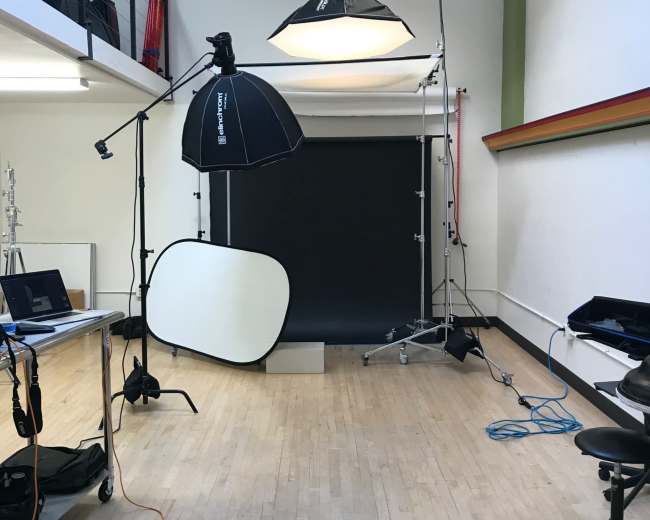
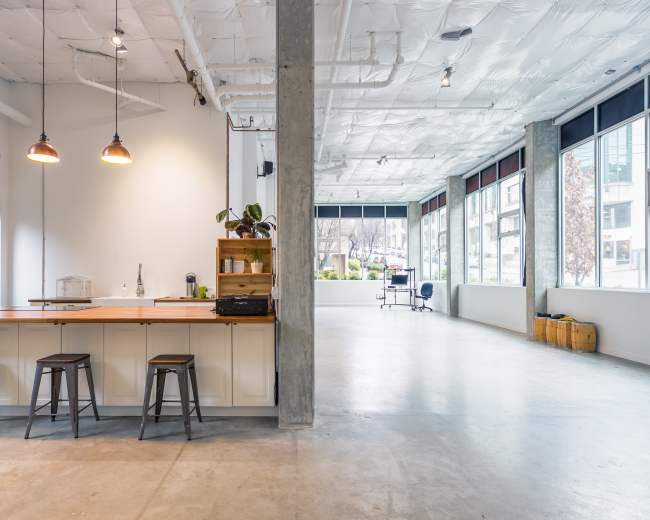
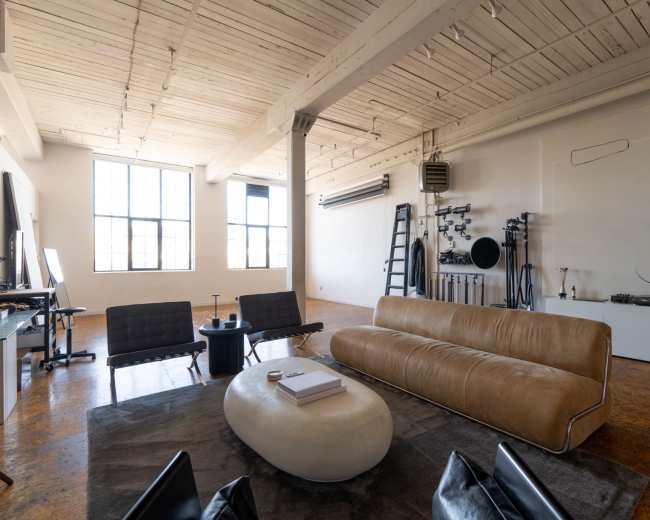
Film/Photo Studio with Included Professional Gear
Capitol Hill, Seattle, WA5.0 (3)
30 guests
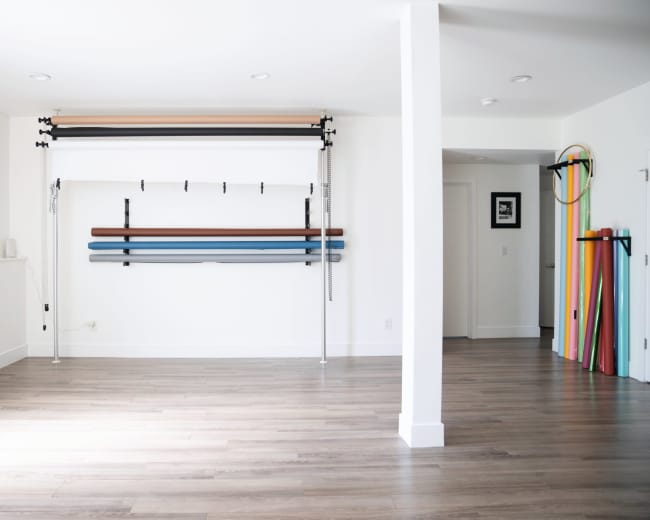
Full Service Photo, Video and Live Broadcast Production Studio
Queen Anne, Seattle, WA4.9 (32)
100 guests
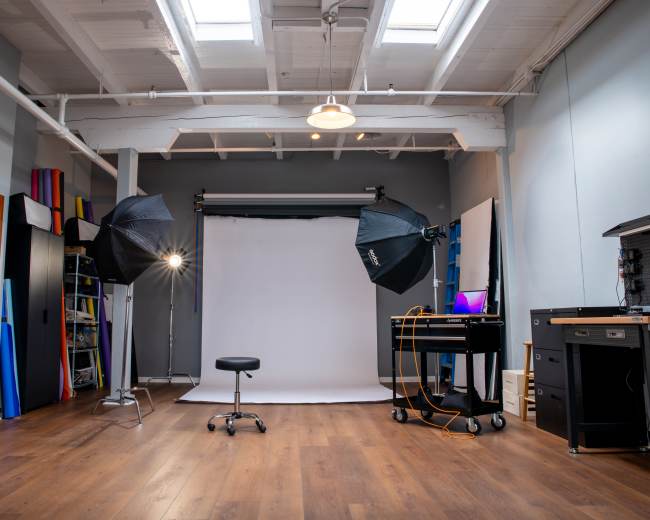
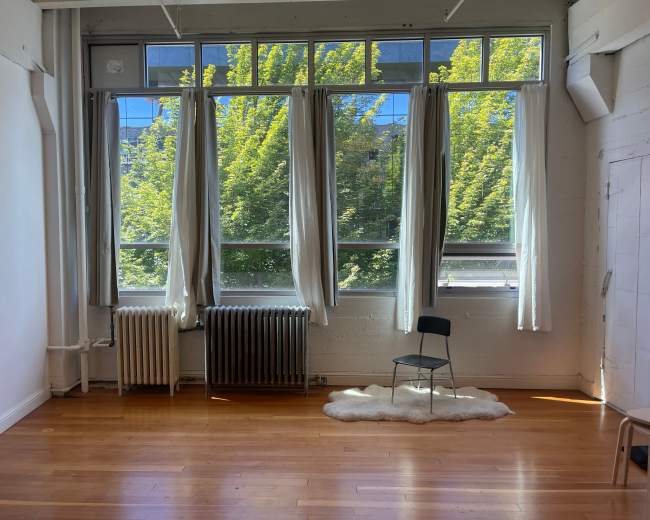
Pristine Photo Studio with tons of natural light...
Lower Queen Anne, Seattle, WA4.9 (65)
40 guests
Photo Studio with Profoto Gear, Backdrops & Full Amenities – Pet Friendly!
Gatewood, Seattle, WA5.0 (58)
6 guests
Fully equiped Editorial Photography/Video Studio with Lots of Natural Light
Downtown Seattle, WA5.0 (10)
15 guests
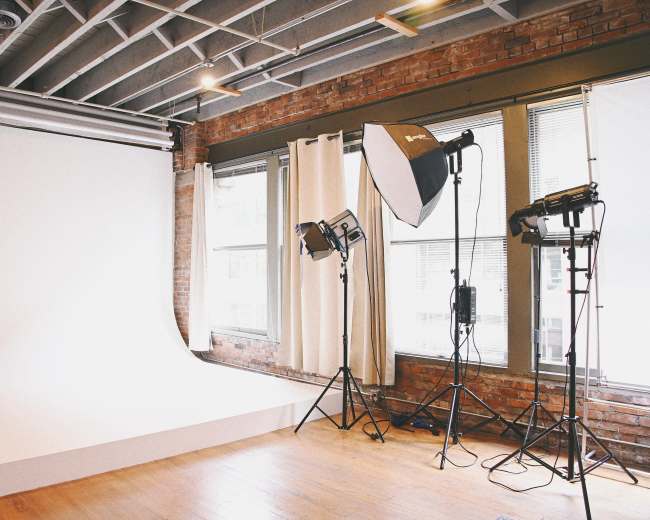
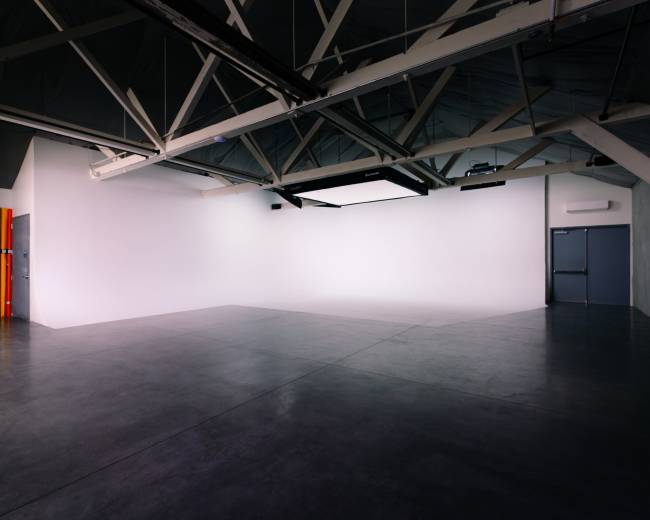
Dual Corner Cyclorama Photo/Video Wall in the heart of Capitol Hill
Pike/Pine, SEATTLE, WA5.0 (554)
8 guests
Newly Remodeled Lofty Studio with Full Gear + Backdrops Included
SODO, Seattle, WA5.0 (15)
8 guests
Editorial Natural Light Loft Studio for Fashion, Portraits & Brand Content
SODO, Seattle, WA4.9 (313)
30 guests
Video and Photo Studio in SODO
SoDo, Seattle, WA4.9 (12)
8 guests
NEW ! LARIMAR - a mini studio perfect for product photography + content creation
Queen Anne, Seattle, WA5.0 (19)
5 guests
3 Photo Studios 1 Location
Lawton Park, Seattle, WA5.0 (2)
5 guests
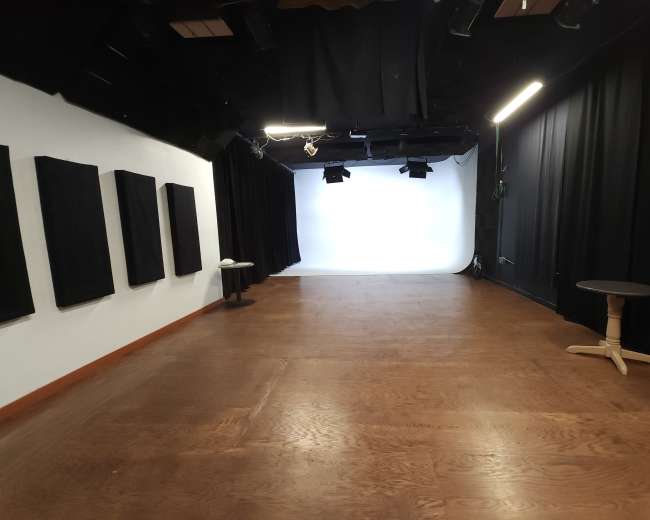
Photo & Video Production studio, large cyc wall, fully equipped, with sound reinforcement
North Queen Anne, Seattle, WA50 guests
Creative Production Photo Studio
North Beacon Hill, Seattle, WA5.0 (27)
25 guests
Capitol Hill Production Studio with Cyc Wall
Downtown Seattle, WA4.9 (481)
15 guests
Three-Sided Cyc Wall Studio – Sound-Treated Production Space in Seattle with Live Broadcast Studio Add-on
Interbay, Seattle, WA5.0 (1)
50 guests
White, Bright & Airy Studio in the Heart of Seattle
Downtown Seattle, WA4.9 (65)
10 guests
West Seattle Photo Studio with Full Lighting & Backdrop Kit
Fairmount Park, Seattle, WA5.0 (1)
15 guests
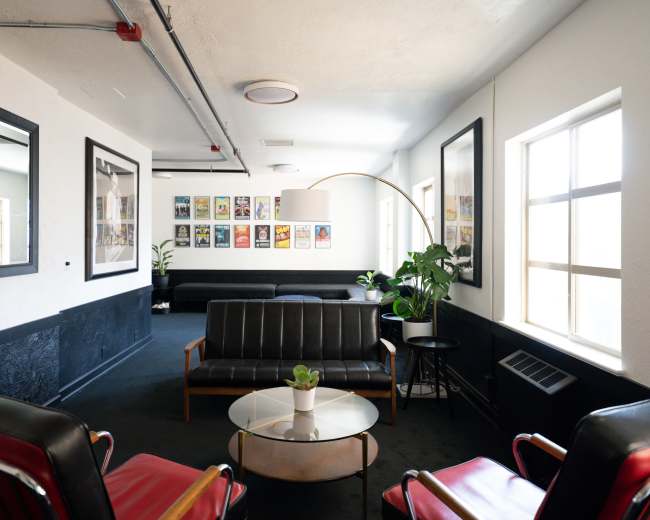
Spacious historic/urban studio creative space ideal for video and photography
Squire Park, Seattle, WA30 guests
Creative Studio Space for you
South Beacon Hill, Bellevue, WA15 guests
Urban, Historic Space for Photo Production
Adams, Seattle, WA5.0 (3)
6 guests
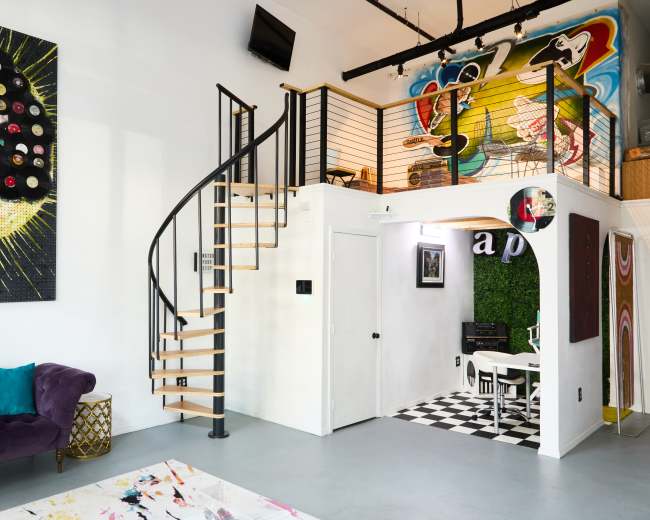
Designer Loft with Natural Light for Photo & Video Production
SODO, Seattle, WA5.0 (24)
40 guests
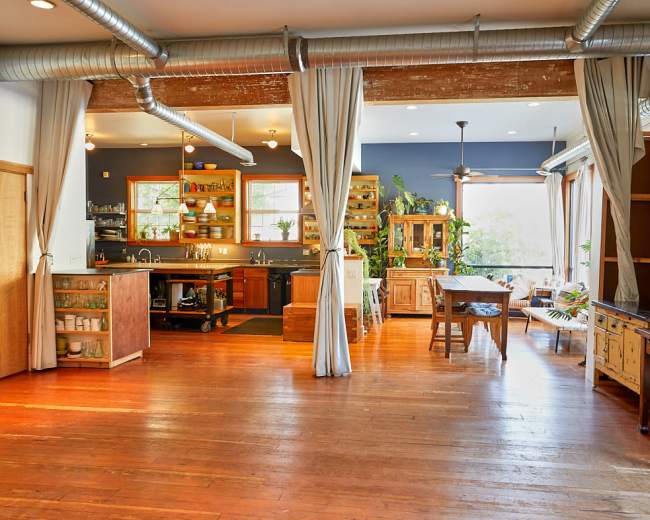
Natural light photo studio with kitchen, walking distance from Pike Place Market
Belltown, Seattle, WA5.0 (11)
15 guests
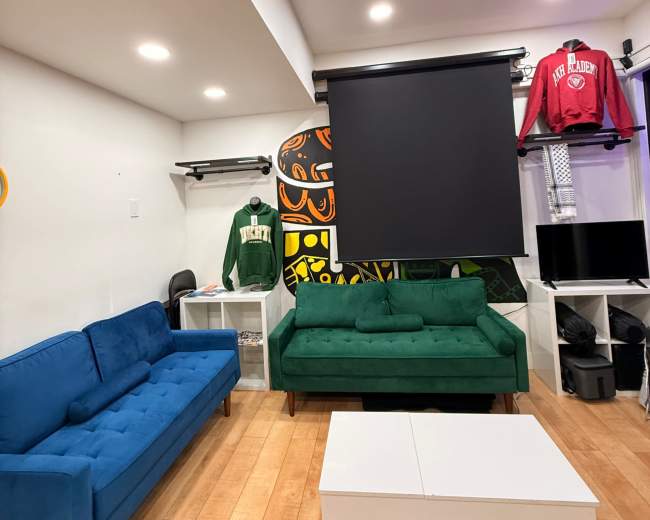
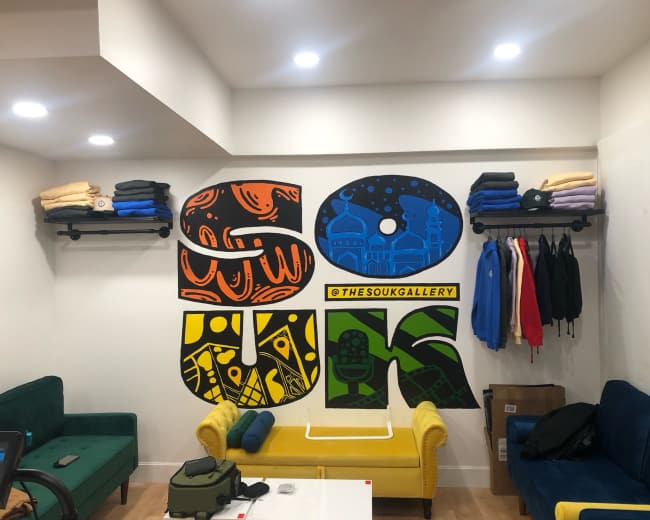
The Souk Creative Studio — Photo, Video & Brand Shoots ⭐
Bryn Mawr-Skyway, Seattle, WA15 guests
Soundproof Studio with Toplight, Model Kitchen, and Premium Finishes
SODO, Seattle, WA5.0 (14)
50 guests
Urban Creative Space for Retail Photo Shoots and Podcasting
Bryn Mawr-Skyway, Seattle, WA15 guests
Beautifyl photo space at the Crocodile music venue
Belltown, Seattle, WA24 guests
**NEW** NYC Inspired Creative Space
Downtown Seattle, WA4.8 (48)
6 guests
Modern Bellevue Content Studio | Photo, Video, Podcast + Production Space
Wilburton, Bellevue, WA5.0 (123)
50 guests
Central District Studio for Dance, Yoga, Personal Training
Judkins Park, Seattle, WA5.0 (133)
14 guests
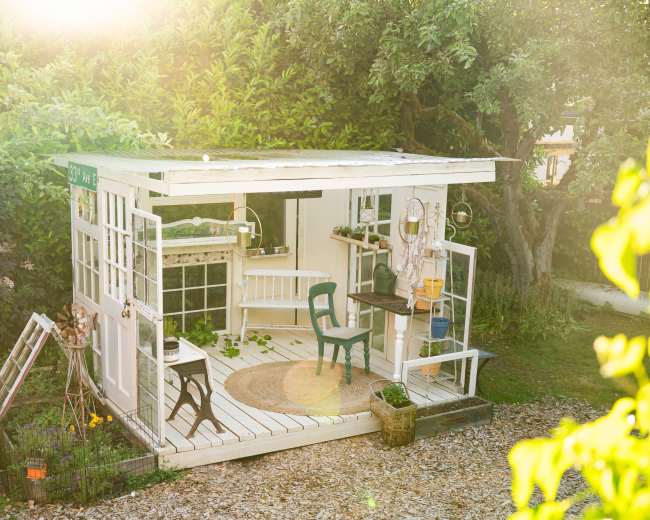
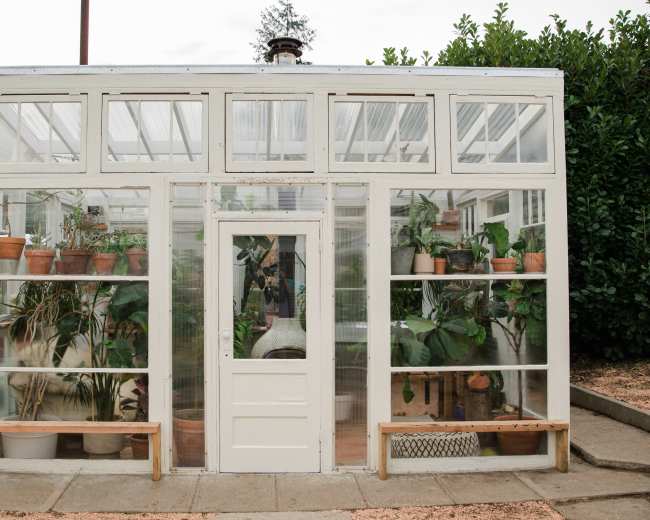
Photo Studio Tropical Greenhouse with Bathtub and Large Backyard
Beacon Hill, Seattle, WA5.0 (57)
25 guests
White photo shoot studio
Bryn Mawr-Skyway, Seattle, WA4.3 (10)
8 guests
Pricing and popularity information in this section is based on proprietary Peerspace booking data, reflecting recent booking activity and the latest data available through September 2026.
Photo studios in Seattle average $86 per hour to rent, but it’s easy to spend less or more depending on what you’re looking for.
Most photo studios are scheduled for 2 hours, with 4 people in attendance. You’ll find the most Photo Studios starting between 1:00 PM and 2:00 PM.
Our local hosts have welcomed 10953 people into their photo studios with reviews averaging 4.94 stars. Most even said they would book again -- about 99%.
Saturdays are the most popular day for booking photo studios in Seattle. For those seeking a deal, consider booking Saturday and Friday as these days are 9% cheaper on average.


