
Sun
Mon
Tue
Wed
Thu
Fri
Sat
$100/hr$75/hr$50/hr$25/hr
Peerspace is the easiest way to book unique video studios for all kinds of productions including photo shoots, film shoots and music videos. We also have spaces for meetings and events.
Discover SpacesEvery day we uncover new, inspirational spaces, including video production studios, perfect for your activity.
Our network of helpful hosts respond quickly, and are well-versed in accommodating all types of productions, including film and photo shoots.
Only pay for what you need. Pay by the hour for your video production studio location without worrying about hidden fees or overtime.
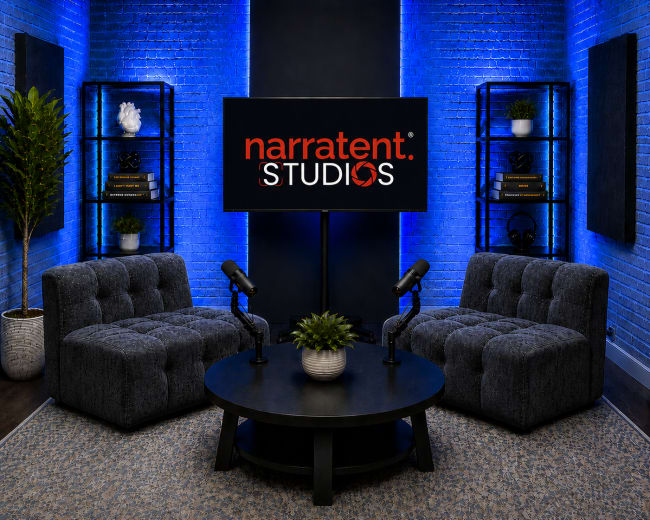
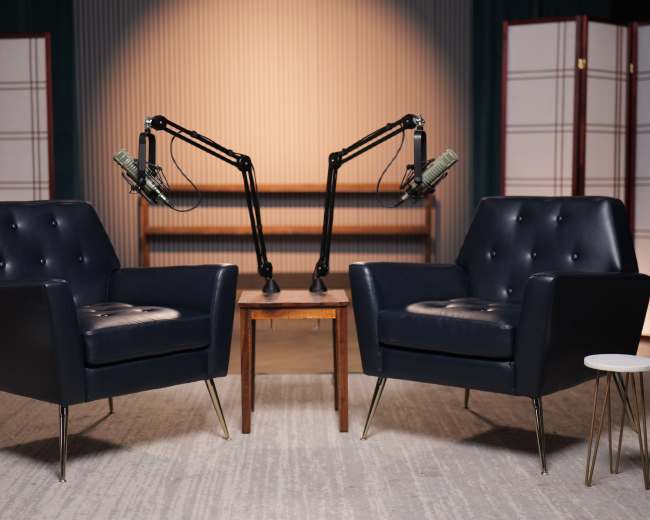
Video Production & Podcast Studio Downtown Chicago
Near South Side, Chicago, IL5.0 (2)
200 guests
Wicker Park Professional Photo / Video Studio
West Town, Chicago, IL5.0 (2)
60 guests
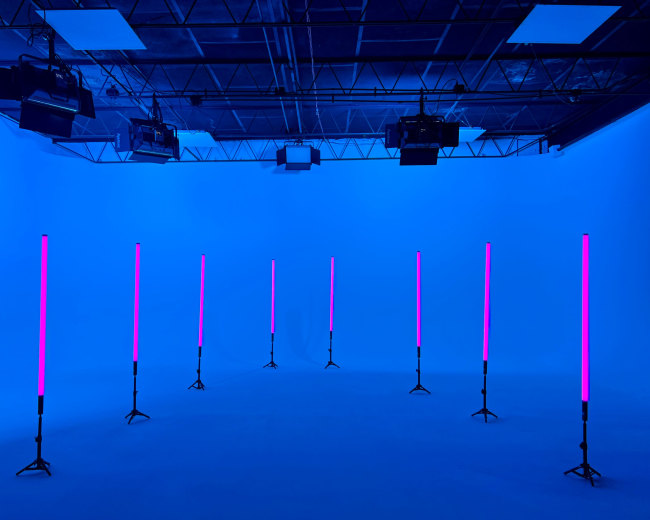
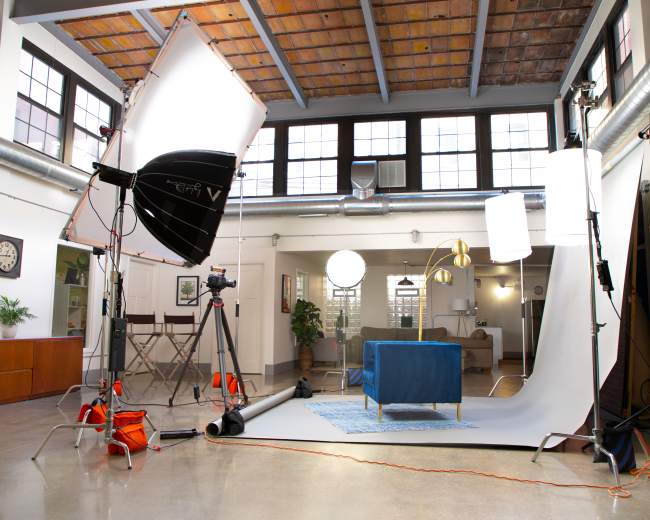
Large Production Studio with Cyclorama
Proviso Township, Stone park, IL4.9 (160)
30 guests
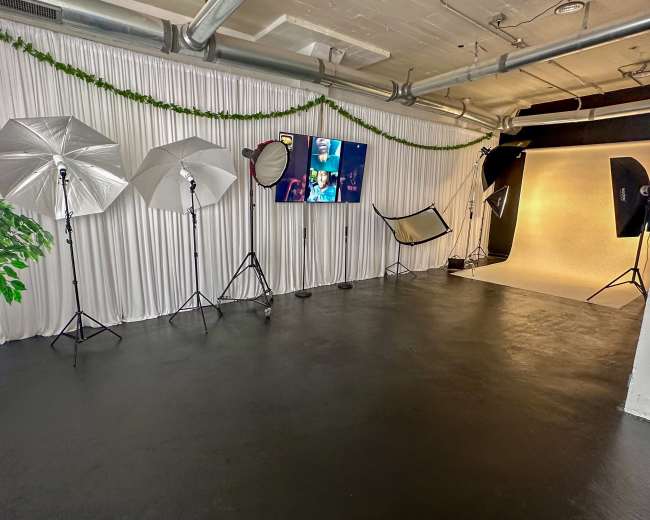
Content Creation Space + Photography + Video Space with Lighting & Backdrops
South Side, Chicago, IL5.0 (1)
45 guests
Photography and Video Loft studio with great natural lighting
East Garfield Park, Chicago, IL4.9 (36)
25 guests
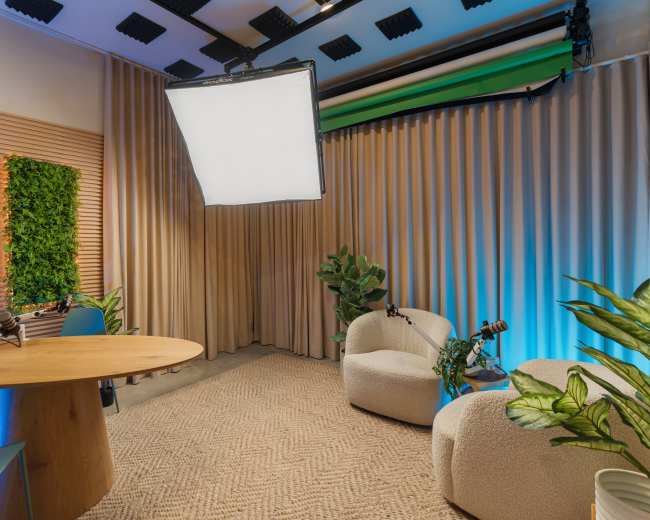
Comcast Content Creation Room
Irving Park, Chicago, IL6 guests
Modern Podcast and Creative Studio
River West, Chicago, IL60 guests
FILM SHOOT
East Garfield Park, Chicago, IL4.9 (63)
25 guests
Open Concept Daylight Studio for Photo/Video Productions
South Side, Chicago, IL5.0 (201)
50 guests
Downtown Film Studio
Near North Side, Chicago, IL40 guests
119 Productions
Jefferson Park, Chicago, IL5.0 (6)
25 guests
Spacious photography and video production studio.
Garfield Park, Chicago, IL4.9 (54)
25 guests
Production Studio in South Loop/Chinatown Loft
Lower West Side, Chicago, IL7 guests
Sunlit Industrial Loft Studio w/ Tall Windows | West Side Chicago
Near West Side, Chicago, IL5.0 (28)
60 guests
Ravenswood (Daylight or Blackbox) Photo / Video Studio
North Center, Chicago, IL5.0 (2)
25 guests
Spacious Multi-facet Studio
Forest Park, IL5.0 (4)
50 guests
Chicago Portrait/Fashion Creative Studio space with natural light, studio gear, and a makeup station
Lower West Side, Chicago, IL4.9 (116)
15 guests
BIG SPACIOUS PODCAST ROOM.
Garfield Park, Chicago, IL10 guests
Loop Podcast and Content studio with engineer
Chicago Loop, IL5.0 (1)
4 guests
Production-Ready Photo & Film Studio with 46' Column-Free Stage
Palmer Square, Chicago, IL25 guests
Downtown Audio/Visual Production Studio
Oak Park, IL5.0 (1)
4 guests
Creative Event Space with Full Production Services Built In!
Lake View, Chicago, IL5.0 (2)
15 guests
Podcast Studio
Near North Side, Chicago, IL5.0 (2)
10 guests
Bright Pilsen Photo Studio
Lower West Side, Chicago, IL4.9 (15)
40 guests
Modern Video Podcast & Content Studio in Evanston
Evanston, IL8 guests
Video, Podcast, & Photo Production Studio - Bucktown
Bucktown, Chicago, IL5.0 (4)
7 guests
Lincoln Square Industrial Studio Space at RP Studio Chicago
Uptown, Chicago, IL5.0 (19)
18 guests
Beautiful Podcast Studio With State Of The Art Equipment And Designer Eye
Lincoln Park, Chicago, IL10 guests
The Sandbox | Natural Light Photo & Video Studio
Austin, Chicago, IL5.0 (293)
25 guests
Affordable Uptown Chicago Photo & Video Studio
Lake View, chicago, IL5.0 (18)
4 guests
Soultree Studios
South Side, Chicago, IL5.0 (2)
40 guests
New Updated Pilsen Creative Studio
Lower West Side, Chicago, IL5.0 (35)
8 guests
Elegant Natural Light Studio
Lake View, Chicago, IL5.0 (55)
12 guests
Versatile 1,700 sq ft Industrial Theater Studio.
Bucktown, Chicago, IL46 guests
Wicker Park Recording Studio
West Town, Chicago, IL50 guests
Pricing and popularity information in this section is based on proprietary Peerspace booking data, reflecting recent booking activity and the latest data available through October 2026.
Video studios in Chicago average $89 per hour to rent, but it’s easy to spend less or more depending on what you’re looking for. For a space on the smaller side, expect to spend closer to $128, whereas larger venues run about $150 per hour.
Most video studios are scheduled for 6 hours, with 10 people in attendance. You’ll find the most Video Studios starting between 1:00 PM and 2:00 PM.
Our local hosts have welcomed 3935 people into their video studios with reviews averaging 4.88 stars. Most even said they would book again -- about 97%.
Saturdays are the most popular day for booking video studios in Chicago.


