
Sun
Mon
Tue
Wed
Thu
Fri
Sat
$100/hr$75/hr$50/hr$25/hr
Peerspace is the easiest way to book unique video studios for all kinds of productions including photo shoots, film shoots and music videos. We also have spaces for meetings and events.
Discover SpacesEvery day we uncover new, inspirational spaces, including video production studios, perfect for your activity.
Our network of helpful hosts respond quickly, and are well-versed in accommodating all types of productions, including film and photo shoots.
Only pay for what you need. Pay by the hour for your video production studio location without worrying about hidden fees or overtime.
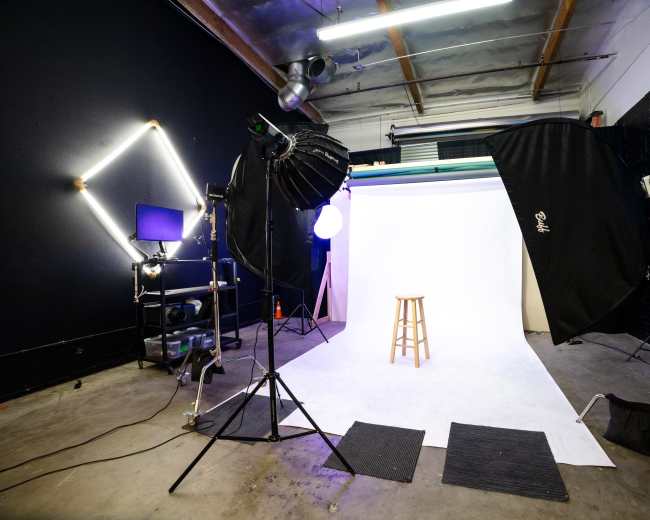
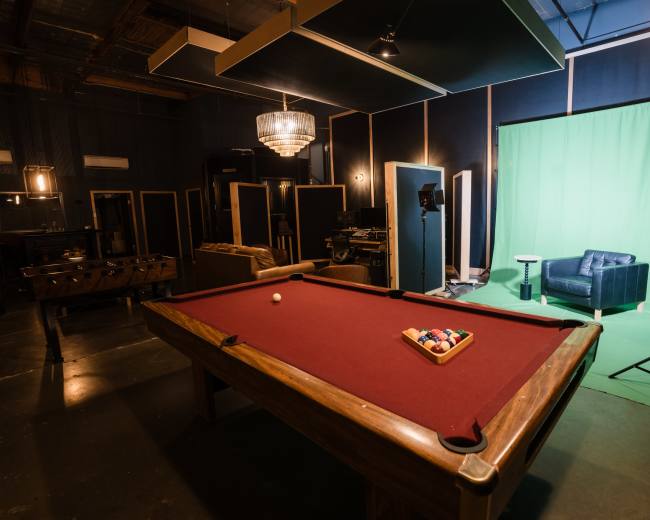
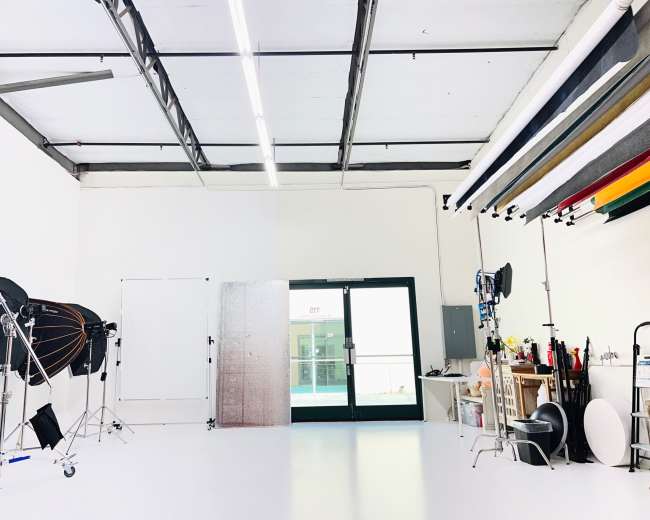
TUKES STUDIOS - Film / Photo Space
Riverside, CA5.0 (117)
30 guests
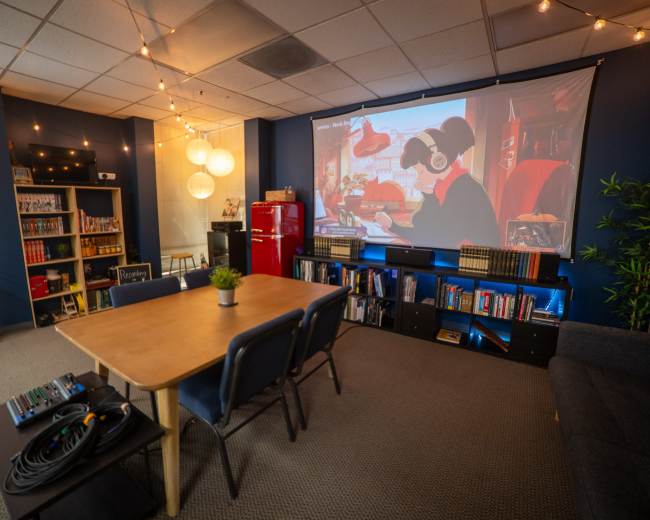
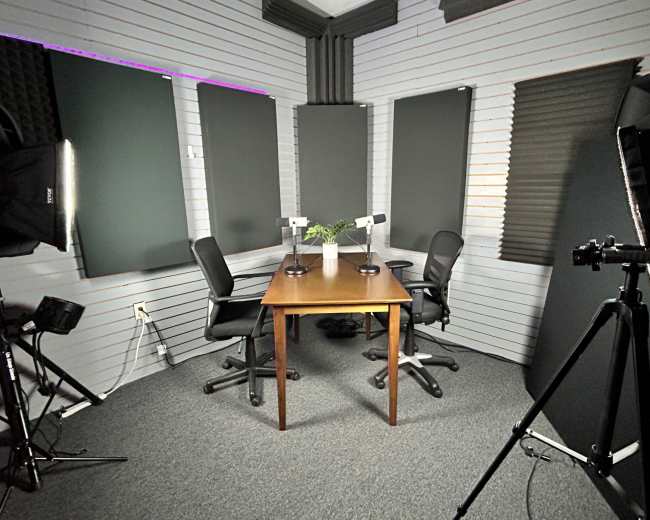
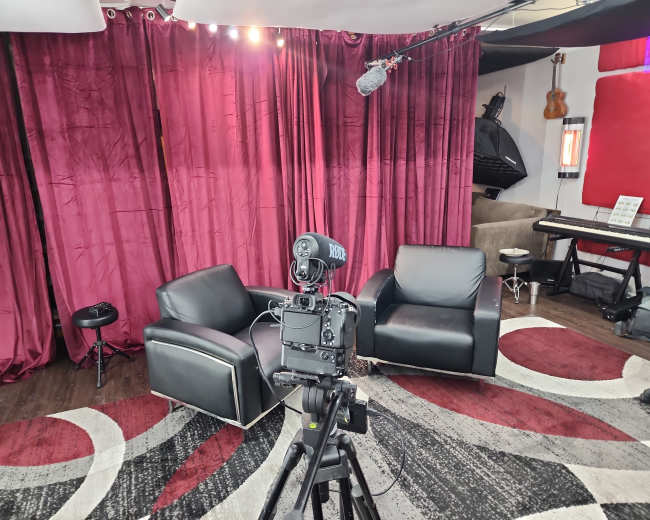
Podcast Video Studio with ATEM Extreme Pro Access
Northside, Riverside, CA5.0 (45)
20 guests
Private Multi Backdrop Photo & Filming Studio
La Sierra, Riverside, CA4.9 (103)
10 guests
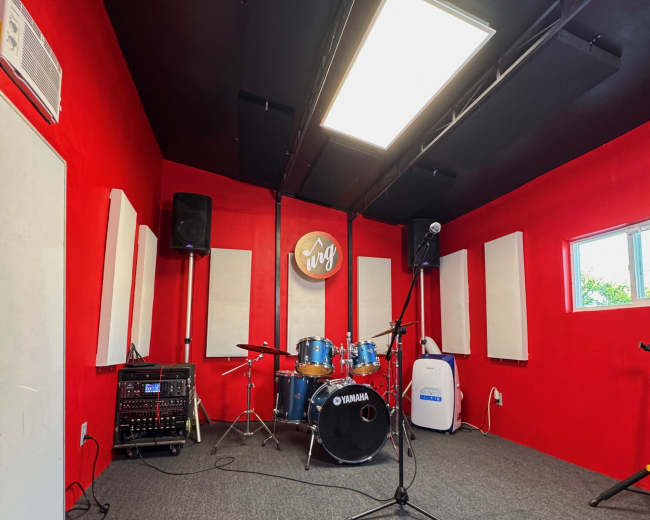
Music Studio near La Sierra Acres
La Sierra Acres, Riverside, CA7 guests
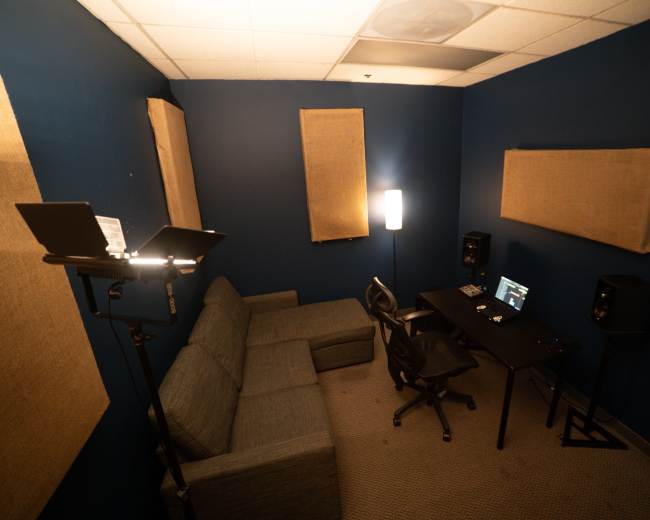
Cozy, Plug and Play, Music Recording Studio
Northside, Riverside, CA4 guests
Music Video space , Photo, and film
La Sierra, Riverside, CA8 guests
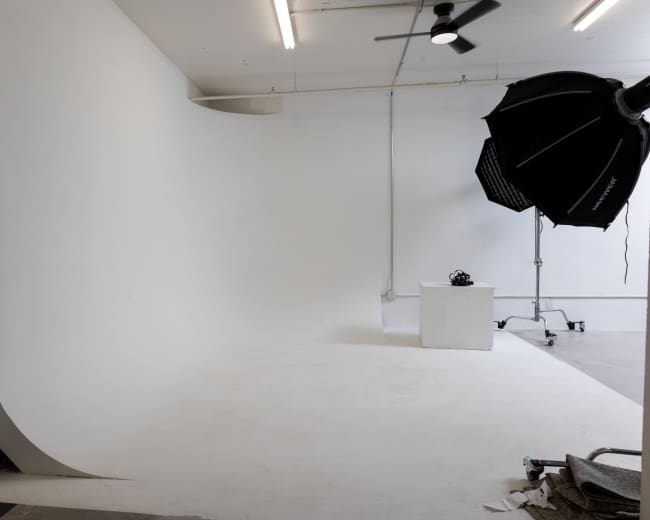
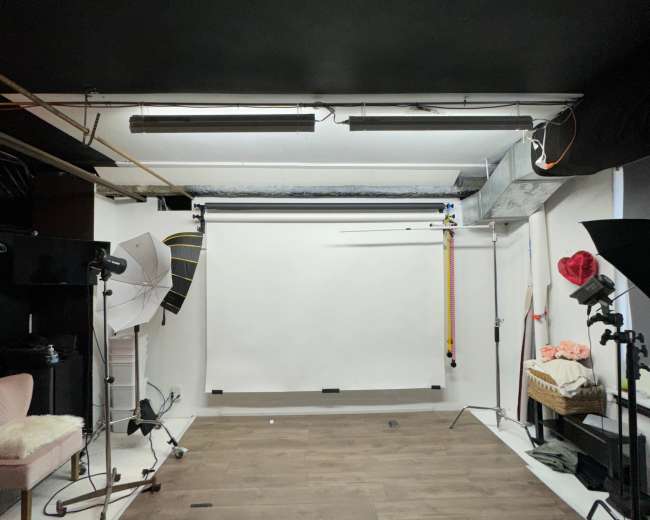
Downtown Brutalist Inspired Cyc Wall Full Setup
Downtown Riverside, CA5.0 (21)
15 guests
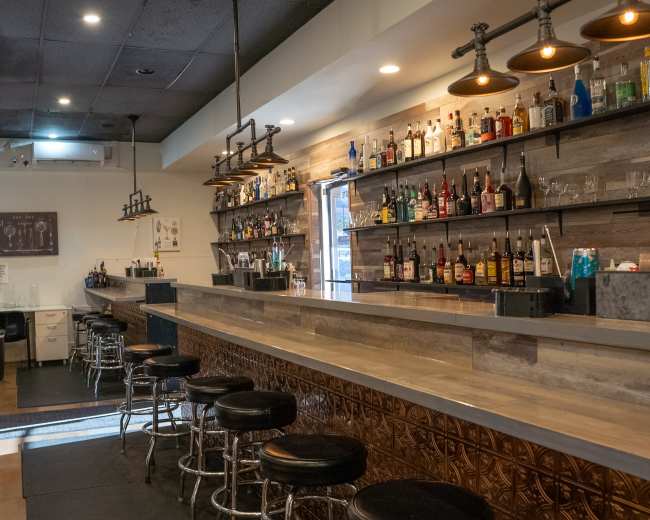
Iconic Bar available for various production purposes, offering a unique setting for your next project.
Home Gardens, Riverside, CA20 guests
Photo & Video Production Studio + Free Parking
Rialto, CA5.0 (17)
75 guests
IE's Hidden Jewel | Recording Studio
Corona, CA5.0 (4)
15 guests
Music Studio perfect for pictures/videos or song recording
Corona, CA10 guests
Mountain Ridge Podcast, Photo, and Recording Studio
Perris, CA8 guests
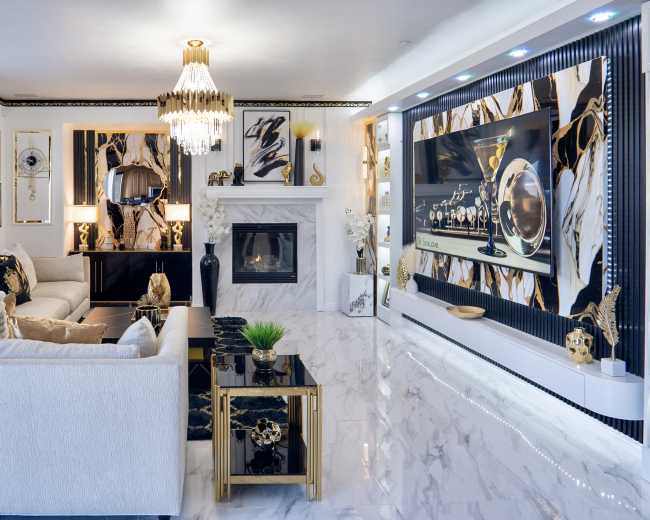
The Lux Haven Estate
Riverside, CA30 guests
Ontario Spacious Photo Studio with Professional Lighting & Easy Parking
Ontario, CA10 guests
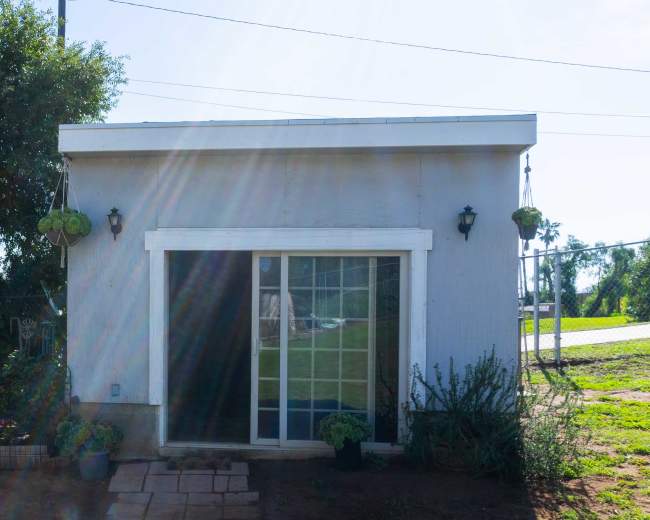
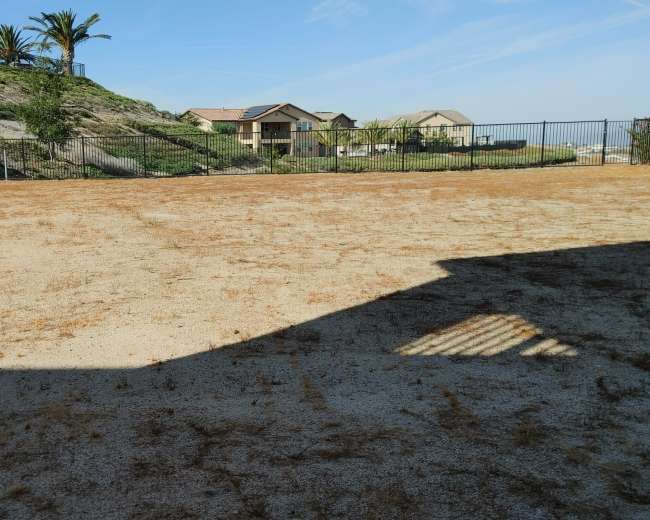
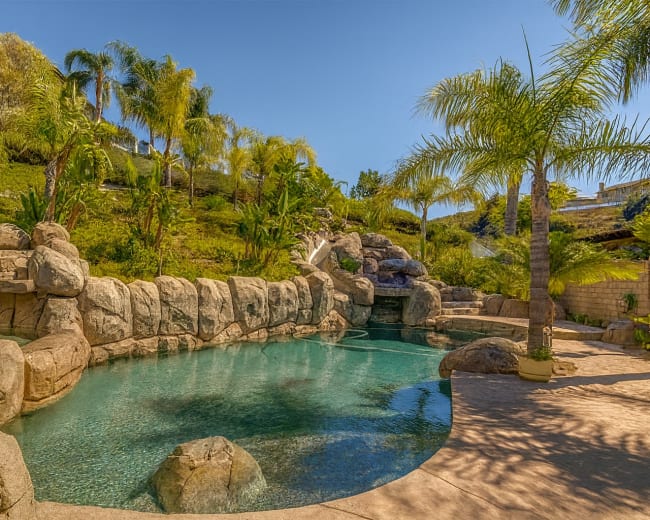
Suburban Farmhouse Style Backyard with Expansive Inland Empire Views
Riverside, CA10 guests
Perfect Studio for your Production!
Carousel, CA5.0 (4)
5 guests
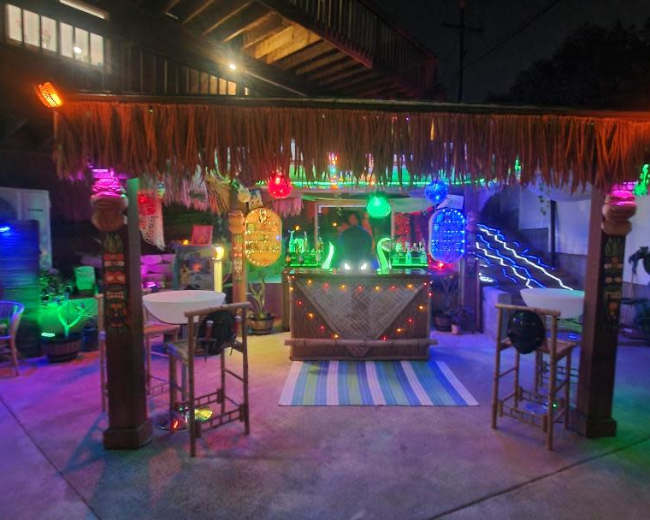
TMNT themed Tiki Bar
riverside, CA25 guests
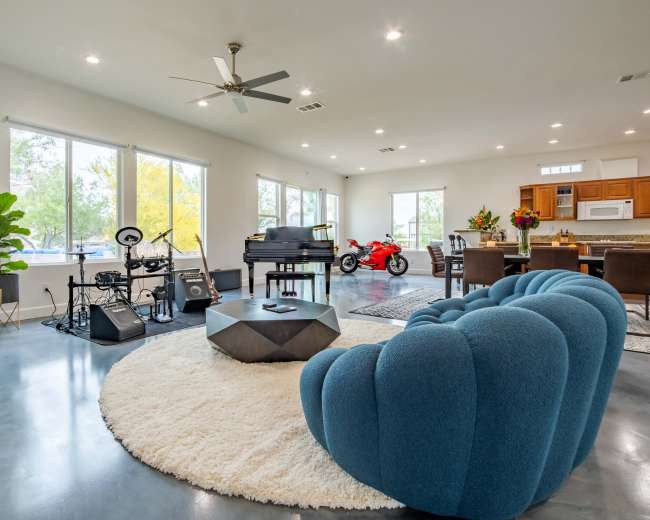
Bright & Airy Modern Home with Natural Light | Perfect for Events, Photoshoots & Creators – All Are Welcome
Eastvale, CA10 guests
Versatile Production Studio for Photo, Video & Podcast Shoots
Rancho Cucamonga, CA60 guests
Large Modern multi room Studio Space — Ideal for Events, Shoots, content creating, podcast, rehearsals and more!
West End, Fontana, CA4.7 (13)
50 guests
Versatile Rancho Cucamonga Studio Space for Photography, Podcasts & Events
Rancho Cucamonga, CA5.0 (25)
60 guests
Photography Space
Redlands, CA7 guests
Mastermine Studios
Eastside, perris, CA5.0 (2)
30 guests
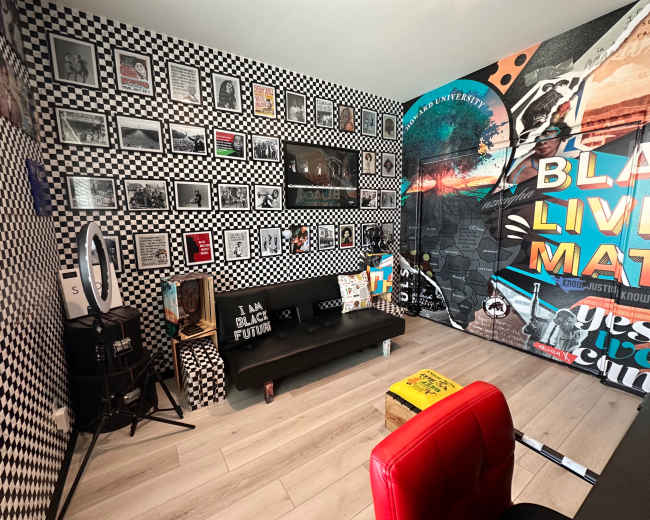
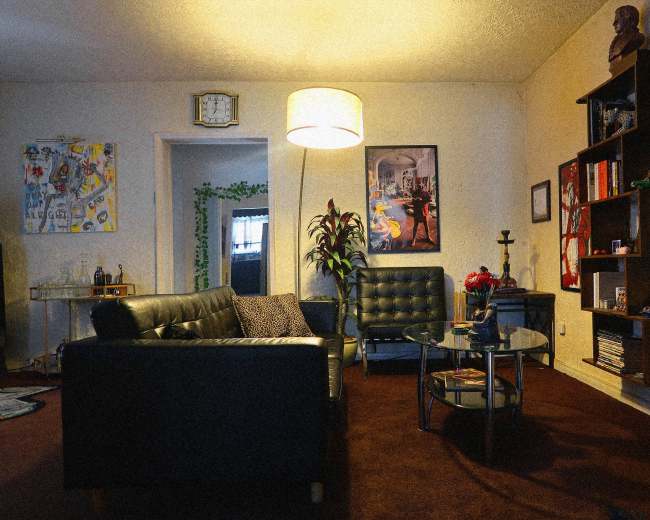
Black Renaissance Pop Art Studio Space Located in the beautiful Inland Empire Riverside Perris area!
Perris, CA5.0 (1)
3 guests
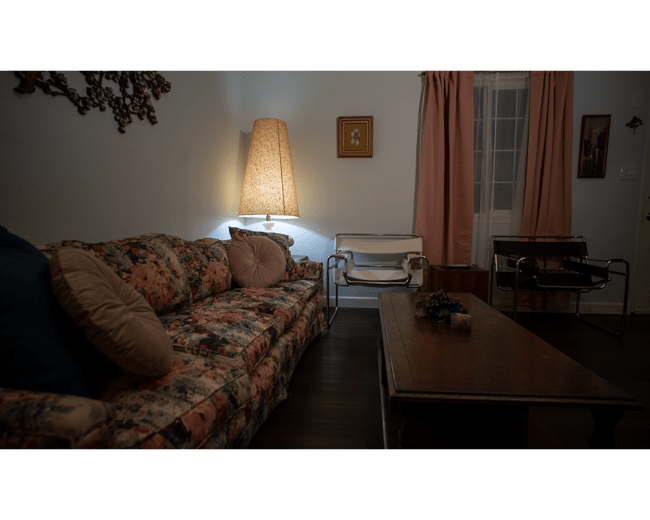
Creative Artist Mid-Century Lounge | Music Video, Photoshoots, Podcast & Content Creation
Perris Hills, San Bernardino, CA15 guests
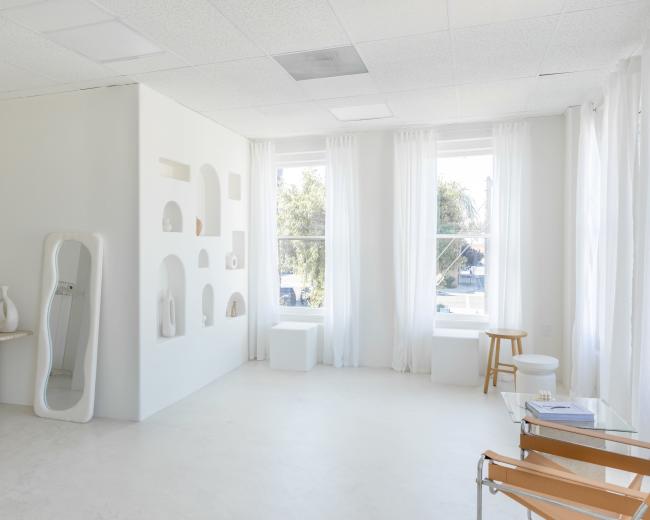
Natural Light Studio, Minimal and Neutral Space for Content Creation, Photography, Videography, & More
Downtown Redlands, CA5.0 (278)
10 guests
Spacious Home with Mountain View
Perris, CA50 guests
Bright Corona Suburban Home — Perfect for Shoots & Events
Corona, CA5.0 (1)
80 guests
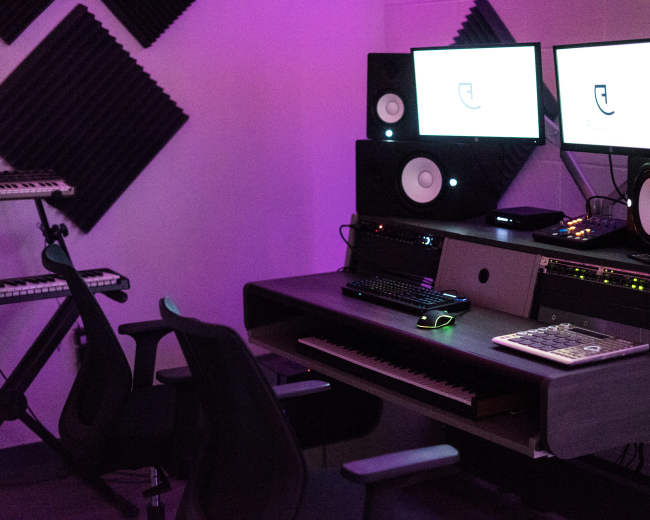
Recording studio + Vocal soundproof booth
Ontario, CA5.0 (2)
6 guests
Modern Content Space
Chino, CA8 guests
Private music recording studio located in the heart of downtown Ontario, Ca. Easily accessible for all of the Inland Empire.
Ontario, CA5.0 (2)
4 guests
Luxury Creative Venue Space
Ontario, CA150 guests
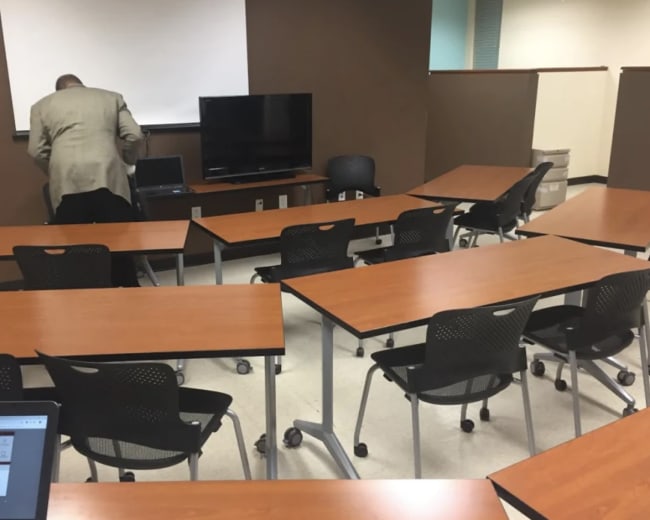
Multi-Use Training and Conference Room for Production Use
Ontario, CA4.8 (19)
25 guests
Rehearsal Room + Small Recording Studio Space Including Vocal Booth
Montclair, CA5.0 (4)
10 guests
1950s - 60s - 70s single story ranch style home
North Redlands, CA5.0 (1)
21 guests
Pricing and popularity information in this section is based on proprietary Peerspace booking data, reflecting recent booking activity and the latest data available through November 2026.
Video studios in Riverside average $87 per hour to rent, but it’s easy to spend less or more depending on what you’re looking for.
Most video studios are scheduled for 6 hours, with 9 people in attendance. You’ll find the most Video Studios starting between 2:00 PM and 3:00 PM.
Our local hosts have welcomed 3107 people into their video studios with reviews averaging 4.95 stars. 100% of guests said they'd book again.
Sundays are the most popular day for booking video studios in Riverside. For those seeking a deal, consider booking Monday and Wednesday as these days are 34% cheaper on average.


