











Sun
Mon
Tue
Wed
Thu
Fri
Sat
$100/hr$75/hr$50/hr$25/hr
Peerspace is the easiest way to book unique recording studios for all kinds of productions including photo shoots, film shoots and music videos. We also have spaces for meetings and events.
Discover SpacesEvery day we uncover new, inspirational spaces, including music studios, perfect for your activity.
Our network of helpful hosts respond quickly, and are well-versed in accommodating all types of productions, including film and photo shoots.
Only pay for what you need. Pay by the hour for your music studio location without worrying about hidden fees or overtime.
West La High End Recording Studio (A Room)
Sawtelle, Los Angeles, CA, CA5.0 (15)
50 guests
Professional Recording Studio in prime location for Music | Singers | Podcasts | Voiceovers
Santa Monica, CA5.0 (2)
7 guests
Santa Monica | Artist-Focused Recording Studio | Vocal Tracking & Production
Santa Monica, CA6 guests
Industry-Level Recording Studio in Westside LA
Sunset Park, Santa Monica, CA10 guests
Custom-designed Recording Complex Conveniently Located In Santa Monica
Santa Monica, CA180 guests
Recording Studio
Sawtelle, Los Angeles, CA5.0 (13)
20 guests
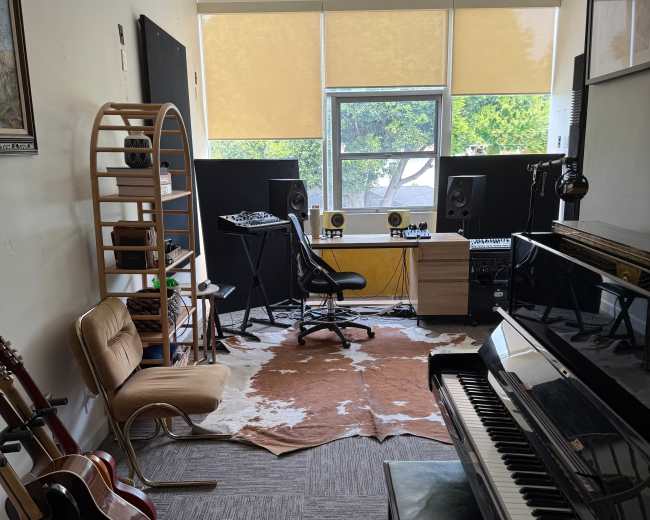
Light Filled Music Studio In Santa Monica
Santa Monica, CA5.0 (1)
5 guests
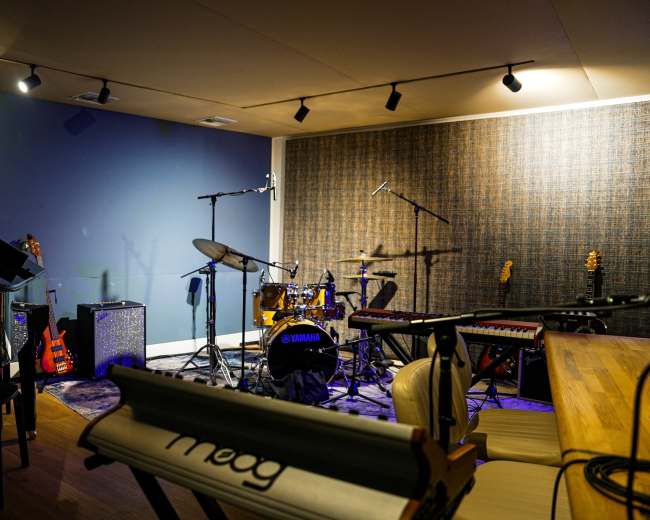
Recording Studio with Full Setup Backline
Santa Monica, CA6 guests
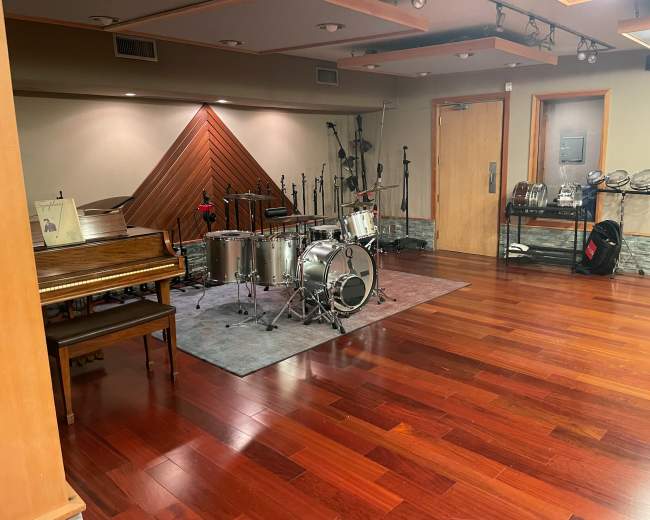
Santa Monica studio with large live rooms, classic vibe, and great sounds
Sunset Park, Santa Monica, CA6 guests
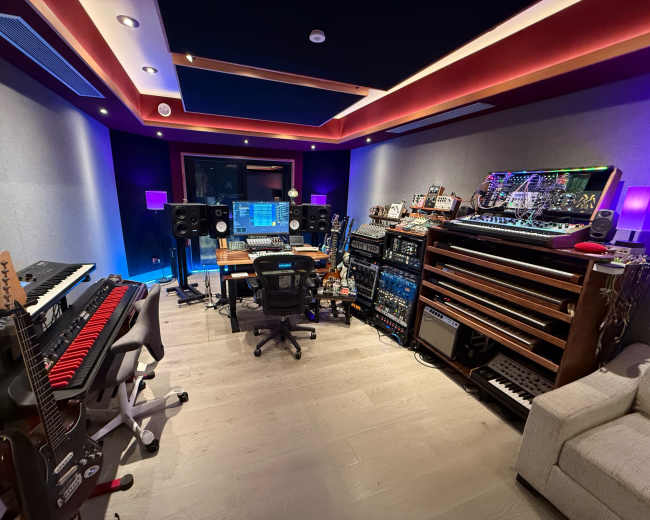
High End Recording Studio with Great Vibe and Looks
Sunset Park, santa monica, CA5.0 (23)
7 guests
Recording and Podcast Studio
Ocean Park, Santa Monica, CA5.0 (247)
6 guests
The Venice Loft Studio – Historic Venice Beach Recording & Content Studio
Venice, CA4 guests
Venice Podcast and Livestream Studio with Equipment & Lights
Venice, CA4.9 (53)
6 guests
Westside Studio Sanctuary – The Lodge (Dry Environment)
Brentwood, Los Angeles, CA8 guests
Santa Monica Recording Studio with Third Street Promenade Access
Downtown, Santa Monica, CA8 guests
Home Music Studio. Operated by two independent artists! Beautiful tree lined Santa Monica neighborhood. Fully Equipped, comfortable, music studio seamless flow into outdoor content creation venue. all in one place to produce/record/create content and perform! laid back, home like atmosphere. comfortable place to be inspired and create!
Sunset Park, Santa Monica, CA8 guests
Elemental Studio C
Sawtelle, Los Angeles, CA20 guests
Santa Monica Urban Recording Studio
Pico, Santa Moncia, CA10 guests
Podcast Studio in Brentwood / Santa Monica — Fully Equipped and Ready to Record
Sawtelle, Los Angeles, CA10 guests
Exclusive Santa Monica Event Space and 16 Recording Studios
Downtown, Los Angeles, CA200 guests
Santa Monica Podcast Studio - 3 Camera Setup and Engineer Ready
Pico, Santa Monica, CA5.0 (56)
7 guests
Santa Monica Podcast Studio (Studio A)
Pico, Santa Monica, CA5.0 (12)
4 guests
EQUIPMENT INCLUDED* Professional Podcast Studio with Multi-Camera Recording, Audio Setup & Live Editing
Venice, Marina Del Rey, CA6 guests
COVIDCertified Los Angeles Recording Studio with Studio-tier equipment and set
Westwood, Los Angeles, CA8 guests
Beautiful Modern Audio Post Production Studio
West Los Angeles, CA10 guests
Spacious Recording Studio with Scenic view and Patio by the beach
Mar Vista, Los Angeles, CA4 guests
Unique Venice Music Studio with Outdoor Patio
Venice, CA30 guests
Creative Space for Artists to Write and Record
Bel Air, Los Angeles/ Bel Air, CA20 guests
Santa Monica Podcast Studio (Studio B)
Pico, Santa Monica, CA5.0 (12)
4 guests
Professional Recording Studio downtown Culver City by Sony Pictures
Carlson Park, Culver City, CA5.0 (1)
15 guests
A creative sanctuary combining professional acoustics with warm interiors built on principles of human-centered design
Westwood, Los Angeles, CA20 guests
Spacious Studio in Venice Beach
Venice, Venice Beach, CA50 guests
Top-notch Podcast Room by The Recording Club
Santa Monica, CA4 guests
Culver City Mixing and Recording Studio
Sunkist Park, Culver City, CA5.0 (7)
6 guests
Pricing and popularity information in this section is based on proprietary Peerspace booking data, reflecting recent booking activity and the latest data available through October 2026.
Recording studios in Santa Monica average $85 per hour to rent, but it’s easy to spend less or more depending on what you’re looking for.
Most recording studios are scheduled for 6 hours, with 9 people in attendance. You’ll find the most Recording Studios starting between 11:00 AM and 12:00 PM.
Our local hosts have welcomed 290 people into their recording studios with reviews averaging 5 stars. 100% of guests said they'd book again.
Saturdays are the most popular day for booking recording studios in Santa Monica. For those seeking a deal, consider booking Saturday and Sunday as these days are 29% cheaper on average.


