Sun
Mon
Tue
Wed
Thu
Fri
Sat
$200/hr$150/hr$100/hr$50/hr
Peerspace is the easiest way to book unique venues for parties. We also have spaces for productions and meetings.
Discover SpacesEvery day we uncover new, creative spaces perfect for your reception — from neighborhood galleries to hidden rooftops, and beyond.
Our spaces are priced to fit your budget. Hire by the hour for your party without worrying about hidden fees.
No more messy contracts. We build the tools to make hiring out a space for your reception as easy as the click of a button.
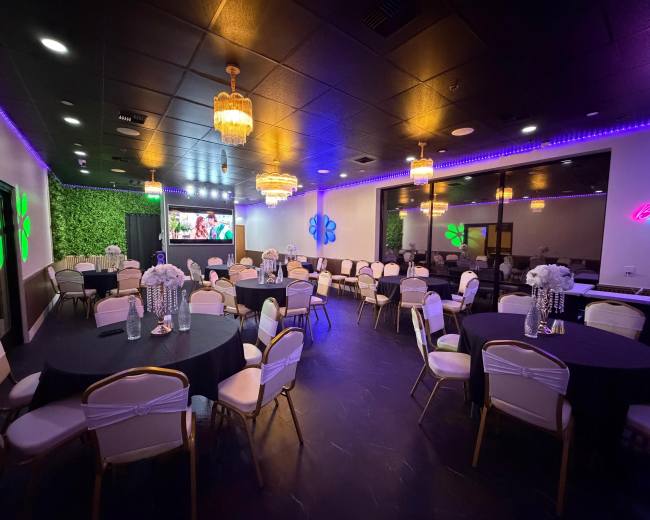
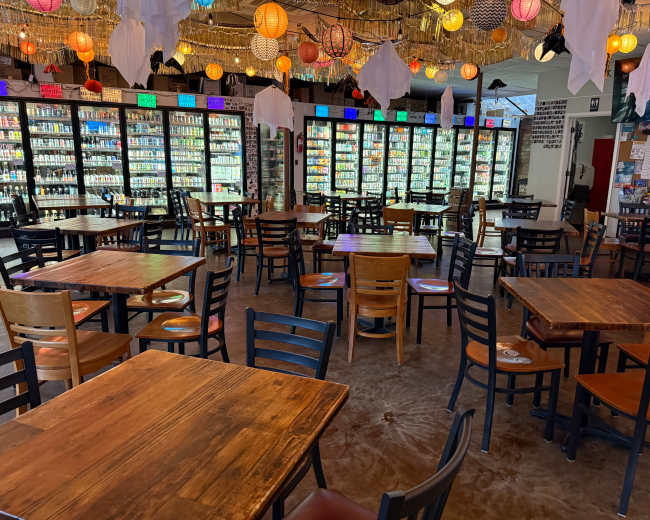
The Venue at Aroma – Private Event & Banquet Hall
Canyon Park, BOTHELL, WA100 guests
Neighborhood Party Venue
Wedgwood, Seattle, WA5.0 (2)
50 guests
Versatile Private Event Space | Lower Queen Anne
Lower Queen Anne, Seattle, WA5.0 (8)
200 guests
Historic Versatile Event Space
Fairmount Park, Seattle, WA4.8 (51)
75 guests
Event Space Inside the Public Market
Downtown Seattle, WA4.9 (412)
50 guests
Intimate Modern Event Space on Mercer Island
Mercer Island, WA75 guests
FUN FLEX SPACE FOR YOUR NEXT PARTY! Sip happens at Lukas!
Belltown, Seattle, WA5.0 (45)
110 guests
Bright Modern Event Space in Seattle
Downtown Seattle, WA200 guests
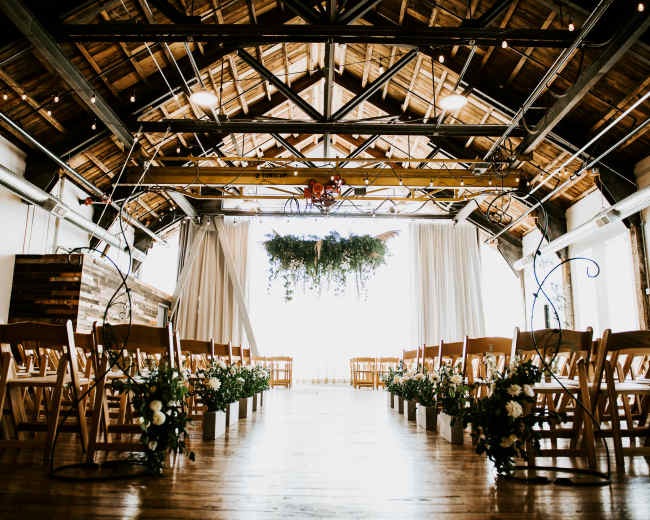
Exposed Wood Beam High Ceiling Event Space in Downtown
Belltown, Seattle, WA5.0 (84)
75 guests
Historic Seattle Venue With Food/Bar/Decor Options
Eastlake, SEATTLE, WA5.0 (1)
200 guests
South Lake Union modern Performance Hall with Park View
South Lake Union, Seattle, WA4.0 (1)
200 guests
Exposed Wood Beam High Ceiling Open Event Space in Downtown w/ view of Space Needle
Belltown, Seattle, WA5.0 (160)
125 guests
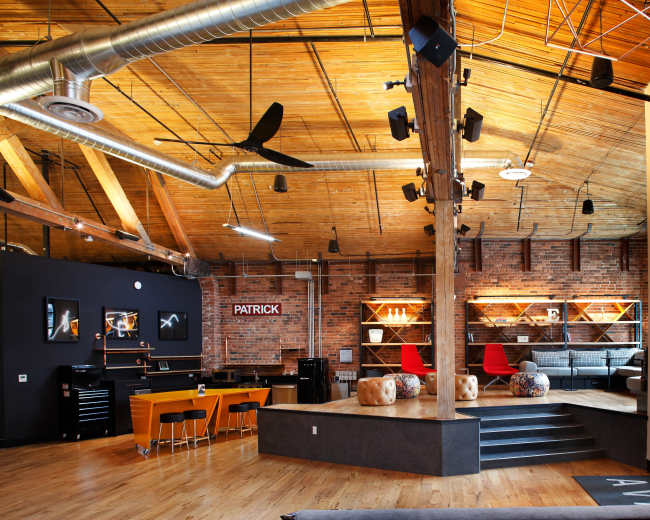
Event space with eclectic curated decor with welcoming vibe in the heart of Pioneer Square
Downtown Seattle, WA200 guests
Creative Block - A Fun Space to Celebrate Special Life Events
Mt. Baker, Seattle, WA5.0 (332)
50 guests
"Downtown lakefront event space near marina"
Moss Bay, Kirkland, WA75 guests
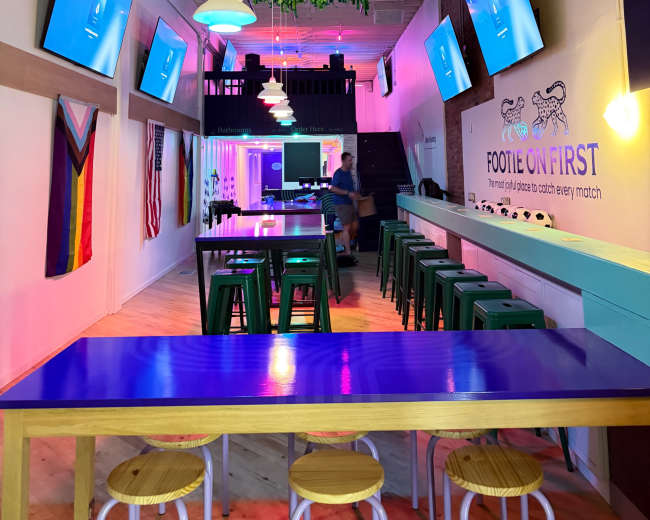
Craft Beer Bar
Cherry Hill, Seattle, WA60 guests
Northgate Rental Space for Events and Socials!
Pinehurst, Seattle, WA40 guests
Event/Gallery space in the heart of Magnolia Village just minutes from downtown Seattle. Great natural lighting and plenty of street parking.
Southeast Magnolia, Seattle, WA5.0 (85)
50 guests
Unique Downtown Customizable Space
Industrial District, Seattle, WA5.0 (73)
100 guests
The Ruom
Downtown Seattle, WA5.0 (1)
70 guests
Historical downtown INScape Event Space across from the Seattle stadiums
SODO, Seattle, WA75 guests
Columbia City Flex Event Venue
Rainier Valley, Seattle, WA5.0 (1)
71 guests
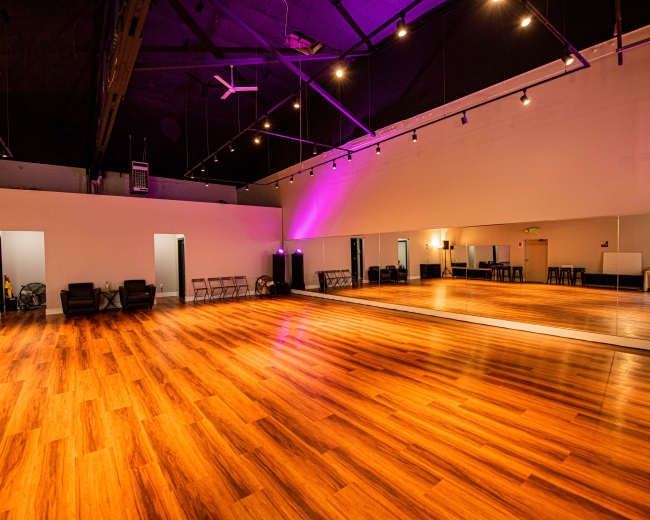
Newly Renovated Dance Studio with Party Lighting
Northeast Seattle, WA4.9 (14)
80 guests
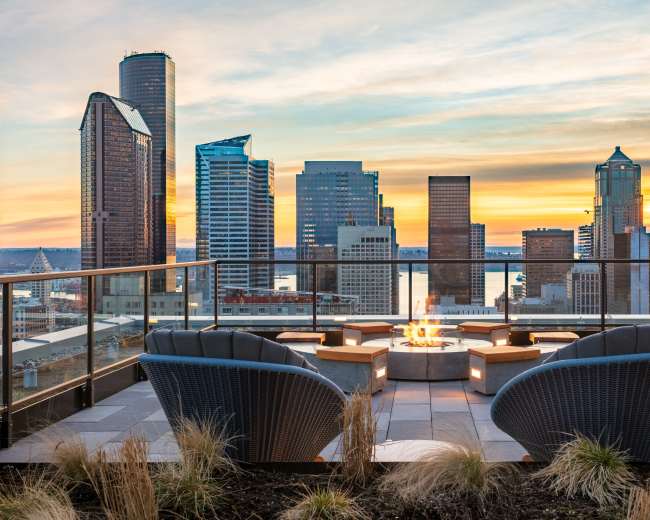
Breathtaking Skyline View in the Heart of First Hill
Downtown Seattle, WA4.9 (26)
75 guests
Pioneer Square bar right in the center of all the fun
Downtown Seattle, WA45 guests
Warm Industrial Event Hall in SODO
SODO, Seattle, WA210 guests
Unique Speakeasy With Fun Cocktail Services
North Queen Anne, Seattle, WA4.9 (16)
50 guests
Amazing Lounge With Live Plants, Green House Ceiling and Rooftop Deck for Your Next Event!
Uptown, Seattle, WA4.7 (27)
35 guests
Light-filled Large Event Space in the Heart of First Hill
Downtown Seattle, WA4.5 (28)
50 guests
Seattle, Pike Market, ultra private, iconic, downtown speakeasy, private event space for any occasion, birthdays, wedding receptions, bachelorette, bachelor, going away, sporting events, viewing parties,etc
Belltown, SEATTLE, WA5.0 (14)
40 guests
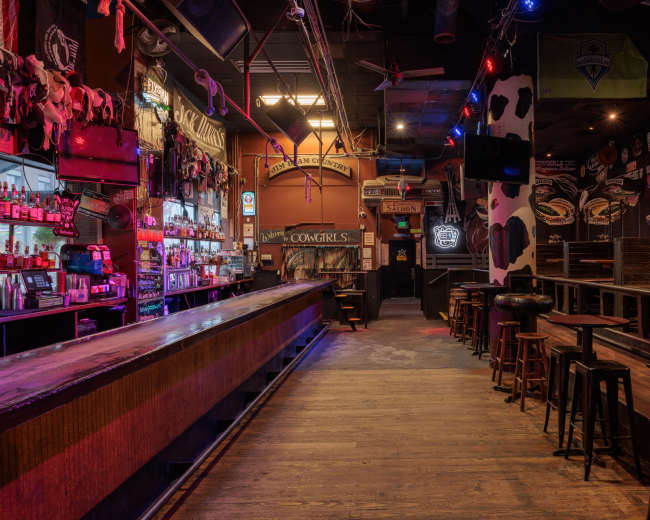
Historic Saloon in the Heart of Pioneer Square
Downtown Seattle, WA300 guests
Perfect Chill Lounge in the Heart of Seattle Ready to Host Your Next Event!
Pike/Pine, Seattle, WA4.4 (11)
47 guests
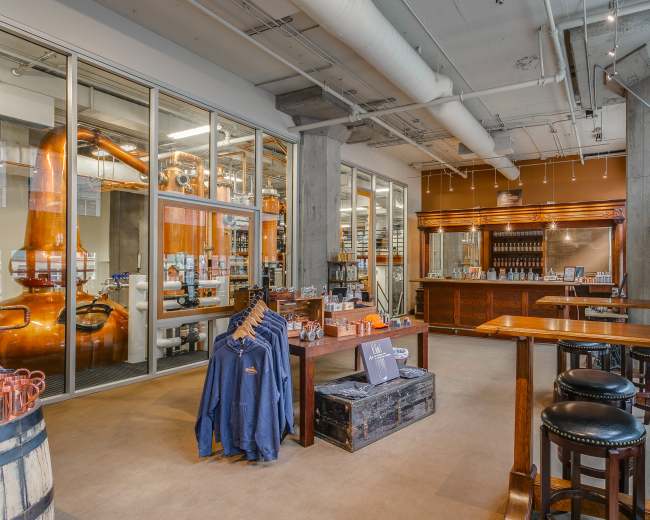
Downtown Distillery Tasting Room
Central Business District, Seattle, WA5.0 (5)
75 guests
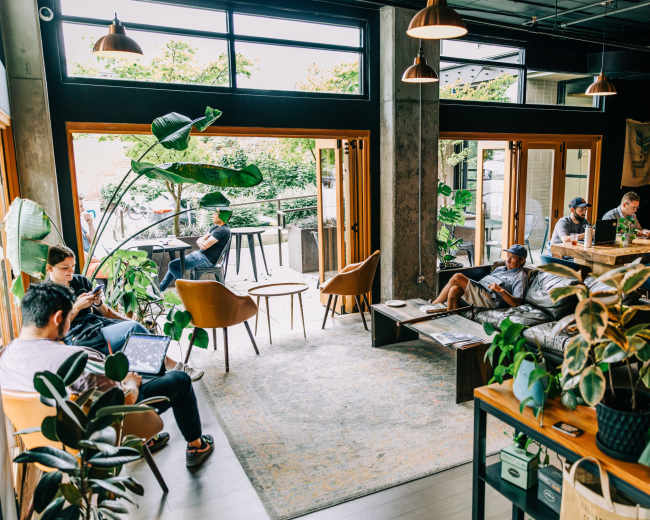
Cozy Urban Cafe
Eastlake, Seattle, WA5.0 (13)
50 guests
Pricing and popularity information in this section is based on proprietary Peerspace booking data, reflecting recent booking activity and the latest data available through September 2026.
Party venues in Seattle average $138 per hour to rent, but it’s easy to spend less or more depending on what you’re looking for. For a space on the smaller side, expect to spend closer to $111, whereas larger venues run about $275 per hour.
Most party venues are scheduled for 4 hours, with 40 people in attendance. You’ll find the most Parties starting between 5:00 PM and 6:00 PM.
Our local hosts have welcomed 6981 people into their party venues with reviews averaging 4.96 stars. 100% of guests said they'd book again.
Saturdays are the most popular day for booking party venues in Seattle. For those seeking a deal, consider booking Sunday and Wednesday as these days are 25% cheaper on average.


