
Sun
Mon
Tue
Wed
Thu
Fri
Sat
$200/hr$150/hr$100/hr$50/hr
Peerspace is the easiest way to book unique photo studios for all kinds of productions including photo shoots, film shoots and music videos. We also have spaces for meetings and events.
Discover SpacesEvery day we uncover new, inspirational spaces, including photoshoot studios, perfect for your activity.
Our network of helpful hosts respond quickly, and are well-versed in accommodating all types of productions, including film and photo shoots.
Only pay for what you need. Pay by the hour for your photoshoot studio location without worrying about hidden fees or overtime.
Palm Studio
West Palm Beach, FL5.0 (45)
20 guests
Palm Studio
West Palm Beach, FL5.0 (17)
20 guests
Golden Strobe Creative Studio
West Palm Beach, FL8 guests
Boardwalk Studios
West Palm Beach, FL5.0 (9)
40 guests
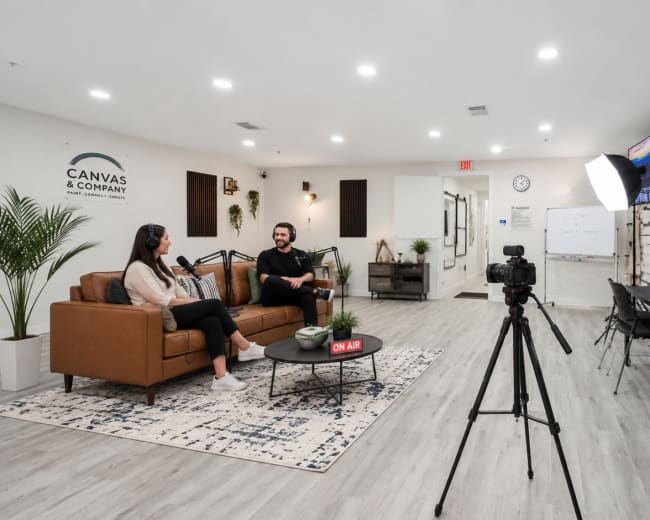
Canvas & Company – Paint.Connect.Create
West Palm Beach, FL5.0 (1)
20 guests
The Space WPB
Downtown, West Palm Beach, FL5.0 (6)
18 guests
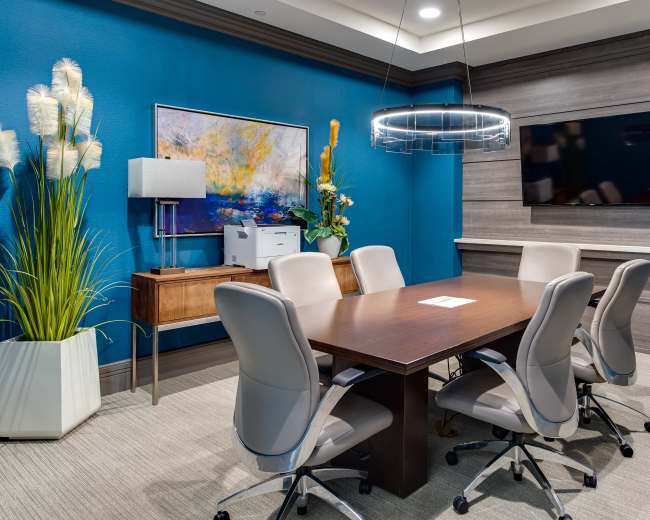
Conference Room in the Heart of Downtown West Palm Beach
Downtown, West Palm Beach, FL5.0 (41)
13 guests
Wholelotofmovies
West Palm Beach, FL5.0 (13)
25 guests
Clearview Studio
West Palm Beach, FL5.0 (3)
8 guests
Pretty Northwood Village Event Space in a beautiful flower studio
West Palm Beach, FL4.8 (6)
20 guests
Northwood Photo Studio
West Palm Beach, FL40 guests
The Pink Palm Beach
West Palm Beach, FL5.0 (24)
10 guests
Poolside Palm Beach Home w/ BBQ & Patio
Flamingo Parks, West Palm Beach, FL10 guests
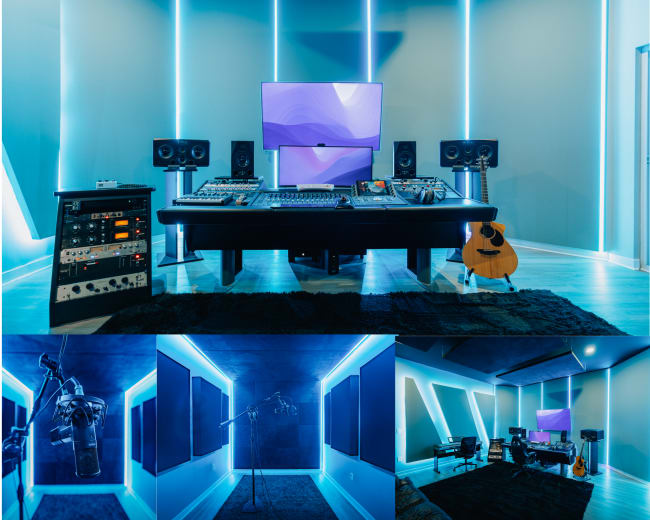
KVLmedia Studio
Westgate, West Palm Beach, FL5.0 (78)
5 guests
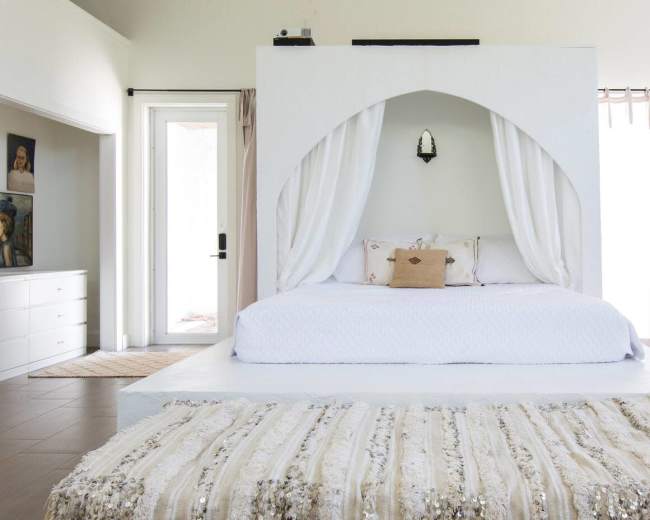
Opulent Moroccan Villa in the heart of West Palm Beach
Old Northwood Historic District, West Palm Beach, FL10 guests
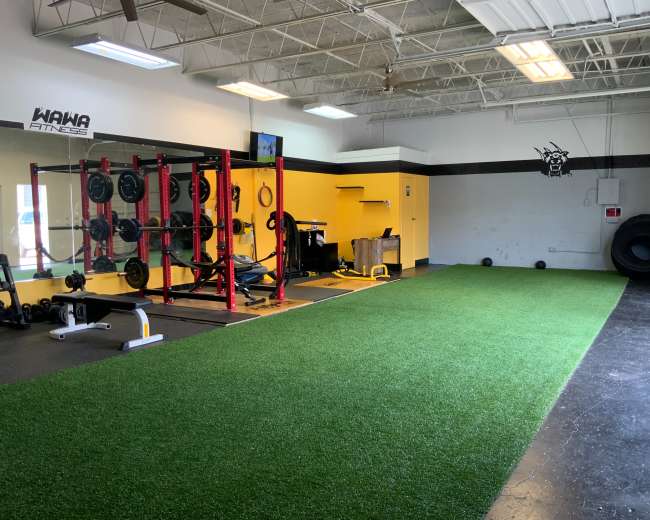
Private Fitness studio- Near Downtown West Palm Beach
Westgate, West Palm Beach, FL5.0 (1)
30 guests
LGW Mediaworks Studio
West Palm Beach, FL5.0 (3)
15 guests
Luxe West Palm Oasis — Poolside Event & Shoot-Ready Home
Old Northwood Historic District, West Palm Beach, FL30 guests
Authentic Medical Clinic Available for Photo Shoots, Video Shoots & Brand Content
Villages of Palm Beach Lakes, West Palm Beach, FL25 guests
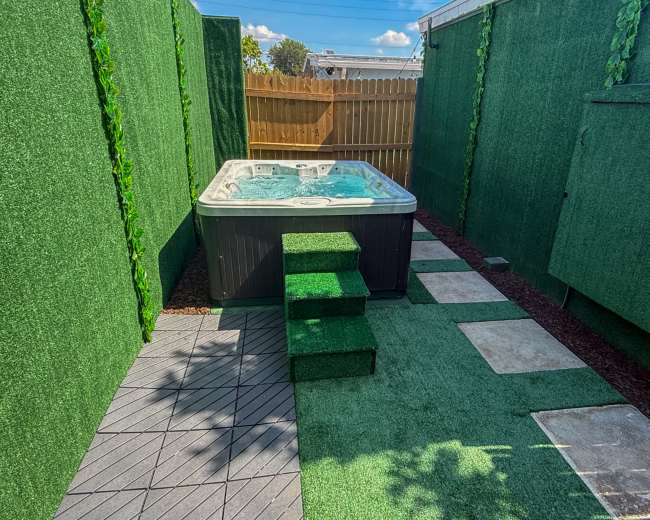
Bali inspired home near downtown and beaches
West Palm Beach, FL5.0 (6)
12 guests
Stylish Studio near Downtown for your next Production
West Palm Beach, FL5.0 (2)
4 guests
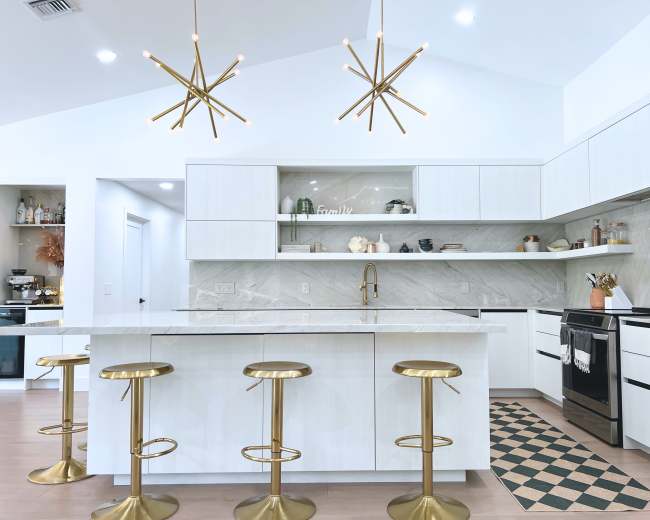
Chic, modern home with natural light and pop of color!
Westgate, West Palm Beach, FL6 guests
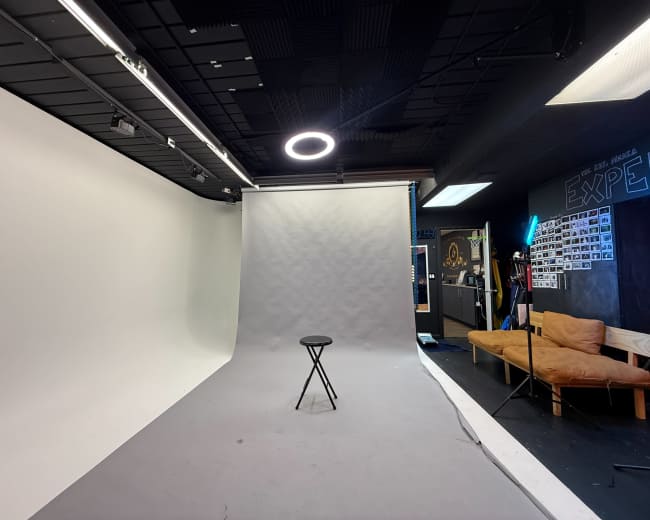
Natural Light Photo and Content Studio
Mangonia Park, West Palm Beach, FL4.9 (35)
15 guests
Aura Studio
Mangonia Park, West Palm Beach, FL5.0 (2)
6 guests
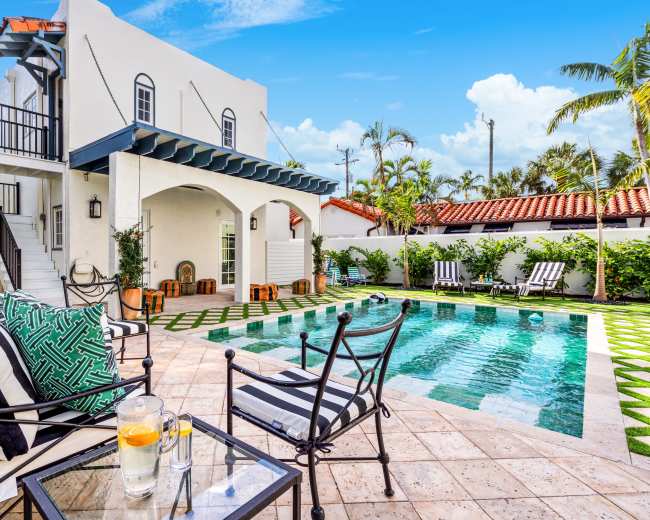
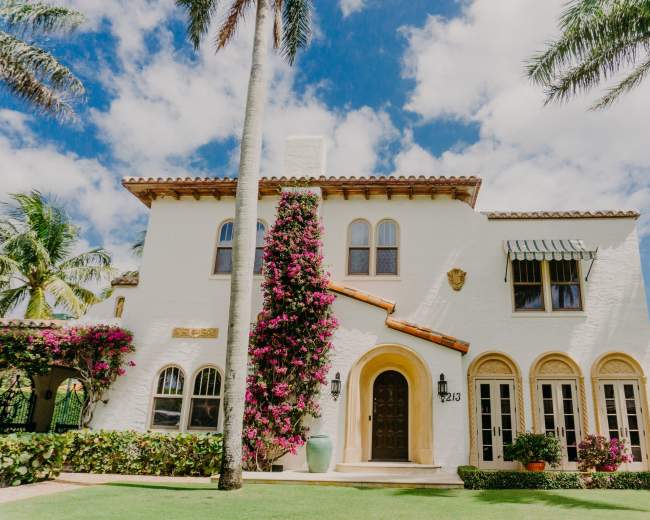
Enchanting 1920s Mediterranean Spanish-style Home
Southside, West Palm Beach, FL4.5 (2)
30 guests
100 Year Old Spanish Style Compound on 1/2 Acre
Parker Ridge, West Palm Beach, FL4.9 (28)
40 guests
Charming Beachside Retreat: Versatile 2BR/1BA Haven for Events, Meetings, Shoots, Workshops, Etc.
Parker Ridge, West Palm Beach, FL4.3 (6)
20 guests
Boardwalk Studios
West Palm Beach, FL5.0 (1)
10 guests
Upperoom Studios
West Palm Beach, FL5.0 (1)
5 guests
Tranquilo Stays
West Palm Beach, FL5.0 (3)
50 guests
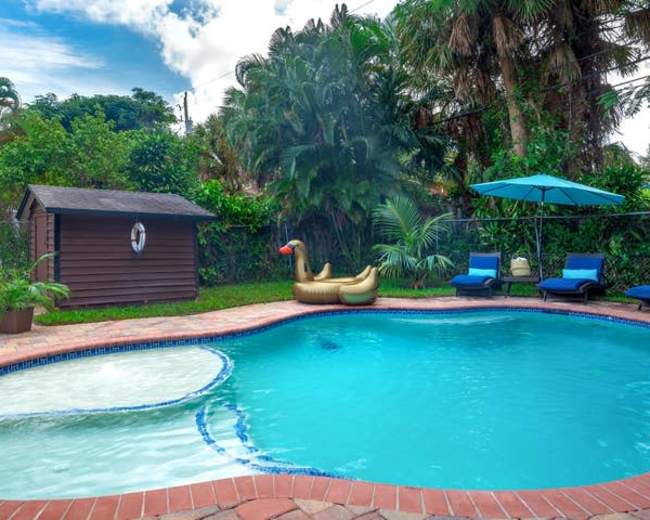
Backtard oasis with crystal clear pool
Lakeside Green, West Palm Beach, FL4.3 (4)
20 guests
Spacious Home with patio area
Greenacres, West Palm Beach, FL25 guests
Forever Now Eden (Gardens)
The Acreage, West Palm Beach, FL60 guests
Studio Inc.
Palm Beach Country Estates, West Palm Beach, FL5.0 (1)
181 guests
Pricing and popularity information in this section is based on proprietary Peerspace booking data, reflecting recent booking activity and the latest data available through September 2026.
Photo studios in West Palm Beach average $116 per hour to rent, but it’s easy to spend less or more depending on what you’re looking for.
Most photo studios are scheduled for 4 hours, with 6 people in attendance. You’ll find the most Photo Studios starting between 1:00 PM and 2:00 PM.
Our local hosts have welcomed 703 people into their photo studios with reviews averaging 4.97 stars. 100% of guests said they'd book again.
Saturdays are the most popular day for booking photo studios in West Palm Beach. For those seeking a deal, consider booking Sunday and Saturday as these days are 18% cheaper on average.


