Sun
Mon
Tue
Wed
Thu
Fri
Sat
$200/hr$150/hr$100/hr$50/hr
Peerspace is the easiest way to book unique spaces for meetings. We also have spaces for productions and events.
Discover SpacesEvery day we uncover new, creative spaces perfect for your corporate meeting — from neighborhood gardens, expansive rooftops, trendy office spaces, and beyond.
Our spaces are priced to fit your budget. Hire by the hour for your meeting without worrying about hidden fees.
No more messy contracts. We build the tools to make booking a space for your corporate meeting as easy as the click of a button.
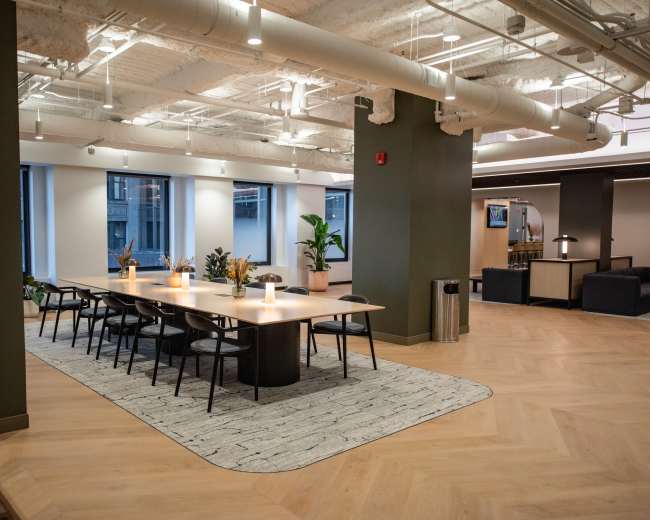
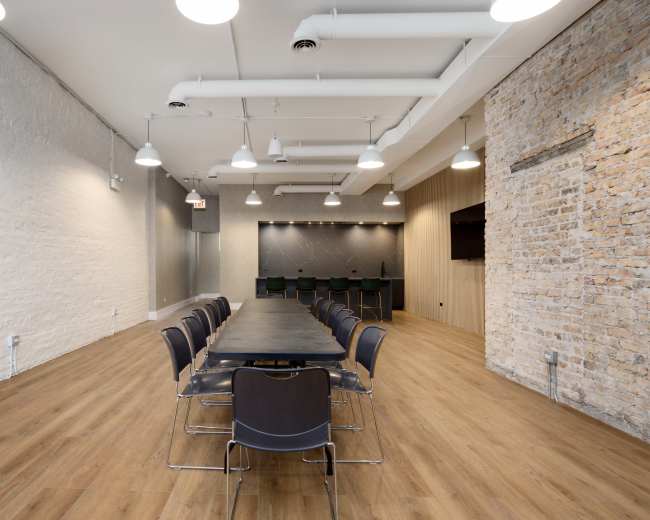
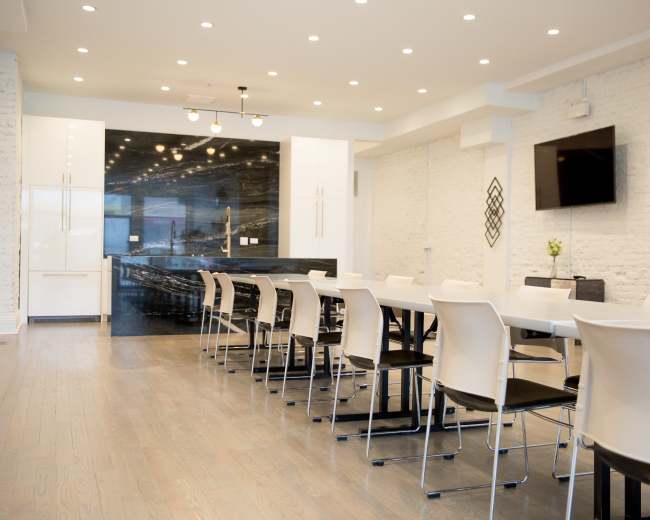
One Events Amenity Floor: All the Essentials on One Floor
Chicago Loop, IL412 guests
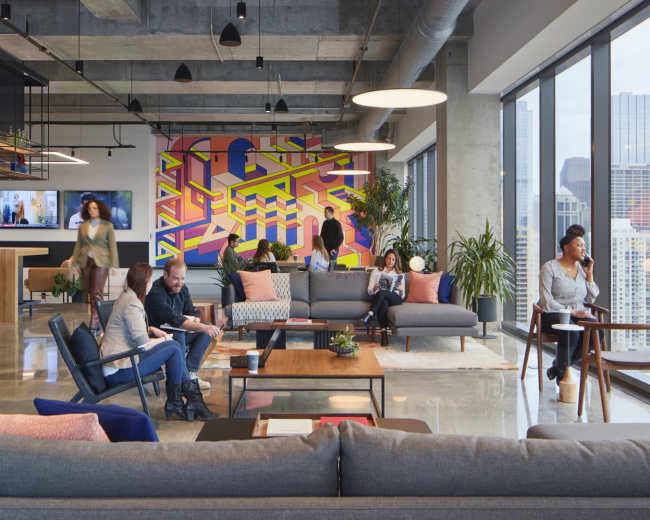
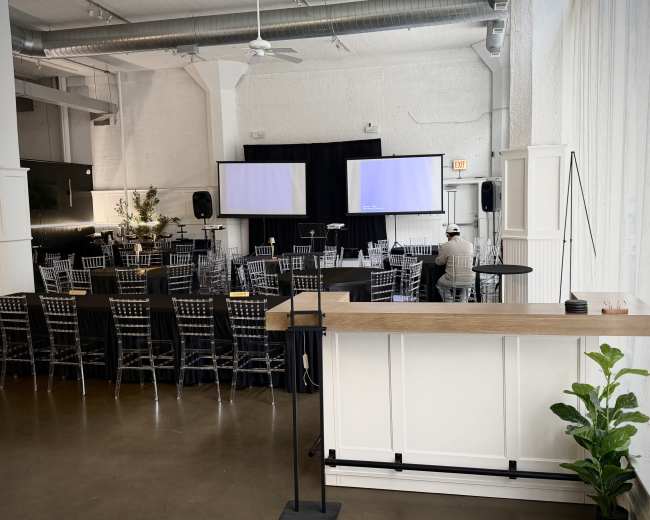
Fulton Social: Skyline Views, Game Room Fun, and Memorable Venue
Near West Side, Chicago, IL191 guests
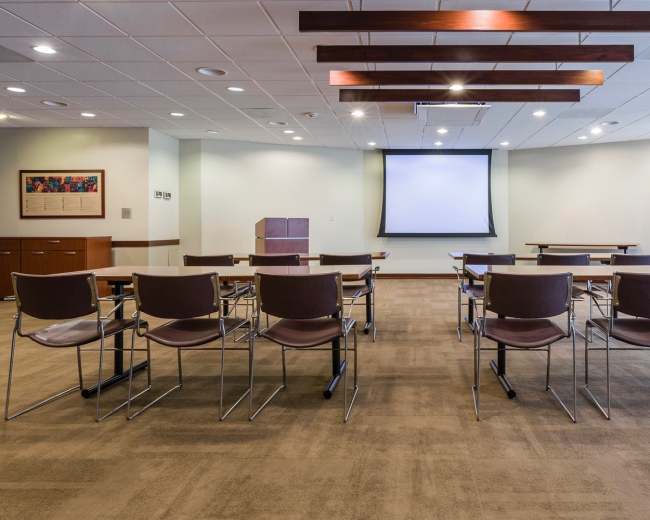
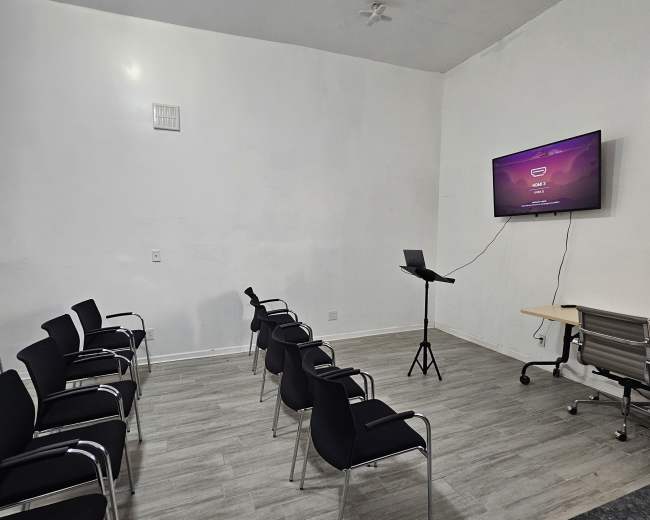
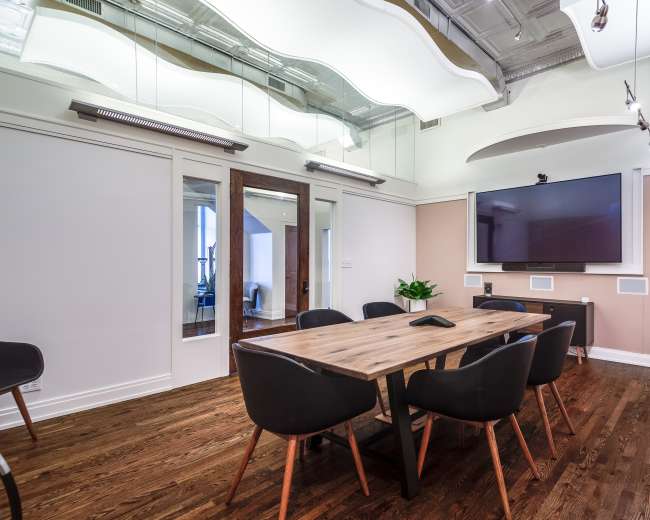
Versatile and Comfortable Meeting Space for Corporate Meetngs & Social Gatherings
Greater Grand Crossing, Chicago, IL65 guests
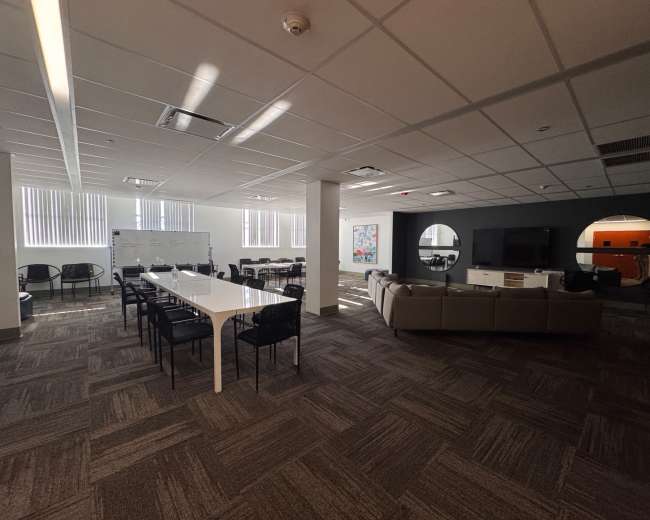
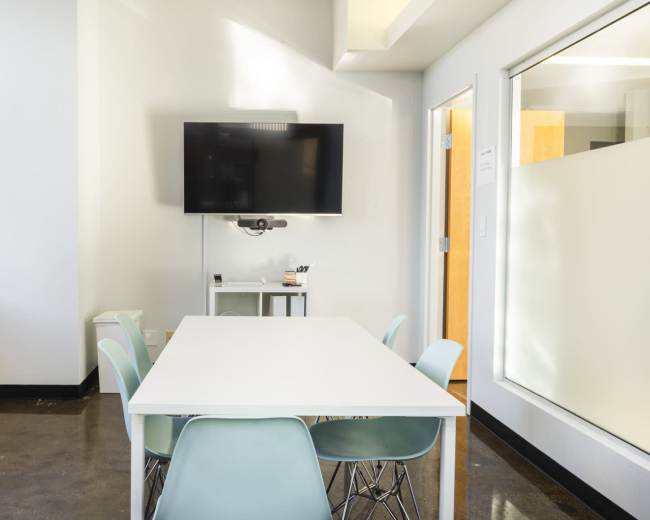
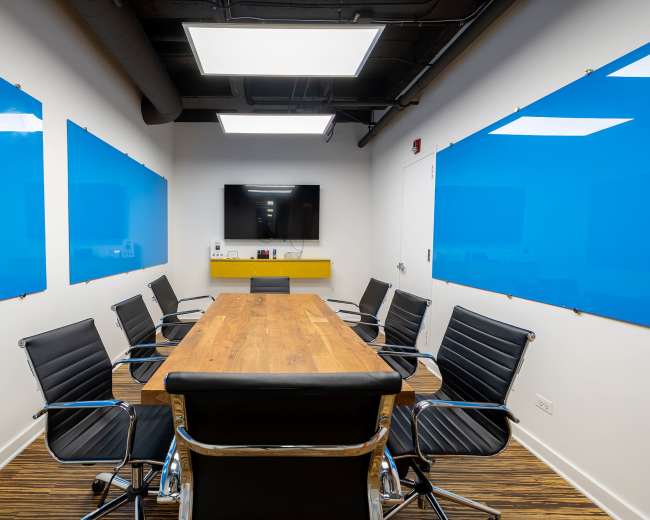
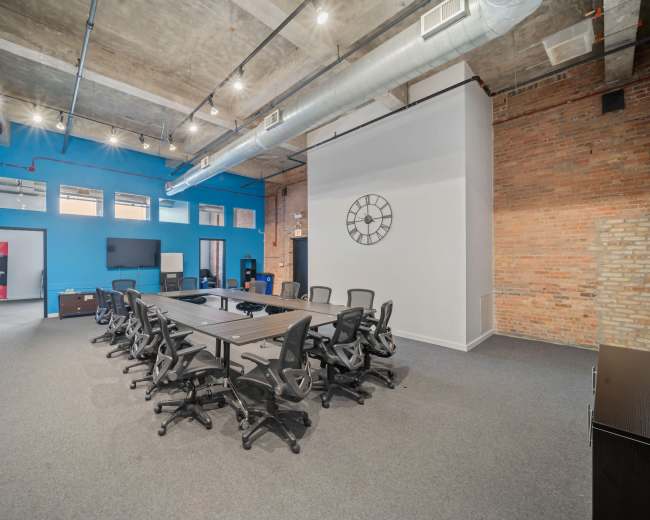
Conference Room in Industrial Co-Working Space
Canaryville, Chicago, IL5.0 (1)
30 guests
The Portage Park Venue: Meetings & Workshops
Portage Park, Chicago, IL4.9 (260)
80 guests
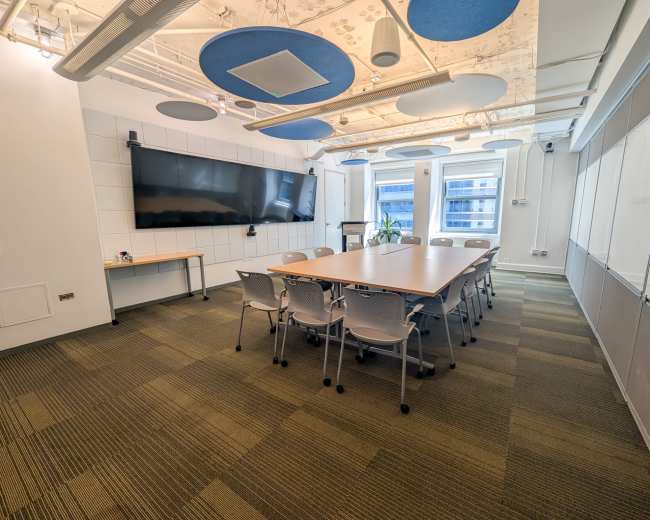
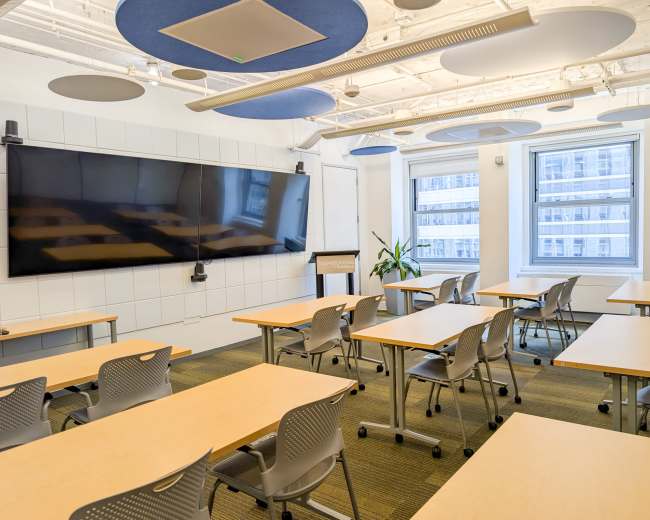
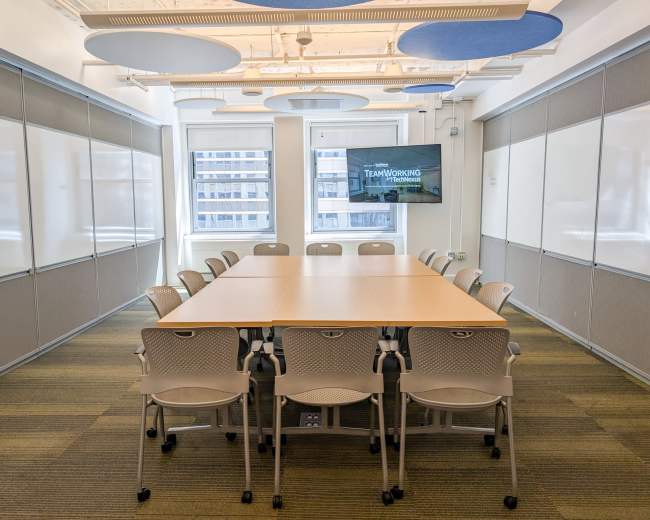
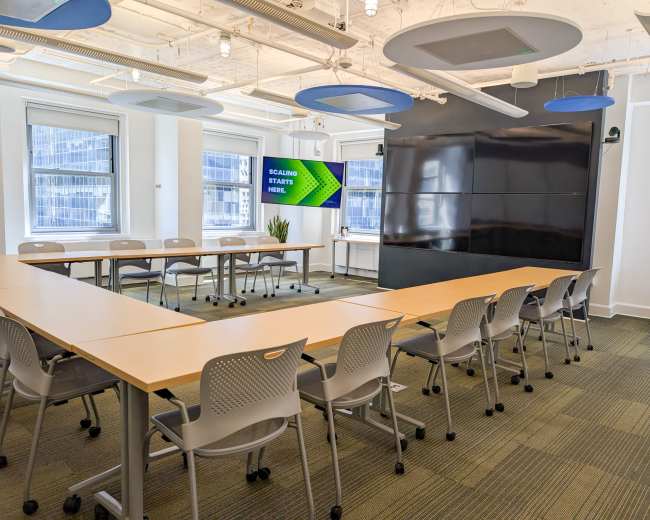
Virtual Enabled Meeting Rooms with City Views | Ideal for In-Person & Virtual Off-sites | Bright & Modern in a Tech-focused Shared Workspace! Conference Room A
Chicago Loop, IL5.0 (14)
16 guests
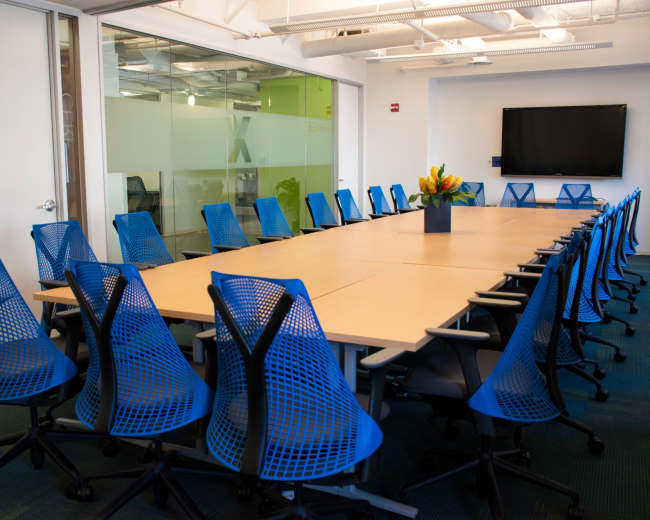
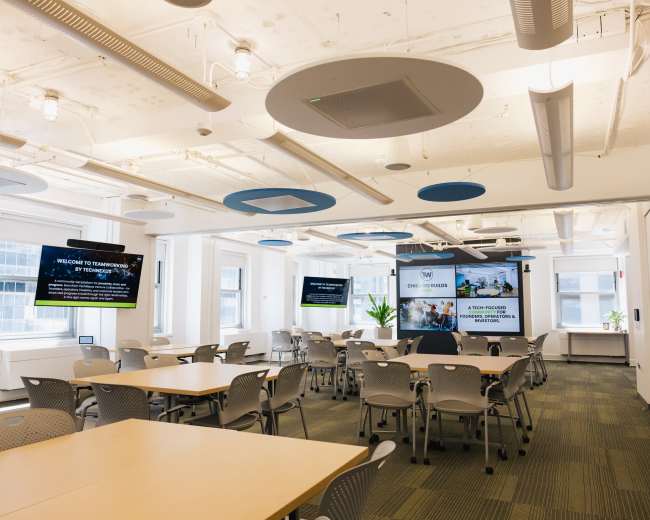
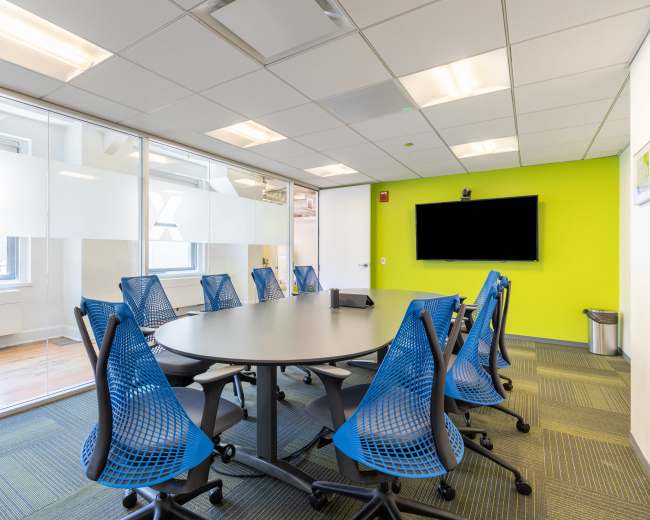
Virtual Enabled Meeting Rooms with City Views | Ideal for In-Person & Virtual Off-sites | Bright & Modern in a Tech Focused Shared Workspace! Babbage + Cerf Boardroom
Chicago Loop, IL4.9 (29)
24 guests
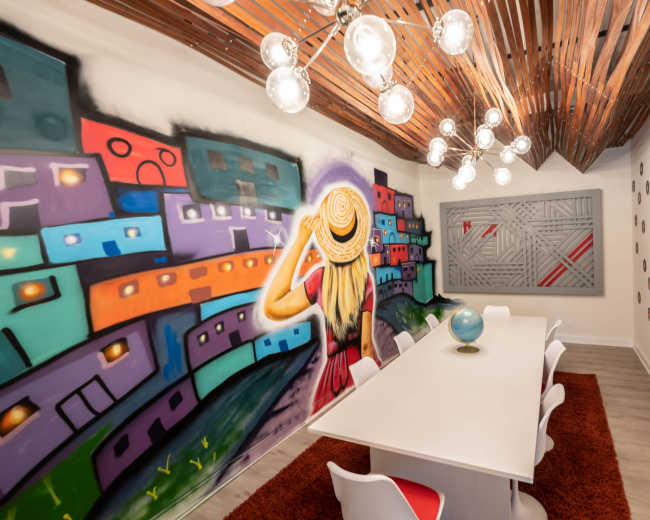
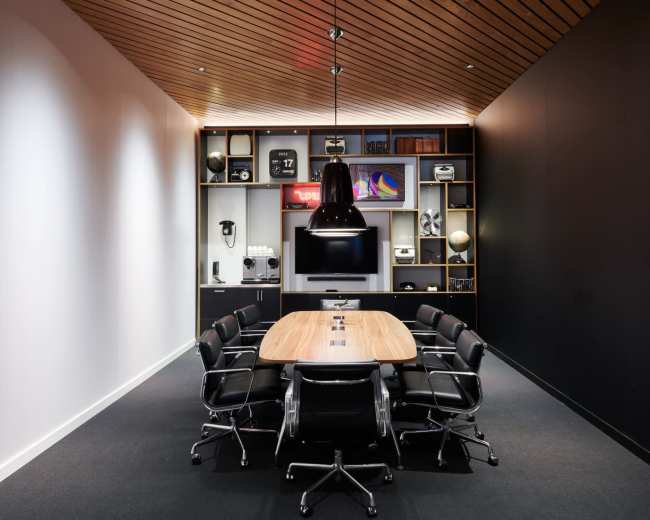
Dynamic Meeting Space with Artistic Vibe and Modern Touches
Lincoln Park, Chicago, IL5.0 (1)
15 guests
Modern Meeting Space in Chicago’s South Loop
Near South Side, chicago, IL5.0 (1)
100 guests
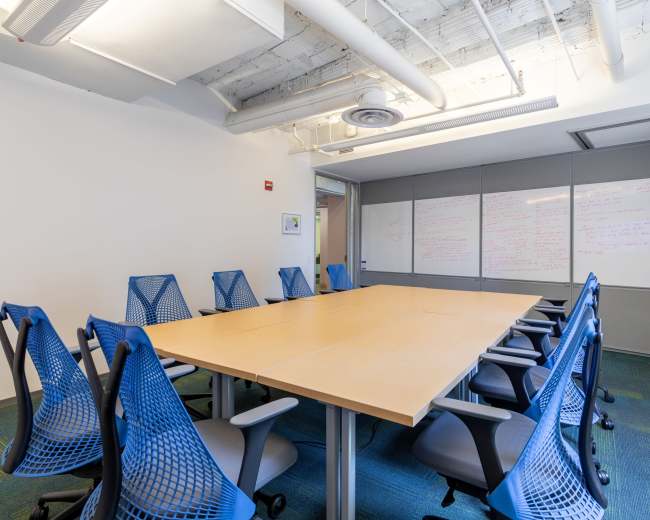
Virtual Enabled Meeting Rooms with City Views | Ideal for In-Person & Virtual Off-sites | Bright & Modern in a Tech Focused Shared Workspace! Conference Rooms A + B
Chicago Loop, IL4.9 (22)
36 guests
Virtual Enabled Meeting Rooms with City Views | Ideal for In-Person & Virtual Off-sites | Bright & Modern in a Tech Focused Shared Workspace! Conference Rooms C + D
Chicago Loop, IL4.9 (30)
42 guests
Private Meeting Room & Office 3:7 at Two Thirty
Near North Side, Chicago, IL6 guests
Virtual Enabled Meeting Rooms with City Views | Ideal for In-Person & Virtual Off-sites | Bright & Modern in a Tech Focused Shared Workspace! Conference Room B
Chicago Loop, IL5.0 (10)
18 guests
Virtual Enabled Meeting Rooms with City Views | Ideal for In-Person & Virtual Off-sites | Bright & Modern in a Tech Focused Shared Workspace! Lovelace Boardroom
The Loop, Chicago, IL4.9 (17)
10 guests
Virtual Enabled Meeting Rooms with City Views | Ideal for In-Person & Virtual Off-sites | Bright & Modern in a Tech Focused Shared Workspace! Cerf Boardroom
Chicago Loop, IL5.0 (42)
10 guests
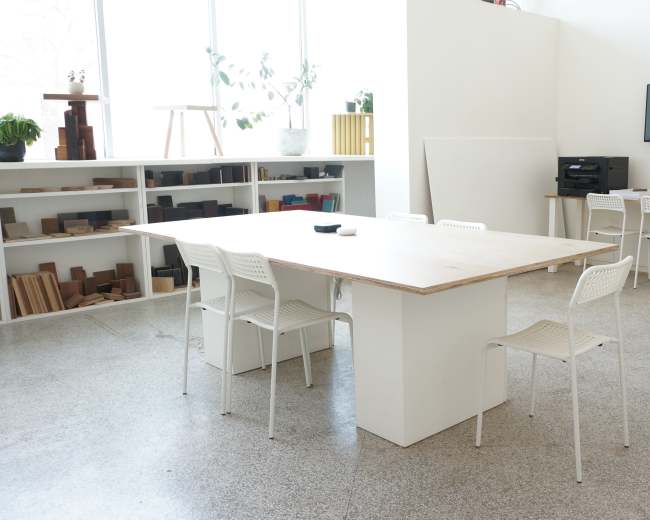
Sophisticated and Unique Meeting & Workshop Space in Logan Square
Logan Square, Chicago, IL5.0 (3)
50 guests
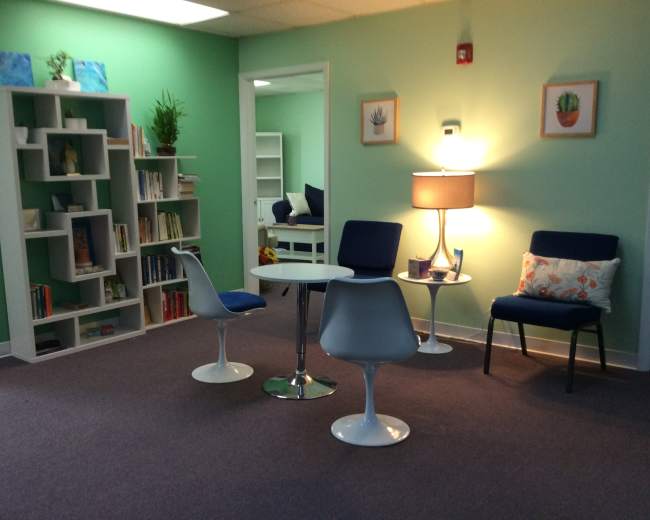
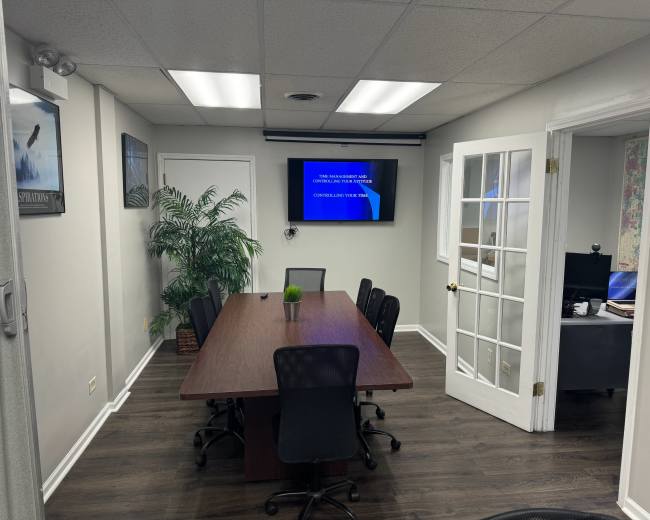
Unique Office suite with meeting space and break out rooms . Includes waiting room, 2 large group meeting spaces and 2 smaller office spaces
Downers Grove Township, Burr Ridge, IL5.0 (2)
40 guests
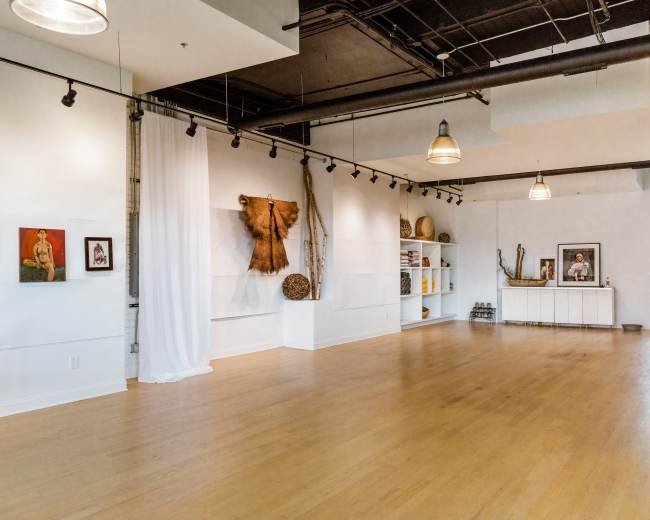
1400sf Sunny Storefront Gallery in Logan Square - meetings, events, photo/video
Logan Square, Chicago, IL5.0 (3)
50 guests
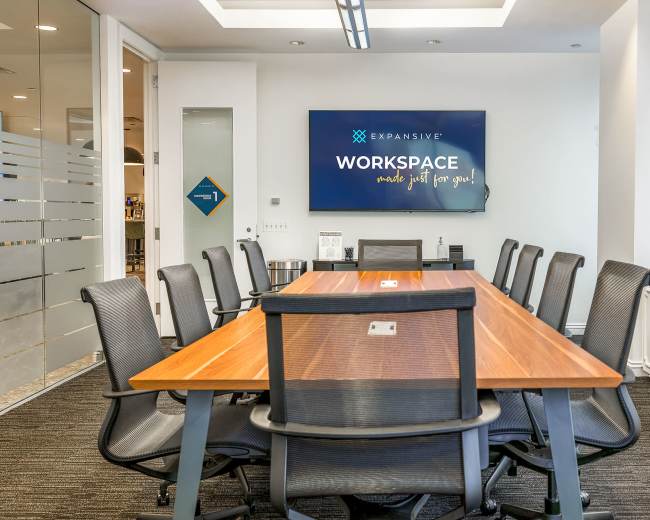
Conference Room 1
Chicago Loop, IL10 guests
Convenient 8 Person Capacity Meeting Room (Easily Accessible in Elmhurst)
Addison Township, Elmhurst, IL5.0 (14)
8 guests
Conference Room 15
Chicago Loop, IL8 guests
Meeting room 2 Chicago Downtown
Chicago Loop, IL4.8 (9)
8 guests
Virtual Enabled Meeting Rooms with City Views | Ideal for In-Person & Virtual Off-sites | Bright & Modern in a Tech Focused Shared Workspace! Conference Room D
Chicago Loop, IL4.8 (17)
24 guests
Conference Room
Near North Side, Chicago, IL4.5 (2)
11 guests
Meeting Room in Industrustrial Co-Working Space
Canaryville, Chicago, IL6 guests
Meeting room 1 Chicago Downtown
Chicago Loop, IL4.9 (17)
9 guests
Fully Equipped Modern Tech Conference Room with Cafe in Historic Pullman
South Side, Chicago, IL15 guests
Bright Turnkey Training & Meeting Space with Smart TV, WiFi & Free Parking
Worth Township, Oak Lawn, IL8 guests
The Vault: An Iconic Space Amply Equipped For Today's Board Meetings
OAK PARK, IL5.0 (10)
12 guests
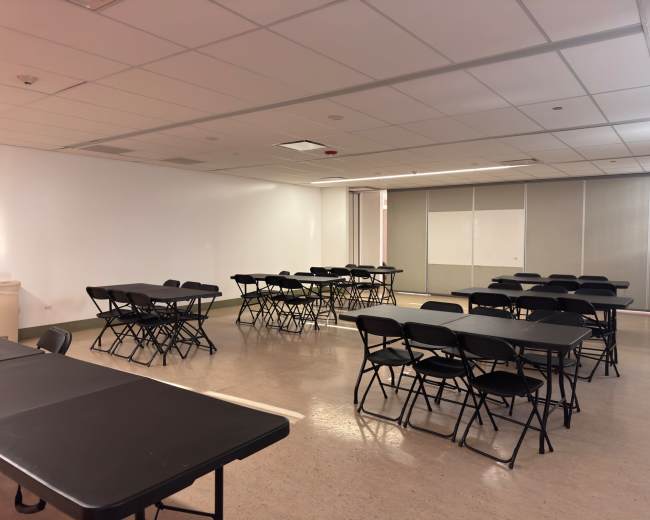
Versatile Flex Space with Dividable Layout & Complimentary Tables and Chairs
Greater Grand Crossing, Chicago, IL250 guests
Furnished Street-level 3600 Sq Ft Meeting Space w/ High Ceilings & Working Kitchen
Lake View, Chicago, IL5.0 (17)
25 guests
Pricing and popularity information in this section is based on proprietary Peerspace booking data, reflecting recent booking activity and the latest data available through October 2026.
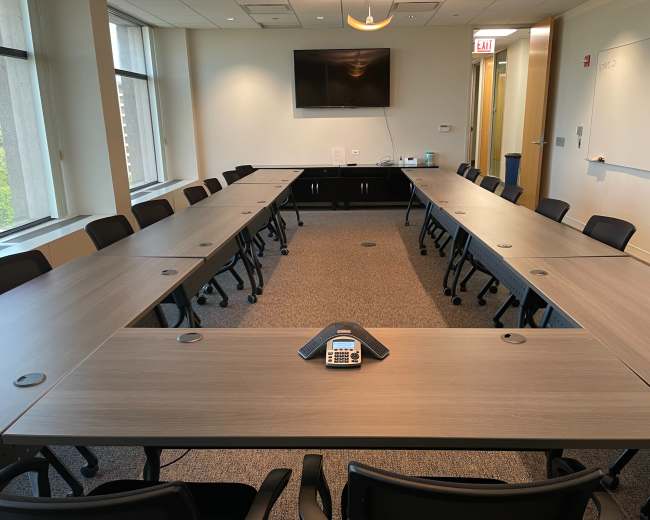
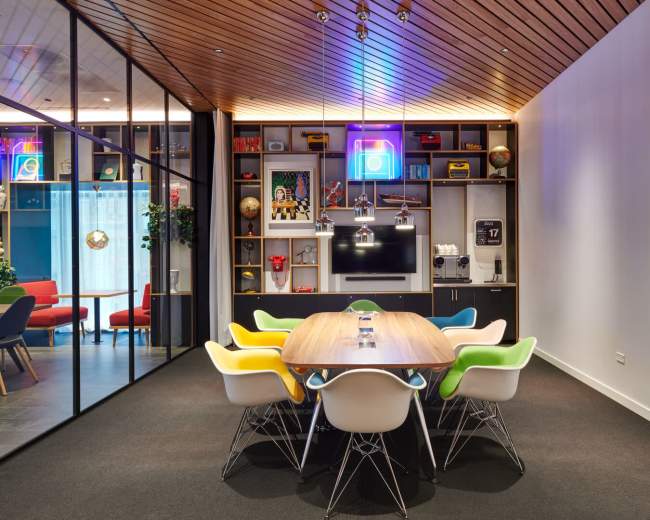
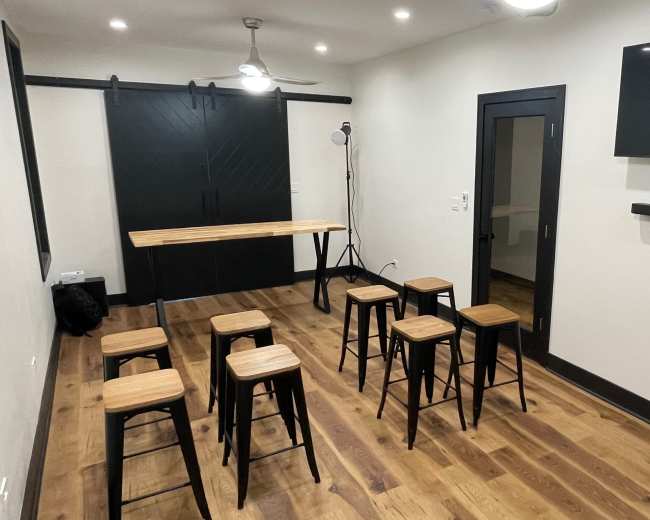
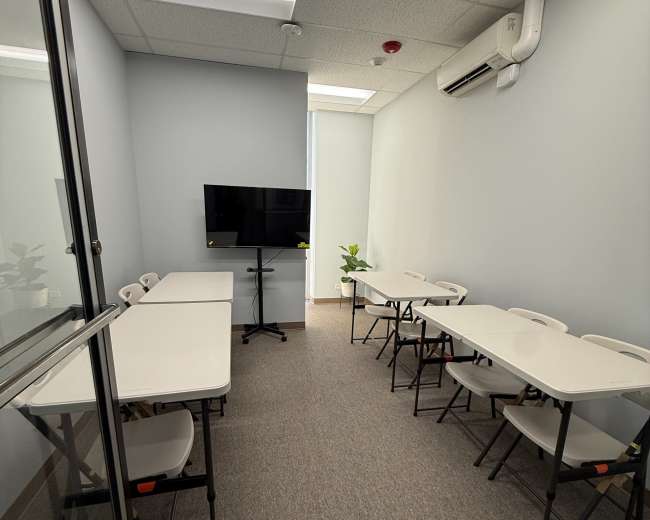
Meeting rooms in Chicago average $83 per hour to rent, but it’s easy to spend less or more depending on what you’re looking for.
Most meeting rooms are scheduled for 5 hours, with 15 people in attendance. You’ll find the most Meetings starting between 12:00 PM and 1:00 PM.
Our local hosts have welcomed 7536 people into their meeting rooms with reviews averaging 4.91 stars. Most even said they would book again -- about 98%.
Saturdays are the most popular day for booking meeting rooms in Chicago. For those seeking a deal, consider booking Sunday and Saturday as these days are 26% cheaper on average.


