Sun
Mon
Tue
Wed
Thu
Fri
Sat
$100/hr$75/hr$50/hr$25/hr
Peerspace is the easiest way to book unique spaces for meetings. We also have spaces for productions and events.
Discover SpacesEvery day we uncover new, creative spaces perfect for your corporate meeting — from neighborhood gardens, expansive rooftops, trendy office spaces, and beyond.
Our spaces are priced to fit your budget. Hire by the hour for your meeting without worrying about hidden fees.
No more messy contracts. We build the tools to make booking a space for your corporate meeting as easy as the click of a button.
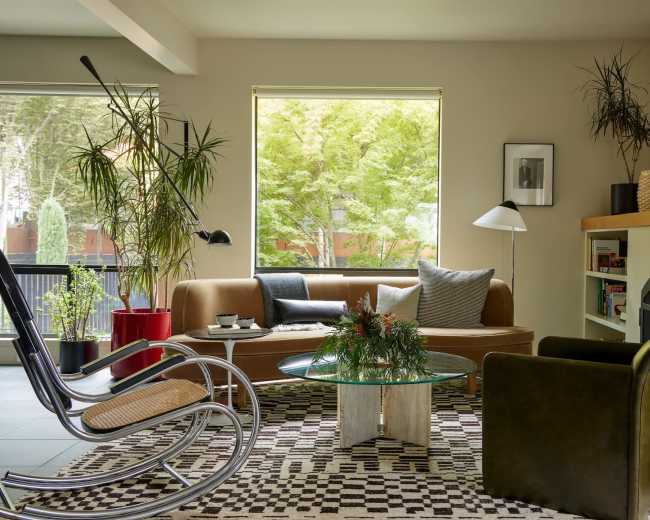
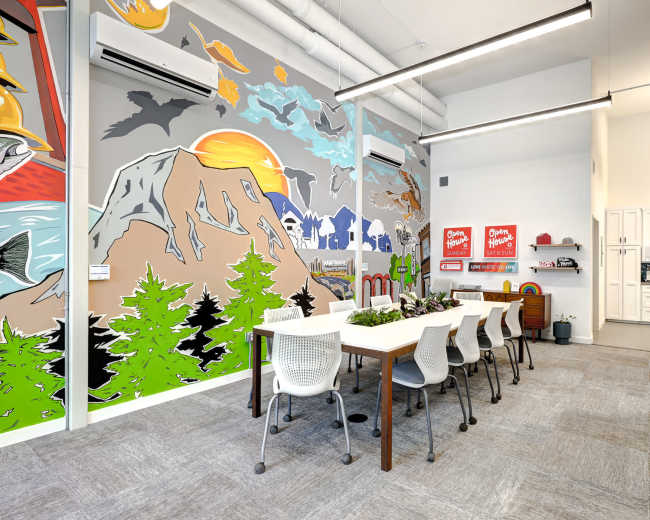
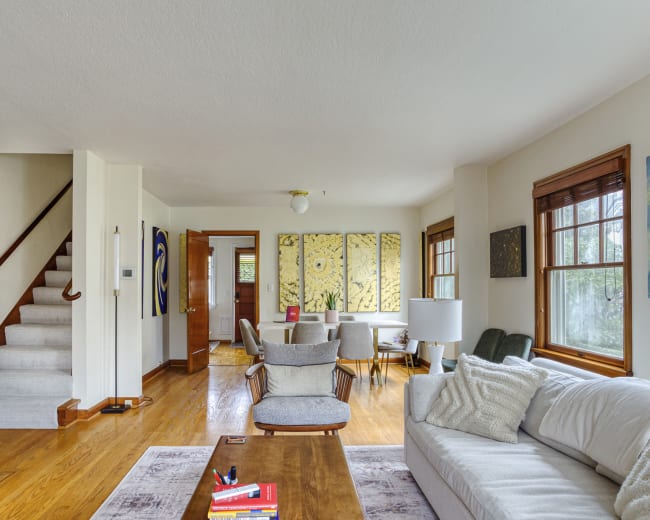
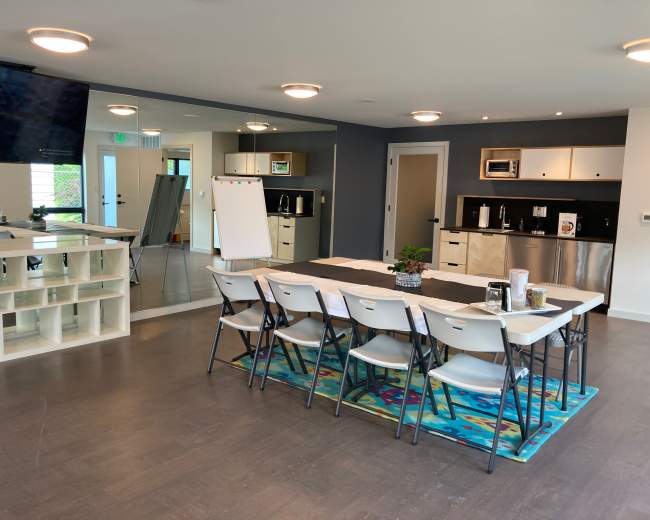
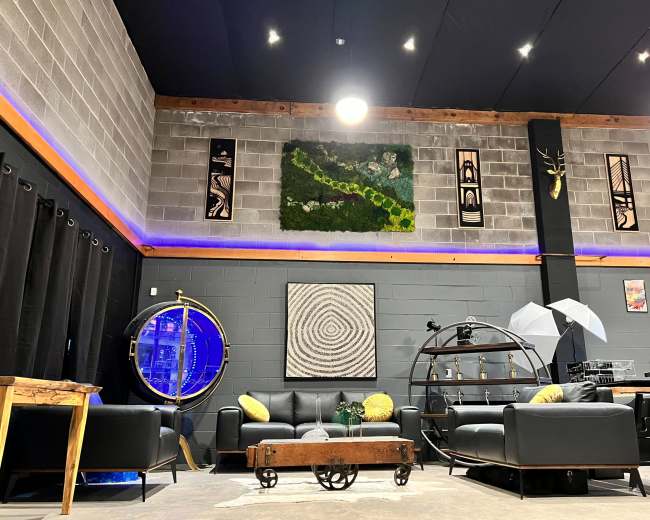
Truly Unique! Designer Lounge and Meeting Space with Kitchen and Serene Outdoor Oasis
Northwest Portland, OR5.0 (2)
50 guests
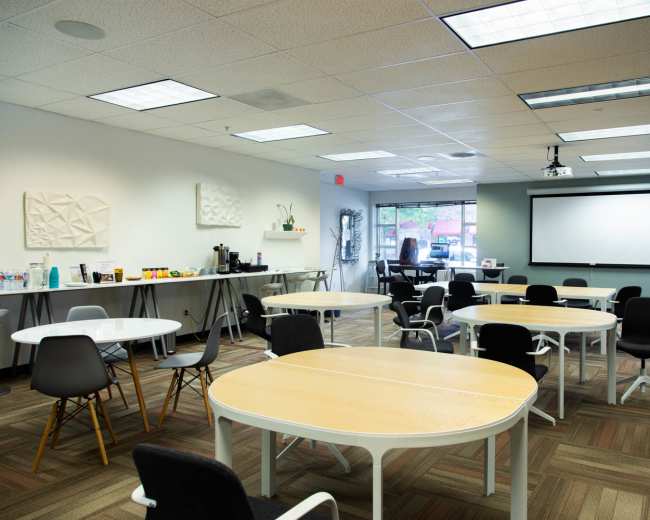
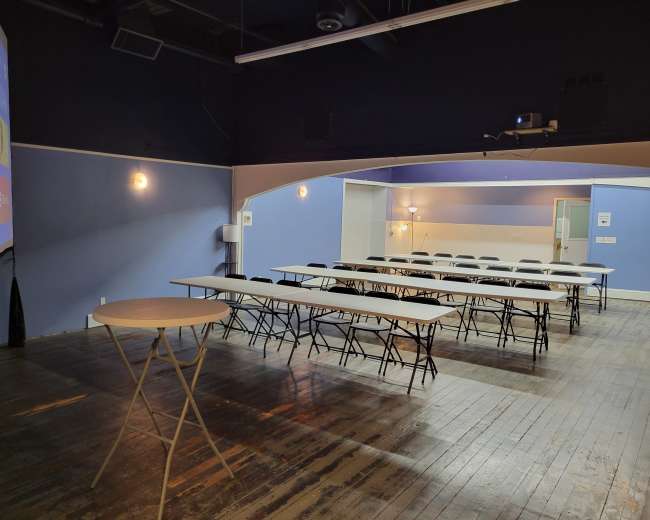
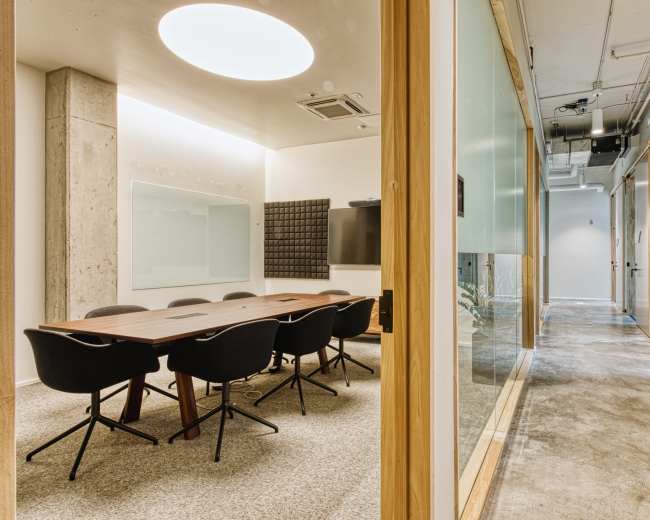
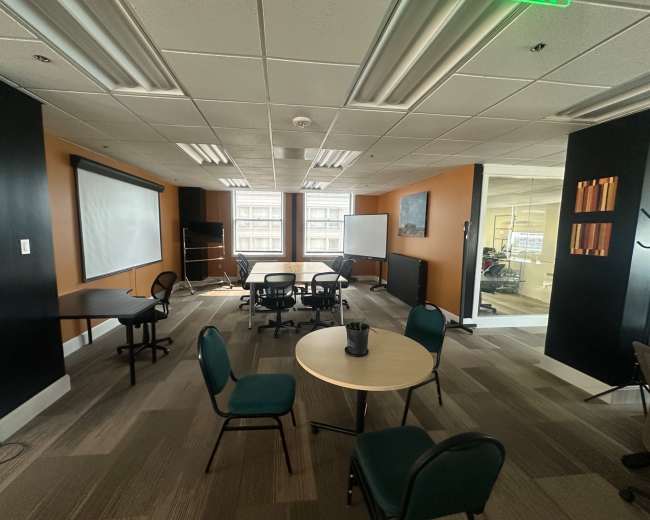
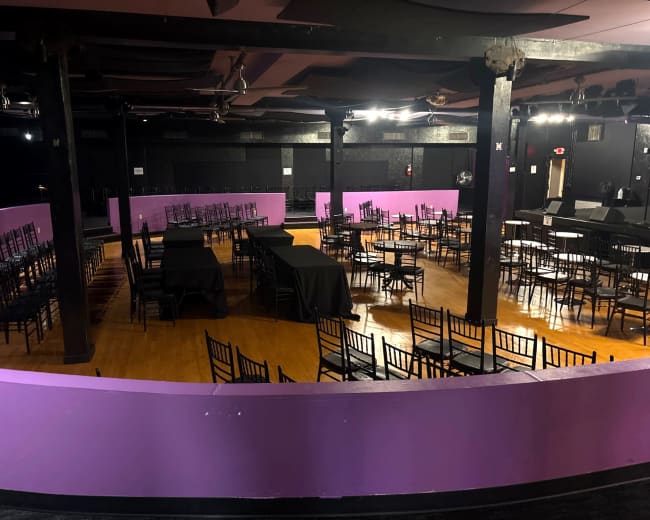
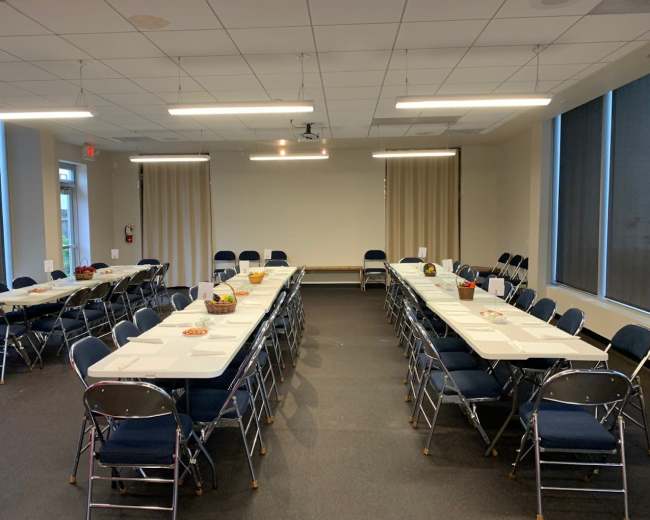
Inspiring Meeting Environment w/ Projector & Ample Seating
Sullivan's Gulch, Portland, OR5.0 (172)
50 guests
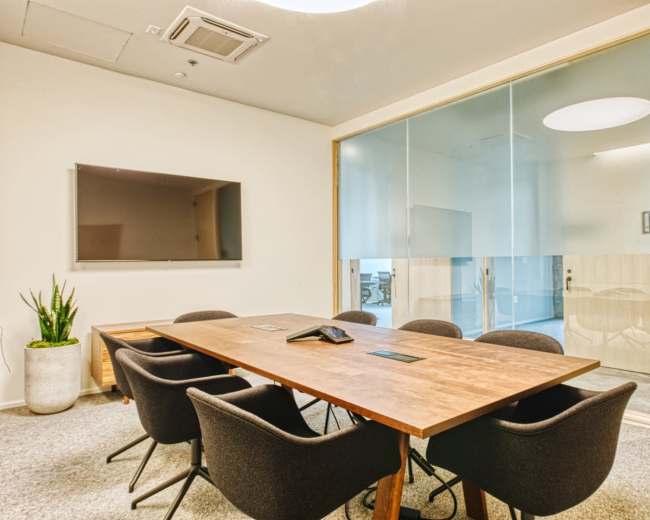
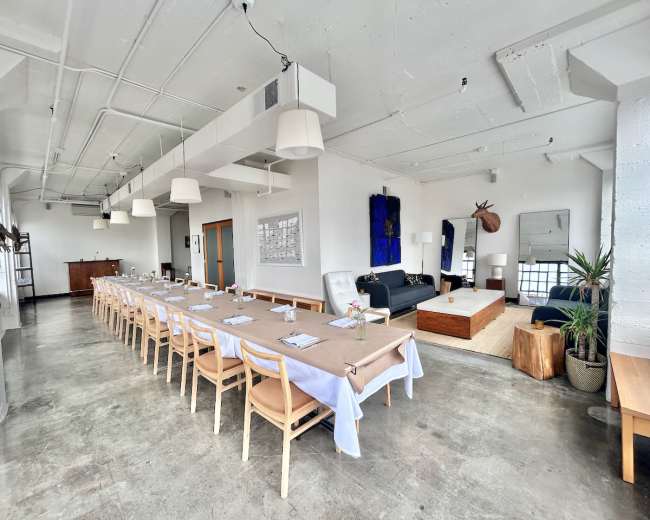
Urban Office Meeting Rooms in fabulous Neighborhood
Boise, Portland, OR50 guests
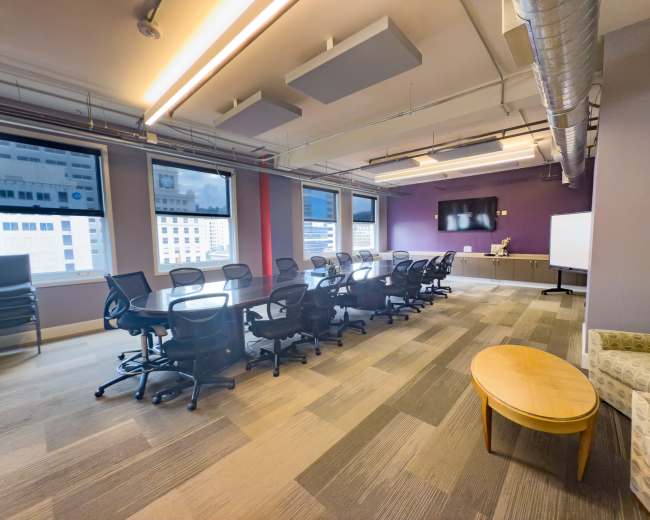
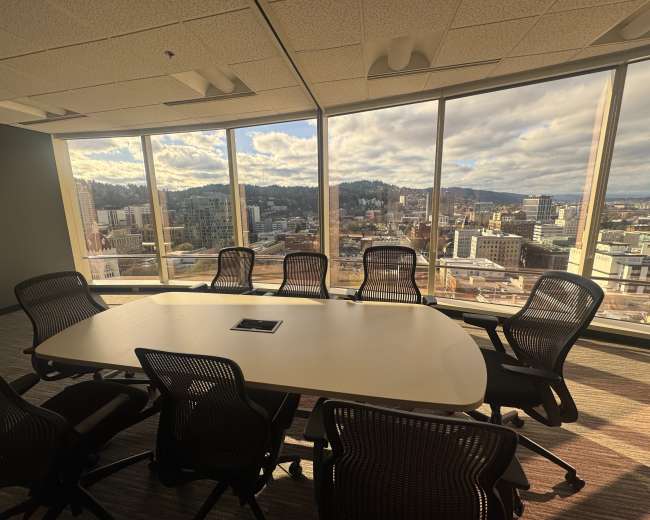
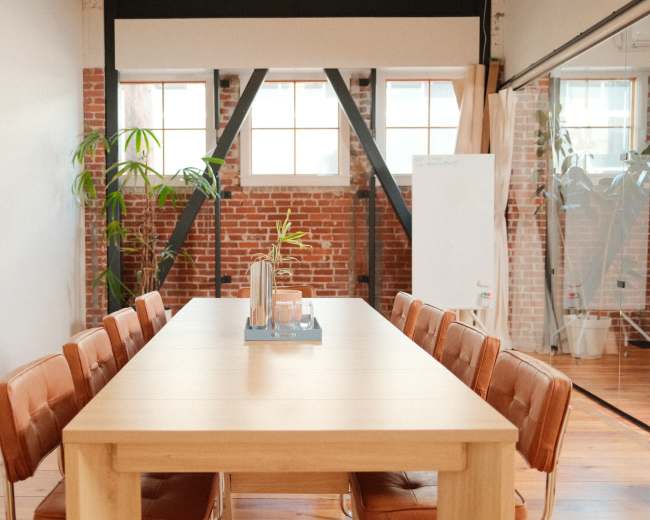
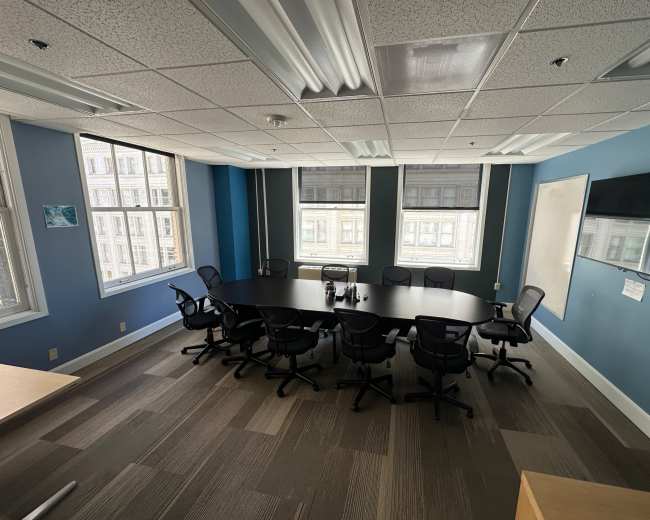
Executive Board Room Meeting Space - Views of the Pioneer Square & Downtown Metro
Southwest Portland, OR4.7 (21)
35 guests
Light and Cozy Meeting Room Located In the Heart of Multnomah Village
Southwest Portland, Porltand, OR5.0 (5)
8 guests
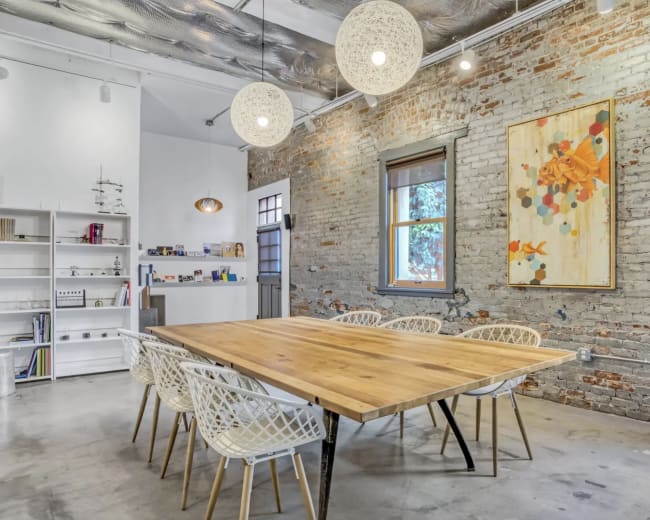
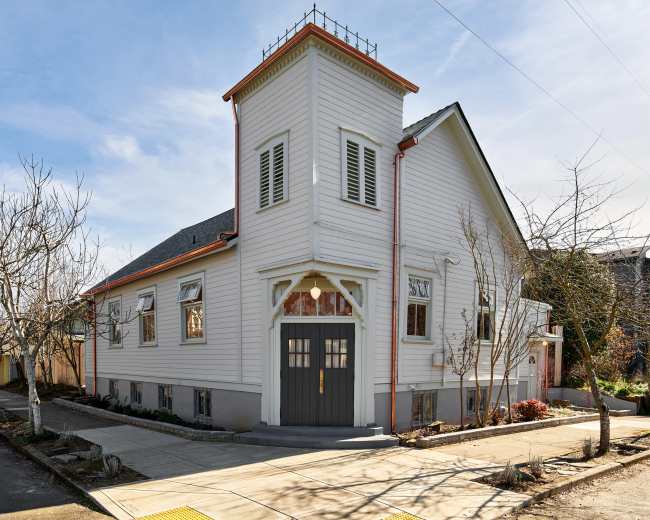
Historic Meeting Space in Downtown Vancouver
Esther Short, Vancouver, WA60 guests
Conference Room
Southwest Portland, OR75 guests
Multnomah Village Conference Room with Lounge
Southwest Portland, OR5.0 (8)
12 guests
Morning Light , Meeting And Strategy Room
Southwest Portland, Portand, OR12 guests
Large, Modern Training Room
Metzger, Tigard, OR12 guests
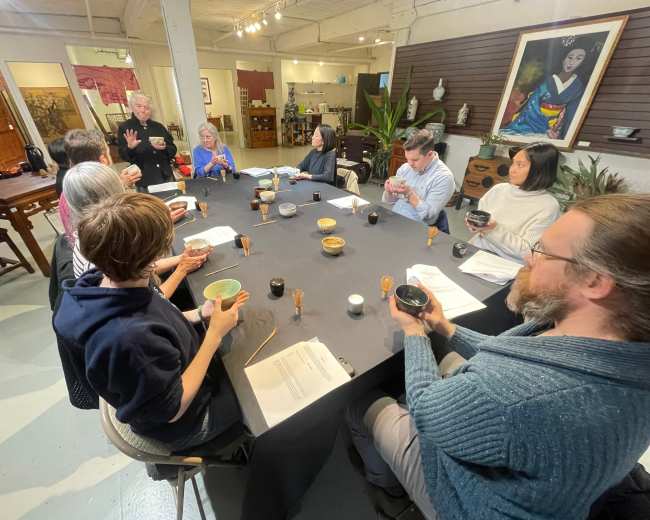
Classical Asian Inspired Bright Meeting Space Inside Oregons Best Japanese Antiques Gallery
Northwest Portland, OR15 guests
Alberta Arts Modern Studio Loft
Alberta, Portland, OR5.0 (3)
50 guests
Fully Furnished, Parisian Inspired Space with Impeccable Natural Light for Any Memorable Gathering
Southeast Portland, OR5.0 (269)
60 guests
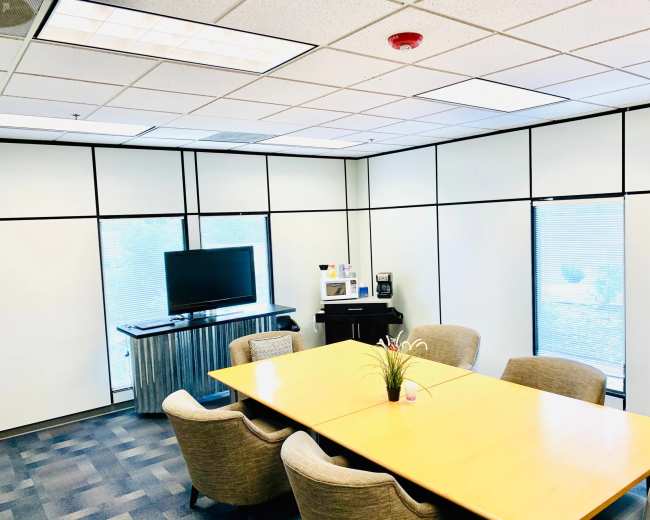
Bright & Spacious Conference Room in Beaverton
Raleigh West, Beaverton, OR4.8 (6)
14 guests
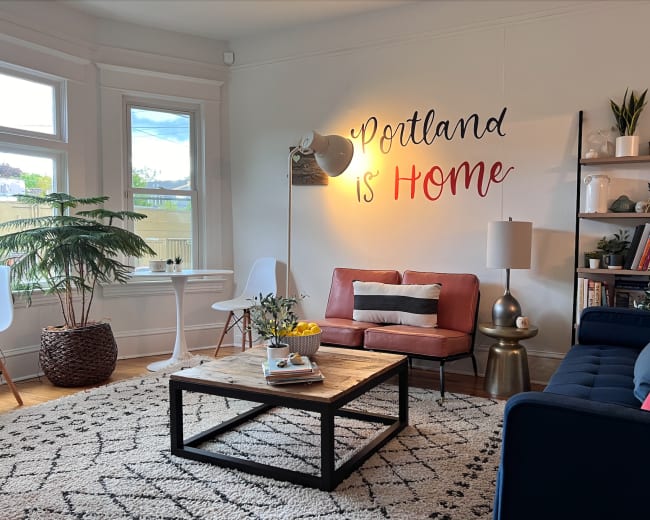
Mid-Century & Classic Portland Vibes at our Vintage Conference Room
Northeast Portland, OR5.0 (4)
14 guests
Studio Room for Business Meetings
Vancouver, WA5.0 (1)
75 guests
Stylish, Comfortable Portland Meeting Space
Sullivan's Gulch, Portland, OR12 guests
Elegant Industrial Space with Warm Lighting & Open Layout
Southeast Portland, OR50 guests
Light-Filled Creative Conference Room with Kitchen in Portland
Southeast Portland, OR5.0 (11)
12 guests
Morning sun , ocean vibe, downtown conference room
Southwest Portland, OR5.0 (1)
12 guests
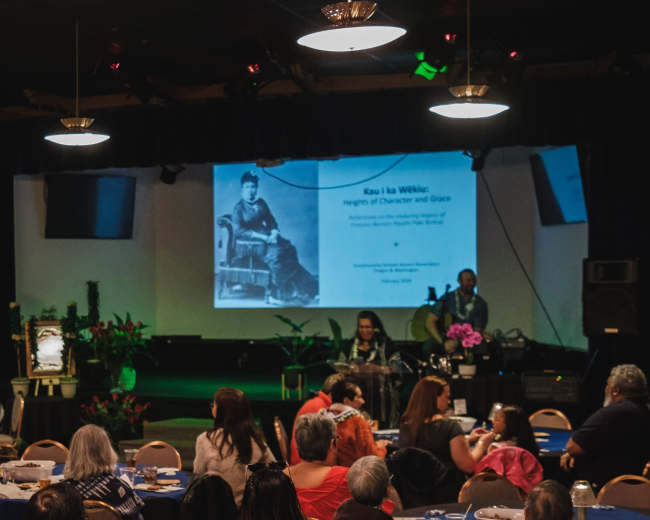
Community Center
Humboldt, Portland, OR4.9 (34)
100 guests
Newly Remodeled, Urban Open Studio Space
Creston - Kenilworth, Portland, OR5.0 (103)
15 guests
Conference Room with Portable TV + Whiteboard
Vancouver, WA5.0 (6)
20 guests
NE Portland Historic Gathering Space with Garden
Northeast Portland, OR5.0 (1)
75 guests
Fopo Creative Flex Space
Southeast Portland, OR30 guests
Urban Event Space in Converted 1920's Garage
Esther Short, Vancouver, WA35 guests
Pricing and popularity information in this section is based on proprietary Peerspace booking data, reflecting recent booking activity and the latest data available through October 2026.
Meeting rooms in Portland average $75 per hour to rent, but it’s easy to spend less or more depending on what you’re looking for.
Most meeting rooms are scheduled for 6 hours, with 16 people in attendance. You’ll find the most Meetings starting between 11:00 AM and 12:00 PM.
Our local hosts have welcomed 1612 people into their meeting rooms with reviews averaging 4.96 stars. Most even said they would book again -- about 99%.
Wednesdays are the most popular day for booking meeting rooms in Portland. For those seeking a deal, consider booking Sunday and Tuesday as these days are 8% cheaper on average.


