
Sun
Mon
Tue
Wed
Thu
Fri
Sat
$100/hr$75/hr$50/hr$25/hr
Peerspace is the easiest way to book unique photo studios for all kinds of productions including photo shoots, film shoots and music videos. We also have spaces for meetings and events.
Discover SpacesEvery day we uncover new, inspirational spaces, including photoshoot studios, perfect for your activity.
Our network of helpful hosts respond quickly, and are well-versed in accommodating all types of productions, including film and photo shoots.
Only pay for what you need. Pay by the hour for your photoshoot studio location without worrying about hidden fees or overtime.
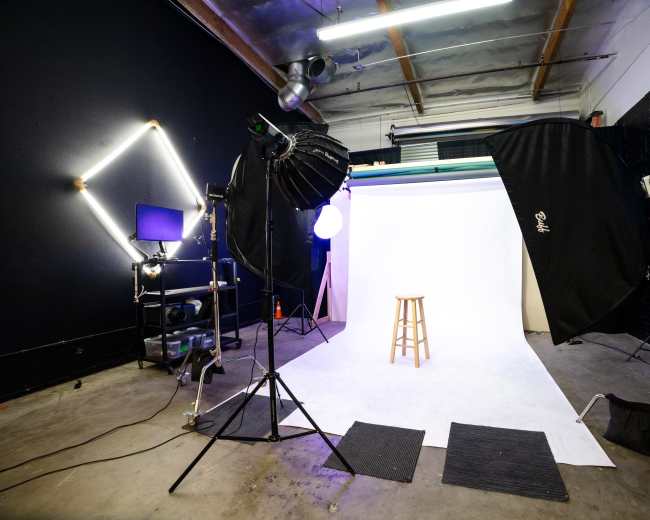
TUKES STUDIOS - Film / Photo Space
Riverside, CA5.0 (117)
30 guests
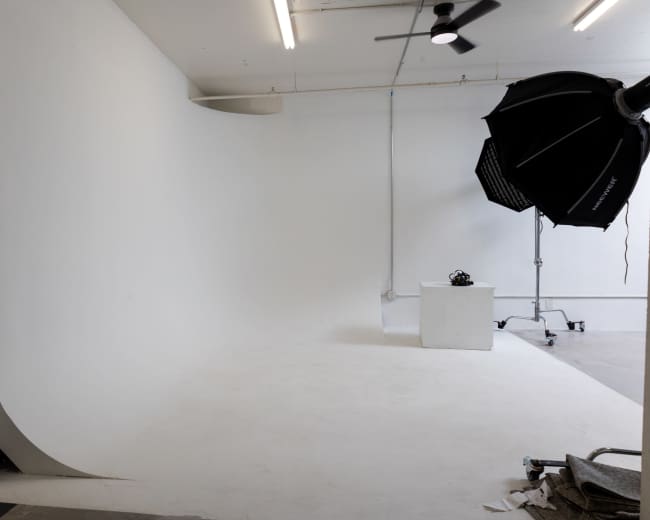
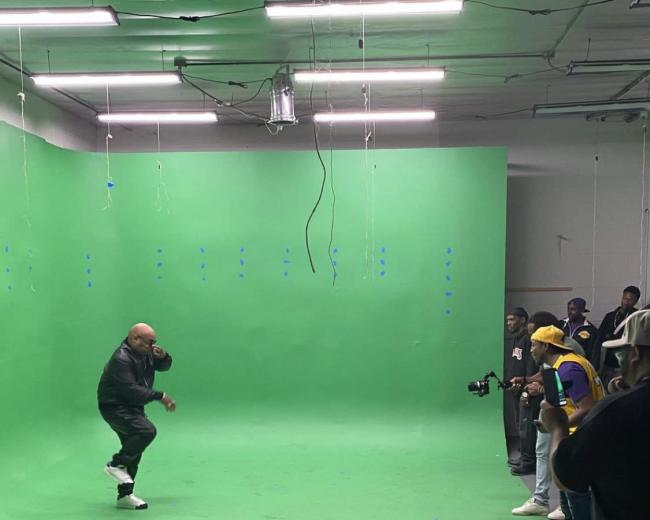
Downtown Brutalist Inspired Cyc Wall Full Setup
Downtown Riverside, CA5.0 (19)
15 guests
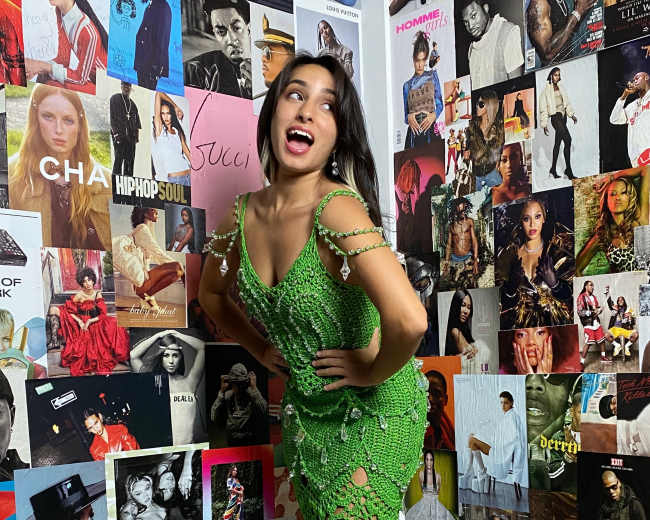
Private Multi Backdrop Photo & Filming Studio
La Sierra, Riverside, CA4.9 (103)
10 guests
Industrial Photography Studio New Riverside Airport
Riverside Airport, CA5.0 (1)
100 guests
Music Video space , Photo, and film
La Sierra, Riverside, CA8 guests
The Creative Loft Riverside
Downtown Riverside, CA5.0 (28)
20 guests
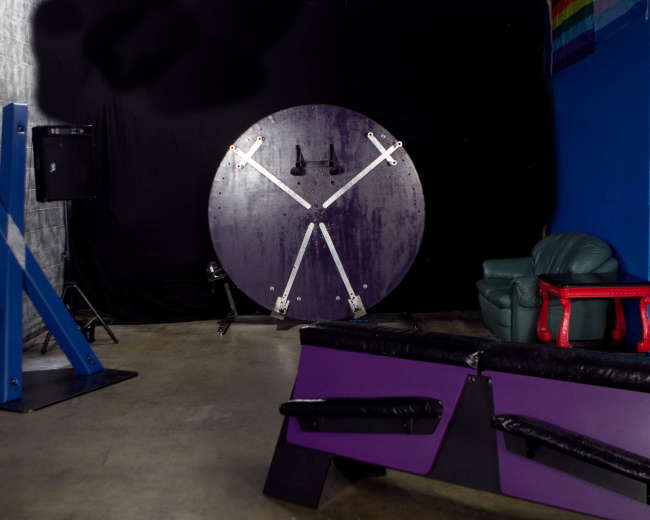
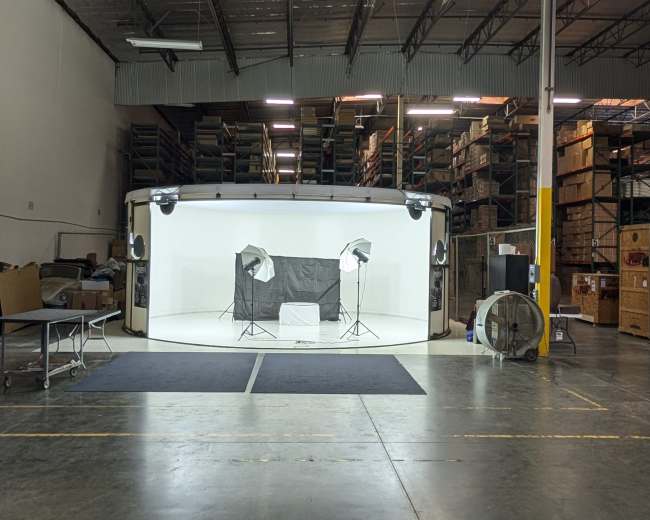
360 Degree Photo Booth with Warehouse Space
Corona, CA5.0 (2)
20 guests
Ontario Spacious Photo Studio with Professional Lighting & Easy Parking
Ontario, CA10 guests
Photo & Video Production Studio + Free Parking
Rialto, CA5.0 (16)
75 guests
Music Studio perfect for pictures/videos or song recording
Corona, CA10 guests
Bright & Airy Modern Home with Natural Light | Perfect for Events, Photoshoots & Creators – All Are Welcome
Eastvale, CA10 guests
Perfect Studio for your Production!
Carousel, CA5.0 (4)
5 guests
Simple modern photo studio
Ontario, CA4.9 (46)
5 guests
Photography Space
Redlands, CA7 guests
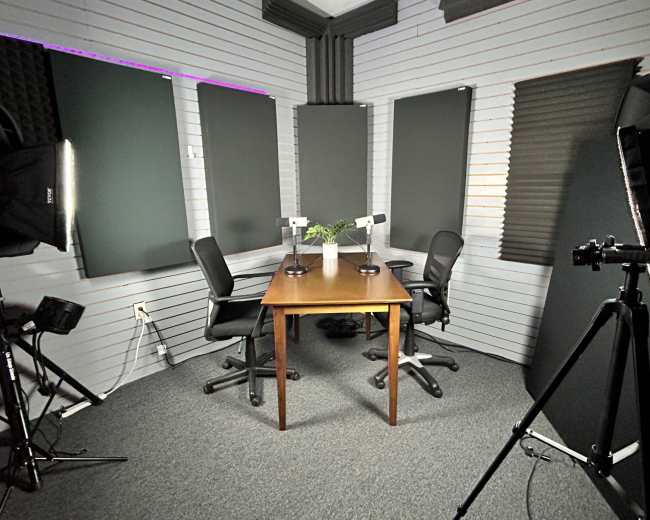
Mountain Ridge Podcast, Photo, and Recording Studio
Perris, CA8 guests
Versatile Production Studio for Photo, Video & Podcast Shoots
Rancho Cucamonga, CA60 guests
Versatile Rancho Cucamonga Studio Space for Photography, Podcasts & Events
Rancho Cucamonga, CA5.0 (25)
60 guests
Creative edit | photography, and content studio Self service 2 rooms 1 waiting area
Rancho Cucamonga, Ontario, CA5.0 (1)
6 guests
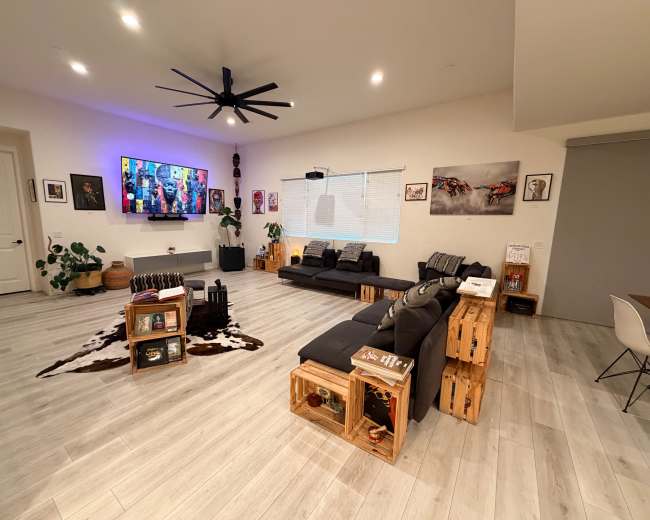
Bright Modern Open-Concept Home | Natural Light + Art Walls for Photo & Video Shoots
Perris, CA18 guests
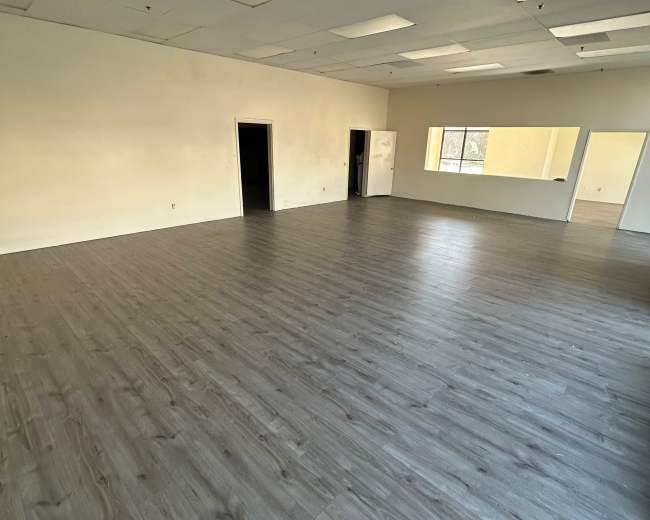
Large Modern multi room Studio Space — Ideal for Events, Shoots, content creating, podcast, rehearsals and more!
West End, Fontana, CA4.7 (13)
50 guests
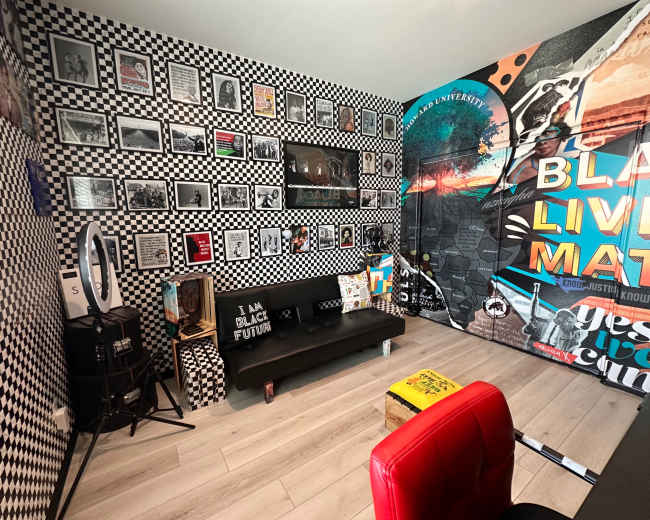
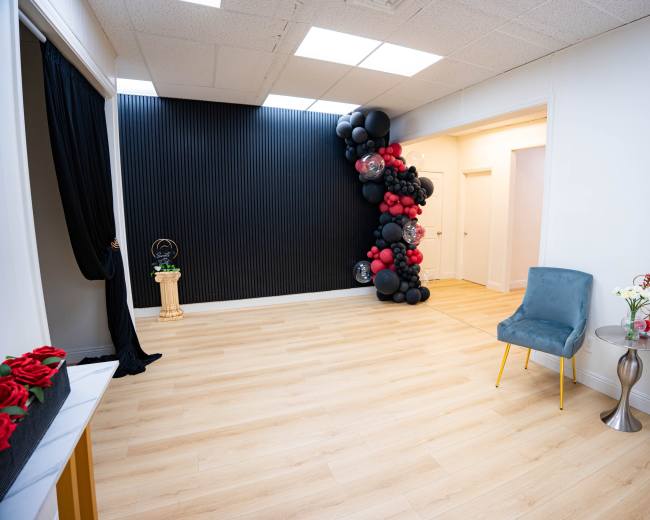
Black Renaissance Pop Art Studio Space Located in the beautiful Inland Empire Riverside Perris area!
Perris, CA5.0 (1)
3 guests
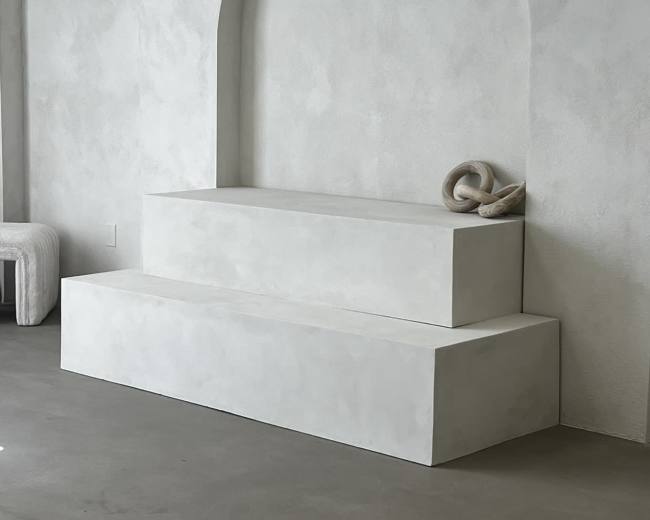
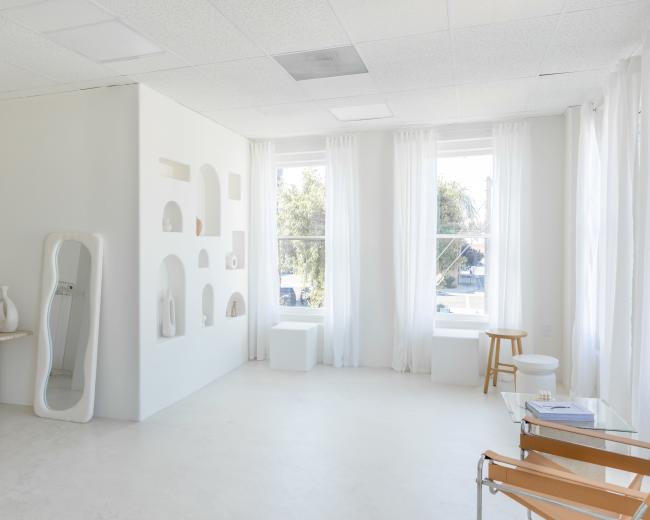
Modernist Meets Minimalist Lux Content Studio/ Photography/Event Space for creatives
Ontario, CA5.0 (162)
30 guests
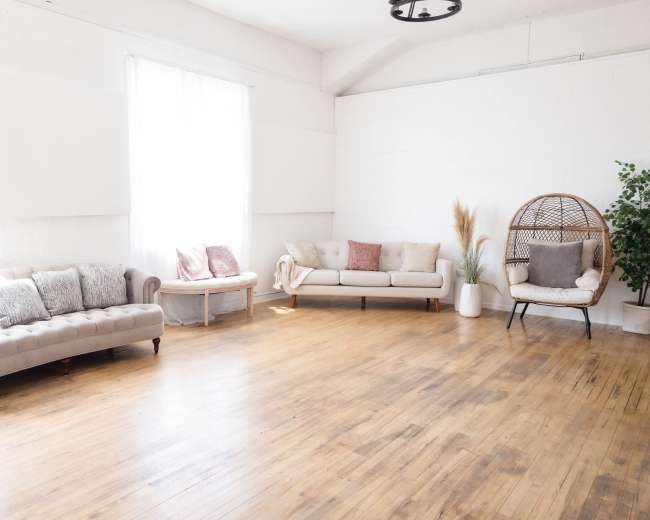
Natural Light Studio, Minimal and Neutral Space for Content Creation, Photography, Videography, & More
Downtown Redlands, CA5.0 (271)
10 guests
Mastermine Studios
Eastside, perris, CA5.0 (2)
30 guests
Modern Content Space
Chino, CA8 guests
Luxury Creative Venue Space
Ontario, CA150 guests
Spacious Downtown Studio
Upland, CA12 guests
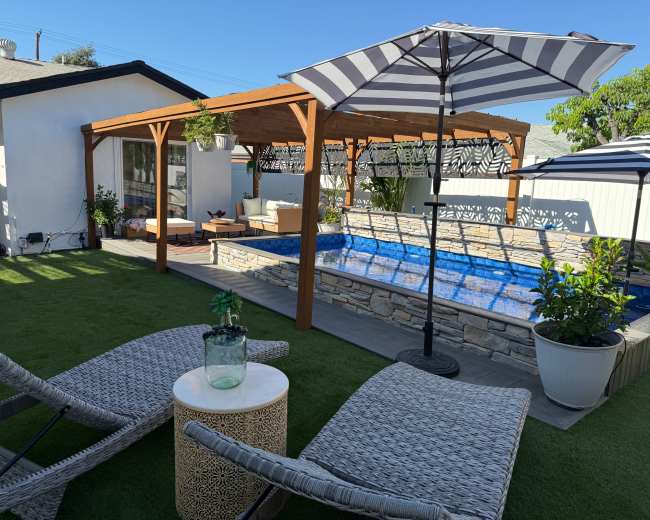
Tulum inspired patio
North Redlands, CA15 guests
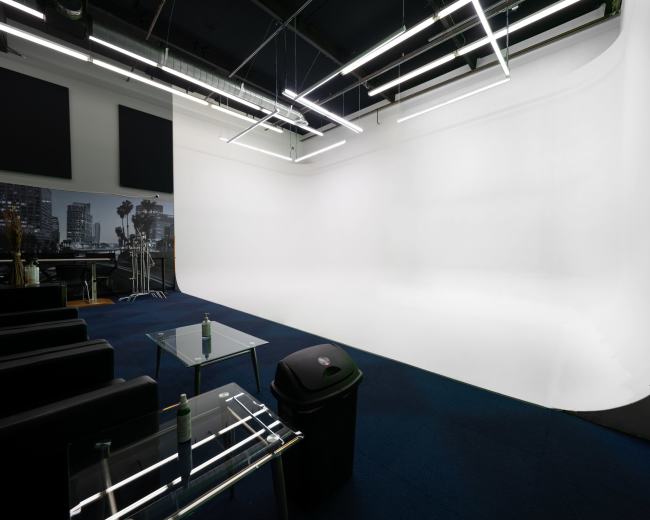
White Infinity Wall Studio with Sound Proofing, Photography Sets, and Idea Lounge
Upland, CA5.0 (46)
15 guests
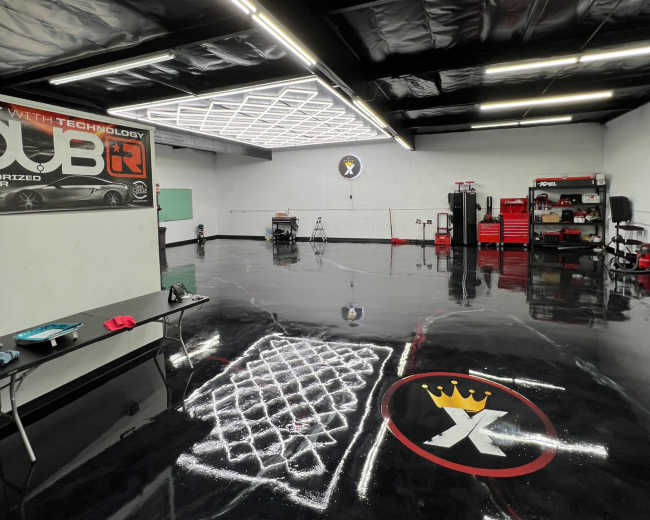
Industrial Automotive Shop
Upland, CA50 guests
Rent a Room for Your Next Photo Shoot or Podcast Recording
Menifee, CA10 guests
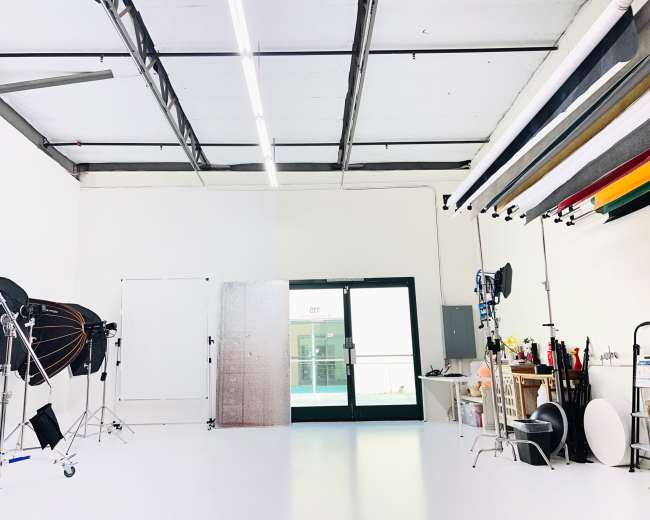
Accessible Studio Space with White Cyclorama and Commercial Roll Up Door
Pomona, CA5.0 (25)
20 guests
Beautiful and unique junkyard location
Montclair, CA60 guests
Downtown Video & Podcast Studio Built for Creators
Claremont, CA5.0 (3)
8 guests
Pricing and popularity information in this section is based on proprietary Peerspace booking data, reflecting recent booking activity and the latest data available through October 2026.
Photo studios in Riverside average $72 per hour to rent, but it’s easy to spend less or more depending on what you’re looking for.
Most photo studios are scheduled for 2 hours, with 5 people in attendance. You’ll find the most Photo Studios starting between 2:00 PM and 3:00 PM.
Our local hosts have welcomed 1046 people into their photo studios with reviews averaging 4.97 stars. 100% of guests said they'd book again.
Saturdays are the most popular day for booking photo studios in Riverside. For those seeking a deal, consider booking Thursday and Wednesday as these days are 38% cheaper on average.


